You know, when it comes to tube-to-tube welds, getting it right isn’t just about good craftsmanship – it’s absolutely critical for safety and keeping things running smoothly across so many industries. We’ve seen firsthand how complicated it can be to hit those tough regulatory marks and, frankly, avoid those nightmare failures that cost a fortune. Our whole thing is really about tackling those challenges head-on, putting in place rock-solid quality checks, and using the best tools out there to make sure every single weld hits the highest possible standard.
Understanding the Criticality of Tube-to-Tube Welding Quality
Think about it: tube-to-tube welding is the backbone of so many industrial systems. From the pipelines snaking across continents to the delicate components in an airplane, and even the boilers in a power plant – these welds are making the connections that hold everything together. If those connections aren’t reliable, you’re looking at a domino effect of safety hazards, shorter lifespans for equipment, and just plain bad performance. One bad weld? That’s not just a small hiccup; it can lead to total disaster, environmental damage, and a financial hit that’ll make your eyes water. So, really, maintaining top-notch weld quality isn’t just a “nice-to-have” or a “best practice”; it’s a fundamental, non-negotiable requirement.
1. The Importance of Weld Integrity in Critical Applications
When we talk about weld integrity in critical applications, we’re essentially talking about the absolute bedrock of structural soundness. It’s what keeps things from leaking or rupturing when they’re pushed to their limits. Industries like oil and gas, nuclear power, and aerospace – they don’t just want zero defects; they demand them. Why? Because human lives and incredibly valuable assets are on the line. Take power generation, for example: those boiler tubes are under insane pressure and heat. If a weld isn’t perfect, you’re looking at steam leaks, maybe even explosions. Or in chemical plants, where welds have to stand up to corrosive environments and constant stress without falling apart. The fallout from a compromised weld isn’t just an immediate operational headache; it’s a cascade of regulatory fines, a tarnished reputation, and repair bills that could sink a company. For us, ensuring robust weld integrity isn’t just a goal; it’s the absolute foundation for safe and reliable industrial operations.
2. Common Challenges in Achieving High-Quality Tube Welds
Let’s be honest, getting consistently high-quality tube welds isn’t a walk in the park. There are a bunch of hurdles. First off, you’ve got material compatibility – if your materials aren’t playing nice, or if the joint isn’t prepped perfectly, you’re asking for trouble. Then there are the welding parameters: current, voltage, travel speed – these aren’t just numbers; they need meticulous control to get that proper fusion and penetration. And don’t even get me started on the geometry of tube-to-tube joints, especially the tiny ones or those tucked away in tight spaces. It’s like trying to weld blindfolded sometimes, which makes manual welding a real beast. The operator’s skill, their experience – it all plays a massive role. Even a tiny slip-up can introduce flaws. And after the weld? You’ve got to worry about distortion, residual stresses, and how the heat-affected zone (HAZ) behaves, all of which can cause long-term headaches. All these factors together mean you can’t just wing it; you need a really thorough approach to quality assurance.
Key Industry Standards and Codes Governing Tube Welding
Industry standards and codes, you know, they’re not just a bunch of dusty rulebooks. They’re the very framework that ensures tube weld quality, laying out everything from how you design something and pick your materials, to the actual welding procedures and how you inspect the finished product. Sticking to these standards isn’t just a suggestion; it’s often legally required, vital for safety, and absolutely necessary if you want your products accepted in the market. These codes? They’re put together by committees of experts, distilling decades of engineering know-how and real-world experience. They’re the gold standard, the benchmarks for everyone involved – manufacturers, fabricators, inspectors, worldwide.
1. Overview of ASME Boiler and Pressure Vessel Code (BPVC) Sections
The ASME Boiler and Pressure Vessel Code, or BPVC as we usually call it, is pretty much the global bible for designing, making, and inspecting boilers and pressure vessels. A few sections in particular are super relevant to tube-to-tube welding. Section IX, for instance – that’s “Welding, Brazing, and Fusing Qualifications” – it spells out exactly what you need to do to qualify your welding procedures and, just as importantly, your welders. It’s all about making sure your welding process actually can produce good welds and that the people doing the work actually know what they’re doing. Then there’s Section VIII, “Rules for Construction of Pressure Vessels,” which lays out the design and fabrication rules, including what’s acceptable when it comes to weld imperfections. And Section I, “Rules for Construction of Power Boilers,” gets even more specific for boiler tube welding, covering everything from materials to design, fabrication, and inspection. Honestly, if you’re dealing with any kind of pressure-retaining component, being compliant with ASME BPVC isn’t just important; it’s absolutely critical.
2. API Standards for the Oil and Gas Industry
Now, for the oil and gas folks, the American Petroleum Institute (API) sets the bar with its standards, especially for pipelines and all the gear that goes with them. API 1104, “Welding of Pipelines and Related Facilities,” is the big one for tube-to-tube welding in that sector. It covers gas and arc welding for carbon and low-alloy steel pipes used in moving crude oil, petroleum products, and natural gas – basically, the whole shebang. This standard is pretty comprehensive, detailing requirements for qualifying welding procedures, qualifying the welders themselves, non-destructive testing (NDT), and what’s considered an acceptable weld versus a defective one. Honestly, following API 1104 is how you ensure the integrity and safety of our vital pipeline infrastructure.
Si te interesa, consulta 《Mastering Tank Welding API 650 Compliance Equipment And Automation》.
3. AWS Standards for Welding Procedures and Qualification
The American Welding Society (AWS) is another major player, churning out a massive collection of standards for pretty much every welding process, procedure, and how to qualify personnel. AWS D1.1, “Structural Welding Code – Steel,” is super common for structural steel work, and yeah, that includes some tube welding. Then there’s AWS B2.1, “Specification for Welding Procedure and Performance Qualification,” which gives you the general rules for qualifying welding procedures and welders across a whole range of materials and processes. These standards are there to make sure welding operations are done right, following established best practices, so you end up with welds that have the mechanical and metallurgical properties you need. And let me tell you, AWS certifications are often a must-have for welders and fabricators in tons of industries.
4. European Standards (EN) and ISO Standards for Global Compliance
When you’re talking about global markets, European Standards (EN) and International Organization for Standardization (ISO) standards are what help everyone play nicely together in welding. They’re all about compliance and interoperability. For instance, EN ISO 9606-1, “Qualification testing of welders – Fusion welding – Part 1: Steels,” lays out what it takes for a welder to get qualified. And EN ISO 15614-1, “Specification and qualification of welding procedures for metallic materials – Welding procedure test – Part 1: Arc and gas welding of steels and arc welding of nickel and nickel alloys,” tells you how to qualify welding procedures. Then there’s ISO 3834, “Quality requirements for fusion welding of metallic materials,” which gives you a whole framework for managing quality in welding fabrication. If you’re a company doing business internationally, these standards are absolutely vital for ensuring consistent quality and sticking to global best practices.
5. Specific Requirements for Aerospace and Nuclear Applications
Now, if you’re in aerospace or nuclear, the quality standards aren’t just high; they’re exceptionally stringent. Why? Because if something goes wrong, the consequences are catastrophic. In aerospace, you’ve got specs like AWS D17.1, “Specification for Fusion Welding for Aerospace Applications,” dictating everything about welding processes, materials, and inspection. These often demand advanced techniques, like orbital welding, and a ton of non-destructive testing. For nuclear stuff, ASME BPVC Section III, “Rules for Construction of Nuclear Facility Components,” calls for extreme precision and the most rigorous quality control you can imagine. This means super detailed material traceability, constant monitoring during the process, and multiple layers of inspection. We’ve learned that these sectors don’t just want expertise; they demand unparalleled expertise and an unwavering commitment to specialized protocols.
Essential Quality Control Measures and Inspection Techniques
Look, having effective quality control and inspection techniques isn’t just a good idea; it’s absolutely essential for confirming that tube welds are actually sound. These measures aren’t just for the end of the process either; they span the entire welding journey, from the very first material checks right up to the final weld assessments. Being proactive with quality control means fewer defects, less rework (which, let’s be honest, is a huge headache), and ultimately, making sure everything lines up with industry standards.
1. Pre-Welding Preparation and Material Verification Standards
Getting things right before you even strike an arc – that’s where thorough pre-welding prep and material verification come in. It’s the foundation of good weld quality. This means really scrutinizing the tube ends: are they clean? Is the bevel angle correct? Are the dimensions spot on? And material traceability? That’s huge. You need to be absolutely sure the tubes are the right chemical composition and have the mechanical properties specified. We always double-check material certifications against project requirements; you don’t want a material mix-up causing problems down the line. Even how you store and handle consumables – electrodes, filler wires – matters. Keep them clean, keep them dry, prevent contamination. Sticking to these standards upfront really cuts down on potential defects before welding even starts.
2. In-Process Monitoring and Control of Welding Parameters
Keeping an eye on things during the welding process is key to consistent application of parameters, which directly impacts weld quality. Think about automated welding systems, often hooked up with Manipulador de soldadura y Welding Positioner Suppliers – they can track and adjust things in real-time: current, voltage, travel speed, gas flow. If something goes off-spec, they can flag it or even shut down automatically. Maintaining tight control over these variables is how you prevent common defects like lack of fusion, too much penetration, or porosity. And the data logging? That’s gold. It gives you a complete record of how the weld was performed, which is invaluable for quality assurance and troubleshooting later on.
3. Non-Destructive Testing (NDT) Methods for Tube Welds
Non-destructive testing, or NDT, is pretty much what it sounds like: checking a weld’s integrity without actually messing it up. Here are some of the common ways we do it for tube welds:
- Visual Inspection (VT): This is your first line of defense. Just looking for surface flaws – cracks, porosity, undercut. Simple, but crucial.
- Pruebas radiográficas (RT): We’re talking X-rays or gamma rays here, shooting through the weld to uncover internal nasties like porosity, inclusions, or hidden cracks.
- Pruebas ultrasónicas (UT): High-frequency sound waves doing the work, finding internal discontinuities and even measuring the weld’s thickness.
- Liquid Penetrant Testing (PT): A liquid seeps into any surface-breaking cracks or flaws, making them visible. It’s like a dye-test for welds.
- Magnetic Particle Testing (MT): If you’ve got ferromagnetic materials, magnetic fields will highlight surface and near-surface flaws.
Often, we’ll use a combination of these methods to get a really comprehensive picture of the weld’s quality.
4. Destructive Testing Procedures and Acceptance Criteria
Sometimes, you just have to break something to really understand it. That’s where destructive testing comes in. It gives us super detailed info about a weld’s mechanical properties and internal structure by, well, physically altering or breaking the sample. Here are some common destructive tests:
- Tensile Testing: This tells you how strong the weld is and how much it can stretch before breaking.
- Bend Testing: We bend the weld to see how ductile it is and if there are any cracks on the surface under tension or compression.
- Impact Testing (Charpy/Izod): This one’s about toughness – how well the weld resists brittle fracture, especially important at low temperatures.
- Macro Etch and Microstructural Examination: This is where we cut it open, etch it, and look at the weld bead profile, how deep it penetrated, and if there are any tiny defects or unwanted microstructures.
The acceptance criteria for all these tests? They’re spelled out in those industry codes and standards, ensuring that every weld performs exactly as it should.
5. Documentation and Traceability Requirements for Quality Assurance
You know, having a solid paper trail, or rather, a digital one these days, is absolutely critical for quality assurance. It’s about having a verifiable record for every single weld. This includes:
- Welding Procedure Specifications (WPS): These are your detailed instructions for each welding job.
- Procedure Qualification Records (PQR): Proof that your WPS actually works and produces good welds.
- Welder Performance Qualification (WPQ): Records confirming that your welders can actually follow those procedures.
- Material Certificates: Documentation proving your materials are what they say they are.
- Inspection Reports: All the results from your NDT and destructive testing.
Keeping all this documentation in order isn’t just good practice; it ensures accountability, makes audits a breeze (well, easier anyway), and lets you troubleshoot or even recall things efficiently if problems pop up.
Best Practices for Achieving and Maintaining High Welding Quality
Implementing best practices isn’t just a suggestion; it’s absolutely essential for consistently churning out high-quality tube welds and staying compliant. This means looking at everything: the tech we use, the people doing the work, and how we manage the whole process systematically.
1. Selecting Appropriate Welding Processes and Consumables
Choosing the right welding process and consumables is paramount – it really makes or breaks your tube weld quality. If you’ve got thin-walled tubes or super critical applications that demand pinpoint precision, Gas Tungsten Arc Welding (GTAW/TIG) is often your best bet. It gives you incredible control and super clean welds. But if you’re dealing with thicker sections or need to lay down a lot of material quickly, then Gas Metal Arc Welding (GMAW/MIG) or Shielded Metal Arc Welding (SMAW) might be more suitable. And don’t forget the filler metal – it absolutely has to match the base material’s properties. You need metallurgical compatibility and the right mechanical characteristics. Even the shielding gases play a huge role in preventing contamination and keeping the arc stable. In our experience, making these choices carefully really minimizes defects and makes the weld perform better in the long run.
2. The Role of Welder Qualification and Certification
This one’s non-negotiable: welder qualification and certification. It’s the only way to ensure you’re getting reliable tube welds. Qualified welders aren’t just people who can hold a torch; they have the necessary skills and knowledge to follow welding procedures consistently and correctly, every single time. Organizations like AWS or ASME put welders through their paces with practical tests and written exams to certify their abilities. And it’s not a one-and-done deal; regular requalification ensures welders stay sharp and up-to-date with new techniques or materials. Honestly, investing in continuous training and skill development for your welding team directly translates to higher weld quality and way fewer defects.
3. Implementing Advanced Welding Automation for Precision
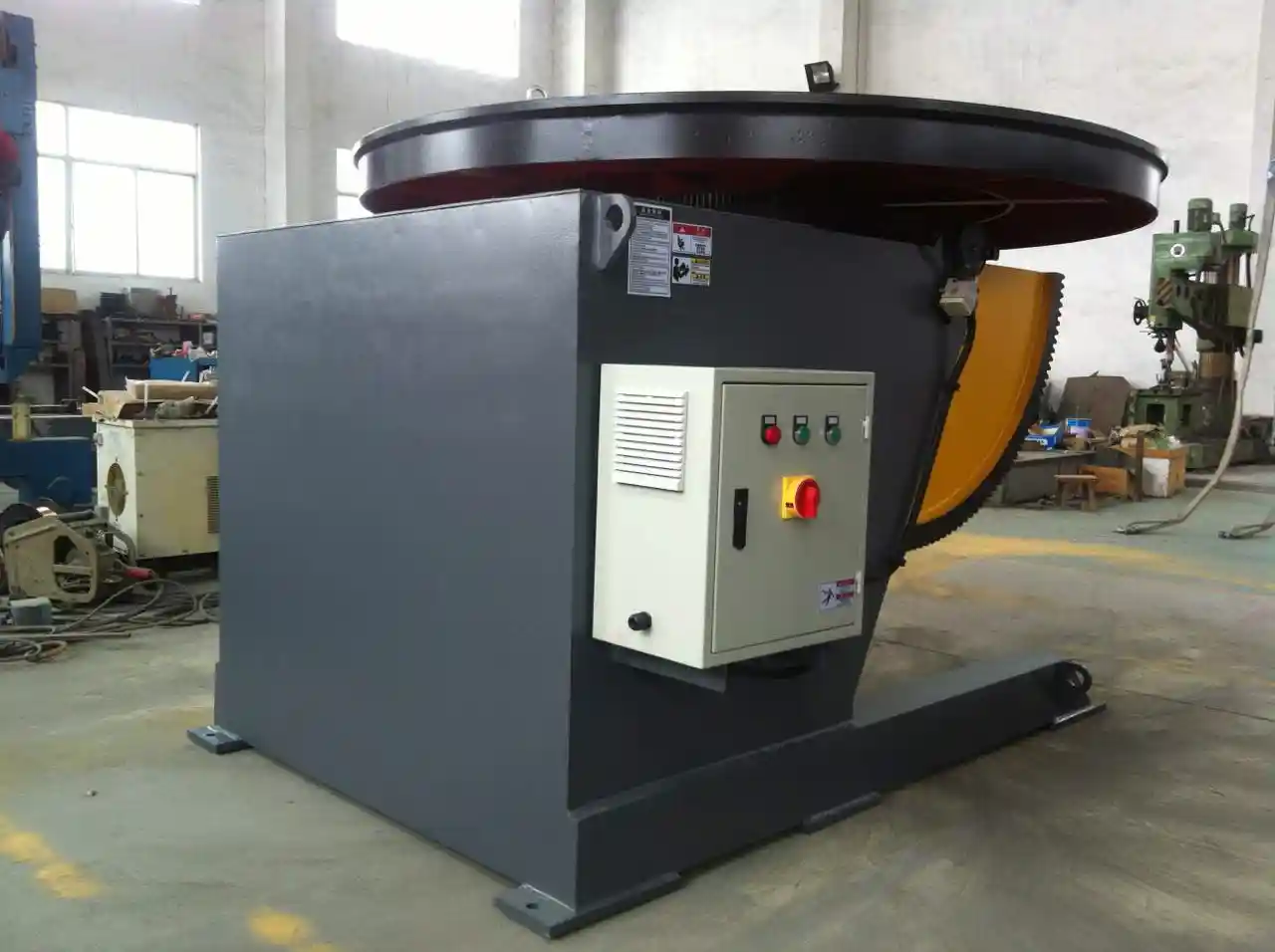
Advanced welding automation is a game-changer. It dramatically boosts precision, repeatability, and overall quality in tube-to-tube welding. Automated systems, like those using Welding Manipulator Manufacturers o Welding Positioner Suppliers, really cut down on human error and keep those welding parameters perfectly consistent. Orbital welding machines, specifically designed for tube-to-tube joints, deliver incredibly uniform, high-quality welds, even in tricky spots. And robotic welding cells? They offer unmatched accuracy and speed for high-volume production. These technologies often come with real-time monitoring and feedback systems, allowing for immediate adjustments and ensuring everything adheres to those super stringent quality standards.
4. Establishing Robust Quality Management Systems
Having a robust quality management system (QMS) isn’t just about ticking boxes; it’s a structured way to ensure consistent weld quality across the board. This includes:
- Standard Operating Procedures (SOPs): Literally documenting every single step of your welding process.
- Calibration of Equipment: Regularly checking your welding machines and inspection tools to make sure they’re accurate.
- Internal Audits: Periodically reviewing your processes and records to spot areas where you can improve.
- Corrective and Preventive Actions (CAPA): This is about fixing problems when they happen and, more importantly, putting things in place to stop them from happening again.
A truly effective QMS, often based on ISO 9001 or ISO 3834, really fosters a culture of quality and continuous improvement throughout the entire fabrication process.
5. Continuous Improvement and Training Programs
You can’t just set it and forget it. Continuous improvement and ongoing training programs are absolutely vital for maintaining and actually improving welding quality. Getting regular feedback from inspection results helps you pinpoint common defect patterns, which then lets you target your training or tweak your processes. Investing in advanced training for welders and inspectors – on new tech, new materials, new standards – keeps your workforce incredibly skilled. And implementing lean manufacturing principles? That can really streamline welding operations, cut down on waste, and boost efficiency. This commitment to ongoing development ensures that welding quality remains front and center in everything we do.
We provide solutions for continuous improvement, for example, 《Cómo mejorar la calidad de la soldadura de tuberías mediante un posicionador de soldadura de alta precisión》.
The Impact of Non-Compliance and Ensuring Regulatory Adherence
Seriously, ignoring quality standards for tube-to-tube welding has some pretty severe consequences. It really drives home how critical it is to stick to the rules. The fallout can range from immediate operational failures to long-term legal and financial nightmares.
1. Consequences of Substandard Tube-to-Tube Welds
Let me tell you, substandard tube-to-tube welds lead to a whole heap of trouble. Operationally, you’re looking at leaks, ruptures, and equipment failing way too soon, which means costly downtime, expensive repairs, and potentially even environmental damage. Safety-wise, it’s a huge deal, especially in high-pressure or hazardous material situations where a weld failure could put people’s lives at risk. Economically, bad welds mean massive rework costs, project delays, and potentially getting hit with contractual penalties. And on top of all that, regulatory bodies can slap you with huge fines, yank your certifications, and even drag you to court, which absolutely trashes a company’s reputation and makes it incredibly hard to land future contracts.
2. Navigating Audits and Certification Processes
Successfully getting through audits and certification processes isn’t just about showing off; it’s crucial for proving you’re compliant and keeping your operational licenses. This means keeping meticulous records, following your documented procedures to the letter, and consistently demonstrating good quality control. Auditors will pore over your WPS, PQR, WPQ, and inspection reports to verify you’re hitting all the right notes according to the applicable codes. Certification bodies, like ASME or ISO, will do rigorous assessments of your company’s quality management system and welding capabilities. Being proactive – doing internal audits, training your employees – makes these processes much smoother and usually leads to a positive outcome.
3. Leveraging Technology to Meet Stringent Quality Standards
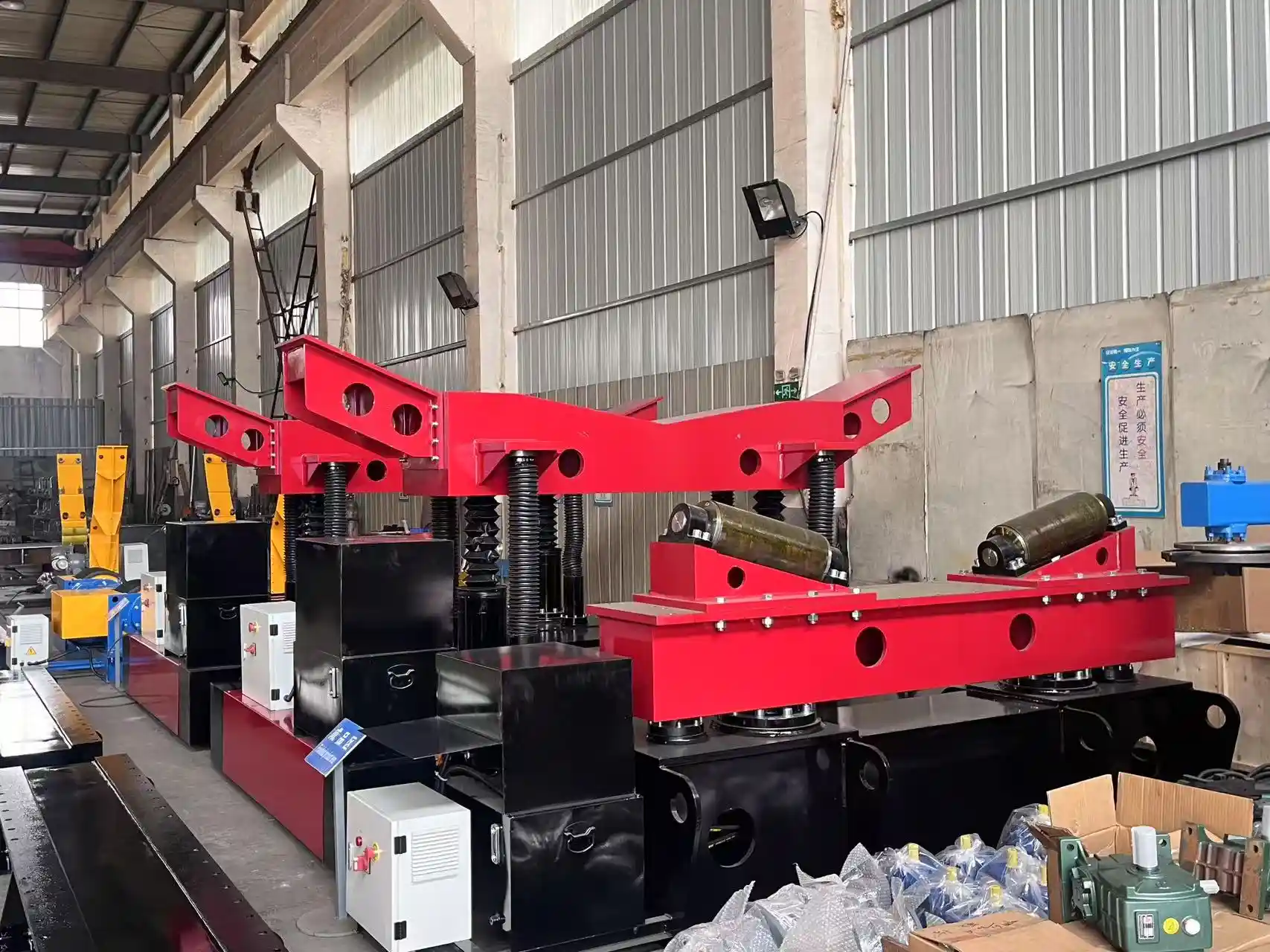
Honestly, using advanced technology is becoming more and more essential if you want to meet those incredibly stringent tube-to-tube welding quality standards. Automated welding systems, especially those with integrated sensors and real-time data capture, give you precise control and a comprehensive record of everything. Then there are advanced NDT techniques, like phased array ultrasonic testing (PAUT) and digital radiography, which are just fantastic at finding defects. And with data analytics and artificial intelligence, you can even predict potential problems and fine-tune your welding parameters. These technological leaps don’t just make for better welds; they also make the whole process more efficient and cut down on inspection times.
We leverage technology to meet stringent quality standards, for example, 《Solución revolucionaria para la soldadura de recipientes a presión Análisis técnico de los posicionadores de soldadura giratorios de 360 grados》.
Partner with WUXI ABK for Uncompromising Tube Welding Quality
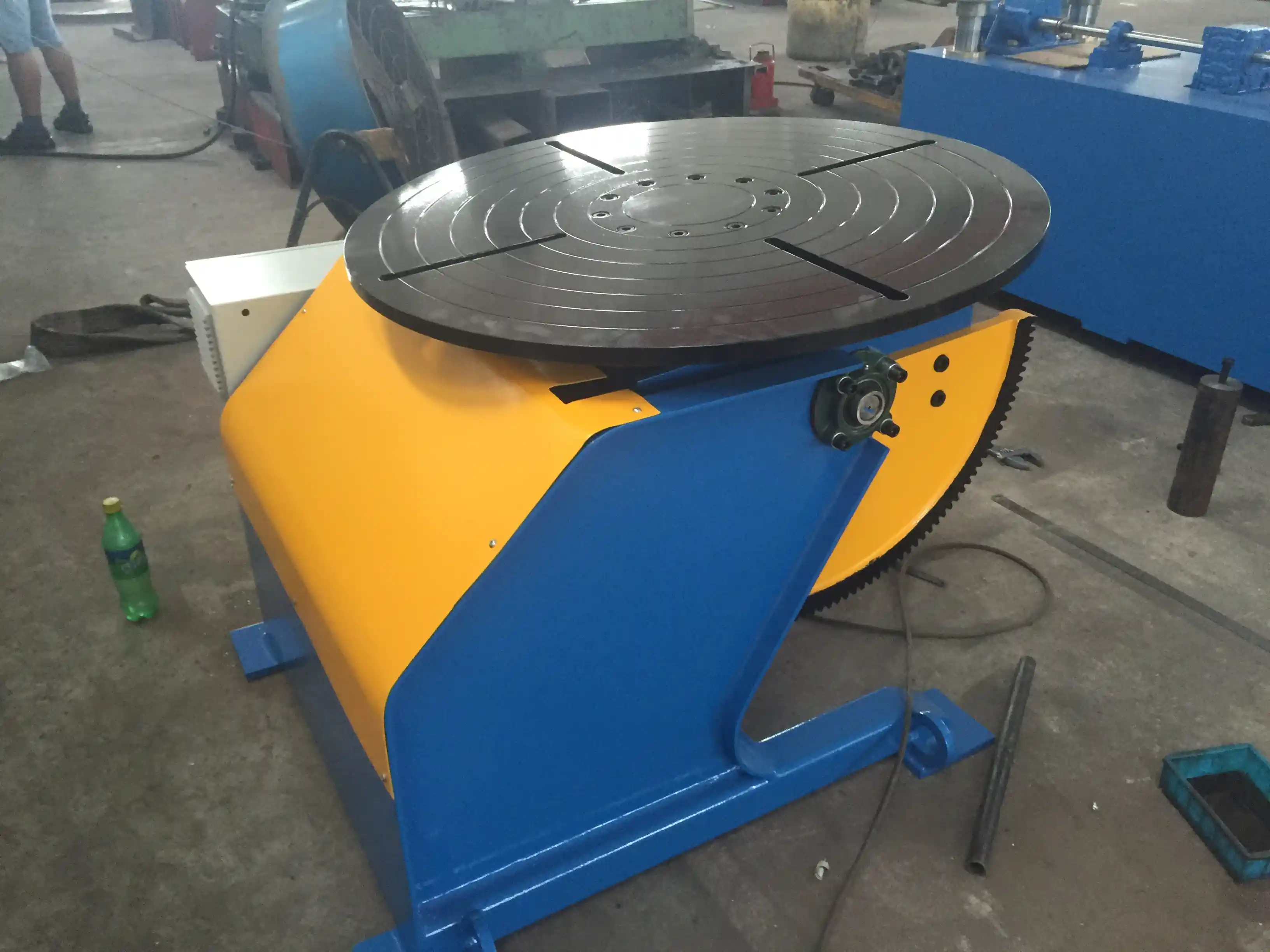
Look, ensuring your tube-to-tube welding quality is absolutely top-notch isn’t just important; it’s critical for your project’s success and, more importantly, its safety. Here at WUXI ABK MACHINERY CO., LTD, we really pride ourselves on specializing in advanced welding automation solutions that not only meet but actually exceed the most rigorous industry standards out there. Whether you need a precision Manipulador de soldadura or robust Welding Positioner Suppliers, our equipment is specifically designed to boost weld integrity, slash defects, and seriously ramp up your production efficiency. So, why not reach out today? Let’s chat about your specific welding headaches and discover how our expertise can deliver reliable, high-quality solutions. You can drop us an email at jay@weldc.com or just give us a call at +86-13815101750.
Sobre el autor
Jay Li, Director de I+D
Jay Li, a welding automation expert with over 20 years of experience, specializes in Soldadura de torres eólicas líneas, H Beam Welding Line Suppliers lines, and Tube Welding Machine equipment. He helps companies improve quality and production efficiency through advanced welding solutions.
Preguntas frecuentes
1. What are the primary industry standards for tube-to-tube welding?
When it comes to tube-to-tube welding, you’ll primarily be looking at the ASME Boiler and Pressure Vessel Code (BPVC), especially Sections I, VIII, and IX. For oil and gas, API 1104 is a big one. Then there’s AWS D1.1 and B2.1, which give you general guidelines for welding procedures and qualifications. And if you’re dealing globally, European (EN) and ISO standards are key for compliance.
2. How does non-destructive testing (NDT) contribute to tube weld quality?
NDT methods – think visual inspection, radiographic testing, ultrasonic testing – are absolutely essential for checking tube weld quality without actually damaging the component. They’re great for spotting both surface and internal defects, making sure your welds meet the specified acceptance criteria, and ultimately preventing potential failures in those really critical applications.
3. What role does welding automation play in meeting quality standards?
Welding automation, using equipment like Manipulador de soldadura y Welding Positioner Suppliers, is a game-changer. It significantly reduces human error and ensures those welding parameters stay perfectly consistent. Automated systems offer repeatable precision, real-time monitoring, and data logging – all crucial for achieving high-quality welds and sticking to those stringent industry standards.
4. How often should welding procedures and welders be re-qualified?
The frequency for requalifying welding procedures and welders really depends on the specific code or standard you’re following, as well as the welder’s performance and how consistently they’ve been working. Generally, welders usually need to requalify if they haven’t welded a specific process for a certain period (like six months), or if there’s any doubt about their ability. Procedures typically get re-evaluated whenever there are significant changes.
5. What are the most common defects in tube-to-tube welding and how are they prevented?
You often see defects like porosity, lack of fusion, undercut, cracks, and excessive penetration. To prevent these, you need meticulous joint preparation, precise control over your welding parameters, using the right consumables, making sure you have proper shielding gas coverage, and, of course, ensuring your welders are properly qualified and experienced. Advanced automation also goes a long way in significantly reducing these kinds of defects.
 English
  Español
  Français
  Deutsch
  Português
  Русский