Getting membrane panel production right means watching two numbers constantly: what goes in and what comes out. The math sounds simple, but the variables multiply fast once you factor in equipment choices, energy consumption, and the hidden costs of inconsistency. After years of working through these calculations with fabricators, the pattern becomes clear—strategic equipment decisions separate profitable operations from those constantly chasing margins.
The Real Costs Behind Membrane Panel Production
Membrane panel production carries two distinct financial burdens that behave very differently. Capital expenditure hits hard upfront—purchasing a Membrane Welding Machine, installing automated systems, commissioning everything to run properly. These costs sit on the books as depreciating assets, affecting financial planning for years.
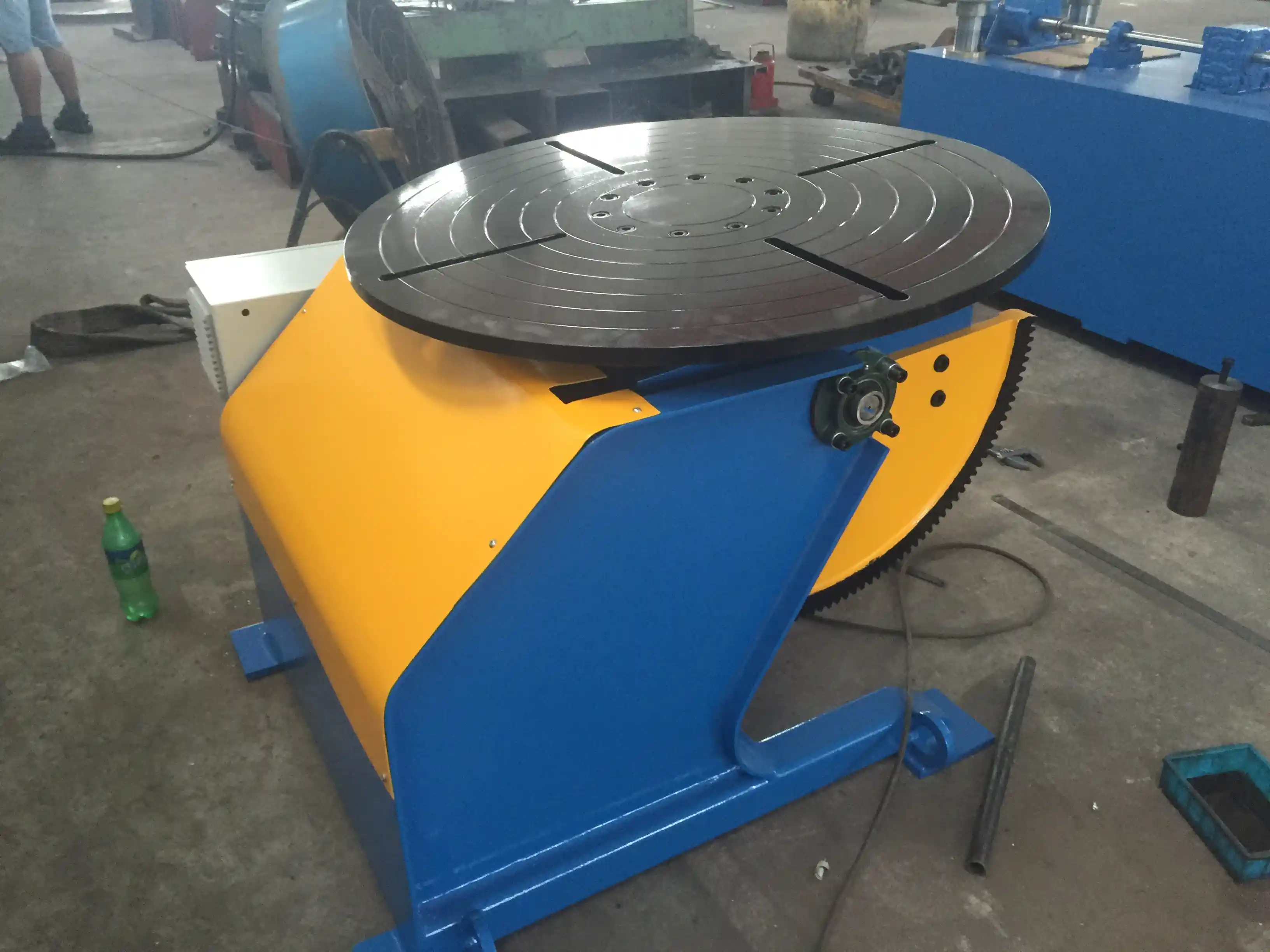
Operational costs never stop. Raw materials, labor, energy bills, maintenance schedules—they accumulate daily and directly determine whether a given month turns profitable. Energy efficiency in welding matters more than most fabricators initially realize. A Welding Manipulator like the WUXI ABK LH8080 demonstrates this well: its precise control systems minimize wasted energy during positioning and welding cycles.
Maintenance deserves separate attention. Preventive programs cost money, but equipment breakdowns cost more. The ROI calculation for any new equipment must account for both the initial purchase and the projected savings from reduced downtime and improved consistency. High-precision equipment pays for itself partly through lower rework rates and less material ending up in the scrap bin.
| Cost Category | Descripción | Impact on Profitability |
|---|---|---|
| Capital | Equipment purchase, installation, commissioning | High initial outlay, long-term asset, depreciation |
| Operational | Labor, energy, consumables, maintenance | Recurring, directly impacts daily margins |
| Maintenance | Preventive, corrective, spare parts | Reduces downtime, extends equipment lifespan |
| Rework/Scrap | Material waste, additional labor | Direct loss, lowers overall yield |
| Energy | Machine operation, facility utilities | Significant ongoing expense, variable with efficiency |
Pushing Output Higher in Boiler Panel Fabrication
Maximizing output in boiler panel fabrication requires looking at the entire production flow, not just individual machines. Throughput improvements come from eliminating bottlenecks, maintaining consistent quality, and keeping equipment running at designed capacity.
Automated welding systems for boiler panels change the economics fundamentally. Cycle times drop. Defect rates fall. Water-wall panels and fin welding operations that once required constant operator attention now run with predictable consistency. A dedicated panel welding line integrates tube welding through final assembly, creating smooth material flow rather than stop-and-start processing.
Scalability becomes possible with modular equipment designs. When demand increases, adding capacity doesn’t require rebuilding the entire line. Lead time reduction follows naturally from higher throughput—customers get their panels faster, and the operation responds more quickly to market shifts.
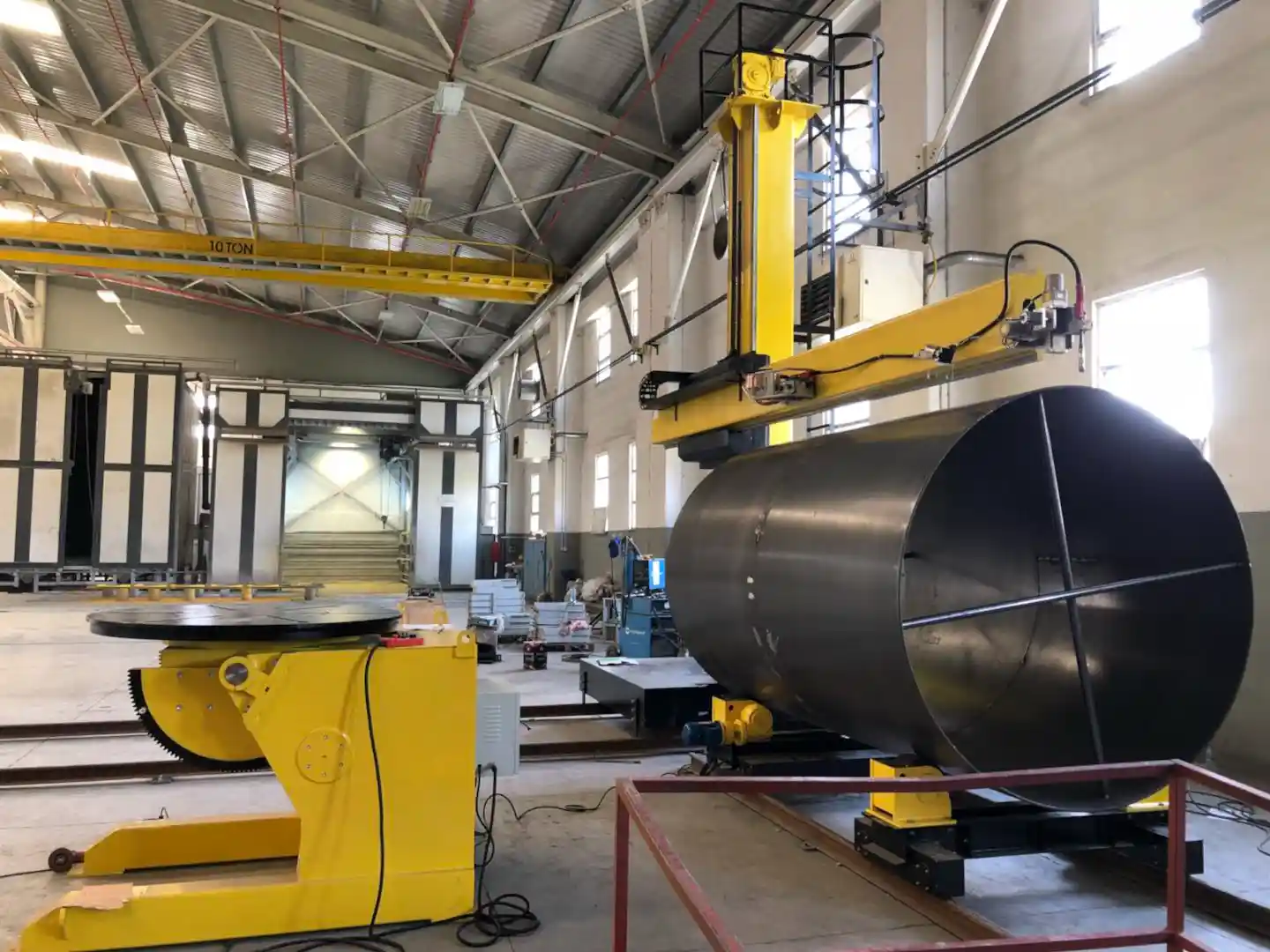
The WUXI ABK LH series manipulators illustrate what precision means for production volumes. With positioning accuracy of ±0.1 mm/m, these systems handle longitudinal and circumferential seams at speeds manual welding cannot match. The consistency they deliver means fewer rejected panels and more sellable product from the same raw material input.
How Does Welding Technology Impact Membrane Panel Production Costs?
Advanced welding processes cut membrane panel production costs through several mechanisms working together. Automated fin welding machines reduce dependence on manual labor, delivering measurable labor costs reduction. These specialized welding machines also maintain consistent weld quality across thousands of joints, which means less material ends up as rework or scrap.
A precise Tube Welding Machine prevents the kinds of defects that cascade into expensive corrections downstream. The cost efficiency gains compound: better resource utilization, faster production speeds, and fewer quality holds waiting for inspection or repair.
What Are the Key Factors Influencing Membrane Panel Output?
Machine uptime drives everything else. When equipment runs reliably, production bottlenecks shift elsewhere—usually to material handling or scheduling. Effective material flow keeps components moving to welding stations without delays.
Skilled labor remains important even with automated systems. Operators who understand the equipment catch problems early, perform effective troubleshooting, and optimize cycle times through intelligent programming. Production capacity ultimately depends on how well all these elements work together. Addressing potential bottlenecks before they constrain output keeps production volumes consistent.
Making the Investment Case for Advanced Welding Lines
Strategic investment in advanced welding lines requires honest financial analysis. The ROI calculation must include initial equipment costs, projected operational savings, and realistic estimates of increased revenue from higher output. Market demand and technological trends factor into project planning—equipment purchased today needs to remain competitive for years.
Supplier selection criteria deserve careful attention. Reliable equipment matters, but so does the technical support that keeps it running. A vendor relationship that includes responsive service and genuine expertise in membrane panel production reduces risk substantially.
Automated welding lines demand higher initial capital, but the long-term benefits justify the investment for operations with sufficient volume. Labor costs drop. Weld quality improves. Throughput increases. The profitability analysis should capture reduced rework, lower energy consumption per panel, and extended equipment lifespan.
WUXI ABK’s Triple Axis Positioner (5 Tons) offers ±0.05 mm positioning accuracy, making it well-suited for robotic welding cells where precision directly affects material waste and post-processing requirements. Equipment at this accuracy level contributes to faster ROI by reducing the hidden costs that accumulate from inconsistent positioning.
What is the typical ROI for investing in automated membrane panel welding lines?
Automated welding line investments typically return their cost within 2-5 years, though specific results depend on production volumes and existing cost structures. The investment justification rests on long-term savings across labor, materials, and energy consumption.
A shorter payback period results from higher production efficiency and lower defect rates. Systems incorporating a 3 Axis Welding Positioner enhance consistency and throughput simultaneously. Running a thorough cost-benefit analysis reveals operational cost reductions that continue accumulating well beyond the initial payback period.
| Investment Factor | Manual Welding Line | Automated Welding Line |
|---|---|---|
| Initial Cost | Bajo | Alta |
| Costes laborales | Alta | Bajo |
| Tasa de reprocesamiento | Moderate-High | Bajo |
| Velocidad de producción | Low-Moderate | Alta |
| Weld Consistency | Variable | Alta |
| Payback Period | N/A (ongoing) | 2-5 Years (typical) |
Running Tight Operations Without Cutting Corners on Quality
Operational excellence means reducing operational costs while maintaining quality standards that customers expect and specifications require. These goals only conflict when approached carelessly.
Safety protocols protect both personnel and equipment. Preventive maintenance programs maximize machine uptime and extend equipment lifespan—a proactive approach that costs less than reactive repairs after breakdowns. Energy efficiency in welding processes optimization contributes directly to cost savings without affecting output quality.
Quality control systems integrated throughout fabrication techniques catch defects early. Identifying problems at the welding stage costs far less than discovering them during final inspection or, worse, after delivery. Regular calibration and inspection of welding equipment ensure consistent performance over time.
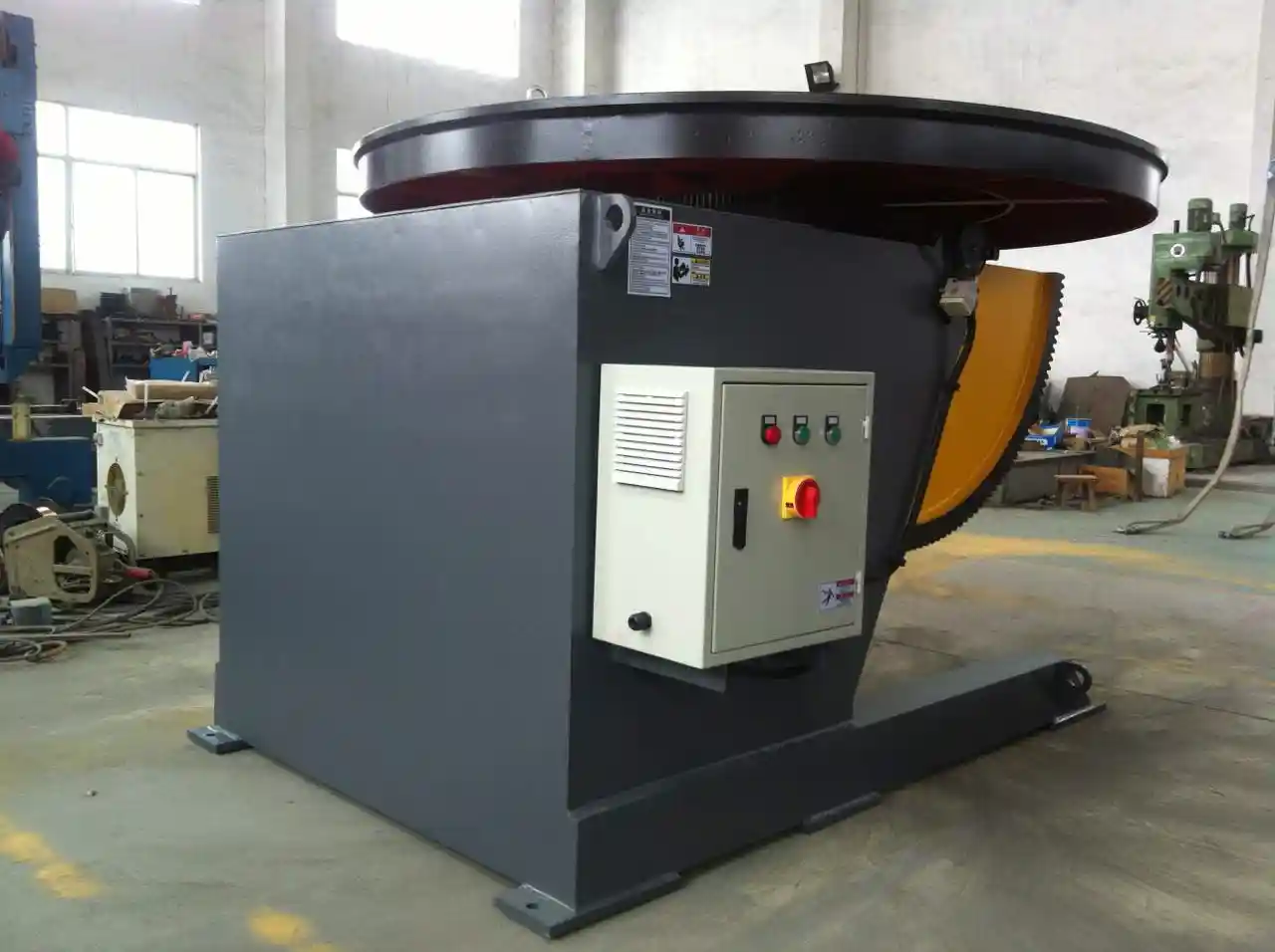
WUXI ABK’s 5-Ton Fixed Height Welding Positioner maintains ±0.5° rotation accuracy. This precision level directly affects weld quality on every panel that passes through the station. Operator training programs complement equipment capabilities—skilled workers make better use of sophisticated machinery and catch issues that automated monitoring might miss.
How can I reduce operational costs in membrane panel production without sacrificing quality?
Reducing operational costs without compromising quality requires targeting the right areas. Energy efficiency in welding practices—optimizing arc time, using efficient power sources, minimizing idle consumption—delivers savings without affecting weld integrity.
Comprehensive preventive maintenance programs minimize costly downtime. Equipment that runs reliably produces more panels per shift. Waste management strategies, including material optimization and scrap reduction, contribute additional savings. Robust quality assurance in fabrication protocols, particularly real-time weld monitoring, prevent defects before they require expensive rework.
What are the essential maintenance considerations for membrane panel welding equipment?
Effective maintenance for welding equipment follows a structured approach. Develop a detailed equipment maintenance schedule covering daily checks, weekly inspections, and annual overhauls. Machine uptime depends on having critical spare parts management systems in place—waiting for parts during a breakdown extends downtime unnecessarily.
Service intervals recommended by manufacturers exist for good reasons. Following them prevents premature wear and unexpected failures. Troubleshooting welding equipment issues proactively, before they cause production stops, keeps operations running smoothly. Proper lubrication and cleaning extend welding machine longevity and maintain the precision that membrane panel production requires.
Finding the Right Equipment Partner
Equipment supplier selection affects production outcomes for years after the purchase decision. Key supplier selection criteria include industry experience, technical support capabilities, and willingness to provide customization options that match specific production requirements.
A reliable welding equipment manufacturer offers comprehensive after-sales service. WUXI ABK MACHINERY, established in 1999, brings extensive experience as a professional manufacturer of welding equipment. The solutions we provide address specific industrial fabrication needs rather than offering generic equipment that requires extensive modification.
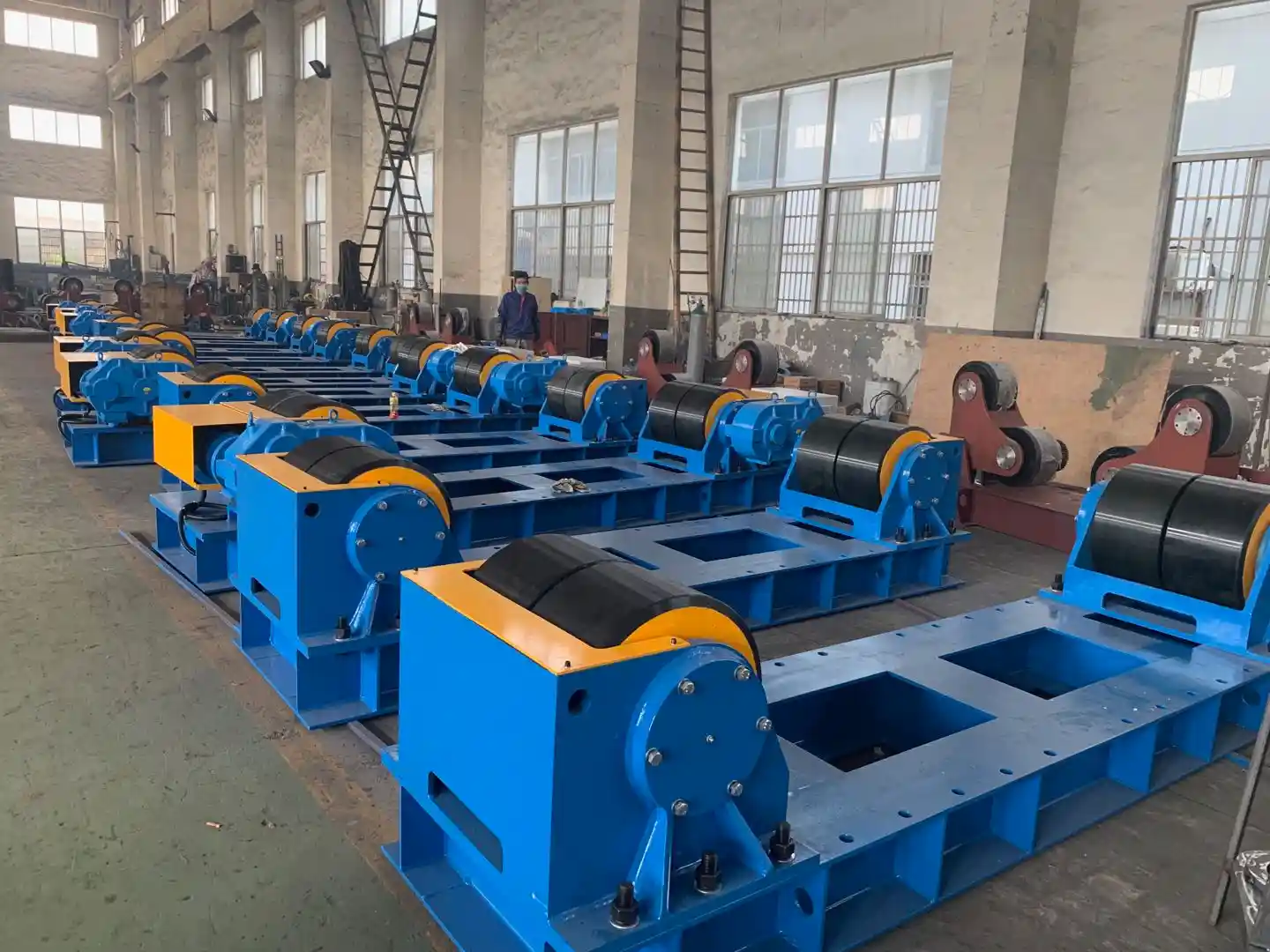
Our expertise covers various welding technologies, from Welding Manipulator systems to 3 Axis Positioner units. Customized welding lines designed for optimal performance in membrane panel production reflect our understanding of what fabricators actually need. Partnering with an experienced provider means access to current technology and responsive support when questions arise or problems need solving.
Where This All Leads
Optimizing membrane panel production comes down to balancing cost control with output maximization. Strategic equipment investment, particularly in automated welding technology, drives improvements in both efficiency and quality. Operational excellence through diligent maintenance and quality assurance sustains those gains over time.
Manufacturers who focus on these areas achieve sustainable production and maintain competitive manufacturing positions. The future of welding technology points toward integrated, intelligent systems that enhance precision and productivity simultaneously.
Work With WUXI ABK MACHINERY
WUXI ABK MACHINERY CO., LTD. has provided welding equipment solutions since 1999. Our systems are designed to optimize your cost-output ratio while maintaining the quality standards membrane panel production demands. Contact us for a consultation on how our expertise applies to your specific fabrication challenges. Email: jay@weldc.com, Phone: +86-13815101750.
Frequently Asked Questions on Membrane Panel Production
What types of welding equipment are essential for efficient membrane panel production?
Efficient membrane panel production depends on specialized welding equipment matched to specific tasks. Automated fin welding machines join fins to tubes with the accuracy and speed manual methods cannot sustain. Tube-to-panel welders create strong, consistent connections between tubes. Welding Manipulator systems provide precise positioning and control for large panels where manual handling would introduce variability. Together, these tools improve speed, precision, and overall fabrication quality.
How does automation in membrane panel welding impact long-term operational costs?
Automation reduces long-term operational costs through multiple channels. Labor cost reduction comes from replacing manual tasks with robotic systems that run continuously without fatigue. Material waste decreases because automated systems maintain consistent accuracy across production runs. Energy efficiency in welding improves when machines operate at optimized parameters rather than variable manual settings. Lower rework rates and higher output combine to boost overall profitability.
Can WUXI ABK MACHINERY customize welding lines for specific membrane panel requirements?
WUXI ABK MACHINERY provides customized welding lines tailored to specific membrane panel requirements. Our bespoke welding equipment solutions address unique industrial application customization needs that standard equipment cannot meet. Our engineering team collaborates with clients to design systems matching exact production specifications, ensuring optimal performance and integration with existing operations. This approach delivers efficient, high-quality membrane panel fabrication suited to each facility’s particular circumstances.
Si te interesa, echa un vistazo a estos artículos relacionados:
Soldaduras perfectas en tubos de gran diámetro con equipos de laminación profesionales
Mejora de la calidad y la eficiencia en la fabricación de productos eólicos: El papel clave de los posicionadores en la soldadura de la circunferencia de la sección de la torre
Principales puntos débiles y soluciones de alta precisión de los posicionadores de soldadura en los sectores de la energía eólica y la construcción naval: Análisis técnico exhaustivo
Pipe Welding Misalignment Issues: How Intelligent Welding Pipe Rotators Boost Oil Pipeline Pass Rates
Rotador de soldadura: automatización de precisión para la fabricación industrial: guía de preguntas frecuentes elaborada por expertos
 English
  Español
  Français
  Deutsch
  Português
  Русский