
CNC plasma, CNC laser, and water jet cutting are the three profiling processes most often compared when a fabrication shop evaluates new cutting capacity. They all produce cut parts from flat plate or sheet, but they use different physical mechanisms, create different edge conditions, and carry different operating costs. Selecting correctly determines how much grinding, edge preparation, and downstream rework the welding team must absorb.
The right comparison is not about finding the single “best” machine. It is about matching the cutting process to the material range, thickness mix, tolerance demands, production volume, and the welding or assembly work that follows the cutting table. That is the practical comparison this guide follows.
How the Three Cutting Processes Differ
A CNC plasma cutter uses a constricted electrical arc and ionized gas to melt and blow metal out of the cut kerf. It only cuts electrically conductive materials, but it cuts carbon steel, stainless steel, and aluminum plate very efficiently. Plasma is especially strong when the shop needs high productivity on medium-to-thick steel and can accept standard edge preparation.
A CNC laser cutting machine focuses a high-power laser beam into a very small spot, melting or vaporizing the material. Modern fiber laser machines are fast and precise on thin sheet metal, including stainless, aluminum, and some reflective grades. The laser is often the best choice when the part has fine contours, small holes, or a fit-up tolerance that cannot tolerate a wide kerf or heavy dross.
A CNC water jet cutter uses a high-pressure stream of water mixed with abrasive particles, typically garnet, to erode material without adding heat. Water jet cutting is almost material-independent: it cuts steel, stainless, aluminum, copper, stone, glass, tile, composites, and many heat-sensitive materials. It is slower than laser on thin sheet, but it becomes very useful when heat input, metallurgical change, or material variety is a concern.
| Factor | CNC Plasma | CNC Laser | Water Jet |
|---|---|---|---|
| Cutting mechanism | Ionized gas arc | Focused laser beam | High-pressure abrasive waterjet |
| Conductive metals | Excelente | Excelente | Excelente |
| Non-conductive materials | Not suitable | Limited | Broadly suitable |
| Common thickness focus | Medium-to-thick steel plate | Thin-to-medium sheet | Thin-to-very-thick mixed materials |
| Heat input | Alta | Low-to-moderate | Ninguno |
| Edge finish | May need dross removal | Clean, often weld-ready | Smooth but abrasive-washed |
| Relative thin-sheet speed | Moderado | Very high | Más lento |
| Relative thick-plate speed | Alta | Declines | Competitive for very thick sections |
Cut Quality, Tolerances, and Edge Characteristics
Cut quality should be evaluated across three factors: angular deviation, edge squareness, and heat-affected zone. Thermal cutting standards such as ISO 9013 provide a common language for classifying those characteristics, and shops should compare supplier claims against the same quality class rather than against visual appearance alone [1]. AWS C4.1 gives similar criteria for thermal cut surfaces, particularly for oxyfuel-classified work, but the same evaluation logic applies when comparing plasma and laser edges [2].
Plasma cutting produces a heat-affected zone on the cut edge. The HAZ is generally shallow, but for high-strength structural steels or pressure equipment it can still require edge removal if the welding procedure demands it. Laser cutting creates a narrower HAZ than plasma and generally leaves less dross on tuned material, which reduces secondary grinding. Water jet cutting produces no HAZ because the process is cold erosion, but the edge may carry abrasive residue and require rinsing or drying before welding.
In practical terms, if the part is weld-prep critical, laser and water jet often move the job to the welding station faster. If the edge will be ground before welding anyway, plasma may be the lower-cost route and the edge condition becomes less of a differentiator.
Material Compatibility and Thickness Range
Material compatibility often makes the first cut in the decision process. Plasma is limited to conductive metals. Laser cutting is highly effective on steel, stainless, and aluminum, but its performance depends on the laser source and material surface condition. Water jet cutting is selected when the part mix spans metals, composites, stone, glass, or layered materials that cannot tolerate thermal damage.
| Material or Part Condition | Better Fit |
|---|---|
| Carbon steel plate, moderate-to-thick sections | CNC plasma |
| Thin stainless or aluminum sheet with tight contours | CNC laser |
| Heat-sensitive alloys or laminated composites | Water jet |
| Reflective copper or brass | Fiber laser or water jet |
| Stone, glass, or non-metal architectural panels | Water jet |
| Parts requiring no HAZ | Water jet |
In many heavy fabrication shops, the answer is not one machine. A shop may use plasma for 20 mm, 30 mm, and 50 mm structural steel, while a CNC laser cutting machine handles stainless sheet components. A CNC water jet cutter may then support special material jobs that neither thermal process can safely process.
Operating Cost and Productivity
Cutting cost is never only the purchase price. Plasma has relatively low capital cost and low-to-moderate consumable cost, but gas, nozzle, electrode, and torch life depend heavily on cut height control, air quality, and operator setup. A CNC plasma cutter becomes expensive only when poor setup increases dross and secondary grinding, or when consumables are changed too frequently.
Laser cutting has a higher initial investment, especially with high-power fiber sources, but the cost per part can be very low on thin sheet because of high traverse speed and clean edges. Laser productivity is high when the table is fed consistently and the assist gas supply is stable. Operating cost is driven by assist gas, lens or window maintenance, and machine utilization.
Water jet cutting has moderate-to-high capital cost, but its operating cost is frequently the highest because garnet abrasive is consumed continuously, high-pressure pump components wear, and abrasive disposal or water treatment adds overhead. The WJTA recommended practices for high-pressure waterjetting equipment emphasize pump maintenance, operator safety, and abrasive handling as major operational priorities [3].
Productivity is not only cut speed. Pierce time, rapid traverse, part nesting, cutting table turnaround, and toolpath quality often matter more than the cut rate printed in a brochure. A slower water jet that cuts multiple materials in one shift can still outperform a fast laser if the laser only runs one material family and the nesting software wastes sheet area.
A practical way to shorten the selection process
If you are comparing these processes for a real part mix, the most useful input is not another specification table. Send the material grades, plate thickness range, dimensional tolerance, edge-quality requirement, and expected monthly cutting hours to jay@weldc.com. A targeted comparison against your current part set is faster and more accurate than reading generic machine literature.
Downstream Welding and Fabrication Compatibility
Cutting cannot be evaluated in isolation. A cut part must flow into fit-up, tacking, positioning, and welding. The edge condition affects weld preparation time, while part size and weight affect how easily the component moves from the table to the welding station.
A plasma-cut heavy plate may require edge grinding before full-penetration welding, but the cutting cost is often low enough to absorb that labor. A laser-cut thin part may go directly to bending or welding with little edge preparation. A water jet-cut stainless or aluminum part avoids thermal edge effects, but the wet edge must be dry and clean before welding.
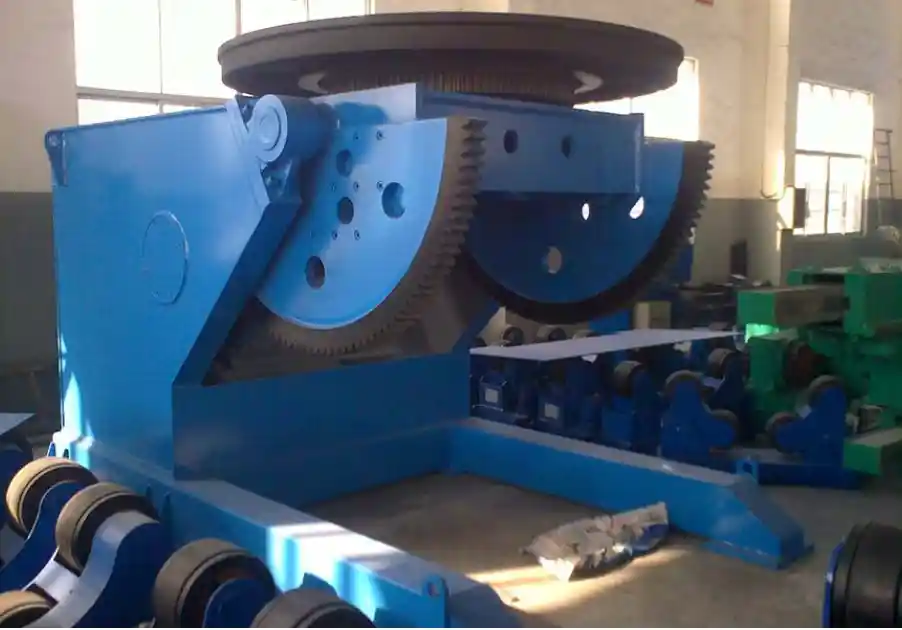
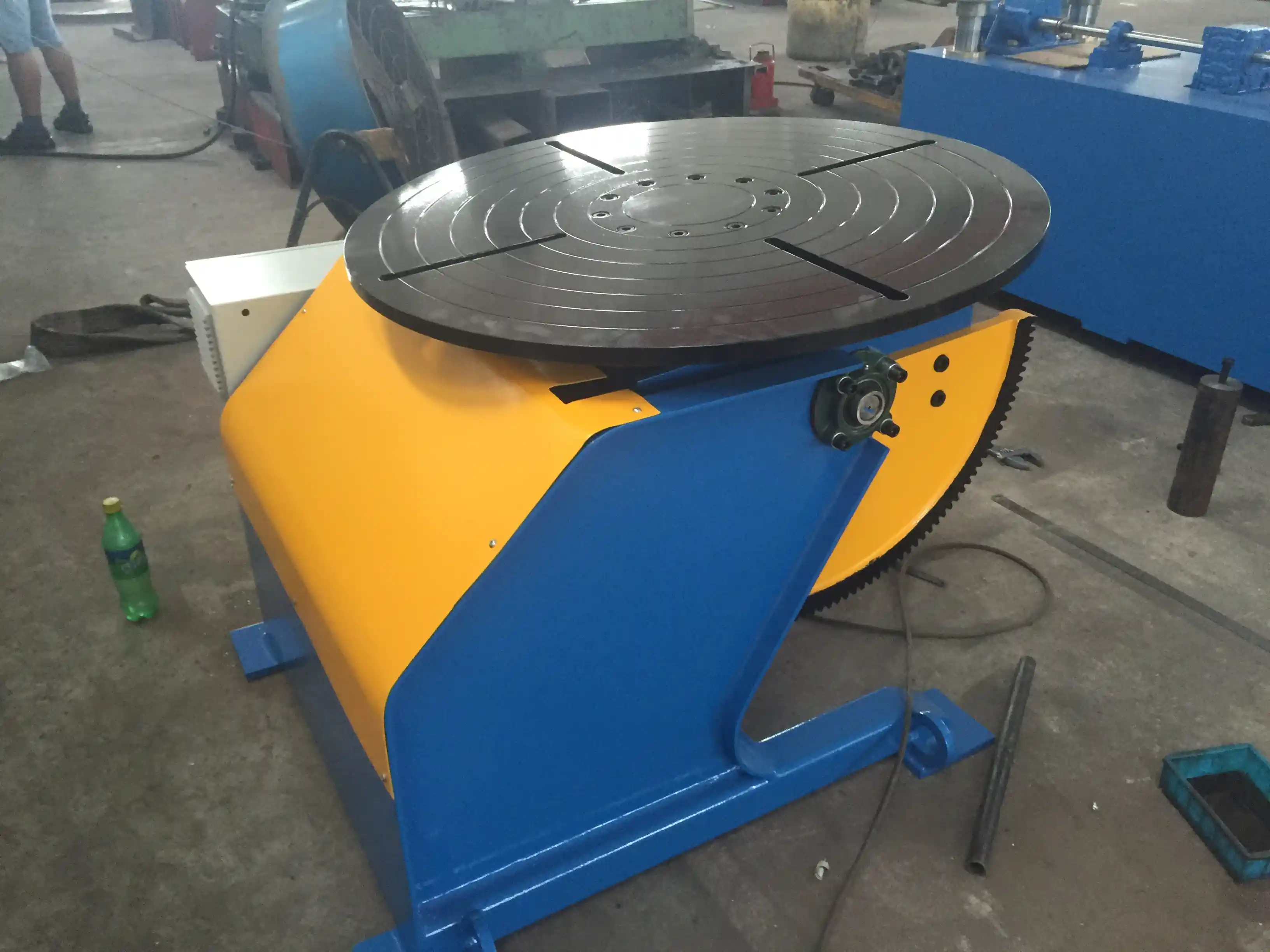
For structural and heavy-plate work, the downstream equipment choice is as important as the cutting source. Once a large profile leaves the cutting bed, controlled rotation and positioning determine whether the next weld is easy to access or difficult to execute.
Cut plates only become productive after they are positioned and rotated at the welding station. <Dominar la fabricación pesada: Cómo los soportes de rodillos trepantes se convierten en la piedra angular de la soldadura eficiente> covers how positioning equipment stabilizes heavy components after cutting.
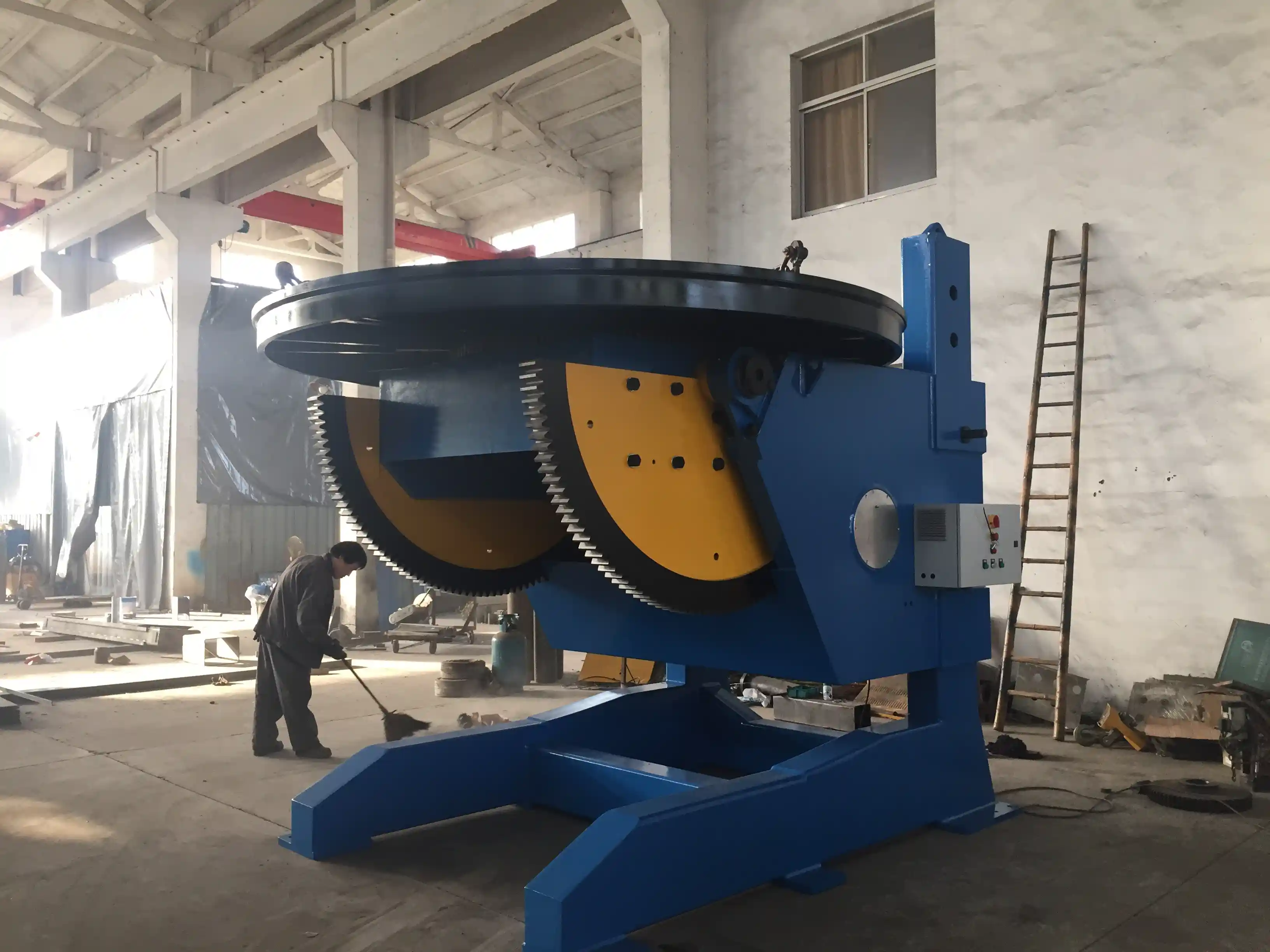
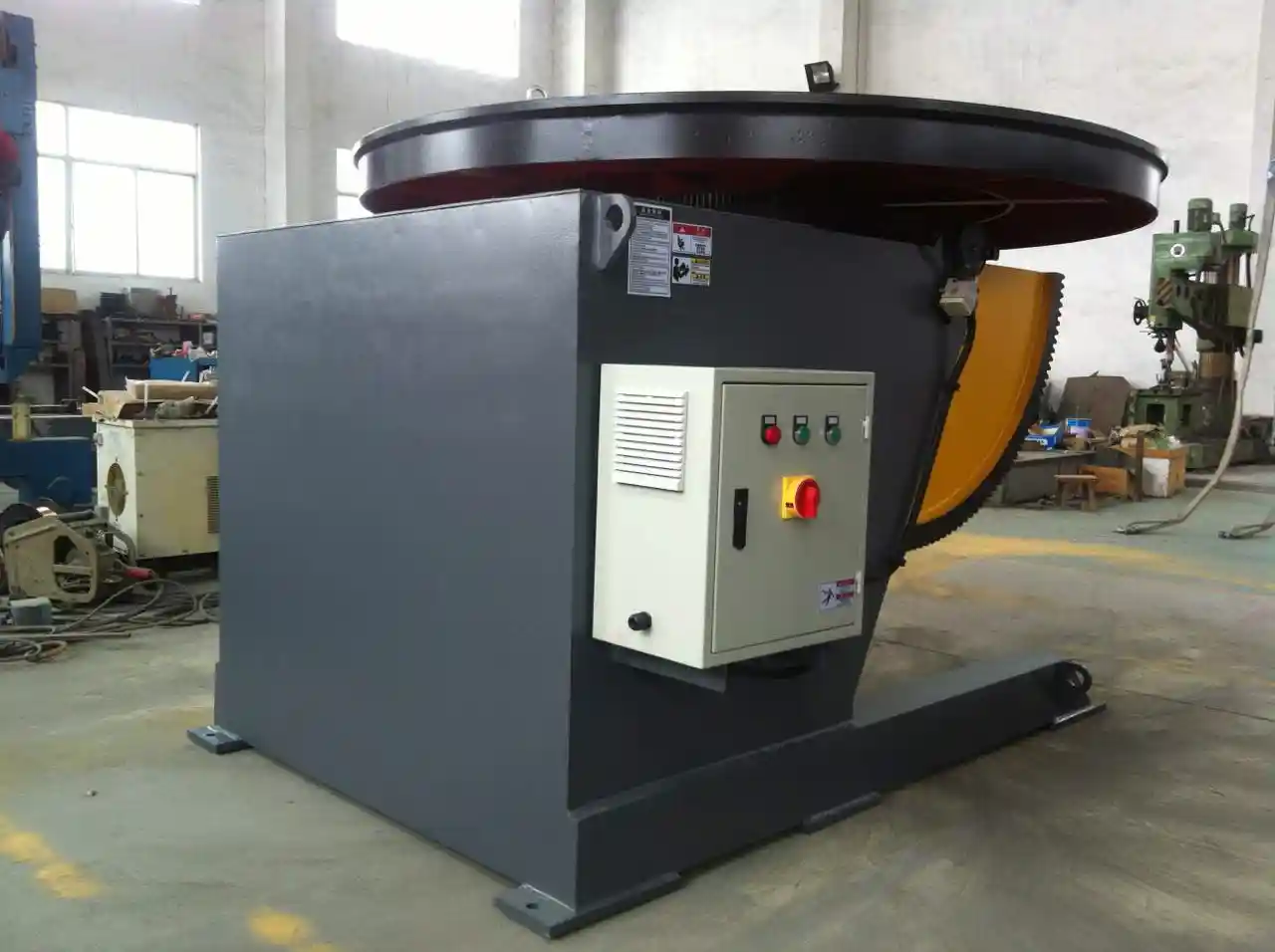
A complete cutting-to-welding work cell should be evaluated as one system. The wrong cutting choice can create extra edge prep, while the wrong positioning choice can add non-value movement between the cutting table and the welder.
Machine Selection Decision Guide
The best way to choose is to start from the job, not from the machine. Define the part family, material, thickness, and tolerance first. Then rank speed, edge quality, operating cost, and flexibility.
| Shop Situation | Preferred Technology |
|---|---|
| High-volume structural steel plate, weld-prep edges acceptable | CNC plasma |
| Thin sheet metal parts with fine detail and high accuracy | CNC laser |
| Mixed materials, heat-sensitive parts, very thick sections | Water jet |
| Reflective metals and difficult stainless grades | Fiber laser or water jet |
| Portable or field profiling on conductive metals | Portable plasma or portable water jet depending on task |
A CNC plasma cutter is often the first CNC cutting machine in a heavy fabrication shop because it covers the largest amount of useful steel-plate work for the capital cost. As the product mix moves toward thinner material or higher precision, the case for a CNC laser cutting machine becomes stronger. When no thermal effect is allowed or the material range is broad, a CNC water jet cutter is the safe but slower route.
Some shops also add a Cortadora de llama CNC for very thick carbon steel that plasma and laser do not handle economically. The combined cutting capacity is then matched to the most cost-effective process by thickness.
When the profile includes pipe or vessel components, cutting is only the first step. <Cómo mejorar la calidad de la soldadura de tuberías mediante un posicionador de soldadura de alta precisión> covers how rotational positioning improves weld consistency after parts leave the cutting table.
If the shop is considering a single new machine, the most important question is not “which technology is best?” but “which technology reduces the total time from plate to finished weldment?” That includes cutting, grinding, fit-up, and welding time.
Heavy offshore and shipbuilding fabrications demand both accurate cutting and controlled part movement. <Valor de aplicación excepcional: Cómo los posicionadores de soldadura de altura fija impulsan los avances en la fabricación en alta mar y la construcción naval> covers how fixed-height positioners support large welded structures in demanding production environments.
Getting the Right Cutting Decision for Your Shop
The final decision should be based on your part set, not on a universal ranking. To receive a machine recommendation matched to your fabrication workflow, prepare the following information:
- Material grades and thickness range
- Dimensional tolerance and edge-quality expectation
- Monthly cutting hours and batch size mix
- Downstream welding, bending, or assembly sequence
- Available power, water, gas, and floor space
- Current bottleneck: cutting speed, edge rework, or machine availability
Send these details to Wuxi ABK Machinery at jay@weldc.com or call +86-13815101750. We will recommend a CNC plasma, laser, or water jet configuration based on the complete cutting-to-welding process, not a catalog-only answer.
Preguntas frecuentes
Which is cheaper to operate: CNC plasma, laser, or water jet?
For medium-to-thick steel, CNC plasma usually has the lowest operating cost per meter. Fiber laser can be more economical on thin sheet because of high speed and low edge rework. Water jet is often the most expensive to operate because garnet abrasive, pump maintenance, and abrasive disposal are continuous costs.
Can a water jet cut the same materials as a CNC laser?
A water jet can cut a wider range of materials, including non-conductive materials such as stone, glass, and composites. However, a CNC laser is generally faster on thin sheet metal and produces a dry, weld-ready edge more quickly in high-volume metal cutting.
What thickness is too thick for a CNC laser?
The practical limit depends on laser power and material type, but laser productivity and edge quality decline as thickness increases. Many shops use CNC plasma for thick carbon steel plate and reserve laser cutting for thinner sheet where speed and precision are the strongest advantages.
Does plasma cutting leave a heat-affected zone?
Yes. Plasma cutting creates a heat-affected zone on the edge. The depth varies with amperage, speed, and material type. For many structural jobs the HAZ is acceptable, but high-specification welds may require edge grinding or machining.
Which cutting method is best for stainless steel?
It depends on thickness and heat sensitivity. Thin stainless sheet often cuts best on a fiber laser because of speed and precision. Water jet is preferred when no heat input is allowable or when the part must avoid thermal edge effects. Plasma can cut stainless steel, but edge quality and HAZ are less favorable than laser or water jet for many precision applications.
References
[1] ISO 9013:2017, Thermal cutting — Classification of thermal cuts, International Organization for Standardization, 2017.
[2] AWS C4.1:2020, Criteria for Classifying Thermal Cut Surfaces, American Welding Society, 2020.
[3] WJTA, Recommended Practices for the Use of High-Pressure Waterjetting Equipment, Water Jet Technology Association, 2021.
Si te interesa, echa un vistazo a estos artículos relacionados:
Tired of Complex Welding Challenges? How a 3-Axis Positioner Can Boost Productivity by 70%
Aplicaciones innovadoras de los rotadores de soldadura CNC de 10 toneladas en la fabricación de recipientes a presión
Cómo mejorar la calidad de la soldadura de tuberías mediante un posicionador de soldadura de alta precisión
Un valor de aplicación excepcional: cómo los posicionadores de soldadura de altura fija impulsan los avances en la fabricación en el sector offshore y de la construcción naval (Parte 2)
Equipos rotativos de soldadura profesional ABK de Wuxi: solución de soldadura de precisión para la fabricación de recipientes a presión
 English
  Español
  Français
  Deutsch
  Português
  Русский