Fin-bar calibration machine price is not a single catalog number. It follows the strip or bar width, thickness capacity, straightening-head configuration, servo or PLC architecture, measurement system, and the level of material handling included. A narrow semi-automatic machine for low-volume boiler panel work and a wide servo-controlled calibration line with automatic feeding, length gauging, and closed-loop correction are two different capital decisions.
The more useful question is not only what the machine costs, but which configuration returns enough through reduced rework, faster fit-up, and lower scrap to justify the investment. This guide breaks down the pricing logic and gives a practical way to calculate payback before you buy.
How Fin-Bar Calibration Machine Price Is Determined
Fin-bar calibration equipment corrects straightness, twist, camber, and dimensional variation before the bar enters downstream welding or assembly. In boiler economizer, water wall, and membrane panel production, that upstream correction controls whether later stations run at planned speed or lose time to manual shimming and rework.
The final price is built around the work envelope and the accuracy grade. A machine designed to process 2 m bars with manual feeding has a much lower capital cost than a system handling full-length panels with servo-controlled leveling, automatic discharge gauging, and recipe storage. The price difference is not extra markup; it represents additional mechanical stiffness, drive systems, instrumentation, and integration engineering.
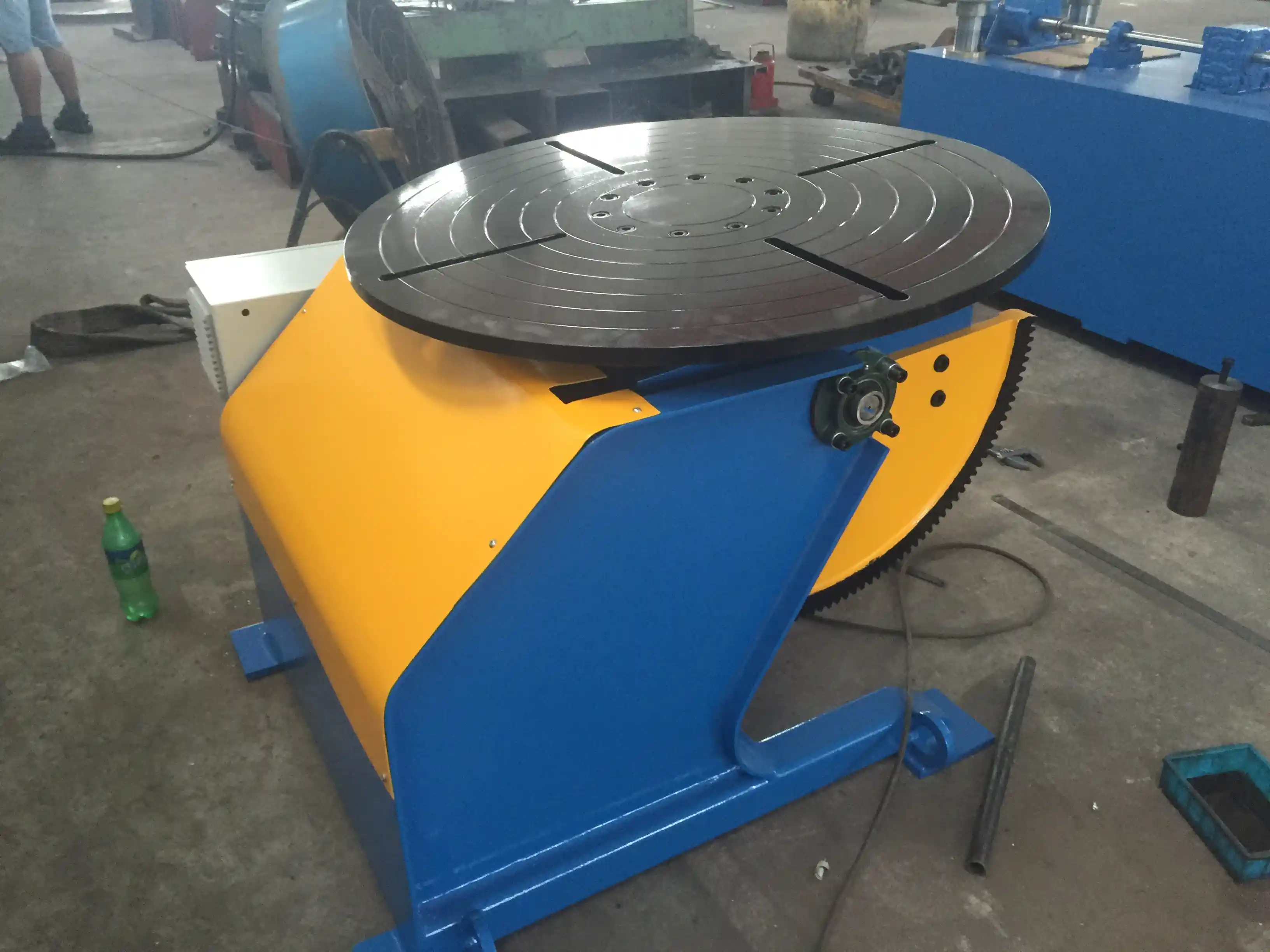
If you are comparing suppliers, start from the same output specification. The fin-bar calibration machine category is broader than a single product standard, so comparable quotes need the same material grade, width range, thickness range, straightness tolerance, and annual output target.
The Cost Drivers Behind the Quote
Weld-shop purchasing comparisons fail when they compare only headline price. Use a line-by-line scope comparison instead.
| Quote item | What to compare | Why it affects price |
|---|---|---|
| Bar width and thickness capacity | Usable strip width, minimum and maximum thickness | Larger rolls, stronger frames, and more pass-line adjustment drive cost |
| Material strength range | Carbon steel, low-alloy, or higher-strength strip | Higher yield strength requires more correction force and larger drives |
| Straightening and leveling heads | Number of rolls, roll diameter, backup support, quick-change design | More correction stages add cost but reduce residual bow and twist |
| Feed and positioning | Manual, servo-driven, length encoder, automatic stop | Automation reduces handling time and improves repeatability |
| Control system | PLC, HMI, recipe storage, data export, calibration logging | Recipe control supports faster changeovers and documented quality records |
| Measurement and inspection | Manual gauges, laser displacement, post-calibration checking | Closed-loop measurement reduces dependence on operator judgment |
| Integration scope | Entry conveyor, exit table, stacker, marking, line synchronization | Integration cost often exceeds the base machine cost |
| Documentation and compliance | CE marking, electrical safety, maintenance manuals, FAT support | Certified packages reduce site-side acceptance risk |
Two machines with the same model name can therefore be thousands of dollars apart because one includes automatic length control and factory testing while the other is a bare mechanical frame.
Why Calibration Accuracy Converts to Shop-Level Savings
Fin-bar calibration is a dimensional-control step, not a cosmetic straightening operation. When strip arrives at the membrane panel station with residual bow or twist, operators compensate by shimming, edge grinding, hand-straightening, or accepting lower-quality fit-up.
Under pressure-part fabrication rules, alignment and fit-up must be controlled before welding and verified through documented practice [1]. A bar that enters the weld cell with a consistent gap and flat contact face allows the welding head to travel without interruption. That improves first-pass acceptance, shortens cycle time, and lowers the rate of start-stop repairs.
Material certification also matters. Incoming strip specified to an applicable ASTM steel sheet and strip standard should arrive with test documentation, but the calibration machine still corrects the residual stresses introduced by slitting, coiling, or transportation [2]. The machine cannot fix chemistry or thickness below minimum, but it can reduce the shape errors that turn material variation into welding defects.
The same logic appears throughout heavy fabrication. Shops producing economizers, water wall panels, and pressure vessels often treat calibration and downstream panel welding as separate purchases; in operation, they form one continuous dimensional-control chain. A stable upstream bar geometry determines whether downstream welding cells can run at expected speed without repeated fit-up correction.
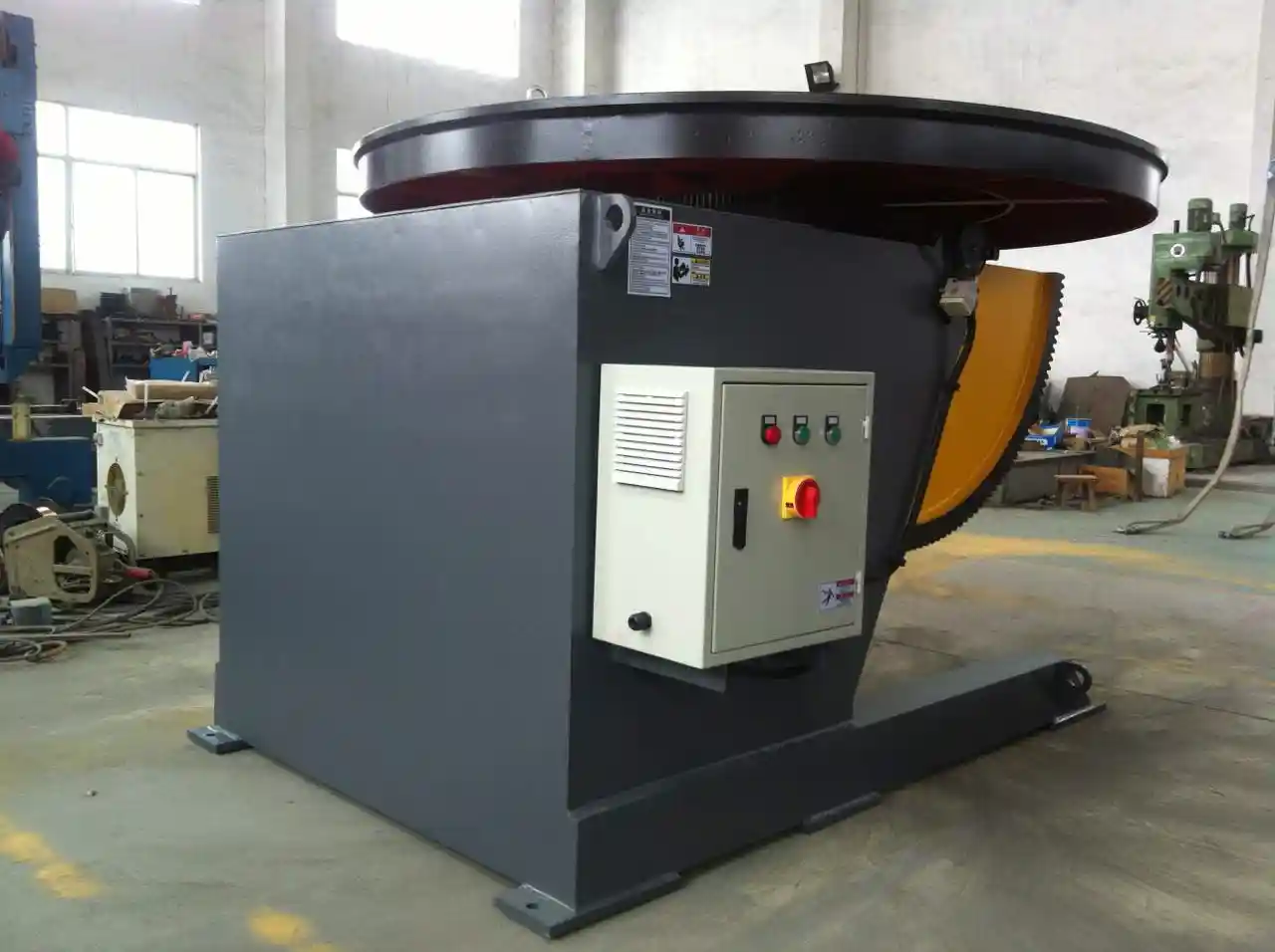
For pressure-vessel and boiler panel production, stable material positioning determines the same outcome as calibration: fewer manual corrections and faster fit-up. <Mejora de la calidad y la eficacia en la fabricación de depósitos y recipientes a presión: El principal valor de aplicación de los posicionadores> covers how positioner selection affects weld quality and throughput in pressure vessel fabrication.
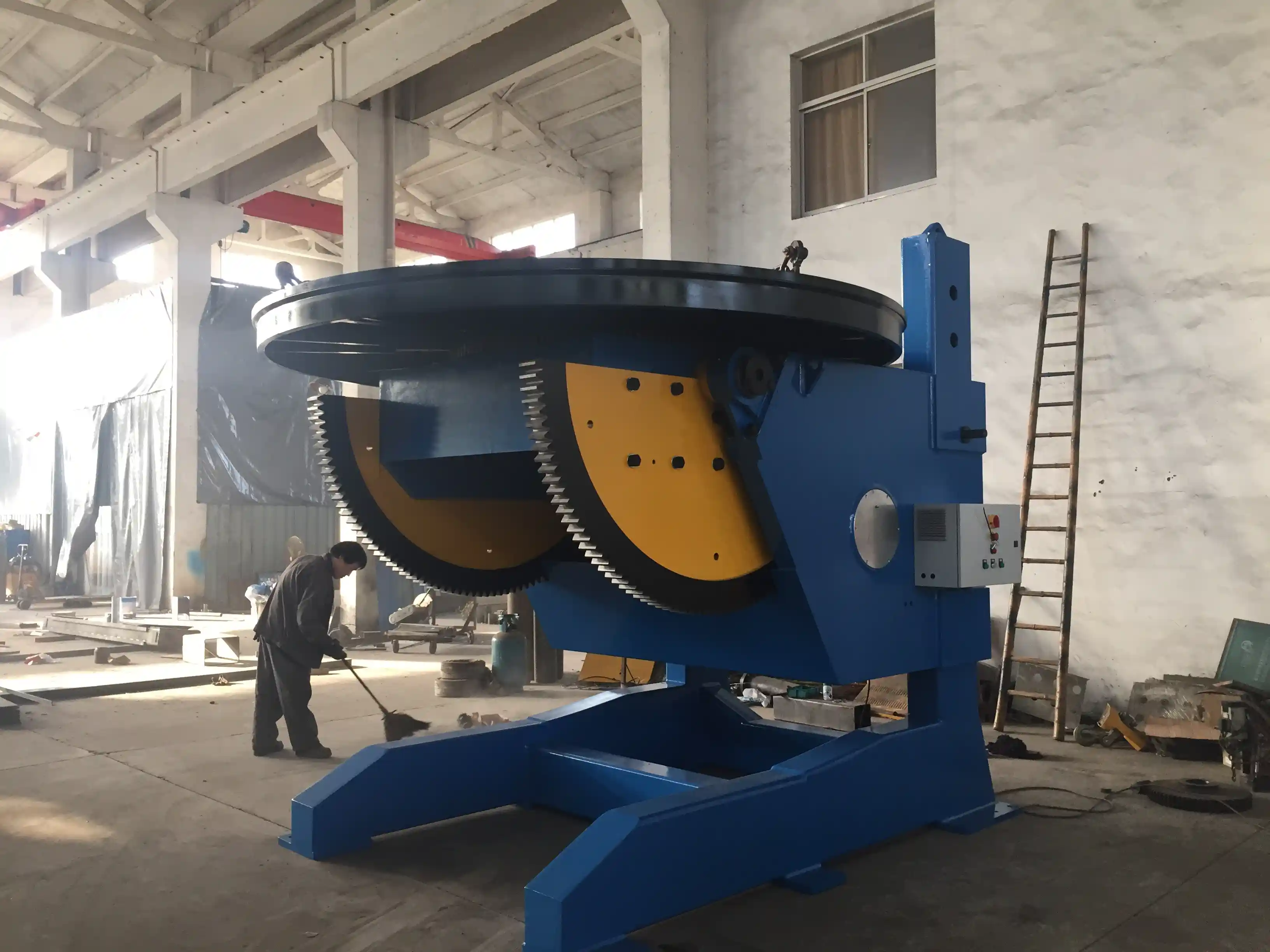
Heavy tubular and vessel work cannot be judged only on motor power; upstream positioning and support equipment determine whether welding cells meet expected arc-on time. <Equipos rotativos de soldadura profesional ABK de Wuxi: solución de soldadura de precisión para la fabricación de recipientes a presión> covers precision rotary equipment requirements in pressure vessel production.
The same dimensional-control argument applies to pipe welding, where controlled rotation removes the manual variation that drives rework. <Cómo mejorar la calidad de la soldadura de tuberías mediante un posicionador de soldadura de alta precisión> covers positioning accuracy and weld consistency.
ROI and Payback Calculation
Fin-bar calibration machine price should be evaluated against annual net benefit, not quoted as a standalone figure.
Payback in years equals installed capital cost divided by annual net benefit. Annual net benefit is the sum of recoverable labor, scrap reduction, and rework avoidance, minus added operating, maintenance, and floor-space costs.
A realistic calculation uses site-specific inputs:
- A: bars or panels processed per shift
- B: current rework minutes per bar caused by straightness, twist, or fit-up
- C: shifts per year
- D: fully burdened operator labor rate per hour
- E: scrap value of rejected bar, panel, or downstream weld repair
- F: welding consumable and energy cost per rework event
- G: annual calibration machine maintenance, tooling, and utility cost
Annual net benefit = (A × B ÷ 60 × C × D) + scrap and rework avoided − G
Payback = installed capital cost ÷ annual net benefit
Do not build the justification on an industry-average rework percentage. Measure your own baseline before the purchase, then track the same metrics after commissioning. A calculation based on guessed savings may produce a fast payback on paper but fail the board-level review later.
Need a projected payback for your fin-bar or panel line? Send your required bar width, thickness, material grade, shift volume, and current rework rate to jay@weldmc.com. The team can compare optional configurations against your throughput target and provide an ROI scenario before you commit capital.
Specification and Quote Checklist
A disciplined specification prevents both overspending and underspecifying.
- Define the exact strip or bar width, thickness, and material grades used today.
- State the required straightness or flatness tolerance in the same units your downstream welding station needs.
- Measure current rework, scrap, and fit-up time before sending the RFQ.
- Compare quotes on usable capacity, cycle time, and output quality, not only machine weight or motor power.
- Request a factory acceptance test using your actual material sample.
- Confirm calibration records, parameter storage, and documented quality procedures. These support process control under ISO 9001-based quality systems [3].
- Review integration with the máquina de soldadura de paneles de membrana or downstream station before locking the layout.
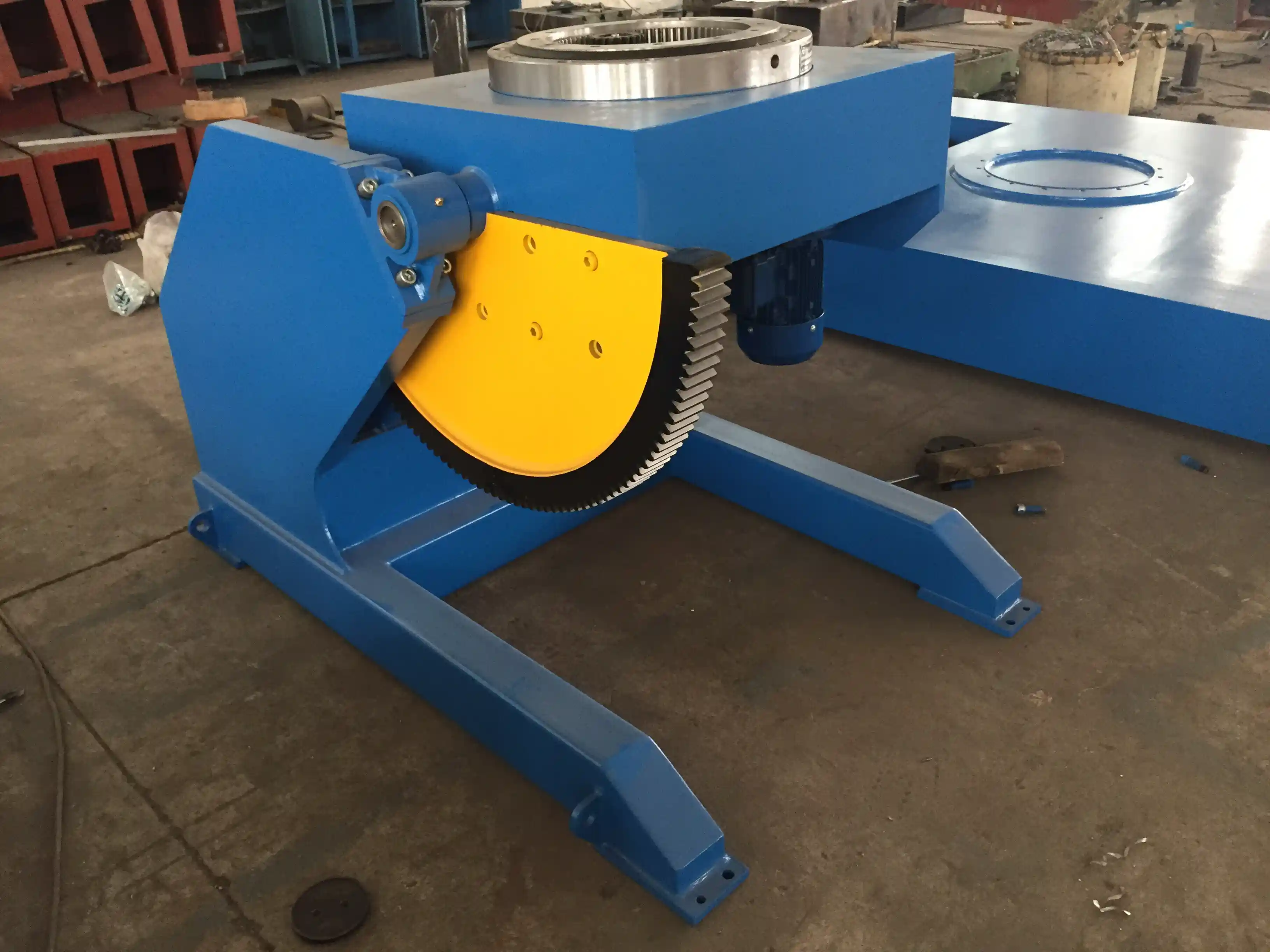
Get a Fin-Bar Calibration Machine Price and ROI Projection
WUXI ABK MACHINERY CO., LTD supports boiler production equipment selection from single calibration machines to integrated panel and welding lines. Request a configuration review with your bar specifications, tolerance requirements, and annual output target.
Teléfono: +86-510-83555592
Móvil: +86-13815101750
Email: jay@weldmc.com
Fax: +86-510-83559158
A useful quote should include the work envelope, drive configuration, control functions, integration scope, documentation package, and a payback estimate based on your production data.
Preguntas frecuentes
What is included in a fin-bar calibration machine price?
It depends on scope. The base price may include the frame, straightening or leveling heads, drive system, and standard control. Feeding, automatic length positioning, closed-loop measuring, exit handling, guarding integration, testing, and documentation are often quoted separately and can change the total substantially.
How do I calculate payback before a formal quote?
Use the installed capital estimate against measured annual savings from labor recovery, scrap reduction, and rework avoidance. Divide installed capital by annual net benefit. The key is to base the savings calculation on your own current rework and throughput data, not an assumed industry benchmark.
Which accuracy level actually matters for boiler panel production?
The accuracy level should come from downstream fit-up requirements, not from the machine catalog. Define the bar straightness, twist, and length consistency required by the panel welding station. Where the work falls under boiler and pressure-part codes, those dimensional controls must support documented fit-up before welding [1].
Should I buy the calibration machine and panel welding machine from one supplier?
A single supplier can reduce interface risk because the calibration output, feed height, and panel welding input expectations are coordinated from the start. However, evaluate each machine on its own capability. A shared supplier is an advantage only when the integration engineering is actually specified.
Does a higher machine price guarantee lower total cost?
No. Overspecified width, excessive automation, or unused measurement features can raise capital cost without increasing output. The better metric is the cost per good bar produced, including rework, downtime, maintenance, and operator time over the expected service life.
References
[1] ASME Boiler and Pressure Vessel Code, Section I: Rules for Construction of Power Boilers, ASME, 2023.
[2] ASTM A1011/A1011M-23, Standard Specification for Steel, Sheet and Strip, Hot-Rolled, Carbon, Structural, High-Strength Low-Alloy, High-Strength Low-Alloy with Improved Formability, and Ultra-High Strength, ASTM International, 2023.
[3] ISO 9001:2015, Quality management systems — Requirements, ISO, 2015.
Si te interesa, echa un vistazo a estos artículos relacionados:
Solución revolucionaria para la soldadura de recipientes a presión: Análisis técnico de los posicionadores de soldadura giratorios de 360 grados
El pilar central de la fabricación pesada: El extraordinario rendimiento de los soportes de rodillos en procesos clave
Desalineación excesiva en la soldadura de tuberías: solución de posicionamiento de precisión con mesa giratoria de soldadura de Wuxi ABK
 English
  Español
  Français
  Deutsch
  Português
  Русский