
CNC flame cutting machine cost is not the number on the quotation. In our work at WUXI ABK MACHINERY, we see buyers compare flame, plasma, laser, and waterjet prices while the budget-friendly answer is usually hidden in plate thickness, fuel gas choice, and how many torches actually run each shift. The lowest purchase price can produce the highest cost per cut if the table is too small, the gas supply is wrong, or the machine cannot handle the bevels your welders need. We will work through the cost drivers, the technology comparison, and the configuration decisions that change the quote before it is signed.
The Main Cost Drivers in a CNC Flame Cutting Machine Quote
A CNC flame cutting machine quote starts with the gantry, rail, and cutting table. The table width and rail length set the frame size, the drive system, and the foundation work. After that, the number of oxy-fuel torches, the CNC controller, the gas manifold, the torch height control, and the fume or water table add cost in that order of typical impact.
The cost drivers that matter ten years later are not the same as the ones that matter on the purchase order. A heavier gantry and a better drive system raise the initial price but keep cut accuracy stable after years of thermal cycling. A cheap torch carriage may cut straight on day one and then lose alignment after months of preheat and spatter. We treat the torch station and the drive system as long-term accuracy decisions, not as places to save money up front.
Plate thickness range determines the real cutting capacity. Oxy-fuel handles carbon steel from roughly 6 mm to more than 300 mm, but the practical choice is not to buy a machine for every possible job. It is to size the rail and gantry for the thickest plate you cut regularly, then leave clearance for occasional oversized work. That avoids paying for a large table that runs mostly unused while also avoiding the cost of rejecting jobs that do not fit.
Cutting is the first station in the fabrication flow. Once parts leave the table, they move to fit-up, tacking, and welding or forming operations that set the next cost constraint.
CNC Flame Cutting Machine Cost vs Plasma, Laser, and Waterjet
The four methods are not interchangeable in cost per cut. They are selected by material, thickness, and edge condition. The table below separates the common options for carbon steel fabrication.
| Cutting Method | Capital Cost | Operating Cost per Meter | Best Use | Limitation |
|---|---|---|---|---|
| CNC Oxy-Fuel | Bajo a moderado | Low on thick carbon steel | 25 mm and thicker carbon steel | Slow on thin sheet; not for stainless or aluminum |
| CNC Plasma | Moderado | Moderado | 3 mm to 50 mm steel, stainless, aluminum | Consumables add up; cut quality below laser |
| CNC Laser | Alta | Moderate to high | Thin sheet up to 25 mm, high volume | High power cost and premium maintenance |
| CNC Waterjet | Alta | Highest | Materials sensitive to heat, thick nonferrous | Very high abrasive and disposal cost |
Capital Cost Comparison
CNC oxy-fuel carries the lowest capital cost of the four on the same bed width. It uses a simpler torch carriage, no laser resonator, no plasma gas console, and no abrasive pump. A flame cutting machine can also be the easiest to maintain with standard workshop skills, because most moving parts are bearings, gear racks, and solenoids rather than high-voltage power electronics or high-pressure seals.
Plasma costs more because the power source, gas console, and consumables are more complex. Laser costs more again because the resonator, chiller, optics, and enclosure drive both purchase price and installation. Waterjet carries the highest capital cost of the group and the most involved installation because abrasive delivery, high-pressure plumbing, and waste handling all add infrastructure.
Operating Cost Comparison
Operating cost reverses some of the purchase price logic. Oxy-fuel spends most of its cost on oxygen and fuel gas, with very little expense for torch tips and nozzles. Plasma consumes electrodes, nozzles, shields, and gases that add up quickly on long production runs. Laser operating cost is dominated by electrical power, assist gas, and periodic optics service. Waterjet operating cost is the highest because abrasive is consumed continuously and the used garnet becomes waste that must be drained and removed.
A budget comparison should cover at least three years of operation, not the first invoice. A machine with a low purchase price and high daily consumable or abrasive cost can become the most expensive option by the second shift pattern.
Operating Cost Advantages of Oxy-Fuel on Thick Plate
On carbon steel plate above 25 mm, oxy-fuel remains one of the lowest-cost cutting methods because the consumables are simple and the process uses the metal itself to sustain the cut. Once the preheat flame brings the edge to ignition temperature, the oxygen stream does the cutting. The torch tip is inexpensive compared with a plasma electrode or a laser nozzle.
Fuel gas choice changes the operating cost more than any other variable in a CNC flame cutting machine cost calculation. Acetylene gives fast preheat and a hot flame, but it costs more and requires careful handling. Propane is normally cheaper per BTU and cuts heavy plate cleanly, although preheat and pierce times are longer. Natural gas works where a piped supply already exists and can be the lowest fuel cost over a long campaign, but it also slows preheat. When we review a cutting requirement, I ask which gas the shop already stores. Switching from acetylene to propane on an existing gas manifold is an engineering change, not only a software setting.
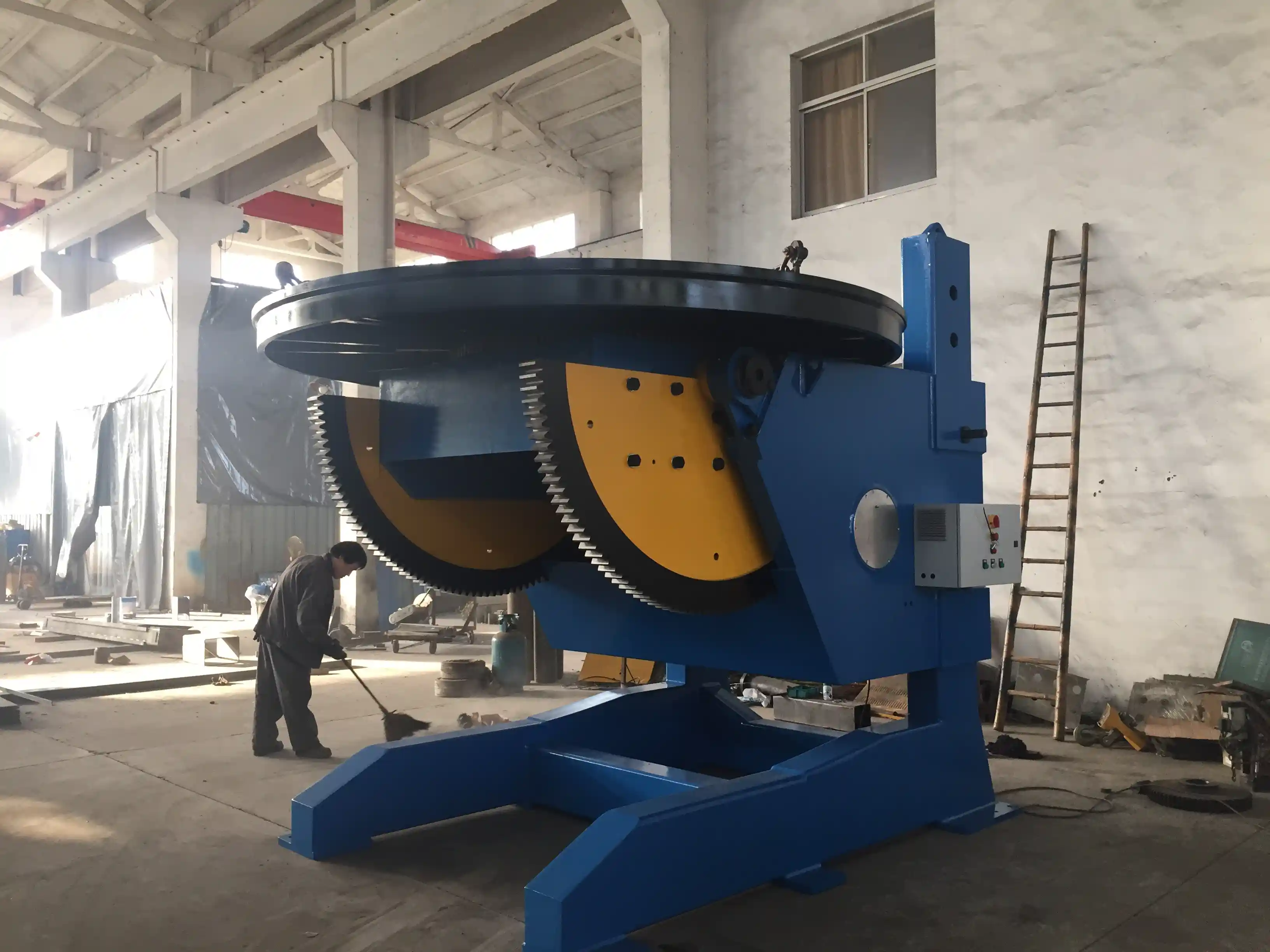
Thick parts leaving the CNC flame cutting table usually move into a welding positioner or turning roll for seam work. <Aplicaciones innovadoras de los rotadores de soldadura CNC de 10 toneladas en la fabricación de recipientes a presión> covers how heavy cylinder sections are rotated for consistent circumferential welding after cutting, which is why the cut edge profile and bevel angle matter more than cutting speed alone.
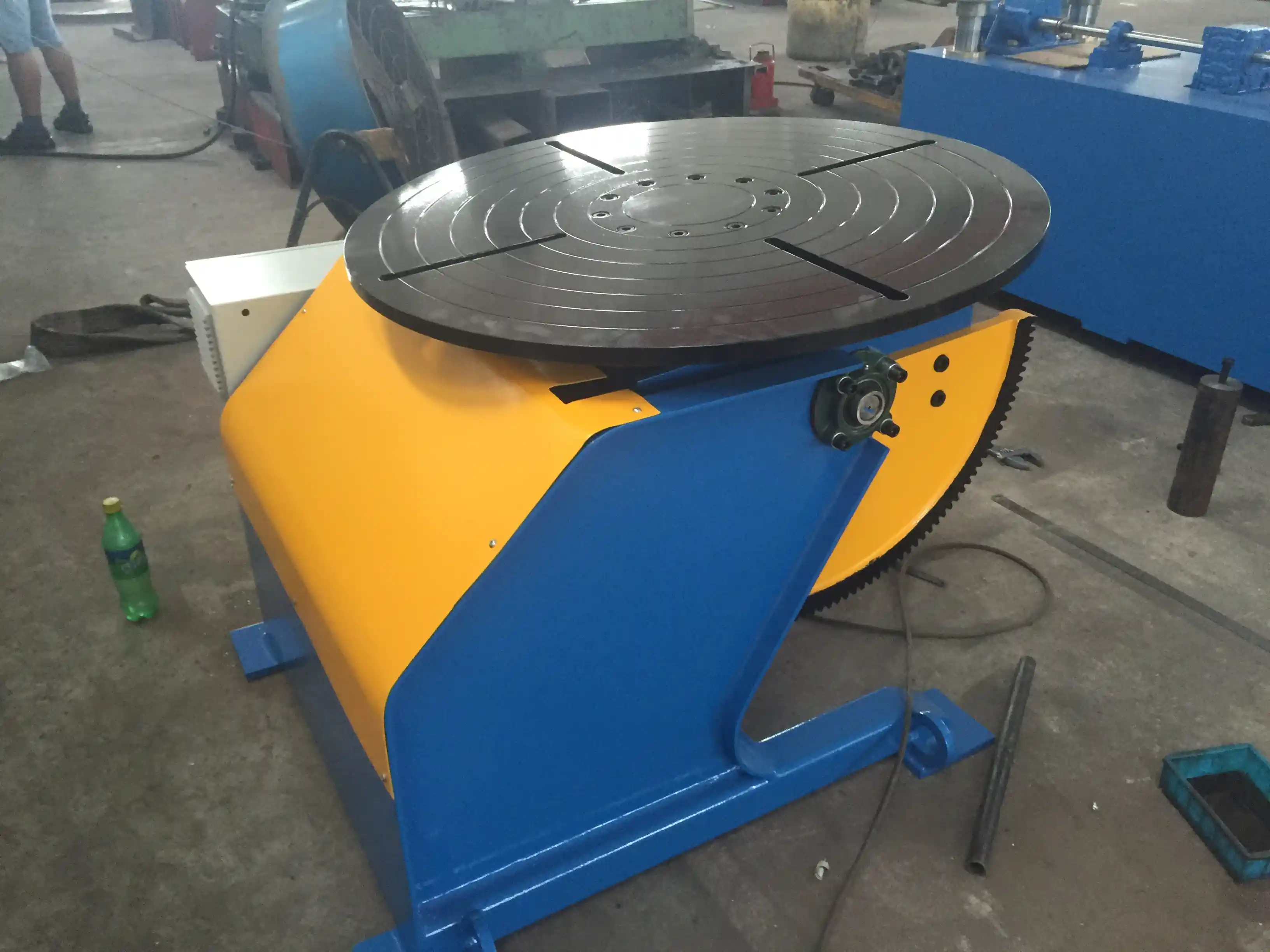
Edge quality and bevel capability are part of operating cost. If a flame cut edge needs less grinding before weld fit-up, the welding station spends less time on rework. If the machine can cut a reliable bevel in one pass, the shop avoids a separate beveling operation. That is a budget-friendly cutting option even when the capital quote is not the lowest.
If your cutting mix includes both thin gauge sheet and thick plate, it is worth confirming the torch count and the fuel gas layout before finalizing the budget. Send your material range to jay@weldc.com and we will check which configuration avoids idle capacity.
Configuration Choices That Change Your CNC Flame Cutting Price
Two machines with the same table width can be priced far apart depending on torch count, gas controls, software, and extraction. The configuration choices below change cost more than a few hundred millimeters of rail length.
Torch Count and Multi-Torch Programming
A single-torch machine is the least expensive and works when the shop cuts one plate at a time. A multi-torch setup with two, four, or six oxy-fuel stations multiplies output on rectangular parts and repeated shapes, but it only pays back when the nesting software can keep all torches loaded. We often see buyers request more torches than their part mix will use. If the shop mostly cuts large, irregular contours, extra torches sit idle and add cost. If the shop cuts many identical blanks from a full sheet, multi-torch cutting can change the labor math completely.
The torch height control and automatic ignition also change price and reliability. Manual ignition and height adjustment are cheaper, but the operator must stay at the table. Automatic height control and torch-to-torch spacing reduce labor and keep the machine running longer with less supervision.
Gas Selection and Table Type
Gas selection appears in the first quote because the regulator set, manifold, hoses, and safety devices differ among acetylene, propane, and natural gas. A water table adds cost but captures smoke and slag, while a dry table with fume extraction costs more on the extraction side depending on local air regulations. The best table type follows the shop’s cutting volume and the surrounding manufacturing area, not a default specification.
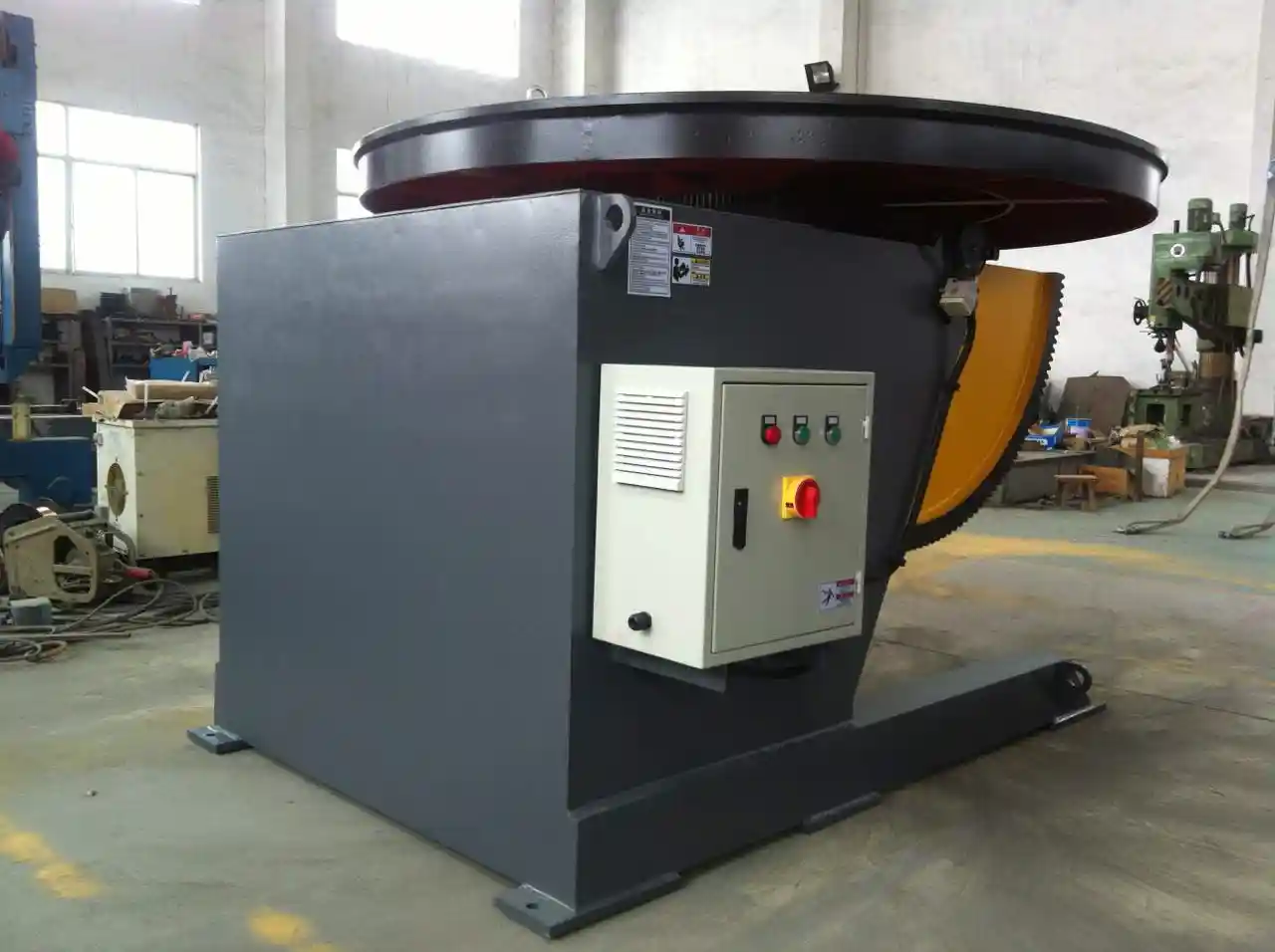
After cutting, most parts move to turnover or positioning equipment for weld preparation, so the cutting machine should be viewed as part of the same material flow rather than an isolated purchase.
Getting a CNC Flame Cutting Cost Based on Your Actual Plate Mix
CNC flame cutting quotes differ because suppliers are pricing different assumptions. One quotation may include the water table, fume extraction, gas manifold, and commissioning, while another may price a bare table that later requires additional foundation, gas, and electrical work. The most budget-friendly cutting option is not necessarily the lowest quoted number; it is the package that matches the plate mix and the shift pattern in your shop.
Send us the thickest plate, the most common plate thickness, monthly tonnage, material grade, and whether the cut parts need bevel preparation. Include a floor plan or the available bay length if you have it. Email jay@weldc.com or call +86-510-83555592 / +86-13815101750, and we will prepare a CNC flame cutting machine configuration and operating cost comparison against the work you actually run. That gives you a quote you can compare line by line instead of a price against an assumption.
Common Questions About CNC Flame Cutting Machine Cost
Is a CNC flame cutting machine cheaper than a plasma unit?
Yes, for thick carbon steel. A CNC flame cutting machine carries a lower capital cost and much lower consumable cost than a comparable plasma unit when you cut 25 mm and thicker plate regularly. Plasma becomes the less expensive choice on thin sheet and nonferrous material because it cuts faster and handles aluminum and stainless steel that oxy-fuel cannot. The purchasing decision should follow your most common material grade and thickness rather than the technology alone.
How much does fuel gas choice affect CNC flame cutting machine cost?
It depends on which gas your shop already uses and how the machine controls preheat. Acetylene delivers a hotter, faster preheat but is the most expensive fuel. Propane is usually cheaper and cuts cleanly on thick plate but calls for larger tips and slower pierce times. Natural gas can be the lowest cost where piped supply exists, but it imposes a slower preheat. The fuel decision changes the gas train, the tip inventory, and the long-term cost per cut.
Can a CNC flame cutting machine handle thin sheet economically?
A common mistake is to buy one machine for all thicknesses. Flame cutting can cut thin sheet, but it is slow and introduces more heat distortion than plasma or laser. If your daily work is mostly 3 mm to 10 mm sheet with occasional 20 mm plate, a plasma machine is usually the more budget-friendly cutting option. Flame becomes the right choice when the majority of your tonnage sits above 25 mm and the job can tolerate a wider kerf.
What should I confirm before comparing CNC flame cutting quotes?
In the quotes I review, the largest gaps come from assumptions about foundations, fume extraction, gas supply, and nesting software. Confirm whether the price includes the cutting table, water table or dry extraction, oxy-fuel torches, the CNC controller, installation, and commissioning. Then list the maximum plate thickness, the most common thickness, monthly tonnage, and bevel requirements. That single list makes the quotes comparable and removes the supplier’s chance to bury cost in missing options. Share those requirements with us at jay@weldc.com and we will confirm the configuration against the cutting work, not just the machine price.
Si te interesa, echa un vistazo a estos artículos relacionados:
¿Espacio de taller demasiado pequeño? Cómo las columnas ahorran espacio 50% a la vez que aumentan la seguridad y la eficiencia
Principales puntos débiles y soluciones de alta precisión de los posicionadores de soldadura en los sectores de la energía eólica y la construcción naval: Análisis técnico exhaustivo
Cómo mejorar la calidad de la soldadura de tuberías mediante un posicionador de soldadura de alta precisión
Rotador de soldadura: automatización de precisión para la fabricación industrial: guía de preguntas frecuentes elaborada por expertos
 English
  Español
  Français
  Deutsch
  Português
  Русский