Custom fabrication shops operate under mounting pressure to deliver varied, precision-built products on tighter schedules. A flexible production line design has become a strategic necessity rather than an operational preference. This adaptability enables manufacturers to pivot quickly when market conditions shift, allocate resources where they matter most, and hold ground against competitors in an industry that rarely stands still.
Why Flexible Production Lines Matter in Custom Fabrication
The fabrication sector has seen a marked increase in requests for customized work and rapid prototyping. Production systems must now handle quick reconfiguration and manage varied specifications without breaking stride. Fixed production lines often create bottlenecks when faced with these demands, driving up costs and letting opportunities slip away. Lean fabrication principles applied within a flexible framework support demand-driven production, improving both market responsiveness and the ability to scale output. Shops that commit to agile manufacturing gain real advantages. Waste drops, workflows tighten, and transitions between different product runs happen without the usual friction.
Building a Modular and Reconfigurable Fabrication Line
A flexible production line design starts with modularity and reconfigurability at its foundation. Modular manufacturing systems consist of independent work cells or equipment units that can be rearranged or swapped out as needs change. This approach makes better use of floor space and opens the door to future expansion without tearing everything apart. Workflow automation paired with digital twin technology for production planning allows teams to simulate and refine dynamic layouts before committing resources. Supply chain flexibility rounds out the picture, ensuring materials and components can shift alongside changing production schedules.
How can a custom fabrication shop achieve true production flexibility?
True production flexibility comes from several interconnected practices. Agile production strategies emphasize iterative development and continuous feedback loops. Cross-functional teams adapt to diverse tasks and resolve issues without waiting for specialized support. Continuous improvement methodologies keep processes under regular evaluation and refinement. Rapid prototyping allows new designs to be tested and validated quickly, reducing risk and compressing product development timelines.
Essential Equipment for Dynamic Fabrication Workflows
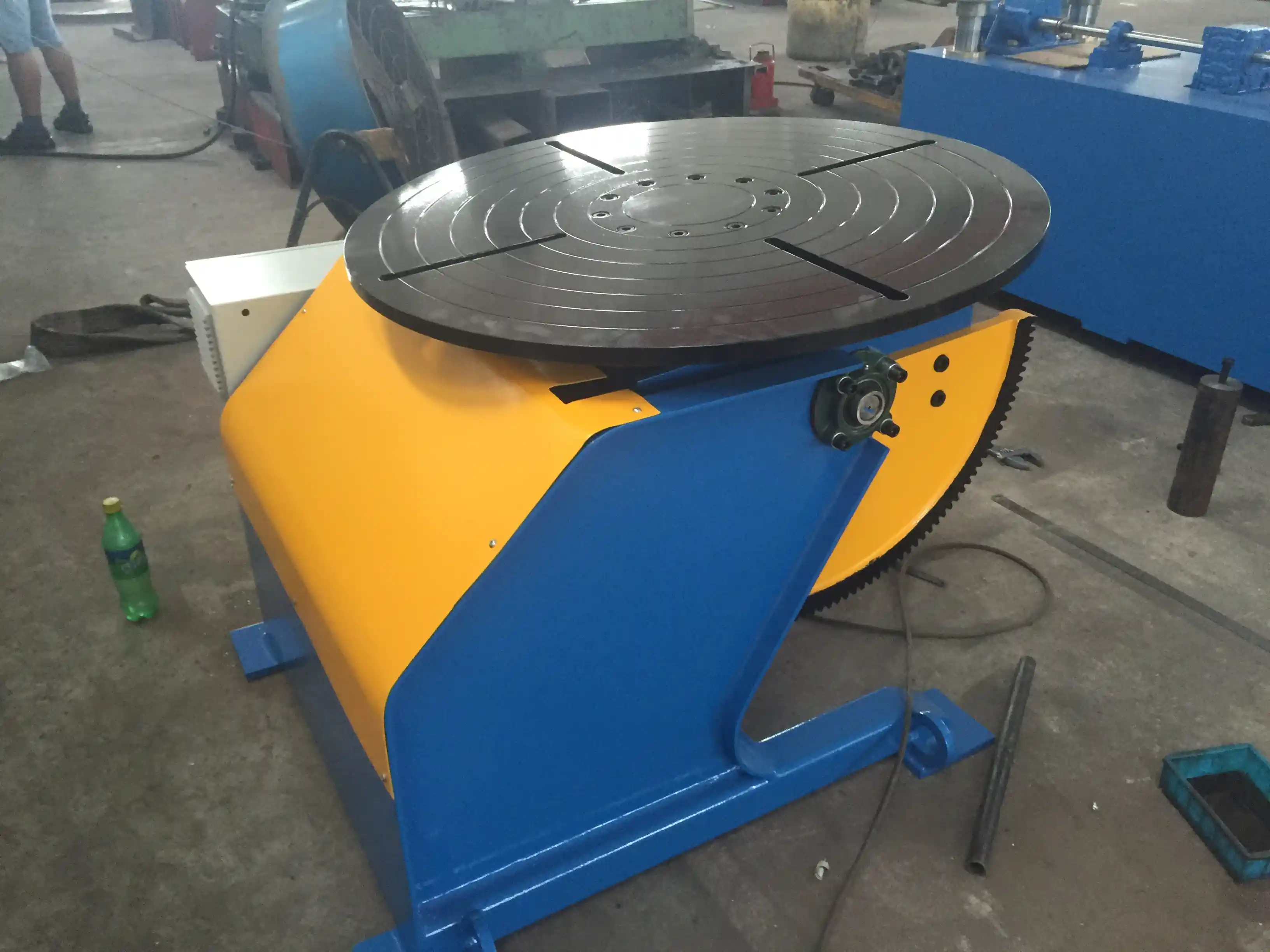
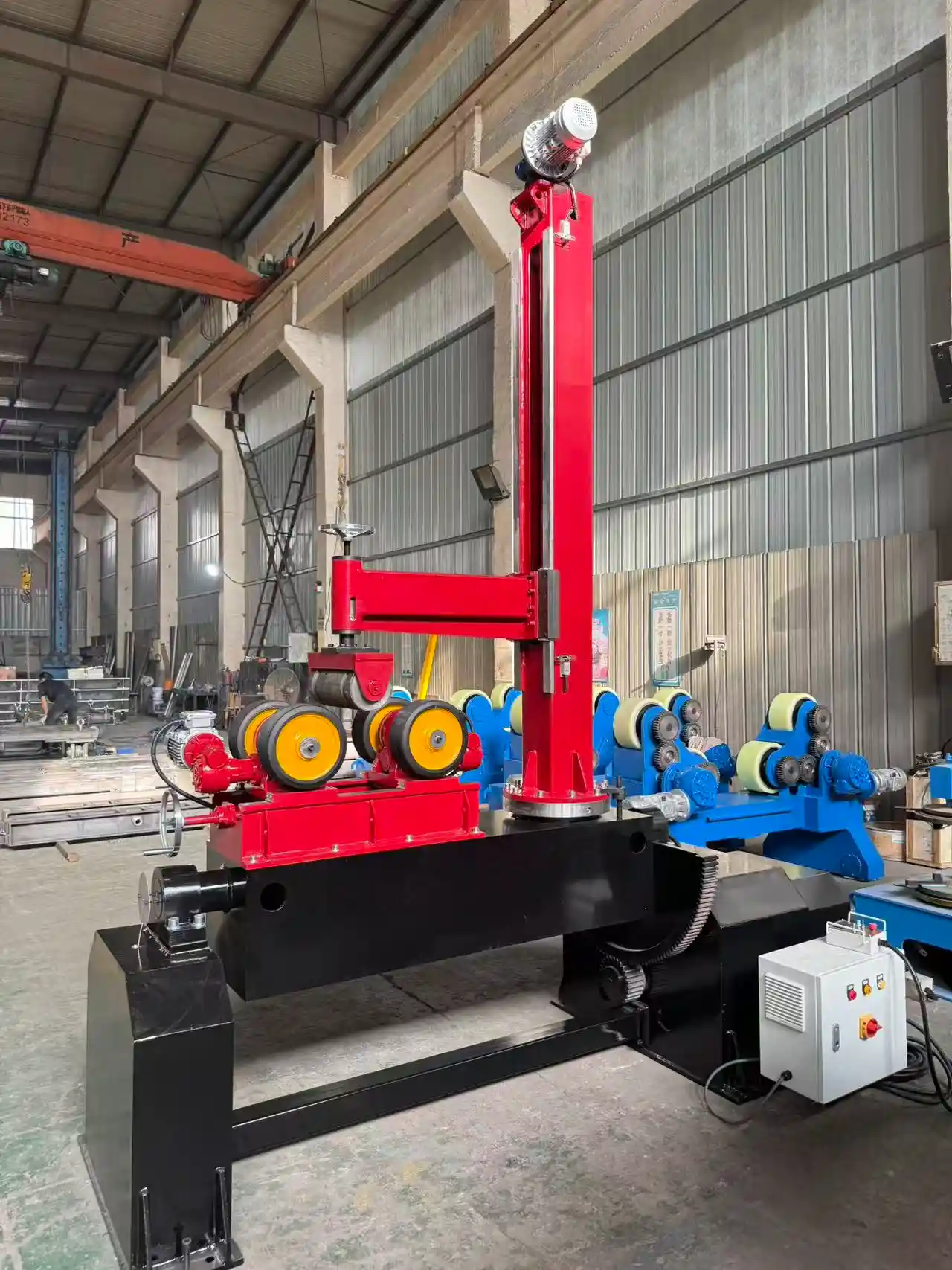
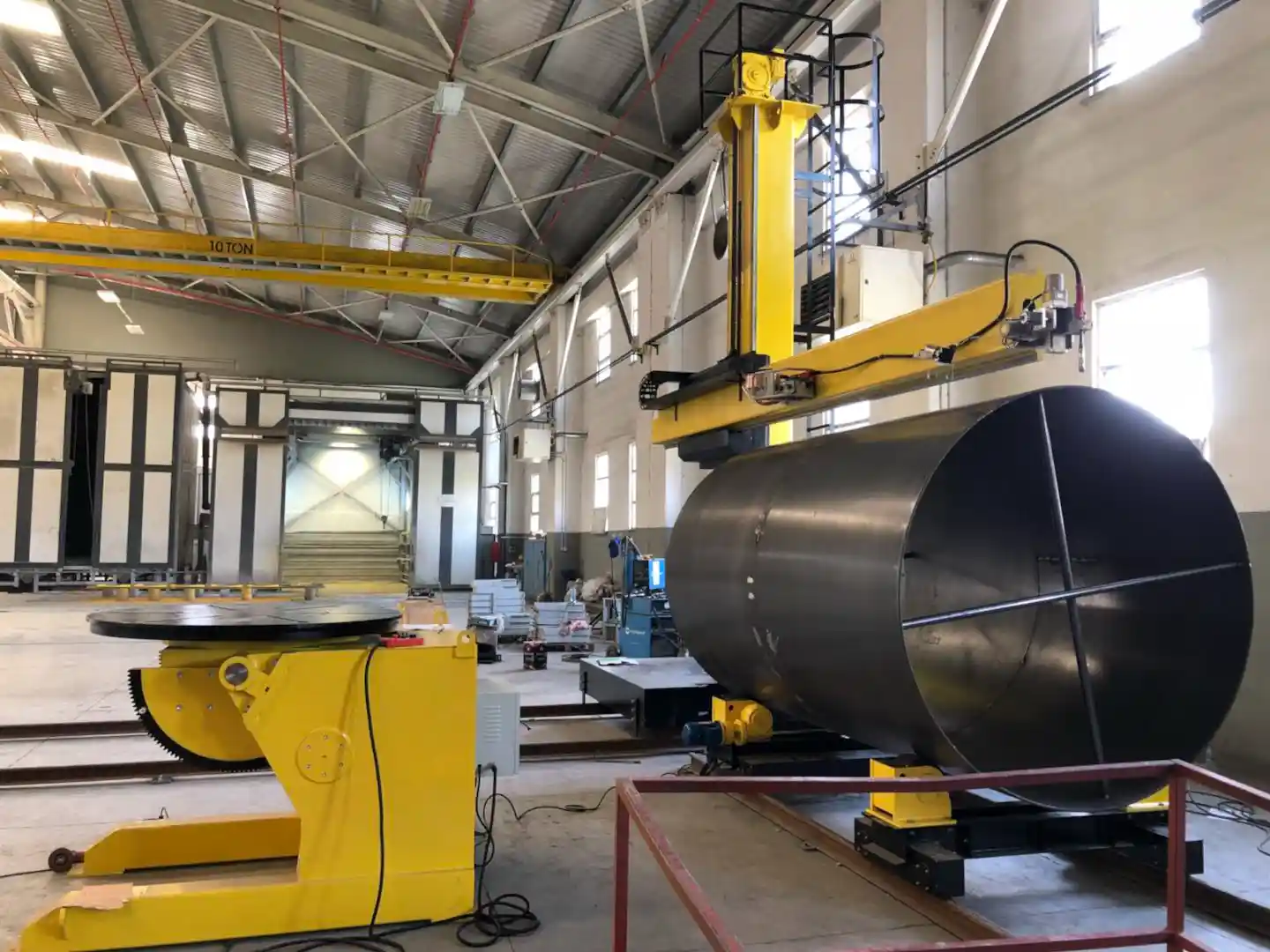
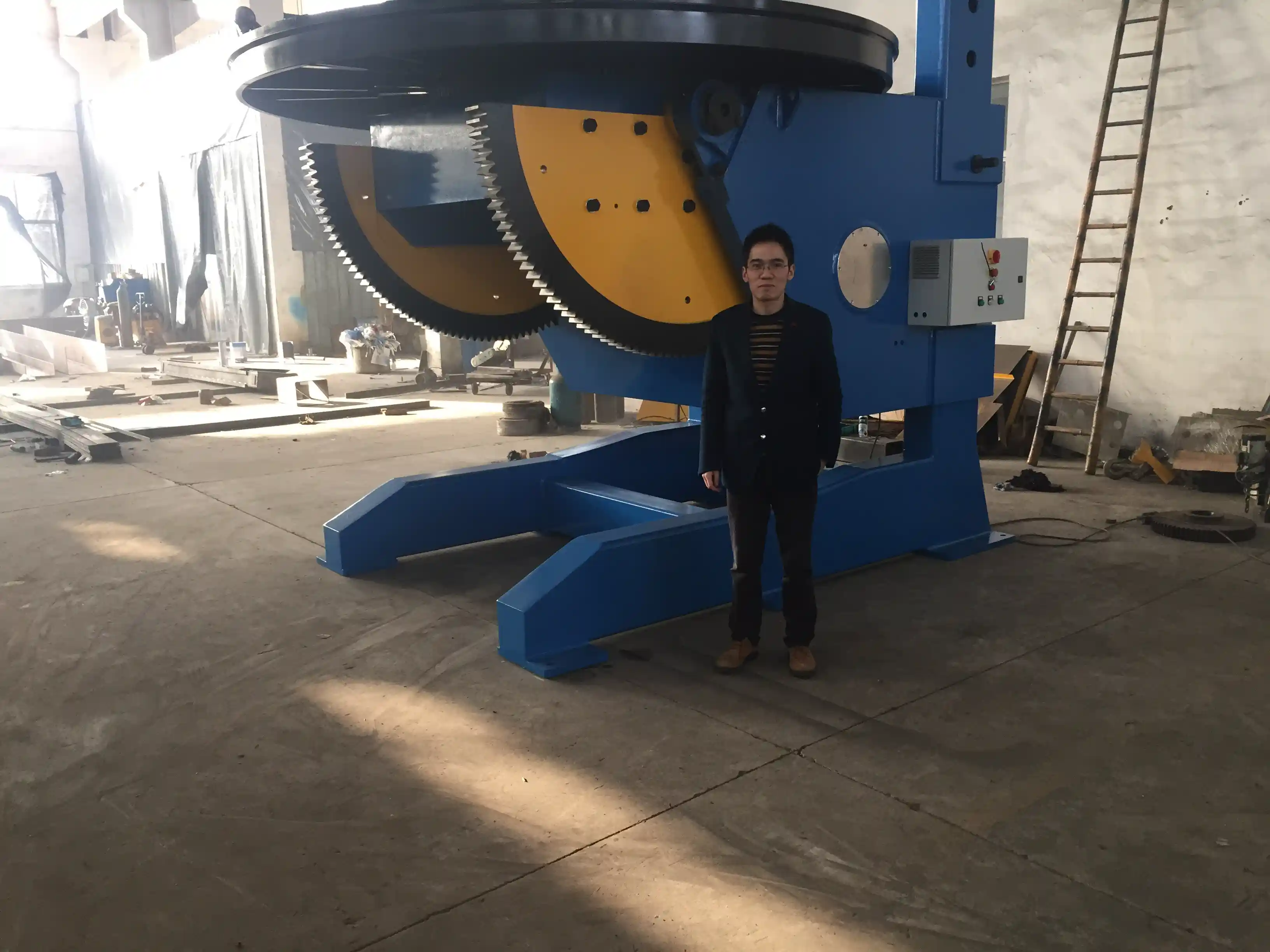
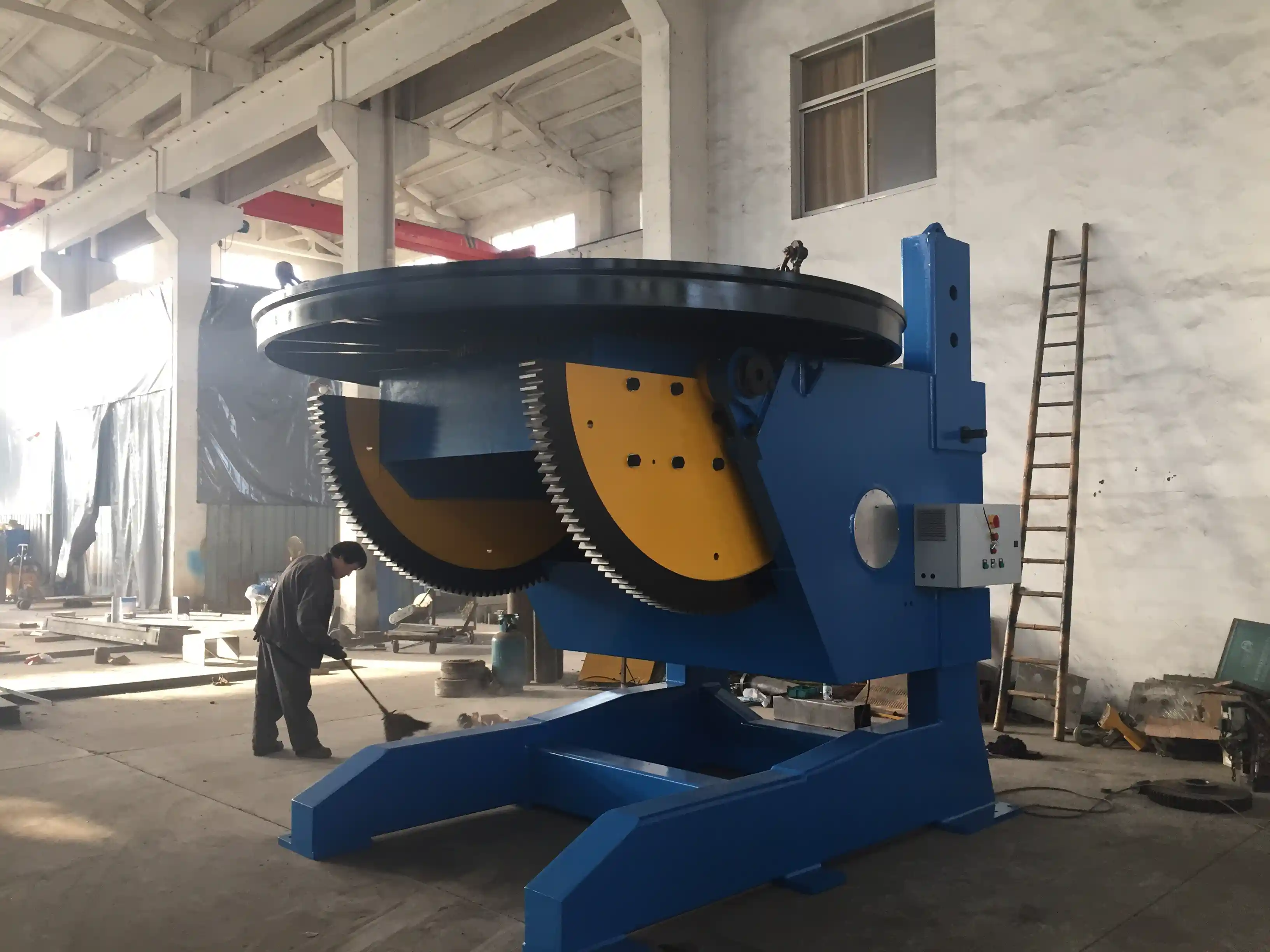
Advanced technology forms the backbone of dynamic fabrication workflows. Robotic welding integration delivers speed and precision while allowing quick reprogramming for different parts. CNC cutting machine versatility through plasma or laser systems enables rapid material processing across varied geometries. Welding manipulators provide precise control over welding torches for complex seams, improving quality and reducing manual effort. Welding positioner applications, including 3-axis and adjustable height models, position workpieces for optimal welder access and improved safety. Automated material handling systems keep operations moving, and predictive maintenance for fabrication equipment cuts unplanned downtime.
What are the essential technologies for a reconfigurable welding and cutting line?
A reconfigurable welding and cutting line depends on several core technologies working together. Laser cutting systems and Plasma Cutting Suppliers deliver high-speed, precise material processing. Automated welding systems with robotic arms maintain consistent quality while enabling rapid changeovers. CAD/CAM software integration creates seamless design-to-production workflows. Advanced welding positioners add another layer of flexibility. The Posicionador de 3 ejes (1-ton) achieves ±0.05 mm positioning accuracy with 0.02 mm repeatability, making it well-suited for robotic welding cells. The Posicionador de soldadura de 3 ejes (3-ton) provides 360° continuous rotation and 0 to 90° tilting, handling the demands of automated fabrication.
Optimizing Processes for Flexible Fabrication
Operational excellence in a flexible production line design requires process optimization at every level. Comprehensive operator training ensures personnel can manage diverse tasks and equipment effectively. Quality control in dynamic environments calls for real-time monitoring and adaptive inspection protocols. Efficient changeover management keeps unproductive time between production runs to a minimum. Cost-benefit analysis of flexible systems helps justify investments and track returns. Safety protocols designed for agile manufacturing protect workers as conditions change. Lean manufacturing implementation eliminates waste and extracts maximum value from each process step.
Trends and Innovations Shaping Fabrication
Staying competitive means watching where the industry is heading. Industry 4.0 principles, built on interconnected systems and data exchange, are reshaping production floors. AI-driven production planning optimizes schedules and resource allocation in ways that manual planning cannot match. Sustainable manufacturing practices reduce environmental impact while lowering operational costs. Additive manufacturing integration, including 3D printing for tooling or prototypes, opens new paths for customization and accelerated development. These innovations keep fabrication businesses adaptable as conditions evolve.
Why is modular design crucial for future-proofing fabrication operations?
Modular design protects fabrication operations against obsolescence because it enables scalable manufacturing solutions. Businesses can adapt to technological shifts and market changes without expensive overhauls. Individual components can be upgraded or replaced independently, preserving the value of earlier investments. This flexibility allows shops to pivot toward new product demands or production methods without starting from scratch.
Partner with WUXI ABK MACHINERY CO., LTD.
WUXI ABK MACHINERY CO., LTD. has manufactured advanced welding and CNC cutting machines since 1999. Our team engineers robust, flexible production solutions matched to specific operational requirements. Wind tower welding lines, H beam welding lines, pipe welders, welding manipulators, and positioners are all part of what we build. Contact us at jay@weldc.com or call +86-13815101750 to discuss how our equipment can strengthen your flexible production line design.
Frequently Asked Questions About Flexible Fabrication Lines
What are the primary benefits of implementing a flexible production line in a custom fabrication shop?
A flexible production line design increases adaptability to market changes and shortens lead times for custom orders. Cost efficiency improves through better resource utilization. Product variety expands without extensive retooling. Materials and machinery get used more effectively because the system can adjust to actual demand rather than forcing demand to fit fixed capacity.
How do CNC cutting machines and robotic welders contribute to production line flexibility?
CNC cutting machines and robotic welders enable automated changeovers between different product designs while maintaining precision. Their multi-tasking capabilities reduce manual intervention. Programming versatility means quick reprogramming for new tasks, which keeps the entire line responsive to shifting requirements.
What role does data analytics play in optimizing a flexible custom fabrication shop?
Data analytics supports real-time monitoring of production processes, allowing immediate adjustments when something drifts off target. Predictive maintenance capabilities anticipate equipment failures before they cause downtime. Workflow analysis identifies inefficiencies, and bottleneck identification helps streamline operations. These insights drive measurable performance improvements over time.
What are the initial investment considerations for designing a flexible production line?
Initial investments cover equipment costs for modular machinery and advanced automation. Software integration costs include CAD/CAM systems, simulation tools, and manufacturing execution systems. Training expenses for operators and technicians represent another significant line item. A thorough ROI calculation that accounts for long-term savings helps justify the upfront commitment and sets realistic expectations for payback.
 English
  Español
  Français
  Deutsch
  Português
  Русский