
Dross has a way of showing up right when you think you’ve dialed in your plasma settings. That thin bead of hardened metal clinging to the bottom edge of a cut can turn a clean part into a grinding project. After years of working with CNC plasma systems, I’ve learned that dross tells you something about what’s happening in the arc—if you know how to read it. The good news is that most dross problems trace back to a handful of controllable factors, and once you understand the relationship between your parameters and the molten metal behavior, elimination becomes systematic rather than guesswork.
What Dross Actually Is and Why It Forms
Dross consists of resolidified molten metal that sticks to the bottom or top edge of a plasma cut. It forms when the plasma jet fails to completely blow the molten material out of the kerf. The plasma arc melts the workpiece, but if the energy balance or gas flow falls short, that liquid metal cools and solidifies before it can escape.
Several factors drive dross formation. Incorrect cutting parameters sit at the top of the list, followed by material properties and consumable wear. Each of these creates a different failure mode in the expulsion process.
The type of dross you see tells you what went wrong. Low speed dross shows up as a thick, relatively soft bead along the bottom edge. It forms when cutting speed drops too low, dumping excessive heat into the material and letting molten metal pool up. This type usually scrapes off without much fight.
High speed dross is the opposite problem. It appears as a fine, hard bead that resists removal. When cutting speed runs too fast, the arc can’t fully penetrate the material or expel all the molten metal. What remains bonds tightly to the base metal.
Top dross forms on the upper surface, typically from insufficient standoff distance or excessive amperage. Gas flow dynamics play a role here too. Bottom dross is the most common variety, and its characteristics—hardness, adhesion, bead size—provide diagnostic clues about the root cause.
Material composition matters more than many operators realize. Mild steel typically produces softer dross than stainless steel. Aluminum creates its own challenges with oxide formation. Recognizing these dross types is the first step toward targeted elimination.
How Parameter Control Drives Dross Reduction
Achieving dross-free cuts depends on precise control over plasma cutting parameters. Each setting affects how thermal and kinetic energy transfer to the workpiece, which directly determines whether molten metal gets expelled or sticks around.
Cutting speed optimization deserves the most attention. Too slow, and you get excessive heat buildup that produces large, soft low speed dross. Too fast, and the arc can’t keep up—resulting in hard, tenacious high speed dross that requires serious grinding to remove. The optimal cutting speed balances heat input against molten metal removal for your specific material and thickness combination.
Arc voltage adjustment controls arc length and energy density. An incorrect setting throws off the energy concentration at the cut surface, contributing to dross even when other parameters look correct.
Plasma gas pressure and flow rates determine how effectively the system blows molten metal out of the kerf. Insufficient pressure lets material accumulate. Excessive pressure can cool the molten metal too quickly, causing it to solidify before ejection.
Cut height calibration—the standoff distance between the torch and workpiece—directly impacts arc energy concentration and kerf width. Maintaining the recommended cut height keeps the arc performing where it should.
Amperage settings control raw power. Too low and the material doesn’t melt efficiently. Too high and you get excessive melting that overwhelms the expulsion process.
Pierce height and lead-in/lead-out techniques influence initial cut quality. A clean pierce minimizes splatter, and smooth transitions prevent the abrupt thermal changes that encourage dross formation.
| Parameter | Impact on Dross | Adjustment for Reduction |
|---|---|---|
| Schnittgeschwindigkeit | Too slow: large, soft dross; Too fast: hard dross | Adjust to optimal speed for material and thickness |
| Arc Voltage | Incorrect voltage affects arc energy | Calibrate to manufacturer specifications |
| Plasma Gas Pressure | Insufficient/Excessive leads to accumulation | Maintain recommended pressure and flow |
| Cut Height | Affects arc energy concentration | Ensure proper standoff distance |
| Amperage | Too low/high impacts melting efficiency | Set according to material and thickness guidelines |
| Pierce Height | Improper piercing causes splatter | Optimize for clean entry |
Consumables and Material Properties That Affect Dross
The condition of your consumables and the properties of the material you’re cutting have more influence on dross formation than many shops acknowledge. Worn consumables degrade cut quality in ways that show up as increased dross before other symptoms become obvious.
Electrode life impacts arc stability and energy delivery. A degraded electrode causes erratic arc behavior and uneven melting—both of which contribute to dross. The nozzle orifice size shapes and constricts the plasma arc. An incorrect or worn nozzle creates a wider, less focused arc that generates more molten metal than the gas flow can handle.
The shield cap protects the nozzle and maintains precise gas flow. Damage to this component disrupts gas dynamics and contributes to dross in ways that can be difficult to diagnose. Regular inspection and a disciplined consumable replacement schedule are essential for consistent dross control.
Material thickness and type create their own challenges. Thicker materials require more energy and tighter parameter control. Different materials react differently to the plasma process. Steel dross, aluminum dross, and stainless steel dross each have distinct characteristics and removal challenges.
Oxygen plasma cutting benefits mild steel through an exothermic reaction that aids molten metal removal. Nitrogen plasma cutting advantages show up with stainless steel and aluminum, but precise settings become critical to prevent the tenacious dross these materials can produce. Plate cleanliness also matters—rust, paint, or scale interferes with the plasma arc and increases dross formation.
Advanced Equipment and Techniques for Cleaner Cuts
Modern CNC plasma cutting machines incorporate technologies that minimize dross through sophisticated control and specialized designs. These systems leverage precise management of the cutting process to achieve results that weren’t possible a generation ago.
Water injection plasma systems introduce a radial water jet around the plasma arc. This jet constricts the arc, increasing energy density and improving cut quality. The water also cools the workpiece, reducing thermal distortion and preventing molten metal from adhering as dross.
Fine plasma cutting uses specialized nozzles and precise gas management to produce a very narrow, high-density arc. The result is significantly cleaner cuts with minimal dross, particularly on thinner materials where precision matters most.
Multi-gas plasma systems offer flexibility by allowing different plasma and shield gas combinations. This enables optimization for various materials—oxygen plasma cutting benefits for mild steel, nitrogen plasma cutting advantages for stainless steel and aluminum. These systems tailor gas mixtures and flow rates to achieve optimal dross-free performance.
Many CNC plasma machine features now include automated parameter adjustment that dynamically optimizes settings based on material type and thickness. This reduces operator error and ensures consistent cut quality across production runs. Some cutting tables integrate automated dross removal systems that mechanically or chemically clean parts after cutting. Torch cooling systems maintain optimal torch temperature, extending consumable life and ensuring stable arc performance.
These advanced solutions, found in high-performance CNC plasma cutter systems, contribute significantly to superior cut quality with minimal post-processing requirements.
The Business Case for Dross Reduction
Dross reduction in CNC plasma cutting impacts operational efficiency, product quality, and profitability in ways that compound over time. The most immediate benefit is decreased post-processing costs. Manual dross removal is labor-intensive and time-consuming, adding significant expense to each part. Minimizing dross reduces grinding, sanding, and cleaning operations, freeing labor for other tasks and accelerating production cycles.
Improved cut edge quality follows directly. Dross-free edges are smoother and more consistent, requiring less rework and meeting stricter quality standards. This matters especially for parts that undergo subsequent welding or assembly, where clean edges ensure better fit-up and stronger joints. Reduced material waste contributes to cost savings as fewer parts get rejected for poor cut quality.
Enhanced productivity gains result from faster processing times and less downtime for secondary operations. When parts emerge from the CNC plasma machine with minimal dross, they move more quickly through the production line. Higher throughput and increased operational efficiency follow.
These combined factors translate into higher customer satisfaction from superior product quality and a stronger competitive position in the market.
Maintenance Practices That Keep Dross Under Control
Consistent dross control relies on diligent maintenance and adherence to proven practices. A proactive approach ensures optimal machine performance and minimizes unexpected issues that lead to dross problems.
Daily machine checks are fundamental. Operators should inspect the torch for wear or damage, particularly the nozzle and electrode. Checking plasma gas pressure and flow rates before each shift ensures alignment with recommended settings. Verifying cut height calibration maintains arc stability throughout the day.
Torch maintenance extends consumable life and maintains cut quality. Regular cleaning of the torch body and checking for proper alignment prevents erratic arc behavior. The consumable replacement schedule should be followed strictly, even when consumables appear visually acceptable. Worn consumables that look fine can still significantly impact dross formation.
Operator training makes a measurable difference. Well-trained operators understand parameter adjustment nuances and can quickly diagnose and correct issues that lead to dross. Proper workpiece clamping ensures material stability during cutting, preventing vibrations that affect cut quality. Effective ventilation systems remove fumes and particulate matter, contributing to a cleaner cutting environment and better visibility.
Implementing preventative maintenance routines beyond daily checks helps identify potential problems before they escalate. Regular quality control checks of cut parts provide immediate feedback on dross levels, allowing for prompt parameter adjustments.
| Item | Frequenz | Aktion |
|---|---|---|
| Torch & Consumable Check | Täglich | Inspect nozzle, electrode, shield cap for wear; replace as needed |
| Plasma Gas Pressure/Flow | Täglich | Verify settings match material specifications |
| Cut Height Calibration | Täglich | Confirm correct standoff distance |
| Workpiece Clamping | Per Job | Ensure secure material placement |
| Ventilation System | Täglich | Check for proper function and clear obstructions |
| Parameter Optimization | Per Job | Adjust speed, amperage, voltage based on material/thickness |
| Preventative Maintenance | Weekly/Monthly | Clean machine, check cables, lubricate moving parts |
| Quality Control Checks | Per Batch | Visually inspect cut edges for dross; adjust parameters if necessary |
Partner with WUXI ABK for Superior CNC Cutting Solutions
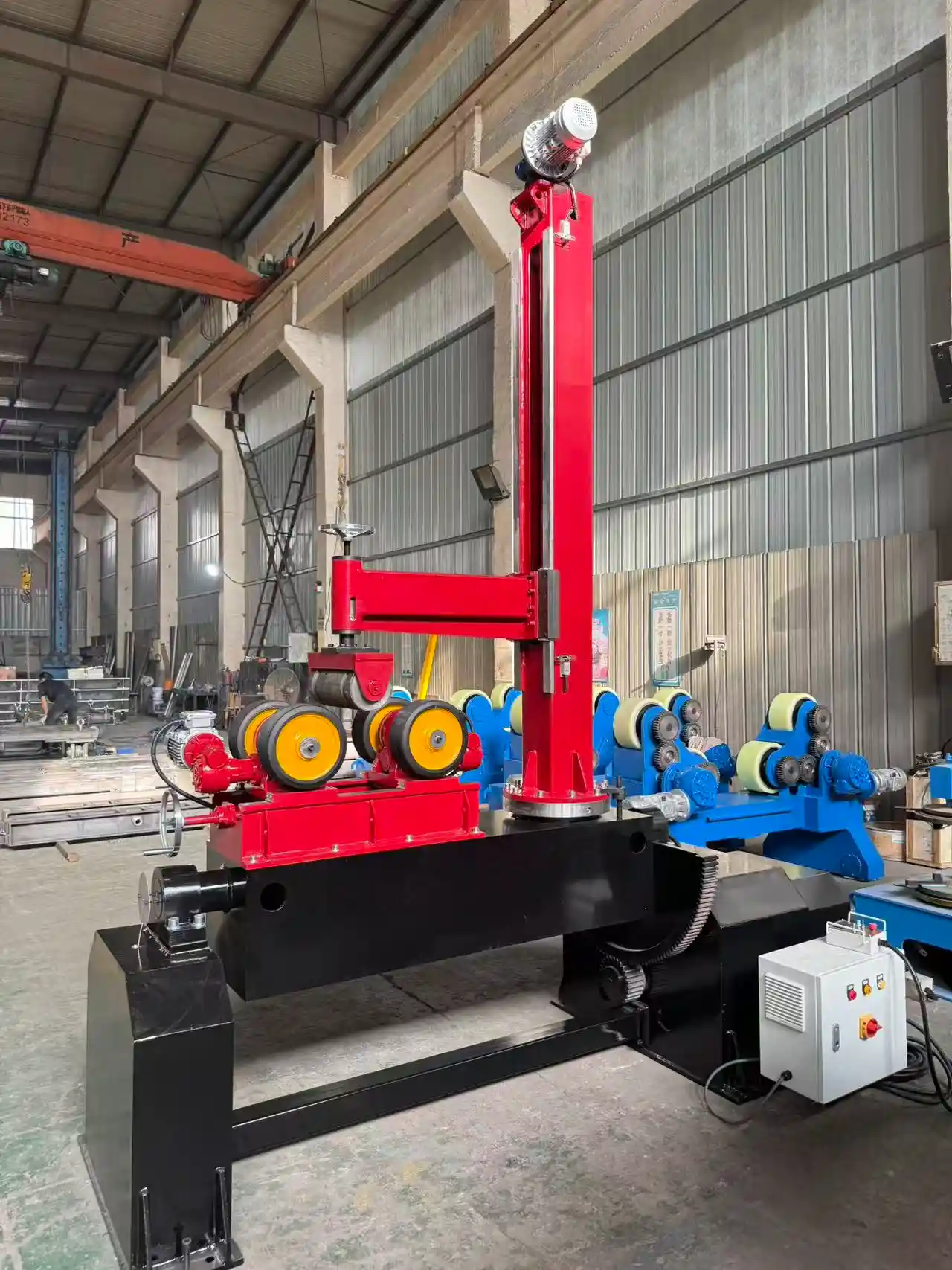
WUXI ABK MACHINERY CO., LTD specializes in high-performance CNC-Plasma-Schneider designed for precision and dross-minimized operations. Leverage our decades of expertise to optimize your fabrication processes. We provide robust solutions, such as our advanced Manipulator zum Schweißen systems, which ensure stable and accurate torch positioning for consistent cuts. Our commitment to quality is reflected in every machine, helping you achieve superior cut quality and reduced post-processing. Contact us today for a consultation on advanced plasma cutting solutions tailored to your production needs. Email: jay@weldc.com, Tel: +86-510-83555592.
Frequently Asked Questions on Plasma Cutting Dross
What are the primary factors influencing dross formation in CNC plasma cutting?
Dross formation traces back to incorrect cutting speed, improper arc voltage, worn consumables like nozzles and electrodes, incorrect gas pressures, material type and thickness, and inadequate cut height. Getting these parameters right is the foundation of dross control. WUXI ABK’s CNC plasma cutting machines are engineered with precise controls that help manage these factors effectively.
How do different plasma gas types affect dross accumulation and cut quality?
Gas selection significantly impacts dross behavior. Oxygen plasma cutting works well for mild steel, producing minimal dross with proper settings because of an exothermic reaction that aids metal removal. Nitrogen plasma cutting suits stainless steel and aluminum but can create more dross if parameters aren’t dialed in precisely. Air plasma offers versatility but tends toward more dross due to its oxygen content and lower purity compared to dedicated gases.
What advanced techniques or equipment can significantly reduce dross in automated plasma cutting operations?
Effective approaches include fine plasma cutting systems with specialized nozzles, water injection plasma for cooling and improved edge quality, multi-gas plasma systems for material-specific optimization, and sophisticated CNC controls that automatically adjust cutting parameters. High-quality CNC plasma cutting machines from manufacturers like WUXI ABK MACHINERY CO., LTD are engineered to minimize dross through precise control and robust design.
 English
  Español
  Français
  Deutsch
  Português
  Русский