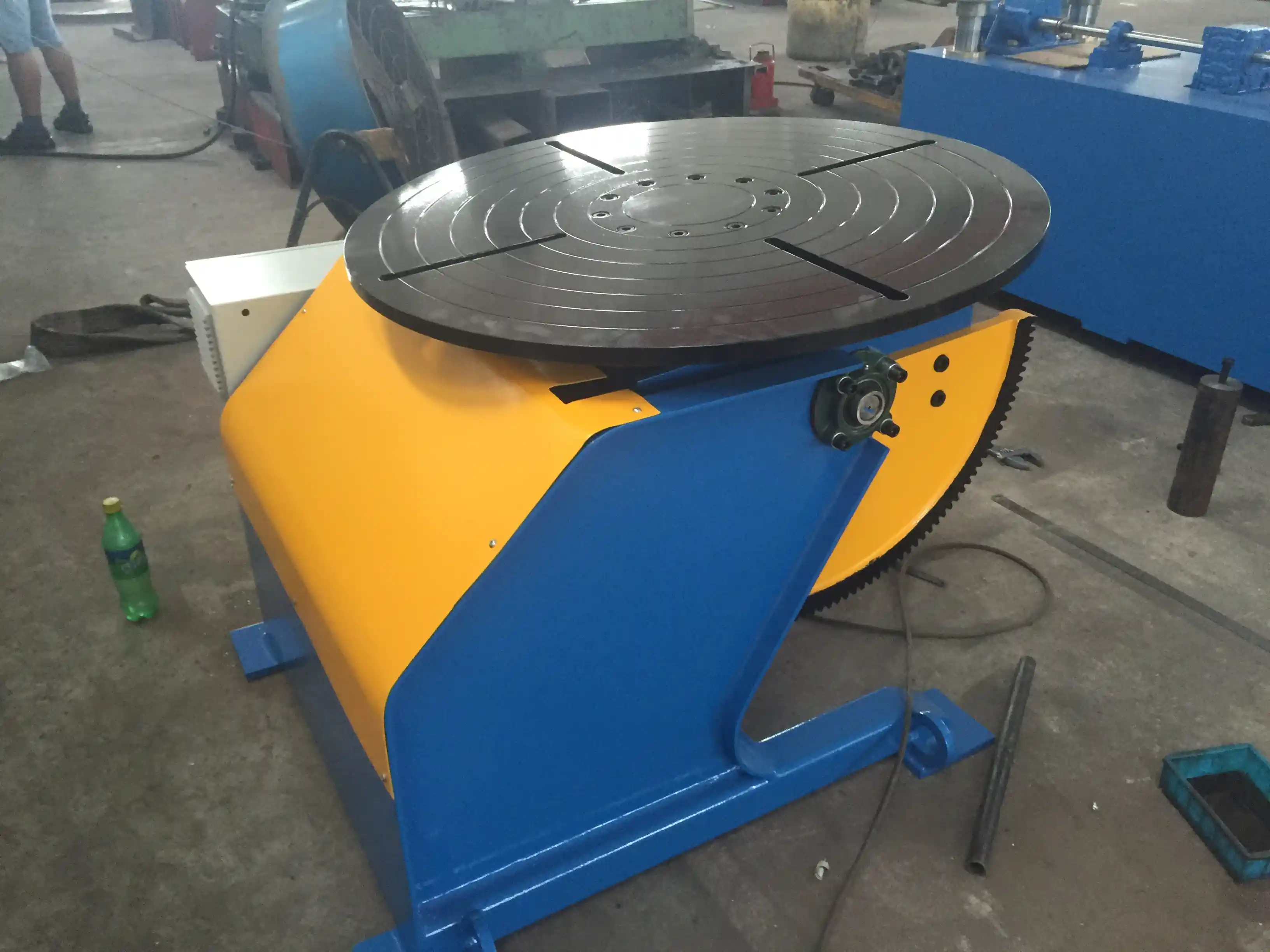
Pressure Vessel Fabrication: Welding Equipment Selection
Pressure vessel fabrication is a positioning problem as much as a welding problem. Long shell courses, formed heads, nozzles, and internal attachments all require stable

Pressure vessel fabrication is a positioning problem as much as a welding problem. Long shell courses, formed heads, nozzles, and internal attachments all require stable
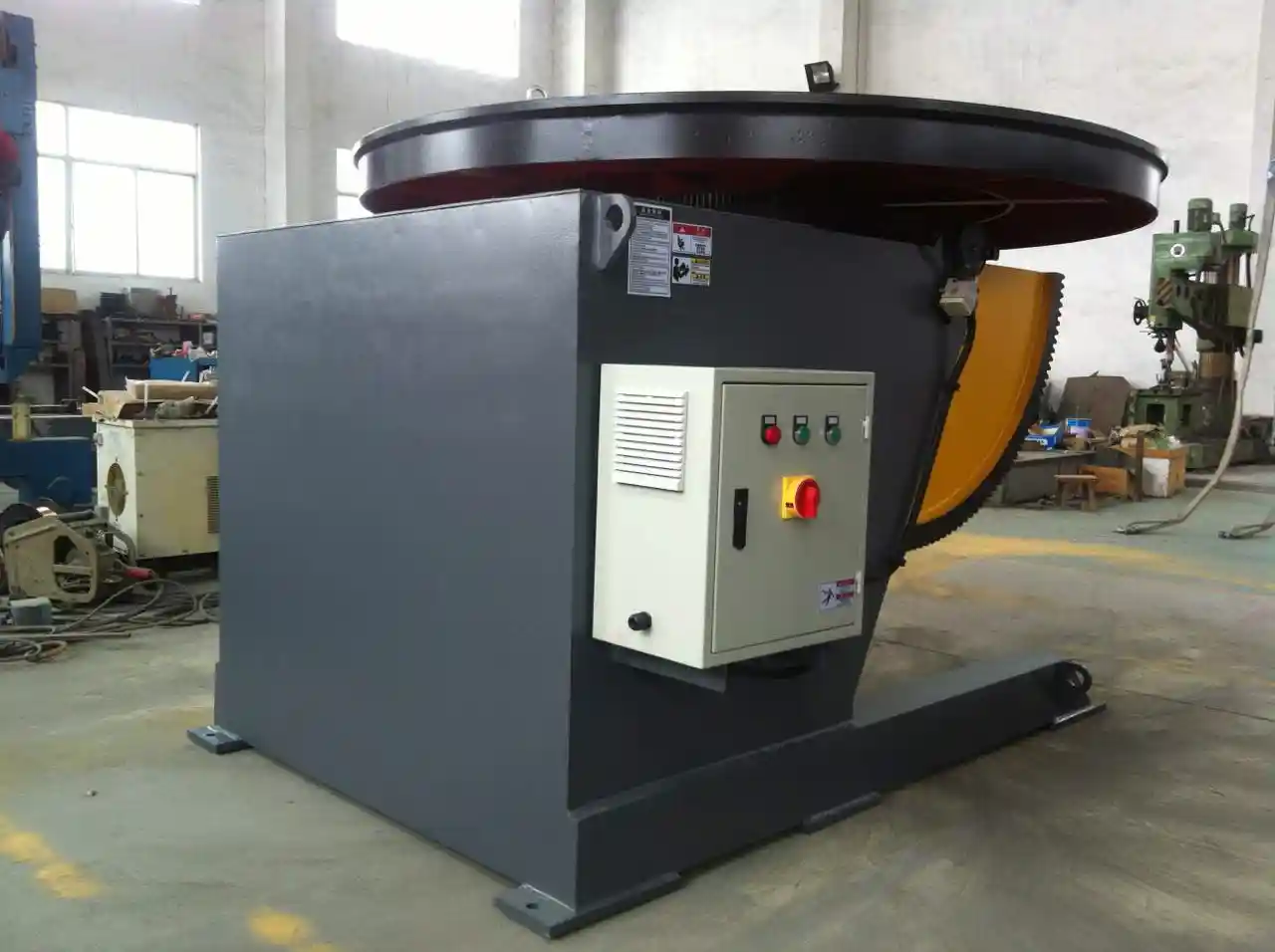
Boiler manufacturing combines heavy plate processing, high-integrity pressure-part welding, and strict code compliance into one connected workflow. A complete production line solution must coordinate CNC
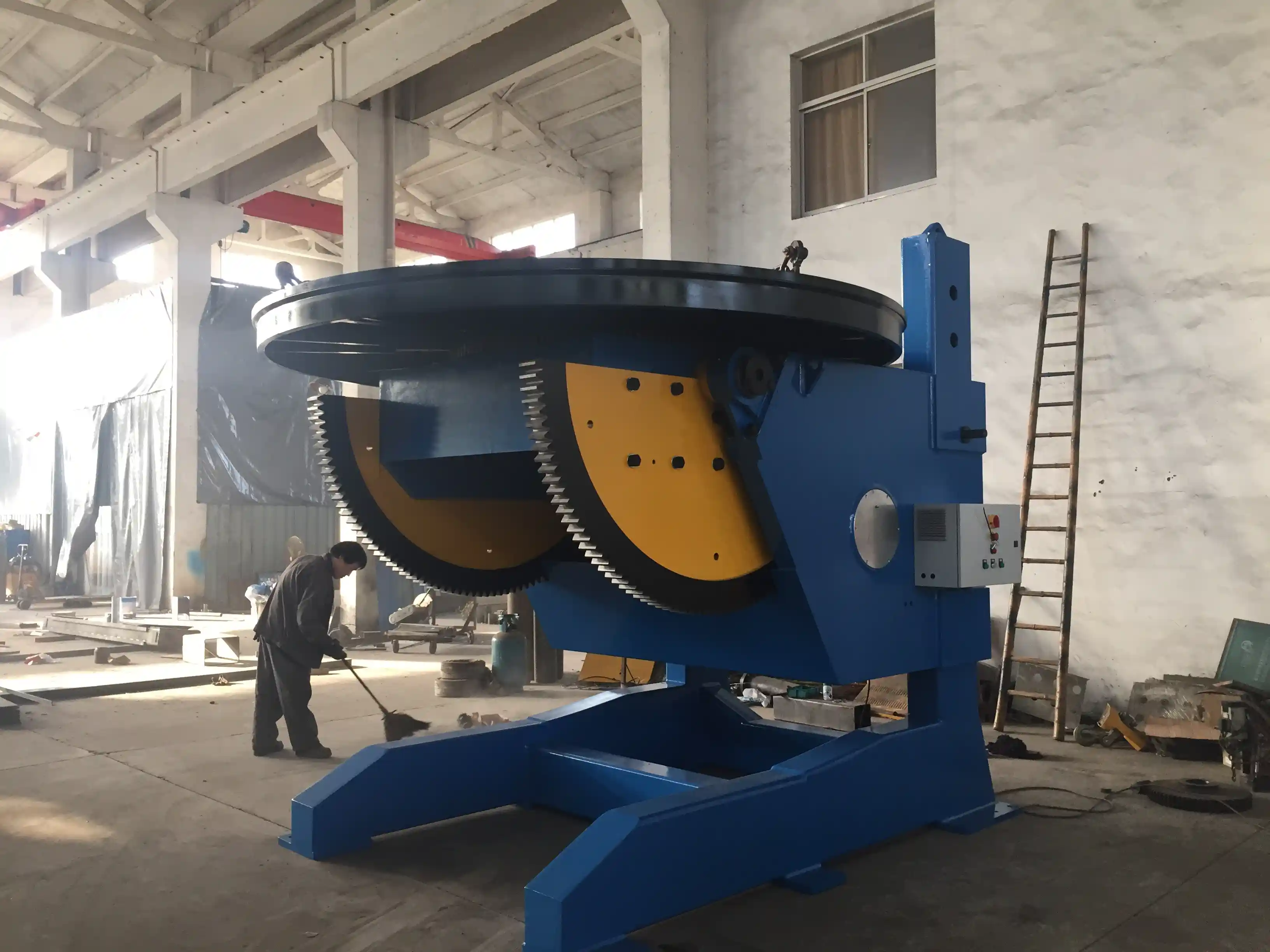
Steel structure fabrication starts with cutting accuracy. Columns, beams, base plates, stiffeners, gussets, end plates, and connection details must match the shop drawing within tight
Shipbuilding welding automation succeeds when the technology is matched to the way a yard actually builds — long panel seams, heavy block rotations, and repetitive
Water jet cutting has two practical process branches: pure water jet cutting and abrasive water jet cutting. Pure water jet cutting accelerates filtered water through
Membrane panel welding joins boiler tubes to flat steel bars or fins to form gas-tight water wall panels for power boilers, waste-heat boilers, and heat
Choosing between fiber and CO2 laser cutting usually comes down to three shop-floor variables: the material mix you process, the thickness range you cut daily,
Selecting between a fixed-height and an adjustable-height welding rotator is not a trade-off between good and bad equipment. It is a trade-off between mechanical simplicity
What “Automatic” and “Semi-Automatic” Mean in Welding Equipment In welding, semi-automatic usually means mechanized motion with a welder still managing the arc. A Welding Manipulator
For sheet metal fabricators producing panels, enclosures, cabinets, and appliance parts, the panel bender-versus-press brake decision determines how fast parts move through the shop and
Choosing between CNC plasma and CNC flame cutting is not a simple either/or. Both methods remove metal and create finished plate parts, but they behave
Choosing between a welding manipulator and a welding positioner usually comes down to one decision: should the welding head move, or should the workpiece move?
 English
  Español
  Français
  Deutsch
  Português
  Русский