
When your operation moves from standard plate thicknesses into the 200mm-plus range, the cutting equipment decision stops being a simple spec-sheet comparison and becomes an engineering challenge with direct consequences for edge quality, cycle time, and downstream fit-up accuracy. Most machinery catalogs list a maximum cutting thickness, but what they leave unsaid is how cut quality, speed, and automation behave when you are running at that limit day after day. This article examines ultra-thick plate cutting equipment from a manufacturing perspective — the technical constraints you will actually encounter, how different technologies perform at extreme thicknesses, and what to evaluate beyond the brochure numbers so your investment produces clean, predictable cuts on every plate that moves through your shop.
The Real Demands of Cutting Steel Beyond 200mm
The moment you cross the 200mm thickness threshold, ordinary cutting assumptions start to break. A cutting machine that handles 80mm plate with clean edges and tight tolerances can produce angled kerfs, heavy dross, and inconsistent cut faces on material twice that thickness. The physics are simple — heat input is massive, thermal distortion is unavoidable without careful control, and the volume of molten metal that must be evacuated from the cut zone overwhelms many standard torch designs.
Three factors become dominant at this scale. First, preheat time: on 200mm-plus carbon steel, the plate must reach a stable cutting temperature across the full thickness before the oxygen jet can initiate a clean cut. Skipping or shortening this phase produces incomplete penetration at the bottom of the cut or a ragged lower edge. Second, slag removal: the sheer mass of molten material generated during a single cut on thick plate demands torch geometry and gas pressure profiles engineered specifically for deep penetration. Standard torches running on generic parameters leave a heavy adherent dross that requires secondary grinding, adding cost to every piece. Third, plate flatness tolerance: a 200mm plate that bows even slightly under its own weight or residual stress changes the torch-to-plate distance by millimeters across the cut path, and without real-time height sensing and correction, the cut quality degrades asymmetrically.
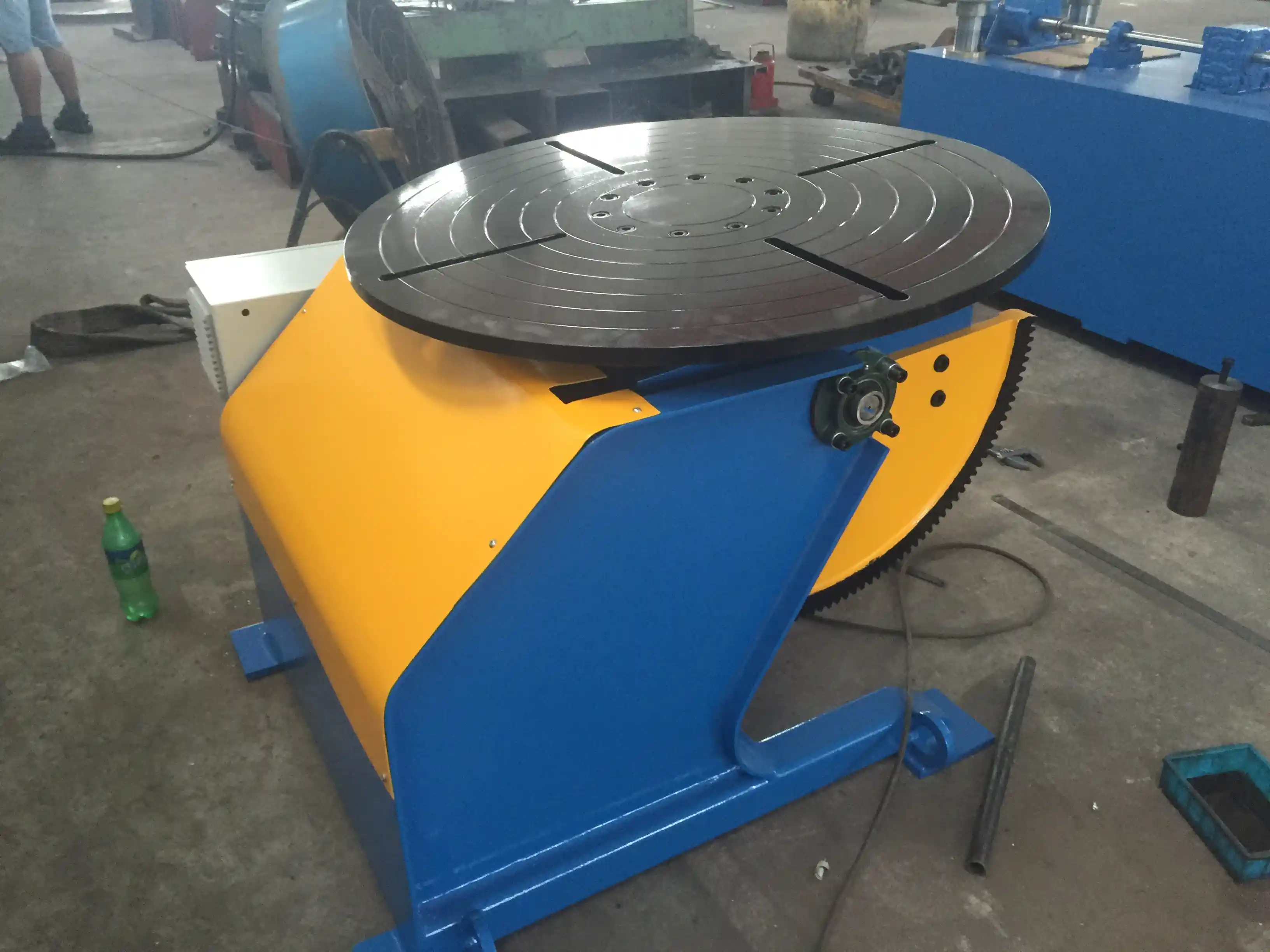
On multiple projects we have seen shops upgrade their cutting machine only to find that the existing material handling equipment could not position 25-ton plates with the precision the new torch required. The pre-cutting setup — loading, alignment, zero-point referencing — becomes part of the cutting system performance envelope, not a separate work center.
Choosing the Right Technology for Ultra-Thick Plate: Plasma, Oxy-Fuel, and Beyond
For 200mm-plus material, three technologies hold the field, each with a different performance cost profile. The table below summarizes the key trade-offs as we have observed them across fabrication environments ranging from pressure vessel shops to ship panel lines.
| Technology | Edge Quality at 200mm+ | Typical Cutting Speed | Operating Cost per Meter | Best Application |
|---|---|---|---|---|
| High-amperage plasma (400A–800A) | Acceptable — requires minimal grinding for structural welds | 150–300 mm/min | Moderate — consumables wear faster | Plate profiling where speed matters more than perfect verticality |
| Oxy-fuel (multi-torch) | Good — near-vertical kerf, smooth edge | 80–150 mm/min | Low — gas and tip replacement cost only | Straight cuts, bevel preparations, and parts destined for machined edges |
| High-power laser (12kW–20kW) | Excellent — narrow kerf, minimal HAZ | 200–400 mm/min (at lower thicknesses; drops significantly over 200mm) | High — capital cost and protective gas consumption | Precision components where subsequent minimal machining is essential |
The high-amperage plasma route is appealing for its speed on conductive metals up to roughly 200mm in mild steel, but the cut face angle deviation — often on the order of 3 to 5 degrees — becomes more pronounced as thickness rises, meaning that if your downstream fit-up tolerances are tight, you will spend the time you saved on cutting at the grinding station. We have seen shops where the plasma-cut surface on 250mm plate required nearly 2mm of stock removal to achieve the square edge needed for a full-penetration weld joint.
Oxy-fuel remains the dominant choice in heavy structural and pressure vessel fabrication precisely because of its consistent edge squareness. The capital cost of a multi-torch oxy-fuel gantry is modest, and the process does not plateau at extreme thicknesses — a properly tuned torch cuts 300mm plate almost as readily as 150mm plate, albeit at proportionally slower speeds. The main limitation is the minimum thickness it can cut cleanly without excessive top-edge melting, but for the 200mm-plus segment that is rarely a concern.
Laser cutting in the 12kW to 20kW range can achieve remarkably good edge quality on plate up to 200mm, but the capital investment and the operating environment requirements — clean, temperature-controlled, vibration-isolated — place it in a different category of decision for most job-shop and heavy fabrication applications. We have seen it used effectively for nuclear-grade components where every millimeter of heat-affected zone matters, but for general 200mm-plus structural cutting, the cost per part is difficult to justify against an oxy-fuel array producing four or eight cuts simultaneously.
Critical Machine Specifications That Define Cut Performance
Beyond the torch technology, the machine structure and control system determine whether you get repeatable cuts across the full plate thickness. Three specifications deserve more attention than they typically receive in supplier comparison spreadsheets.
Rail and gantry rigidity. On a machine cutting 200mm plate, the gantry spans several meters and carries multiple torches. Any flex in the transverse beam — even fractions of a millimeter — translates directly into kerf width variation and bevel angle inconsistency. We have measured over 0.8mm of deflection at mid-span on lighter-gauge gantry designs when loaded with a triple-torch assembly. That level of movement, uncorrected, produces weld prep errors that plating inspectors will flag after the first ultrasonic scan. Cast and stress-relieved box-beam structures with wide bearing spacing perform demonstrably better in this thickness range.
Torch height control response speed. On heavy plate, the surface is rarely perfectly flat — mill scale, residual weld spatter from earlier operations, and the plate’s own camber create a varying standoff. The automatic height control must react rapidly and adjust with precision to maintain the correct distance. In our integration work, we found that torch height systems sampling at less than 10 Hz could not compensate fast enough for the surface undulations common on as-rolled 200mm plate, producing intermittent slag adherence on the lower edge. Systems with higher cycle rates and linear-motor actuation have largely eliminated that problem.
Power and gas delivery capacity. A single high-amperage plasma torch on 200mm material draws heavily on the power supply; running multiple torches simultaneously demands a supply architecture that maintains arc voltage stability across all stations. Oxy-fuel systems, meanwhile, require regulated high-capacity gas distribution that prevents pressure droop when multiple torches pierce within seconds of each other. If your production planning expects four-torch simultaneous cutting on 200mm-plus plate, the gas manifold and supply line sizing must be calculated for peak instantaneous flow, not average.
Automation That Pays Back on Ultra-Thick Plate
The cutting time per meter on 200mm material is high enough that lightly loaded machines — a single torch cutting one plate at a time — become a bottleneck. Automation in this context is not about lights-out operation in the first instance; it is about maximizing the arc-on time of a costly capital asset.
Multi-torch sequencing is the most immediately impactful upgrade. A gantry equipped with three or four oxy-fuel torches can cut identical parts or mirrored part nests simultaneously, multiplying output without increasing labor. The control system must manage torch ignition sequences to avoid simultaneous pierce events that could trip gas flow alarms, and it must independently adjust each torch’s height based on local plate topology. Modern CNC controllers handle this without operator intervention once the nest is programmed.
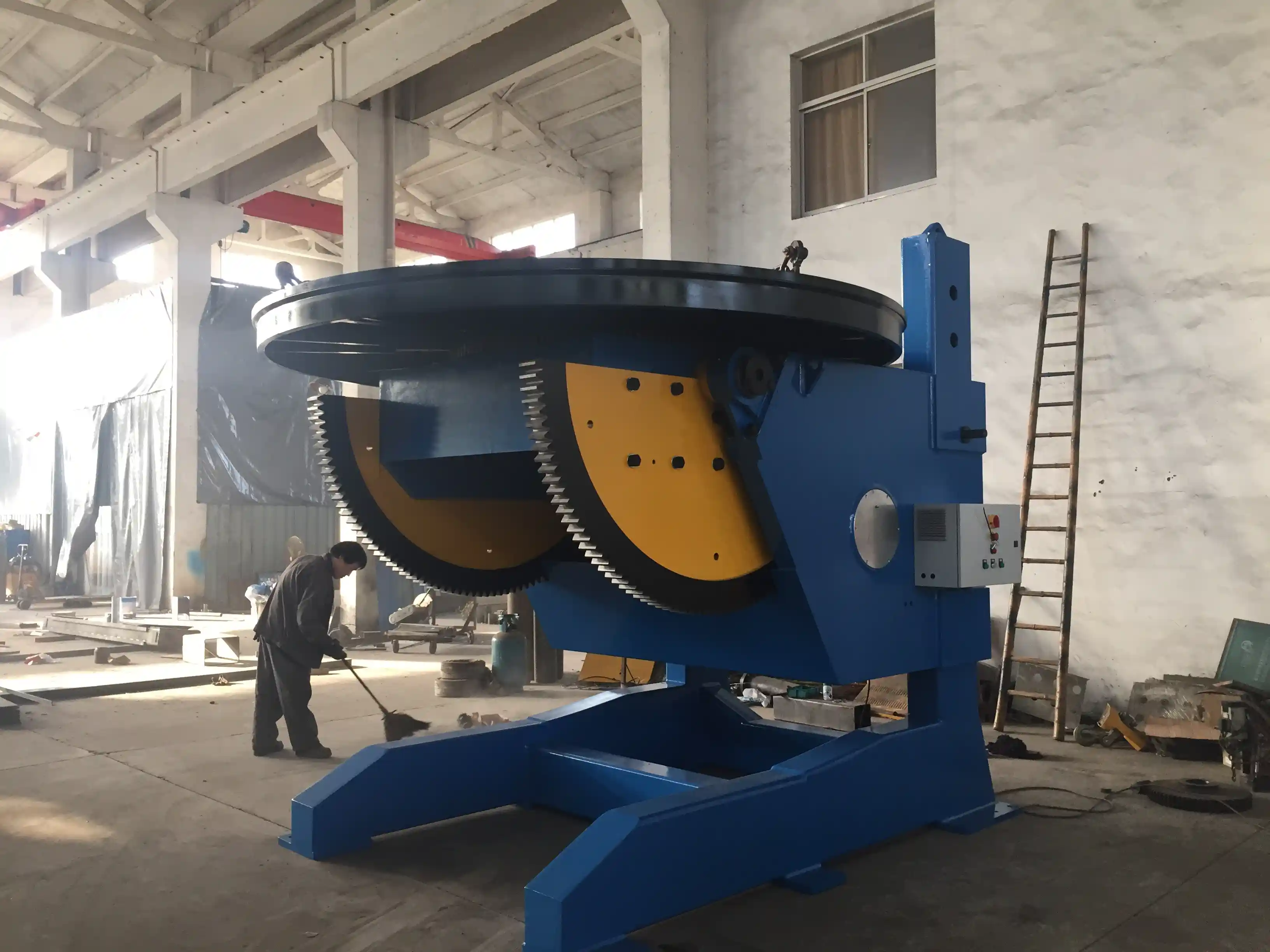
Integration with material handling is where many automation projects stall. A 200mm plate measuring 3 meters by 12 meters can weigh nearly 60 tons. Moving it from the steel yard onto the cutting table, positioning it to a zero reference, and removing the cut parts without damaging edges or stressing the machine structure requires a coordinated system of traversing tables, side-loading conveyors, or overhead cranes with vacuum or magnetic lifters. If your machine supplier does not address the material flow upstream and downstream of the torch, you risk a cutting station that sits idle while the crane does something else.
We have also observed growing adoption of plate edge scanning and real-time nesting adjustment. After the plate is on the table, laser profilers map the actual plate perimeter and any existing cutouts or edge anomalies, then the nesting software reshuffles the part layout to maximize material utilization without the operator having to measure and reposition manually. On ultra-thick plate where raw material cost per ton is high, this capability reduces residual skeleton scrap in a measurable way.
Selecting Equipment That Matches Your 200mm-Plus Application
Because the capital cost difference between a single-torch oxy-fuel gantry and a multi-torch high-amperage plasma line is significant, the selection process must begin with your specific mix of plate grades, thickness ranges, and part geometries. The following decision sequence has proven practical across the fabrication shops we have supported.
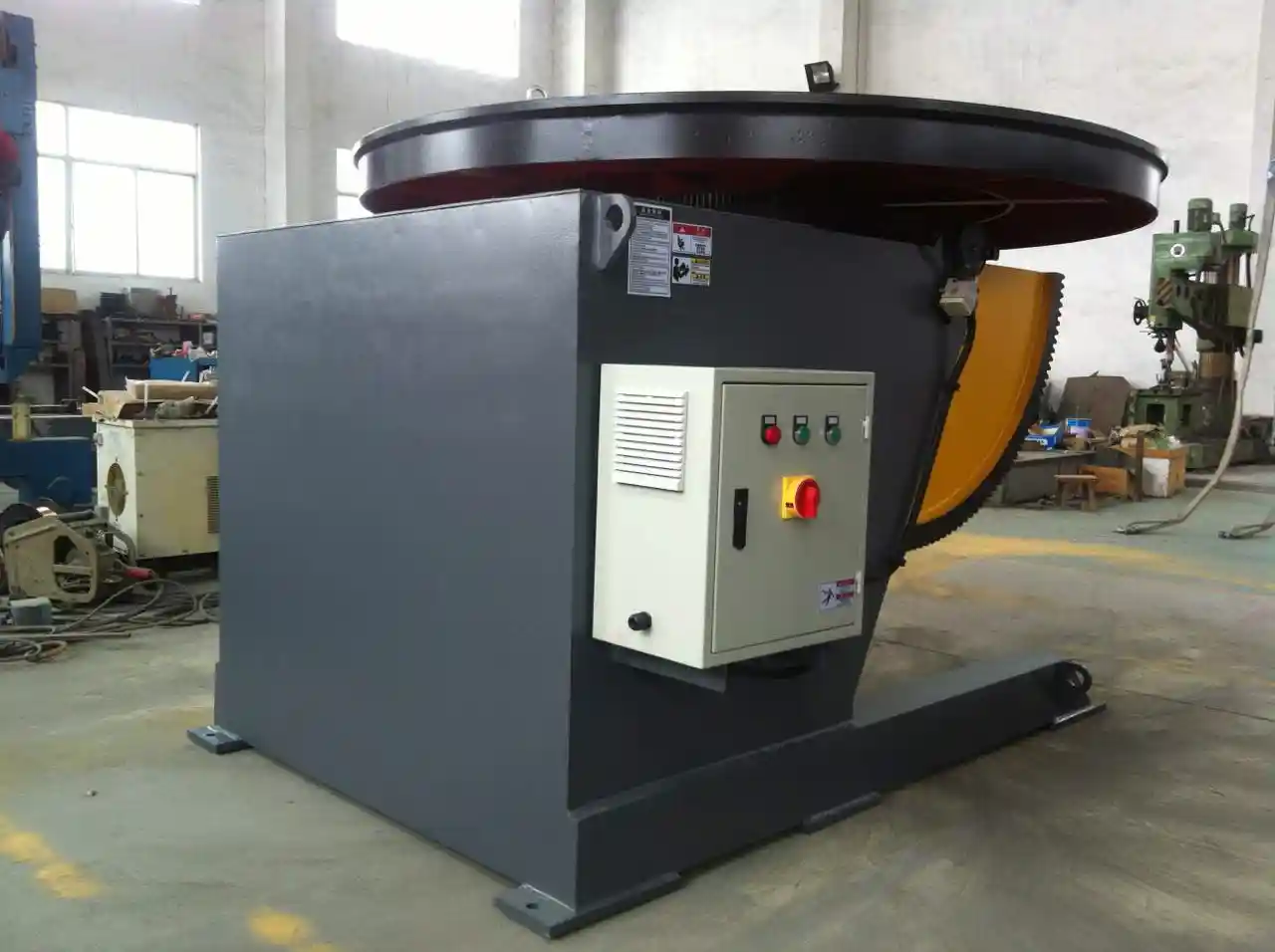
First, define the thickest plate grade you will cut routinely — not the one you think you might see occasionally. The machine’s power capacity, torch type, and preheat system must be built around that steady-state condition, not the edge case. A machine specified for occasional 250mm penetrations will deliver poor cut quality at that limit, while one engineered for continuous 250mm production will run effortlessly at 200mm.
Second, determine the edge quality requirement of your dominant product stream. If your primary output is welded structural sections where a 1–2mm bevel on the cut face is acceptable after light grinding, an oxy-fuel array provides the lowest total cost per meter. If you are producing machined surfaces or parts that must meet tight geometric tolerances after cutting, either invest in a laser system (at higher capital cost) or plan for post-cut machining operations in your process routing.
Third, evaluate floor space and crane capacity honestly. The cutting table area for a dedicated 200mm-plus plate center must accommodate the material staging zone, the cutting envelope, and the part removal buffer. Some of the most expensive mistakes we have seen were not in the cutting equipment selection but in installing a machine that required a crane configuration the existing building could not deliver.
Finally, match the control system and software to your engineering workflow. If your design team works in 3D CAD and generates cut paths from solid models, the machine’s CAM interface must ingest that data without manual translation steps that introduce errors. The time spent verifying and correcting offline programs quickly exceeds any savings from a cheaper machine with a limited controller.
Common Questions About Ultra-Thick Plate Cutting Equipment
What thickness can a standard plasma cutter handle before quality drops off?
Standard plasma cutters rated for 100mm or 200mm will pierce those thicknesses, but cut squareness and edge smoothness degrade significantly. For mild steel, a 400-amp plasma system produces acceptable edge quality up to about 180mm. Beyond that, bevel angle can exceed 3 degrees and dross adhesion increases. For 200mm-plus production, you want a dedicated high-definition plasma with gas mixing and torch design optimized for deep penetration.
Is oxy-fuel cutting obsolete compared to plasma?
No, for plate over 200mm, oxy-fuel often outperforms plasma on edge squareness and capital cost. It is slower per meter, but multi-torch setups compensate with simultaneous cuts, and the per-meter operating cost is lower because oxy-fuel tips are inexpensive and gas supply is straightforward. Oxy-fuel also handles alloy steels and carbon steels that plasma struggles with due to material conductivity.
How do I prevent heat distortion on very thick plates during cutting?
Distortion on 200mm-plus plate is largely managed by cut sequence planning and torch path programming. We typically program the nest so that long continuous cuts are broken into segments, allowing the plate to cool between passes. Some machines include water curtain cooling or direct plate quenching, but those add complexity. More practically, rough-cut all parts first, then let the plate normalize to ambient before the final dimensional cuts.
What maintenance does a thick-plate cutting machine need more than a standard unit?
The drive system and linear bearings experience higher loads and accumulate more cutting debris. Daily cleaning of the rack-and-pinion drive, torch height sensor lens, and gas nozzle orifice is critical. Weekly checks of the gantry alignment and the anti-backlash mechanism help maintain cut precision. Oxy-fuel tips require replacement on a usage schedule, not just when cut quality worsens. Ignoring these steps on a heavy-plate machine leads to positional drift that compounds over the large cutting area.
Can a single machine cut both thin and 200mm-plus plate effectively?
A machine set up for ultra-thick cutting can cut thin plate, but it may not be economically optimal. The high-power torch and rigid structure are overbuilt for thin material, and changing between torch configurations — for example, from oxy-fuel to plasma — introduces setup time. We generally recommend a dedicated thick-plate cutting center if your volume on 200mm-plus material exceeds roughly 30% of total cutting hours. For lower volumes, a versatile platform with quick-change torch heads can serve.
For shops cutting 200mm-plus plate regularly, a well-chosen cutting system reduces per-part cost and creates a predictable process window. If your next project involves specifying equipment for heavy fabrication, share your typical plate dimensions and production volume with us at jay@weldc.com or call +86-510-83555592 — our engineering team can help identify the machine configuration that matches your cutting demands without over-engineering the investment.
Если вам интересно, ознакомьтесь со следующими статьями по этой теме:
Сварочный вращатель Прецизионная автоматизация для промышленного производства: Руководство эксперта по часто задаваемым вопросам
Как повысить качество сварки труб с помощью высокоточного сварочного позиционера
Революция в судовой сварке: как позиционеры для сварки повышают качество и эффективность
Повышение качества и эффективности производства ветроэнергетических установок: Ключевая роль позиционеров при сварке обхватов секций башен
 English
  Español
  Français
  Deutsch
  Português
  Русский