Every year, the same question comes up: is annual maintenance really worth the cost and downtime? After watching facilities struggle with unexpected failures versus those that stay ahead of problems, the answer becomes obvious. The difference between a boiler that runs reliably for decades and one that becomes a constant headache often comes down to whether someone took the time to inspect, clean, and adjust it before small issues turned into expensive emergencies.
The Real Cost of Skipping Annual Boiler Maintenance
Boiler production equipment maintenance isn’t just about following a schedule. It’s about protecting an investment that runs continuously under demanding conditions. Facilities that commit to preventative maintenance schedules see unscheduled downtime drop by as much as 85%. That number alone should get anyone’s attention.
When a boiler runs without regular attention, several things happen. Efficiency drops gradually, often so slowly that operators don’t notice until fuel bills spike. Scale builds up inside tubes, acting as insulation that forces the system to work harder. Burners drift out of calibration, wasting fuel and producing inconsistent heat. Small leaks develop and worsen. By the time these problems become obvious, the repair costs have multiplied.
A well-maintained boiler operates at peak efficiency, which directly affects fuel consumption and utility costs. The math is straightforward: a 5% drop in efficiency on a system running around the clock adds up to substantial waste over a year. Beyond the financial impact, rigorous safety protocols for boilers depend on regular inspections and servicing. These checks protect workers and the operational environment from pressure-related hazards.
Working with high-precision welding equipment like the WUXI ABK L-Type Welding Positioners reinforces this point. These systems, designed for applications like pressure vessel manufacturing, maintain their ±0.5-degree accuracy and continuous 360-degree rotation capabilities only when they receive structured maintenance. The same principle applies to boilers.
What a Thorough Boiler Maintenance Program Actually Covers
A comprehensive boiler maintenance program follows a structured approach with specific inspection points and service intervals. This isn’t about checking boxes. It’s about systematically examining every component that could fail or degrade.
Burner maintenance sits at the top of the list. Fuel-to-air ratios need calibration for optimal combustion. When these ratios drift, the boiler either wastes fuel or produces incomplete combustion, leading to soot buildup and reduced heat transfer. Neither outcome is acceptable.
Water treatment prevents scale buildup and corrosion within the boiler system. Scale acts as an insulator on heat transfer surfaces, forcing the system to work harder. Corrosion weakens tubes and shells, eventually leading to leaks or catastrophic failures. Both problems are preventable with proper water chemistry management.
Flue gas analysis monitors combustion efficiency and emissions. This data reveals whether the burner is operating correctly and whether the system meets environmental compliance requirements. Control system calibration guarantees accurate temperature and pressure regulation, which is vital for safe and efficient operation.
Manufacturing robust welding equipment like the WUXI ABK HBT series Head & Tail Welding Positioners provides deep understanding of the structural demands and material integrity required in boiler systems. This knowledge informs thorough boiler inspection checklists that address both obvious and subtle failure points.
Industrial Boiler Equipment Lifespan Expectations
With proper maintenance, industrial boiler equipment can significantly exceed its estimated lifespan, often extending it by 30% or more beyond manufacturer estimates. This translates to a clear return on investment through prolonged equipment longevity and reduced capital expenditure on replacements. Regular inspections and timely repairs address minor issues before they escalate, preserving the boiler’s structural integrity and operational efficiency for decades.
Moving from Reactive to Proactive Boiler Maintenance
The shift from reactive to proactive maintenance changes everything about how a facility operates. Reactive maintenance means waiting for something to break, then scrambling to fix it. Proactive maintenance means anticipating problems and addressing them on your schedule, not the equipment’s.
Predictive maintenance techniques leverage data to anticipate potential failures. Vibration analysis, thermal imaging, and trend monitoring reveal developing problems before they cause shutdowns. This approach requires investment in monitoring equipment and training, but the payoff comes in avoided emergencies.
Effective spare parts management ensures critical components are readily available. Nothing extends downtime like waiting for a part to ship. Facilities that maintain appropriate inventory of wear items and common failure components recover faster from any issue that does occur.
Comprehensive operator training empowers staff to perform routine checks and identify early warning signs. The people who work with the equipment daily often notice subtle changes before they show up on any instrument. Training them to recognize and report these observations catches problems early.
Many facilities benefit from annual service contracts that provide scheduled expert inspections and maintenance. These arrangements ensure consistent care from specialists who know the equipment. A thorough cost-benefit analysis of maintenance consistently demonstrates that proactive measures yield significant financial advantages over emergency repairs.
Advanced welding equipment like the LH8080 Welding Manipulator benefits from similar proactive strategies. Maintaining its ±0.1 mm/m positioning accuracy and stable operation requires the same disciplined approach that keeps boilers running reliably.
Professional Inspection Frequency for Boiler Production Lines
A professional should inspect boiler production lines annually at minimum to ensure regulatory compliance for boilers and optimal performance. The specific boiler service intervals may vary based on boiler type, operational intensity, and local regulations. An annual inspection by certified professionals is crucial for identifying potential issues, verifying safety mechanisms, and maintaining peak efficiency. More frequent checks may be necessary for older systems or those operating under demanding conditions.
Common Boiler Problems and How to Prevent Them
Addressing common boiler malfunctions and implementing effective preventative measures keeps equipment running. Corrosion prevention is a primary concern because it directly impacts the longevity and safety of pressure vessel integrity. Regular inspections, often aided by specialized welding equipment maintenance techniques, help identify early signs of corrosion or material fatigue.
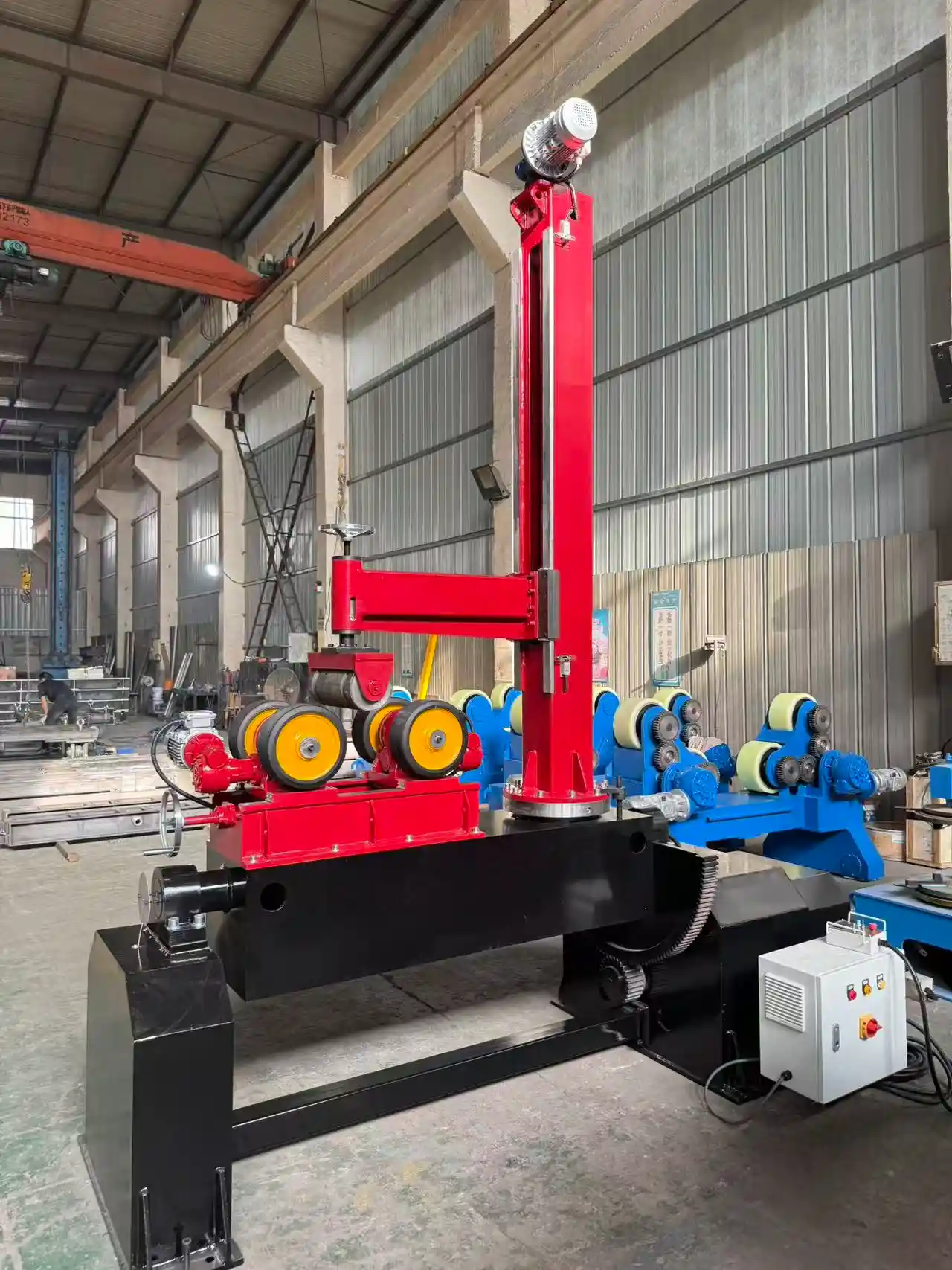
Working with the 5-Ton Fixed Height Welding Positioner, designed for pressure vessel fabrication, highlights the importance of routine checks on structural components and welds. The same attention to detail applies to boiler maintenance.
Tube leaks often result from corrosion or overheating. When water chemistry isn’t controlled, dissolved oxygen attacks metal surfaces from the inside. Overheating occurs when scale insulates tubes, causing localized hot spots. Both conditions lead to tube failures that require precise repair, sometimes involving specialized welding.
Burner problems stem from dirty nozzles or incorrect fuel-air mixtures. A burner that doesn’t atomize fuel properly wastes energy and produces uneven heat. Regular cleaning and calibration prevent these issues.
Control system errors can lead to unsafe operating conditions if not calibrated correctly. Pressure and temperature controls must respond accurately to changing conditions. Drift in these systems creates safety hazards and efficiency losses.
| Common Boiler Fault | Potential Cause | Preventative Measure |
|---|---|---|
| Tube Leaks | Corrosion, overheating, fatigue | Water treatment, regular inspection, material checks |
| Burner Inefficiency | Dirty nozzles, incorrect air/fuel | Routine cleaning, calibration, fuel quality control |
| Scale Buildup | Untreated feedwater | Chemical water treatment, blowdown procedures |
| Pressure Fluctuations | Faulty controls, valve issues | Control system calibration, valve inspection |
| Corrosion | Oxygen in water, low pH | Deaeration, pH balancing, protective coatings |
These issues are preventable through diligent annual maintenance. Manufacturing robust industrial equipment like the 3-Ton Fixed Height Welding Positioner, which maintains <0.1 mm positioning precision, underscores the value of precision in both manufacturing and maintenance to avoid such failures.
Failures Caused by Neglected Boiler Maintenance
The most common boiler failures due to neglected maintenance include tube leaks, burner malfunctions, and control system failures. Tube leaks, often caused by untreated water leading to corrosion or scale, can result in catastrophic ruptures. Burner issues arise from dirty components or improper calibration, leading to inefficient combustion and increased fuel costs. Control system failures can cause unsafe operating pressures or temperatures, emphasizing the severe consequences of neglected maintenance.
Meeting Safety Standards and Regulatory Requirements
Adhering to industrial boiler certification and safety standards is non-negotiable in boiler operations. Regulatory compliance for boilers involves maintaining detailed documentation and securing necessary certifications. Regular risk assessment boiler procedures identify potential hazards and implement mitigation strategies.
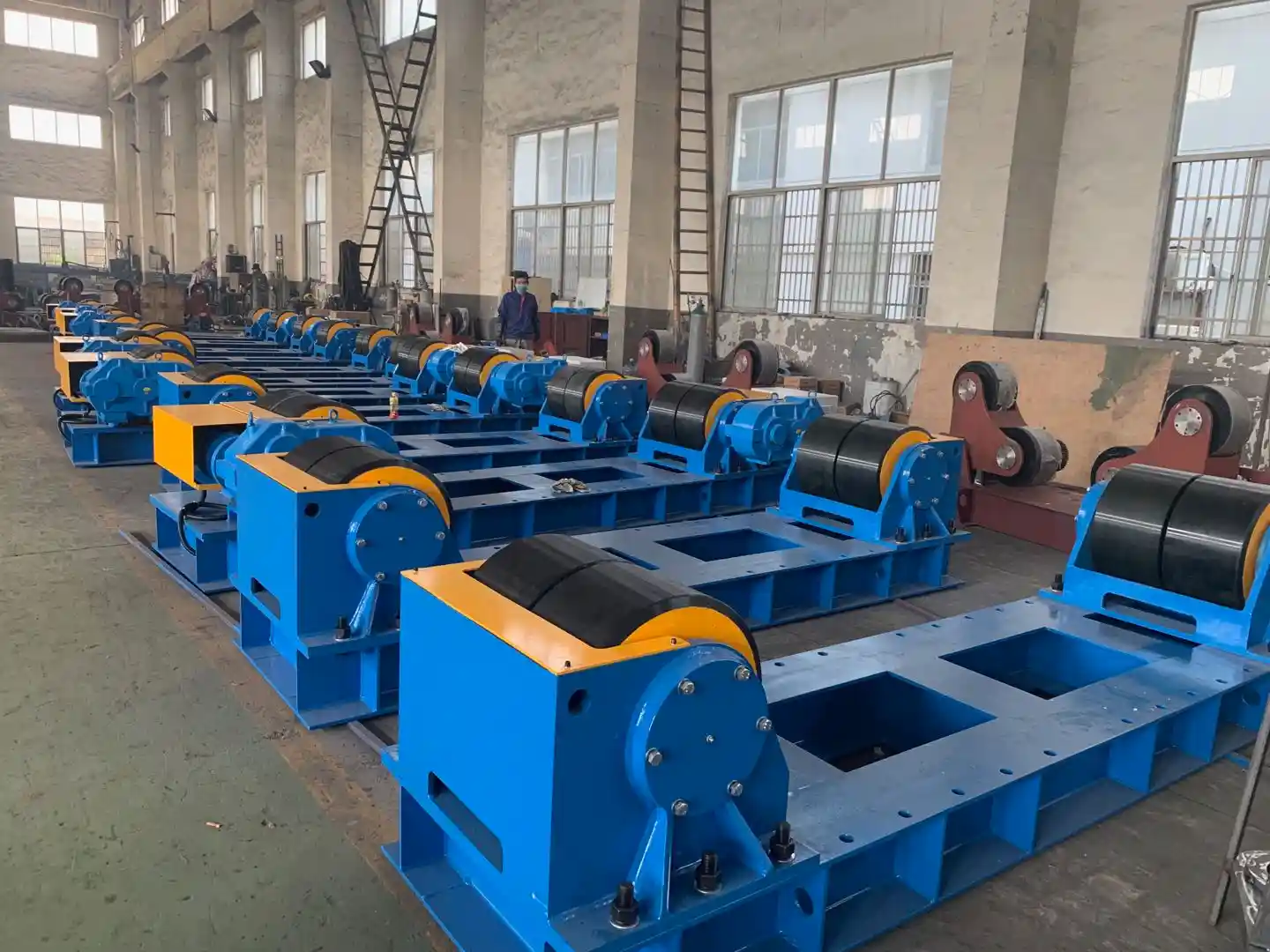
Compliance isn’t just about avoiding penalties. It ensures a safe working environment for everyone who works near the equipment. Products like the WUXI ABK HBT series Head & Tail Welding Positioners carry CE/ISO certification and meet industrial welding safety standards because safety matters in every application.
Maintaining compliance requires ongoing training, meticulous record-keeping, and periodic audits. These measures guarantee that all operational aspects meet or exceed industry benchmarks.
| Regulation Category | Key Requirement | Impact on Operations |
|---|---|---|
| Pressure Vessel Codes | Design, fabrication, inspection standards | Ensures structural integrity and prevents explosions |
| Emissions Standards | Limits on pollutants (NOx, SOx) | Reduces environmental impact, avoids fines |
| Operational Safety | Emergency shutdown, interlocks, personnel | Protects workers, prevents accidents |
| Water Quality | Feedwater treatment, blowdown control | Prevents corrosion and scale, extends lifespan |
| Inspection Frequency | Mandated periodic internal/external checks | Identifies wear and tear, ensures reliability |
These regulations are frameworks for safe and efficient boiler operation. They exist because the consequences of failure are severe.
Partner with WUXI ABK for Boiler Equipment Longevity
Ensure the peak performance and longevity of your boiler production equipment with expert solutions from WUXI ABK MACHINERY CO., LTD. With over two decades of experience in welding and cutting technologies, we understand the critical role of well-maintained machinery. Contact us today at +86-13815101750 or jay@weldc.com for a personalized consultation on optimizing your equipment’s annual maintenance strategy and exploring our advanced welding solutions.
Long-Term Benefits of Consistent Annual Boiler Maintenance
Consistent annual maintenance for boiler production equipment significantly extends its operational lifespan, reduces the frequency and severity of unexpected breakdowns, and optimizes energy efficiency. This proactive approach minimizes costly emergency repairs, ensures compliance with safety regulations, and maintains high production quality, ultimately leading to substantial long-term savings and improved overall plant reliability.
How Welding Equipment Expertise Applies to Boiler Maintenance
WUXI ABK MACHINERY CO., LTD’s extensive experience since 1999 in manufacturing high-quality welding equipment, such as pipe welders and H-beam welding lines, provides deep insights into the structural integrity and material stresses inherent in boiler production equipment. This expertise is crucial for identifying potential weaknesses, performing necessary repairs, and recommending preventative measures that ensure the robust and safe operation of your boiler systems.
Energy Savings Through Proper Boiler Maintenance
Proper boiler maintenance is a direct pathway to significant energy savings and reduced operational costs. Regular cleaning of heat transfer surfaces, optimization of burner performance, and calibration of control systems ensure that the boiler operates at its maximum efficiency. This reduces fuel consumption, lowers utility bills, and prevents the need for expensive, energy-intensive repairs, contributing directly to your bottom line.
 English
  Español
  Français
  Deutsch
  Português
  Русский