
Material waste sits at the center of every fabrication budget conversation I’ve been part of. The numbers are hard to ignore—when 30% of purchased steel ends up as scrap, that’s not just a disposal problem, it’s a margin problem. Pairing precision nesting software with capable CNC cutting equipment changes that equation. The combination pushes material utilization higher, cuts scrap volumes, and tightens production cycles in ways that show up on the balance sheet.
Why Material Waste Costs More Than Most Manufacturers Realize
Material waste drains manufacturing resources in ways that rarely get captured in a single line item. The obvious loss is the raw material itself, but the real damage spreads further. Unoptimized cutting layouts inflate production costs through longer cycle times, higher disposal fees, and inconsistent inventory draws. When scrap reduction isn’t built into the process, operational efficiency suffers across the board. Companies working toward lean manufacturing principles understand this—uncontrolled material loss erodes competitiveness faster than most overhead categories.
The environmental impact compounds the financial pressure. Excessive material consumption burns through natural resources and adds to carbon footprints in ways that increasingly matter to customers and regulators. Poor inventory management challenges get worse when material usage swings unpredictably, leaving procurement teams guessing between overstocking and shortages. Shipbuilding, automotive, and heavy machinery operations often run material utilization rates below 70% without advanced optimization. That means 30% or more of purchased material becomes costly scrap. Fixing this requires investment in technologies that deliver higher material yields and sustainable practices.
| Industry Sector | Typical Material Utilization (without nesting) | Estimated Waste Cost (% of material) |
|---|---|---|
| Heavy Fabrication | 60-70% | 30-40% |
| Sheet Metal | 70-80% | 20-30% |
| Automotive Stamping | 75-85% | 15-25% |
| Aerospace Components | 50-60% | 40-50% |
How Precision Nesting Software Transforms Material Utilization
Precision nesting software sits at the foundation of modern cutting efficiency. These systems use sophisticated nesting algorithms to arrange parts on raw material sheets, pushing sheet utilization as high as the geometry allows. The software places diverse part shapes intelligently, closing gaps and maximizing material optimization across every job. This step transforms raw stock into usable components with significantly less waste.
Modern nesting solutions connect directly with CAD/CAM integration systems, letting designers feed part geometries straight into the nesting engine. This streamlines the entire part fabrication workflow and eliminates manual translation errors. The core benefit is yield improvement—calculating the most efficient layout drastically reduces unused material. Direct cost savings on raw materials follow, along with lower disposal expenses. Production planning software often includes nesting modules now, giving manufacturers comprehensive control over schedules and resource allocation. Processing speeds have improved dramatically, and the ability to handle complex geometries means even intricate parts nest efficiently.
What Makes Advanced Nesting Algorithms Effective
Advanced nesting algorithms pack several features that drive superior material savings. Common-line cutting allows multiple parts to share a single cut line, reducing cutting path length and material kerf loss. Remnant management capabilities track leftover material and make it available for future jobs—what was once scrap becomes valuable stock. Dynamic nesting adapts layouts in real-time when last-minute changes or urgent orders come through. True shape nesting fits irregular part geometries accurately, unlike simpler rectangular methods that waste material around curves and angles. Material grain optimization considers directional properties, aligning parts to maintain structural integrity or visual consistency. These features work together to push material yields higher while cutting operational costs.
Quantifying Sheet Yield Improvements
Precision nesting software delivers material savings that translate directly to return on investment (ROI). Industries typically report material waste reductions between 5% and 20%, depending on part complexity and material type. A manufacturer processing 1,000 tons of steel annually could save 50 to 200 tons of material through optimized nesting. These cost reduction strategies improve profitability quickly—initial software investments often pay back within months. Efficiency gains in cutting operations also contribute through faster throughput and reduced labor costs. Optimized nesting ensures every square inch of material works toward productive output rather than the scrap bin.
CNC Cutting Equipment That Delivers on Nesting Promises
The value of precision nesting only materializes when advanced CNC cutting equipment executes those optimized layouts accurately. These machines translate nesting plans into precise physical cuts with tight accuracy control and minimal material deviation. Automated cutting technologies—plasma cutting, laser cutting, waterjet cutting, and oxy-fuel cutting—each bring distinct advantages in speed and quality. The right technology depends on materials and thicknesses, but all offer reliable solutions for diverse manufacturing requirements. CNC programming drives these machines through complex cut paths with repeatability that manual methods can’t match.
Cutting speed matters for production schedules and throughput. Paired with accuracy control, fast cutting ensures every part meets quality standards without sacrificing volume. Quality control features like automatic torch height control and real-time process monitoring catch deviations before they become scrap. Efficient material handling systems integrated with CNC cutters keep sheets moving smoothly, minimizing downtime between jobs. This synergy between software and hardware is what makes maximum operational efficiency possible.
| Technology | Material Thickness Range | Typical Materials Cut | Vantagens | Desvantagens |
|---|---|---|---|---|
| Laser Cutting | 0.1mm – 30mm | Metals, plastics, wood | High precision, narrow kerf, versatile | High initial cost, limited thick metal speed |
| Plasma Cutting | 1mm – 150mm | Conductive metals (steel, aluminum) | Fast on thick metals, lower cost than laser | Wider kerf, heat-affected zone |
| Waterjet Cutting | 0.1mm – 300mm | Virtually any material | No heat distortion, high precision, smooth edge | Slower, higher operating cost |
| Oxy-Fuel Cutting | 6mm – 300mm+ | Ferrous metals (steel) | Cost-effective for very thick steel, fast | Large heat-affected zone, limited precision |
Matching Cutting Technology to Material Requirements
Selecting the right cutting technology comes down to material compatibility and production goals. For thin sheet cutting of metals, plastics, or wood, Laser Cutting Suppliers deliver unmatched precision and edge quality. When thick plate cutting of steel or alloy processing is the priority, Fornecedores de corte a plasma provide the speed and cost-effectiveness that makes sense. Water Jet Cutter technology handles heat-sensitive materials like stainless steel or non-ferrous metals without thermal distortion. For extremely thick ferrous materials, oxy-fuel cutting remains a practical choice. Understanding material properties—type, thickness, and desired edge finish—guides the selection toward the most effective CNC cutting solution and minimizes rework downstream.
Connecting Design to Finished Parts Without Gaps
Peak manufacturing efficiency requires seamless integration from initial design through finished components. Modern workflows depend on CAD/CAM integration that moves design data directly into CNC programming and nesting software without manual steps. This data exchange automation eliminates transcription errors, cuts programming time, and accelerates production cycles. Streamlined production workflow optimization keeps parts moving efficiently through nesting, cutting, and subsequent processes.
Manufacturing automation reduces human error while increasing throughput. Integrated systems maintain digital models consistently across all stages, driving error reduction in production. Post-processing efficiency improves because precisely cut parts need less finishing work. This comprehensive integration supports supply chain optimization through reliable production timing and reduced material waste. The result is a manufacturing operation that responds faster and costs less to run.
WUXI ABK Equipment Built for Sustainable Manufacturing
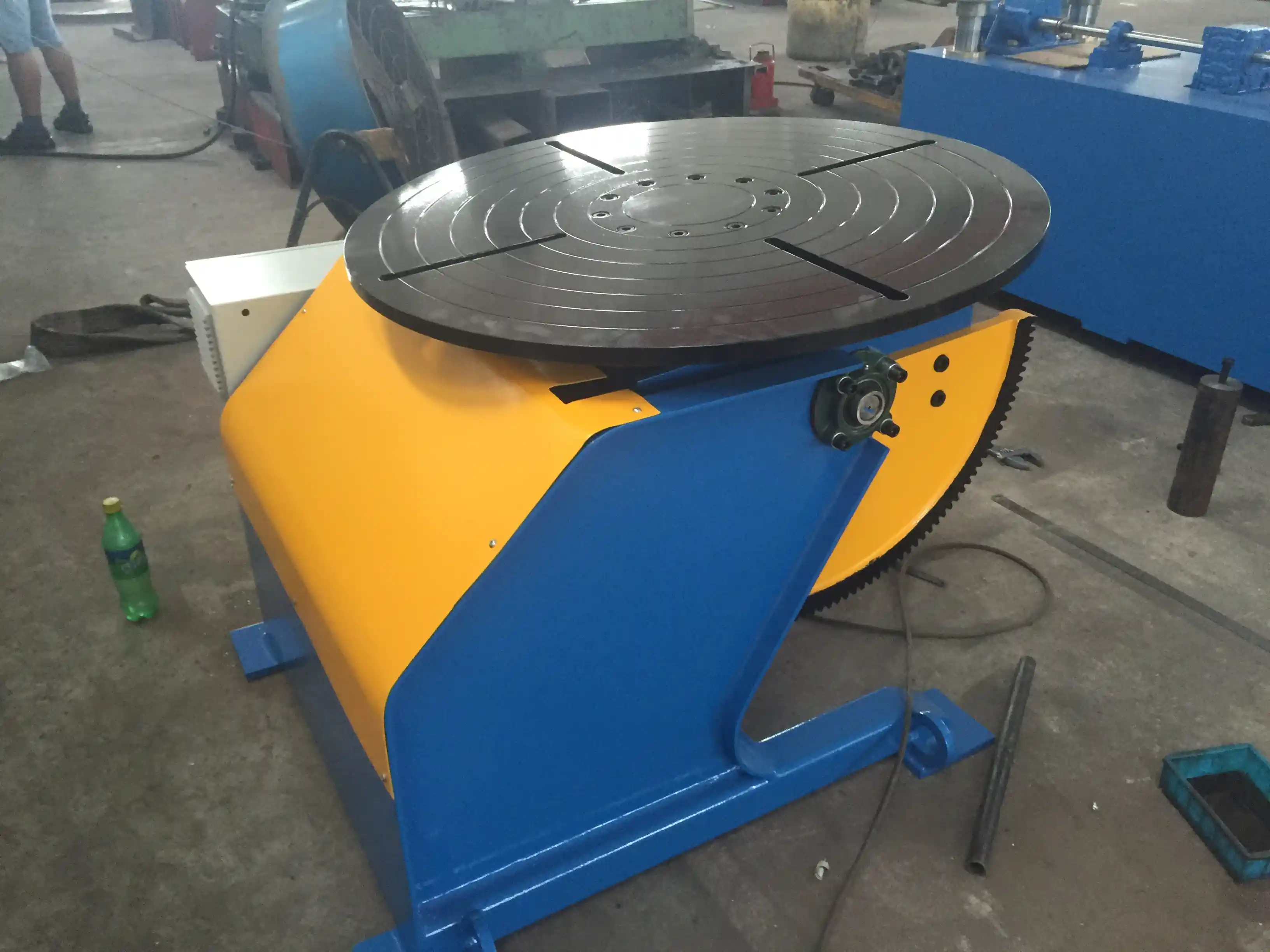
WUXI ABK MACHINERY CO., LTD. has focused on production efficiency and sustainability through advanced technology since 1999. As a manufacturing solutions provider, welding equipment supplier, and CNC cutting machines manufacturer, we’ve built equipment reliability into every product line. Our solutions range from wind tower welding line and H beam welding line systems to specialized pipe welder solutions. Automated systems like the welding manipulator and welding positioner deliver the accuracy and durability that precision nesting software demands.
Our CNC cutting machines integrate directly with precision nesting software to maximize material utilization and minimize waste. We understand the balance between speed, accuracy, and cost-effectiveness that manufacturers need. WUXI ABK solutions help industries adopt sustainable manufacturing practices while strengthening competitive position. Beyond machinery, we provide technical support and expertise that helps our partners get real results from their equipment investments.
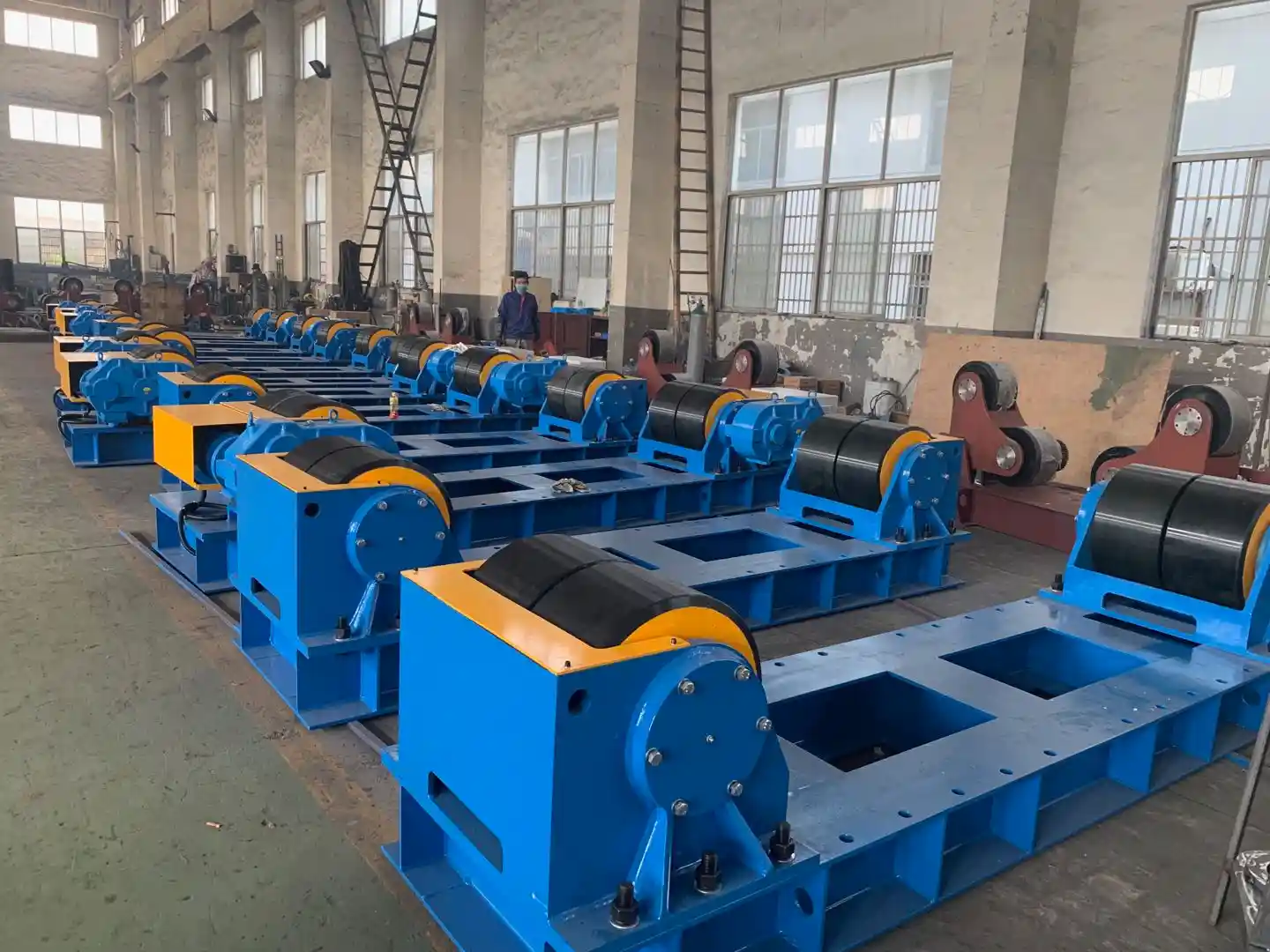
| Modelo | Capacidade de carga | Precisão de posicionamento | Key Application | Sistema de controlo |
|---|---|---|---|---|
| 1 Ton Posicionador de 3 eixos | 1 tonelada | ±0,05 mm | Robotic welding cells, aerospace components | PLC + HMI da Siemens |
| Posicionador de soldadura de 3 eixos 3 Toneladas | 3000 kg | ±0,05 mm | Automated fabrication, automotive chassis welding | PLC e ecrã tátil |
| LHBJ-50 L-Type Positioner | 5000 kg | 0.5 degrees | Pipe fabrication, structural steel welding | PLC compatible |
| HGZ-10 Standard Pipe Rotator | 10 toneladas | ±0,1mm | Soldadura de flanges de torres eólicas, recipientes sob pressão | Siemens PLC |
Frequently Asked Questions About Material Waste Reduction
What material savings can manufacturers expect from precision nesting software?
Precision nesting software typically saves between 5% and 20% of raw material, with the exact figure depending on part complexity and material type. Some specialized applications push even higher. These scrap reduction benefits lower material procurement costs and cut waste disposal expenses. Improved sheet utilization rates show up directly in profitability and support more sustainable production.
Which materials work best with CNC nesting and cutting equipment?
CNC nesting and cutting equipment handles a broad range of materials effectively. Steel cutting, aluminum processing, and stainless steel fabrication are common applications, along with various alloy cutting solutions and non-ferrous metals. The specific CNC technology—laser, plasma, or waterjet—depends on material thickness, hardness, and required cut quality. Material compatibility for CNC systems covers nearly any industrial requirement.
How does WUXI ABK equipment reduce waste and improve efficiency?
WUXI ABK CNC cutting machines and welding equipment are built for precision and reliability. Our solutions incorporate precision manufacturing efficiency features including accurate nesting algorithms and automated cutting paths that drive material waste reduction. Stable, precise positioning from our welding positioner and welding manipulator products minimizes errors and rework, further reducing material consumption. Our advanced cutting solutions ensure optimal material utilization and consistent quality across production runs.
Partner with WUXI ABK for Manufacturing Efficiency
WUXI ABK MACHINERY CO., LTD. delivers precision nesting and CNC cutting solutions that reduce material waste and improve manufacturing efficiency. Since 1999, we’ve provided reliable, high-performance equipment to industries worldwide. Contact our team for a consultation on how our technology fits your production requirements. Email us at jay@weldc.com or call +86-510-83555592.
Se estiver interessado, consulte estes artigos relacionados:
Wuxi ABK Professional Welding Rotary Equipment: Precision Welding Solution for Pressure Vessel Manufacturing
Problemas de soldadura de torres eólicas novamente: Como os rotadores inteligentes da linha de crescimento aumentam a produtividade por 50%
Problemas de escorrimento no revestimento de condutas de navios: como os suportes inteligentes para rolos de pintura aumentam a taxa de aprovação para 98%
 English
  Español
  Français
  Deutsch
  Português
  Русский