Digital twin technology has quietly changed how we think about welding production. What started as an abstract concept now shapes real decisions on factory floors—where to place equipment, how to sequence operations, when to intervene before something breaks. The appeal is straightforward: a virtual replica that mirrors physical assets in real time, feeding back insights that would otherwise require trial and error on actual production lines. For anyone managing welding operations, this shift from reactive to predictive thinking represents a fundamental change in how quality, efficiency, and maintenance intersect.
How Digital Twins Transform Welding Operations
Digital twin technology reshapes welding operations by enabling comprehensive virtual commissioning and real-time monitoring. This cyber-physical system approach allows manufacturers to simulate entire production lines before physical implementation, identifying and resolving potential bottlenecks early. The continuous flow of data from physical assets to their digital counterparts facilitates immediate adjustments and process optimization.
This integration ensures that welding parameters, equipment performance, and material flow are precisely managed. Industry data suggests that digital twins can reduce product development cycles by up to 50% and improve operational efficiency by 20-30% in manufacturing environments. These gains translate directly into higher throughput and better resource utilization, aligning with smart manufacturing principles.
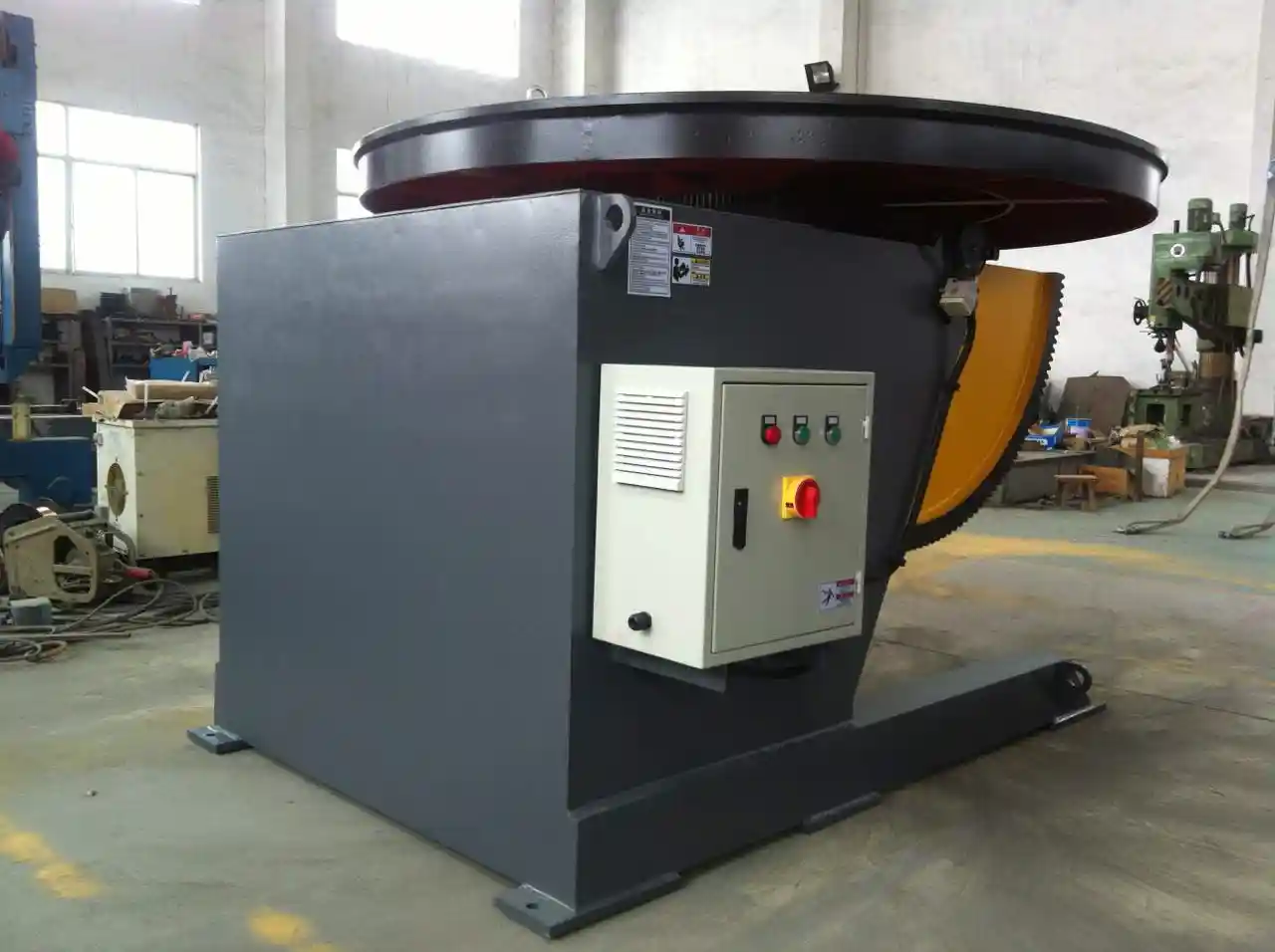
A welding manipulator like the LH8080, with its 8000 mm horizontal and vertical travel, can be virtually commissioned before installation. Engineers optimize its path programming and operational sequences in a simulated environment first. The digital twin predicts how changes in weld speed or current impact the overall production schedule. This proactive optimization minimizes errors and accelerates deployment. Real-time data from such equipment, including various welding positioners and rotators, feeds directly into the digital twin, providing a dynamic and accurate representation of the production floor.
Precision and Quality Control Through Simulation
Digital twin technology elevates welding quality and precision through advanced simulation and predictive analytics. By creating a virtual model of the welding process, engineers simulate various scenarios and predict potential defects before they occur. This predictive quality control minimizes rework and material waste.
Augmented reality for welding enhances this further by overlaying digital information onto the physical workpiece, guiding operators with precise instructions. Data analytics in welding processes vast amounts of information, identifying patterns and correlations that contribute to optimal weld integrity. Companies utilizing digital twins report a 15-25% reduction in welding defects and rework.
| Merkmal | Traditional Quality Control | Digital Twin Quality Control |
|---|---|---|
| Detection Method | Post-weld inspection | Real-time and predictive |
| Defect Prevention | Reactive | Proactive |
| Data Utilization | Limited | Extensive data analytics |
| Nachbearbeitungsrate | Höher | Significantly lower |
| Präzision | Manual/Operator-dependent | Data-driven, highly accurate |
A 3-axis welding positioner, such as the WUXI ABK 3-Ton model with ±0.05 mm positioning accuracy, benefits directly from digital twin simulation. The system models the welding path and material behavior on this positioner, ensuring every weld meets stringent quality standards. It can even account for thermal distortion, adjusting parameters to maintain dimensional accuracy. This level of precision matters most for critical applications like pressure vessel welding or wind tower welding.
To further improve your understanding of precision welding, explore our article on 《Verbesserung der Qualität beim Schweißen von Rohren durch einen Hochpräzisions-Schweißpositionierer》.
Predictive Maintenance and Downtime Prevention
Unplanned downtime in welding operations hits both productivity and profitability hard. Digital twin technology addresses this through advanced predictive maintenance capabilities. By continuously monitoring the health and performance of physical assets, the digital twin anticipates equipment failures and allows for scheduled maintenance interventions before critical breakdowns occur. This proactive approach extends asset lifespan and reduces maintenance costs. Industry data indicates that predictive maintenance enabled by digital twins can decrease equipment downtime by 30-50%.
Welding equipment operates under extreme conditions. Components such as reducers, motors, and linear guides experience significant wear over time. A digital twin integrates data from these components—temperature, vibration, current draw—enabling comprehensive asset performance management and optimized maintenance schedules.
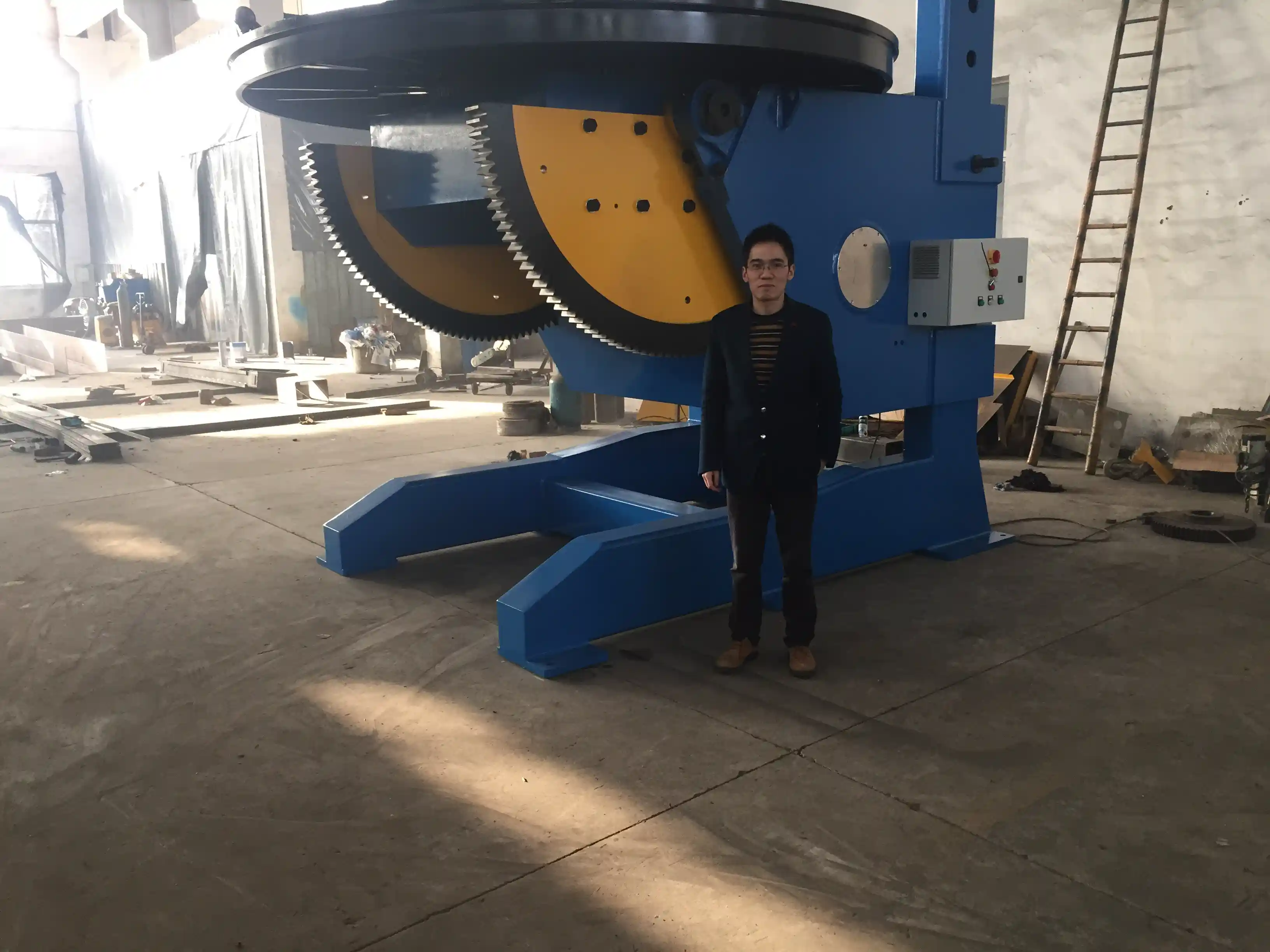
A 100-ton adjustable height positioner designed for heavy-duty applications like wind tower fabrication benefits immensely from this approach. The digital twin monitors its rotation speed, turnover speed, and motor performance, ensuring operational reliability and extended service life.
Adjustable height pipe rotators, such as the 200-ton variable height welding roller system, also gain from this technology. The digital twin predicts potential issues with ZG45 cast steel rollers or hydraulic elevation systems, preventing costly interruptions in large-diameter pipe welding projects. This proactive strategy keeps production moving without unexpected disruptions.
Implementation Strategy and Return on Investment
Implementing digital twin technology in welding operations requires careful planning, but the return on investment proves substantial. Primary challenges involve integrating existing legacy systems, ensuring data security, and managing initial investment costs. The long-term benefits—cost savings in production and enhanced efficiency—typically outweigh these initial hurdles. Early adopters of digital twin technology in manufacturing have seen average ROI within 2-3 years, driven by efficiency gains and reduced operational expenditures.
The ROI stems from multiple areas: reduced scrap rates due to improved quality, lower energy consumption from optimized processes, and decreased maintenance costs through predictive analytics. The scalability of digital twins allows for phased implementation, starting with critical assets like a Manipulator zum Schweißen oder eine 3-Achsen-Schweißpositionierer. This approach lets companies gradually integrate the technology while demonstrating its value at each stage.
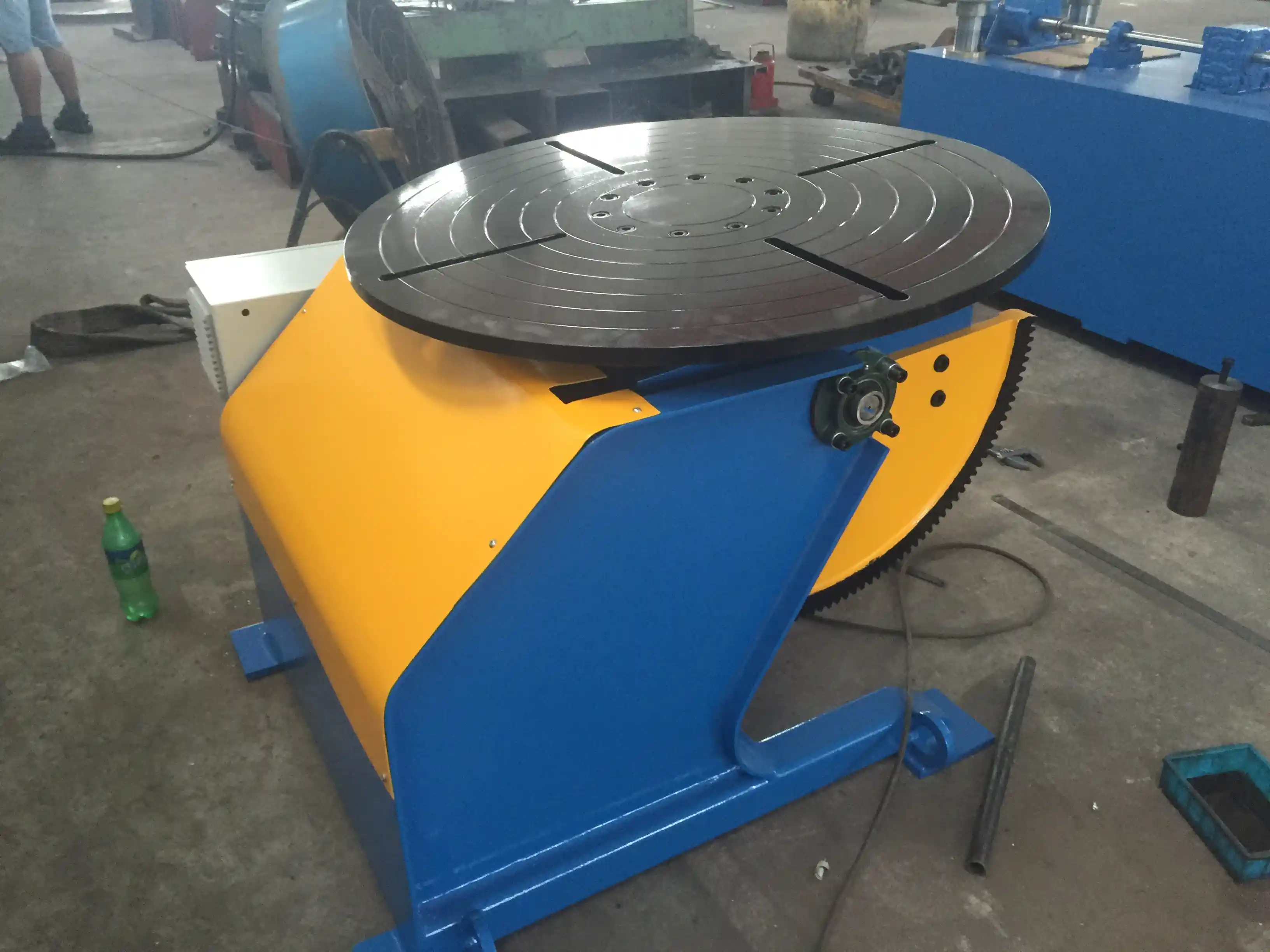
WUXI ABK HBT series Head & Tail Welding Positioners, with their high-precision rotation and robust construction, serve as excellent candidates for digital twin integration. Monitoring their performance through a digital twin provides immediate insights into operational improvements and efficiency gains.
For further insights into optimizing your welding processes, consider reading our article on 《Revolutionäre Lösung für das Schweißen von Druckbehältern: Technische Analyse von 360-Grad-Rotationsschweißpositionierern》.
Building Tomorrow’s Smart Welding Factory
Digital twin technology serves as a cornerstone for future-proofing welding operations. This technology facilitates the integration of advanced concepts such as robotics in welding and enhanced customization in welding processes. The digital thread—a continuous data flow across the product lifecycle—becomes a reality with digital twins, allowing seamless information exchange from design to manufacturing and maintenance.
Operator training simulation powered by digital twins provides immersive, risk-free environments for skill development, ensuring a highly competent workforce ready for evolving demands. The global digital twin market is projected to grow at a CAGR of over 35% by 2028, with manufacturing being a primary driver.
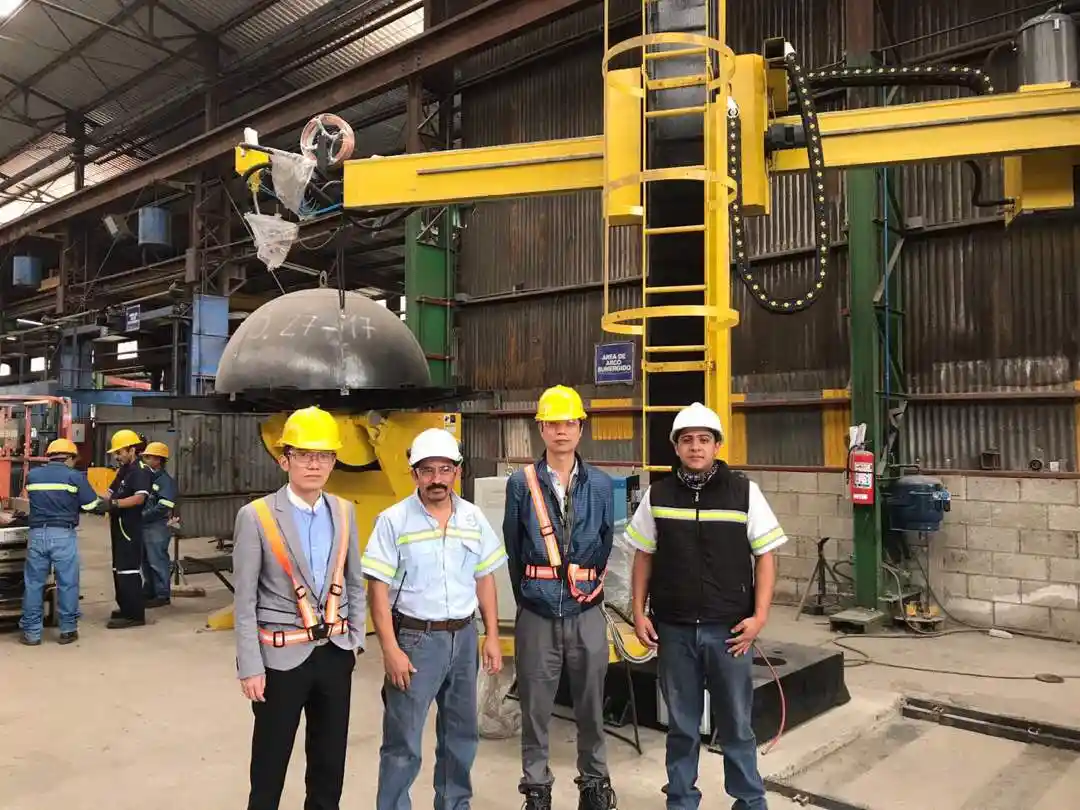
This innovation enables the development of smart welding factories where every machine, from Pipe Rotator Equipment to Schweißen Drehtisch Lösungen, is interconnected, creating a highly adaptive and efficient production ecosystem.
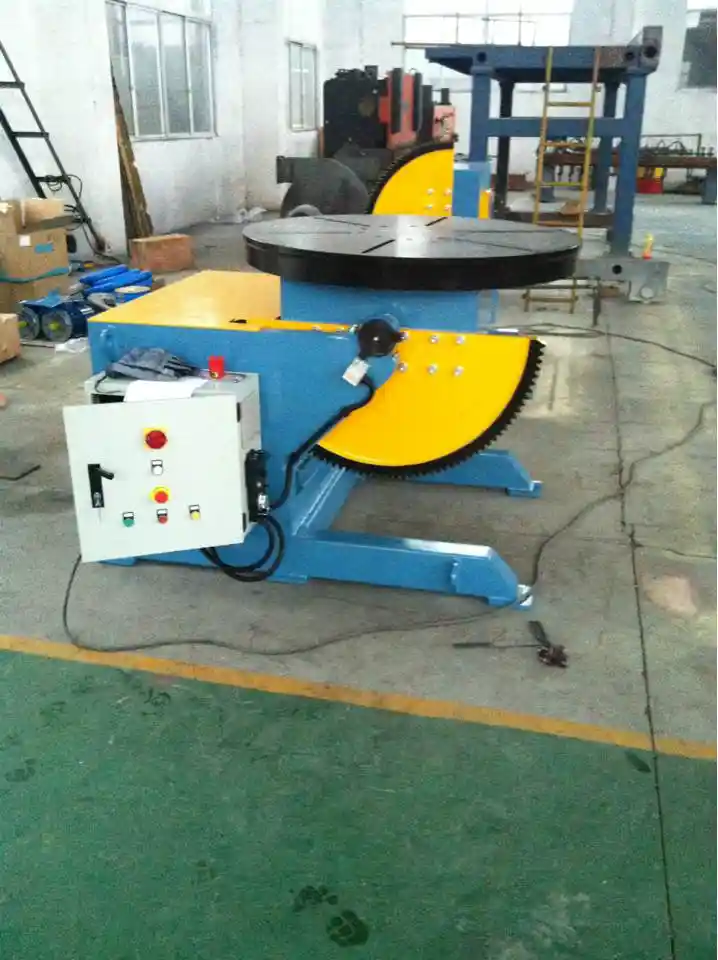
A 30-ton industrial welding turntable (HB-300) designed for wind power tower welding can be fully integrated into a digital twin environment. This allows precise control and optimization of its 0.05 to 0.5 RPM rotational speed and ±0.1° control precision, ensuring optimal performance for extra-large workpiece fabrication.
Partnerschaft mit WUXI ABK für fortschrittliche Schweißlösungen
As a leader in advanced welding and CNC cutting solutions since 1999, WUXI ABK MACHINERY CO., LTD provides the robust foundation for integrating sophisticated digital twin technologies. Our expertise in wind tower welding lines, H beam welding lines, pipe welders, and automated systems positions us uniquely to help you build and optimize your next-generation production capabilities. Contact us today to explore how our precision equipment can power your digital transformation and elevate your operational excellence. Let’s engineer the future of welding together. Email us at jay@weldc.com or call us at +86-510-83555592.
Frequently Asked Questions About Digital Twins in Welding
How can digital twins improve welding process efficiency?
Digital twins enhance welding process efficiency by providing real-time data visualization, enabling predictive analytics for equipment performance, and facilitating virtual simulations for process optimization. This leads to reduced setup times, minimized material waste, and streamlined production workflows, ultimately boosting overall throughput. Simulating the operation of a Manipulator zum Schweißen before physical execution identifies optimal paths and parameters, significantly improving efficiency.
What are the core benefits of digital twins in welding?
The core benefits include significant improvements in weld quality consistency, proactive identification and prevention of equipment failures through predictive maintenance, substantial reductions in operational costs, accelerated product development cycles, and enhanced operator training through immersive virtual environments. These benefits become particularly evident when optimizing complex systems like a Dreifach-Achsen-Positionierer for intricate welding tasks.
What are the challenges of implementing digital twin technology in existing welding lines?
Implementing digital twin technology in existing welding lines can present challenges such as integrating disparate legacy systems, ensuring robust data security, overcoming initial investment costs, and addressing the need for specialized technical expertise. Strategic planning and phased implementation can mitigate these hurdles, leading to long-term gains in operational excellence and efficiency, especially for large-scale projects.
How does digital twin technology enhance welding quality control?
Digital twin technology enhances welding quality control by creating a virtual replica of the welding process, allowing continuous monitoring of parameters like temperature, current, and speed. This real-time data, combined with predictive algorithms, identifies potential defects before they occur, ensuring higher quality welds and reducing rework. This proactive approach is vital for maintaining the precision of equipment like a 3-Achsen-Positionierer.
What is the return on investment for digital twin integration in welding?
The return on investment for digital twin integration in welding comes through reduced operational expenditures from optimized energy consumption and less scrap, increased production capacity due to minimized downtime, improved product quality leading to fewer warranty claims, and enhanced safety for welding personnel. Most companies see a positive ROI within a few years of strategic implementation, making it a valuable investment for modern manufacturing.
 English
  Español
  Français
  Deutsch
  Português
  Русский