Boiler panel production lines rarely reach their full throughput because individual machines operate at different speeds, creating idle time for workers and equipment alike. Integrating panel bending, welding, and handling machines into a coordinated line changes that dynamic. From two decades of designing welding automation systems at Wuxi ABK Machinery, I’ve seen how matching equipment capacities and running the entire line from a central controller can double output without adding floor space. This article walks through the core equipment components, how to align their speeds, and the layout and control strategies that make acceleration possible.
Core Equipment Components for Boiler Panel Production
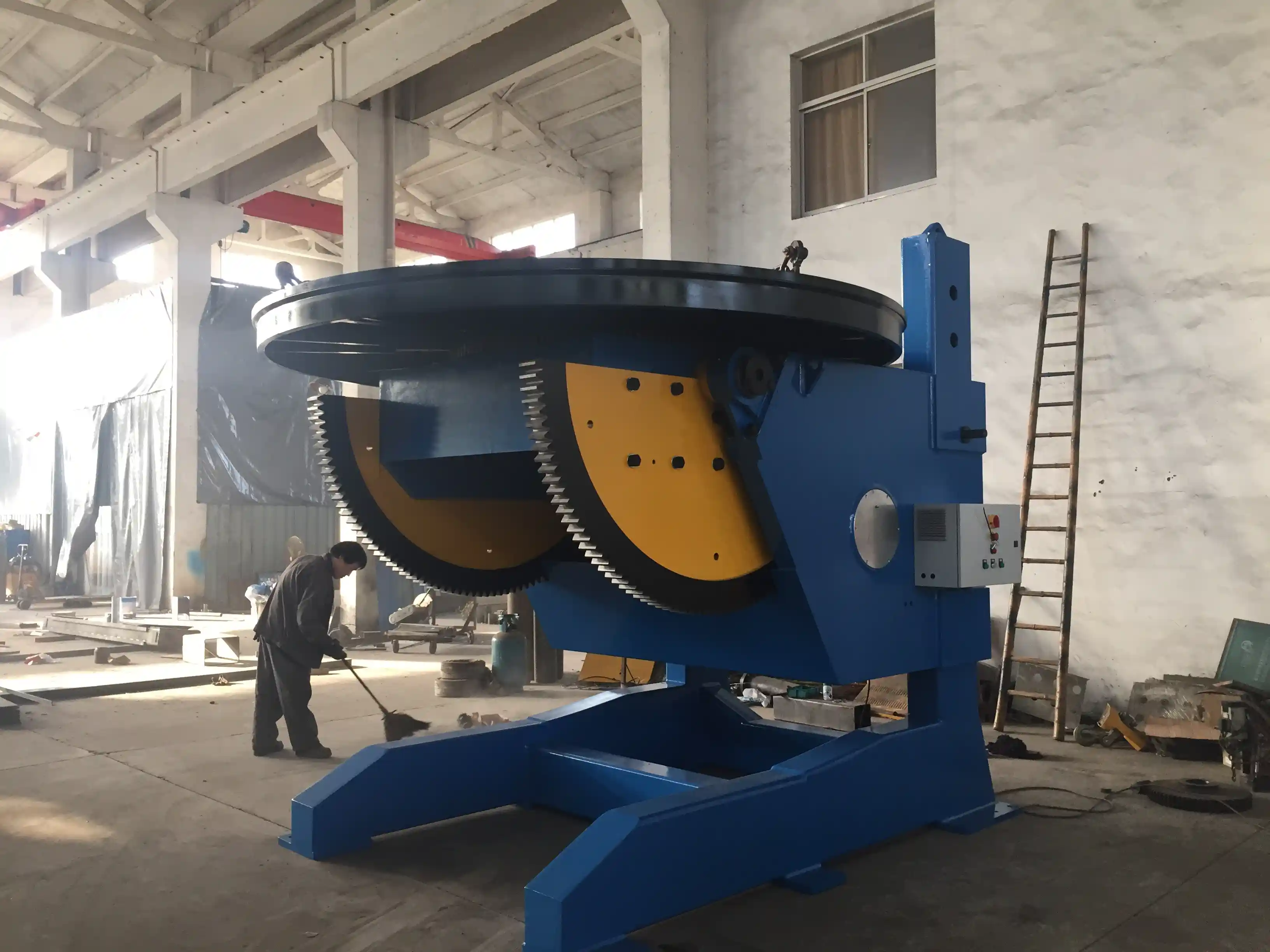
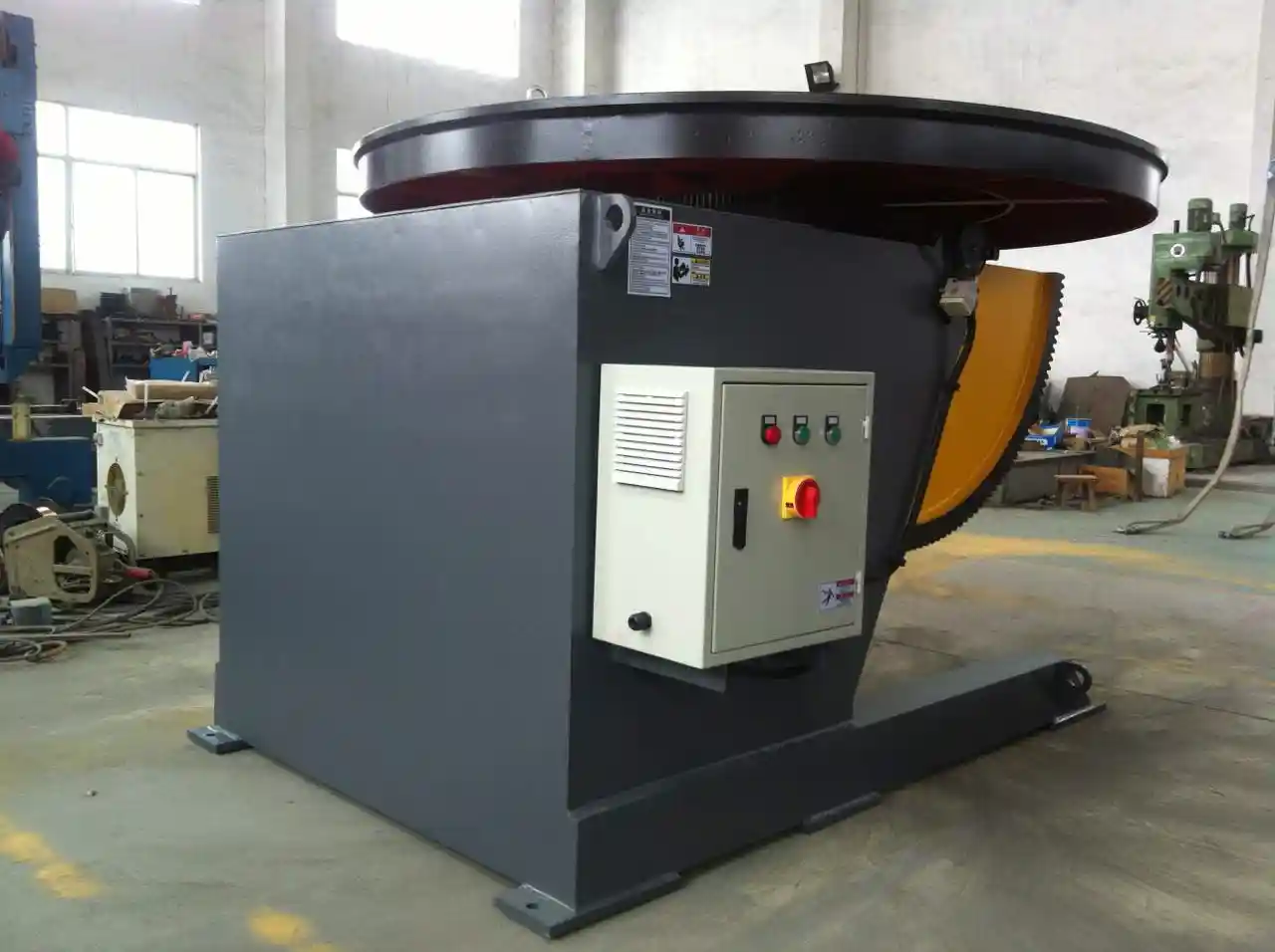
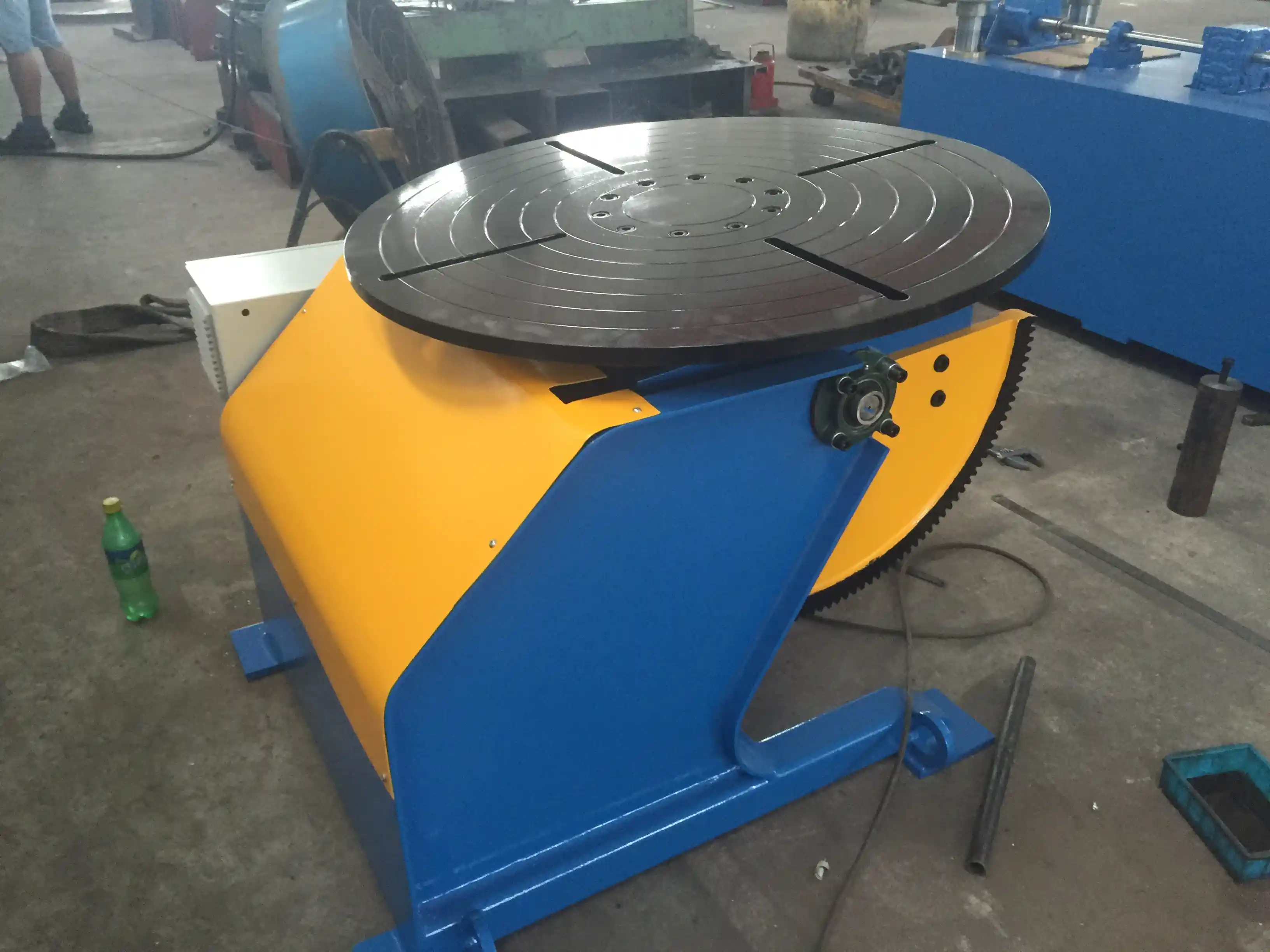
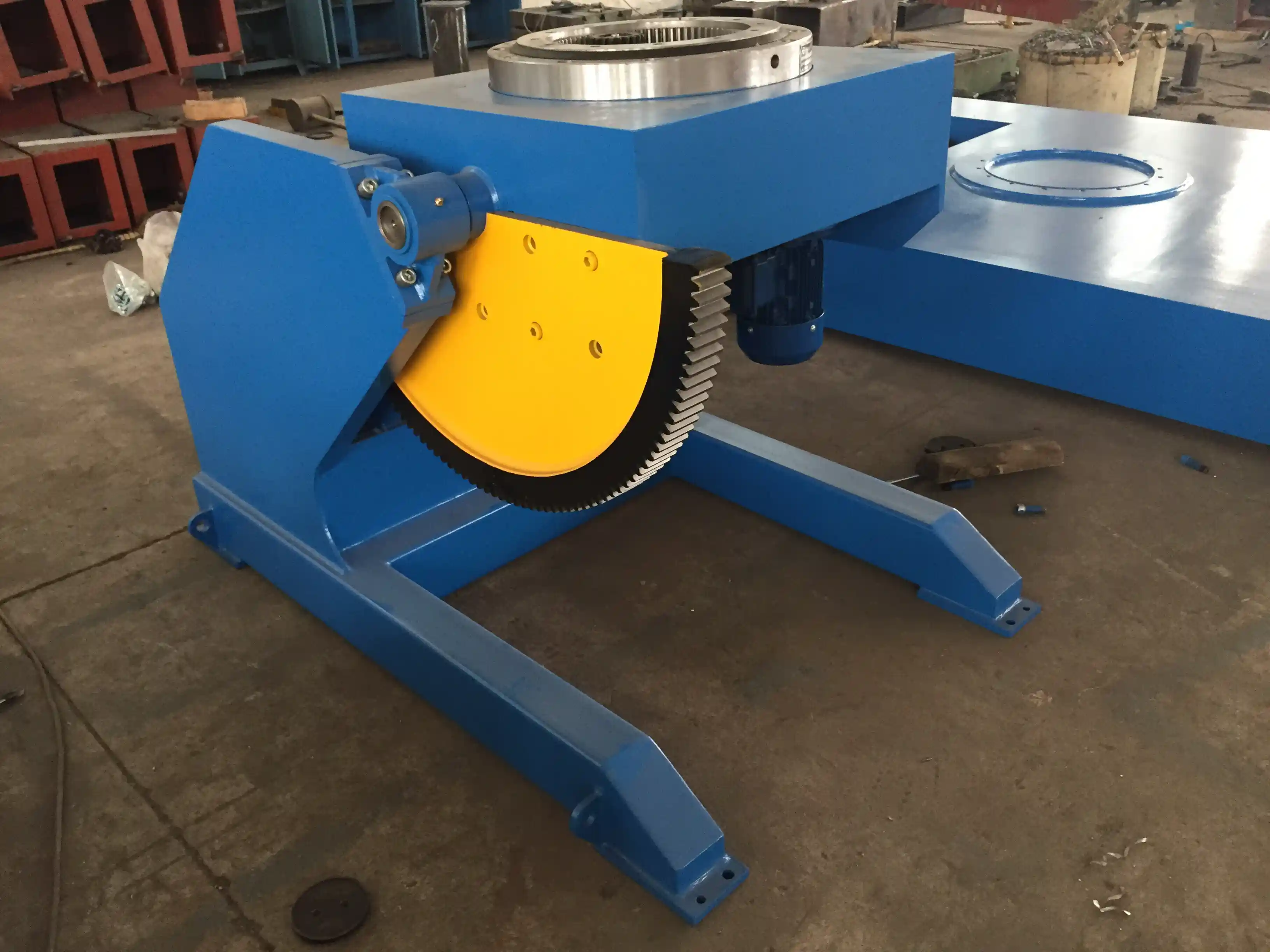
A boiler panel production line combines several specialized machines. The máquina de dobrar painéis forms flat plate into the required channel or corrugated profile before welding. It typically handles plates up to 12 meters long with bending forces above 200 tons. After bending, the membrane panel welding machine positions tubes on the plate and welds them simultaneously. Our machines use multiple torch heads to weld up to four tubes at once, achieving speeds of 2 to 8 meters per minute depending on material thickness and tube spacing. A manipulador de soldadura is essential for longitudinal and circumferential seams on large panels and headers. The LH8080 manipulator provides 8000 mm of horizontal and vertical travel, with ±0.1 mm/m positioning accuracy, making it suitable for panels up to 8 meters. Welding rotators and positioners rotate and tilt assemblies for optimal weld orientation; a 10-ton adjustable rotator handles diameters from 320 to 2800 mm. A tube bending machine may also be included to bend boiler tubes before assembly.
| Equipment | Key Specification | Application |
|---|---|---|
| Máquina de dobrar painéis | Max plate length 12 m, bending force 200 t | Forming base plates |
| Membrane Panel Welder | 4‑torch simultaneous welding, speed 2–8 m/min | Tube-to-plate welding |
| Manipulador de soldadura | LH8080: 8 m travel, ±0.1 mm accuracy | Large panel seams |
| Rotador de soldadura | 10 t capacity, diameter 320–2800 mm | Rotating cylindrical assemblies |
Matching Capacities Across the Line to Eliminate Bottlenecks
In any production line, the slowest station sets the overall throughput. When the panel bender outpaces the welding station, work-in-process piles up, tying up floor space and cash. When the reverse happens, the bender becomes the constraint. I’ve evaluated shops where a high-capacity bender was paired with a welding manipulator that couldn’t match the cycle time, effectively cutting throughput by 30 percent. To align capacities, calculate the cycle time of each station. For the bender, it’s the bending time per plate plus loading and unloading. For the welding station, it’s the total weld length divided by welding speed plus setup time. The panel bender should produce slightly faster than the welding station to maintain a small buffer, but not so fast that it builds excessive inventory. A well-matched line runs with minimal buffer, cutting lead time and work-in-process.
If your process includes a tube bending machine upstream, its output must also keep pace with the welding station’s tube consumption rate. A central control system that synchronizes start‑stop signals across machines is the most effective way to maintain balance.
If your current boiler panel line has bottlenecks that are difficult to isolate, reach out at jay@weldc.com with your target throughput and equipment list, and I’ll help identify the constraint.
Production Line Layout for Efficient Material Flow
The physical arrangement of machines strongly influences material handling time and operator movement. A straight-line layout minimizes crane travel and enables a continuous flow from plate storage to finished panel. I place the panel bending machine first, followed by a fit-up station where tubes are positioned, then the membrane panel welding machine, and finally a welding manipulator for circumferential seams on headers. Overhead cranes or gantry systems must have sufficient reach and capacity to move panels between stations without double‑handling. For a mid‑sized shop producing water wall panels up to 8 meters, a 5‑ton capacity crane with a 15‑meter span is typical. Positioning the welding rotator close to the welder reduces setup time. Marking floor positions for each machine, including service access and safety zones, is critical before installation. I’ve found that even a 10 percent improvement in layout can shrink total cycle time by 15 percent through fewer delays.
Integrating Control Systems for Boiler Panel Lines
Standalone machines often operate with their own PLCs and operator panels, but an integrated line benefits from a single control system that coordinates start/stop, speed, and safety interlocks. Our welding manipulators and rotators can be networked over Ethernet/IP or Profinet to a master PLC that manages the entire sequence. Seam tracking sensors on the welding head automatically correct for panel misalignment, cutting rework. In a recent system we designed, the master controller adjusted welding speed in real time based on a completion signal from the panel bender, keeping the flow steady. This level of integration requires upfront planning of I/O points and communication protocols but pays off in consistent weld quality and less operator intervention. Adding a supervisory SCADA system lets production managers monitor OEE, analyze downtime causes, and schedule preventive maintenance across all machines from one screen. I’ve seen fabricators reduce unplanned downtime by more than 40 percent after implementing centralized monitoring.
Calculating Productivity Gains and ROI
The investment in an integrated boiler panel line can be significant, but the payback is often shorter than expected when labor savings, reduced rework, and higher throughput are factored in. A manual or semi‑automated line with two welders might produce five panels per shift. By integrating a membrane panel welding machine with a manipulator and rotator, and adding centralized controls, the same operators can produce ten or more panels per shift, a 100 percent increase. At a panel price of $2,000, that’s an additional $10,000 per day, recovering a $300,000 line investment in a few months. Labor savings from less handling and fewer quality inspections further improve ROI. I always advise customers to calculate their current cost per panel — including labor, consumables, and rework — against the projected cost after integration. Most find that the line pays for itself within 12 to 18 months.
The numbers are compelling, but every shop’s panel dimensions, tube spacings, and volume targets are different. If you’re considering accelerating your boiler panel production, share your specifications and current throughput with me at jay@weldc.com or call +86-13815101750. I’ll work with you to configure a line that matches your budget and output goals.
Common Questions About Boiler Panel Production Lines
How much does a complete boiler panel production line cost?
Cost varies widely based on capacity, automation level, and customization. A basic line with a manual panel bender, semi‑automated welding machine, and simple handling equipment might start around $100,000. A fully integrated line with 12‑meter panel bending, four‑torch membrane panel welding, CNC manipulator, and centralized controls can exceed $500,000. Factors like after‑sales service, installation, and training also shape the total investment. Always request a customized quote that includes commissioning and spare parts.
What is the typical production speed of an integrated line?
With well‑matched equipment, a line can produce one 8‑meter panel every 30 to 45 minutes, depending on tube spacing and welding complexity. That translates to roughly 10 to 12 panels per shift. Compared to a manual process that may take two hours per panel, integrated lines at least double output. Actual speed still depends on material handling and operator skill, but achieving less than 45 minutes per panel is a realistic target.
Can I integrate equipment from different suppliers?
Yes, but interface compatibility needs careful attention. Different brands may use different communication protocols or electrical standards. I recommend selecting machines that support standard industrial protocols like Profinet or Ethernet/IP, and working with a supplier who can manage the integration. Buying all core equipment from one manufacturer simplifies commissioning and after‑sales support.
What are the key factors in selecting a membrane panel welding machine?
Look at the number of torch heads, welding speed range, tube spacing adjustability, and the machine’s ability to handle the panel widths you produce. Also check the control system’s integration capability and whether seam tracking is available. For high‑volume production, a four‑torch machine cuts welding time nearly in half compared to a two‑torch model. Verify the machine’s proven performance with your tube diameters and plate thicknesses.
How long does it take to install and commission a full line?
From order to full production, allow 3 to 6 months. Custom equipment may need 8 to 12 weeks to manufacture and ship. Installation and mechanical setup typically require 2 to 4 weeks, followed by electrical integration and programming for another 1 to 2 weeks. Trial runs and operator training add two more weeks. I always include on‑site commissioning support in our proposals to ensure the line meets your production targets from day one. When evaluating suppliers, discuss the commissioning timeline and after‑sales support upfront — those factors often determine the real project duration. Send your project requirements to jay@weldc.com and we’ll provide a detailed schedule.
Se estiver interessado, consulte estes artigos relacionados:
Rotadores de tubos e rolos de torneamento: Equipamento essencial para o fabrico moderno de condutas
Aplicações inovadoras de rotores de soldadura CNC de 10 toneladas no fabrico de recipientes sob pressão
Solução revolucionária para a soldadura de vasos de pressão: Análise técnica de posicionadores de soldadura rotativos de 360 graus
 English
  Español
  Français
  Deutsch
  Português
  Русский