
Water jet cutting is compatible with almost every material a fabrication shop handles, which is exactly why most material lists mislead buyers. Compatibility depends on three things at once: whether the material erodes cleanly or fails in some other way, how thick the section is relative to the edge you will accept, and whether the evidence behind a claimed capability came from your material at your thickness. A chart maximum usually describes a separation cut, not a production edge. This guide separates those questions so a job can be planned, specified, and verified before the first production sheet is loaded.
What Waterjet Cutting Handles Well and Where It Stops
A water jet removes material by erosion rather than by burning or melting it. Water is pressurized, forced through a small orifice, and, when abrasive is used, accelerated with garnet in a mixing tube before it strikes the workpiece at a short standoff. Nothing in that sequence heats the part, so the cut edge keeps the metallurgy and surface condition it had before loading. Most compatibility questions follow from that one property.
Materials that fight thermal processes are routine work here. Hardened and tempered steel can be cut without softening the edge. Titanium and nickel alloys are cut without an oxygen-contaminated layer that later has to be ground away. Stainless steel keeps its corrosion resistance and needs no pickling or heat tint removal before a sanitary weld. Copper, brass, and aluminium, which reflect laser energy or conduct heat away from the cut zone, erode in the same way as mild steel. Composite panels can be cut without the charring a focused thermal beam leaves behind, and because the process applies almost no mechanical force, thin sheet can be stacked and cut as a pack.
The limits are just as specific. Materials that fail by fracture instead of erosion are a poor fit: tempered glass releases its internal stress and shatters rather than cutting in a controlled way. Products that must stay dry, or whose fines react with water, need a different process. Parts held to a machining tolerance still need a machining allowance, because the jet leaves taper and a roughened lower edge rather than a finished surface.
There is also an economic stop. A compatible material is not automatically an economical job at every thickness. When a section is thick and the edge must also be square and smooth, the machine spends a long time on each part and consumes abrasive in proportion. Compatibility and feasibility are related but not identical, and thickness is what separates them.
How Thickness Changes Speed, Taper, and Edge Quality
A water jet is not equally effective through its whole depth. As the jet travels down the kerf it loses coherence, slows against the cut walls, and begins to lag behind the nozzle motion. Near the top surface the jet is still narrow and energetic, so the cut face is smooth. Deeper down the jet spreads, the face develops angled striations, and the exit edge can round over or break out. The deeper the section, the more pronounced the effect.
Two settings decide where that transition lands. Traverse speed sets how long the jet dwells on a given point: running faster leaves more lag, more taper, and heavier striation, while running slower produces a squarer edge at the cost of cycle time and, past a point, a slight reverse taper. Pump pressure and abrasive mass flow change how much cutting energy enters the kerf, but neither removes the depth effect entirely. Orifice and focusing tube wear reduce that energy gradually, which is why a job that ran clean last month can drift without any change to the program.
Three quality classes need names before a thickness figure means anything. A separation cut only has to divide the plate, and its edge is accepted as-is. A quality cut holds a controlled taper and a defined striation height, and it runs slower. A finish cut, sometimes with two passes, targets the tightest squareness and surface, and it is the slowest of the three. Most disagreement about what a water jet can do comes from comparing a separation cut on one machine with a quality cut on another.
| Thickness band | What changes | Planning consequence | Edge to expect |
|---|---|---|---|
| Thin sheet and stacked packs | Jet stays coherent, kerf is narrow and stable | Nest tightly, control pierce points, keep stack clamped | Smooth face with small burr at exit |
| Medium plate | Taper and striation begin to appear as speed rises | Choose quality class first, then set speed | Straight wall on the top half, visible striation below |
| Thick plate | Jet lag dominates, kerf can close behind the jet | Plan support and cut sequence, expect slower corners | Pronounced striation, measurable taper, rounded exit |
| Very thick section | Diminishing returns per pass, abrasive use climbs | Compare against machining or thermal cut plus finishing | Rough separation edge suitable for later machining |
Those band names describe behaviour, not machine limits. Every water jet has three different maximums: the thickness it can separate, the thickness it can cut at a controlled quality class, and the thickness at which your drawing tolerance can still be held. Suppliers usually quote the first because it is the largest. A purchase decision or a job quote should always name which of the three it refers to.
Taper is measurable and should be measured rather than judged by eye. Read the kerf width at the top and the bottom of the same cut face, then calculate taper per side as (top kerf minus bottom kerf) divided by two, and taper angle as the arctangent of (top kerf minus bottom kerf) divided by twice the thickness. The number tells you whether the part will fit the next operation, and the same number repeated on the last part of a shift tells you whether wear has moved the process.
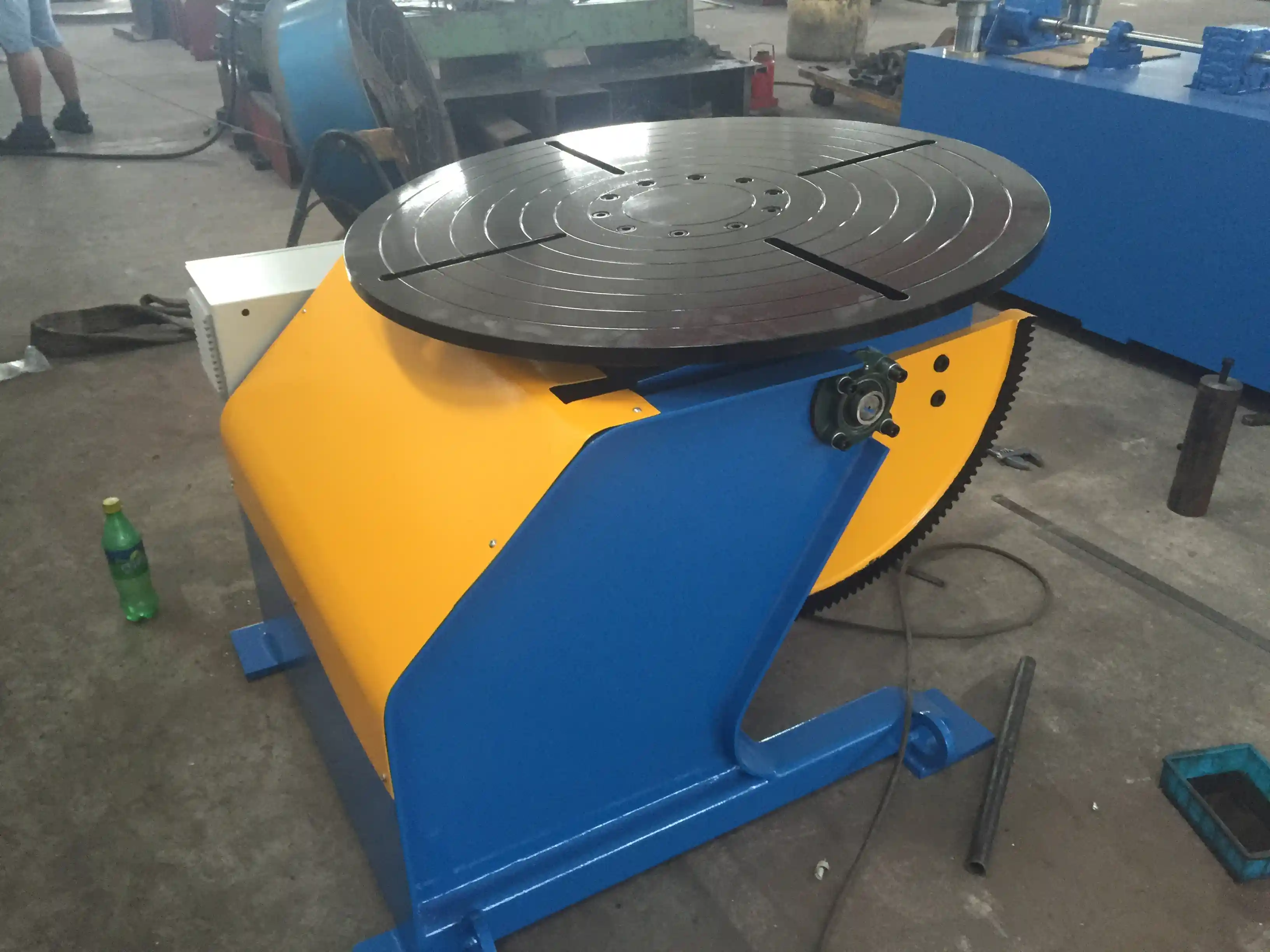
Corners deserve separate attention. The machine decelerates to keep squareness through a direction change, so cycle time concentrates there, and a pierce placed close to a critical corner adds heat-free but real damage in the form of breakout. Nesting critical corners away from pierce points is cheaper than slowing the whole program.
Material Compatibility by Family
Family names are convenient but they hide the variable that actually decides the cut: temper, cladding, coating, laminate layup, or moisture content. Two plates of the same grade can behave differently if one has been stress relieved and the other has not.
Steels and stainless grades
Carbon and alloy steel cut predictably, with two practical cautions. Mill scale at the pierce point can cause a small blowout, so piercing off the part or ramping in from an edge protects the finished profile. In thick plate, residual stress released by material removal can close the kerf behind the jet, pinching it and pushing the cut off line; cut sequence and support layout matter as much as speed.
Stainless steel is where the cold process pays for itself, because the edge keeps its corrosion resistance without pickling or mechanical cleaning. On sealing faces and sanitary parts, check for abrasive grit trapped in the cut wall, and rinse or brush before welding. Thick stainless also tapers more than carbon steel at the same settings, so a second pass may be cheaper than a very slow single pass.
Hardened tool steel and wear plate cut without softening, which removes an entire post-cut heat treatment step. Very hard, low-toughness grades can chip at the exit edge, so check the exit face before the part moves to the next station.
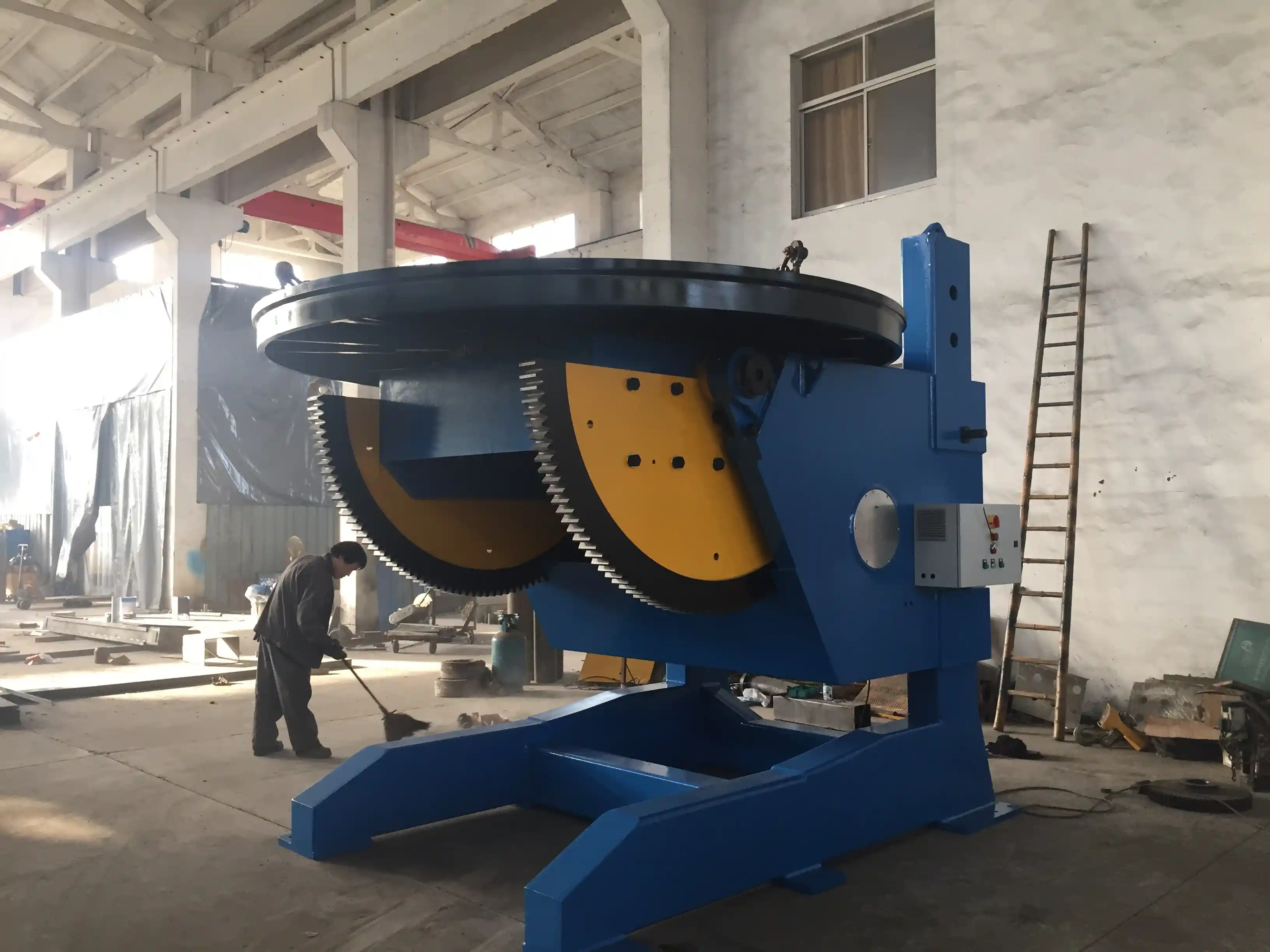
Plate for tower sections and pressure vessel shells is a common water jet job, and the cut edge is judged by how it fits the seam that follows. A square, predictable edge reduces fit-up time before the girth weld, while taper on a thick shell forces extra clamping or grinding.
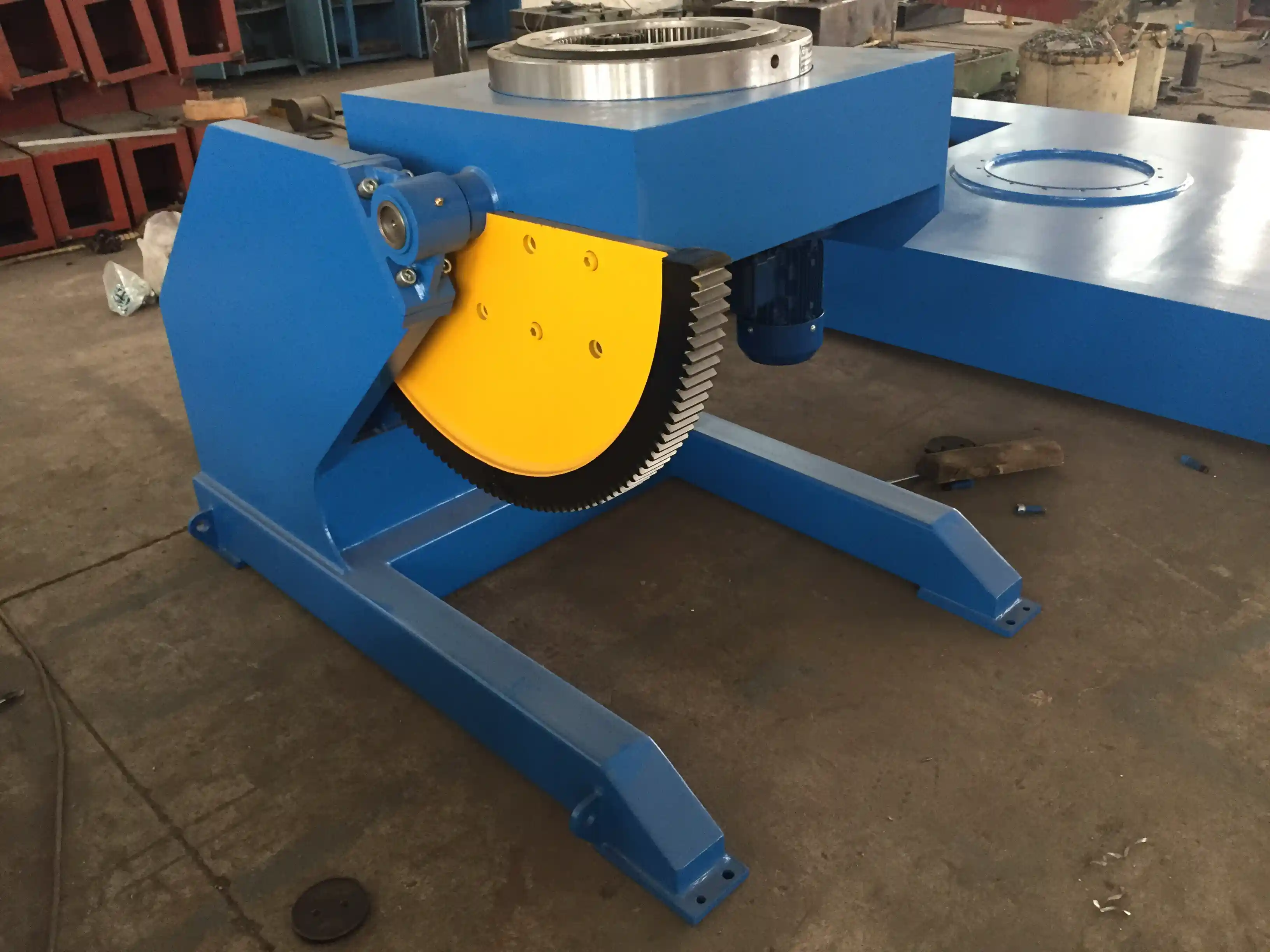
Tower sections and vessel shells are cut from plate, but the seam that follows depends on stable rotation and a consistent root gap. <Melhorar a qualidade e a eficiência no fabrico de energia eólica: O papel fundamental dos posicionadores na soldadura da circunferência da secção da torre> covers the role of positioners in tower section girth welding.
Aluminium, copper, brass, and titanium
Aluminium cuts quickly and cleanly, and stacked thin sheet is one of the most productive uses of the process. Thick aluminium sections slow down and can show dross at the exit. Copper, brass, and bronze are straightforward for erosion and awkward for lasers, which is why water jet is often the only cold option for busbar and electrical components. Titanium and nickel alloys cut without the contamination layer that thermal processes leave, and the edge is usually ready for welding after cleaning.
Composites, laminates, and clad plate
Fibre reinforced panels cut without charring, but the exit face is the risk area: delamination, fraying, and abrasive trapped between layers. Pure water or a fine abrasive at reduced pressure reduces the damage, a sacrificial backing plate supports the exit, and the part should be dried and inspected before assembly. Clad and coated plate behaves like two materials at once, because the layer and the base erode at different rates, which shows up as a step in the cut wall. Cutting from the clad side usually protects the surface that matters.
Glass, stone, ceramics, and soft goods
Glass, stone, and ceramic tile cut with abrasive, and chipping at the exit is controlled by support and standoff rather than by pressure alone. Tempered glass is not a cutting candidate at all. Rubber, foam, insulation, gaskets, and food products are cut with pure water, which keeps abrasive out of the part and out of the waste stream; for food-contact work, water quality and hygiene records become part of the specification.
| Material family | Method | Main risk | Acceptance check |
|---|---|---|---|
| Carbon, alloy, and high-strength steel | Abrasive | Kerf closure and stress movement in thick plate, scale blowout at pierce | Kerf width top and bottom on the first part |
| Stainless and heat-resistant steel | Abrasive | Grit embedded in sealing faces, taper on thick sections | Surface check for grit, taper measurement |
| Aluminium, copper, brass, bronze | Abrasive | Exit burr and dross, surface marking on soft alloys | Exit edge burr, kerf taper |
| Titanium, nickel alloys, hardened tool steel | Abrasive | Slow speeds raise cost per part | Edge condition and crack check where required |
| Composites, laminates, clad and coated plate | Pure water or fine abrasive at reduced pressure | Delamination, fraying, trapped moisture or grit | Visual and tap inspection of the exit face, drying record |
| Glass, stone, and ceramic tile | Abrasive | Exit chipping, uncontrolled breakage on tempered glass | Exit chipping and flatness |
Which Evidence Actually Proves a Material Will Cut Cleanly
A material list answers a narrower question than most buyers assume. Four kinds of evidence usually get mixed together, and each one supports a different claim.
A machine builder’s capability chart shows that some configuration can cut the material at some speed and some quality class. It does not show that your tolerance, your batch size, or a worn nozzle will hold that result. A mill certificate or data sheet establishes composition and condition, not cuttability. A test cut on your own material establishes the result for that lot, that thickness, that abrasive, and that nozzle state. A shop rule of thumb reflects accumulated experience, but it may also encode an old nozzle, a changed abrasive supplier, or a tolerance the customer no longer accepts.
| Evidence source | What it can establish | What it cannot establish | How to use it |
|---|---|---|---|
| Builder capability chart | That a configuration exists for this material | Your tolerance, your throughput, your machine condition | Shortlist a configuration before quoting |
| Mill certificate or data sheet | Grade, condition, coating, laminate layup | Cut speed, edge quality, delamination risk | Define the material being tested |
| Test cut on your lot | Result at one thickness, abrasive, and quality class | Transfer to another lot, thickness, or worn consumables | Establish the production setting and its margin |
| Shop rule of thumb | That a similar job once ran | That conditions are unchanged today | Treat as a hypothesis, not an acceptance basis |
Three conditions limit every claim on that list: the quality class it refers to, the state of the consumables, and the condition of the material. A trial result also has a scope. It applies to the tested thickness, lot, machine, abrasive, and edge class, and any change to one of those inputs needs a fresh check. Production approval should record which of them was verified and which measurement proved it.
What Edge Quality You Need and What It Costs in Speed
Edge quality should be chosen from the next operation, not from a preference for clean-looking parts. An edge that will be welded needs squareness and a predictable root gap. An edge that carries a gasket needs a surface the seal can seat on. An edge that will be machined afterwards only needs a stable allowance, and paying for a finish cut before machining is wasted cycle time. Visible or aerospace parts are the case where striation height and taper genuinely belong in the drawing.
The cost of that choice is paid in speed. Moving from separation to quality class reduces traverse speed and increases abrasive consumed per part, and a finish cut can multiply the time again. On a thick section this dominates the job cost far more than the hourly rate of the machine.
A practical decision rule is to specify the lowest class that satisfies the next operation, then verify it with a measurement rather than by eye. Measure taper on the first part, confirm the striation height against the drawing note, and confirm the exit edge condition before running the batch. If the measurement passes but the part still causes trouble downstream, the requirement was written against the wrong criterion, not the wrong speed.
How to Specify a Waterjet Cut So It Can Be Accepted
Most rework on water jet work traces back to a purchase order that named a material and a thickness but not the edge, the measurement, or the acceptance basis. Five lines of specification prevent nearly all of it.
| RFQ field | What to ask for | Why it matters |
|---|---|---|
| Material and condition | Grade, temper, coating, clad layer, laminate layup, moisture state | Same grade in a different condition can cut differently |
| Thickness at the required edge class | The thickness for the quality class you actually need | A separation maximum is not a quality maximum |
| Edge and tolerance basis | Taper limit per side, striation limit, squareness, measurement method | Without a basis, a visual judgement replaces acceptance |
| Batch pattern and nest | Parts per sheet, stack height, critical corners, pierce locations | Corner deceleration and pierce damage drive cost and quality |
| Abrasive and water supply | Abrasive type and mesh, water quality and treatment, waste handling | Abrasive cost and grit contamination affect both part and plant |
| Acceptance test | First-article cut, measurement record, re-check interval | Wear moves results within a shift, not only between orders |
A vague line and its replacement show the difference in practice.
Reject this RFQ line: “Abrasive water jet, up to 25 mm, standard tolerance, mild steel.”
Replace it with: “S355 plate, hot rolled, 20 mm, quality cut class; taper limit stated in millimetres per side, measured on the top and bottom kerf at three points per part; first-article cut plus measurement record before batch release; re-check at the start of each shift.”
A test-cut ladder turns those words into a decision. First, cut three coupons of production material at the supplier’s suggested speed, then at 85 percent and 70 percent of it. Second, measure top and bottom kerf on each coupon, calculate taper, and record striation height and exit condition. Third, select the fastest speed that stays inside the tolerance with margin for wear, not the fastest that passed once. Fourth, repeat the measurement at fixed intervals and log abrasive flow alongside it, so a drift can be traced to a cause. Finally, write those conditions into the traveler so the next order does not restart the argument.
Table size, rail layout, water treatment, and the interface with the welding side of the shop are usually settled in the same layout discussion; WUXI ABK builds both welding automation and CNC cutting equipment, which makes that single-layout review practical.
Waterjet Against Laser, Plasma, and Flame
The alternative processes are not weaker versions of the same tool; each wins in a different range, and the choice usually depends on what the edge must survive.
| Process | Strength | Heat effect | Choose when it fits |
|---|---|---|---|
| Laser | Fast, narrow kerf, high accuracy on thin and medium sheet | Small heat-affected zone, reflective metals problematic | Thin sheet, tight kerf, high volume |
| Plasma | Fast on conductive metals, moderate cost, medium to thick plate | Heat-affected zone and dross on the exit edge | Carbon steel structures where a thermal edge is acceptable |
| Oxy-fuel flame | Lowest cost per metre on very thick carbon steel | Large heat-affected zone, needs preheat for some grades | Thick mild steel where the edge will be machined |
| Water jet | Cold cut, any material, stacked sheet, thick sections | No heat-affected zone | Heat-sensitive, reflective, composite, or thick parts |
The trade-off is honest in both directions. A water jet is slower than a laser on thin mild steel and carries abrasive cost plus sludge handling, so it rarely wins a cost comparison on high-volume thin sheet. It wins where the alternatives fail outright: reflective metals, composites that char, hardened parts that cannot be softened, stacks that must be cut as one pack, and thick sections where a thermal edge would need machining anyway.
A cut shell is only the start of the joint; fit-up and rotation decide whether the root gap closes evenly along the seam. <Obtenção de soldaduras perfeitas em tubos de grande diâmetro com equipamento de laminagem profissional> covers rolling equipment for large-diameter pipe welding.
Send Your Material, Thickness, and Edge Requirement
A useful quotation needs the same inputs the acceptance test will use. Send the material and its condition, the maximum thickness at the edge class you require, the taper or striation limit and how it will be measured, the batch size and nest pattern, the abrasive and water supply available on site, the power and floor space, and the acceptance procedure you intend to apply. With those in hand, the machine configuration, consumable plan, and test-cut sequence can be proposed against your part rather than against a catalogue maximum.
A cut sample confirms the result for that material, thickness, and quality class; it does not replace your drawing authority or your customer’s acceptance criteria.
Email jay@weldc.com, telephone +86-510-83555592, or mobile +86-13815101750 to review the specification and arrange a test cut.
FAQ
How thick can a water jet cut?
There is no single answer, because three different maximums exist: the thickness that can be separated, the thickness that can be cut at a controlled quality class, and the thickness at which a drawing tolerance still holds. Quoted figures usually describe the first. Establish the number for your job with a test cut on production material, then add margin for consumable wear.
Does water jet cutting leave a heat-affected zone?
No, the process removes material by erosion and adds no thermal energy, so there is no heat-affected zone, no heat tint, and no softening of hardened grades. That does not mean the edge is undamaged. Taper, striation, abrasive embedment, and delamination on laminated panels are the equivalent risks and need their own checks.
Why is the bottom of my cut edge tapered or striated?
The jet loses coherence as it travels through the kerf, so the lower part of the cut face receives a spread, lagging stream. Higher traverse speed, worn orifice or nozzle, low abrasive flow, and greater thickness all push the transition upward. Measure taper at the top and bottom, reduce speed or restore consumables, and compare against the drawing limit rather than the previous part.
Can abrasive water jet be used on composites or food-contact parts?
Composites are commonly cut, but the exit face is where delamination, fraying, and trapped grit appear, so a sacrificial backing, reduced pressure, and a drying step are usually needed. Food-contact parts call for pure water with controlled water quality and hygiene records, because abrasive in the cut or the waste stream is not acceptable in that application.
Se estiver interessado, consulte estes artigos relacionados:
Desafios da soldadura em torres eólicas: como os sistemas hidráulicos de elevação avançados aumentam a produção em 40%
Revolução na soldadura naval: como os posicionadores de soldadura melhoram a qualidade e a eficiência
Como melhorar a qualidade da soldadura de tubos através de um posicionador de soldadura de alta precisão
Obtenção de soldaduras perfeitas em tubos de grande diâmetro com equipamento de laminagem profissional
 English
 Español
 Français
 Deutsch
 Português
 Русский