
Running CNC cutting machines around the clock changes everything about how a shop operates. The math is straightforward enough—more hours mean more parts and better returns on expensive equipment—but the reality involves workforce coordination, maintenance discipline, and technology choices that determine whether extended operations actually deliver on their promise. After watching manufacturers struggle and succeed with multi-shift strategies, the patterns become clear: success depends less on the machines themselves and more on how well everything around them is organized.
Why Single-Shift Operations Leave Money on the Table
Most CNC cutting machinery sits idle for two-thirds of every day when shops run only one shift. That idle time represents pure waste—the equipment depreciates whether it runs or not, facility costs accumulate regardless of output, and competitors who maximize their machine hours gain pricing advantages that compound over time.
Spreading fixed costs across more production hours fundamentally changes unit economics. Equipment depreciation, building overhead, and insurance premiums become smaller fractions of each part’s cost when output volume increases. This arithmetic drives profitability improvements that often surprise manufacturers who finally commit to extended operations.
The competitive implications extend beyond cost reduction. Shops running multiple shifts respond faster to customer demands and handle volume spikes without scrambling for overtime or outsourcing. Lean manufacturing principles work better when production flows continuously rather than starting and stopping each day.
WUXI ABK MACHINERY CO., LTD builds its Laser Cutting Machine specifically for this kind of sustained operation. The durability required for continuous running differs from equipment designed for intermittent use—bearings, drives, and control systems all need to handle the accumulated stress of extended hours without premature failure.
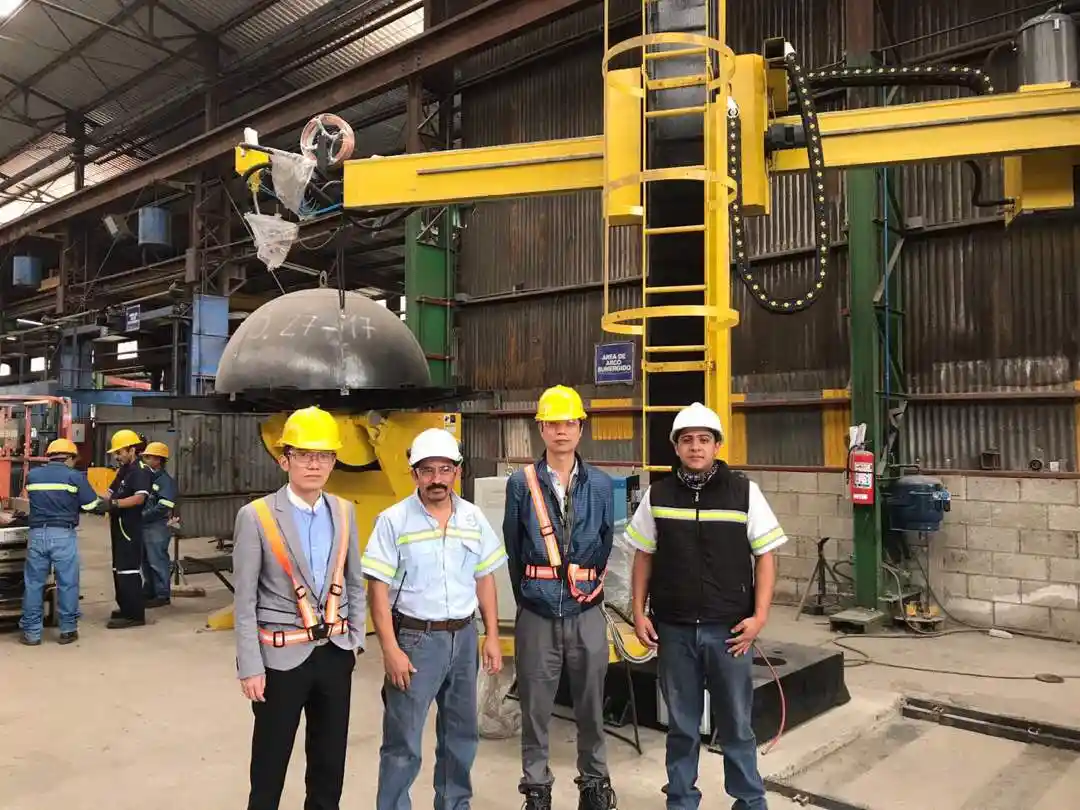
What are the benefits of implementing a multi-shift strategy for CNC operations?
Multi-shift operations deliver measurable improvements across several dimensions. Production capacity increases without major capital investment, since existing equipment simply runs longer. Cost per part drops as fixed overhead spreads across more units. Lead times shrink because work progresses around the clock rather than waiting for the next morning. These factors combine to improve ROI on existing equipment while strengthening market position against competitors still limited to single-shift operations.
Building the Foundation Before Adding Shifts
Jumping into multi-shift operations without proper groundwork creates problems that undermine the entire strategy. Workforce planning, scheduling systems, and maintenance protocols all need attention before the first additional shift begins.
Workforce scheduling requires more than simply hiring more operators. A skill matrix reveals which capabilities exist and which gaps need filling through training or recruitment. Cross-training operators across multiple machines and processes builds flexibility that prevents single points of failure when someone calls in sick or leaves the company.
Production planning becomes more complex with multiple shifts. Capacity planning must balance workload to prevent bottlenecks where one operation constrains everything downstream. Material flow optimization ensures that raw stock and tooling are available when each shift needs them, not sitting in a queue waiting for someone to notice the shortage.
Tooling management systems need to scale with increased operating hours. Consumables deplete faster, cutting tools wear sooner, and replacement parts require more frequent attention. Preventative maintenance schedules must adapt to higher utilization rates.
Digital tools help bridge the communication gaps between shifts. A digital logbook tracking machine status, job progress, and any issues encountered gives incoming operators the context they need to continue work seamlessly. This shift handover protocol prevents the information loss that otherwise creates quality problems and wasted time.
Consider what continuous operation demands from a CNC Flame Cutter. Consumables need consistent monitoring and timely replenishment. ABK Machinery designs its equipment with these operational realities in mind, building in the reliability that extended hours require.
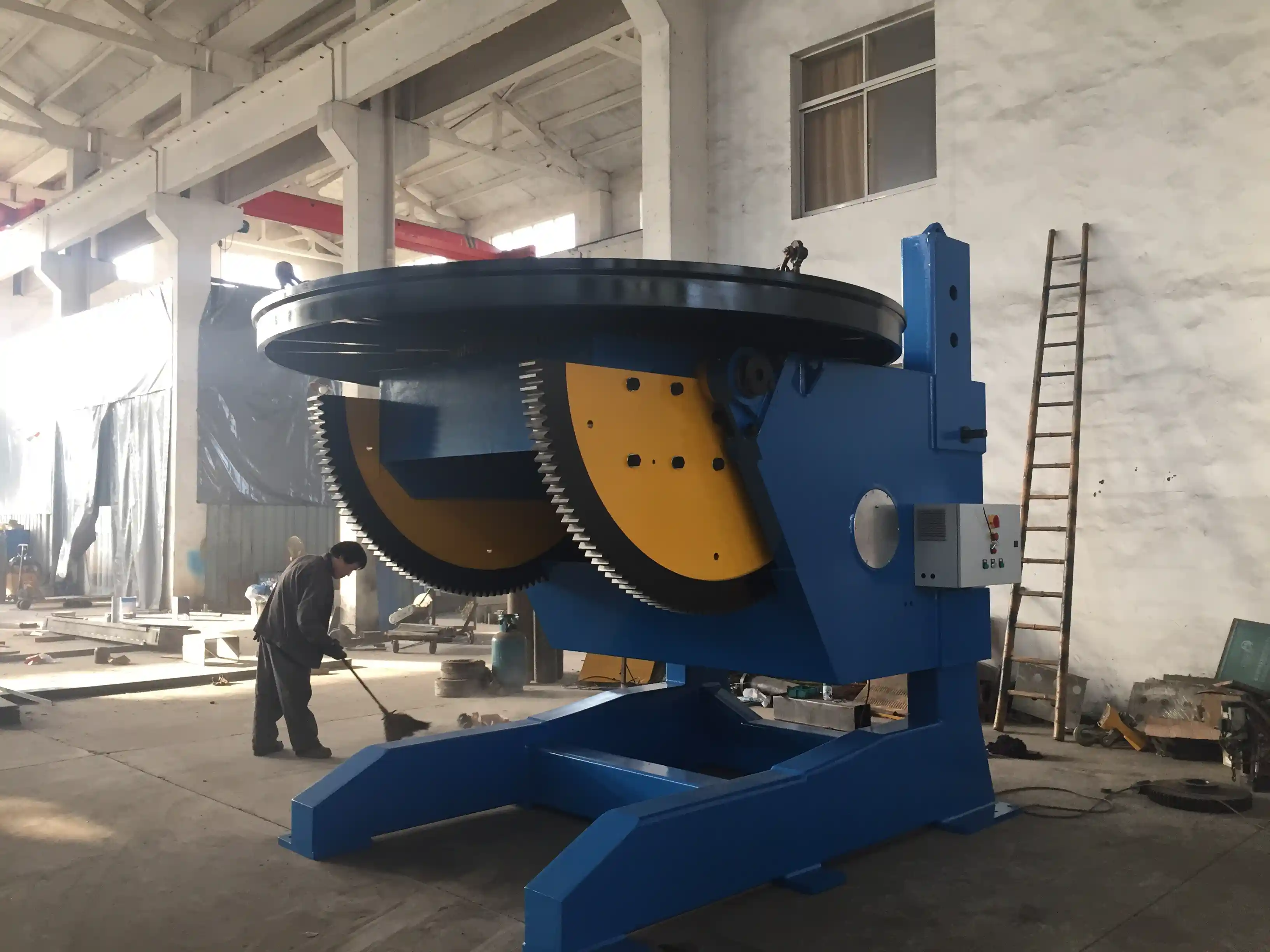
How do you calculate CNC machine utilization?
The basic utilization calculation divides operating time by available time, then multiplies by 100 to get a percentage. Operating time includes actual production, setup activities, and scheduled maintenance. Available time represents total scheduled hours.
More sophisticated metrics provide deeper insight. Overall Equipment Effectiveness (OEE) multiplies availability, performance, and quality factors together, capturing losses that simple utilization misses. Spindle utilization measures how much time the cutting tool actually engages material versus sitting idle during positioning or tool changes.
| Métrica | Definition | Calculation Example |
|---|---|---|
| Utilization Rate | Proportion of time a machine is actively used relative to available time | (40 hours operating / 60 hours available) * 100% = 66.7% |
| OEE | Overall Equipment Effectiveness (Availability x Performance x Quality) | 90% Availability x 95% Performance x 98% Quality = 83.79% |
| Spindle Utilization | Time the machine’s spindle is actively cutting material | (15 hours cutting / 20 hours power-on) * 100% = 75% |
| Machine Uptime Percentage | Time machine is operational and available for production | (150 hours uptime / 168 hours total) * 100% = 89.3% |
Technology That Makes Extended Operations Practical
Running CNC equipment across multiple shifts becomes far more manageable with the right technology infrastructure. Real-time monitoring through IoT sensors provides immediate visibility into machine status, catching problems before they cascade into major downtime events.
CNC automation enables lights-out manufacturing during unattended periods. Automated tool changers handle the routine swaps that would otherwise require operator intervention. Robotic loading and unloading systems keep material flowing without human hands touching every part.
Predictive maintenance represents one of the most valuable technology investments for multi-shift operations. Rather than waiting for equipment to fail or following rigid time-based schedules, data analytics identify patterns that precede failures. This approach catches problems early while they remain minor repairs rather than production-stopping emergencies.
Manufacturing Execution Systems tie everything together, managing work orders, tracking materials, and monitoring quality across all shifts. Integration with ERP systems ensures that production data flows into business systems for accurate costing and scheduling.
Remote diagnostics capabilities allow technicians to troubleshoot issues without being physically present. When a second-shift operator encounters an unfamiliar alarm, a specialist can connect remotely and often resolve the problem without waiting until morning.
WUXI ABK MACHINERY CO., LTD designs its CNC Plasma Cutter for integration with these monitoring and automation technologies. The precision and reliability built into our systems support the consistent performance that multi-shift operations demand.
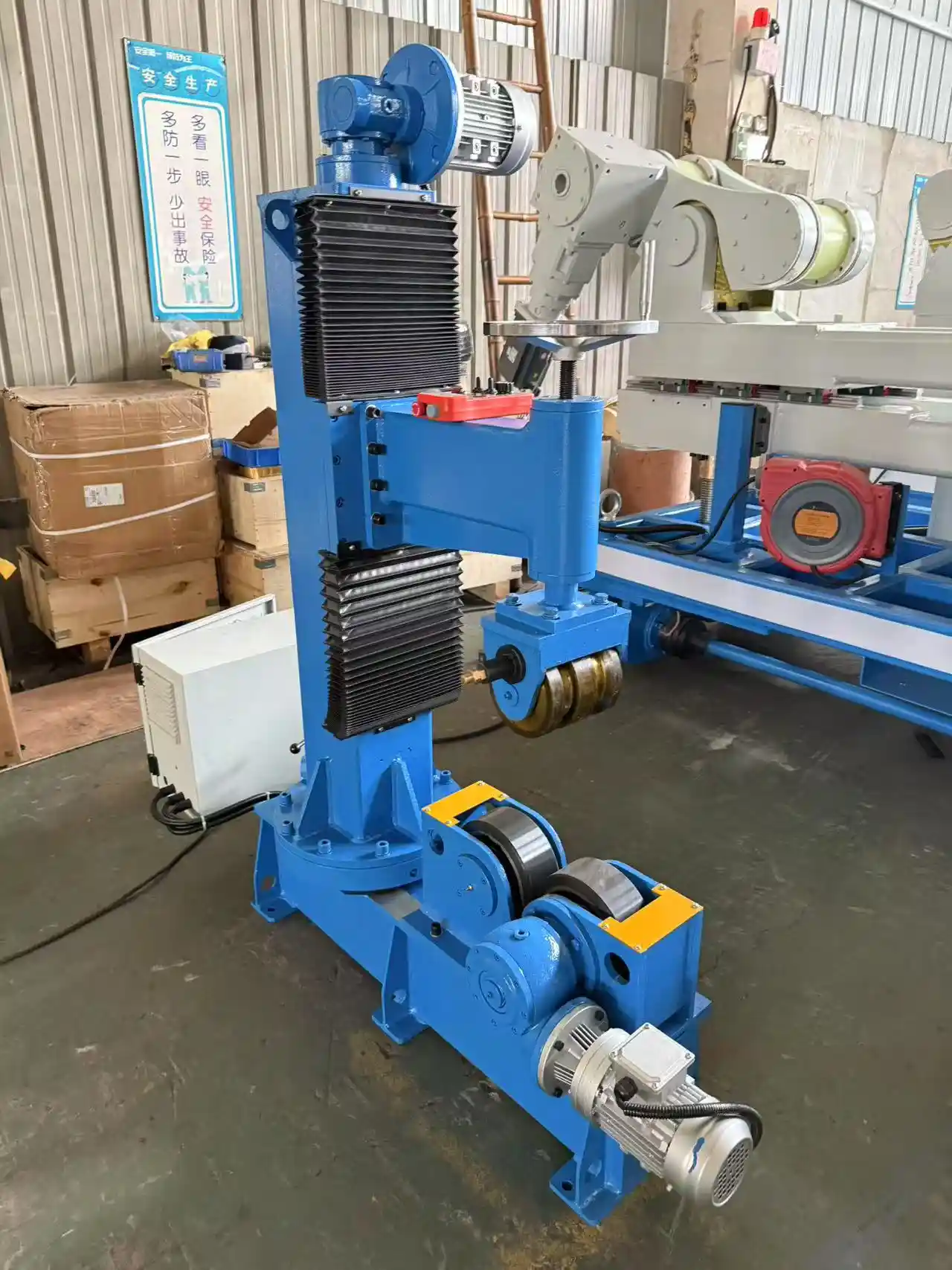
What technology helps monitor and improve CNC cutting machine performance?
Machine monitoring software tracks operational status, cycle times, and alarms in real time. IoT sensors collect performance data directly from equipment components. SCADA and HMI systems provide centralized control and visualization across multiple machines. AI-driven analytics identify trends and predict maintenance needs before failures occur. Automated tool changers and robotic material handling reduce manual intervention. Together, these technologies enable consistent, high-quality output regardless of which shift is running.
Solving the Problems That Multi-Shift Operations Create
Extended operations bring challenges that single-shift shops never face. Acknowledging these difficulties upfront allows for proactive solutions rather than reactive firefighting.
The skilled labor shortage hits harder when shops need to staff multiple shifts. Finding qualified CNC operators for second and third shifts often requires premium wages, flexible scheduling, or investment in training programs that develop skills internally. Retention becomes critical when trained operators are scarce.
Shift handover represents a persistent source of problems. Information gets lost, issues go unreported, and the next shift starts without full context about what happened before. Standardized protocols and digital documentation help, but they require discipline to maintain.
Equipment maintenance demands more attention with higher utilization. Preventative maintenance schedules need adjustment to reflect actual running hours rather than calendar time. Predictive maintenance technologies become more valuable when the cost of unplanned downtime multiplies across lost production hours.
Quality control must remain consistent regardless of which shift produces the work. Standardized procedures help, but automated inspection systems provide more reliable consistency than human judgment alone, especially during overnight hours when fatigue affects attention.
Energy consumption increases with extended operations, though not proportionally—buildings stay heated or cooled anyway, and some equipment draws power even when idle. Still, energy management deserves attention as operating hours expand.
Safety compliance requires equal rigor across all shifts. The temptation to relax standards during less-supervised hours creates liability and endangers workers. Regular audits and consistent training maintain safety culture around the clock.
WUXI ABK MACHINERY CO., LTD builds its Water Jet Cutter with features that address these multi-shift challenges directly. Durable construction reduces maintenance frequency, and precision engineering ensures consistent quality regardless of operating hours.
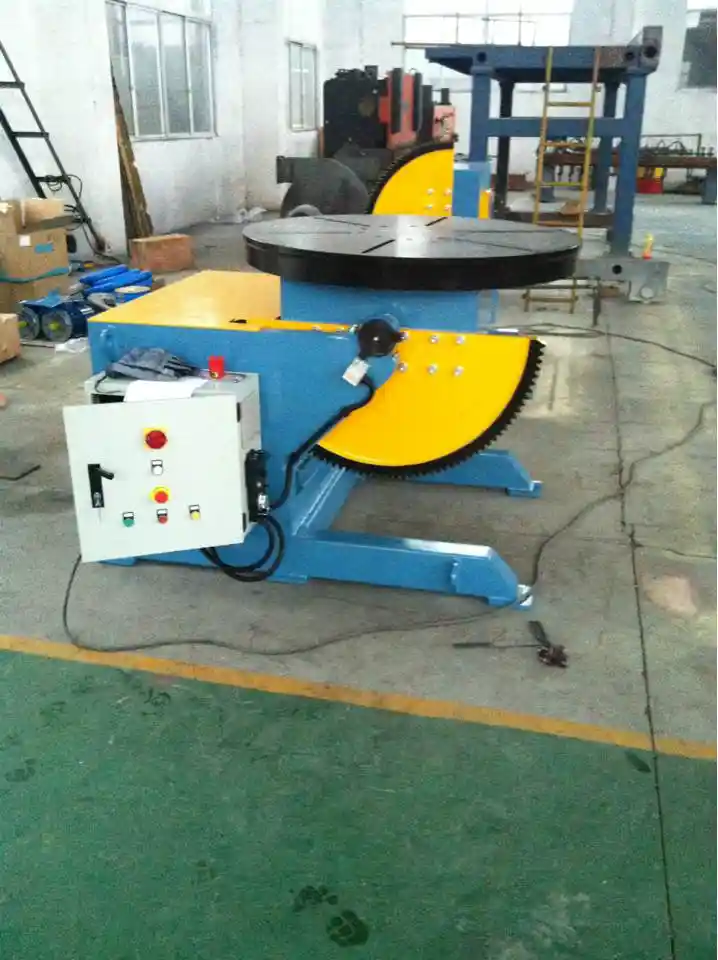
Sustaining Gains Through Ongoing Improvement
Achieving high utilization rates represents a milestone, not a destination. Markets change, technologies advance, and competitors adapt. Continuous improvement keeps multi-shift operations performing at their best.
Operator training deserves ongoing investment. New technologies require new skills, and even experienced operators benefit from refresher training and exposure to advanced techniques. Skill development programs should cover machine operation, software proficiency, and troubleshooting capabilities.
Process optimization never really ends. Regular performance reviews identify bottlenecks, waste, and opportunities for efficiency gains. Kaizen methodologies encourage incremental improvements from everyone involved in production, not just engineers and managers.
Future manufacturing trends point toward greater human-machine collaboration. Industry 5.0 concepts emphasize augmenting human capabilities with automation and AI rather than simply replacing workers. Shops that embrace this direction position themselves for sustained competitiveness.
WUXI ABK MACHINERY CO., LTD designs equipment like our Portable Water Cutter with future compatibility in mind. Modular construction and advanced control systems allow for upgrades and integration with emerging technologies as they mature.
Partner with WUXI ABK MACHINERY CO., LTD for Enhanced CNC Efficiency
Ready to elevate your manufacturing efficiency and maximize your CNC cutting utilization? WUXI ABK MACHINERY CO., LTD, with over two decades of expertise in advanced CNC cutting machines, is your trusted partner. Contact us today for a personalized consultation to optimize your multi-shift operations and unlock the full potential of your production line. Let’s build a more productive future, together. Email us at jay@weldc.com or call us at +86-510-83555592.
Frequently Asked Questions about CNC Multi-Shift Optimization
How does multi-shift operation impact CNC machine lifespan and maintenance?
Running equipment across multiple shifts accelerates wear on mechanical components, making maintenance discipline more important than ever. High-quality machines designed for continuous operation handle this stress better than equipment built for intermittent use. With proper preventative maintenance—regular lubrication, timely component replacement, and attention to early warning signs—well-built CNC cutting machines maintain their performance and lifespan even under demanding multi-shift schedules.
What are the initial costs associated with implementing a multi-shift CNC strategy?
Expect increased labor costs including wages, benefits, and training for additional personnel. Software investments for monitoring systems or MES platforms add to upfront expenses. Tooling inventories may need expansion to support higher production volumes. Some equipment upgrades might be necessary to support extended operations. These initial costs typically pay back through increased output and reduced unit costs, though the timeline varies based on utilization improvements achieved.
Can WUXI ABK MACHINERY CO., LTD’s CNC cutting machines support advanced multi-shift automation?
WUXI ABK MACHINERY CO., LTD builds CNC cutting machines with automation readiness as a design priority. Advanced control systems integrate with robotic loading and unloading equipment. Robust construction handles the demands of continuous operation. Precision engineering maintains quality consistency across extended production runs. These characteristics support lights-out manufacturing and minimally supervised operations that maximize the benefits of multi-shift strategies.
Se estiver interessado, consulte estes artigos relacionados:
Solução revolucionária para a soldadura de vasos de pressão: Análise técnica de posicionadores de soldadura rotativos de 360 graus
Problemas de soldadura de torres eólicas novamente: Como os rotadores inteligentes da linha de crescimento aumentam a produtividade por 50%
Valor de aplicação excecional: Como os posicionadores de soldadura de altura fixa impulsionam os avanços no fabrico offshore e de construção naval
 English
  Español
  Français
  Deutsch
  Português
  Русский