Power plant projects live or die by how well their components work together. After years of watching procurement teams juggle dozens of vendors for boilers, turbines, generators, and auxiliary systems, the pattern becomes clear: fragmented supply chains create problems that ripple through entire project timelines. Complete equipment packages from a single source change that equation fundamentally. The coordination headaches disappear, compatibility issues become someone else’s problem to solve before delivery, and project risk drops measurably. WUXI ABK MACHINERY CO., LTD provides these turnkey solutions, handling the integration complexity so project teams can focus on what matters.
Why Integrated Supply Changes the Economics of Power Plant Projects
Managing separate suppliers for every major power plant component sounds reasonable in theory. In practice, it creates a coordination nightmare. Each vendor operates on their own timeline, uses their own specifications, and interprets requirements differently. When a boiler manufacturer’s flange dimensions don’t quite match the piping supplier’s assumptions, someone has to fix it on site. These fixes cost money and time.
An integrated supply model eliminates these friction points. When a single entity handles procurement, design, and manufacturing for complete equipment packages, the components actually fit together. Quality standards remain consistent across every piece of power generation equipment. Administrative burden drops significantly because there’s one point of contact instead of twenty. Supply chain risks concentrate in one relationship that can be managed properly rather than scattered across vendors of varying reliability.
For large-scale infrastructure projects, this shift from piecemeal acquisition to single-source supply isn’t just convenient. It’s often the difference between projects that finish on schedule and those that don’t.
Manufacturing Processes That Determine Component Reliability
Power plant components operate under conditions that expose every manufacturing shortcut. High temperatures, extreme pressures, and continuous operation for years at a time mean that precision during fabrication directly translates to reliability in service.
The boiler manufacturing process involves welding pressure parts that will contain superheated steam for decades. Get the welds wrong, and failures become inevitable. Turbine component fabrication demands tolerances measured in thousandths of an inch because even small deviations create vibration problems that compound over time. Generator assembly requires getting both electrical and mechanical integration right simultaneously.
Piping systems present their own challenges. Automated welding and precision bending must meet pressure ratings while maintaining flow characteristics. WUXI ABK MACHINERY CO., LTD brings decades of experience to these processes, using advanced machinery for the custom fabrication power industry projects require. Every component meets rigorous industry standards because the consequences of falling short are too severe to accept.
Welding and Fabrication for Structures That Must Last
The structural integrity of power plant components depends entirely on welding quality. Poor welds create stress concentrations that lead to fatigue cracking under operational loads. This isn’t theoretical. It’s why welding processes receive so much attention in power plant manufacturing.
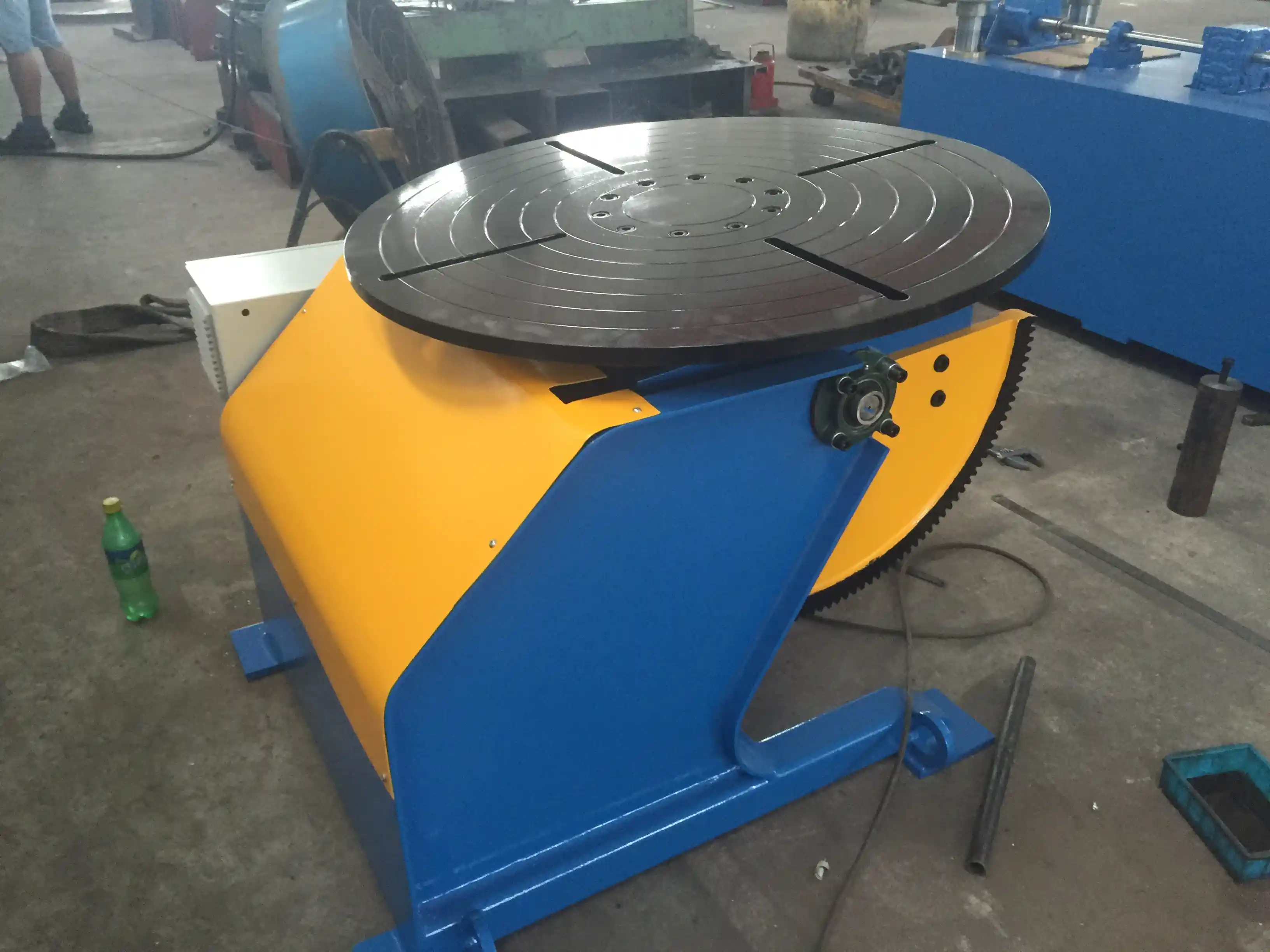
Specialized equipment makes precision possible at scale. Manipulador de soldaduras provide the controlled movement needed for consistent weld quality on large assemblies. Soluções para mesas giratórias de soldadura position heavy components for optimal weld access. Wind tower welding lines and H beam welding lines handle the structural elements that form the backbone of power generation facilities.
For complex assemblies, pipe welders and welding positioners enable the accuracy that prevents problems years down the road. The investment in proper equipment pays off in components that perform as designed throughout their service life.
Quality Control That Actually Prevents Problems
Quality control for power plant parts isn’t a checkbox exercise. It’s the last line of defense against components that could fail catastrophically in service.
Effective quality programs start with material traceability. Knowing exactly where every piece of steel originated matters when investigating potential issues. Non-destructive testing methods like radiographic and ultrasonic inspection reveal internal defects that visual examination would miss. Dimensional inspections at every production stage catch deviations before they become expensive problems.
Adherence to international standards like ISO and ASME provides a framework, but the real value comes from consistent application. These measures ensure compliance with safety regulations for power plant equipment while guaranteeing that manufactured items will actually perform as specified.
Evaluating Suppliers for Complete Equipment Packages
Choosing the wrong supplier for a complete power plant equipment package creates problems that persist for the life of the project. The evaluation process deserves serious attention.
Manufacturing capability matters most. Can the supplier actually produce the full range of components, from boiler parts to turbine assemblies? Some suppliers claim comprehensive capabilities but subcontract critical work to vendors they don’t fully control. Project management expertise shows up in track records. Look for evidence of adherence to timelines and budgets on similar projects, not just claims of competence.
Quality certifications like ISO 9001 and ASME stamps indicate commitment to standards, though certifications alone don’t guarantee results. After-sales support for power equipment determines whether problems get solved quickly or drag on. Equipment will need maintenance and occasional repair. A supplier who disappears after delivery creates long-term headaches.
Thorough vendor qualification for power industry projects takes time but prevents far more expensive problems later.
Project Management That Holds Everything Together
The complexity of power plant equipment supply makes integrated project management essential rather than optional. Components must arrive in sequence, installation crews need coordination, and problems require immediate resolution before they cascade.
End-to-end oversight from initial design through logistics and installation keeps projects on track. When one entity manages the entire scope, communication flows naturally. Resource allocation happens based on actual project needs rather than individual vendor priorities. Potential delays get identified early enough to address.
Integrated project management for power plant projects reduces the coordination overhead that fragments attention and creates gaps. Centralized control means accountability stays clear. When something goes wrong, there’s no finger-pointing between vendors. The integrated supplier owns the problem and fixes it.
Logistics and Installation for Oversized Components
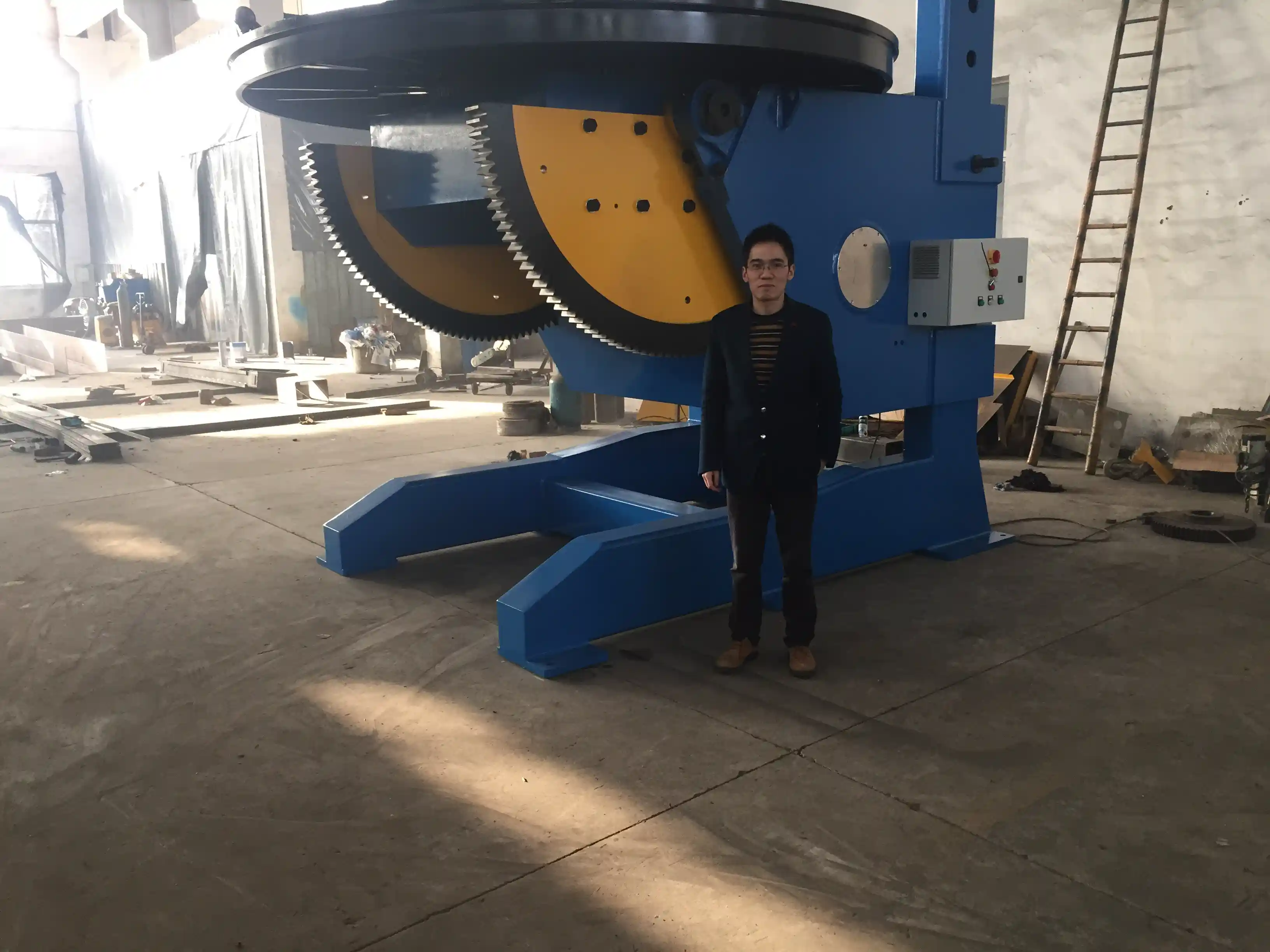
Moving large power plant components from factory to site involves challenges that routine freight handling doesn’t address. Boiler sections, turbine casings, and generator assemblies require specialized transport, detailed route planning, and permits for oversized loads.
An integrated supplier manages these logistics as part of the overall project scope. Planning starts during manufacturing, not after components are ready to ship. On-site installation involves expert teams with specialized lifting equipment who understand how each component fits into the larger assembly.
This coordination minimizes the delays that occur when logistics and installation are handled separately from manufacturing. Components arrive when installation crews are ready for them, not before or after.
Cost Control That Improves Project Returns
Complete equipment packages from a single supplier create cost advantages that go beyond simple volume discounts. Hidden fees disappear because scope is defined clearly upfront. Coordination overhead drops because there’s one relationship to manage instead of many.
Optimized packages reduce downtime during installation and commissioning. When components are designed to work together, startup proceeds faster. This accelerates time to operation, which directly affects when revenue begins flowing.
Long-term maintenance costs also benefit from integrated supply. Components from a single source tend to share common parts and service approaches, simplifying spare parts inventory and technician training. These factors compound over the operational life of power generation equipment, maximizing return on investment.
Components for Every Type of Power Generation
Different power plant types demand different component specifications, but the underlying manufacturing expertise transfers across applications.
Thermal power plant components must handle high temperatures and pressures continuously. Boiler parts and turbine casings require materials and fabrication methods suited to these demanding conditions. Nuclear power plant manufacturing adds another layer of stringent safety and quality requirements that few suppliers can meet consistently.
Hydroelectric power equipment involves large structural components and precision mechanical parts that operate in wet environments for decades. Renewable energy installations, particularly wind power, require structural steel and welding capabilities that WUXI ABK MACHINERY CO., LTD provides through specialized production lines.
| Component Type | Thermal Power | Nuclear Power | Hydroelectric Power | Renewable Energy (Wind) |
|---|---|---|---|---|
| Boilers & Pressure Vessels | Yes | Yes | No | No |
| Turbines & Rotors | Yes | Yes | Yes | No |
| Structural Steel | Yes | Yes | Yes | Yes |
| Piping Systems | Yes | Yes | Yes | Yes |
| Manipuladores de soldadura | Yes | Yes | Yes | Yes |
| Posicionadores de soldadura | Yes | Yes | Yes | Yes |
This versatility in custom power plant components reflects manufacturing capabilities that adapt to specific project requirements rather than forcing projects to adapt to limited supplier capabilities.
Where Power Plant Manufacturing Is Heading
The power generation industry faces pressure to improve efficiency while reducing environmental impact. These demands drive changes in how equipment gets manufactured.
Advanced materials enable higher operating temperatures and pressures, improving thermodynamic efficiency. Digital manufacturing techniques allow tighter tolerances and better quality control. Smart automation reduces human error while improving consistency.
Sustainable manufacturing practices matter increasingly to project developers and regulators. Energy-efficient production processes and waste reduction strategies align with broader industry goals. Components designed for energy efficiency contribute to cleaner power generation throughout their operational lives.
WUXI ABK invests in research and development to keep manufacturing capabilities aligned with where the industry is heading. Future power plant technology will demand equipment that current methods can’t produce. Staying ahead of these trends ensures continued relevance.
Working with WUXI ABK MACHINERY CO., LTD
Two decades of expertise in advanced welding and CNC cutting technologies translate to complete equipment packages that meet power plant project requirements. Integrated solutions, consistent quality control, and dedicated project management combine to deliver results that fragmented procurement approaches can’t match.
Contact our team to discuss specific project requirements. We provide detailed consultations and quotations tailored to your power generation initiatives.
Mobile: +86-13815101750 | Tel: +86-510-83555592 | Email: jay@weldc.com
Frequently Asked Questions About Power Plant Equipment Packages
What components typically come in a complete power plant equipment package?
Complete packages include major items like boilers, turbines, generators, condensers, piping systems, and structural steel. Auxiliary equipment rounds out the scope. Beyond physical components, the package encompasses manufacturing processes including advanced welding, precision CNC machining, and quality assurance that ensures everything works together. WUXI ABK MACHINERY CO., LTD manufactures these diverse components, providing comprehensive solutions from a single source.
How do manufacturers verify quality and compliance for power plant components?
Quality verification happens through multiple stages. Material traceability documents where every piece of steel originated. Non-destructive testing reveals internal defects invisible to visual inspection. Dimensional checks at each production stage catch deviations early. Adherence to international standards like ISO and ASME provides the framework. WUXI ABK implements these protocols from raw material inspection through final assembly and testing, ensuring reliability and safety of all power generation equipment.
What makes single-source supply better than managing multiple vendors?
Single-source supply eliminates coordination complexity between vendors with different timelines and specifications. Project management becomes simpler with one point of contact. Logistics get handled as part of the integrated scope rather than separately. Cost savings come from reduced overhead and eliminated compatibility issues. Consistent quality across all components prevents the problems that arise when different manufacturers interpret requirements differently. Faster project timelines result from better coordination throughout.
 English
  Español
  Français
  Deutsch
  Português
  Русский