
A escolha do sistema de soldadura adequado define o ritmo da produção industrial. As configurações com uma única tocha limitam frequentemente o rendimento, transformando linhas que, de outra forma, seriam eficientes em pontos de estrangulamento. Concentramo-nos em soluções que aumentam a velocidade sem comprometer a precisão ou a qualidade. Os sistemas de soldadura com múltiplas tochas respondem diretamente a essa necessidade, proporcionando ganhos significativos em termos de produtividade e custos operacionais mais baixos. Ajudamos os fabricantes a colocar esta tecnologia em prática e a ver os resultados onde é que realmente importa.
Compreender os sistemas de soldadura com múltiplas tochas
A soldadura com múltiplas tochas utiliza vários arcos de soldadura em simultâneo para unir materiais. Ao contrário dos métodos tradicionais com uma única tocha, este processo acelera o trabalho através da execução de operações em paralelo. Com o avanço da tecnologia de soldadura, os sistemas com múltiplas tochas integram agora controlos avançados e uma variedade de tipos de tochas numa única plataforma. O resultado são taxas de deposição mais elevadas e velocidades de deslocamento mais rápidas, que otimizam a produção. Os componentes principais incluem múltiplas cabeças de soldadura, fontes de alimentação sincronizadas e unidades de controlo integradas. Configuramos estes sistemas para corresponder aos requisitos específicos de cada aplicação, garantindo um funcionamento estável e eficiente em diversos ambientes industriais.
O que é a soldadura com múltiplas tochas?
A soldadura com múltiplas tochas utiliza duas ou mais tochas de soldadura em simultâneo numa única peça de trabalho. Esta abordagem paralela aumenta a eficiência e o rendimento. O sistema coordena cada tocha para executar tarefas de soldadura definidas.
Evolução da tecnologia de soldadura
A soldadura passou de métodos manuais para uma automação sofisticada. As primeiras configurações com várias tochas eram básicas; os sistemas modernos incluem controlos digitais e robótica. Essa evolução melhorou a precisão, a velocidade e a adaptabilidade em toda a soldadura industrial.
Componentes principais e configurações
Um sistema multitocha é composto por fontes de alimentação de soldadura, alimentadores de arame, tochas e uma unidade de controlo. As configurações incluem tochas em tandem, de dois arames ou múltiplas tochas independentes. Cada configuração é adaptada a tipos específicos de soldadura e às exigências de produção.
Alcançar ganhos de produtividade sem precedentes
Os sistemas de soldadura com múltiplas tochas resolvem os estrangulamentos comuns na fabricação e proporcionam ganhos de produtividade significativos. Taxas de deposição mais elevadas e operações simultâneas aumentam a velocidade de soldadura e o rendimento. Os fabricantes beneficiam de tempos de ciclo mais curtos e custos de mão de obra mais baixos, o que gera poupanças operacionais significativas. A automação integrada melhora a consistência e a repetibilidade, reduzindo os defeitos e o retrabalho. O resultado é uma maior eficiência e menores despesas de produção.
Maior velocidade e rendimento
Os sistemas com múltiplas tochas aumentam a velocidade de soldadura através da aplicação de várias passagens ou da execução de soldaduras em paralelo. A união dos materiais ocorre mais rapidamente, reduzindo o tempo total de fabrico. O funcionamento contínuo e o tempo de arco otimizado aumentam a produtividade.
Redução dos tempos de ciclo e dos custos com mão de obra
A realização de soldaduras em paralelo reduz os tempos de ciclo de produção. São necessárias menos horas de mão de obra por componente. Os custos de fabrico diminuem e a rentabilidade do projeto aumenta.
Qualidade consistente e repetibilidade
As configurações automatizadas com múltiplas tochas mantêm os parâmetros de soldadura rigorosamente controlados. Essa estabilidade garante uma qualidade de soldadura uniforme e uma elevada repetibilidade entre lotes. Com menos erros humanos, os defeitos diminuem e os retrabalhos dispendiosos reduzem-se.
Para obter mais informações sobre como otimizar as suas operações, considere explorar o equipamento rotativo de soldadura profissional da Wuxi ABK: uma solução de soldadura de precisão para o fabrico de recipientes sob pressão.
Aplicações e impacto no setor
Os sistemas de soldadura com múltiplas tochas são essenciais em diversos setores, especialmente na construção pesada. Destacam-se em projetos de aço estrutural, onde costuras longas e componentes de grandes dimensões exigem uma soldadura robusta e eficiente. Setores de grande volume, como o automóvel e a construção naval, beneficiam da sua rapidez e precisão. A produção especializada, incluindo a fabricação de torres eólicas e recipientes sob pressão, também recorre a estes sistemas para resolver desafios específicos. Fornecemos soluções personalizadas que aumentam a produtividade e a qualidade nestes ambientes.
Fabricação de caldeiras
Na fabricação de caldeiras, os sistemas com múltiplas tochas permitem uma soldadura rápida e de alta qualidade de painéis e tubos de grandes dimensões. Tanto a integridade estrutural como a velocidade de produção são melhoradas. Mantêm-se cordões de soldadura uniformes em componentes complexos de caldeiras.
Soldadura de recipientes sob pressão
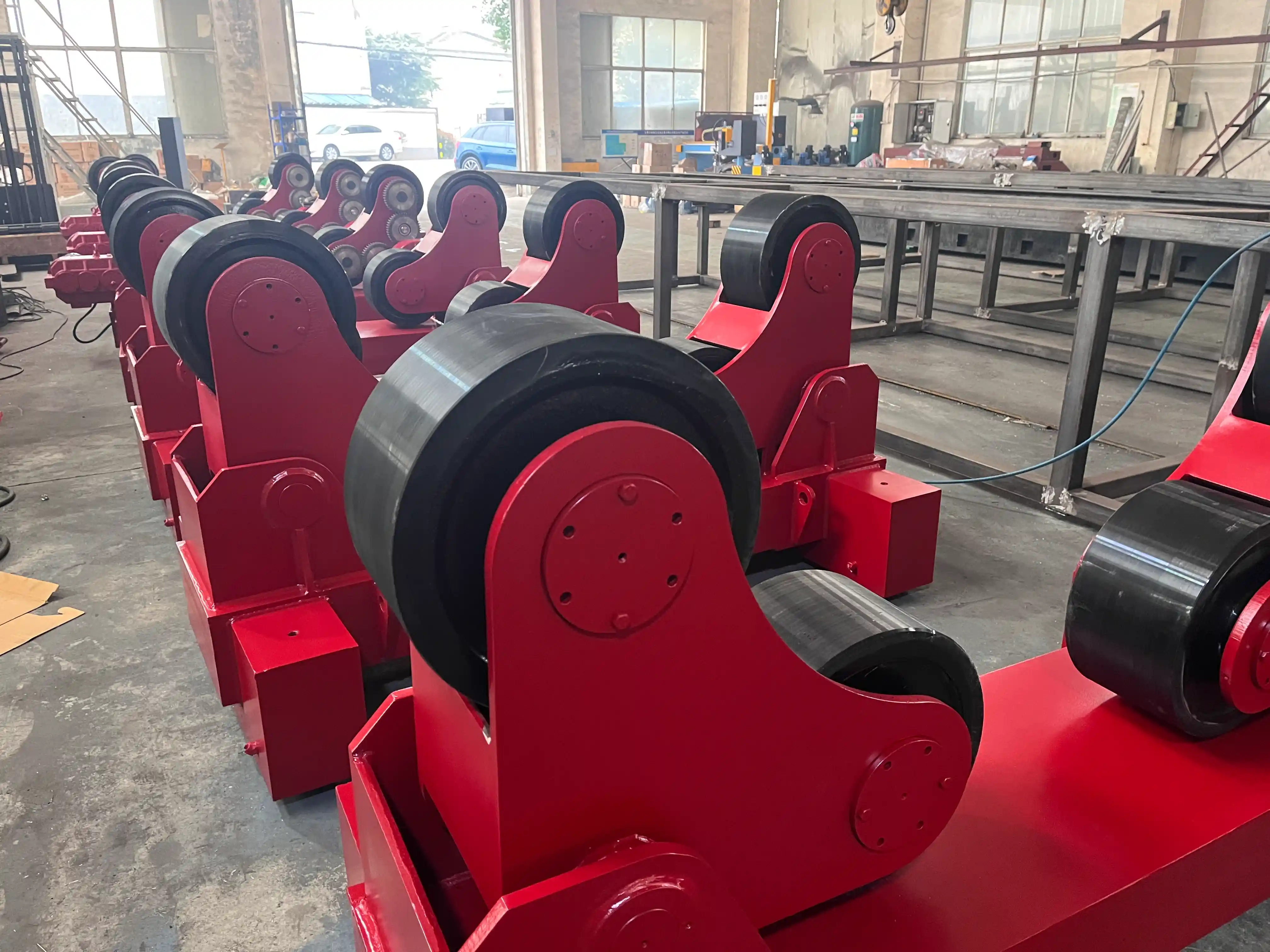
A fabricação de recipientes sob pressão exige soldaduras de elevada integridade. Os sistemas com múltiplas tochas proporcionam a precisão e a rapidez necessárias para as soldaduras circunferenciais e longitudinais. Esta tecnologia garante o cumprimento de normas de segurança rigorosas e acelera os ciclos de produção.
Fabrico de tanques de armazenamento
No caso dos tanques de armazenamento, a soldadura com múltiplas tochas permite a fabricação eficiente de grandes secções cilíndricas. A soldadura simultânea de várias juntas reduz o tempo de construção. Os prazos do projeto e a rentabilidade são melhorados.
Soldadura de torres eólicas
A produção de torres eólicas envolve a soldadura de perfis de parede espessa com costuras longas. Os sistemas com múltiplas tochas aumentam as taxas de deposição e a qualidade da soldadura, fatores cruciais para a integridade estrutural. Isto acelera o processo de fabrico e garante a robustez dos componentes das torres. Para mais informações sobre a otimização da produção de torres eólicas, leia «Manipuladores de soldadura para a fabricação de torres eólicas: a revolução na eficiência da produção».
Equipamento químico e petroquímico
A soldadura com múltiplas tochas é essencial para a produção de equipamentos químicos e petroquímicos. Proporciona soldaduras de alta qualidade e resistentes à corrosão em materiais especializados. Essa precisão contribui para a segurança e uma longa vida útil em ambientes adversos.
Produção de estruturas metálicas pesadas
Na fabricação de estruturas de aço pesadas, os sistemas com múltiplas tochas realizam tarefas de soldadura em grande escala de forma eficiente. Proporcionam a potência e o controlo necessários para chapas espessas e juntas complexas. A construção avança mais rapidamente e a fiabilidade estrutural melhora.
Implementação estratégica e otimização
A integração bem-sucedida de sistemas de soldadura com múltiplas tochas começa com um planeamento cuidadoso e uma execução rigorosa. Avalie as necessidades atuais para selecionar a configuração adequada. Uma integração harmoniosa com os fluxos de trabalho de fabrico existentes ajuda a evitar interrupções. Uma formação exaustiva para os operadores e as equipas de manutenção contribui para o desempenho e a durabilidade do equipamento. O apoio e a assistência contínuos mantêm a eficiência elevada e garantem o retorno do investimento.
Avaliação das necessidades e configuração do sistema
Avaliar os volumes de produção, os tipos de material e as especificações de soldadura. Utilizar essa avaliação para selecionar os tipos de maçarico, as fontes de alimentação e os níveis de automatização. Uma configuração adequada garante que o sistema se adapta às exigências específicas de fabrico.
Integração com os fluxos de trabalho existentes
Planear a integração de forma a minimizar as perturbações. Coordenar com os processos de movimentação de materiais e de controlo de qualidade. Confirmar a compatibilidade com os atuais sistemas robóticos e de controlo.
Formação e Apoio
Ministrar formação aprofundada aos operadores sobre o funcionamento e a programação do sistema. O pessoal de manutenção necessita de formação sobre a resolução de problemas e a manutenção preventiva. O apoio técnico contínuo garante a estabilidade das operações e a resolução rápida de problemas.
O Futuro da Automatização da Soldadura
A tecnologia de soldadura está a evoluir rapidamente, com os sistemas multitocha a liderarem essa evolução. A integração da inteligência artificial e da aprendizagem automática irá aperfeiçoar o controlo de processos e a manutenção preditiva. Esperamos capacidades de soldadura adaptativas, em que os sistemas ajustam os parâmetros em tempo real. A indústria está a promover práticas sustentáveis e energeticamente eficientes, uma direção que os sistemas multitochas já apoiam. A WUXI ABK mantém o seu compromisso com a inovação e com a próxima geração de soluções avançadas de soldadura.
Tendências em tecnologias avançadas de soldadura
Espere mais automação, análise de dados em tempo real e monitorização remota. Estas capacidades irão otimizar os processos de soldadura e reduzir a intervenção manual. Continuamos a investir em investigação e desenvolvimento para nos mantermos na vanguarda.
Integração de IA e Aprendizagem Automática
A IA e o ML permitirão a criação de sistemas capazes de aprender com os dados. Os resultados incluem uma melhor qualidade das soldaduras, menos desperdício de material e uma manutenção preditiva mais eficaz. Os sistemas com várias tochas tornar-se-ão mais autónomos e eficientes.
Práticas sustentáveis e energeticamente eficientes
Os sistemas com múltiplas tochas contribuem para a sustentabilidade, otimizando a utilização de materiais e reduzindo o consumo de energia por soldadura. As inovações futuras irão impulsionar ainda mais as tecnologias ecológicas. O nosso objetivo é minimizar o impacto ambiental, maximizando simultaneamente a produtividade.
O compromisso da WUXI ABK com a inovação
A WUXI ABK desenvolve continuamente soluções de soldadura de ponta. O nosso foco continua a ser a integração de tecnologias avançadas, como a IA, nos nossos sistemas multitochas. Esforçamo-nos por fornecer aos clientes o equipamento de soldadura mais eficiente e fiável.
Pronto para melhorar as suas operações de soldadura?
Pronto para aumentar a sua produtividade na soldadura e impulsionar a eficiência? Contacte hoje mesmo a WUXI ABK MACHINERY CO., LTD para uma consulta personalizada sobre como os nossos sistemas de soldadura com múltiplas tochas podem melhorar as suas operações. Os nossos especialistas estão à sua disposição para analisar as suas necessidades específicas e fornecer soluções personalizadas. Envie-nos um e-mail para jay@weldc.com ou ligue para o número +86-510-83555592.
FAQs
Qual é a principal vantagem da soldadura com múltiplas tochas em relação aos sistemas com uma única tocha?
A principal vantagem é um aumento significativo da produtividade e da eficiência. Os sistemas com múltiplas tochas permitem que vários arcos de soldadura funcionem em simultâneo, o que reduz os tempos de ciclo e aumenta as taxas de deposição, elevando o rendimento e reduzindo os custos de mão-de-obra por unidade.
É possível integrar sistemas de soldadura com várias tochas nas linhas de produção existentes?
Sim, muitos sistemas de soldadura com várias tochas são concebidos para uma integração flexível. As soluções da WUXI ABK são projetadas para serem adaptáveis, e a nossa equipa pode analisar a sua configuração atual e recomendar uma estratégia de integração que minimize as perturbações e maximize os benefícios.
Quais são os setores que mais beneficiam da tecnologia de soldadura com múltiplas tochas?
Os setores envolvidos na fabricação pesada, no aço estrutural, na indústria automóvel, na construção naval e na produção especializada, como a de torres eólicas e recipientes sob pressão, beneficiam significativamente. Qualquer setor que exija soldaduras em grande volume, consistentes e de alta qualidade em costuras longas ou componentes de grandes dimensões pode observar melhorias substanciais.
De que forma a soldadura com várias tochas contribui para a qualidade da soldadura?
Os sistemas automatizados com múltiplas tochas oferecem um controlo rigoroso dos parâmetros de soldadura, proporcionando soldaduras altamente consistentes e repetíveis. Esta precisão reduz o erro humano, diminui os defeitos e mantém a qualidade uniforme em todos os produtos, o que reduz a necessidade de retrabalho.
Que tipo de manutenção é necessária para os sistemas de soldadura com múltiplas tochas?
Tal como toda a maquinaria avançada, os sistemas com várias tochas necessitam de manutenção preventiva regular para garantir o seu desempenho e longevidade. Isto inclui verificações de rotina dos consumíveis, calibração e atualizações de software. A WUXI ABK oferece formação e apoio contínuo para ajudar os clientes a manter os seus sistemas de forma eficaz.
 English
  Español
  Français
  Deutsch
  Português
  Русский