Controlling distortion in membrane panel welding is a stubborn, high-stakes challenge. Getting welds both clean and structurally sound takes a firm grasp of metallurgy and a disciplined approach to process control. We see, project after project, how tight distortion management reshapes timelines, material spend, and the integrity of components used in boiler and pressure vessel work.
Understanding the Challenges of Distortion in Membrane Panel Welding
1. The inherent complexities of membrane panel structures
Membrane panels, widely used in boilers and heat exchangers, are built from multiple tubes tied together by welded fin strips. Their large surface area and intricate layout make them prone to thermal distortion as welding progresses. Each pass brings localized heating and cooling, so different parts of the panel expand and contract unevenly. That thermal mismatch sets up internal stresses that can produce warpage and deformation. Thin fin strips make matters worse because they resist bending far less than the tubes.
2. Identifying common causes of welding distortion
Distortion typically traces back to how heat and materials behave. Excessive heat input drives larger expansion and subsequent shrinkage, magnifying distortion. Weak joint design or poor fit-up concentrates stresses before welding even starts, and those hotspots grow under the arc. Material properties, especially coefficient of thermal expansion and yield strength, determine how readily a panel distorts under thermal load. If clamping or fixturing is insufficient, panels can shift, increasing deformation. An ill-chosen welding sequence can also funnel heat into the same zones, creating local stress concentrations and severe distortion.
3. The critical impact of distortion on structural integrity and performance
Distorted membrane panels don’t just look off; they complicate assembly, trigger rework, and escalate costs. Residual stresses from distortion can shorten fatigue life, pushing components toward early failure in service. In pressure-retaining systems such as boilers, those stresses can form dangerous concentrations, with the risk of leaks or even catastrophic rupture. Maintaining dimensional accuracy is non-negotiable for long-term reliability and safety in these applications.
Advanced Techniques for Pre-Weld Distortion Prevention
1. Optimizing joint design and fit-up for minimal stress
Distortion control starts at the drawing board and on the fit-up bench. Favor designs that keep weld volume low and avoid stress raisers. Narrower gap widths and smaller fillet welds reduce required heat input, which helps. Precise fit-up matters; any extra gaps will demand more filler and more heat. Automated cutting and forming help hold tight tolerances, cutting down the chances of misalignment.
2. Implementing effective clamping and fixturing strategies
Strong, well-planned clamping and fixturing keep panels stable as the welds go in. The goal is to absorb and spread welding stresses so the panel can’t move. Heavy-duty fixtures that apply uniform pressure across the panel work well. Modular systems make it easier to adapt to changing panel sizes and layouts. Clamp placement should anticipate shrinkage paths. For more complex geometries, custom fixtures are often the right answer to maintain dimensional control end to end.
3. Selecting appropriate materials and plate preparation methods
Material choice has a direct effect on distortion. All else equal, lower thermal expansion and higher yield strength tend to resist distortion better. For demanding service, alloys engineered for stability under thermal cycling can help. Preparation matters too. Precision cutting, such as laser or plasma, reduces edge irregularities and residual stress from cutting. Clean joint faces and accurate bevels promote consistent penetration and reduce defect risk, which in turn limits distortion.
Strategic Welding Process Control to Minimize Distortion
1. Controlling heat input through optimized welding parameters
The most direct lever on distortion is heat input. Dial current and voltage to the lowest levels that still achieve sound fusion. Set a travel speed that limits dwell time so heat doesn’t build up. Choose processes that run cooler where the application allows, such as pulsed MIG/MAG or laser welding instead of submerged arc welding. Together, these adjustments lower thermal stresses and the distortion that follows.
2. Applying proper welding sequences and techniques
Welding order and technique shape stress distribution. Use approaches that balance heat and shrinkage. The backstep method spreads heat, limiting cumulative contraction. Skip or block welding deposits short, separated segments to allow cooling between passes and prevent hot spots. On large panels, a balanced pattern—often working symmetrically from the center outward—helps counter distortion. Multi-pass welding with smaller beads also trims heat input.
3. Utilizing specialized welding equipment for precision control
Modern equipment adds a level of consistency that’s hard to match by hand. Automated systems hold travel speed, arc length, and wire feed steady, reducing variability in heat input. Robotic cells execute complex sequences repeatably, keeping thermal distribution uniform. Advanced power sources let operators fine-tune arc characteristics to suit different thicknesses and joint types. The result is a degree of control beyond manual welding.
If you’re interested, check out Revolução na soldadura de navios Como os posicionadores de soldadura melhoram a qualidade e a eficiência.
Post-Weld Treatments for Mitigating Residual Stress and Distortion
1. Employing mechanical distortion correction methods
Even with careful planning and control, some distortion can remain. Mechanical remedies are effective when applied precisely. Localized heating followed by rapid cooling can pull material back into line through controlled shrinkage. Mechanical straightening with presses, jacks, or rollers can bring panels back to tolerance. These steps require practiced hands to avoid creating new stresses or damage.
2. Utilizing thermal stress relief and annealing processes
Thermal post-weld treatments are often needed to curb residual stresses and stabilize properties in welded membrane panels. Stress relief annealing heats the structure to a subcritical temperature, holds, then cools slowly so internal stresses relax without major microstructural change. Full annealing at higher temperature can refine grain structure and increase ductility, though it may alter mechanical properties. Selecting time–temperature parameters carefully is key to getting the right balance.
3. Advanced inspection and quality assurance for membrane panels
Thorough inspection underpins quality at every stage, especially after welding and heat treatment. We use NDT methods such as ultrasonic testing, radiographic inspection, and dye penetrant testing to find internal and surface defects. Dimensional checks with laser trackers or CMMs verify geometric tolerances. Rigid inspection routines ensure any remaining distortion or defects are caught and corrected before final assembly, protecting performance in service.
The Role of Modern Welding Equipment in Distortion Management
Modern welding equipment significantly enhances our ability to control distortion in membrane panel welding. At WUXI ABK MACHINERY CO., LTD, we leverage advanced machinery to achieve superior precision and efficiency.
1. How automated welding manipulators enhance precision
Automated welding manipulators are central to controlling distortion by keeping weld deposition consistent and precise. A Manipulador de soldadura provides steady support and accurate torch motion, holding arc length and travel speed where they need to be. Consistent heat input is the payoff. Our LH series welding manipulators, with positioning accuracy of ±0.1 mm/m, track the weld path closely, cutting rework and raising overall weld quality. They shine on long, straight seams on membrane panels, where manual control tends to drift.
If you’re interested, check out Manipuladores de soldadura para o fabrico de torres eólicas que revolucionam a eficiência da produção.
2. The benefits of welding positioners for optimal access and control
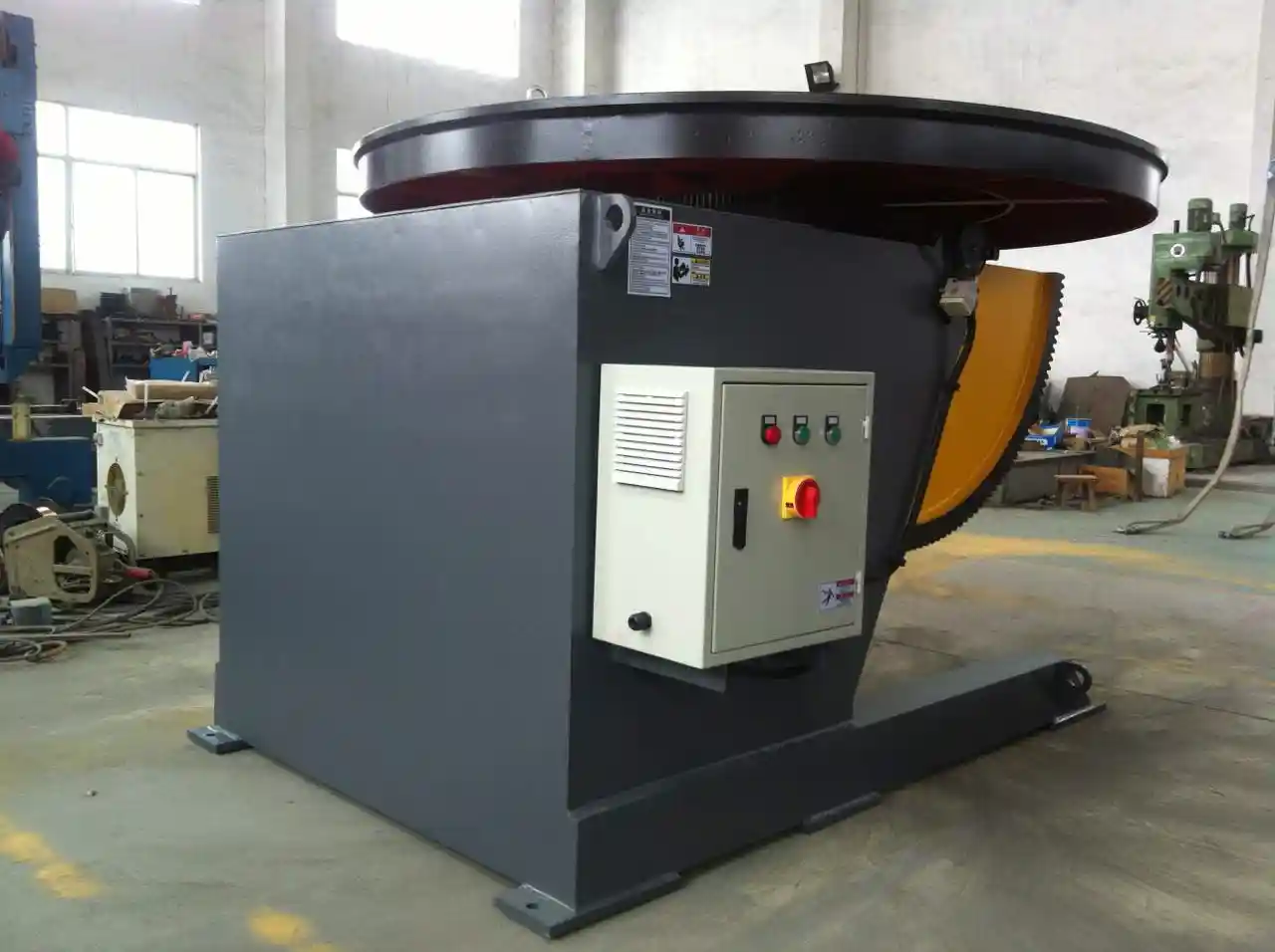
Welding Positioner are indispensable for orienting workpieces so welds can be made under the best conditions. By letting operators tilt, rotate, and turn the panel, positioners keep work in the flat or horizontal position, which often results in better weld quality and lower distortion than out-of-position welding. Our 3-axis positioners, such as the 1 Ton 3 Axis Positioner, provide synchronized turning, rotating, and tilting with ±0.05 mm positioning accuracy. That level of control promotes uniform passes and avoids awkward angles that drive uneven heating and distortion.
| Model | Max Load | Positioning Accuracy | Repeatability | Applications |
| :—————————— | :——- | :——————- | :———— | :———————————————————————————————————————————————————————————————————————————————————————————————————————————————————————————————————————————————————————————————————————————————————————————————————————————————————————————————————————————————————————————————————————————————————————————————————————————————————————————————————————————————————————————————————————————————————————————————————————————————————————————————————————————————————————————————————————————————————————————————————————————————————————————————————————————————————————————————————————————————————————————————————————————————————————————————————————————————————————————————————————————————————————————————————————————————————————————————————————————————————————————————————————————————————————————————————————————————————————————————————————————————————————————————————————————————————————————————————————————————————————————————————————————————————————————————————————————————————————————————————————————————————————————————————————————————————————————————————————————————————————————————————————————————————————————————————————————————————————————————————————————————————————————————————————————————————————————————————————————————————————————————————————————————————————————————————————————————————————————————————————————————————————————————————————————————————————————————————————————————————————————————————————————————————————————————————————————————————————————————————————————————————————————————————————————————————————————————————————————————————————————————————————————————————————————————————————————————————————————————————————————————————————————————————————————————————————————————————————————————————————————————————————————————————————————————————————————————————————————————————————————————————————————————————————————————————————————————————————————————————————————————————————————————————————————————————————————————————————————————————————————————————————————————————————————————————————————————————————————————————————————————————————————————————————————————————————————————————————————————————————————————————————————————————————————————————————————————————————————————————————————————————————————————————————————————————————————————————————————————————————————————————————————————————————————————————————————————————————————————————————————————————————————————————————————————————————————————————————————————————————————————————————————————————————————————————————————————————————————————————————————————————————————————————————————————————————————————————————————————————————————————————————————————————————————————————————————————————————————————————————————————————————————————————————————————————————————————————————————————————————————————————————————————————————————————————————————————————————————————————————————————————————————————————————————————————————————————————————————————————————————————————————————————————————————————————————————————————————————————————————————————————————————————————————————————————————————————————————————————————————————————————————————————————————————————————————————————————————————————————————————————————————————————————————————————————————————————————————————————————————————————————————————————————————————————————————————————————————————————————————————————————————————————————————————————————————————————————————————————————————————————————————————————————————————————————————————————————————————————————————————————————————————————————————————————————————————————————————————————————————————————————————————————————————————————————————————————————————————————————————————————————————————————————————————————————————————————————————————————————————————————————————————————————————————————————————————————————————————————————————————————————————————————————————————————————————————————————————————————————————————————————————————————————————————————————————————————————————————————————————————————————————————————————————————————————————————————————————————————————————————————————————————————————————————————————————————————————————————————————————————————————————————————————————————————————————————————————————————————————————————————————————————————————————————————————————————————————————————————————————————————————————————————————————————————————————————————————————————————————————————————————————————————————————————————————————————————————————————————————————————————————————————————————————————————————————————————————————————————————————————————————————————————————————————————————————————————————————————————————————————————————————————————————————————————————————————————————————————————————————————————————————————————————————————————————————————————————————————————————————————————————————————————————————————————————————————————————————————————————————————————————————————————————————————————————————————————————————————————————————————————————————————————————————————————————————————————————————————————————————————————————————————————————————————————————————————————————————————————————————————————————————————————————————————————————————————————————————————————————————————————————————————————————————————————————————————————————————————————————————————————————————————————————————————————————————————————————————————————————————————————————————————————————————————————————————————————————————————————————————————————————————————————————————————————————————————————————————————————————————————————————————————————————————————————————————————————————————————————————————————————————————————————————————————————————————————————————————————————————————————————————————————————————————————————————————————————————————————————————————————————————————————————————————————————————————————————————————————————————————————————————————————————————————————————————————————————————————————————————————————————————————————————————————————————————————————————————————————————————————————————————————————————————————————————————————————————————————————————————————————————————————————————————————————————————————————————————————————————————————————————————————————————————————————————————————————————————————————————————————————————————————————————————————————————————————————————————————————————————————————————————————————————————————————————————————————————————————————————————————————————————————————————————————————————————————————————————————————————————————————————————————————————————————————————————————————————————————————————————————————————————————————————————————————————————————————————————————————————————————————————————————————————————————————————————————————————————————————————————————————————————————————————————————————————————————————————————————————————————————————————————————————————————————————————————————————————————————————————————————————————————————————————————————————————————————————————————————————————————————————————————————————————————————————————————————————————————————————————————————————————————————————————————————————————————————————————————————————————————————————————————————————————————————————————————————————————————————————————————————————————————————————————————————————————————————————————————————————————————————————————————————————————————————————————————————————————————————————————————————————————————————————————————————————————————————————————————————————————————————————————————————————————————————————————————————————————————————————————————————————————————————————————————————————————————————————————————————————————————————————————————————————————————————————————————————————————————————————————————————————————————————————————————————————————————————————————————————————————————————————————————————————————————————————————————————————————————————————————————————————————————————————————————————————————————————————————————————————————————————————————————————————————————————————————————————————————————————————————————————————————————————————————————————————————————————————————————————————————————————————————————————————————————————————————————————————————————————————————————————————————————————————————————————————————————————————————————————————————————————————————————————————————————————————————————————————————————————————————————————————————————————————————————————————————————————————————————————————————————————————————————————————————————————————————————————————————————————————————————————————————————————————————————————————————————————————————————————————————————————————————————————————————————————————————————————————————————————————————————————————————————————————————————————————————————————————————————————————————————————————————————————————————————————————————————————————————————————————————————————————————————————————————————————————————————————————————————————————————————————————————————————————————————————————————————————————————————————————————————————————————————————————————————————————————————————————————————————————————————————————————————————————————————————————————————————————————————————————————————————————————————————————————————————————————————————————————————————————————————————————————————————————————————————————————————————————————————————————————————————————————————————————————————————————————————————————————————————————————————————————————————————————————————————————————————————————————————————————————————————————————————————————————————————————————————————————————————————————————————————————————————————————————————————————————————————————————————————————————————————————————————————————————————————————————————————————————————————————————————————————————————————————————————————————————————————————————————————————————————————————————————————————————————————————————————————————————————————————————————————————————————————————————————————————————————————————————————————————————————————————————————————————————————————————————————————————————————————————————————————————————————————————————————————————————————————————————————————————————————————————————————————————————————————————————————————————————————————————————————————————————————————————————————————————————————————————————————————————————————————————————————————————————————————————————————————————————————————————————————————————————————————————————————————————————————————————————————————————————————————————————————————————————————————————————————————————————————————————————————————————————————————————————————————————————————————————————————————————————————————————————————————————————————————————————————————————————————————————————————————————————————————————————————————————————————————————————————————————————————————————————————————————————————————————————————————————————————————————————————————————————————————————————————————————————————————————————————————————————————————————————————————————————————————————————————————————————————————————————————————————————————————————————————————————————————————————————————————————————————————————————————————————————————————————————————————————————————————————————————————————————————————————————————————————————————————————————————————————————————————————————————————————————————————————————————————————————————————————————————————————————————————————————————————————————————————————————————————————————————————————————————————————————————————————————————————————————————————————————————————————————————————————————————————————————————————————————————————————————————————————————————————————————————————————————————————————————————————————————————————————————————————————————————————————————————————————————————————————————————————————————————————————————————————————————————————————————————————————————————————————————————————————————————————————————————————————————————————————————————————————————————————————————————————————————————————————————————————————————————————————————————————————————————————————————————————————————————————————————————————————————————————————————————————————————————————————————————————————————————————————————————————————————————————————————————————————————————————————————————————————————————————————————————————————————————————————————————————————————————————————————————————————————————————————————————————————————————————————————————————————————————————————————————————————————————————————————————————————————————————————————————————————————————————————————————————————————————————————————————————————————————————————————————————————————————————————————————————————————————————————————————————————————————————————————————————————————————————————————————————————————————————————————————————————————————————————————————————————————————————————————————————————————————————————————————————————————————————————————————————————————————————————————————————————————————————————————————————————————————————————————————————————————————————————————————————————————————————————————————————————————————————————————————————————————————————————————————————————————————————————————————————————————————————————————————————————————————————————————————————————————————————————————————————————————————————————————————————————————————————————————————————————————————————————————————————————————————————————————————————————————————————————————————————————————————————————————————————————————————————————————————————————————————————————————————————————————————————————————————————————————————————————————————————————————————————————————————————————————————————————————————————————————————————————————————————————————————————————————————————————————————————————————————————————————————————————————————————————————————————————————————————————————————————————————————————————————————————————————————————————————————————————————————————————————————————————————————————————————————————————————————————————————————————————————————————————————————————————————————————————————————————————————————————————————————————————————————————————————————————————————————————————————————————————————————————————————————————————————————————————————————————————————————————————————————————————————————————————————————————————————————————————————————————————————————————————————————————————————————————————————————————————————————————————————————————————————————————————————————————————————————————————————————————————————————————————————————————————————————————————————————————————————————————————————————————————————————————————————————————————————————————————————————————————————————————————————————————————————————————————————————————————————————————————————————————————————————————————————————————————————————————————————————————————————————————————————————————————————————————————————————————————————————————————————————————————————————————————————————————————————————————————————————————————————————————————————————————————————————————————————————————————————————————————————————————————————————————————————————————————————————————————————————————————————————————————————————————————————————————————————————————————————————————————————————————————————————————————————————————————————————————————————————————————————————————————————————————————————————————————————————————————————————————————————————————————————————————————————————————————————————————————————————————————————————————————————————————————————————————————————————————————————————————————————————————————————————————————————————————————————————————————————————————————————————————————————————————————————————————————————————————————————————————————————————————————————————————————————————————————————————————————————————————————————————————————————————————————————————————————————————————————————————————————————————————————————————————————————————————————————————————————————————————————————————————————————————————————————————————————————————————————————————————————————————————————————————————————————————————————————————————————————————————————————————————————————————————————————————————————————————————————————————————————————————————————————————————————————————————————————————————————————————————————————————————————————————————————————————————————————————————————————————————————————————————————————————————————————————————————————————————————————————————————————————————————————————————————————————————————————————————————————————————————————————————————————————————————————————————————————————————————————————————————————————————————————————————————————————————————————————————————————————————————————————————————————————————————————————————————————————————————————————————————————————————————————————————————————————————————————————————————————————————————————————————————————————————————————————————————————————————————————————————————————————————————————————————————————————————————————————————————————————————————————————————————————————————————————————————————————————————————————————————————————————————————————————————————————————————————————————————————————————————————————————————————————————————————————————————————————————————————————————————————————————————————————————————————————————————————————————————————————————————————————————————————————————————————————————————————————————————————————————————————————————————————————————————————————————————————————————————————————————————————————————————————————————————————————————————————————————————————————————————————————————————————————————————————————————————————————————————————————————————————————————————————————————————————————————————————————————————————————————————————————————————————————————————————————————————————————————————————————————————————————————————————————————————————————————————————————————————————————————————————————————————————————————————————————————————————————————-Mastering Distortion Control in Membrane Panel Welding
Membrane panels are fundamental components in various industries, from boiler manufacturing to power generation. However, the welding process for these panels often introduces distortion, impacting quality and efficiency. Understanding these challenges and implementing effective control strategies are crucial for ensuring the reliability and performance of the final product. We will explore the causes, prevention, and correction methods for welding distortion in membrane panels.
Understanding the Challenges of Distortion in Membrane Panel Welding
1. The inherent complexities of membrane panel structures
Membrane panels are complex structures comprising numerous tubes joined by fin strips, creating a robust yet intricate framework. The repeated welding of these fin strips to the tubes creates a cumulative effect of thermal stresses. The panels’ large surface area further complicates distortion control, as even minor deformations can accumulate into significant overall warpage. The varying thicknesses of the tubes and fins also contribute to differential heating and cooling rates, leading to uneven thermal expansion and contraction.
2. Identifying common causes of welding distortion
Several factors collectively contribute to welding distortion in membrane panels. Firstly, non-uniform heating and cooling during the welding process cause different parts of the material to expand and contract at varying rates. Secondly, the inherent shrinkage of the weld metal upon solidification pulls the surrounding material, inducing tensile stresses. Thirdly, inadequate clamping or fixturing allows the workpiece to move freely, exacerbating deformation. Fourthly, improper joint design can necessitate excessive weld passes or filler material, increasing heat input. Lastly, material properties like thermal expansion coefficient and yield strength play a significant role in how much a material distorts under thermal stress.
3. The critical impact of distortion on structural integrity and performance
Distortion in membrane panels has far-reaching consequences, affecting both structural integrity and operational performance. Dimensionally inaccurate panels can lead to significant fit-up problems during assembly, requiring costly and time-consuming rework. More critically, residual stresses from uncontrolled distortion can reduce the fatigue life of the welded joints, potentially leading to premature cracking or failure. In high-pressure or high-temperature applications, such as boilers, distortion can compromise the pressure boundary, leading to leaks or catastrophic failures. Therefore, precise control over distortion is not merely a matter of aesthetics but a fundamental requirement for safety and reliability.
Advanced Techniques for Pre-Weld Distortion Prevention
1. Optimizing joint design and fit-up for minimal stress
Preventing distortion begins with meticulous planning and preparation. We emphasize optimizing joint design to minimize the amount of weld metal required and reduce heat input. For example, using narrow gap welding techniques can significantly decrease the volume of deposited metal. Also, achieving precise fit-up between components is paramount. Any gaps or misalignments will require additional filler material, increasing heat input and the potential for distortion. Utilizing advanced cutting technologies, such as plasma or laser cutting, ensures high-precision component preparation, which is essential for consistent fit-up.
2. Implementing effective clamping and fixturing strategies
Effective clamping and fixturing are critical for restraining membrane panels during welding. These systems absorb and distribute the thermal stresses, preventing the workpiece from deforming. We utilize heavy-duty fixtures that provide uniform pressure across the panel’s surface. Modular fixturing systems offer flexibility, allowing rapid reconfiguration for different panel sizes and designs. Strategic placement of clamps is crucial to counteract predicted shrinkage patterns. For complex panel assemblies, custom-designed fixtures might be necessary to maintain dimensional accuracy throughout the welding process.
3. Selecting appropriate materials and plate preparation methods
Material selection significantly influences a panel’s susceptibility to distortion. Materials with lower coefficients of thermal expansion and higher yield strengths tend to exhibit less distortion. For critical applications, we consider specialized alloys engineered for improved dimensional stability under thermal cycling. Plate preparation methods also play a vital role. Precision edge preparation, such as machining or accurate beveling, ensures consistent weld quality and reduces the likelihood of defects that can contribute to distortion. Proper cleaning of joint surfaces removes contaminants that could affect arc stability and weld penetration, further contributing to distortion.
Strategic Welding Process Control to Minimize Distortion
1. Controlling heat input through optimized welding parameters
Controlling heat input is the most direct way to minimize welding distortion. We achieve this by carefully selecting and maintaining optimal welding parameters. First, we adjust the welding current and voltage to the lowest possible settings that still ensure adequate fusion and penetration. Second, we utilize a travel speed that allows for sufficient heat dissipation without causing excessive heat buildup in the weld zone. Third, we consider welding processes with inherently lower heat input characteristics, such as pulsed gas metal arc welding (GMAW-P) or laser welding, for specific applications. These measures collectively reduce the overall thermal energy transferred to the workpiece.
2. Applying proper welding sequences and techniques
The sequence in which weld passes are deposited critically affects the distribution of residual stresses and subsequent distortion. We employ various welding sequences to balance thermal input and manage shrinkage. For instance, the “backstep” technique involves welding short segments in the opposite direction of overall progression, which helps to distribute heat and minimize cumulative shrinkage. The “skip” or “block” welding method involves welding non-adjacent sections, allowing intermediate cooling and reducing heat concentration. For large membrane panels, a balanced welding approach, such as welding from the center outwards or alternating sides, effectively counteracts distortion.
3. Utilizing specialized welding equipment for precision control
Specialized welding equipment provides the precision necessary for effective distortion control. Automated welding systems, for example, maintain highly consistent welding parameters, minimizing the variability that often leads to distortion in manual welding. Welding Manipulator Manufacturers produce systems that offer precise control over torch positioning and movement, ensuring uniform weld beads. Robotic welding cells can execute complex, pre-programmed welding paths with exceptional accuracy, optimizing heat distribution and reducing residual stress. These technologies enable a level of control over the welding process that is essential for producing high-quality, low-distortion membrane panels.
If you’re interested, check out A New Era In Wind Tower Manufacturing How Welding Manipulators And Turning Rolls Achieve Efficient And Precise Welding.
Post-Weld Treatments for Mitigating Residual Stress and Distortion
1. Employing mechanical distortion correction methods
Even with rigorous pre-weld and in-process controls, some residual distortion may occur. Mechanical correction methods offer effective solutions for rectifying these deformations. Localized heating, often combined with controlled cooling, can induce specific shrinkage to pull distorted sections back into alignment. Mechanical straightening techniques, utilizing presses, rollers, or jacking systems, physically re-shape the panel to meet dimensional tolerances. These methods require a high degree of skill and careful planning to avoid introducing new stresses or damaging the material.
2. Utilizing thermal stress relief and annealing processes
Thermal post-weld treatments are vital for reducing residual stresses and improving the metallurgical properties of welded membrane panels. Stress relief annealing involves heating the entire welded structure to a carefully controlled temperature below the transformation range, holding it for a specific duration, and then slowly cooling it. This process allows internal stresses to relax, enhancing the material’s ductility and toughness. For some materials, full annealing at higher temperatures might be employed to refine grain structure and further reduce hardness, though this can alter mechanical properties. Precise control over temperature and cooling rates is vital to the success of these treatments.
3. Advanced inspection and quality assurance for membrane panels
Rigorous inspection and quality assurance are integral to ensuring the integrity of membrane panels. We implement advanced non-destructive testing (NDT) techniques, including ultrasonic testing (UT), radiographic testing (RT), and magnetic particle inspection (MPI), to detect internal flaws and surface discontinuities. Dimensional inspection using laser scanning or coordinate measuring machines (CMMs) verifies that the panels meet exact geometric specifications. These thorough inspection protocols ensure that any remaining distortion or defects are identified and corrected, guaranteeing the long-term reliability and safety of the final product.
The Role of Modern Welding Equipment in Distortion Management
Modern welding equipment plays a decisive role in managing distortion during membrane panel fabrication. WUXI ABK MACHINERY CO., LTD is committed to providing state-of-the-art solutions that enhance precision and control.
1. How automated welding manipulators enhance precision
Automated Manipulador de soldadura are indispensable for achieving the precision required to minimize distortion. These systems, featuring column and boom designs, provide stable and accurate positioning of the welding torch. They ensure consistent travel speed, arc length, and wire feed, which directly translates to uniform heat input. This uniformity is crucial for preventing localized overheating and subsequent differential shrinkage. For example, our LH series welding manipulators offer precise control for longitudinal and circumferential seams, significantly reducing the potential for distortion in complex membrane panel geometries.
| Modelo | Deslocação horizontal | Deslocação vertical | Rotação | Precisão de posicionamento | Aplicações |
|---|---|---|---|---|---|
| LH8080 | 8000 mm | 8000 mm | ±180° | ±0,1 mm/m | Fabrico de caldeiras, soldadura de recipientes sob pressão |
| LH4580 | 4500 mm | 8000 mm | ±180° | ±0,1 mm/m | Fabrico de tanques de armazenamento, soldadura de torres eólicas |
| LH5060 | 5000 mm | 6000 mm | ±180° | ±0,1 mm/m | Chemical and petrochemical equipment, Heavy steel structure production |
2. The benefits of welding positioners for optimal access and control
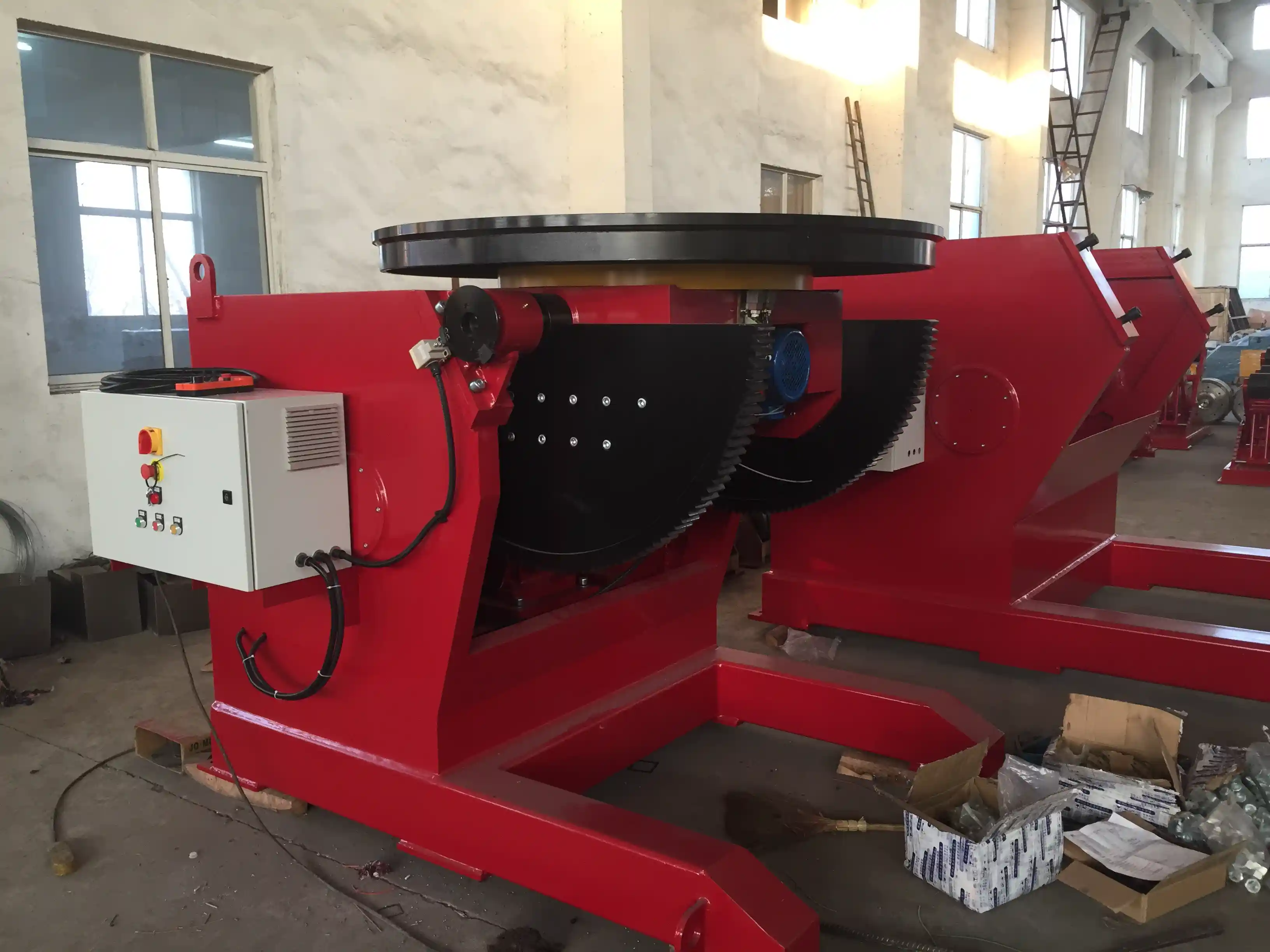
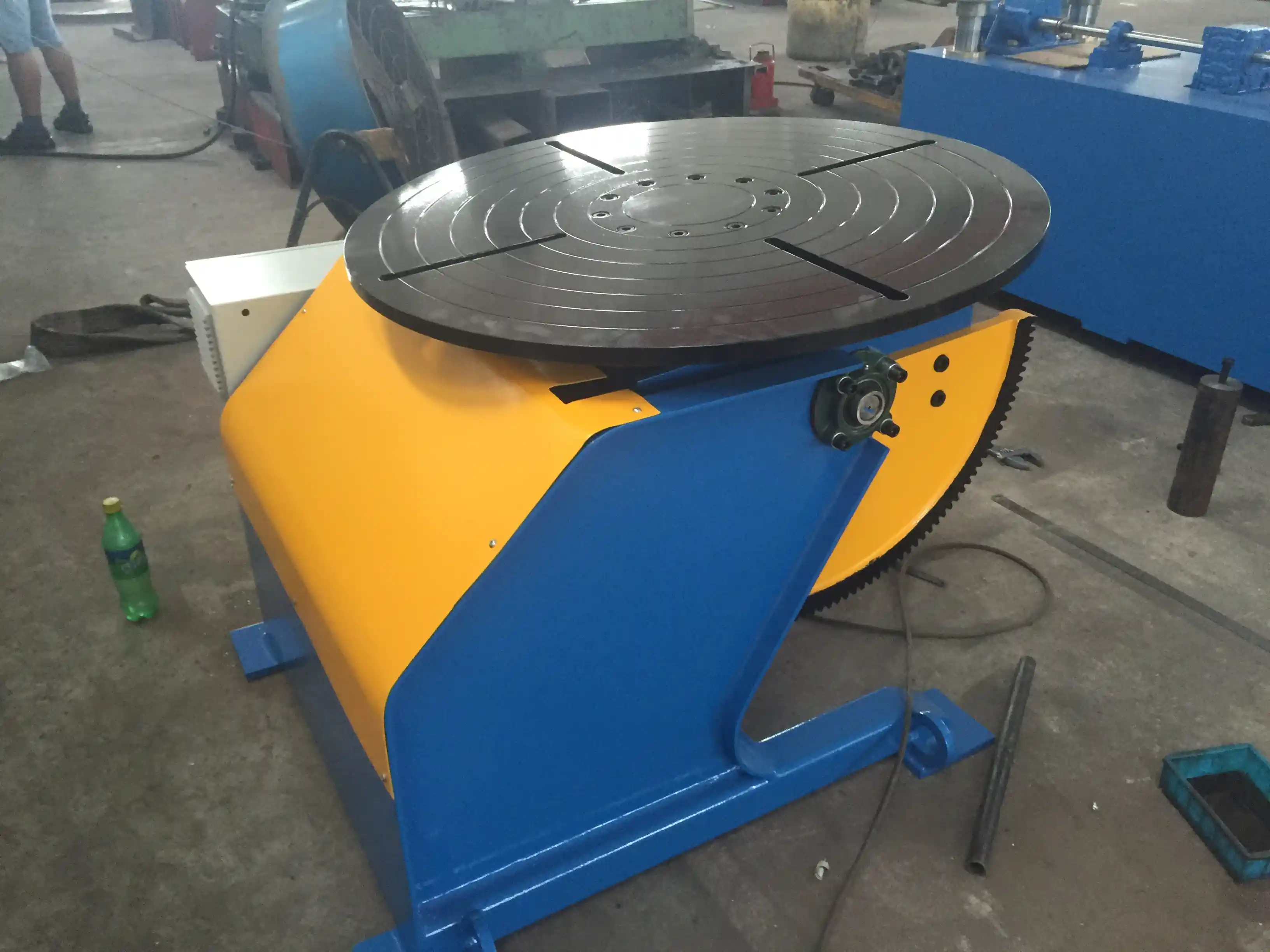
Fornecedores de posicionadores de soldadura provide crucial flexibility in workpiece manipulation, allowing fabricators to orient membrane panels for optimal welding access. This capability enables all welds to be performed in the flat or horizontal position, which inherently reduces distortion due to gravity and allows for higher deposition rates with better quality. Our 3-axis welding positioners, such as the Triple Axis Positioner, offer synchronized turning, rotating, and tilting actions. This precise control ensures that the weld pool remains stable, minimizing sag and uneven heat distribution, which are common causes of distortion.
For more insights, refer to Capacitando a fabricação de vasos de pressão Como os posicionadores de soldagem se tornam o principal motor de qualidade e eficiência.
3. Integrating advanced rotators for uniform heat distribution
Fabricantes de rotores de soldadura offer solutions designed to rotate cylindrical or large, curved membrane panels at a controlled speed. This continuous rotation ensures uniform heat distribution during circumferential welding, preventing localized heat buildup that can lead to distortion. Our adjustable height welding rotators, such as the HGK series, provide precise speed control and robust support for heavy workpieces. By maintaining a consistent welding speed and torch angle relative to the rotating workpiece, these rotators help achieve uniform weld beads and minimize thermal stresses, contributing significantly to distortion control.

Partner with WUXI ABK for Advanced Welding Solutions
Controlling distortion in membrane panel welding is challenging but manageable with the right approach and equipment. At WUXI ABK MACHINERY CO., LTD, we provide advanced welding automation solutions, including high-precision welding manipulators, versatile welding positioners, and robust rotators. Our focus on innovation and quality helps you improve weld quality, limit distortion, and raise productivity. Contact us today to discuss your fabrication needs and see how our tailored solutions can strengthen your operations.
Telemóvel: +86-13815101750
Fax: +86-510-83559158
Tel: +86-510-83555592
Correio eletrónico: jay@weldc.com
FAQs
1. What is membrane panel welding and why is distortion a significant concern?
Membrane panel welding joins tubes with fin strips to create large, intricate structures for boilers and heat exchangers. Distortion matters because repeated welding on complex geometry generates substantial thermal stresses. Uneven expansion and contraction cause warpage, misalignment, and reduced structural integrity, raising rework risk and the chance of performance issues in service.
2. How does heat input directly contribute to welding distortion?
Heat input drives thermal expansion during welding, followed by contraction as the metal cools. When heat is excessive or poorly controlled, temperature differences grow across the workpiece. As the weld solidifies and shrinks, it pulls on adjacent material, building internal stresses that show up as buckling, angular distortion, or other deformations.
3. Can material selection influence the degree of distortion in membrane panels?
Yes. Materials with higher coefficients of thermal expansion change dimension more with temperature, leading to greater distortion. Lower yield strength also makes a material more likely to deform under welding-induced stresses. Selecting materials with favorable thermal and mechanical properties lowers the tendency to distort.
4. What are the most effective clamping techniques for preventing distortion?
The strongest results come from rigid fixtures that apply uniform pressure across the workpiece. Balanced, well-placed clamps restrain movement and absorb thermal stresses. Modular or custom fixturing helps match different panel configurations, and symmetrical clamping patterns counter expected shrinkage.
5. How do WUXI ABK’s welding manipulators and positioners aid in distortion control?
WUXI ABK’s welding manipulators keep torch motion and parameters consistent, cutting variability in heat input—the main driver of distortion. Our welding positioners orient work for flat or horizontal welding, which often reduces distortion while improving bead quality. Together, they boost accuracy, reduce manual error, and help deliver uniform, low-distortion welds.
 English
  Español
  Français
  Deutsch
  Português
  Русский