
Vibration in a welding manipulator shows up in ways you don’t always expect at first. Sometimes it’s a subtle drift in the weld bead that only becomes obvious after a few passes. Other times it’s a noise—something grinding or rattling—that makes you stop and listen more carefully. Either way, once you notice it, you can’t ignore it. The problem rarely fixes itself, and the longer it runs unchecked, the more it costs in rework, downtime, and wear on components that weren’t cheap to begin with. This piece walks through how to identify where vibration originates, what repair approaches actually work, and how to keep the problem from coming back.
Why Vibration Happens and What It Does to Your Operation
Stability matters more than most people realize when running a welding manipulator. Even small amounts of vibration can throw off positioning accuracy, and that shows up directly in the finished weld.
Mechanical imbalances cause most of the problems we see. Bearings wear down over time, especially in high-load areas like the column rotation or boom traverse. Gears develop play. Drive shafts accumulate fatigue. A worn slewing bearing in a Welding Manipulator introduces instability that spreads through the entire structure. Misalignment compounds the issue—when the column and boom don’t sit perfectly square, or when linear guideways develop slack, the system fights itself during movement. Loose fasteners seem minor until you realize how much play they introduce.
Electrical problems contribute too. A motor with an unbalanced rotor transmits vibration through every connected component. Faulty windings create inconsistent torque. Power supply fluctuations or control system glitches cause jerky movements that the mechanical structure has to absorb.
Operational choices matter as well. Running beyond rated load capacity during dynamic movements stresses the frame. Poor leveling at installation compromises rigidity from day one. Skipped maintenance—especially lubrication—accelerates wear in ways that become expensive to reverse.
The consequences extend beyond weld quality, though that’s usually where people notice first. Porosity, poor penetration, inconsistent bead profiles—all of these force rework. But vibration also shortens the life of reducers, linear guides, and bearings. It creates safety concerns when movements become unpredictable. Effective vibration analysis and root cause identification prevent these cascading problems.
Finding the Source Through Systematic Diagnosis
Accurate diagnosis comes before effective repair. Guessing wastes time and money. A structured approach considers all potential factors through visual inspection, sensory observation, and instrumented measurement.
What are the common signs of excessive vibration in a welding manipulator?
Excessive vibration shows up through several distinct indicators. Unusual noises—grinding, rattling, or humming—often come from specific components and point directly to the problem area. Erratic movement where the boom or carriage deviates from programmed paths signals mechanical or electrical issues. Weld inconsistencies like uneven beads, spatter patterns, or porosity provide direct evidence of torch instability. These symptoms together indicate underlying problems that need immediate attention.
Visual inspection comes first. Technicians should examine structural components—column, boom, carriage—for visible damage, cracks, or deformation. Every fastener and mounting bolt needs checking for proper torque. Cables and hoses require inspection for wear or interference with moving parts.
Sensory checks provide useful preliminary data. Listening during operation often reveals the general location of vibration sources. Touching components (carefully, during safe conditions) can identify areas of excessive heat or localized vibration. Watching the weld bead during operation shows the severity and character of instability in real time.
Instrumented measurement adds precision. Accelerometers measure vibration frequencies and amplitudes at multiple points, helping identify resonant frequencies and specific component failures. Thermal imaging cameras detect overheating bearings or motors that indicate mechanical friction or electrical problems. Continuous monitoring through sensor technology enables predictive maintenance—catching problems early before they cause failures.
| Diagnostic Check | Potential Cause | Recommended Action |
|---|---|---|
| Loose Fasteners | Structural instability | Tighten to manufacturer specifications |
| Unusual Noises | Worn bearings/gears | Inspect and replace components |
| Erratic Movement | Motor/Encoder issues | Calibrate or replace faulty electrical parts |
| Visible Component Wear | Lack of lubrication | Lubricate and replace worn parts |
| Unstable Weld Bead | General vibration | Perform comprehensive system alignment |
For related insights on process optimization, 《Improving Quality and Efficiency in Tank and Pressure Vessel Manufacturing: The Core Application Value of Positioners》 covers complementary ground.
Repair Approaches That Actually Restore Stability
Once you’ve identified the source, repair work can proceed with confidence. Effective repairs typically address mechanical components, electrical systems, and structural integrity—sometimes all three.
Mechanical repairs usually involve replacing worn or damaged parts. Bearings fail most often in high-load areas, and replacement requires precision to ensure proper seating and lubrication. Gearbox problems—worn teeth, inadequate lubrication, contamination—require disassembly, inspection, and selective component replacement. For manipulators with motorized travel, wheel alignment and condition affect everything above them. Dynamic balancing of rotating components like motor rotors makes a measurable difference in vibration levels.
Electrical repairs address motor issues, sensor failures, and control problems. This might mean replacing damaged motor windings, recalibrating encoders, or updating control software. Stable power supply and proper grounding prevent electrical interference that causes erratic movements.
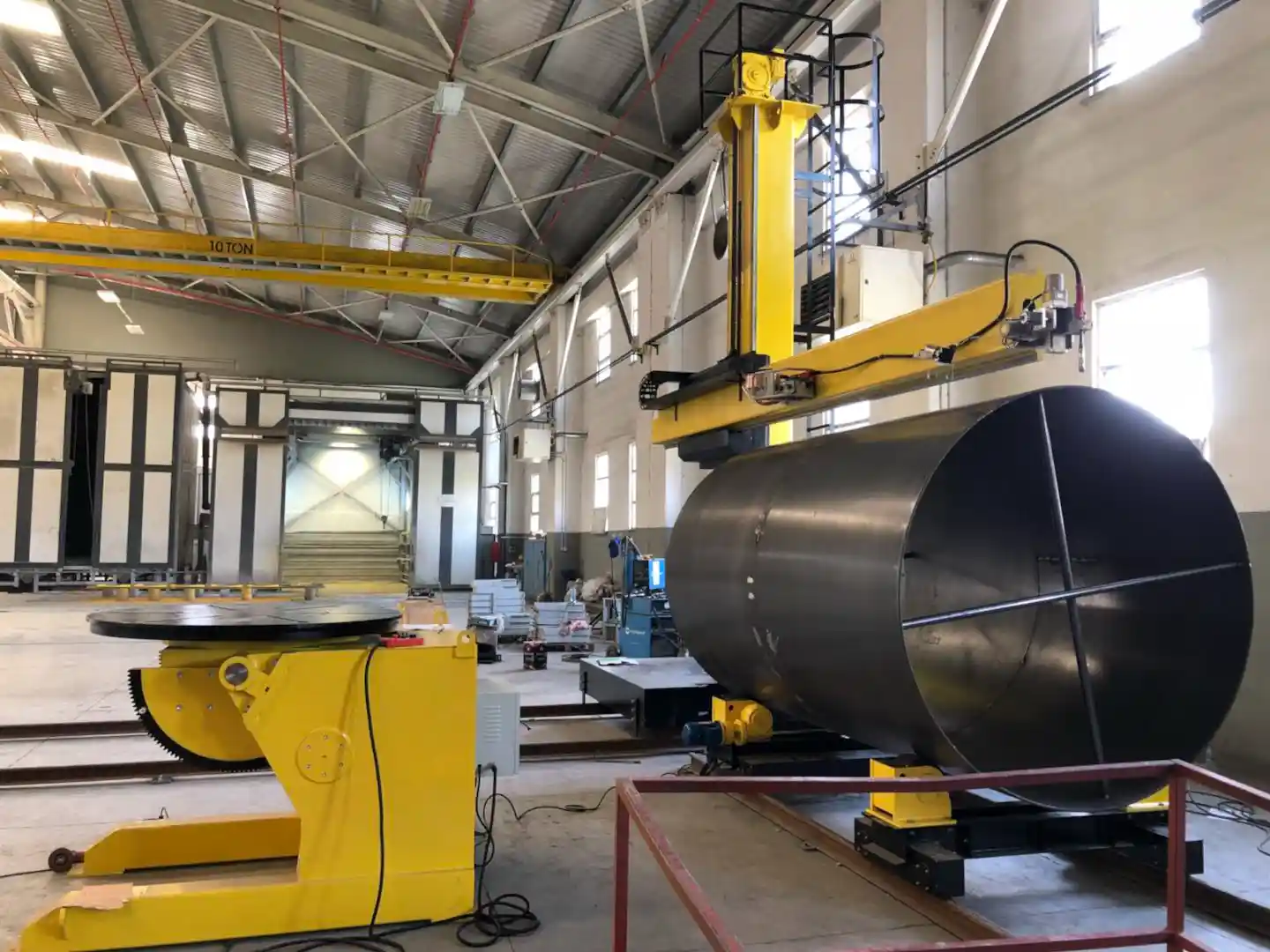
Structural integrity requires careful attention. Cracks or deformations in the main frame or boom need expert welding repair and reinforcement. All critical bolts should be re-torqued to manufacturer specifications. In some cases, adding structural dampeners helps absorb residual vibrations that can’t be eliminated at the source. Regular inspection of the Welding Manipulator structure, including high-strength box-beam construction, prevents these issues from developing unnoticed.
Maintenance Practices That Prevent Recurrence
Preventative maintenance does more to ensure long-term vibration-free operation than any single repair. Proactive measures extend equipment life and reduce unplanned downtime.
Why is regular maintenance crucial for welding manipulators?
Regular maintenance directly impacts both production efficiency and equipment longevity. Consistent care catches minor issues before they become major failures, reducing unplanned downtime. It preserves the precise positioning accuracy that high-quality welds require. A robust maintenance schedule translates into lower operational costs and more reliable output over the equipment’s service life.
A comprehensive maintenance schedule should include checks at multiple intervals. Daily tasks cover visual inspections for loose components, cleaning welding spatter, and verifying lubrication levels. Weekly checks include cable integrity verification and safety interlock testing. Monthly tasks involve inspecting drive mechanisms, checking bolt torque, and assessing wear on linear guides. Annual maintenance should include more thorough work—replacing bearings and seals, re-lubricating all moving parts, and recalibrating positioning systems.
Calibration maintains accuracy over time. Manipulators with positioning accuracy specifications of ±0.1 mm/m require regular calibration to maintain that precision. This includes verifying column and boom alignment, adjusting linear guideways, and checking encoder feedback. Proper lubrication with specified industrial-grade lubricants reduces friction and wear on moving parts—a common vibration source.
| Maintenance Interval | Task Description | Expected Benefit |
|---|---|---|
| Daily | Visual inspection, clean spatter, check lubrication | Early detection of issues, reduced friction |
| Weekly | Cable inspection, safety interlock test | Enhanced operator safety, prevent electrical faults |
| Monthly | Inspect drive mechanisms, torque bolts | Maintain structural integrity, smooth operation |
| Annually | Bearing/seal replacement, re-lubrication, calibration | Extend equipment lifespan, restore precision |
These preventative measures keep manipulators operating at peak performance and minimize vibration-related problems. For specific equipment like L-Type Welding Positioners, manufacturer documentation provides detailed maintenance recommendations.
When Standard Repairs Aren’t Enough
Complex or persistent vibration issues sometimes require advanced solutions and manufacturer expertise. Specialized technology and direct support can resolve problems that standard approaches don’t address.
Modern welding manipulators often integrate features specifically designed for stability and precision. High-strength box-beam structures, linear guideways, and cycloidal reducers all contribute to robust welding manipulator stability. Equipment with positioning accuracy of ±0.1 mm/m serves demanding applications like wind tower welding and pressure vessel fabrication where vibration tolerance is minimal.
Advanced diagnostic tools with spectral analysis capabilities can identify subtle imbalances or component wear that visual inspections miss. These tools enable precise root cause identification and targeted repairs. Manufacturer repair services provide access to proprietary knowledge, genuine replacement parts, and technicians who understand the specific mechanics and electronics of their equipment.
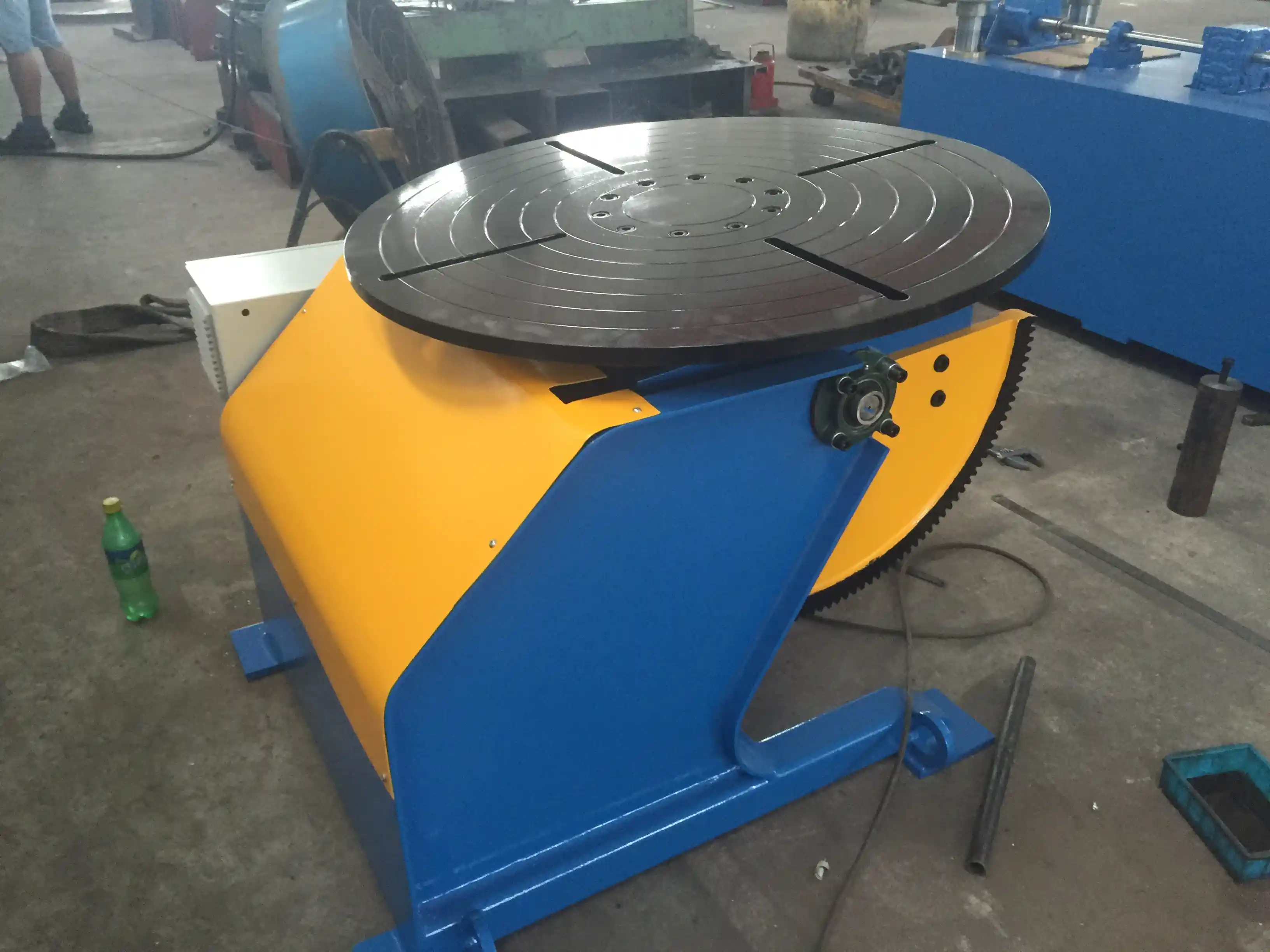
Upgrades can also address vibration issues in older machines. Retrofitting with newer drive systems, improved linear guides, or enhanced control systems can significantly improve reliability and extend operational life. Equipment designed for durability and precision minimizes vibration from the outset.
Lessons from Real Vibration Problems
Real-world examples show how systematic diagnosis and repair resolve welding manipulator vibration challenges. These cases illustrate different scenarios and what actually worked.
A heavy steel structure manufacturer experienced inconsistent weld quality from excessive vibration in their Welding Manipulator. Initial inspections found minor bearing wear in several locations. Detailed vibration analysis using accelerometers identified an unbalanced motor rotor as the primary cause—something visual inspection alone wouldn’t have caught. Dynamic balancing of the motor combined with bearing replacement eliminated the vibration completely, restoring consistent weld quality and improving production efficiency.
A pressure vessel welding facility faced intermittent vibration that proved difficult to diagnose. The problem appeared as erratic boom movement during specific welding sequences. By monitoring electrical signals with sensor technology and working through possibilities systematically, technicians traced the issue to a faulty encoder in the boom’s drive system. Replacing the encoder and recalibrating the control system resolved the problem, ensuring precise and vibration-free longitudinal seam welding.
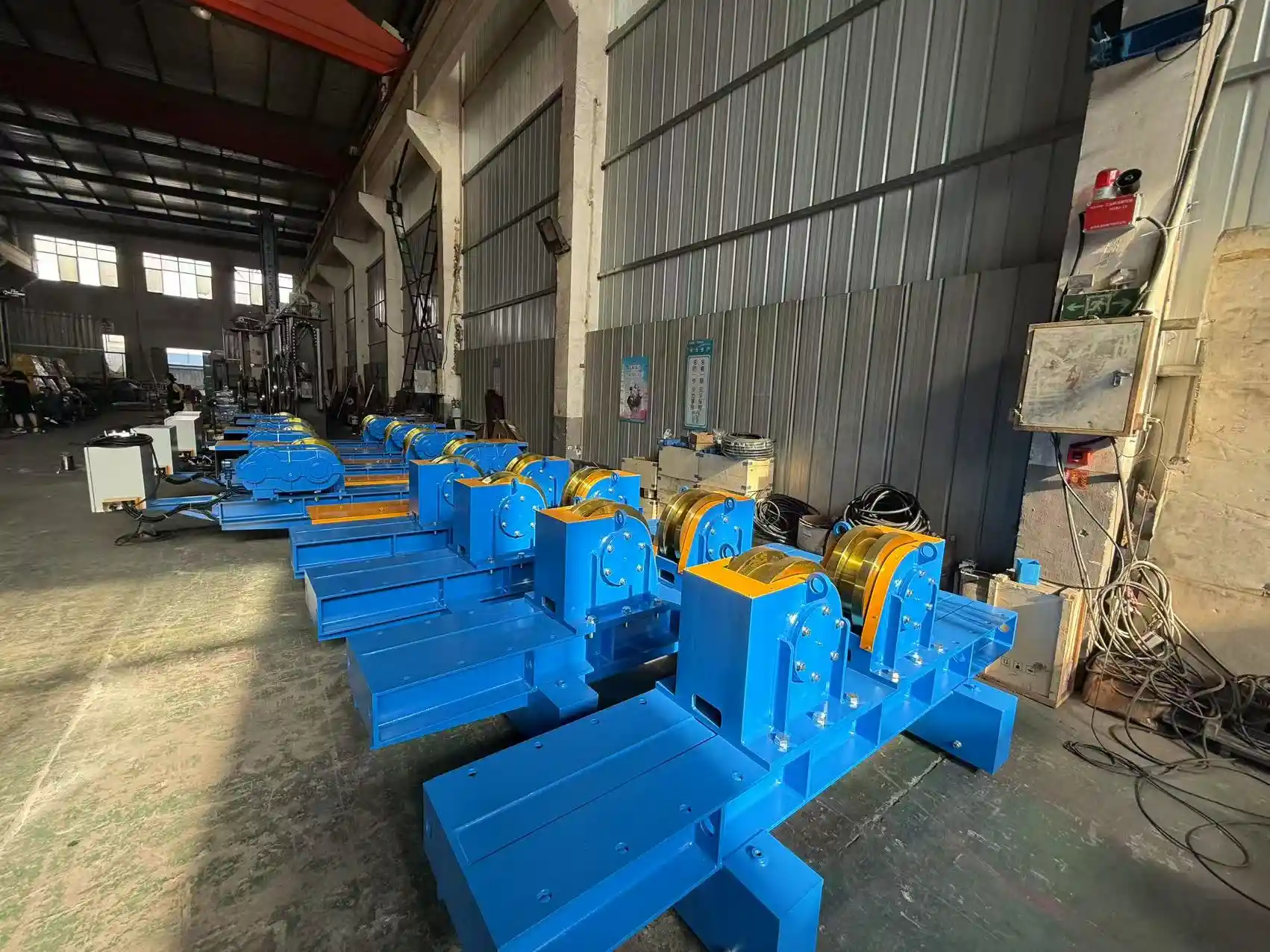
A wind tower fabrication plant had a large manipulator with structural instability causing significant weld defects. Investigation revealed loosened mounting bolts and minor fatigue cracks in the column’s base—the result of years of heavy-duty operation without adequate inspection. Reinforcing the structure, tightening all fasteners, and implementing a stricter preventative maintenance schedule restored the manipulator’s original stability. These cases demonstrate that effective vibration problem solving often requires addressing mechanical, electrical, and structural factors together.
Partner with WUXI ABK MACHINERY for Optimal Welding Performance
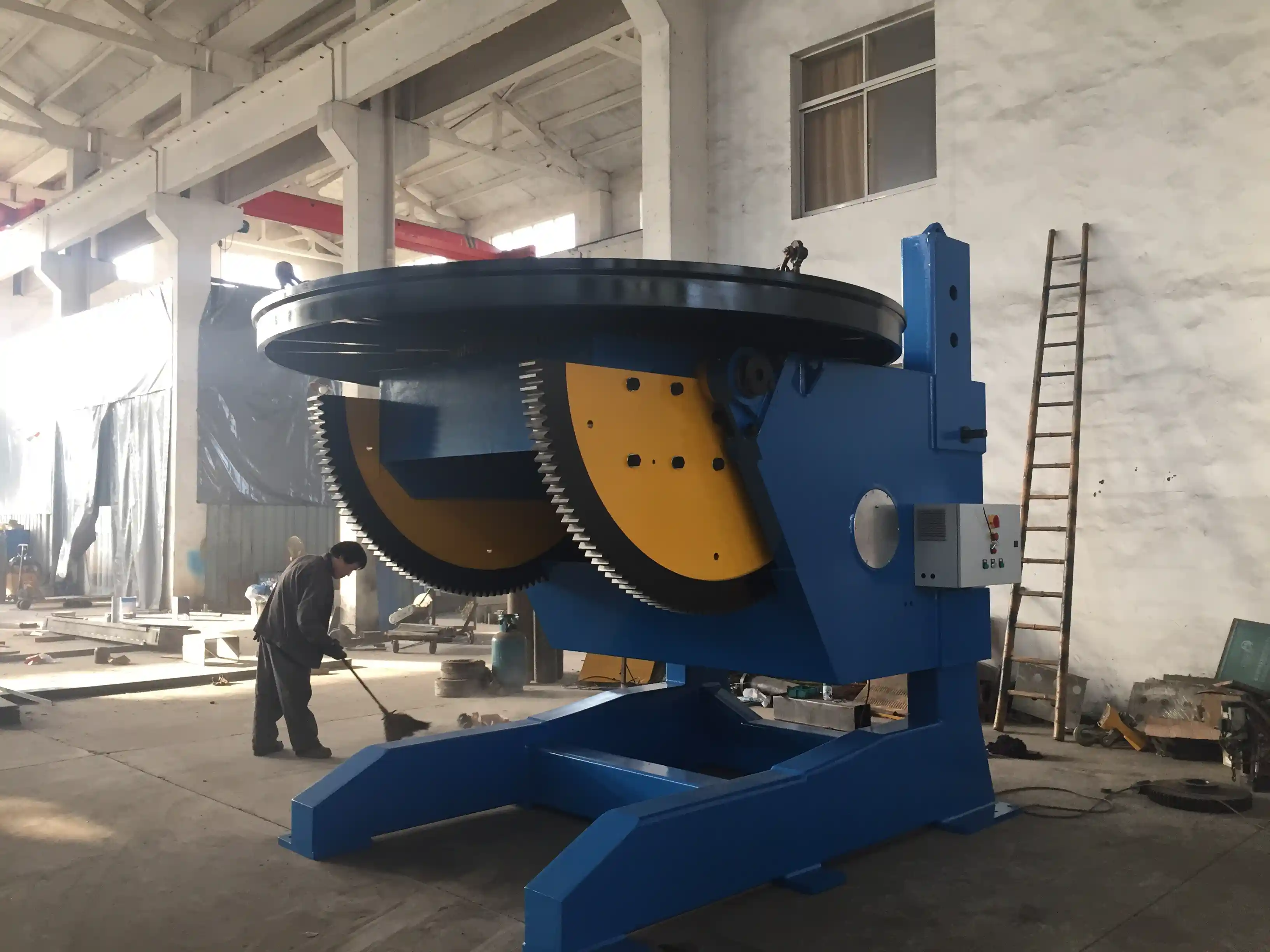
Ensure the peak performance and longevity of your welding manipulators with WUXI ABK MACHINERY CO., LTD. As a trusted manufacturer of high-quality welding equipment since 1999, we offer unparalleled expertise in diagnosis, repair, and preventative solutions. Contact our specialists today for a consultation or to explore our range of reliable welding manipulators and support services. Partner with us to achieve seamless, vibration-free welding operations.
Email: jay@weldc.com
Tel: +86-510-83555592
Frequently Asked Questions About Welding Manipulator Vibration
When should I call a professional for welding manipulator repair?
Professional help makes sense when basic troubleshooting hasn’t resolved the vibration, when the issue involves complex components like gearboxes or motors, or when you lack specialized diagnostic tools. Manufacturers can provide in-depth vibration analysis and ensure repairs last.
Can welding manipulator vibration affect weld quality?
Vibration directly compromises weld quality. It causes inconsistencies, porosity, poor penetration, and uneven bead profiles. Beyond the immediate rework costs, it can weaken the structural integrity of welded components. Addressing vibration promptly protects both quality and efficiency.
What are the long-term consequences of ignoring welding manipulator vibration?
Ignoring vibration leads to accelerated component wear, premature equipment failure, and higher maintenance costs over time. It creates safety hazards for operators and causes prolonged downtime. Production output suffers, weld quality declines, and both bottom line and reputation take hits that compound the longer the problem persists.
 English
  Español
  Français
  Deutsch
  Português
  Русский