Tube production has changed. The old way—weld here, move there, bend somewhere else—created gaps where quality slipped and time disappeared. Combining welding and bending into one continuous flow closes those gaps. Less handling means fewer chances for things to go wrong, and cycle times drop in ways that actually show up on the production floor.
Why Integration Changes Everything in Tube Fabrication
Bringing welding and bending together on a single line does more than save floor space. It removes the pauses, the transfers, the moments when a tube sits waiting for the next operation. Those pauses add up. They introduce variability. They create opportunities for damage or dimensional drift.
When tubes move directly from one process to the next, control systems can manage both welding and bending parameters together. Adjustments happen in real time. Dimensional accuracy stays tight because nothing gets bumped, shifted, or re-fixtured between stages. Wind tower welding lines and H beam welding lines already demonstrate this principle at scale—integration improves both output rates and structural consistency.
Welding Technologies That Fit Automated Lines
Not every welding method works equally well in an integrated setup. The technology has to match the speed, precision, and automation requirements of continuous production.
Laser welding runs fast with minimal heat input. Distortion stays low, which matters when the next step is bending to tight tolerances. Orbital welding systems deliver consistent, high-integrity seams on pipes and tubes—the kind of repeatability that manual welding simply cannot match. Plasma welding handles situations requiring deep penetration with precision.
Each approach has its place. The selection depends on tube material, wall thickness, production volume, and final application requirements. Pipe welders designed for automated lines reduce manual intervention and push throughput higher.
Keeping Weld Quality Consistent at Production Speed
Automated lines run fast. Maintaining weld quality at that pace requires more than good equipment—it demands real-time monitoring and feedback.
Sensors track current, voltage, and travel speed continuously. Deviations trigger immediate adjustments. Non-destructive testing catches defects before tubes move downstream, cutting rework and scrap.
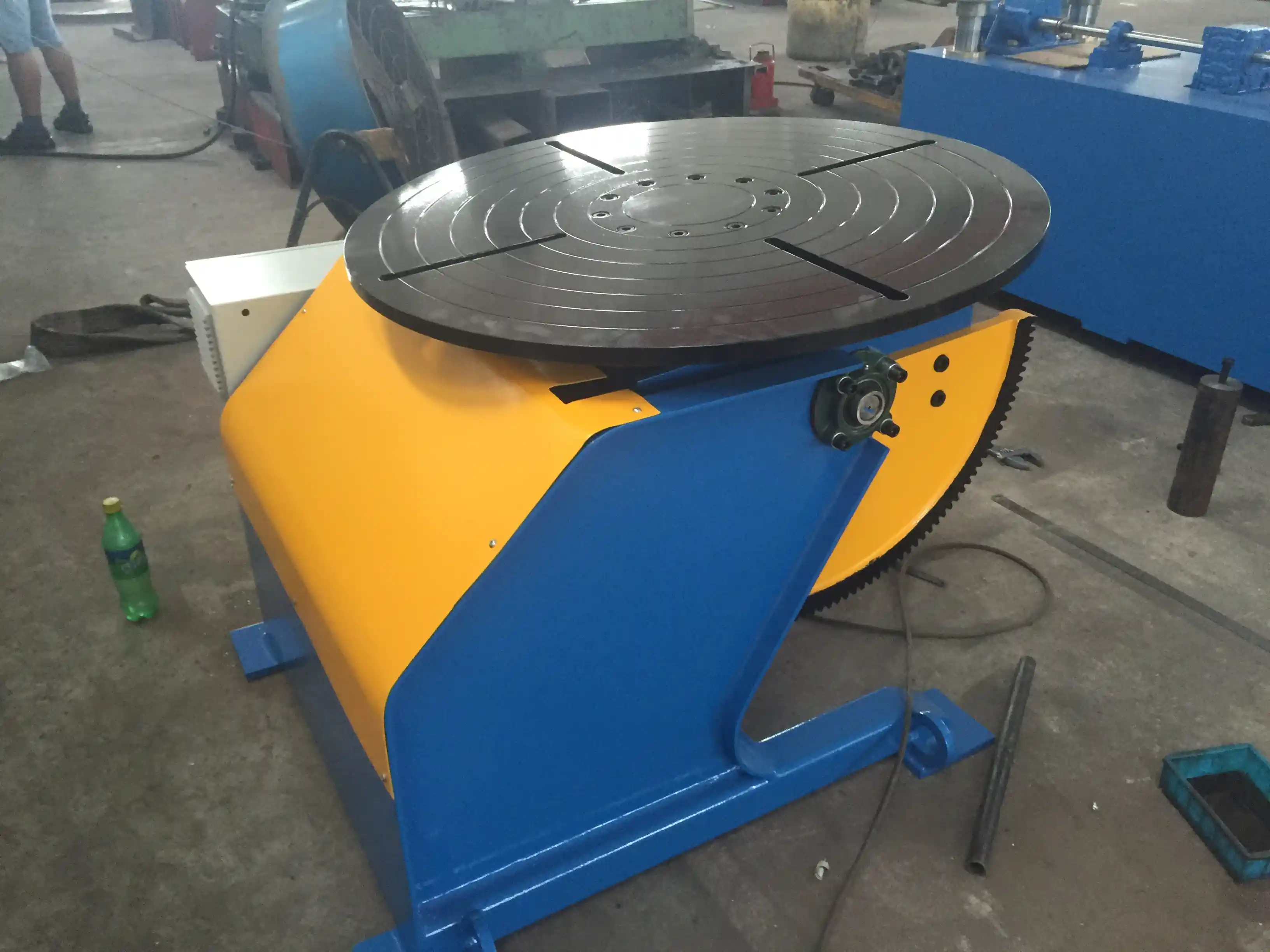
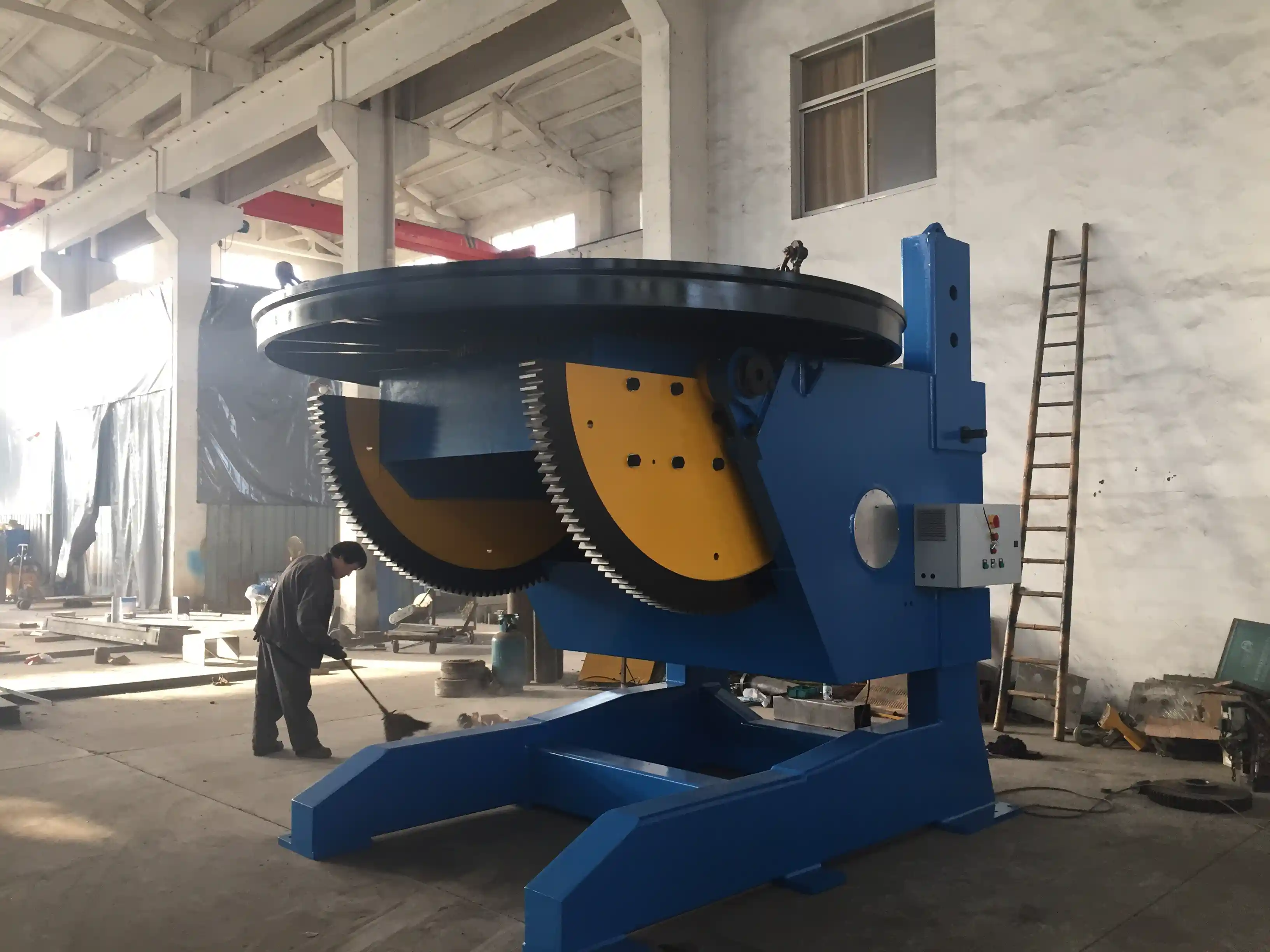
Equipment precision matters here. The LH8080 welding manipulator holds ±0.1 mm/m positioning accuracy for longitudinal and circumferential seams. That level of control shows up in applications like pressure vessel welding and wind tower fabrication, where weld integrity is non-negotiable. Welding positioners maintain the tube orientation that makes consistent quality possible.
Article Recommendation: If you are interested in enhancing your welding operations, you should read 《Welding Manipulators for Wind Tower Fabrication: Revolutionizing Production Efficiency》.
Bending Methods That Work Within Integrated Systems
Bending precision determines whether tubes fit their intended assemblies without rework. In an integrated line, bending has to deliver accuracy that matches the welding quality upstream.
CNC bending provides tight control over angles and radii. Rotary draw bending handles tight-radius work while maintaining tube integrity—no flattening, no wrinkling. Roll bending creates large-radius curves and continuous arcs efficiently.
Automated bending systems cut setup times significantly. Material waste drops because the process runs closer to theoretical limits. Bent tubes come off the line ready for welding without additional fitting or adjustment.
Automation in Bending Eliminates Common Bottlenecks
Robotic bending systems perform the same motion thousands of times with identical results. Human operators cannot match that consistency over an eight-hour shift, let alone continuous production runs.
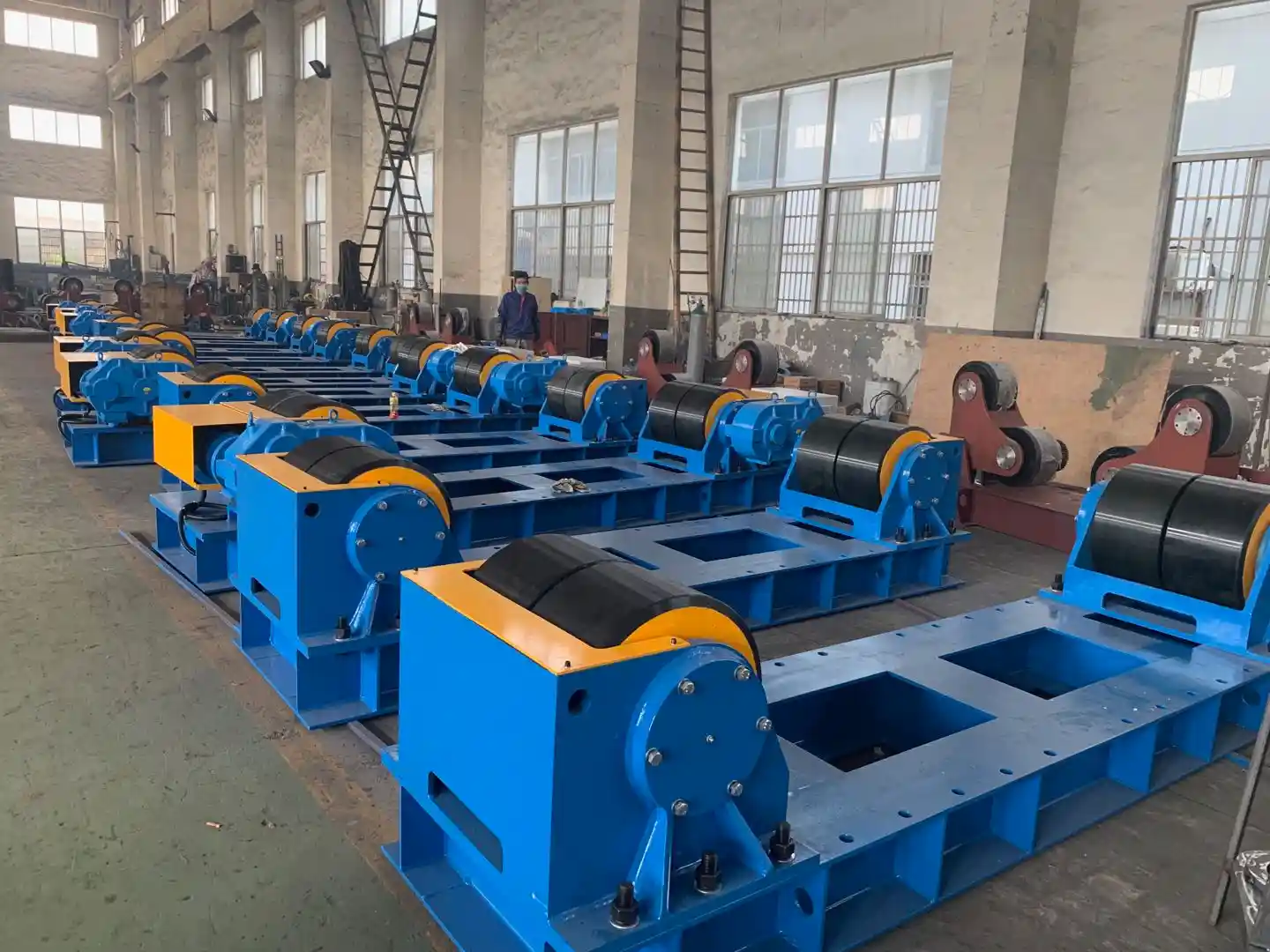
Automated material handling moves tubes between bending and welding stations without manual intervention. This eliminates the wait times that accumulate when operators are busy elsewhere or when shift changes create gaps.
The result is higher uptime, faster cycles, and fewer quality variations. Lean production principles apply naturally when the line runs continuously without the stop-start rhythm of manual operations.
Article Recommendation: For further insights into optimizing your production processes, consider reading 《Low Efficiency in Pipeline Group Welding: How Intelligent Roller Racks Increase Productivity by 50%》.
What Integration Actually Delivers
The benefits of combining welding and bending show up in measurable ways. Scrap rates fall because fewer handling steps mean fewer opportunities for damage or error. Dimensional accuracy improves because automated processes hold tighter tolerances than manual operations.
Faster cycle times translate directly to shorter lead times. Cost reductions come from multiple sources: lower labor requirements, less material waste, reduced rework, and higher equipment utilization.
| Benefit Category | Impact of Integration | Key Metric Improvement |
|---|---|---|
| Quality | Reduced defects | 15-20% fewer rejections |
| Efficiency | Faster cycle times | 25-30% increase in throughput |
| Cost | Lower labor & scrap | 10-15% reduction in operational costs |
| Accuracy | Consistent dimensions | ±0.05 mm repeatability |
| Time-to-Market | Accelerated production | 20% faster delivery |
The 3 Axis Welding Positioner, with ±0.05 mm positioning accuracy, represents the kind of equipment that makes these numbers achievable.
Article Recommendation: To understand how advanced positioning equipment can further revolutionize your operations, explore 《Tired of Complex Welding Challenges? How a 3-Axis Positioner Can Boost Productivity by 70%》.
Where Integrated Tube Production Is Heading
AI and IoT are changing what automated lines can do. Predictive maintenance uses sensor data and machine learning to anticipate equipment failures before they cause unplanned downtime. That shift from reactive to proactive maintenance changes the economics of production significantly.
IoT sensors throughout the line provide continuous data on machine performance and product quality. This information feeds into control systems that make dynamic adjustments, optimizing parameters in real time rather than relying on fixed settings.
Industry 4.0 principles point toward production lines that adapt autonomously to changing conditions. The technology exists now; implementation is accelerating.
Frequently Asked Questions About Integrated Tube Production
How does integrated welding and bending improve tube production efficiency?
Integrating welding and bending processes significantly enhances tube production efficiency by minimizing material handling, reducing cycle times, and improving overall workflow. This seamless transition between stages leads to fewer bottlenecks and higher throughput, directly impacting operational productivity and cost-effectiveness in the tube production line.
What are the benefits of automating tube production lines?
Automating tube production lines, especially with integrated welding and bending, offers numerous benefits including increased precision, enhanced product quality, reduced labor costs, improved safety, and greater scalability. Automation ensures consistent output, minimizes human error, and allows for continuous operation, making the entire tube production process more reliable and efficient.
What advanced technologies are used in modern tube welding and bending processes?
Modern tube welding and bending processes integrate advanced technologies such as laser welding, orbital welding, CNC bending, and robotics. These technologies enable high-speed, high-precision operations, complex geometry fabrication, and real-time quality monitoring. The use of AI and IoT is also growing, facilitating predictive maintenance and smart manufacturing within the integrated tube production line.
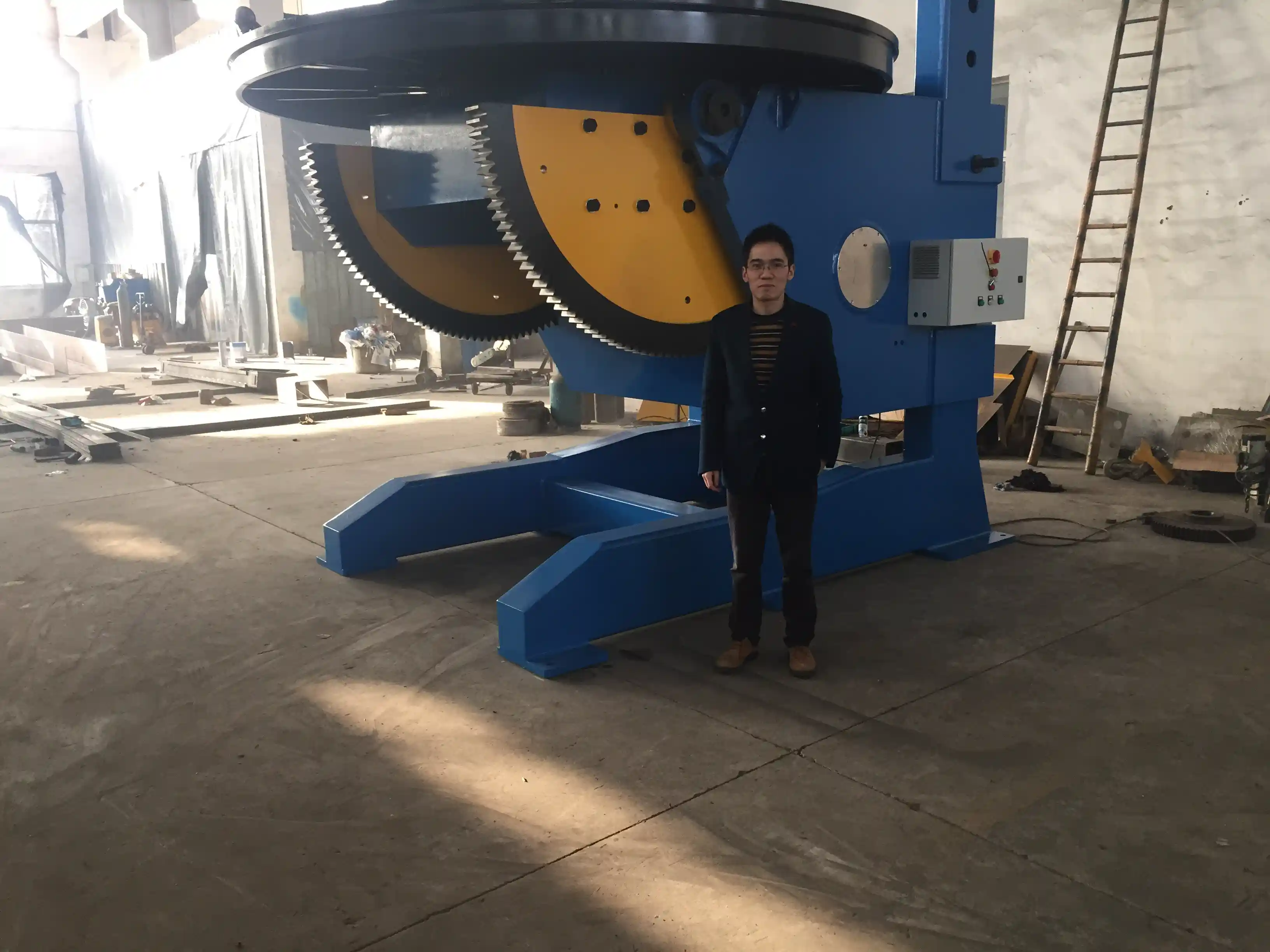
Partner with WUXI ABK for Advanced Manufacturing Solutions
Elevate your tube production capabilities with WUXI ABK MACHINERY CO., LTD.’s advanced welding and CNC cutting solutions. Contact us today to discuss how our expertise in wind tower welding lines, H beam welding lines, and pipe welders can optimize your integrated manufacturing processes. Partner with us for unparalleled precision and efficiency.
Mobile: +86-13815101750
Fax: +86-510-83559158
Tel: +86-510-83555592
Email: jay@weldc.com
 English
  Español
  Français
  Deutsch
  Português
  Русский