
Manufacturing floors have changed more in the last decade than in the previous fifty years combined. Smart CNC cutting sits at the center of that shift, pulling together sensors, software, and machine intelligence into systems that actually respond to what’s happening in real time. For companies trying to stay competitive, this isn’t optional anymore. The gap between factories running traditional CNC setups and those operating with Industry 4.0 capabilities grows wider every quarter.
How Industry 4.0 Principles Reshape CNC Cutting Operations
Industry 4.0 brings together several technologies that, individually, have existed for years. The difference now is how they work as a system. Internet of Things sensors, artificial intelligence, Big Data analytics, and cloud computing don’t just coexist in modern CNC environments—they feed each other continuously.
The result is what engineers call cyber-physical systems. Your physical cutting machine generates data. That data flows to analytics platforms. Those platforms identify patterns and push adjustments back to the machine. The loop closes in seconds, not hours.
Digital twin technology adds another layer. A virtual replica of your CNC machine runs parallel to the physical one, letting you test parameter changes or simulate production scenarios without risking actual equipment. When you’ve validated an optimization in the digital environment, you push it to the real machine with confidence.
This integration creates manufacturing environments that respond to problems before operators even notice them.
IoT Sensors and Analytics Drive Real-Time CNC Intelligence
Every modern smart CNC cutting system relies on embedded sensors collecting operational data continuously. Spindle speed, bearing temperature, vibration signatures, tool wear patterns—all of it streams into analytics platforms without interruption.
The value isn’t in the data itself. Raw numbers from a thousand sensors mean nothing without context. Advanced analytics platforms transform that stream into actionable intelligence. Predictive algorithms identify the subtle patterns that precede equipment failures, often days or weeks before any visible symptoms appear.
This shifts maintenance from reactive to proactive. Instead of scrambling when a spindle fails mid-production, you schedule the replacement during planned downtime. The financial impact compounds quickly—less scrap, fewer emergency repairs, more consistent output.
Remote visibility changes management dynamics too. Production supervisors can monitor performance metrics from anywhere, comparing real-time output against targets and identifying bottlenecks without walking the floor.
Automated Workflows Transform CNC Cutting Throughput
Automation in smart CNC cutting goes far beyond robotic arms loading material. Machine learning algorithms now optimize cutting parameters, adjust tool paths dynamically, and reschedule production based on real-time demand signals.
The integration works both ways. Automated material handling systems feed CNC machines continuously, eliminating the idle time that accumulates when operators manually load stock. Robotic systems handle finished parts, moving them to inspection stations or secondary operations without human intervention.
Machine learning brings adaptability that traditional automation couldn’t achieve. When material properties vary slightly between batches—and they always do—adaptive algorithms compensate automatically. Tool paths adjust. Feed rates shift. The output stays consistent even when inputs fluctuate.
This level of automation delivers higher precision alongside increased throughput. The two benefits used to trade off against each other. Smart CNC cutting systems achieve both simultaneously.
Productivity Gains and Downtime Reduction in Smart CNC Environments
The productivity improvements from smart CNC cutting come from multiple sources working together. Predictive maintenance alone can reduce unplanned downtime by 30-50% in well-implemented systems. When you know a bearing will fail in two weeks, you order the replacement now and schedule the swap during a shift change.
Remote diagnostics accelerate problem resolution dramatically. A technician reviewing sensor data from home can often identify the root cause before the on-site team finishes their initial inspection. Sometimes the fix is a parameter adjustment pushed remotely—no truck roll required.
Adaptive control systems handle the variations that used to require operator judgment. Material hardness differs slightly from the specification sheet. Tool edges wear unevenly. Ambient temperature affects machine geometry. Smart CNC cutting systems sense these variations and compensate in real time, maintaining tolerances that manual adjustments couldn’t match consistently.
The cumulative effect extends machine lifespan significantly. Equipment running within optimal parameters, with maintenance performed before damage accumulates, lasts years longer than machines operated reactively.
Implementation Challenges Require Strategic Planning
Adopting Industry 4.0 capabilities in CNC operations isn’t plug-and-play. Several obstacles trip up companies that underestimate the complexity.
Data security concerns are legitimate. Manufacturing data—production volumes, process parameters, customer specifications—has real competitive value. Connecting CNC machines to networks creates attack surfaces that didn’t exist when equipment ran in isolation. Robust cybersecurity protocols aren’t optional.
Legacy equipment integration presents technical puzzles. A CNC machine from 2008 wasn’t designed with IoT connectivity in mind. Retrofit solutions exist, but they require careful evaluation. Sometimes the cost-benefit analysis favors replacement over integration.
The workforce skill gap may be the most persistent challenge. Operators who’ve spent careers running traditional CNC equipment need training on new interfaces, data interpretation, and troubleshooting connected systems. This isn’t a one-time training session—it’s an ongoing investment in human capital that parallels the technology investment.
Companies that succeed treat these challenges as planning requirements, not reasons to delay. The competitive penalty for waiting grows steeper each year.
Strategic Advantages Compound Over Time
The benefits of smart CNC cutting extend well beyond operational efficiency. Strategic advantages accumulate as systems mature and data histories deepen.
Cost savings come from multiple directions. Optimized cutting parameters reduce material waste. Predictive maintenance eliminates emergency repair premiums. Consistent quality reduces scrap and rework. Energy consumption drops when machines run at optimal settings rather than conservative defaults.
Product quality improves through automated inspection and closed-loop process control. When every part gets measured and every deviation triggers an adjustment, quality becomes systematic rather than dependent on individual operator attention.
Time-to-market compresses when design changes flow directly from CAD systems to machine controllers. The traditional handoff delays—printing drawings, programming machines manually, running test parts—shrink dramatically in integrated environments.
Sustainability benefits deserve mention too. Smart CNC cutting systems optimize energy consumption automatically, running at minimum power levels that still meet production requirements. Material utilization improvements reduce waste streams. These environmental gains increasingly matter to customers and regulators alike.
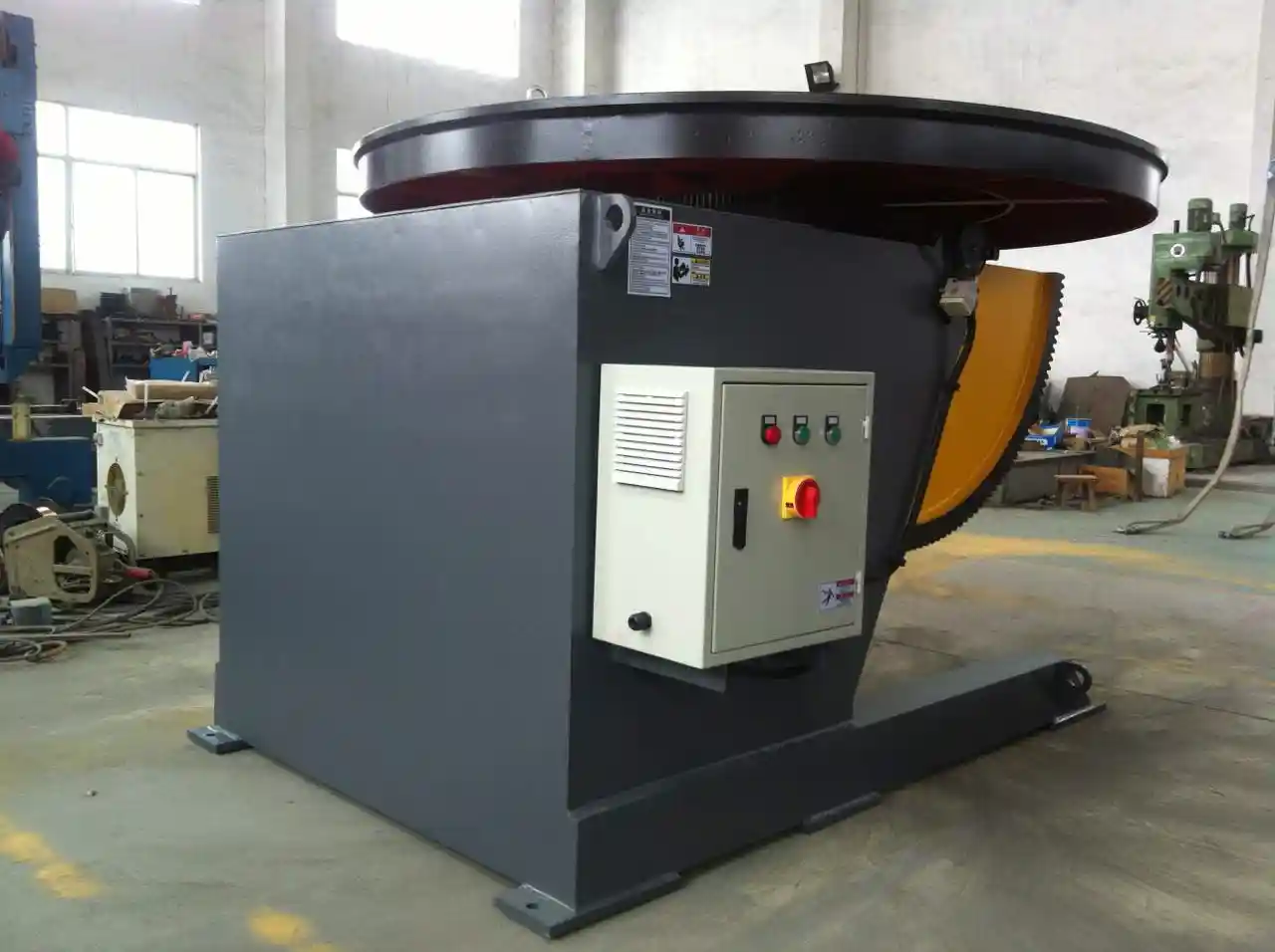
If you are interested in optimizing your production, consider exploring the advantages of 《Improving Quality and Efficiency in Tank and Pressure Vessel Manufacturing: The Core Application Value of Positioners》.
Data Integration Determines Industry 4.0 Success
The full potential of smart CNC cutting depends on data flowing seamlessly between systems that traditionally operated in silos. Enterprise Resource Planning systems hold customer orders and delivery schedules. Manufacturing Execution Systems track work-in-progress and resource allocation. CAD/CAM software contains design specifications and machining instructions.
When these systems share data in real time, the entire manufacturing chain becomes responsive. A customer order change propagates to the production schedule within minutes. Machine utilization data feeds capacity planning automatically. Quality issues trigger design reviews before defective parts ship.
Without this integration, smart CNC cutting delivers only partial benefits. You might have excellent machine-level optimization while still suffering from scheduling conflicts, inventory imbalances, or communication delays between departments. The technology investment pays off fully only when data integration matches equipment capability.
Partner with WUXI ABK MACHINERY CO., LTD for Your Industry 4.0 Journey
As a professional manufacturer of welding equipment and CNC cutting machines since 1999, WUXI ABK MACHINERY CO., LTD is uniquely positioned to empower your transition to Industry 4.0. Our robust, high-precision solutions form the bedrock for advanced automation and smart manufacturing. Contact us today at jay@weldc.com or +86-13815101750 to discuss how our expertise can drive your manufacturing excellence.
Frequently Asked Questions
What are the key challenges in integrating Industry 4.0 with existing CNC cutting operations?
Legacy equipment compatibility tops the list for most manufacturers. CNC machines installed before 2015 rarely have native IoT connectivity, requiring retrofit sensors and communication modules that add cost and complexity. Data security becomes critical once machines connect to networks—manufacturing data has competitive value and requires protection. The IT/OT convergence challenge is real: information technology teams and operations technology teams often speak different languages and have conflicting priorities. Workforce training rounds out the major hurdles, as operators need new skills to work effectively with connected systems.
How can small to medium-sized enterprises implement smart CNC cutting solutions effectively?
Start small and prove value quickly. IoT sensors for condition monitoring cost relatively little and deliver measurable maintenance savings within months. Cloud-based analytics platforms eliminate the need for expensive on-premise infrastructure. Focus initial efforts on your biggest pain points—if unplanned downtime is killing productivity, predictive maintenance sensors pay back fastest. Partner with equipment providers who understand SME constraints and can deliver modular solutions that scale as your capabilities mature.
What specific technologies enable predictive maintenance for CNC machines in an Industry 4.0 framework?
Vibration sensors detect bearing wear and spindle imbalance before they cause failures. Temperature sensors identify overheating conditions in motors and drives. Current monitoring reveals load patterns that indicate tool wear or material variations. These sensor streams feed into analytics platforms running machine learning algorithms trained to recognize the patterns that precede specific failure modes. Digital twin technology adds simulation capability, letting you model equipment degradation and predict remaining useful life with increasing accuracy as historical data accumulates.
 English
  Español
  Français
  Deutsch
  Português
  Русский