Portable water jet specifications look straightforward until you match them to a job site. The pressure rating is only part of the decision. The unit’s weight, electrical load, and water supply determine whether it can move between locations or simply sit on a trailer. At Wuxi ABK, we evaluate portable water jet machines as field production tools, not smaller versions of shop systems. That means checking the pump drive against available site power, the frame against real handling conditions, and the delivery package against the materials you actually cut. Those checks usually matter more than one higher maximum pressure number on a data sheet.
Portable Water Jet Specifications That Drive Field Performance
Most portable water jet specification sheets lead with pump pressure and cutting table size. What they do not always show is how the machine earns its portability claim. The core relationship is between pressure, water flow, and drive power. A high pressure number without enough flow will still run a small orifice and cut slowly. A machine with a lower pressure rating but a well matched abrasive delivery system may outproduce it on common site materials. We look at four values together: intensifier or direct drive pump type, rated hydraulic horsepower, water consumption, and loaded machine weight. If any of these does not fit the truck, lift, or power supply available on site, the rest of the specification is less useful.
Weight and Frame Design for Real Job Site Mobility
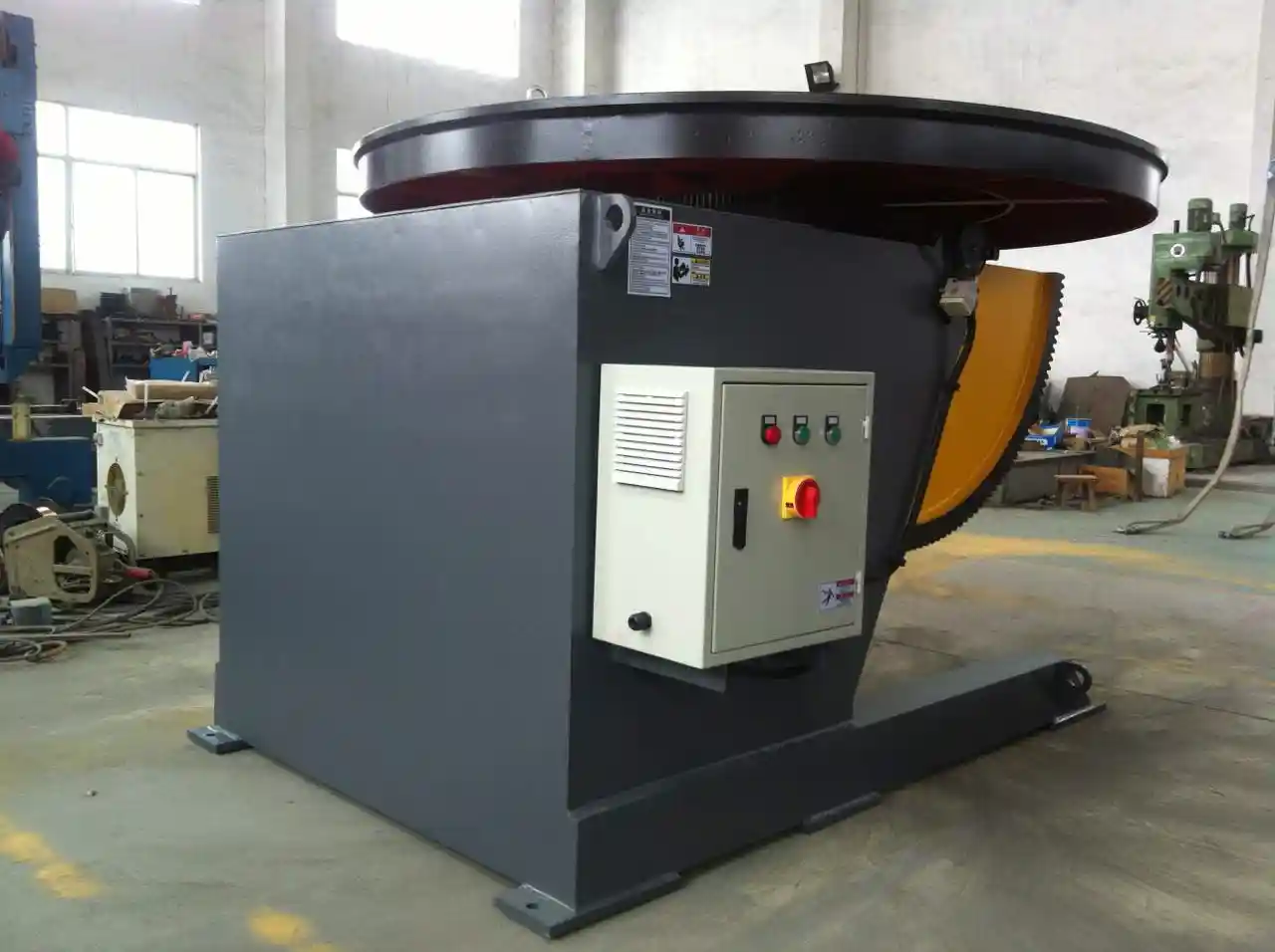
Weight is the first specification that tests portability, but loaded weight is more important than dry machine weight. A unit becomes portable only after you add the high pressure hose, water feed line, abrasive hopper, power cable, and any cooling water return. A machine that is easy to lift on paper may still require a forklift once those lines are filled and the abrasive bin is topped up. We ask buyers to separate the pump module from the cutting module. In some layouts, the pump sits on a wheeled cart or skid and the cutting lance is hand carried. In others, both are integrated on a trailer. The right choice depends on whether the operator can move the system with one hand, a pallet jack, or a site forklift.
Field cutting on pipeline repair often shares the same handling problem as welding: the workpiece has to be held and moved safely. <Achieving Perfect Welds on Large-Diameter Pipes with Professional Rolling Equipment> covers how powered rolling equipment keeps long pipe sections stable during fit-up, which is useful when a portable water jet cutter is followed by welding.
Power Requirements for the Pump and Abrasive System
Power decisions separate portable water jet systems more than any other specification. The pump drive is usually the largest electrical or engine load on the machine. It must start under pressure, run long enough for the cut, and stay stable while the abrasive metering system starts and stops. We evaluate the supply first, then the pump. A three-phase 380-480 V feed is common for larger portable units. Smaller electric models can work from single-phase supply or a generator, but the generator rating must cover motor starting current and any booster pump.
What size generator backs up a portable water jet?
For an electric portable water jet on a generator, we start with the pump motor plus booster pump and controls, then check the starting method. A direct drive pump tends to start with a different inrush profile than a hydraulic intensifier, so the supplier should confirm the required generator sizing. If the generator is undersized, voltage sag will trip the control system and stop abrasive flow before the cut is complete. Always check the supply cable length and grounding when the generator is placed away from the cutting area.
| Site power condition | Preferred portable configuration | Check before ordering |
|---|---|---|
| Confirmed three-phase 380-480 V | Electric pump with local disconnect | Supply capacity and cable distance |
| Single-phase or limited panel | Smaller electric unit or generator set | Motor starting current and generator rating |
| No grid power | Diesel driven hydraulic power pack | Fuel runtime and engine service access |
| Temporary or moving location | Trailer mounted system with fixed plumbing | Grounding, hose length, and lifting points |
If the site supply is not confirmed three-phase, check both running amps and starting inrush before you finalize the specification. A generator sized to the pump nameplate can still fall short when the motor starts. Send your available voltage and whether the unit must run from a generator to jay@weldmc.com, and we will confirm the drive package before it goes into your budget sheet.
Pressure, Flow, and Abrasive Specs That Set Cut Quality
Pressure and flow work together. Pump pressure creates the jet velocity, while flow and orifice size set how much water and abrasive moves through the cut. A machine marketed on pressure alone may have a low flow rate and a small nozzle, which limits cutting speed on thicker plate. We read pressure with flow because both define hydraulic horsepower. For field work, the more practical numbers are material thickness range, recommended abrasive mesh, and water flow per minute at rated pressure. If the data sheet does not list flow at the working pressure, the pressure number is not enough to make a comparison.
Why is flow rate as important as pressure?
Pressure gets the jet through the material, but flow carries abrasive through the kerf. A high pressure, low flow setup can produce a thin cut with limited removal rate on thicker steel or concrete. A lower pressure, higher flow package may deliver faster square footage on common site work even if the pressure rating looks less impressive. Compare both values at the same orifice size, not just the maximum pressure on the cover page.
Wear parts also follow these specifications. Orifice and mixing tube life change with pressure and abrasive feed rate. A portable unit used outdoors with poor water filtration will wear faster than the same machine in a clean shop. That is why we ask for water quality and planned hours per week before recommending a configuration. The specification sheet gets the machine to the site, but pressure, flow, and water condition decide how often the operator replaces consumables. Include a filtration specification or settle for shorter nozzle life.
Confirm These Portable Water Jet Specifications Before Quoting
The purchase decision usually comes down to three confirmation points: pump drive against available power, loaded weight against site handling, and pressure plus flow against your material and weekly hours. If any one is left as an assumption, the most capable portable water jet can still sit unused. We would rather narrow the selection before quoting than have a buyer discover later that the electrical panel or lifting route does not fit.
Send your material range, available voltage, water source quality, and whether the unit must be moved by hand, pallet jack, or site crane. You can send those details to jay@weldmc.com or call +86-13815101750. We will confirm the drive, weight, and cutting package that matches the work before you commit to a specification.
Common Questions About Portable Water Jet Cutting Specs
How heavy is a portable water jet cutting machine?
There is no single weight class for portable water jet equipment. The dry machine weight matters less than loaded weight, because hoses, water, and abrasive change how the unit actually moves. A hand carried pump module may move with one operator, while a trailer mounted diesel package needs a truck hitch and a level pad. Ask for the weight split between pump module and cutting module, and specify whether the site has forklift access or requires hand carrying through doorways. That loaded weight figure is the one that determines whether a portable water jet is actually portable on your jobsite.
Do portable water jets need three-phase power?
Not always. Many buyers assume a portable water jet needs three-phase power, but smaller electric units can run from single-phase supply or a properly sized generator. Larger production packages usually use three-phase because the pump load is high. The specification to check is not motor voltage alone. You also need to check motor starting current, any booster pump, and the length of cable between the panel and the machine. If the site electrical supply is not confirmed, tell the supplier before ordering rather than buying a generator that handles running load but fails on start inrush.
How much water does a portable water jet use?
It depends on flow rate and whether you are cutting with abrasive. Water consumption rises with flow, not directly with maximum pressure, so a high pressure machine can still use less water than a lower pressure machine with a large orifice. Ask for flow at rated working pressure and your normal cutting thickness. If the unit will run all day on site, you need a continuous supply with enough pressure and filtration. Without filtration, nozzle and mixing tube wear accelerates. For remote work, you also need to plan containment or drainage for the used water and spent abrasive.
Can a portable water jet cut steel without a heat affected zone?
The more useful question is whether the portable water jet can cut your material at a speed your schedule can accept. For steel, stainless steel, and other metals, the unit runs with abrasive and cuts cold, so it does not create the heat affected zone you see with plasma or laser processes. That makes it useful for heat-sensitive alloys, composites, and repair work where metallurgical change is unacceptable. Edge quality still depends on nozzle condition, abrasive feed stability, and travel speed. Share your material range, thickness, and available water supply with jay@weldmc.com, and we will match the portable water jet specification set to the job before you order.
If you’re interested, check out these related articles:
Revolutionary Solution for Pressure Vessel Welding: Technical Analysis of 360-Degree Rotating Welding Positioners
How to Improve the Quality of Pipe Welding Through a High-Precision Welding Positioner
Improving Quality and Efficiency in Tank and Pressure Vessel Manufacturing: The Core Application Value of Positioners
Pipe Welding Misalignment Issues: How Intelligent Welding Pipe Rotators Boost Oil Pipeline Pass Rates
 English
  Español
  Français
  Deutsch
  Português
  Русский