Wire feeders don’t announce when they’re about to fail. One shift everything runs smooth, the next you’re chasing birdnesting or watching arc stability fall apart mid-panel. After enough membrane panel jobs, you start recognizing the early signs—the subtle hesitation in feed, the slight change in arc sound. That recognition comes from paying attention to the machine before it demands attention.
Why Wire Feeders Make or Break Membrane Panel Work
Wire feeders sit at the center of membrane panel welding operations. Their job sounds simple—deliver wire at a consistent rate—but the reality is more demanding. Small variations in feed speed show up immediately in the weld bead. Inconsistent delivery creates porosity, uneven penetration, and the kind of defects that force rework on panels where rework is expensive.
In industrial settings, wire feeder problems account for a disproportionate share of welding downtime. Membrane panels amplify this because the work demands tight tolerances over long seams. A feeder that works adequately on general fabrication might struggle with the sustained precision these applications require. The arc needs stable wire delivery to maintain consistent characteristics and material deposition. When that breaks down, everything downstream suffers.
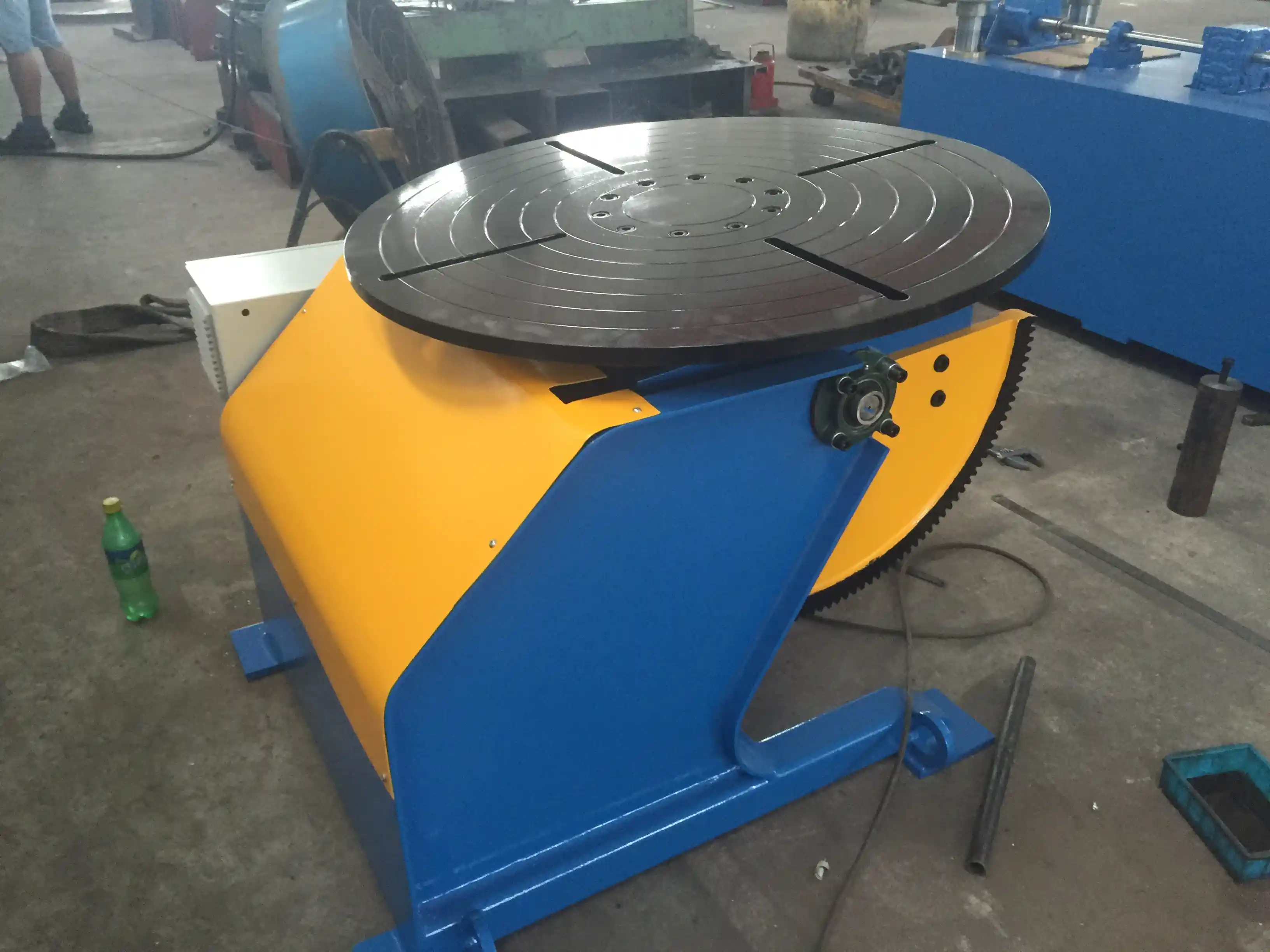
!Industrial Positioner Unit
 ## Inspection Points That Actually Matter
Regular inspection catches problems while they’re still cheap to fix. The goal isn’t checking boxes—it’s understanding what each component looks like when it’s healthy versus when it’s heading toward failure.
Drive rolls deserve daily attention. Debris accumulates faster than most operators expect, and worn grooves change how the wire tracks through the system. Contact tips wear in predictable patterns, but the rate varies with wire type and amperage. A tip that’s gone oval won’t center the wire properly, and that shows up as wandering arc behavior.
Liner condition matters more than many maintenance schedules acknowledge. Kinks restrict wire movement. Accumulated debris creates friction that the motor has to overcome, which accelerates wear elsewhere in the system. Spool hub tension needs to match the wire diameter and spool weight—too loose and the wire tangles, too tight and the feeder motor works harder than necessary.
Motor brushes wear gradually, but they don’t give much warning before they fail completely. Listening for changes in motor sound during operation catches problems earlier than waiting for obvious symptoms.
Wire Feeder Inspection Checklist
| Component | Daily Check | Weekly Check |
|---|---|---|
| Drive Rolls | Clean debris, check for wear | Inspect groove condition, alignment |
| Contact Tip | Check for spatter, proper seating | Replace if worn or oval-shaped |
| Liner | Check for kinks, blockages | Inspect for wear, lubricate if needed |
| Spool Hub Tension | Ensure correct tension for smooth feed | Verify consistent wire unwinding |
| Motor Brushes | Listen for unusual sounds | Inspect for wear, replace if necessary |
| Connections | Verify tight power and gas connections | Check for frayed cables, secure fittings |
For related insights on maintaining precision in demanding applications, see 《Exceptional Application Value: How Fixed-Height Welding Positioners Drive Advancements in Offshore and Shipbuilding Manufacturing》.
When Wire Feed Goes Wrong
Most wire feed problems fall into recognizable patterns. Knowing what causes each one speeds up diagnosis and gets production moving again.
Birdnesting—that tangled mess of wire at the drive rolls—usually traces back to tension settings or liner condition. The wire has to move freely through the system. When something restricts that movement, the drive rolls keep pushing wire that has nowhere to go. Adjusting tension or replacing a worn liner typically solves it.
Erratic feed has multiple possible causes, which makes it frustrating to chase. Worn drive rolls lose their grip on the wire. Dirty liners create inconsistent friction. Using the wrong contact tip size allows the wire to wander. Working through these possibilities systematically beats guessing.
Wire burnback happens when the wire melts back into the contact tip instead of forming a proper arc. This usually means the stick-out is wrong or the contact tip has worn enough to change the electrical characteristics. Adjusting stick-out or swapping the tip resolves most cases.
Common Wire Feed Issues vs. Solutions
| Problem | Cause | Solution |
|---|---|---|
| Birdnesting | Incorrect drive roll tension, worn liner | Adjust tension, replace liner |
| Erratic Feed | Worn drive rolls, dirty liner, wrong tip | Replace drive rolls, clean liner, use correct tip |
| Wire Burnback | Incorrect stick-out, worn contact tip | Adjust stick-out, replace contact tip |
| No Wire Feed | Motor issue, power supply problem | Inspect motor brushes, check power source |
| Poor Arc Start | Dirty contact tip, gas flow issues | Clean or replace tip, optimize gas flow |
Understanding these patterns makes wire feeder troubleshooting faster and more effective.
Making Equipment Last Longer
The difference between wire feeders that last and wire feeders that don’t often comes down to how they’re maintained between problems. Waiting for something to break costs more than preventing the break in the first place.
Regular cleaning removes the abrasive particles that accelerate wear on drive rolls and liners. Component checks catch developing issues while replacement parts are still cheap. Timely replacements—swapping a contact tip before it fails rather than after—prevent the cascade of problems that one worn component can trigger.
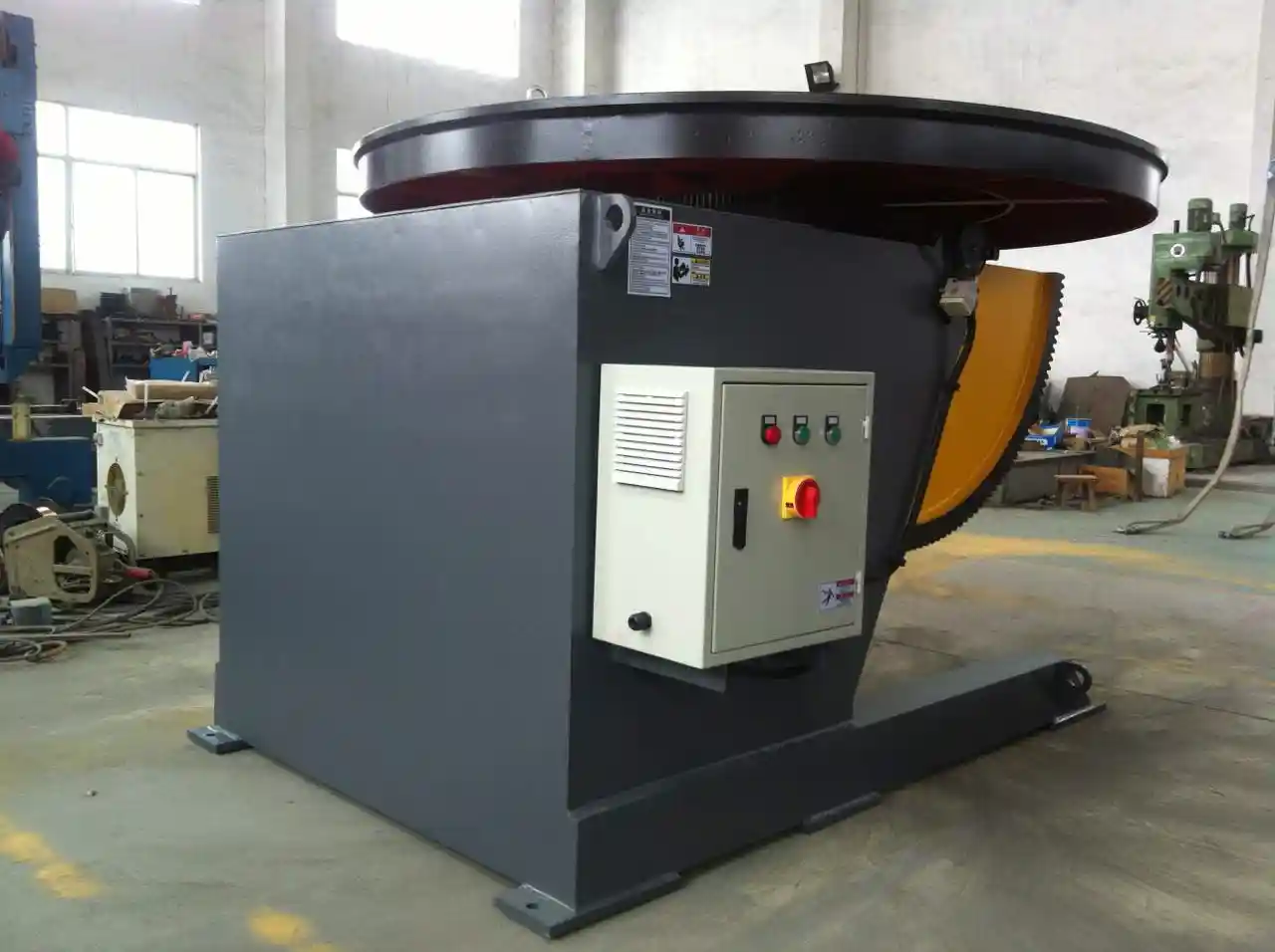
!Automated Welding Positioner
 A structured maintenance schedule works better than ad-hoc attention. Daily tasks take minutes. Weekly checks take slightly longer but catch problems that daily checks miss. Monthly service addresses the components that wear slowly but still need periodic attention. Following this approach extends wire feeder service life and reduces the frequency of unexpected repairs.
This also improves safety. A wire feeder that’s properly maintained is predictable. One that’s neglected can behave erratically, and erratic behavior around welding equipment creates hazards.
Getting More From Your Wire Feeder
Routine maintenance keeps equipment running. Optimization makes it run better.
Calibration matters more than many operators realize. Wire feed speed and voltage settings interact with each other and with the power source. Finding the right combination for specific wire and material combinations improves arc stability and weld quality. This takes some experimentation, but the results justify the effort.
Environmental factors affect wire feeder performance in ways that aren’t always obvious. Humidity causes wire corrosion that increases friction in the liner. Temperature swings can affect spool tension. Controlling these variables—or at least accounting for them—prevents problems that seem random but actually have identifiable causes.
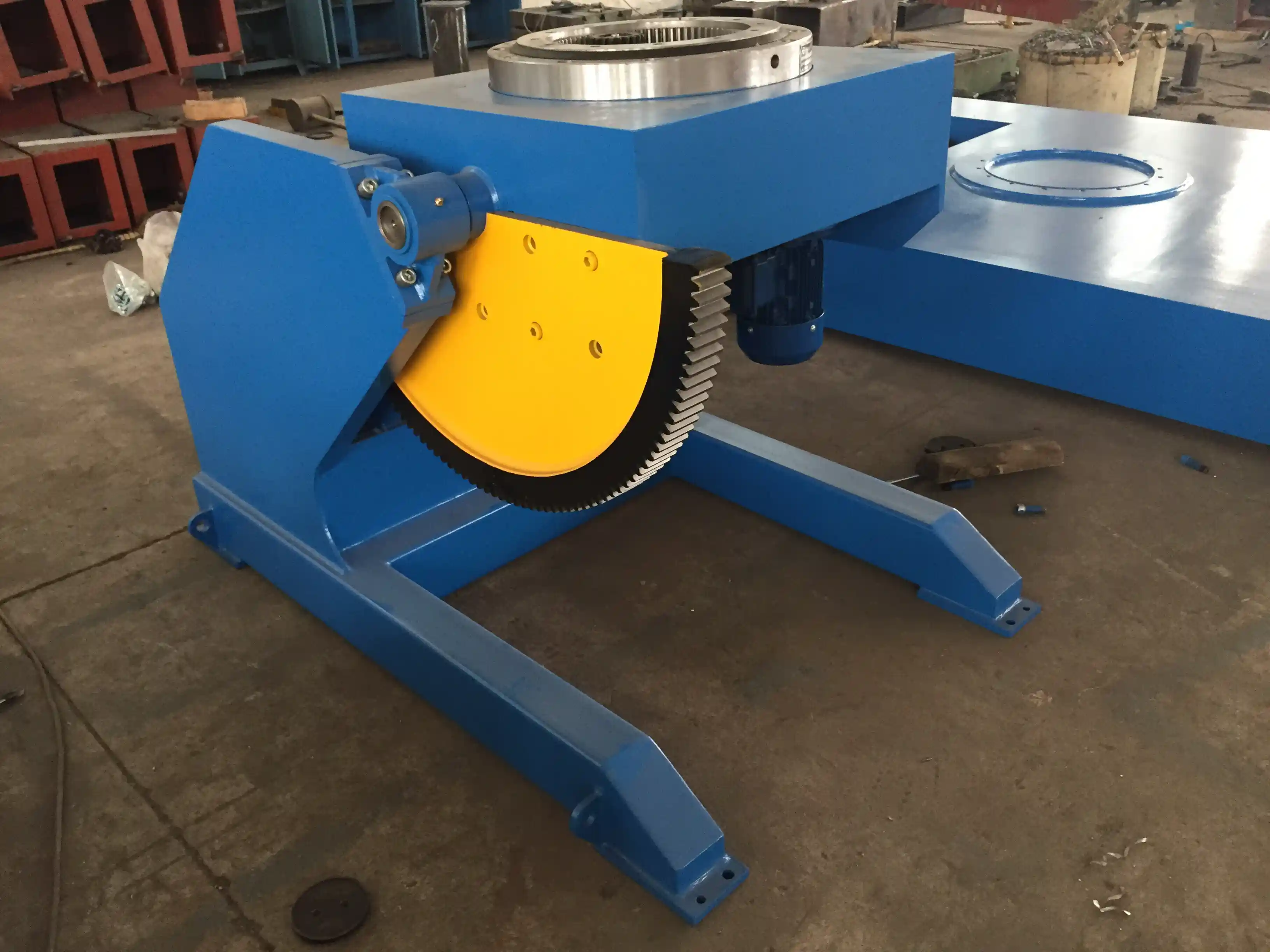
!Wind Tower Positioner
 Operator training makes a measurable difference. Someone who understands how the wire feeder works can recognize problems earlier and make better adjustments. They’re also less likely to force settings that stress the equipment.
Wire Feeder Calibration Points
| Parameter | Description | Optimization Impact |
|---|---|---|
| Wire Feed Speed | Rate at which welding wire is delivered | Controls penetration, bead profile |
| Voltage Setting | Electrical potential across the arc | Influences arc length, weld width |
| Inductance | Controls arc characteristics and spatter | Reduces spatter, improves wetting |
| Gas Flow Rate | Volume of shielding gas delivered | Prevents contamination, ensures coverage |
| Drive Roll Pressure | Force applied by drive rolls to the wire | Ensures consistent wire feeding |
| Burnback Control | Prevents wire from sticking to the contact tip | Improves arc starts, reduces tip wear |
For additional perspective on welding process optimization, see 《Revolutionary Solution for Pressure Vessel Welding: Technical Analysis of 360-Degree Rotating Welding Positioners》.
Frequently Asked Questions About Wire Feeder Maintenance
How often should a wire feeder be serviced for membrane panel welding?
Weekly inspection catches most developing problems before they affect production. More thorough service every 3-6 months addresses components that wear slowly—motor brushes, liner condition throughout its length, drive roll groove depth. High-volume operations or harsh environments may need more frequent attention. The goal is matching service intervals to actual wear rates rather than following a generic schedule.
What are the signs of a failing wire feeder motor?
Wire feed speed that varies without input changes is often the first sign. The motor is struggling to maintain consistent output. Unusual sounds—grinding, whining, or changes in pitch—indicate mechanical problems developing. Heat buildup in the motor housing suggests the motor is working harder than it should, often because of worn brushes or bearing issues. Complete feed stoppage is the final symptom, but catching problems earlier prevents the production interruption.
Can poor wire feeder maintenance lead to costly production delays?
It does, regularly. A wire feeder that fails mid-shift stops production until someone diagnoses and fixes the problem. Inconsistent feed that goes unaddressed produces welds that fail inspection, requiring rework that consumes time and material. The math is straightforward: maintenance costs are predictable and manageable, while breakdown costs include lost production time, emergency repairs, and schedule disruption. On membrane panel work where rework is particularly expensive, the case for preventative maintenance is even stronger.
Contact WUXI ABK for Optimized Welding Solutions
Ensure your membrane panel welding operations run flawlessly with WUXI ABK MACHINERY CO., LTD’s robust welding equipment and expert support. Contact us today at +86-13815101750 or jay@weldc.com for a consultation on optimizing your welding solutions and preventative maintenance strategies.
 English
  Español
  Français
  Deutsch
  Português
  Русский