Hybrid laser arc welding has changed how we approach demanding fabrication work. Combining laser and arc welding creates a process that pulls more weight than either on its own, delivering superior weld quality, higher travel speeds, and stronger efficiency. From what we’ve seen, getting the principles and applications right is what unlocks its value on real production lines.
Synergistic Principles of Hybrid Laser Arc Welding
Hybrid laser arc welding (HLAW) integrates a concentrated laser beam with a conventional arc welding process, often Gas Metal Arc Welding (GMAW). The pairing draws on the laser’s deep penetration and high travel speed while adding the arc’s gap-bridging capability and filler material deposition. The laser serves as a highly focused heat source that forms a deep, narrow keyhole, while the arc stabilizes the melt pool and feeds filler wire. With two energy sources, heat input and material deposition can be tuned independently, tightening control over the process. Interaction between the laser and arc plasma improves energy coupling into the workpiece, resulting in a more stable and efficient weld. Metallurgically, the synergy promotes finer grain structures and reduces porosity, which supports superior weld integrity. Precise control of heat input and cooling rates also limits thermal distortion, a persistent challenge in high-speed welding. Effective process parameters optimization is critical to realize the full benefits of this advanced welding energy source.
Performance Advantages Over Traditional Welding Methods
Hybrid laser arc welding offers substantial performance gains over conventional techniques. We consistently observe welding speeds that are two to five times faster than standalone arc welding, which raises throughput. The concentrated energy input delivers deeper penetration welds, cutting down on multi-pass requirements for thick materials. That depth also narrows the weld bead and shrinks the heat affected zone (HAZ), reducing distortion and preserving the base material’s mechanical properties. In thick plate welding, for example, HLAW can reach full penetration in a single pass where traditional methods need multiple passes, saving both time and consumables. The process also demonstrates improved weld quality, with reduced porosity and fewer defects due to the stable melt pool and enhanced shielding from the combined energy sources. These attributes make HLAW a compelling choice for applications demanding high speed welding and low distortion welding.
Enhanced Efficiency and Material Integrity
The concentrated energy delivery of hybrid laser arc welding significantly boosts welding efficiency gains. The laser’s intense heat rapidly melts the material, while the arc adds heat and filler metal, enabling faster travel speeds and deeper penetration. Together, they reduce overall processing time and energy consumption. The controlled heat input minimizes the heat-affected zone (HAZ), which matters for maintaining the material strength hybrid welding. This precision helps prevent undesirable metallurgical changes that could compromise mechanical properties at the joint. The stable melt pool supported by the arc also reduces porosity welds, leading to stronger, more ductile, and fatigue-resistant joints. The result is higher structural integrity with fewer post-weld treatments.
Key Industrial Applications and Sectoral Impact
Hybrid laser arc welding has reshaped fabrication across several demanding industries. In wind tower manufacturing, the technology enables high-speed, deep-penetration welds for thick steel sections, significantly accelerating production of wind tower welding line components. Shipbuilding benefits from reduced distortion and improved structural integrity on large hull sections. The automotive sector applies HLAW to lightweighting strategies and to joining advanced high-strength steels in body-in-white applications, improving vehicle safety and fuel efficiency. Aerospace teams use the technology for precision joining of critical components where high strength-to-weight ratios and minimal distortion are non-negotiable. These industrial welding solutions demonstrate the broad sectoral impact of hybrid welding.
Optimizing Fabrication for Heavy Industries
For heavy industry welding, hybrid laser arc welding tackles core challenges in large structure fabrication. Achieving deep penetration at high speeds shortens welding time on thick plates common in wind energy and heavy machinery. Lower heat input decreases distortion and residual stress in massive components. In manufacturing large pressure vessels or wind tower sections, HLAW delivers robust, high-quality welds with fewer defects, reducing rework and lifting overall production efficiency. This technology supports welding equipment manufacturers by enabling the build of more durable and reliable structures.
Technological Integration and Equipment Considerations
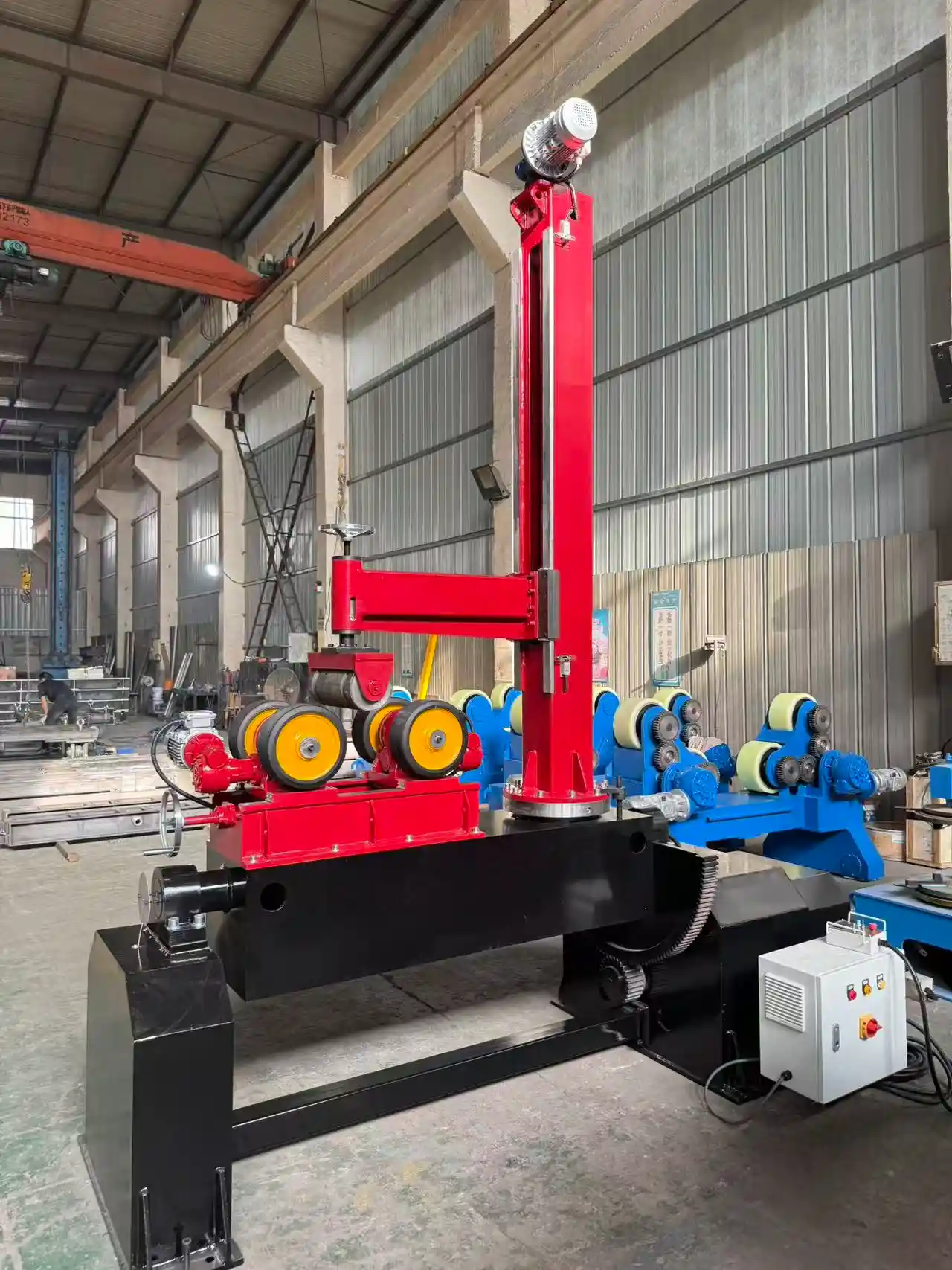
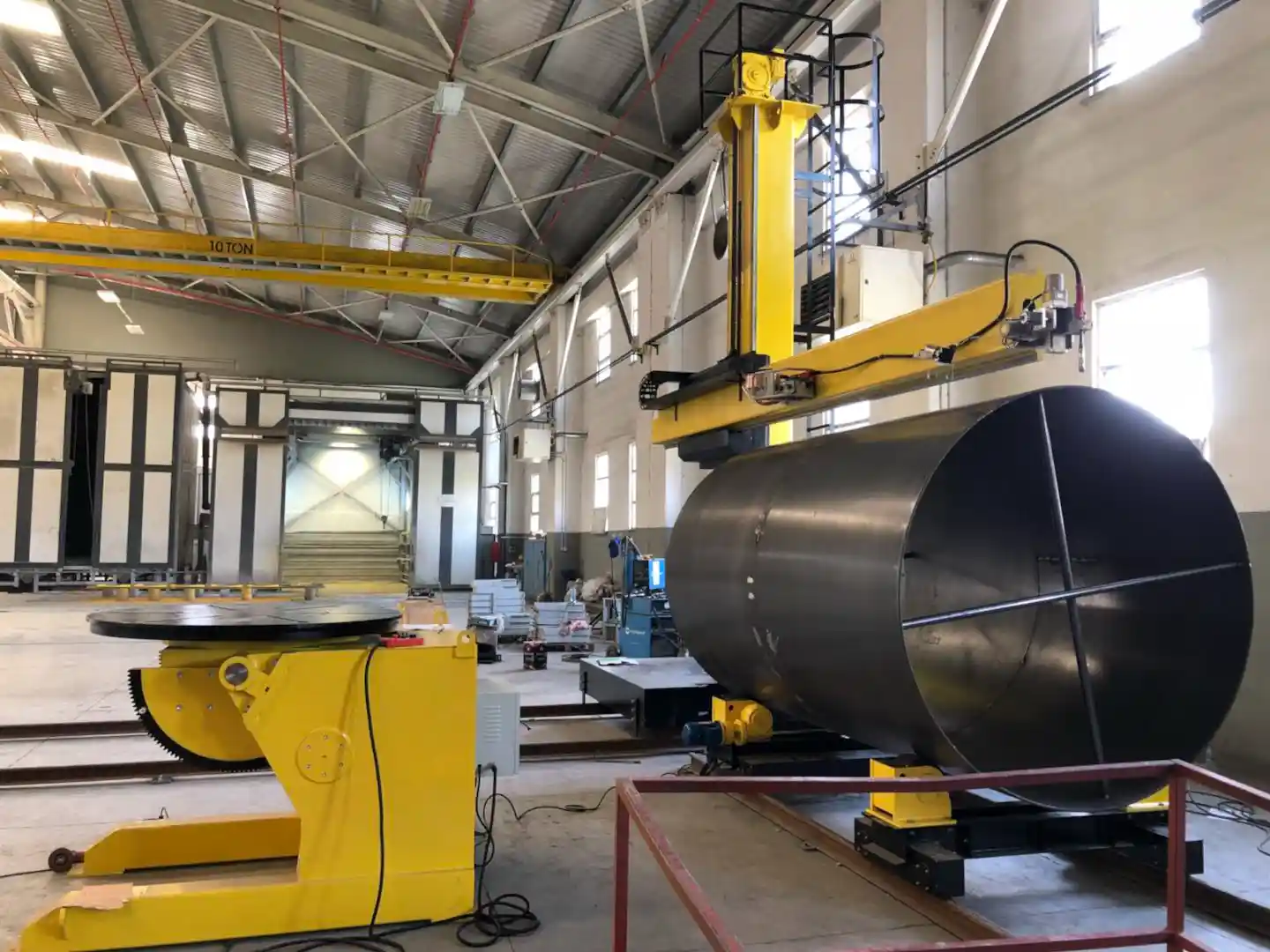
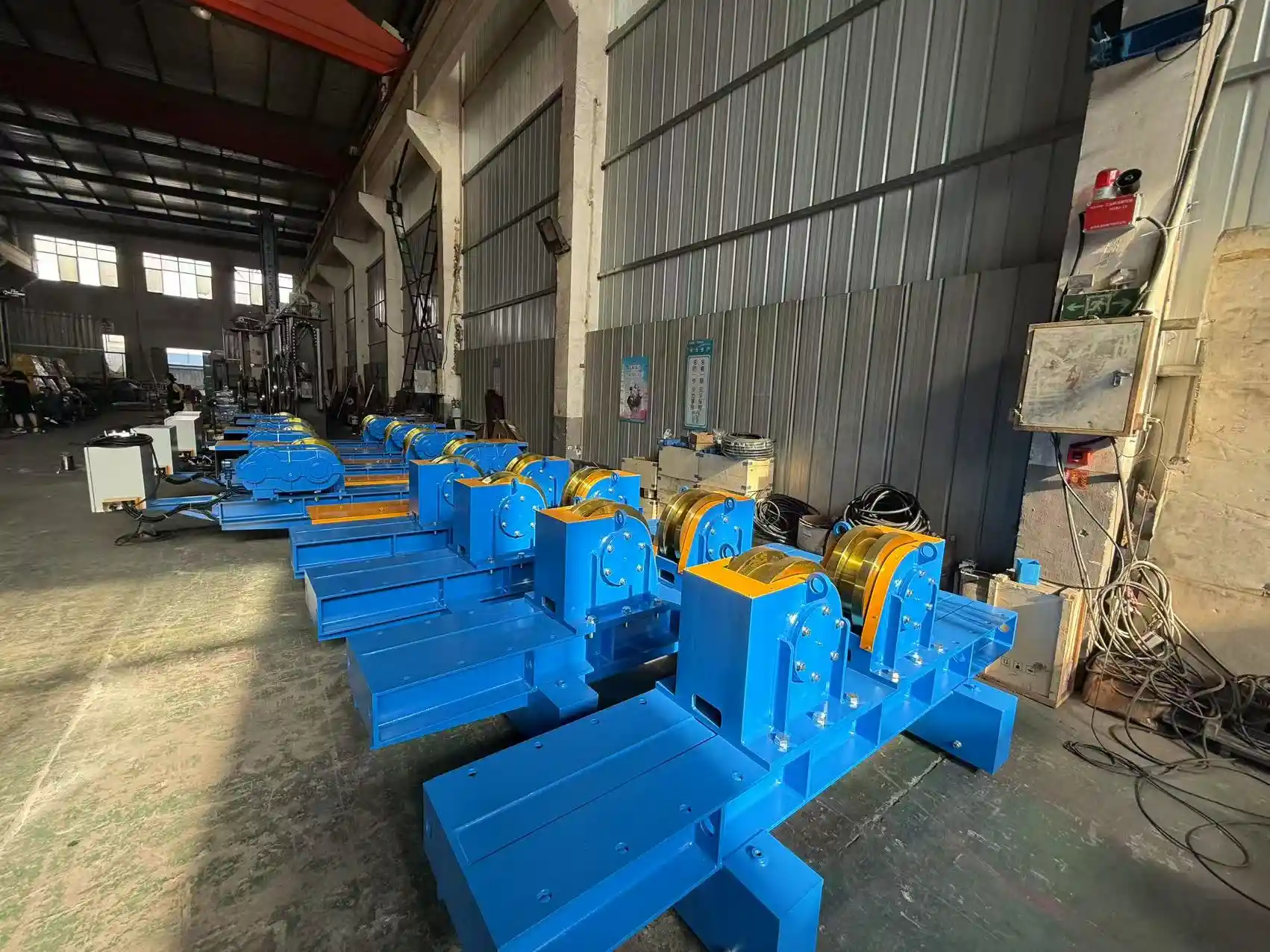
Implementing hybrid laser arc welding calls for careful integration and specialized equipment. A typical system includes a high-power laser source (e.g., fiber or disk laser), an arc welding power supply (GMAW or plasma arc), a specialized welding head that combines both energy sources, and often a robotic or gantry system for precise manipulation. The integration of advanced welding technology requires sophisticated control systems to synchronize laser and arc parameters. For large-scale applications, equipment such as a Welding Manipulator or a Welding Positioner is essential for accurate workpiece handling and optimal weld positioning. We also utilize CNC Cutting Machines for precise material preparation before welding.
Selecting the Right Hybrid Welding System
Choosing the optimal hybrid welding system starts with the production demands and the outcomes you need. Consider material type and thickness, target welding speed, required weld quality, and the level of automation. Suppliers like WUXI ABK MACHINERY CO., LTD. offer custom welding solutions and guidance on system configurations that integrate smoothly into existing production lines. This supports a strong return on investment by maximizing efficiency and minimizing operational costs. Careful consideration of welding equipment selection is vital to achieve superior results.
Elevate Your Welding Capabilities with WUXI ABK MACHINERY CO., LTD.
As a leading manufacturer of advanced welding and CNC cutting equipment since 1999, WUXI ABK MACHINERY CO., LTD. provides state-of-the-art solutions for complex industrial fabrication. From full wind tower welding lines to precision pipe welders and robust welding manipulators, our expertise in advanced technologies like hybrid laser-arc welding ensures unparalleled quality and efficiency. Partner with us to optimize your production processes and achieve superior weld integrity. Contact our specialists today for a tailored consultation.
Mobile: +86-13815101750
Tel: +86-510-83555592
Fax: +86-510-83559158
Email: jay@weldc.com
Frequently Asked Questions About Hybrid Laser Arc Welding
What are the primary advantages of hybrid laser arc welding over traditional methods?
Hybrid laser arc welding combines the deep penetration and high speed of laser welding with the gap-bridging capability and material deposition of arc welding. This synergy delivers significantly faster welding speeds, reduced heat input, minimal distortion, and superior weld quality, making it well suited to demanding industrial applications. The process offers a clear edge in productivity and structural integrity.
How does hybrid laser arc welding improve efficiency and material integrity in industrial fabrication?
By leveraging the concentrated energy of the laser and the stable arc, hybrid welding sharply increases throughput and shortens processing time. The controlled heat input keeps the heat-affected zone (HAZ) small, preserving the material’s mechanical properties and supporting higher structural integrity and fatigue resistance in the final product. That means fewer defects and higher quality output, which lifts overall fabrication efficiency.
What industrial applications benefit most from integrating hybrid laser arc welding technology?
Hybrid laser arc welding is particularly effective for heavy industries that require high-speed, high-quality welds on thick materials. Key applications include wind tower manufacturing, shipbuilding, automotive body-in-white, railway car production, and pressure vessel fabrication. Companies like WUXI ABK MACHINERY CO., LTD. specialize in providing equipment for these demanding sectors, enabling robust and efficient production lines that meet stringent industry standards.
 English
  Español
  Français
  Deutsch
  Português
  Русский