Boiler production equipment cost is shaped less by a single machine price than by panel width, tube diameter, wall thickness, weld duty cycle, and the level of handling automation a shop commits to. Buyer estimates often miss foundations, utilities, tooling, integration, and the spare parts needed before the line reaches stable output. From an engineering perspective, the practical budget starts with the production scope and then adds the equipment stations one by one. When the scope is clear, the right comparison is not the cheapest quote; it is the configuration that holds tolerance at production speed. That distinction prevents a low apparent price from becoming a high rework bill.
Cost Drivers in Boiler Production Equipment
Boiler production equipment pricing does not scale evenly with machine size. A membrane panel line for 50 mm tubes and 4,000 mm panels costs differently than one rated for 76 mm tubes and 12,000 mm panels because the frame, backing bars, and weld heads must handle more weight and longer thermal cycles. The first question is not what a machine costs but what panel width, tube spacing, fin bar thickness, and daily output the shop actually needs. Those four variables move more of the budget than brand preference.
| Scope variable | What it changes | Cost impact |
|---|---|---|
| Panel width | Bed length, straightening, material handling | High |
| Tube diameter and wall | Weld head power, clamping force, process settings | Medium high |
| Tube spacing and fin bar thickness | Tooling sets and calibration range | Medium |
| Daily output | Automation level and spare station strategy | High |
| Weld qualification and documentation | Control systems, inspection records, testing | Medium |
| Site utility and floor | Foundation, power supply, fume extraction | Medium |
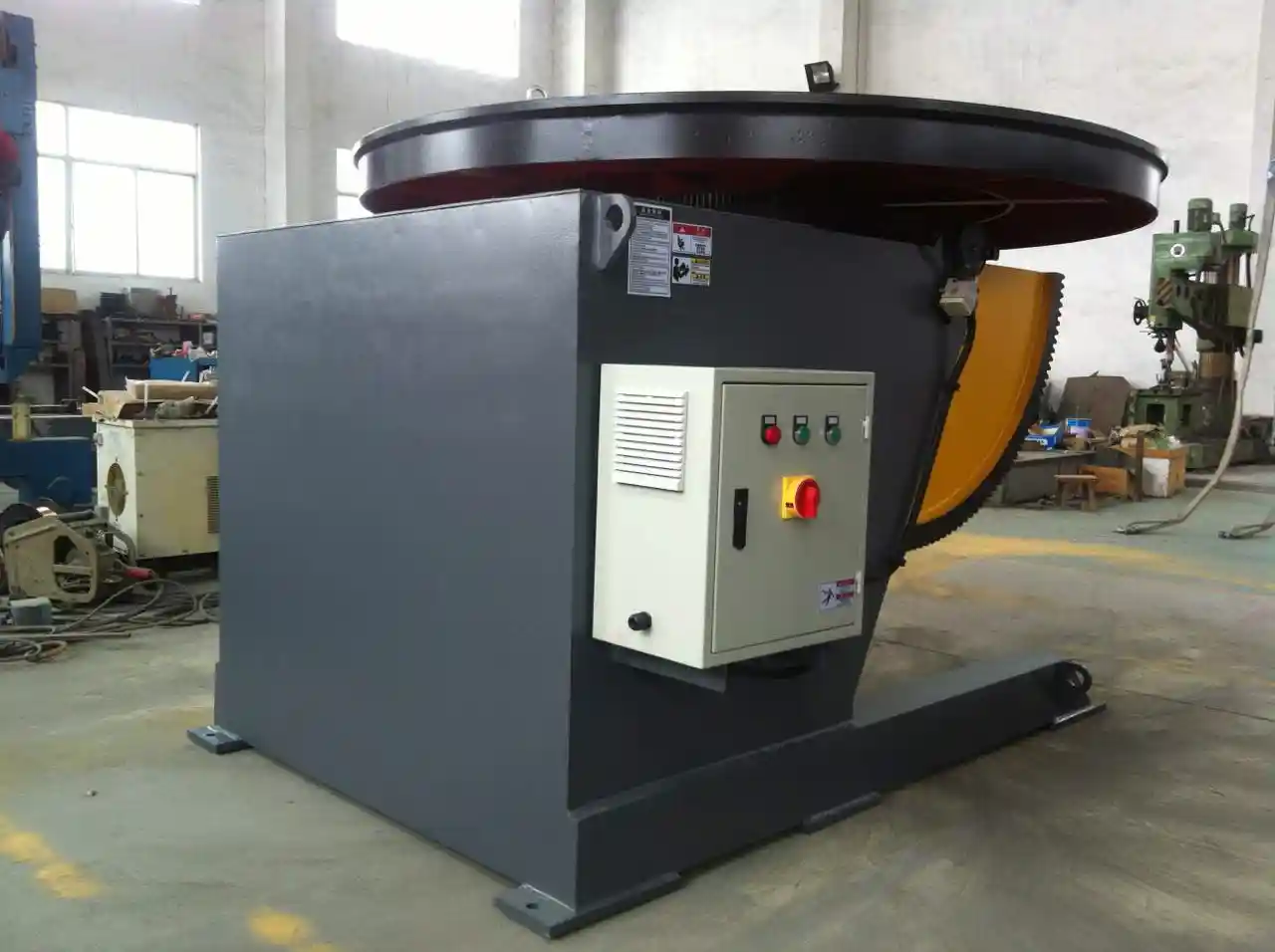
Panel width and tube pitch create cost pressure long before welding starts. <The Core Pillar of Heavy Manufacturing: The Outstanding Performance of Roller Stands in Key Processes> covers how roller stands keep long and heavy boiler panels stable during movement, and why that stability affects straightness and rework downstream.
Boiler Production Equipment Categories and Cost Ranges
Reliable cost numbers require factory quotations, but each category has a predictable cost structure. The table below sets out the specification points I ask a buyer to fix before comparing supplier prices. Without these, one supplier may include a turning and tilting positioner with servo drives and another may quote an AC motor unit, and the price gap looks larger than the capability gap.
| Equipment station | Main specification that sets cost | What to confirm |
|---|---|---|
| Membrane panel and panel bending | Panel width, length, tube spacing range | Max panel size, tube OD, fin bar thickness |
| Tube forming and welding | Tube OD, wall, weld process, automation | Max tube size, material, TIG or MIG requirement |
| Rotators and positioners | Load, diameter range, tilt, rotation accuracy | Vessel weight, diameter, center-of-gravity offset |
| Welding manipulator | Boom travel, vertical travel, rail length | Max seam length, workpiece height |
| CNC cutting | Table size, torch count, cutting process | Plate thickness, nesting volume, material range |
| Handling and integration | Material movement, tooling, control architecture | Layout, crane capacity, mixed product mix |
Panel, Tube, and Rotator Investment Impact
For boiler work, the heaviest cost concentration usually sits in the panel line and the vessel rotation equipment. A membrane panel machine selected for a narrow tube spacing range will need extra tool changes or manual resetting when the shop runs a different boiler model. That is not a small inconvenience; it removes the cycle-time gain that justified the line. Similarly, a tube-to-tube welding machine quoted only by maximum tube diameter may not cover the wall thickness or preheat practice the code requires.
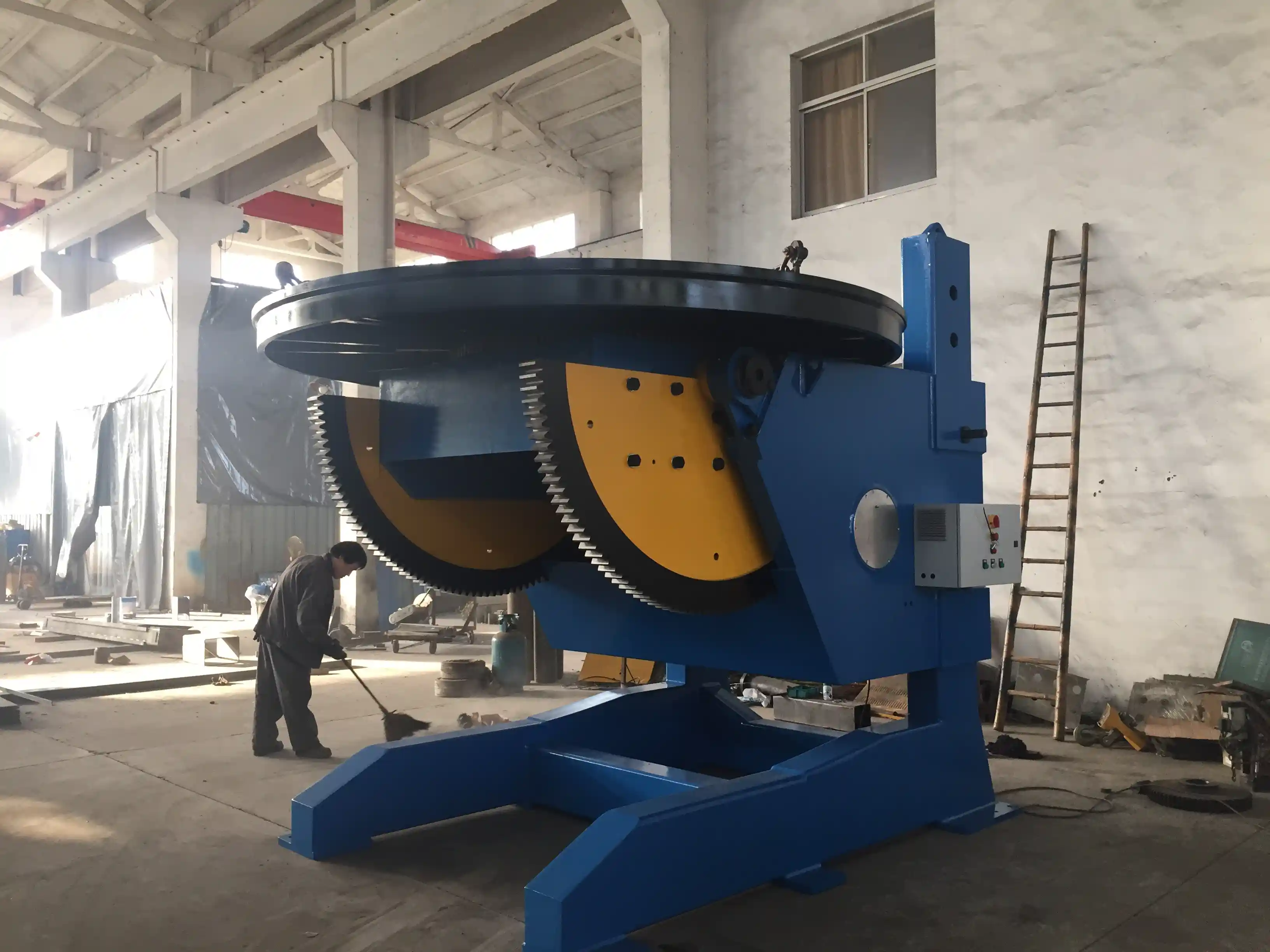
On the rotation side, a 20-ton adjustable rotator with hydraulic elevation and automatic centerline alignment will carry a 500 to 4,500 mm diameter vessel range. A 60-ton unit adds drive power, a heavier base, and more floor area. The expense moves in steps, not in a straight line. For a pressure vessel shop, the right comparison is whether the lower-capacity unit still holds axial creep under 0.5 mm during continuous girth welding. If it cannot, the operator spends more time correcting drift than welding.
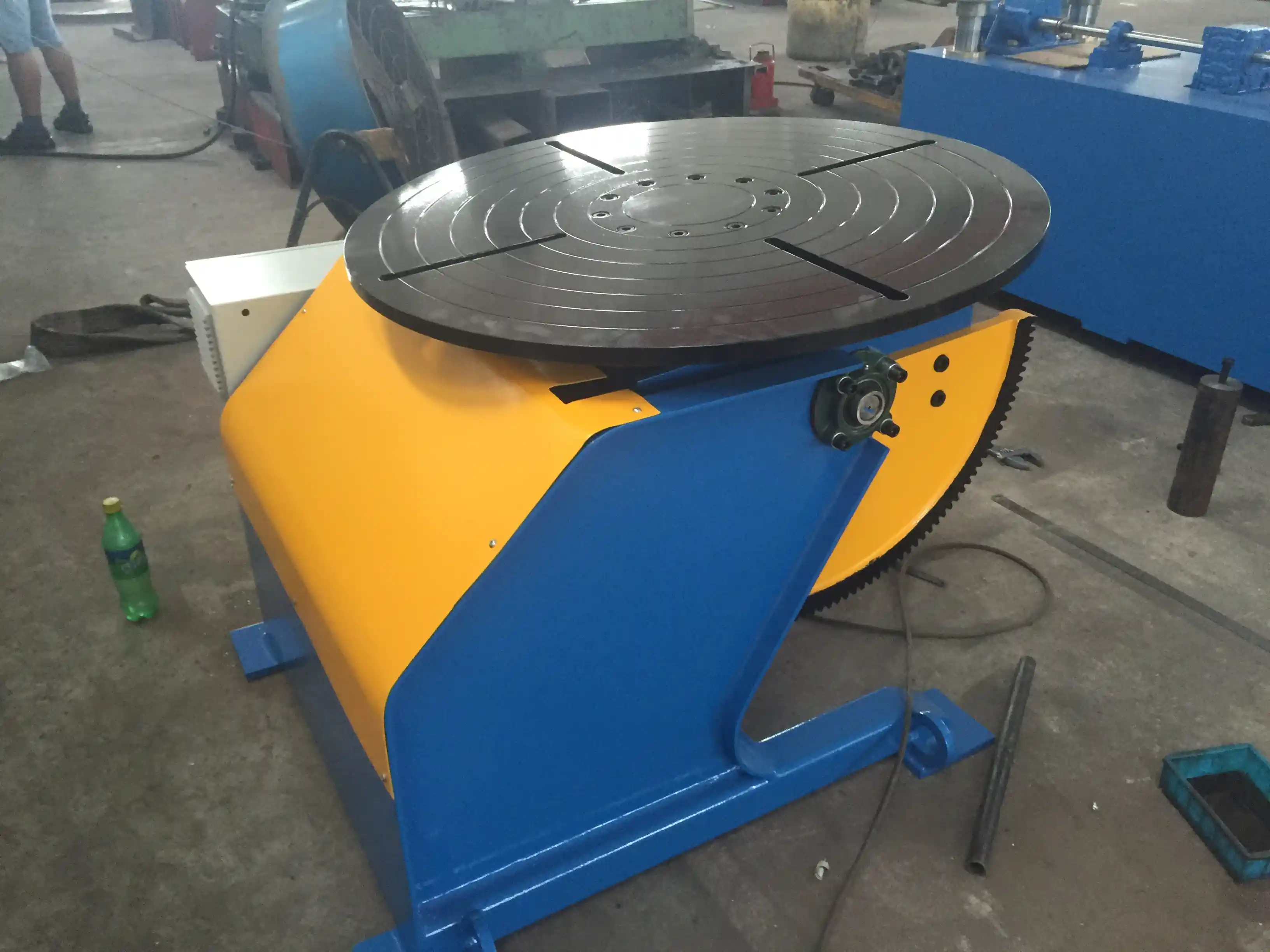
Positioners and rotators appear as simple line items, but capacity selection changes foundation, drive, and floor loading. <Improving Quality and Efficiency in Tank and Pressure Vessel Manufacturing: The Core Application Value of Positioners> covers how table diameter, tilt range, and repeatability affect weld access and cycle time in vessel shops.
Budget Assembly for Boiler Production Equipment
I treat a boiler production line budget as five layers. The machine quote is only the middle layer. Buyers who add up equipment prices alone often arrive below the installed total, and that gap is worse when site modification and mixed product handling are included.
- Write the production scope with maximum panel width, tube outside diameter, wall thickness, fin bar thickness, and daily output.
- List the equipment stations with load, speed, accuracy, and automation level before asking for a quote.
- Add facility costs: foundation, main power, compressed air, fume extraction, and crane access.
- Add tooling, clamping, spare wearing parts, and first-run integration work.
- Add freight, customs, site acceptance, training, and a contingency for scope items that are not yet fixed.
Request a line-item pricing table instead of one aggregate amount. A supplier that cannot separate the welding head from the control system often cannot explain which specification changed the price. That makes negotiation impossible because the buyer cannot see what they are deleting or upgrading.
If your boiler program mixes tube sizes or fin bar pitch, ask whether the panel machine covers every pitch in one setup. If not, the extra changeover tooling belongs in the budget. Send your panel width, tube outside diameter, wall thickness, and daily panel count to jay@weldmc.com, and we can run a specification check before you commit to a price.
Budgeting without a firm envelope often produces a misleading number. <Wuxi ABK Professional Welding Rotary Equipment: Precision Welding Solution for Pressure Vessel Manufacturing> covers how rotary equipment choice changes weld access, floor loading, and the reserve capacity a vessel workshop should carry.
Low-Cost Equipment Risk Factors
Low price is not the problem; incomplete scope is. A low bid usually removes something concrete: servo drives, anti-creep control, linear guides, documentation, or the reserve capacity for a larger drum. Those deletions are not cosmetic. A fixed-height positioner specified by weight alone may be sold with a small table for a heavy but compact part. The moment created by an off-center center of gravity can overload the drive during rotation even when the static load appears within the catalog rating.
On the ABK HBJ series, a 1-ton fixed-height positioner lists a maximum center-of-gravity distance of 200 mm. When a heavy forging with a 300 mm offset is mounted, the drive must overcome a higher moment, and the load rating on the nameplate becomes misleading. Undersized rotators show the same pattern in girth welding. If the anti-creep system is omitted from a bid, axial drift during welding can move the torch path enough to create undercut or incomplete fusion at the seam root. The operator corrects the position manually, which turns an automated station into a manual one. The saving disappears in inspection and repair time.
CNC cutting before panel welding also deserves attention. A table that is too short forces reorientation or multiple setups for long panel plates. The cut quality may be acceptable, but downstream fit-up suffers if cumulative edge mismatch forces grinding before membrane panel welding. The cheaper cutting table can shift cost into a later station where correction is slower and more expensive.
For a boiler project with mixed tube diameters or variable fin bar pitch, low price usually fails first at changeover, not at weld speed. The safer quoting process fixes the envelope before comparing numbers. Send your panel width, tube outside diameter, wall thickness, and daily output to jay@weldmc.com or call +86-13815101750, and we will return a line-item equipment check based on those values. That approach avoids the common error of buying the right machine for the wrong production scope.
Buyer Questions About Boiler Production Equipment Cost
What should a buyer calculate before requesting boiler pricing?
Start with maximum panel width, tube outside diameter, wall thickness, fin bar thickness, and daily output. These five values establish the frame length, weld head count, clamping force, and automation level. A buyer who asks only for a 10 ton line has not defined whether the shop makes narrow water wall panels or wide boiler walls. The panel width alone changes material handling and straightening requirements, which can shift the cost more than the welding power source itself. With those values fixed, quotes from different suppliers can be compared against the same technical envelope.
Why do two boiler lines with similar output differ so much in cost?
Output tonnage is a weak comparator. Two lines can state the same tons per shift and differ because one handles a single tube diameter with fixed tooling, while the other changes between multiple panels. The higher cost usually comes from quick-change dies, adjustable backing bars, sensor controls, and extra motor axes. These features shorten changeover and reduce setup error, but they do not add output on a single product. If the shop family is narrow, the simpler line may be the better decision. If the shop mixes designs, that cost difference is not waste.
Can a small shop control boiler production equipment cost by starting with manual stations?
It depends on product mix and tolerance. For low-volume work with a fixed panel size and forgiving fit-up, a manual rotator or basic positioner can reduce initial cash outlay. The trade-off appears in repeatability and consistent travel speed, which affect weld profile. For membrane panels with tight tube spacing or projects that require qualified welding procedures, manual handling tends to increase rework and inspection time. A shop should match the station to the narrowest tolerance it must hold, not to the lowest price it can find for the first order.
Which hidden costs appear after machine delivery?
In programs I have reviewed, the recurring gaps are foundation work, main power and compressed air, fume extraction, crane coverage, tooling for the first product family, and spare parts for the first operating period. Buyers often compare machine prices but not site preparation. A long welding manipulator sitting on an unreinforced floor will not maintain travel accuracy over months. Shipping, customs, training, and acceptance testing also belong in the budget. If the supplier cannot list these items separately, ask for a written annex before signing. Share your panel width, tube range, material grade, and daily output with jay@weldmc.com, and we will check the envelope against the quoted equipment.
If you’re interested, check out these related articles:
Exceptional Application Value: How Fixed-Height Welding Positioners Drive Advancements in Offshore and Shipbuilding Manufacturing
Wind Tower Welding Problems Again: How Intelligent Growing Line Rotators Boost Productivity by 50%
 English
  Español
  Français
  Deutsch
  Português
  Русский