
Manufacturing floors have a rhythm you learn to read. When a CNC cutting line runs well, there’s a steady hum of productivity. When quality issues creep in, that rhythm breaks—parts get pulled for rework, operators cluster around inspection stations, and the scrap bin fills faster than anyone wants to admit. I’ve watched shops struggle with this pattern for years, and the shift toward AI-powered quality control represents one of the most practical improvements I’ve seen in how we catch problems before they compound.
Why CNC Quality Assurance Needs a Different Approach
Keeping CNC cutting operations competitive means catching defects early and consistently. The trouble with traditional quality control methods isn’t that they don’t work—they do, up to a point. The real issue is what happens at scale. Manual inspection methods hit a ceiling when production volumes climb or when tolerances tighten beyond what the human eye can reliably catch.
Human inspectors get tired. Their judgment shifts across a long shift. When you’re running thousands of parts, even a 2% miss rate on micro-defects adds up to significant rework costs and customer complaints. AI-driven systems don’t have bad days. They examine every surface with the same attention at hour eight as they did at hour one.
This matters most for defect detection in CNC cutting where the flaws are subtle—hairline surface irregularities, dimensional deviations measured in hundredths of a millimeter, or tool wear patterns that haven’t quite crossed into obvious failure territory. Automated visual inspection catches these consistently, which is why shops pursuing lean manufacturing principles are adopting these systems faster than I expected even two years ago.
The Technologies Behind AI Quality Control in CNC Operations
AI quality control in CNC cutting relies on a few core technologies working together. Machine learning algorithms process operational data. Computer vision systems examine physical surfaces. Sensor networks feed both systems the raw information they need. None of these components works as well in isolation as they do when integrated into a unified quality control architecture.
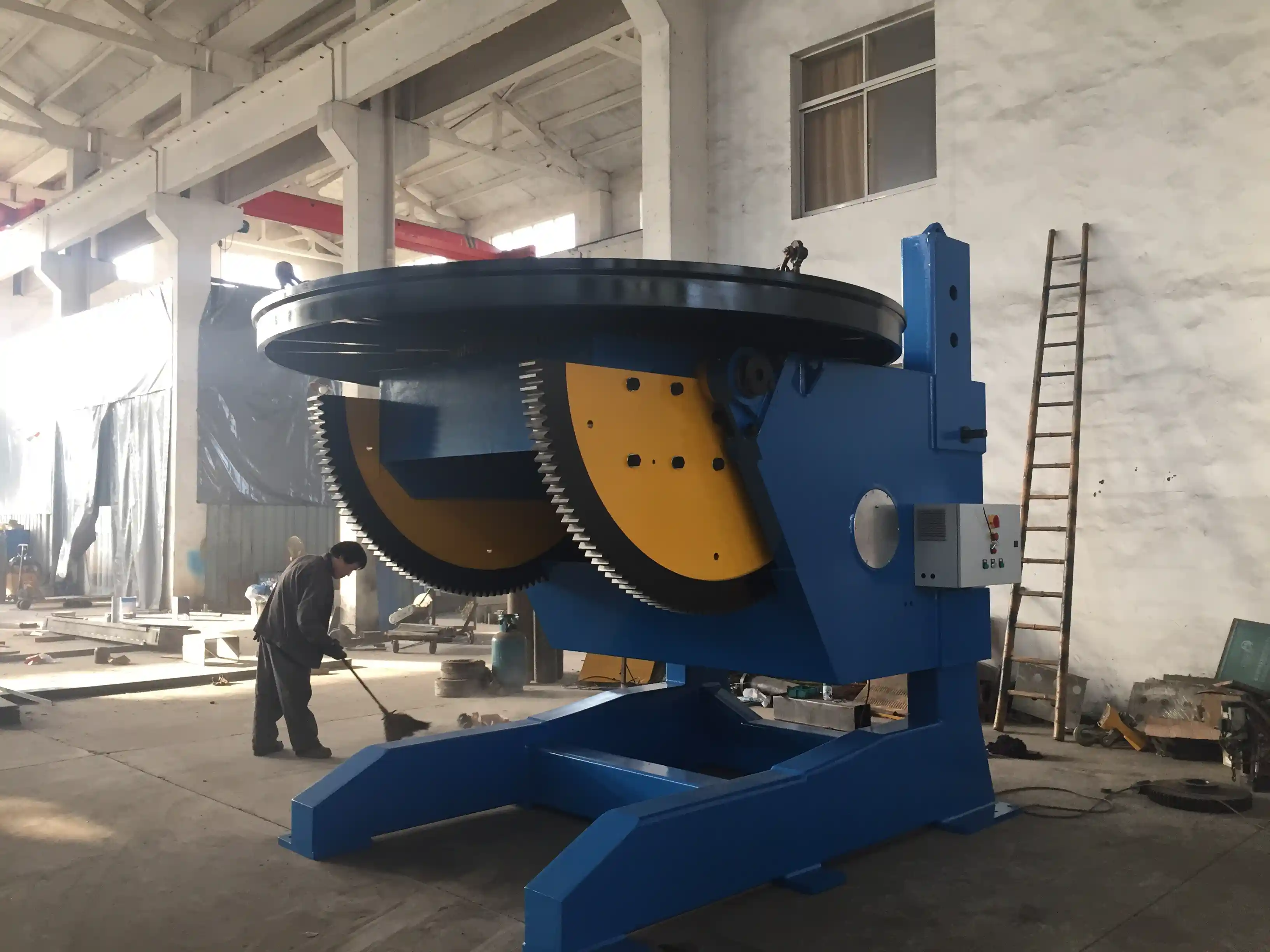
Machine Learning Catches Problems Before They Happen
Machine learning earns its value in predictive quality analytics. The algorithms digest enormous datasets—spindle speeds, feed rates, vibration patterns, material batch properties, historical defect records—and find correlations that would take a human analyst months to identify.
Here’s a practical example: slight variations in spindle load combined with specific temperature readings might precede tool wear failures by 15-20 cutting cycles. A trained ML model flags this pattern and triggers an alert before the tool actually fails. The operator swaps the tool during a planned pause rather than discovering the problem through a batch of out-of-spec parts.
This predictive maintenance capability directly supports process optimization in CNC environments. You’re not just reacting to quality problems—you’re preventing them from occurring in the first place.
Computer Vision Inspects Faster Than Any Human Team
Real-time quality monitoring through computer vision has become remarkably sophisticated. High-resolution cameras capture surface details during or immediately after cutting operations. Image processing algorithms compare what they see against defined quality parameters.
The speed difference is dramatic. A computer vision system can verify dimensional accuracy within microns while the part is still in the machine. Surface defects like burrs, scratches, or coating inconsistencies get flagged instantly. This immediate feedback loop means operators can stop a problematic run after one or two bad parts rather than discovering the issue during end-of-batch inspection.
For shops focused on CNC precision cutting, this capability transforms quality control from a downstream checkpoint into an integrated part of the production process itself.
Making AI Work Within Existing CNC Workflows
Integrating AI into established CNC operations requires more than purchasing equipment and plugging it in. The real work involves data collection infrastructure, system calibration against your specific quality standards, and training operators to respond effectively to AI-generated alerts.
Digital transformation in CNC manufacturing succeeds when it builds on existing strengths rather than replacing everything at once. Most successful implementations I’ve observed start with a single high-value application—typically automated visual inspection on a bottleneck process—and expand from there as teams develop confidence in the technology.
The goal isn’t automation for its own sake. It’s achieving higher accuracy, reducing material waste, and catching quality issues before they propagate through downstream operations.
What the Numbers Actually Show
The return on investment from AI-powered quality control shows up across multiple metrics. Shops implementing these systems report measurable improvements in defect detection rates, scrap reduction, and inspection throughput.
| Metric | Traditional QC | AI-Powered QC | Improvement |
|---|---|---|---|
| Defect Detection Rate | 85% | 99.5% | 14.5% |
| Scrap Rate Reduction | 10% | 2% | 80% |
| Inspection Time | 15 min/part | 1 min/part | 93% |
| Rework Costs | High | Low | Significant |
| Throughput Increase | Baseline | 20% | 20% |
These figures align with what I’ve seen in practice. The scrap rate reduction alone often justifies the investment within 12-18 months for high-volume operations.
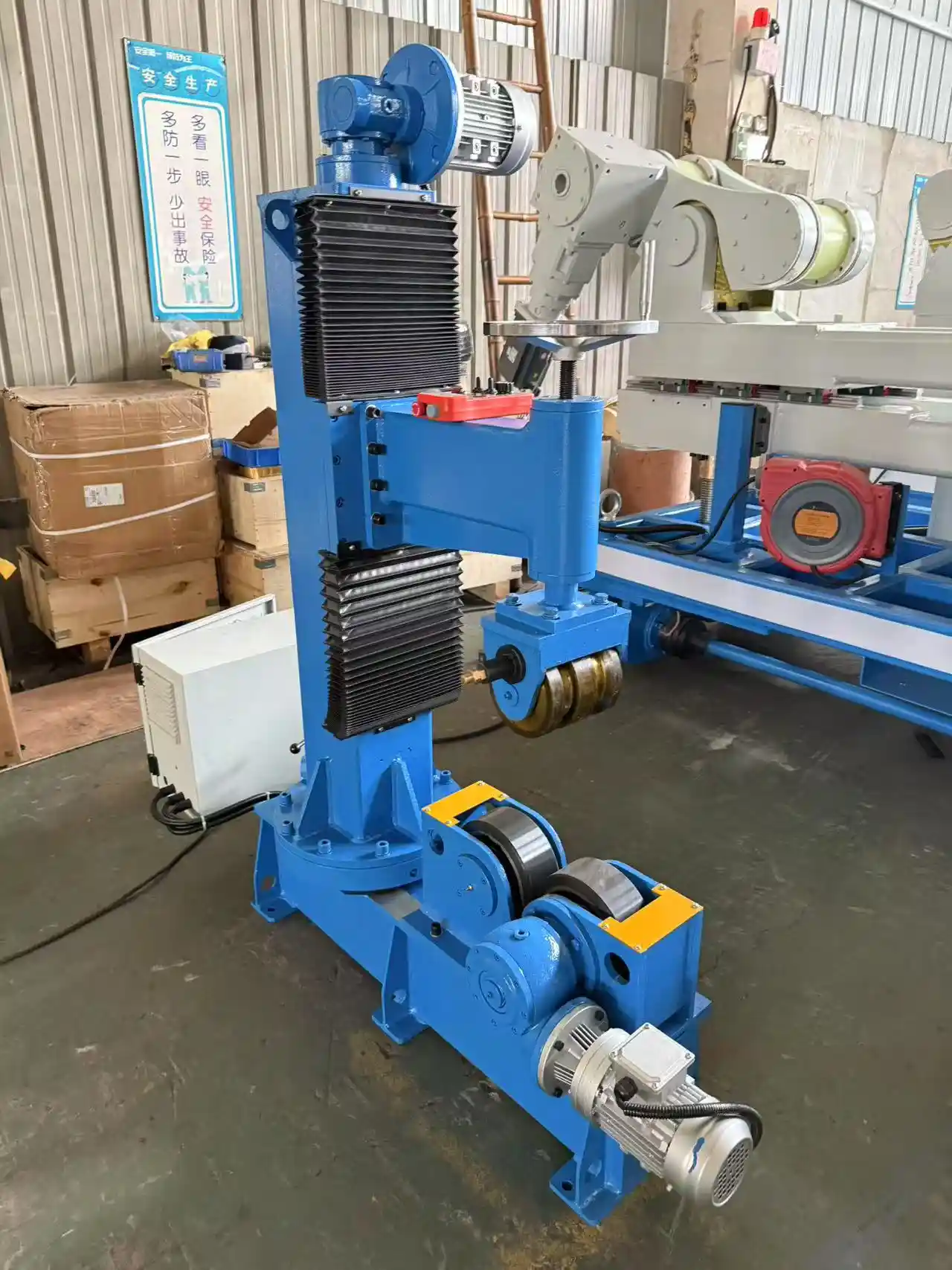
The precision gains compound when AI quality control works alongside accurate positioning equipment. A 3 Axis Positioner achieving ±0.05 mm positioning accuracy and 0.02 mm repeatability provides the mechanical foundation that AI monitoring can verify and maintain. Similarly, a Welding Manipulator with ±0.1 mm/m positioning accuracy creates stable operating conditions that make AI-based quality tracking more reliable.
Where AI Quality Control Is Heading
The trajectory points toward increasingly autonomous quality systems. Smart factory implementations are connecting AI quality control with production scheduling, inventory management, and even supplier quality data. The vision is a manufacturing environment where quality issues trigger automatic responses—adjusted parameters, rerouted workflows, supplier notifications—without waiting for human intervention.
Generative AI applications are beginning to influence cutting path optimization, designing toolpaths that minimize stress concentrations and reduce defect probability. Advanced robotics handle inspection tasks that previously required human dexterity. These developments align with Industry 4.0 quality control principles, creating production environments that adapt in real time to changing conditions.
The practical reality is that AI in manufacturing will continue expanding its role in quality assurance. Shops that build competency with these systems now will have significant advantages as the technology matures.
Frequently Asked Questions
How does AI improve defect detection in CNC cutting?
AI improves defect detection by combining computer vision with machine learning analysis. Camera systems capture high-resolution images of cut surfaces while algorithms compare those images against quality parameters. The systems identify surface imperfections, dimensional deviations, and anomalies that fall below human detection thresholds. Because AI maintains consistent attention across every part, detection rates typically exceed 99% compared to 85% or lower for manual inspection.
Which AI technologies work best for real-time CNC monitoring?
Computer vision and machine learning deliver the strongest results for real-time monitoring applications. Computer vision handles the visual inspection component—examining surfaces, verifying dimensions, and flagging visible defects as parts are produced. Machine learning analyzes sensor data streams to predict emerging problems before they cause defects. Together, these technologies enable both reactive quality control and proactive process optimization.
What ROI should manufacturers expect from AI-driven quality control?
Most manufacturers see ROI through reduced scrap rates, lower rework costs, and faster inspection throughput. Scrap reductions of 70-80% are common in high-volume operations. Inspection time often drops by 90% or more, freeing quality personnel for higher-value tasks. The payback period varies by application, but 12-24 months is typical for well-implemented systems in precision manufacturing environments.
Contact Us for Advanced CNC Quality Solutions
We specialize in advanced CNC cutting and welding solutions, including AI-integrated systems. Our expertise ensures your operations achieve peak precision and efficiency. Contact us today to discuss how our technologies can transform your manufacturing processes. Email us at jay@weldc.com or call us at +86-13815101750.
 English
  Español
  Français
  Deutsch
  Português
  Русский