Keeping welding rotators running smoothly comes down to two things: bearings and drives. Get these right, and the equipment holds up for years. Neglect them, and you’re looking at unplanned shutdowns and inconsistent weld quality. Here’s what actually works for maintaining both systems.
How Bearing Systems Keep Rotators Turning
Bearing systems do the heavy lifting in any welding rotator. They carry the weight of whatever you’re rotating—whether that’s a pressure vessel or a wind tower section—while allowing smooth, controlled movement.
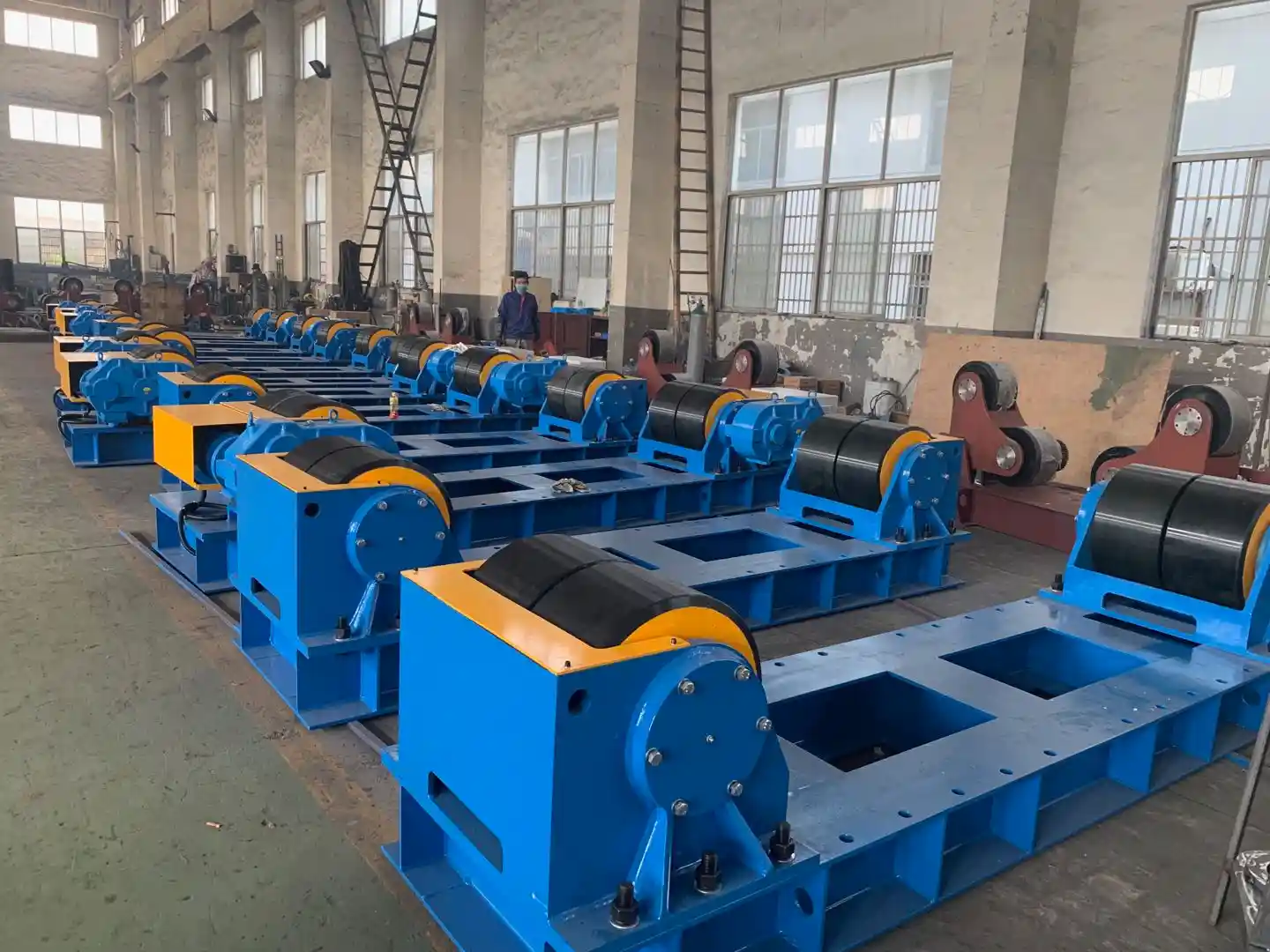
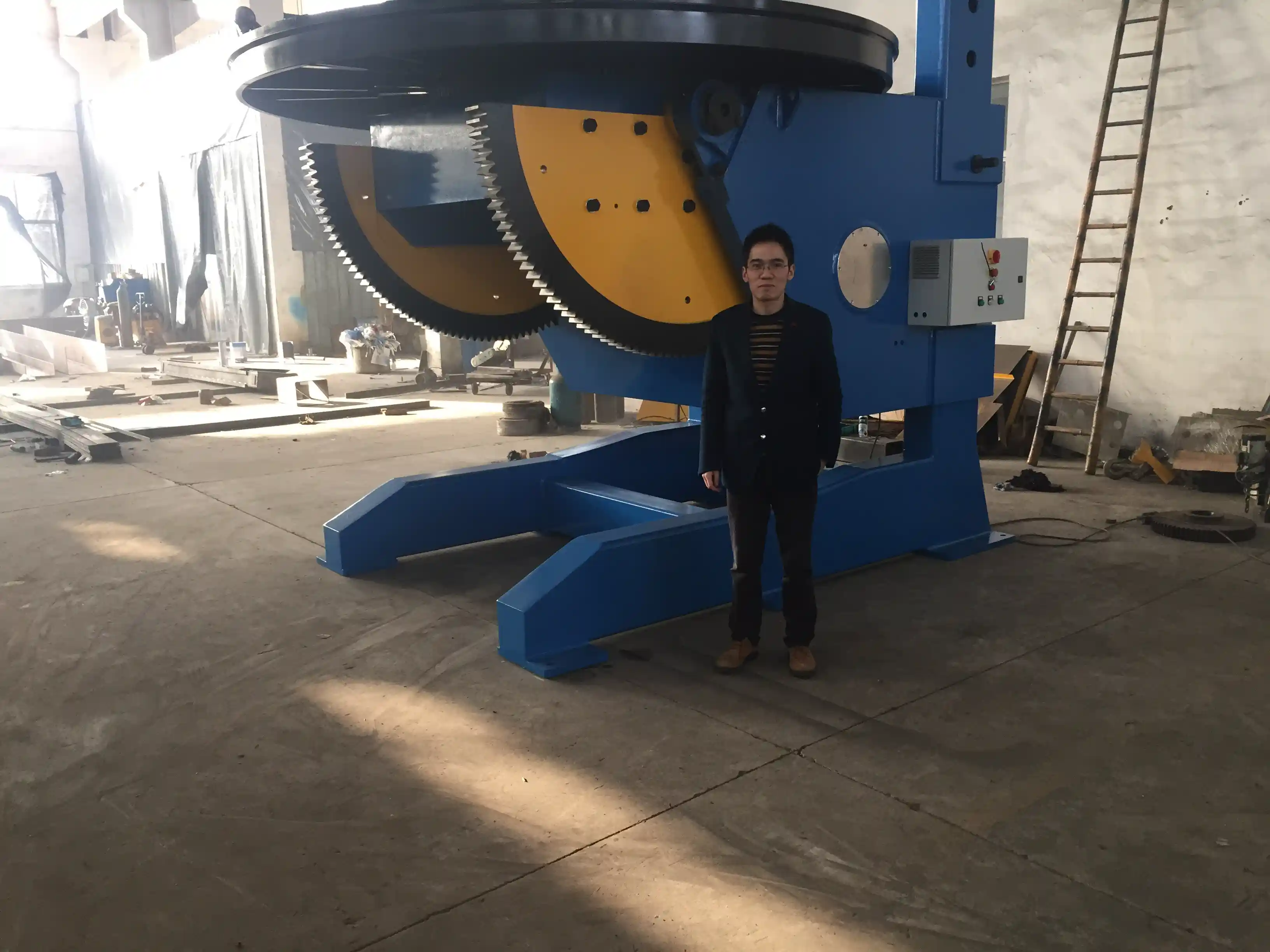
Most rotators use roller bearings for combined radial and axial loads, with thrust bearings handling pure axial forces. The bearing type matters less than matching it to your actual load conditions. A rotator rated for 100 tons, like the HGZ-100 Standard Welding Roller Frame, needs bearings sized for that capacity with appropriate safety margins.
Lubrication is where most bearing problems start. The right grease depends on operating speed, ambient temperature, and how much contamination the environment throws at the equipment. Welding shops generate spatter, dust, and heat—all of which work against bearing longevity. When lubrication fails, you see pitting first, then spalling, then the kind of wear that means replacement rather than repair.
How often should welding rotator bearings be inspected or replaced?
For most operations, inspecting welding rotator bearings every three to six months catches problems before they become failures. Heavy continuous use pushes that to monthly checks. Replacement typically falls between one and three years, though actual wear determines timing more than calendar dates. If inspection reveals significant damage, replace immediately rather than waiting for a scheduled interval.
Bearing Maintenance That Actually Prevents Problems
Good bearing maintenance starts with alignment. Misaligned bearings carry loads they weren’t designed for, and the stress shows up as premature wear patterns. Precision alignment during installation and periodic verification keeps everything tracking correctly.
Seals deserve more attention than they usually get. A compromised seal lets welding spatter and shop dust into the bearing housing, contaminating lubricant and grinding against rolling elements. Check seal integrity during every inspection cycle.
Lubricant selection matters. Generic grease might work, but application-specific formulations handle the temperature swings and contamination levels found in welding environments better. Follow a consistent welding rotator bearing lubrication schedule rather than waiting for problems to appear.
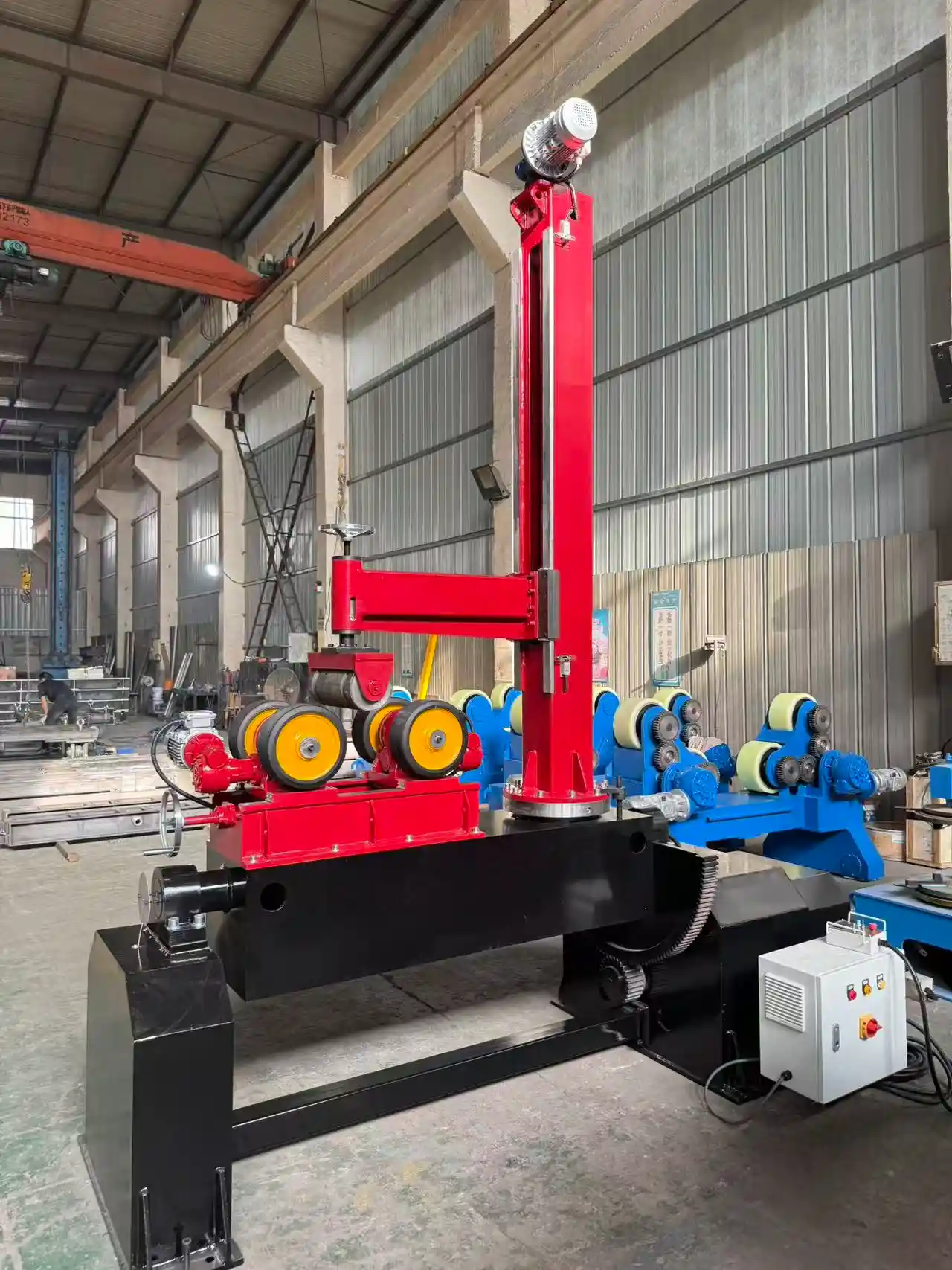
Vibration analysis and temperature monitoring catch developing issues before they cause failures. Modern rotators like the HGZ-30 Standard Duty Welding Rotator include sensors that track bearing health continuously. Even without built-in monitoring, portable vibration analyzers and infrared thermometers provide useful data during routine inspections.
What Makes Drive Systems Work—And Fail
The drive system converts motor power into controlled rotation. Motors, gearboxes, chains or direct drives, and control electronics all have to work together. When any component drifts out of specification, rotation becomes inconsistent, and weld quality suffers.
Gearboxes need regular oil changes. The intervals depend on operating hours and conditions, but most manufacturers specify annual changes at minimum. Inspect gear teeth for wear patterns that indicate misalignment or contamination. The HGK-100 Adjustable Height Pipe Rotator Equipment runs dual 3kW motors through reduction gearboxes—that’s a lot of mechanical interface requiring proper lubrication.
Motor diagnostics identify electrical and mechanical issues before they cause failures. Current draw, insulation resistance, and bearing condition all provide early warning signs. Control system faults often show up as erratic speed behavior before complete failure occurs.
What are common drive system failures in welding rotators?
Motor failures usually trace back to overheating from blocked cooling or electrical faults in windings. Gearbox problems typically involve inadequate lubrication or contamination causing accelerated wear. Chain drives develop slack over time, leading to inconsistent rotation speed. Electrical control issues—bad sensors, corroded connections, failing components—create erratic behavior that affects weld quality before causing complete shutdown.
Drive System Maintenance That Pays Off
Systematic drive maintenance prevents most failures. Start with gearbox oil—check level and condition regularly, change on schedule, and use the specified lubricant grade. Contaminated or degraded oil accelerates wear dramatically.
Motor alignment affects both motor and gearbox life. Misalignment creates vibration that stresses bearings, seals, and couplings. Verify alignment after any motor service or gearbox work.
Electrical connections loosen over time, especially in environments with vibration and temperature cycling. Inspect terminals, check wire condition, and verify sensor operation during routine maintenance. Control system calibration ensures the rotation speed matches what the controller commands—the 1-Ton Fixed Height Welding Positioner maintains ±0.5° accuracy when properly calibrated, but drift occurs without periodic verification.
Chain and belt drives need tension adjustment as they wear. Too loose causes slippage and inconsistent speed; too tight accelerates wear on sprockets and bearings. Check tension according to manufacturer specifications.
Why Maintenance Investment Returns More Than It Costs
The math on preventative maintenance favors doing it. Unplanned downtime in production welding operations costs far more than scheduled maintenance time. Parts fail at inconvenient moments, lead times for replacements extend shutdowns, and rushed repairs often miss underlying problems.
Equipment maintained on schedule typically lasts significantly longer than neglected equipment—our data shows up to 30% longer service life with proper care. Unplanned downtime drops by as much as 90% when maintenance programs catch problems early.
Beyond equipment longevity, consistent maintenance supports safety. Welding rotators handle heavy loads, and mechanical failures create hazards for operators. Proper maintenance keeps equipment operating within design parameters where safety margins remain intact.
Can proper maintenance significantly extend the life of a welding rotator?
Proper maintenance extends welding rotator life substantially. Regular lubrication prevents bearing and gear wear. Timely replacement of worn components avoids the cascading damage that occurs when failed parts stress adjacent systems. Equipment operating within design parameters—proper alignment, correct lubrication, appropriate loads—maintains structural and mechanical integrity far longer than equipment pushed beyond its limits or neglected between failures.
Work With WUXI ABK
WUXI ABK MACHINERY CO., LTD builds welding rotators designed for long service life with proper maintenance. Our technical team provides maintenance guidance, supplies genuine replacement parts, and helps optimize equipment performance for your specific applications. Contact us for support with your existing equipment or to discuss new rotator solutions.
Email: jay@weldc.com | Tel: +86-510-83555592
Frequently Asked Questions About Welding Rotator Care
What are the critical signs indicating my welding rotator bearings need immediate attention?
Grinding or squealing noises point to metal-on-metal contact from lubricant failure or bearing damage. Excessive vibration indicates wear or misalignment. Rising operating temperatures suggest friction problems. Visible lubricant leakage means seals have failed and contamination is likely entering the bearing. Any of these warrants immediate investigation before minor damage becomes major failure.
How does environmental dust and debris affect welding rotator drive system longevity?
Dust and debris contaminate lubricants, turning them from protective films into abrasive slurries. Particles accelerate wear on gears, chains, and bearings. Accumulated debris can block cooling passages, causing motors and gearboxes to overheat. Regular cleaning and maintaining seal integrity protect drive systems from environmental contamination that would otherwise shorten their service life considerably.
Is preventative maintenance for welding rotators a cost-effective strategy?
Preventative maintenance costs less than reactive repair in almost every scenario. Scheduled maintenance happens during planned downtime with parts on hand. Failures happen during production with lead times for parts and rushed labor costs. The equipment lasts longer, performs more consistently, and creates fewer safety concerns. The investment in routine care returns multiples in avoided costs and extended service life.
 English
  Español
  Français
  Deutsch
  Português
  Русский