Keeping welding equipment running well matters more than most operators realize until something fails mid-shift. The difference between a machine that lasts eight years and one that barely makes it to five often comes down to how consistently someone bothers with the small stuff. Clean the nozzle, check the cables, replace worn parts before they cause bigger problems. None of it is complicated, but skipping these steps adds up fast. What follows covers the practical side of maintenance, from daily habits that prevent headaches to the more involved work that specialized systems demand.
Preventative Maintenance Pays for Itself
A structured preventative maintenance schedule does more than keep equipment functional. It catches problems early, when fixing them costs less and takes less time. Regular welder calibration keeps output consistent, which matters when weld quality directly affects whether a finished product passes inspection or gets rejected.
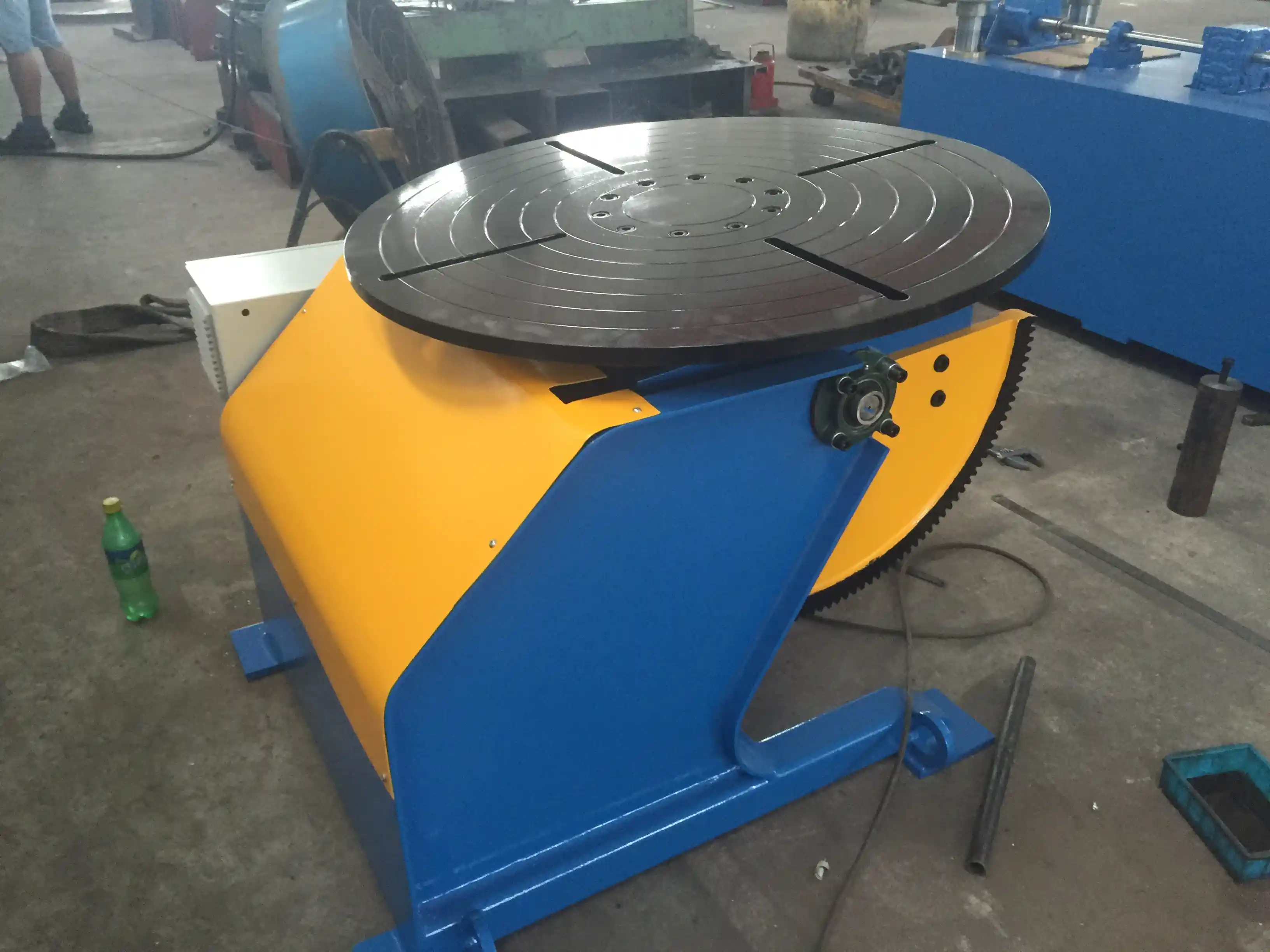
The math on this is straightforward. WUXI ABK’s 1-Ton Fixed Height Welding Positioner provides a useful reference point. Daily checks for slag buildup and electrical connections, monthly bolt torque verification, and annual bearing replacements extend service life by over 30% and cut unplanned downtime by 85%. For operations running complex systems like a Welding Manipulator or a wind tower welding line, that kind of reliability improvement translates directly to fewer missed deadlines and lower repair bills.
A basic maintenance flowchart looks something like this:
| Step | Action | Frequency | Objective |
|---|---|---|---|
| 1 | Visual Inspection of Cables & Hoses | Daily | Identify wear, cuts, or loose connections |
| 2 | Clean Contact Tips & Nozzles | Daily/Shift | Ensure optimal current transfer & gas flow |
| 3 | Check Gas Flow & Connections | Weekly | Prevent porosity and shielding gas leaks |
| 4 | Inspect Wire Feed System | Weekly | Ensure smooth wire delivery |
| 5 | Calibrate Power Source | Quarterly | Maintain consistent welding parameters |
| 6 | Lubricate Moving Parts | Monthly/Quarterly | Reduce friction and wear |
Following this kind of schedule protects the investment and keeps output quality where it needs to be.
Daily and Weekly Checks That Actually Matter
Small problems become expensive problems when nobody catches them early. Routine welding safety checks give operators a chance to spot wear before it turns into failure. A few minutes at the start of each shift prevents hours of downtime later.
Daily maintenance focuses on consumables and connections. Torch cleaning procedures matter because spatter buildup restricts gas flow and degrades weld quality. Cables need inspection for damage, and grounding connections should be verified. Worn contact tips, nozzles, and diffusers affect arc stability and shielding coverage, so following a consumable replacement guide keeps these components in working condition.
Weekly checks go deeper into welding gun maintenance and system integrity. Wire feeder tension and alignment need verification. Gas lines should be checked for leaks. All electrical connections deserve attention. For arc welding maintenance, electrode holders and ground clamps require inspection for both safety and performance reasons. These steps are simple, but they make a measurable difference in how long equipment lasts and how reliably it performs.
Diagnosing Problems Before They Get Worse
Equipment failures happen. The goal is catching them quickly and fixing them correctly. Accurate troubleshooting minimizes downtime and prevents secondary damage that makes repairs more expensive.
Where Failures Typically Originate
Most welding equipment failures fall into mechanical or electrical categories. Mechanical problems often involve the wire feed system. Tangled wire, worn liners, or incorrect drive roller tension all affect MIG welder care. Electrical failures show up as power source malfunctions, faulty connections, or control circuit issues. TIG welder upkeep frequently involves dealing with contaminated tungsten electrodes or inadequate gas shielding. Plasma cutter maintenance tips usually emphasize consumable degradation, since electrodes and nozzles wear down with use. Proper welding power source care prevents many of these issues from developing in the first place.
Common problems and their solutions:
| Issue | Probable Cause | Solution |
|---|---|---|
| Porosity in Weld | Inadequate gas shielding | Check gas flow, connections, and nozzle |
| Wire Feeding Problems | Tangled wire, worn liner | Untangle wire, replace liner, adjust tension |
| Erratic Arc | Loose connections, worn consumables | Tighten connections, replace contact tip |
| Overheating | Insufficient duty cycle, poor ventilation | Allow cooling, improve airflow, reduce current |
| Poor Weld Penetration | Low current, travel speed too fast | Increase current, reduce travel speed |
| Spatter | Incorrect voltage/amperage | Adjust parameters, clean nozzle |
Knowing what to look for and how to respond keeps operations moving.
If you’re interested, check 《Revolutionary Solution for Pressure Vessel Welding: Technical Analysis of 360-Degree Rotating Welding Positioners》.
Specialized Systems Need Specialized Attention
Robotic welders and CNC cutting machines represent significant capital investments. Their precision depends on maintenance practices that go beyond what conventional equipment requires.
Robotic welding maintenance centers on calibration. Robot arms and end-effectors need regular positional accuracy checks. Software diagnostics and updates keep programming and control systems current. The electrical and mechanical complexity of these systems means specialized inspections and preventative component replacements are necessary rather than optional.
CNC cutting machine maintenance involves alignment verification for gantry systems and cutting heads. Laser cutting machines need clean optical components. Plasma and flame cutters require gas pressure checks and nozzle condition assessment. The precision of a CNC Plasma Cutter or a CNC Flame Cutter directly determines cut quality and operational efficiency.
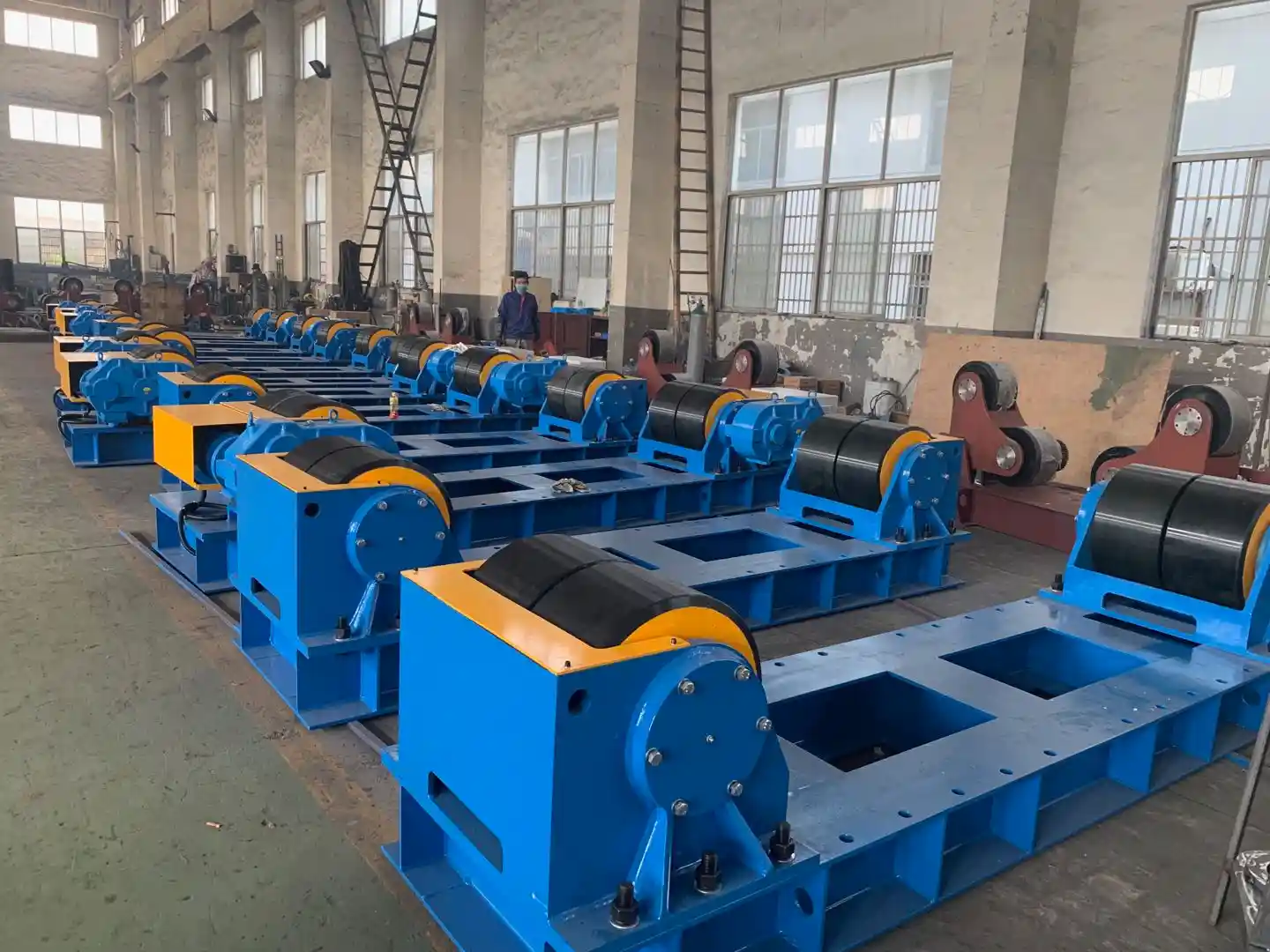
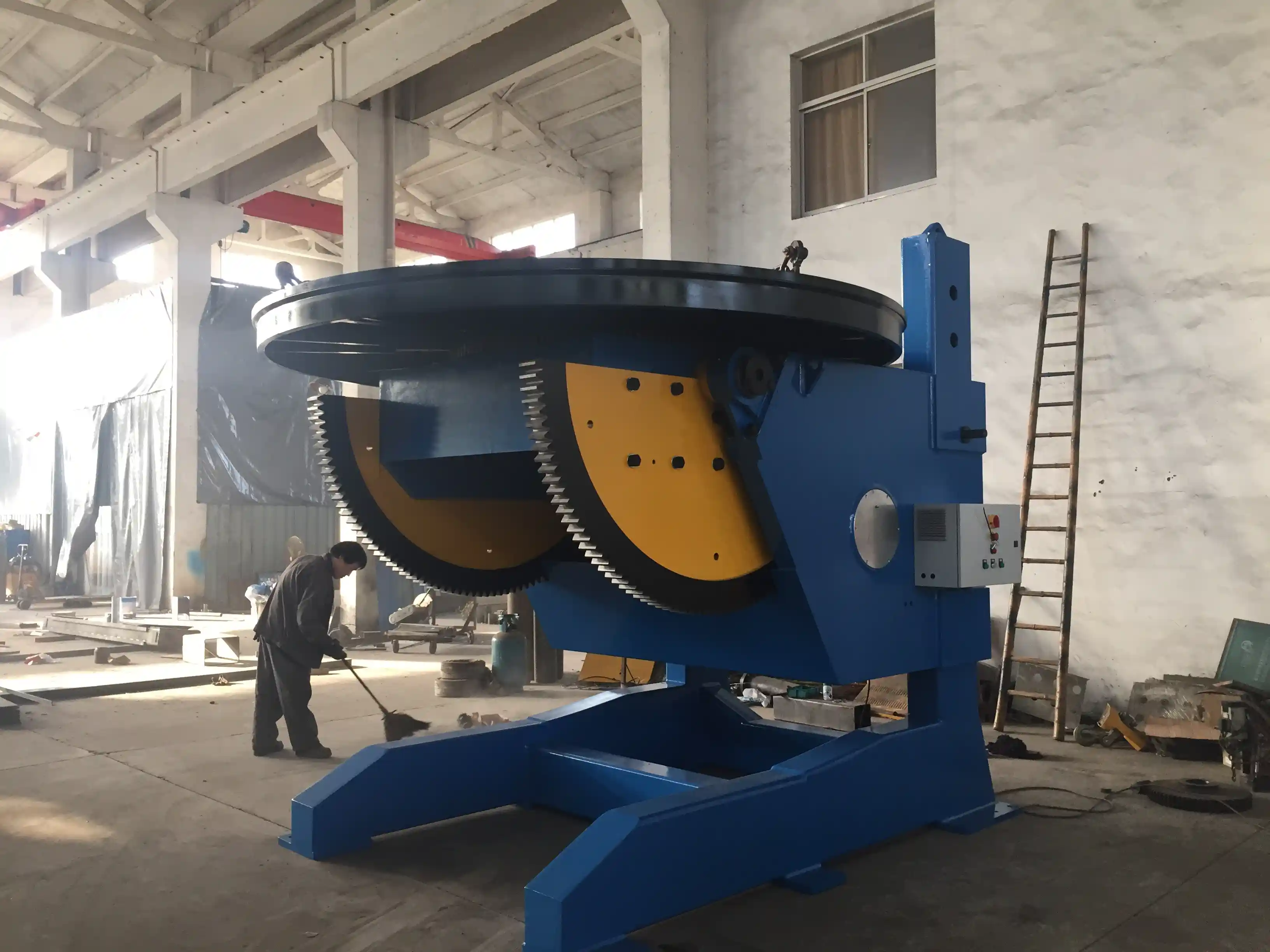
Heavy industrial applications like wind tower welding lines or H beam welding lines add another layer of complexity. Maintenance extends to structural integrity and operational accuracy of large-scale equipment. Tracks, rollers, and drive systems on Welding Manipulator units and positioners need regular inspection. The LH8080 welding manipulator, for example, uses linear guideways and cycloidal reducers that require periodic inspection and lubrication to maintain its ±0.1 mm/m positioning accuracy. This level of attention keeps critical systems reliable over their full service life.
Quality Equipment and Genuine Parts Make Economic Sense
The temptation to save money on equipment or parts is understandable. Initial costs matter. But the calculation changes when reliability and performance enter the picture. Cheaper alternatives often cost more over time.
Well-designed equipment handles demanding conditions without premature failure. The 3-Ton 3-Axis Welding Positioner from WUXI ABK offers ±0.05 mm positioning accuracy and 0.02 mm repeatability. That precision comes from superior materials and manufacturing processes that support longer operational life with fewer breakdowns.
Genuine spare parts match original specifications exactly. Components for a Heavy Duty Pipe Rotator or a Triple Axis Positioner maintain equipment performance characteristics when they’re authentic. Aftermarket parts introduce variables. They may fit poorly, wear faster, or cause failures that wouldn’t happen with proper components.
| Feature | Genuine Parts | Aftermarket Parts |
|---|---|---|
| Quality | High, OEM specifications | Variable, often lower |
| Compatibility | Guaranteed perfect fit | May require modifications |
| Performance | Maintains original efficiency | Can degrade performance |
| Lifespan | Longer, designed for durability | Shorter, prone to early failure |
| Warranty | Typically covered by manufacturer | Often voids equipment warranty |
| Reliability | High, reduces downtime | Lower, increases risk of breakdown |
Investing in quality welding equipment upgrades and genuine spare parts reduces unforeseen expenses and maximizes operational uptime. The initial price difference usually disappears when total cost of ownership is calculated.
If you’re interested, check 《Exceptional Application Value: How Fixed-Height Welding Positioners Drive Advancements in Offshore and Shipbuilding Manufacturing》.
Frequently Asked Questions About Welding Equipment Maintenance
How often should welding equipment be serviced to extend its lifespan?
Service frequency depends on how heavily the equipment gets used and what type it is. A practical preventative maintenance schedule includes daily operator checks, weekly inspections, monthly lubrication, and annual professional servicing. Sticking to these intervals extends welding equipment lifespan significantly because problems get caught before they cause real damage.
What are the most critical components to inspect on a welding machine?
Focus on welding cables, torches, power sources, and gas lines. Cables show wear through visible damage. Torches accumulate spatter and consumables degrade. Power sources need calibration verification and electrical connection checks. Gas lines develop leaks over time. Regular attention to these elements maintains welding machine performance and keeps operations safe.
Can proper maintenance improve weld quality and reduce rework?
It does. Consistent arc stability, precise wire feed, and adequate gas flow all depend on equipment condition. Well-maintained machines produce fewer defects like porosity, incomplete fusion, and excessive spatter. Better weld quality means less rework, which improves productivity and reduces material waste.
Partner with WUXI ABK for Superior Welding Solutions
WUXI ABK MACHINERY CO., LTD has been building welding and CNC cutting solutions since 1999. The equipment is designed for durability and consistent performance across demanding industrial applications. The product range includes wind tower welding lines, H beam welding lines, and Welding Manipulator systems. Contact jay@weldc.com or +86-13815101750 to discuss equipment needs or explore available industrial solutions.
 English
  Español
  Français
  Deutsch
  Português
  Русский