
Choosing between CNC plasma and CNC flame cutting is not a simple either/or. Both methods remove metal and create finished plate parts, but they behave differently across plate thickness, material type, edge-quality requirements, and operating cost structure. Fabrication shops that match the cutting process to the actual plate mix usually avoid two expensive mistakes: buying more speed than the downstream welding stations can handle, or installing a machine that becomes a bottleneck on thick carbon steel.
CNC plasma cutting uses a high-temperature ionized gas jet to melt and eject metal, which makes it effective on carbon steel, stainless steel, aluminum, copper, and other conductive materials. A Плазменный резак с ЧПУ is often the preferred choice for production cutting in mixed-material shops. CNC flame cutting, also called oxy-fuel cutting, relies on preheating steel to its kindling temperature and then using a pure oxygen jet to burn through the plate. A Пламенный резак с ЧПУ is generally limited to carbon steel and some low-alloy steels, but it remains a serious production tool on heavy plate.
Speed: Plasma vs Flame Cutting
On thin and medium-thickness carbon steel, plasma cutting generally delivers higher travel speed than flame cutting. The difference is greatest below about 20 mm of plate thickness. As thickness increases above 40–50 mm, the speed gap narrows significantly, and oxy-fuel can become the more productive option in many heavy-plate operations.
The exact cross-over point depends on the plasma power source, the number of torches, gas quality, torch height control, and the cut-quality class required for the part. A high-speed plasma cut may still need secondary grinding or edge dressing before welding, which reduces the real productivity benefit.
Travel Speed by Material Thickness
For common mild steel ranges, the speed comparison usually looks like this:
- 3–12 mm: plasma normally cuts much faster than oxy-fuel.
- 15–25 mm: plasma still holds a travel-speed advantage, but edge condition becomes more important.
- 30–50 mm: the difference shrinks and often depends on machine configuration and operator settings.
- 50 mm and above: oxy-fuel frequently becomes the better heavy-line choice because it handles thick plate with predictable edge quality.
These are practical ranges rather than fixed limits. The correct speed target should always be tied to an acceptable cut face under ISO 9013 rather than the maximum catalog speed [1].
Production Throughput
Higher travel speed only turns into higher throughput when the cutting table, CNC control, nesting software, and material handling are all running at the same level. A shop that cuts 12 mm mild steel in high volume may benefit more from a faster plasma gantry than from a flame table. A shop that cuts 70 mm structural plate in lower volume may find that flame cutting produces fewer surprises at fit-up.
Precision and Cut Quality
Both plasma and flame are thermal cutting processes. ISO 9013 classifies thermal cuts by perpendicularity, profile tolerance, and roughness, and it provides a way to specify cut quality independently of the cutting process. That is the key point: the process alone does not decide precision. Machine condition, torch height control, gas supply, speed, and nozzle or tip condition all influence the final edge [1].
Kerf, Taper, and Dross
CNC plasma cutting tends to produce a narrower kerf on material under 25 mm when the torch is set correctly. It can also produce angularity or bevel on thicker plate if cut height, amperage, and travel speed are not matched. Dross on the bottom edge is common when plasma is run too fast or with contaminated air.
Oxy-fuel cutting creates a wider kerf and a larger heat-affected area, but it can produce a very consistent cut face on thick carbon steel once preheat and oxygen pressure are set correctly. Flame-cut edges often need only light dressing before heavy fabrication, especially when the edge will be prepared for welding.
Edge Preparation and Weld Fit-Up
For parts that go directly to welding, the difference between a clean cut and a poor edge shows up as grinding time, poor joint fit-up, or weld defects. Plasma dross may require chipping or grinding on the bottom surface. Flame-cut scale and surface roughness may require light cleaning before submerged arc welding or robotic welding systems.
If the cut face must meet a specific quality class, the right approach is to specify that class before ordering parts, not to compare the two machines by visual appearance alone. A lower-speed cut to a defined class is often cheaper than a fast cut followed by rework.
Edge quality from the cutting table reappears later at fit-up and weld time. <Чрезмерное смещение при сварке трубопроводов: решение для прецизионного позиционирования сварного поворотного стола от компании Wuxi ABK> covers how positioning control helps manage fit-up tolerance issues.
Operating Costs and Consumables
At the machine level, CNC flame cutting usually has a lower purchase price and cheaper cutting tips, but it consumes oxygen and fuel gas continuously and cuts more slowly on thin material. CNC plasma cutting has a higher power demand and more expensive consumables such as electrodes, nozzles, swirl rings, and shields, but the shorter cycle time often lowers the total cost per good part.
The practical comparison should therefore be made on cost per meter of acceptable cut, not on the price of the machine alone. A plasma table that eliminates one grinding station or one fit-up correction step may justify a higher initial price. A flame table may be the better financial fit when the work is mostly thick carbon steel and electricity is a limiting factor.
Direct Cost Drivers
For CNC plasma cutting, the main operating costs include:
- Electrical power
- Clean, dry compressed air or process gas
- Plasma consumables
- Torch height control parts
- Filter and air-drying system maintenance
For CNC flame cutting, the main operating costs include:
- Fuel gas
- Кислород
- Cutting tips and preheat nozzles
- Preheat time and slower travel speed
- Regular gas leak and regulator checks
Both systems require CNC rail and table maintenance, nesting software, fume extraction, and consistent torch alignment. Gas safety and operating practice should follow hot-work and cutting-safety guidance [2].
Maintenance Comparison
Plasma systems perform best with dry air and regular inspection of the torch head, leads, and consumable stack. Contaminated air quickly degrades cut quality and shortens nozzle life. Flame systems require strict gas leak prevention, regulator maintenance, and tip cleaning. Fire prevention measures for both operations should follow hot-work standards [3].
Still unsure which process fits your part mix? Send your material grade, thickness range, and required edge quality to jay@weldc.com for a direct engineering comparison.
Material Thickness and Application Fit
The material is often the fastest way to separate the two choices. Flame cutting depends on iron oxidation, so it is not a practical process for stainless steel or aluminum. Plasma cutting can cut any electrically conductive material, which makes it much more flexible for shops that run mixed production.
For many job shops, the decision comes down to the thickest material that must be cut. If the shop never cuts above 30 mm and sometimes processes stainless steel, plasma is usually the preferred route. If the shop is heavy carbon steel only, oxy-fuel remains a cost-effective cutting method for plate beyond 50 mm.
When CNC Plasma Cutting Is the First Choice
Plasma is generally preferred when:
- Material is 30 mm and thinner
- Stainless steel, aluminum, or other non-ferrous metals are part of the workload
- The part nest has many small contours or fine features
- Dross-sensitive downstream operations require less secondary work
- Electrical power and clean air are available
When CNC Flame Cutting Remains the Right Tool
Flame cutting is usually the better fit when:
- Carbon steel is thicker than 50 mm
- Very long, straight cuts and bevels are common
- The shop has limited electrical capacity
- Initial capital cost is the dominant concern
- The plate is being prepared for heavy weldments where edge consistency matters more than travel speed
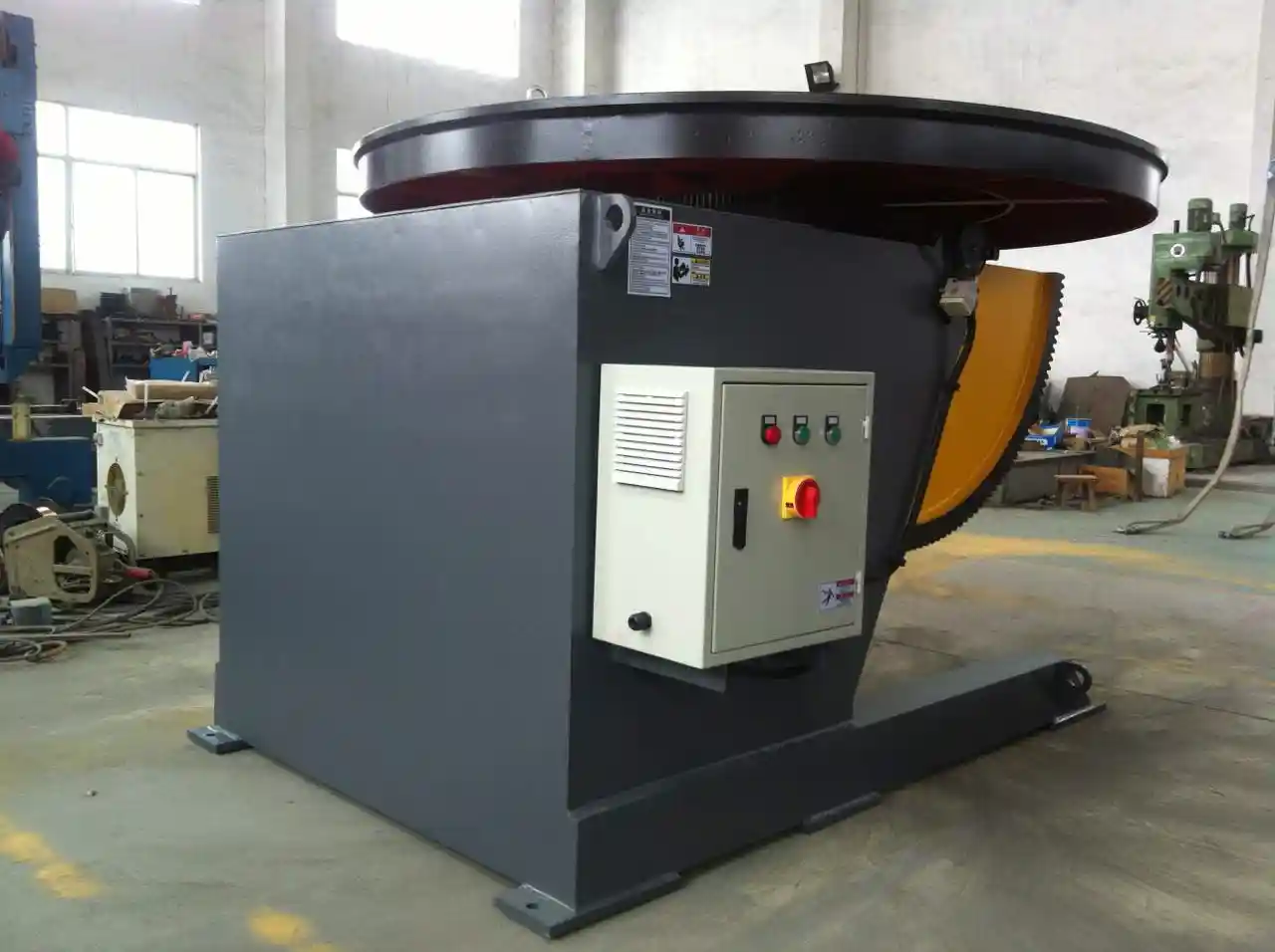
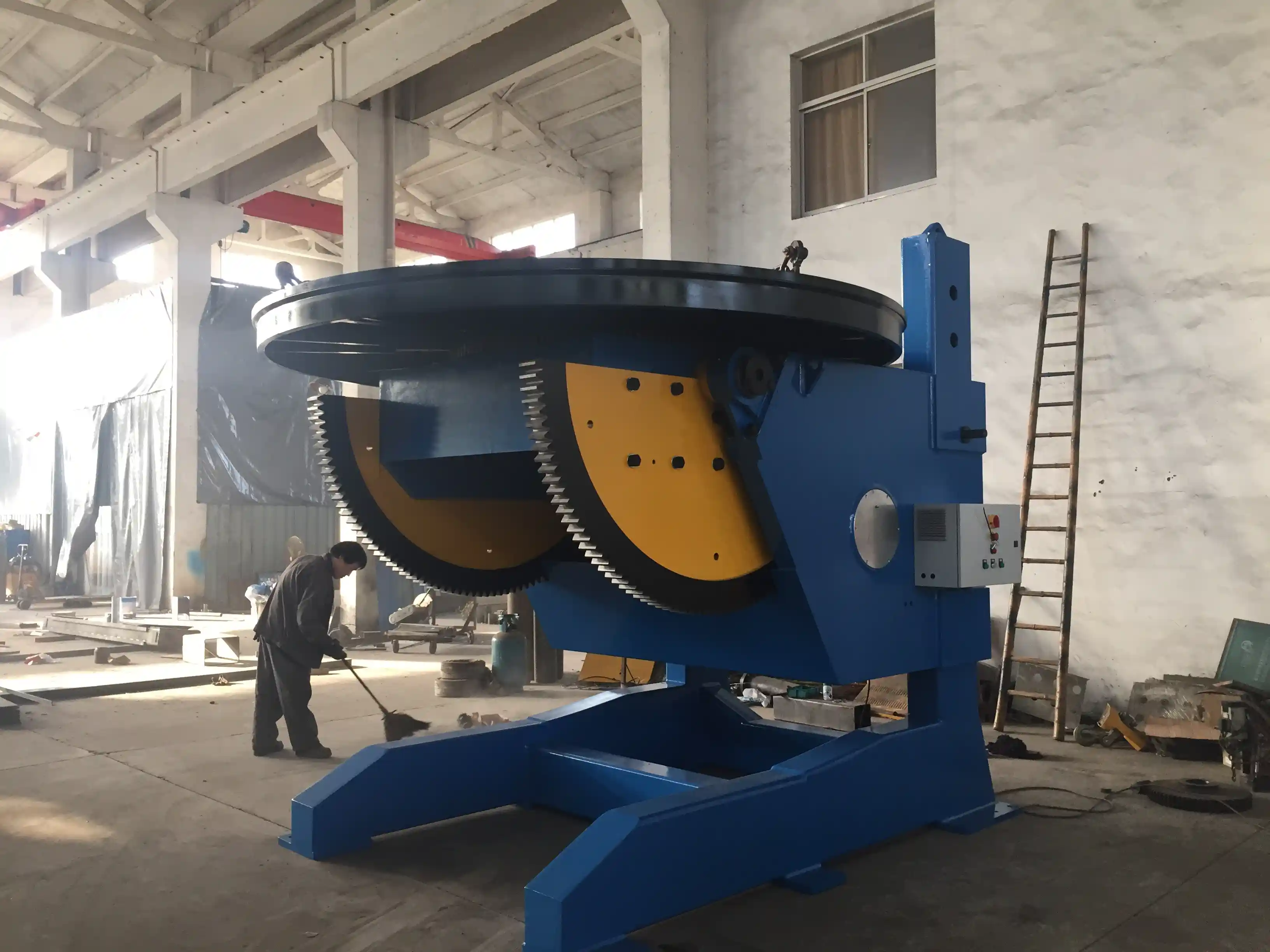
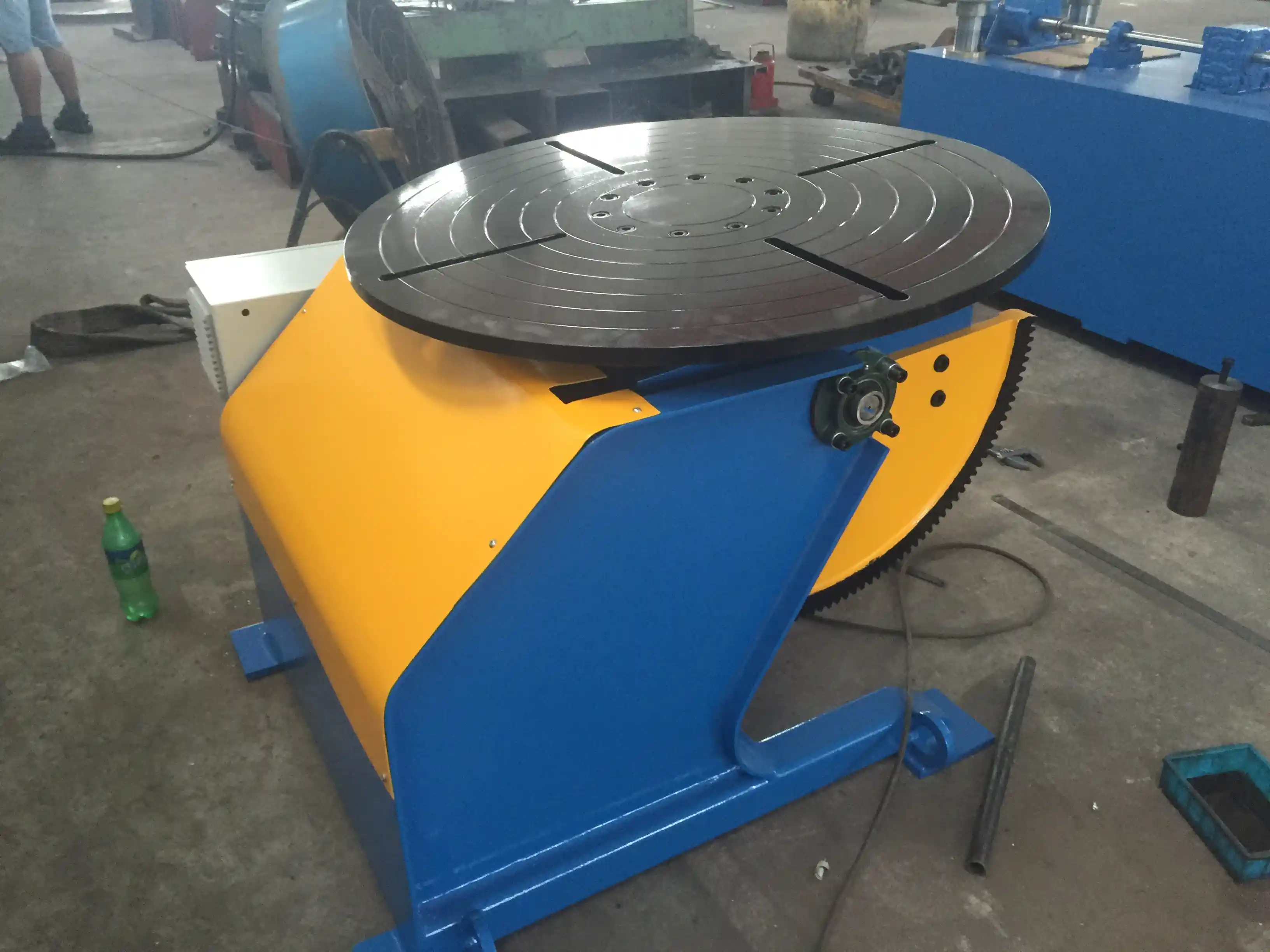
CNC flame and plasma machines often complement each other in a production line. The cutter is only one station in a longer sequence of cutting, fit-up, positioning, welding, and inspection. In heavy fabrication, cutting speed means little if the next station cannot handle the plate or rotate the assembly efficiently.
Cutting speed only creates value when downstream handling and welding can keep up. <Освоение тяжелого производства: Как подъемные роликовые стенды стали краеугольным камнем эффективной сварки> covers how positioning equipment turns cut plate into productive weld-metal time.
Practical Selection Checklist
Use the following list when comparing plasma and flame cutting for a specific shop:
- Material grades and thickness range
- Maximum plate dimensions and typical cut length
- Required edge quality class under ISO 9013
- Annual cutting volume in meters or tons
- Downstream fit-up, welding, and grinding capacity
- Available electrical power, compressed air, and fuel gas
- Operator experience and maintenance capability
- Initial price versus total operating cost
A comparison based only on catalog speed can be misleading. The better approach is to test a representative part and measure cut quality, dross level, actual cycle time, and secondary work. Thermal cutting terms are defined and classified in industry standards that help buyers compare machine capabilities on a common basis [4].
Discuss Your Cutting Requirements
The easiest way to choose between plasma and flame cutting is to review your actual plate mix and a sample nest. To get a practical recommendation, prepare this information:
- Material grade and thickness
- Typical plate sizes and cut lengths
- Required cut edge quality class
- Monthly or annual production volume
- Shift schedule and labor availability
- Available power, compressed air, and fuel gas
Contact the WUXI ABK Machinery engineering team at jay@weldc.com or call +86-510-83555592 to compare configurations and request a cutting evaluation.
ЧАСТО ЗАДАВАЕМЫЕ ВОПРОСЫ
Which process cuts faster on medium-thickness carbon steel?
Plasma cutting is generally faster on carbon steel below about 20–25 mm. As plate thickness increases, the speed advantage narrows, and flame cutting becomes competitive on heavy plate.
Can flame cutting cut stainless steel or aluminum?
No. Oxy-fuel flame cutting is not suitable for stainless steel or aluminum because those materials do not sustain the oxidation reaction in the same way. Plasma cutting can process any electrically conductive material.
Is plasma always more precise than flame cutting?
Not automatically. The machine setup, torch height control, gas quality, and the specified cut quality class often affect precision more than the process itself. Both methods can produce acceptable edges when matched to the right material and thickness.
What is the practical thickness cross-over for plasma vs flame?
Many shops find that plasma is the stronger choice up to about 30 mm, while flame cutting is often preferred beyond 50 mm. Between 30 and 50 mm, the best choice depends on part geometry, volume, and required edge condition.
Do fabricators need both machines?
A shop that cuts only carbon steel plate may not need both. A mixed-material shop that runs stainless steel and aluminum alongside thick carbon steel often operates both because they cover different parts of the production range.
References
[1] ISO 9013:2017, Thermal cutting — Classification of thermal cuts, International Organization for Standardization.
[2] ANSI Z49.1:2021, Safety in Welding, Cutting, and Allied Processes, American Welding Society.
[3] NFPA 51B:2019, Standard for Fire Prevention During Welding, Cutting, and Other Hot Work, National Fire Protection Association.
[4] AWS A3.0M/A3.0:2020, Standard Welding Terms and Definitions, American Welding Society.
Если вам интересно, ознакомьтесь со следующими статьями по этой теме:
Повышение качества и эффективности производства ветроэнергетических установок: Ключевая роль позиционеров при сварке обхватов секций башен
Tired of Complex Welding Challenges? How a 3-Axis Positioner Can Boost Productivity by 70%
Как повысить качество сварки труб с помощью высокоточного сварочного позиционера
Неоценимое значение для практического применения: как позиционеры с фиксированной высотой способствуют развитию морского и судостроительного производства (Часть 2)
 English
  Español
  Français
  Deutsch
  Português
  Русский