In industrial fabrication, the strength of a structure often comes down to the quiet reliability of each tube-to-tube joint. Over the years, I’ve seen how a well-thought-out joint—grounded in sound material choices, smart geometry, the right welding process, and disciplined post-weld treatment—can carry a system through punishing service. The flipside is just as memorable: one overlooked detail can cascade into downtime, safety risks, and costly rework. What follows is the practical framework I rely on—design fundamentals, process control, stress and fatigue behavior, NDT, and equipment and standards—to build joints that last.
Understanding the Fundamental Principles of Tube-to-Tube Joint Design
1. Defining Tube-to-Tube Joints and Their Importance
Tube-to-tube joints tie two or more tubular components into a continuous load path. You’ll find them everywhere—construction, energy, manufacturing—doing unglamorous but essential work: transmitting loads, holding pressure (fluids or gases), and preserving overall stability. One weak joint can jeopardize an entire system, with real safety and financial consequences. That’s why we design for maximum strength and reliability from the outset.
2. Key Performance Requirements for Robust Joints
Robust tube-to-tube joints must satisfy several key performance requirements.
1. They must withstand static and dynamic loads without yielding or fracturing.
2. The joints should resist fatigue under cyclic loading conditions.
3. They need to maintain their structural integrity in corrosive or high-temperature environments.
4. Leak-tightness is often a critical requirement, especially in pressure systems.
5. The joints must also exhibit sufficient ductility to prevent brittle fracture.
Meeting these requirements demands a solid command of material science, mechanical design, and welding metallurgy working together.
3. Overview of Common Joint Configurations
Various joint configurations exist, each suited for specific applications and loading conditions.
1. Butt joints align tube ends and join them directly, offering high strength and minimal stress concentration.
2. Lap joints involve overlapping tube sections, often used when welding access is limited.
3. T-joints connect a branch tube perpendicularly to a main tube.
4. Y-joints and K-joints are more complex, found in structural frameworks and offshore platforms.
The configuration you choose shapes stress distribution and overall performance. Selection should reflect design loads, manufacturing realities, and the service environment.
Exploring Critical Factors Influencing Joint Strength and Integrity
1. Material Selection and Compatibility for Optimal Performance
Material choice sets the ceiling for joint performance. I start with the base metal’s tensile strength, yield strength, and toughness, then verify filler metal compatibility to avoid metallurgical pitfalls. Dissimilar metal welding needs special attention—purpose-chosen fillers and tailored procedures. Depending on the duty, corrosion resistance, thermal expansion, and creep resistance also become decisive.
We recommend reviewing Capacitando a fabricação de vasos de pressão Como os posicionadores de soldagem se tornam o principal motor de qualidade e eficiência for further insights.
2. Geometric Design Parameters and Their Impact on Stress Distribution
Geometry drives stress flow—and stress risers if we’re not careful.
1. Wall thickness governs load-carrying capacity.
2. The diameter-to-thickness ratio influences flexibility and resistance to buckling.
3. Joint prep—bevel angle and root gap—controls penetration and fusion quality.
4. Reinforcement geometry (weld bead profile) can mitigate or, if poorly executed, create stress concentrations.
Finite Element Analysis (FEA) is invaluable for visualizing stresses and refining joint geometry so the load tracks smoothly across the joint.
3. Welding and Joining Processes for Tube-to-Tube Connections
The welding process sets the tone for microstructure, residual stress, and defect risk.
1. Shielded Metal Arc Welding (SMAW) is versatile but operator-dependent.
2. Gas Metal Arc Welding (GMAW) supports higher deposition and automation.
3. Gas Tungsten Arc Welding (GTAW) excels where precision and consistency are critical.
4. Submerged Arc Welding (SAW) shines on thicker sections and high throughput.
Advanced options like friction stir welding and laser welding unlock specific advantages for certain materials and thicknesses. Choose based on material, section thickness, quality targets, and production efficiency.
For enhancing welding precision and efficiency, consider The Art Of Pipeline Fabrication How Positioners Enhance Welding Precision And Efficiency.
4. Heat Treatment and Post-Weld Processing for Enhanced Properties
Post-weld work often makes the difference between “good” and “bulletproof.”
1. Preheating tempers thermal gradients and reduces hydrogen-induced cracking risk.
2. Post-Weld Heat Treatment (PWHT) relieves residual stress and refines microstructure to improve toughness and ductility.
3. Stress relieving is crucial for complex geometries and critical duty.
4. Mechanical methods like peening add compressive residual stresses to boost fatigue life.
Tight process control is non-negotiable—done right, you unlock the intended properties without trading one problem for another.
Analyzing Stress, Fatigue, and Failure Mechanisms in Tube Joints
1. Understanding Stress Concentration and Its Mitigation
Stress concentrations emerge at discontinuities—section changes, sharp corners, weld toes—where local stresses spike above nominal. That’s where cracks like to start. To keep them at bay:
1. Design smooth transitions and gradual geometry changes.
2. Dress weld toes (e.g., grinding) to blunt sharp angles.
3. Use appropriate bead profiles.
4. Select materials with strong fatigue resistance.
Disciplined design and fabrication reduce these hotspots before they become failure sites.
2. Assessing Fatigue Life and Durability in Cyclic Loading
Fatigue is cumulative and local, and tube joints are prime candidates thanks to geometry and load cycles. Assess fatigue life by:
1. Defining the cyclic load spectrum.
2. Quantifying stress amplitudes and mean stresses.
3. Applying S-N curves or fracture mechanics approaches.
Material behavior, surface finish, residual stresses, and environment all move the needle. Design for fatigue by optimizing geometry and choosing materials that hold up under the expected cycle ranges.
3. Identifying Common Failure Modes and Prevention Strategies
Common failure modes in tube-to-tube joints include:
1. Brittle fracture, often initiated by defects or stress concentrations in low-toughness materials.
2. Ductile fracture, occurring after significant plastic deformation under overload conditions.
3. Fatigue cracking, resulting from cyclic loading.
4. Corrosion, leading to material degradation and reduced load-bearing capacity.
5. Creep, which is time-dependent deformation under sustained stress at elevated temperatures.
Preventing these outcomes means pairing robust design with smart materials, controlled fabrication, and effective inspection.
4. The Role of Non-Destructive Testing in Ensuring Joint Quality
Non-Destructive Testing (NDT) safeguards quality without sacrificing the part.
1. Visual inspection (VT) catches surface issues early.
2. Magnetic Particle Testing (MPT) or Liquid Penetrant Testing (LPT) exposes surface-breaking flaws.
3. Ultrasonic Testing (UT) and Radiographic Testing (RT) uncover internal defects like porosity, inclusions, and cracks.
4. Eddy Current Testing (ECT) probes surface and near-surface defects in conductive materials.
These methods confirm conformity to specs and standards, cutting the risk of failures in service.
Implementing Best Practices for Tube-to-Tube Joint Fabrication
1. Preparation and Fit-Up Techniques for Precision Assembly
Great welds start long before the arc strikes.
1. Cut and bevel tubes to exact angles.
2. Clean surfaces thoroughly—rust, oil, paint, all of it.
3. Maintain alignment and root gap for consistent penetration.
4. Use tack welds to lock the setup before full welding.
Automated cutting and beveling tools help achieve repeatable precision that pays off at the weld.
For further details on enhancing welding quality, see How To Improve The Quality Of Pipe Welding Through A High Precision Welding Positioner.
2. Quality Control and Inspection Throughout the Fabrication Process
Quality is a process, not a checkpoint.
1. Pre-weld inspections validate prep and fit-up.
2. In-process monitoring—current, voltage, travel speed—keeps parameters on target.
3. Post-weld checks, including NDT, confirm the weld is sound.
4. Document everything for traceability and compliance.
This layered approach ensures every joint clears the bar you’ve set.
3. Utilizing Advanced Welding Equipment for Superior Results
Modern equipment lifts both quality and throughput.
1. Automated welding systems, including robotic welders and Manipulador de soldadura, offer precise control over welding parameters.
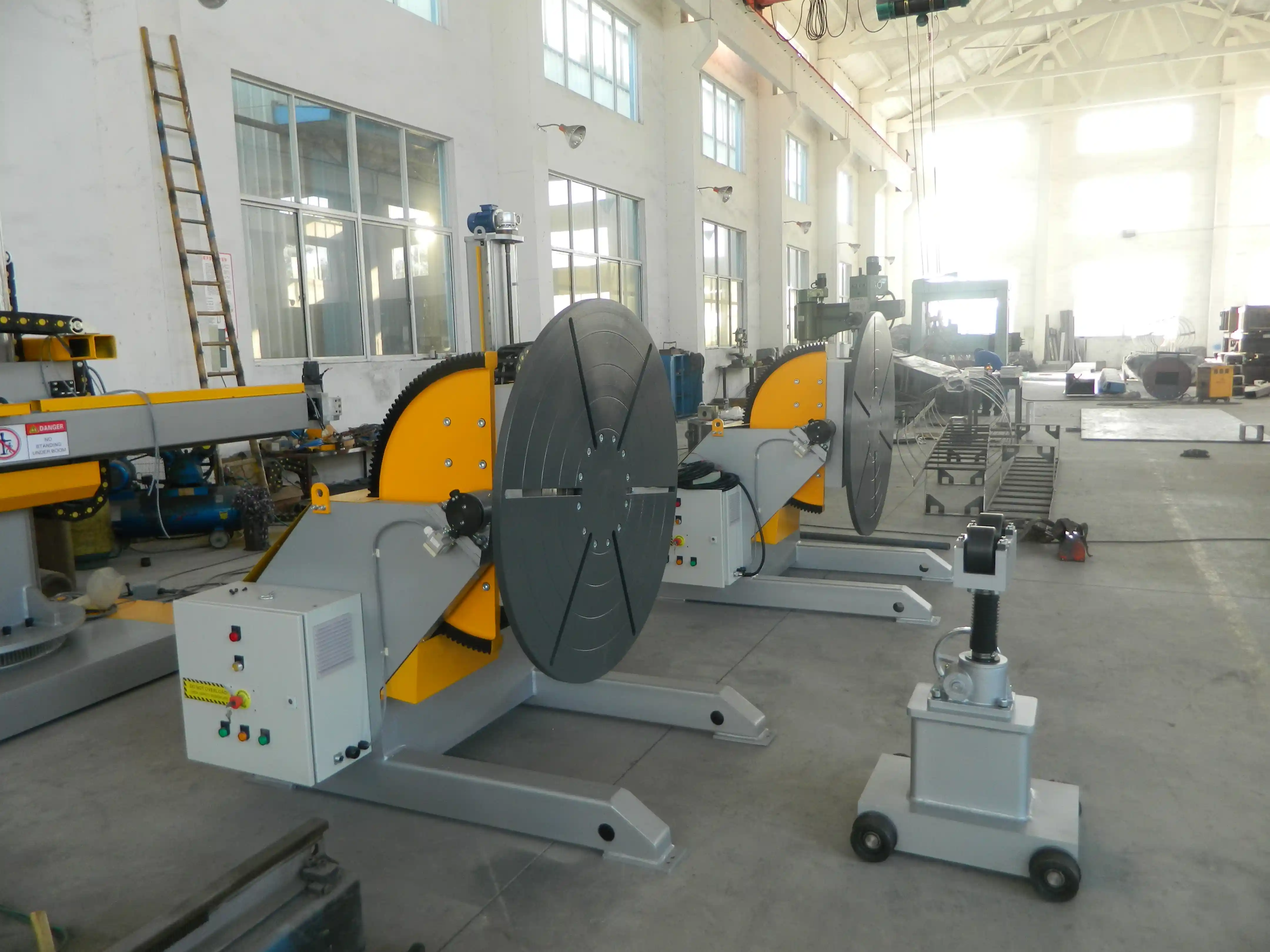
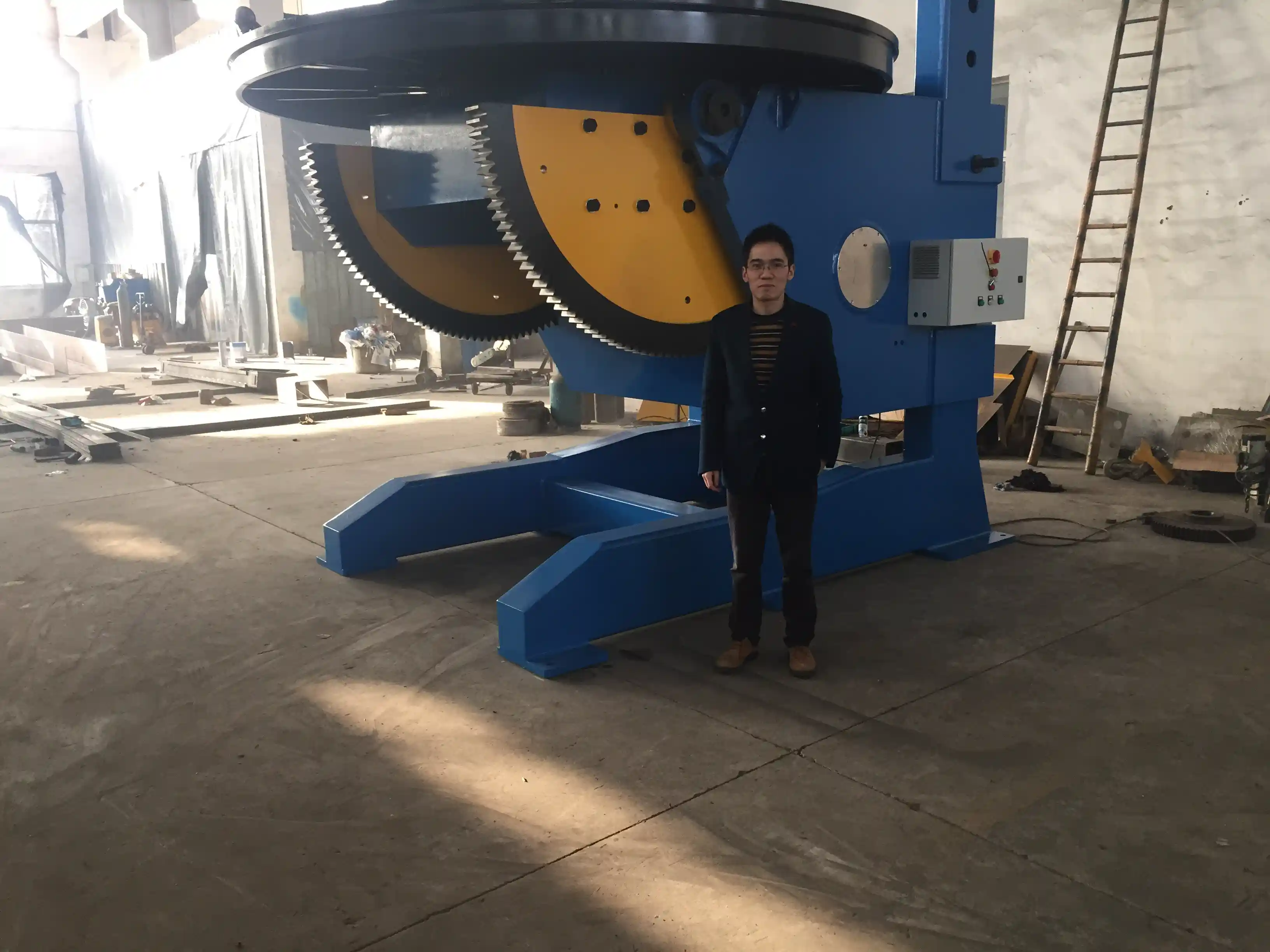
2. Welding Positioner and Welding Rotator provide optimal workpiece positioning, improving access and weld quality.
3. Advanced power sources with pulsed welding capabilities improve arc stability and reduce spatter.
4. Seam tracking systems ensure the weld path accuracy, especially for complex geometries.
Investing here trims human error, raises productivity, and produces consistently strong joints.
4. Adhering to Industry Standards and Regulations for Safety
Standards aren’t red tape—they’re protection.
1. Standards like ASME Boiler and Pressure Vessel Code, AWS D1.1, and API 1104 provide guidelines for design, fabrication, and inspection.
2. Compliance ensures that joints meet minimum safety and performance criteria.
3. Certification of welders and welding procedures is mandatory for critical applications.
4. Regular audits and quality management systems help maintain compliance.
These frameworks safeguard people, the environment, and the assets you’re building.
To understand the critical role of welding rotators, refer to Welding Rotator Precision Automation For Industrial Fabrication Expert FAQ Guide.
Applications of Strong Tube-to-Tube Joints Across Industries
1. Pressure Vessel and Boiler Manufacturing Requirements
Pressure vessels and boilers push joints hard with heat and pressure. Here, material integrity and welding precision are non-negotiable. Heat exchangers, boiler tubes, and pressure piping must pass stringent codes, so we pair advanced welding methods with rigorous NDT to validate performance.
For more on pressure vessel manufacturing, see Wuxi ABK Professional Welding Rotary Equipment Precision Welding Solution For Pressure Vessel Manufacturing.
2. Structural Steel and Heavy Equipment Fabrication Demands
In structural steel and heavy equipment, joints carry heavy static and dynamic loads and need excellent fatigue resistance. Think crane booms, excavator arms, and building supports. Precision is enabled at scale with Welding Manipulator Manufacturers e Welding Positioner Suppliers for accurate, consistent welds.
3. Pipeline and Offshore Platform Construction Challenges
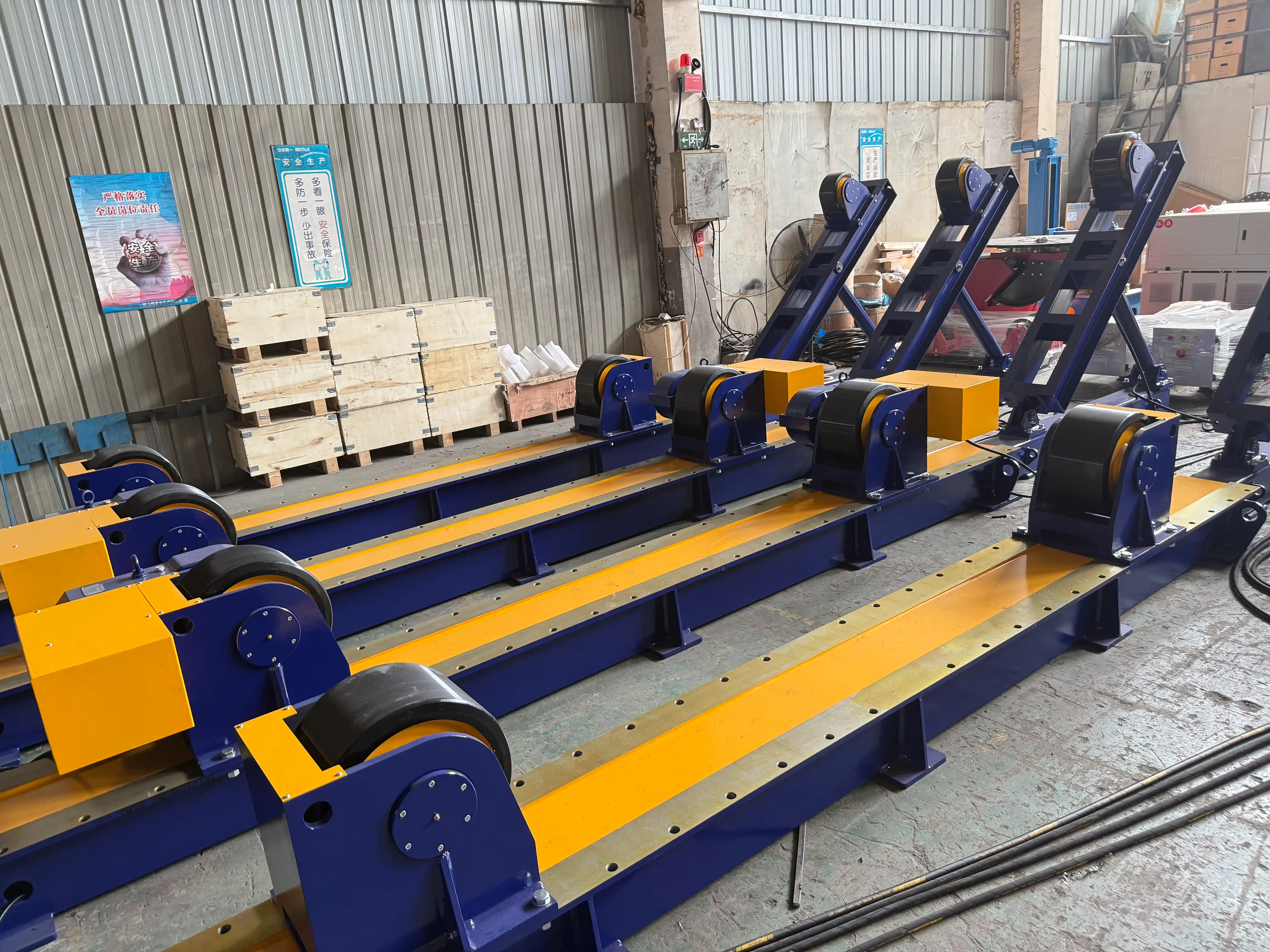
Pipelines and offshore platforms face corrosive seawater, high pressure, and wave-induced loading. Joints here must deliver on corrosion resistance, fatigue strength, and fracture toughness. Automated systems and specialized Rotador de soldadura de tubos help maintain quality in harsh conditions, where leak-tightness and structural integrity are mission-critical.
4. Automotive and Aerospace Component Assembly Standards
Automotive and aerospace demand high strength-to-weight and relentless consistency. Precision processes—laser and orbital welding—are common choices. From exhausts and chassis members to aircraft hydraulic lines, meticulous design and inspection underpin safety and performance.
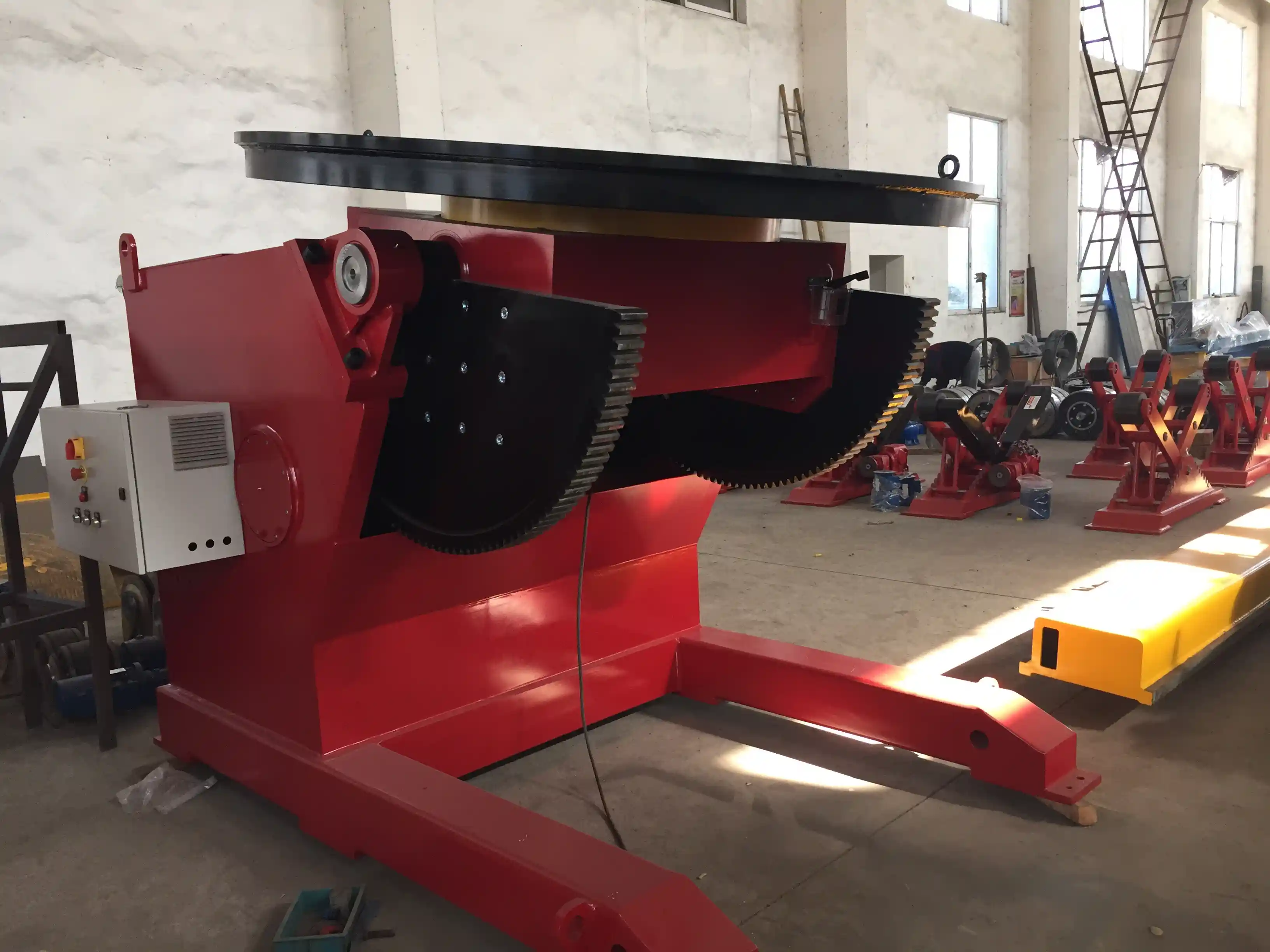
Optimize Your Fabrication with WUXI ABK MACHINERY
Achieving robust and reliable tube-to-tube joints demands precision, expertise, and the right equipment. At WUXI ABK MACHINERY, we provide advanced welding and positioning solutions designed to meet the most stringent industry requirements. Our range of welding manipulators, positioners, and rotators ensures superior accuracy, efficiency, and safety in your fabrication processes. Contact us today to discuss your specific needs and discover how our solutions can enhance your production quality and performance.
Telemóvel: +86-13815101750
Correio eletrónico: jay@weldc.com
About the Author
Jay Li, R&D Director
Jay Li, a welding automation expert with over 20 years of experience, specializes in wind tower welding lines, H-beam welding lines, and pipe welding equipment. He helps companies improve quality and production efficiency through innovative solutions.
FAQs
1. What are the primary factors to consider when designing a tube-to-tube joint for high strength?
When designing for high strength, we focus on material properties like tensile strength and toughness, geometric parameters to minimize stress concentration, and the appropriate welding process. We also consider the service environment, including temperature, pressure, and corrosive elements, to ensure long-term durability.
2. How do different welding techniques affect the strength and integrity of tube-to-tube joints?
Different welding techniques, such as GTAW, GMAW, and SAW, influence heat input, penetration, and metallurgical changes in the weld zone. These factors directly affect the joint’s microstructure, residual stresses, and the presence of defects, all of which determine its overall strength and integrity.
3. What role does material selection play in preventing joint failure?
Material selection is critical for preventing joint failure by ensuring compatibility between base metals and filler materials. We choose materials with adequate mechanical properties, corrosion resistance, and fatigue strength suitable for the intended application and operating conditions. This minimizes risks like brittle fracture and stress corrosion cracking.
4. What are the common inspection methods used to ensure the quality of tube-to-tube joints?
Common inspection methods include visual inspection for surface flaws, magnetic particle or liquid penetrant testing for surface-breaking defects, and ultrasonic or radiographic testing for internal discontinuities. These NDT methods verify weld integrity and compliance with design specifications, ensuring reliable performance.
5. How can WUXI ABK MACHINERY’s welding equipment contribute to achieving stronger tube-to-tube joints?
WUXI ABK MACHINERY’s welding equipment, including our precise welding manipulators, positioners, and rotators, enhances joint strength by providing superior control over welding parameters and workpiece positioning. This precision reduces human error, improves weld quality, and ensures consistent, strong, and defect-free tube-to-tube connections.
 English
  Español
  Français
  Deutsch
  Português
  Русский