
Choosing the right welding method for joining tubes is, frankly, a make-or-break decision. It’s not just about sticking two pieces of metal together; it’s about ensuring performance, keeping costs down, and sometimes, even preventing catastrophic failures. We’ve got TIG, MIG, and Laser each bringing its own strengths and weaknesses to the table—think weld quality, how fast you can get the job done, and what materials it plays nice with. My goal here is to really dig into these options, giving engineers and fabricators the lowdown they need to pick the absolute best tool for the job.
Understanding the Criticality of Tube-to-Tube Welding Applications
1. Defining Tube-to-Tube Welding and Its Industrial Significance
When we talk about tube-to-tube welding, we’re essentially discussing the art of joining two tubular components. This isn’t some niche process; it’s absolutely fundamental across a whole slew of industries. Think about the sprawling networks of pipelines, the intricate workings of heat exchangers, the exhaust systems in your car, or even the delicate hydraulic lines in an aerospace craft. The integrity of these welds isn’t just a detail; it’s directly tied to operational safety, how efficiently a system runs, and ultimately, how long a product lasts. I mean, imagine a pressure vessel where a tube weld gives out – that’s not just a repair job, that’s a potential disaster. Because of this, the precision needed is often off the charts, which is exactly why our equipment often leans into advanced automation.
2. Key Challenges in Achieving High-Quality Tube-to-Tube Welds
Getting those tube-to-tube welds just right is, let’s be honest, often a real headache. First off, you’ve got to hit that sweet spot with root penetration – enough to be strong, but not so much that you burn right through, especially with those super thin-walled tubes. Then there’s the whole distortion issue; keeping it minimal is crucial if you want to maintain dimensional accuracy and avoid those pesky stress concentrations that can lead to failure down the line. And don’t even get me started on accessibility; sometimes you’re trying to weld in a space so tight you need specialized gear or some seriously clever techniques. Finally, the material itself throws a curveball – things like thermal conductivity and how well it welds really push you towards one process over another and dictate how you fine-tune your parameters. These aren’t just minor hurdles; they really highlight why you need pinpoint control and welding solutions that can adapt on the fly.
Evaluating Core Criteria for Selecting Tube-to-Tube Welding Methods
1. Assessing Weld Quality and Integrity Requirements
When it comes to weld quality and integrity, especially in super critical fields like aerospace or nuclear power, there’s just no room for compromise. We’re talking about things like tensile strength, how well it resists fatigue, and its corrosion resistance. And as for defects – porosity, cracks, incomplete fusion – those are absolutely non-negotiable. Different welding methods, naturally, give you varying degrees of control over these factors, and that directly influences the final weld’s mechanical properties and its metallurgical makeup. It’s like choosing the right brush for a masterpiece; the wrong one just won’t cut it.
2. Analyzing Welding Speed and Production Efficiency Needs
Production efficiency, let’s face it, is a huge economic driver. The faster you weld, the quicker your cycle times, and the more you can churn out. But here’s the kicker: speeding things up can’t come at the expense of weld quality. Manufacturers are constantly walking this tightrope, trying to balance the need for rapid production with those stringent quality standards. This is where automation really shines, playing a pivotal role in hitting that sweet spot, ensuring you get consistent speed e quality.
3. Considering Material Compatibility and Thickness Ranges
The type of material and its thickness are huge factors, essentially dictating whether a welding process is even feasible or effective. Some methods are absolute superstars with thin-gauge stuff, while others are clearly better suited for chunkier sections or even when you’re trying to join dissimilar metals. Take reactive metals like titanium, for instance; they demand an inert environment, otherwise, you’re just asking for contamination. Understanding these limitations isn’t just helpful; it’s absolutely vital for picking the right welding technique.
4. Examining Equipment Costs and Operational Expenses
Let’s talk money, because that initial equipment investment and the ongoing operational costs really sway the decision-making process. We’re looking at everything from consumables and power consumption to maintenance and labor. Sure, those high-precision or automated systems might hit your wallet harder upfront, but often, they pay for themselves in the long run through boosted efficiency and way less rework. We actually pride ourselves on offering solutions that strike this balance, aiming for the best possible return on your investment. If you’re scratching your head over how to boost efficiency and cut costs, you might find Aumentando a produtividade na fabricação de vasos de pressão: A utilização estratégica de manipuladores de soldadura e rolos de torneamento pretty insightful.
5. Understanding Automation Potential and Skill Requirements
The level of automation you can achieve really runs the gamut across different welding methods. Highly automated systems, bless their hearts, reduce how much you rely on manual skill, make things super repeatable, and definitely make the workplace safer. The catch? They need initial programming and some specialized maintenance expertise. Manual processes, on the other hand, demand operators with serious chops. Our range of welding manipulators and positioners, thankfully, supports all sorts of automation levels, whether you’re looking for something semi-automatic or going full-on robotic.
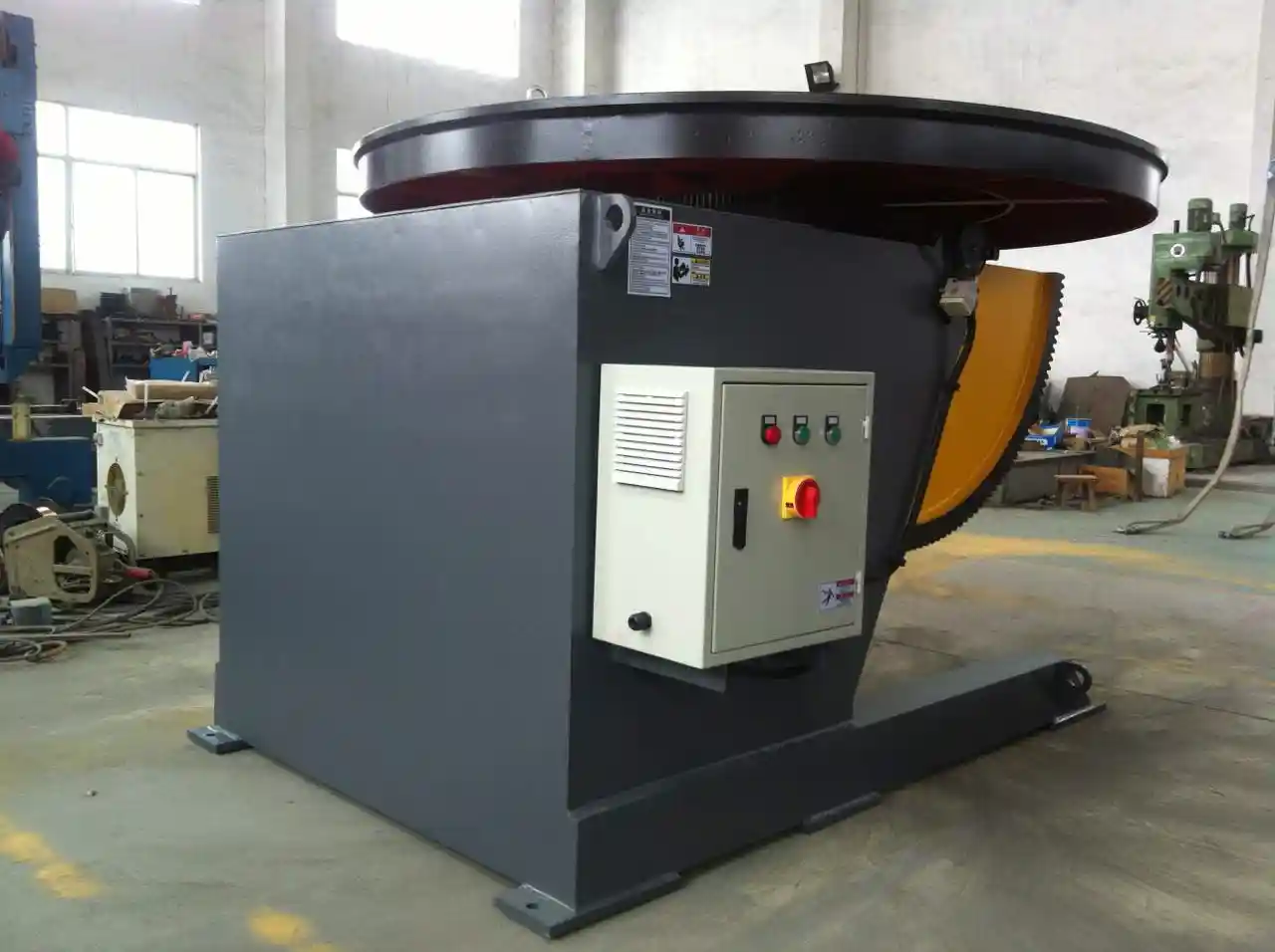
A Detailed Comparison of TIG, MIG, and Laser Welding for Tubes
1. Exploring Tungsten Inert Gas (TIG) Welding for Tube Joints
TIG welding, or GTAW as the cool kids call it, uses a non-consumable tungsten electrode and a shield of inert gas. What I love about TIG is the incredible control it gives you over the weld puddle. You end up with these gorgeous, clean welds, hardly any spatter. It’s absolutely perfect for thin-walled tubes and those critical applications where both looks and structural integrity are paramount. You can do it by hand, or, as is often the case with specialized fixtures, automate it.
2. Investigating Metal Inert Gas (MIG) Welding for Tube Fabrication
MIG welding, or GMAW, is a different beast altogether. Here, you’re feeding a consumable wire electrode, again with a shielding gas. Its big selling point? Higher deposition rates and faster welding speeds compared to TIG. It’s incredibly versatile, handling a wide range of material thicknesses and types. For high-volume production where speed and cost-effectiveness are top priorities, MIG is often the go-to. Just be prepared for a bit more spatter and potentially more post-weld cleanup than with TIG.
3. Analyzing Laser Beam Welding (LBW) for Precision Tube Applications
Now, Laser Beam Welding (LBW) is where things get really precise. It uses a super concentrated laser beam as its heat source. This process delivers incredibly accurate welds with minimal heat input, which means very little distortion and super narrow heat-affected zones. LBW is a dream for high-speed, high-precision jobs, especially with thin or dissimilar materials. It offers fantastic penetration and can be fully automated, making it a perfect fit for complex geometries and really demanding specs.
Pros and Cons of Each Welding Method in Tube-to-Tube Scenarios
1. Advantages and Limitations of TIG Welding for Tubes
Advantages:
1. Honestly, TIG welding churns out welds that are just stunning – top-notch quality with a beautiful finish.
2. You get such precise control over the heat, which means distortion is kept to an absolute minimum.
3. It’s a real chameleon, working well with a huge variety of materials, from stainless steel and aluminum to those tricky exotic alloys.
4. For thin-walled tubes, where burning through is a constant worry, TIG is your best friend.
Limitations:
1. Let’s be real, TIG welding is generally a slower dance compared to MIG or Laser.
2. If you’re doing it manually, it demands a pretty high level of operator skill.
3. The initial equipment cost can be a bit steeper than your basic MIG setups.
4. Lower deposition rates mean it’s not the fastest for thicker materials, which can impact productivity.
2. Benefits and Drawbacks of MIG Welding for Tube Assemblies
Benefits:
1. MIG welding boasts high deposition rates and blazing fast speeds – a real productivity booster.
2. It’s relatively easy to pick up and operate, which means you don’t need a welding guru at the helm.
3. For high-volume production, it’s a very cost-effective choice.
4. It’s super versatile, handling all sorts of material thicknesses and joint configurations.
Drawbacks:
1. You’ll likely get more spatter with MIG, so factor in some post-weld cleaning.
2. It pumps out more heat, which means a higher risk of distortion.
3. Trying to get super precise control on thin materials can be a bit of a struggle.
4. The finished weld might not have that pristine look you get with TIG.
3. Strengths and Weaknesses of Laser Welding in Tube Production
Strengths:
1. Laser welding offers mind-blowing precision and barely any heat input.
2. The result? Almost no distortion and incredibly narrow heat-affected zones.
3. It’s lightning fast, which really cranks up production efficiency.
4. It’s incredibly adaptable for automation and those really complex joint geometries.
Weaknesses:
1. Alright, here’s the big one: Laser welding systems come with a significantly higher initial price tag.
2. You need absolutely perfect joint fit-up and cleanliness – no shortcuts here.
3. It’s not very forgiving if your joint gaps aren’t spot on.
4. And because it’s a laser, you’ll need specialized safety precautions for the radiation.
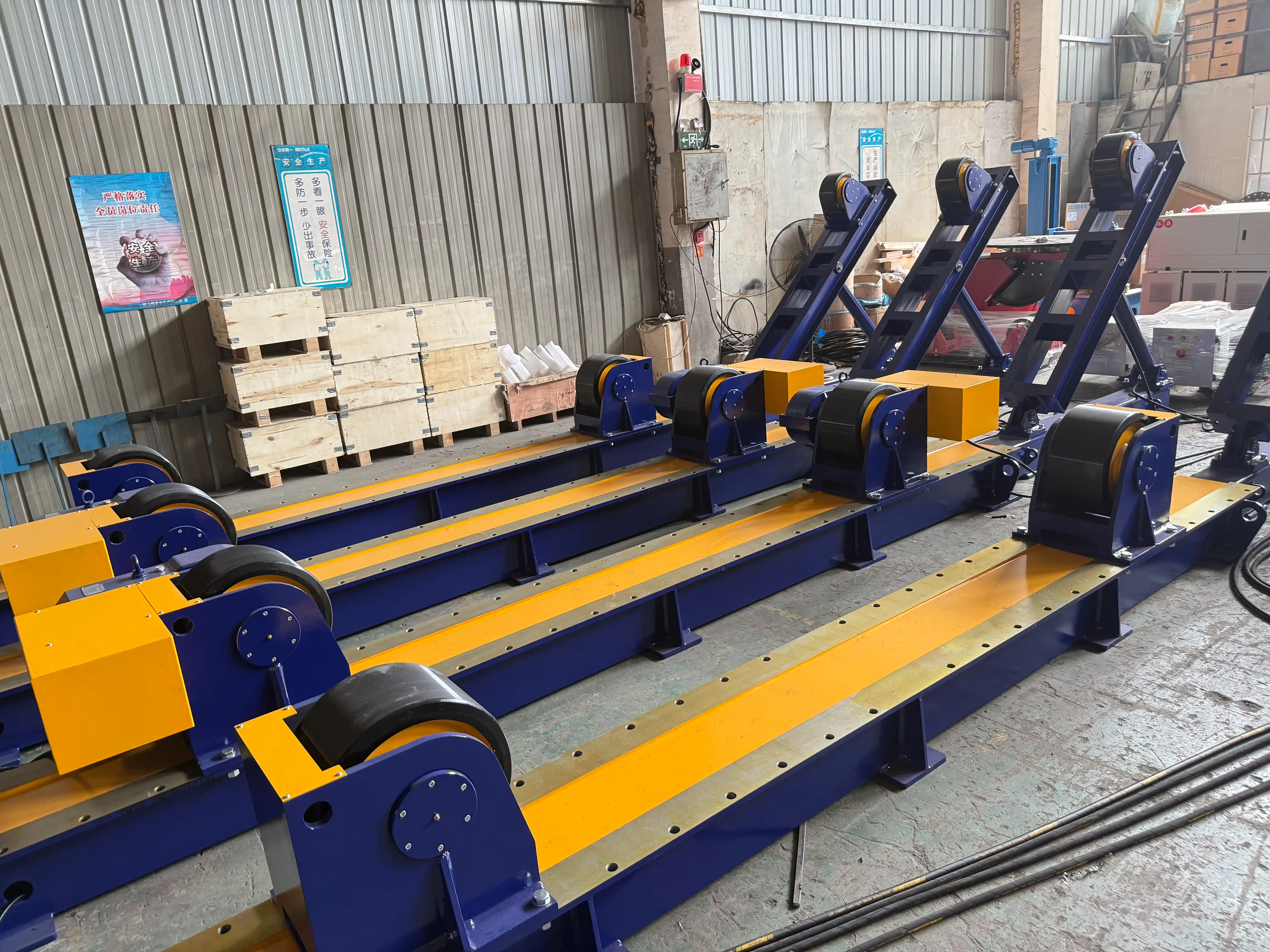
| Caraterística | Soldadura TIG | Soldadura MIG | Laser Welding |
|---|---|---|---|
| Qualidade da soldadura | Excellent, clean, precise | Good, higher spatter | Superior, minimal distortion |
| Velocidade de soldadura | Slow to moderate | Fast, high deposition rate | Very fast, high throughput |
| Heat Input | Baixa | Moderate to high | Very low, concentrated |
| Distortion | Minimal | Moderado | Negligible |
| Material Range | Wide, including thin and exotic alloys | Wide, general purpose | Wide, especially thin and dissimilar |
| Thickness Range | Thin to medium | Medium to thick | Thin to medium, deep penetration possible |
| Equipment Cost | Moderado | Low to moderate | Elevado |
| Operational Cost | Moderate (consumables, skill) | Low (consumables, speed) | Moderate (power, maintenance) |
| Automation | Good potential, but often semi-automatic | High potential, widely automated | Very high potential, precise robotics |
| Skill Required | High (manual) to moderate (automated) | Moderate (manual) to low (automated) | Low (automated operation), high (programming) |
| Joint Prep | High cleanliness, precise fit-up | Moderado | Very high cleanliness, precise fit-up |
Recommendations for Optimal Tube-to-Tube Welding Method Selection
1. Matching Welding Methods to Specific Industry Requirements
Picking the right welding method really boils down to a deep dive into your project’s specific needs. If you’re chasing aesthetic perfection and absolutely minimal distortion – think medical devices or those high-end automotive components – TIG welding is often the champion. But if high-volume production and keeping costs down are your main game, like in general manufacturing or exhaust systems, MIG welding is incredibly efficient. Now, for ultra-precision, lightning speed, or joining those tricky dissimilar materials, say in aerospace or microelectronics, laser welding offers advantages that are frankly unparalleled. My advice? Get down to brass tacks: analyze your material, thickness, quality standards, and production volume. That’s how you find the perfect fit. For more insights on optimizing your welding processes, you might want to check out The Art Of Pipeline Fabrication How Positioners Enhance Welding Precision And Efficiency.
2. Future Trends and Innovations in Tube-to-Tube Welding Technology
Looking ahead, the future of tube-to-tube welding is clearly pointing towards more automation, even tighter process control, and a whole lot of artificial intelligence integration. I fully expect to see big leaps in hybrid welding processes – imagine combining the best bits of different methods, like laser-MIG, to get truly superior results. Real-time monitoring and adaptive control systems? They’re going to push weld quality and efficiency even further. Plus, as we deal with new materials and increasingly complex geometries, we’ll need welding solutions that are more flexible and precise than ever. Here at our company, we’re constantly pouring resources into R&D to make sure our cutting-edge welding automation equipment is right there, leading the charge with these emerging trends.
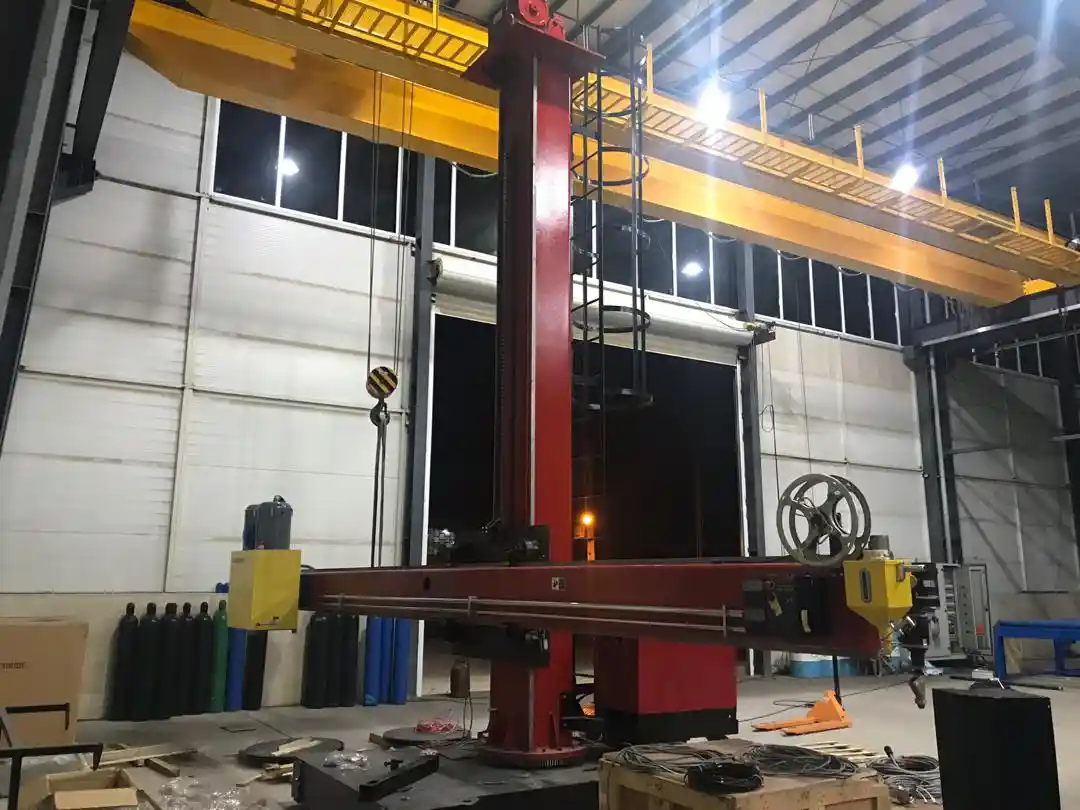
Optimize Your Tube-to-Tube Welding Processes with WUXI ABK MACHINERY
Choosing the right welding tech for tube-to-tube applications isn’t just a decision; it’s a critical crossroads that impacts your quality, efficiency, and ultimately, your bottom line. At WUXI ABK MACHINERY, we’re not just selling equipment; we’re specializing in delivering advanced welding solutions—think manipulators and positioners—that genuinely boost the precision and productivity of your TIG, MIG, and Laser welding processes. Our expertise means you’re not just picking a system; you’re implementing the most effective one for your specific needs. Don’t hesitate, reach out today to chat about how our solutions can truly elevate your manufacturing capabilities.
Correio eletrónico: jay@weldc.com
Telemóvel: +86-13815101750
About the Author
Jay Li, welding automation expert with 20+ years of experience, specializes in wind tower welding lines, H-beam welding lines, and pipe welding equipment, helping companies improve quality and production efficiency.
FAQs
1. Which welding method offers the highest precision for thin-walled tubes?
Generally speaking, laser welding really shines when it comes to precision for thin-walled tubes, thanks to its super concentrated heat input and tiny heat-affected zone. TIG welding is also a fantastic contender here, offering excellent precision and control, especially when you’re really focused on how the final product looks.
2. Can WUXI ABK MACHINERY’s equipment support automated tube-to-tube welding with these methods?
Absolutely, yes! WUXI ABK MACHINERY offers a whole suite of automation solutions, including Manipulador de soldadura e Welding Positioner Suppliers, designed to integrate seamlessly with TIG, MIG, and Laser welding systems. Our gear is all about boosting precision, repeatability, and efficiency for your automated tube-to-tube welding needs.
3. What are the typical cost considerations for implementing laser welding for tube applications?
Implementing laser welding usually means a pretty significant upfront investment in equipment – definitely more than what you’d shell out for TIG or MIG systems. However, the operational costs can actually be lower in the long run, thanks to its high speed, fewer consumables, and minimal need for post-weld processing. We’re happy to help you crunch the numbers and assess the long-term ROI.
4. How does joint preparation differ between TIG, MIG, and Laser welding for tubes?
For TIG and Laser welding, you really need to be meticulous with joint fit-up and cleanliness; any little imperfection can lead to defects. MIG welding is a bit more forgiving with minor gaps and surface contaminants, so the preparation isn’t quite as stringent. That said, no matter the method, optimal joint preparation will always lead to a better weld quality.
5. Which welding method is best for high-volume tube production?
For high-volume tube production, MIG welding is typically your best bet, largely because of its high deposition rates and faster travel speeds. Laser welding also offers incredibly high speeds and can be heavily automated, making it a strong choice for high-volume, high-precision applications, even with its higher initial cost.
 English
  Español
  Français
  Deutsch
  Português
  Русский