In boiler membrane panel production, the bending operation sets the quality ceiling for downstream welding, panel width, and tube-to-tube fit-up. A bend that looks acceptable at the bending station can still create rework if it increases ovality or thins the outside wall. The comparison between a трубогибочный станок and conventional press or ram bending should therefore be made across the panel line, not only at the single bend cycle.
How Bending Method Shapes Boiler Panel Quality
Boiler panel quality is not only about bend angle. It includes wall thickness after bending, cross-section roundness, springback stability, tube spacing, and repeatability of the bend start point. Traditional bending controls these variables through stroke length, die geometry, and operator adjustment. Booster-assisted bending adds a servo-driven follower or axial feed control that supports the tube through the bending arc. The mechanical difference is important: the tube is guided through deformation instead of being forced against a fixed die.
For tube sizes used in membrane panels, this generally reduces peak strain at the outside radius and produces more consistent ovality and wall thickness distribution [1]. It also makes the bend result more predictable when material lots change.
If you are comparing machines, collect measured data before changing tooling: tube diameter, wall thickness, minimum bend radius, current ovality, and panel width variation. Send these values to jay@weldc.com for a booster-assisted vs conventional bending comparison.
Traditional Bending: Strengths and Limits
Traditional press or ram bending remains a practical choice for low-volume work and heavy-wall tube. It has lower initial capital cost, simple tooling, short operator training time, and wide familiarity in fabrication shops. For a small number of generous-radius bends, it often meets code requirements without a complex control system.
The limits become visible in multi-bend boiler panels. Stroke-controlled bending typically has more springback variation between batches. Tooling may need shimming when material lot or tube supplier changes. Tighter radii can produce higher ovality and more wall thinning because the tube is forced against a stationary forming surface. If the finished bend must meet power piping or pressure part requirements, the fabricator needs more inspection and possible calibration [2].
Tube Booster Bending: Performance Profile
A well-designed booster-assisted system uses controlled axial force and follower movement to keep the tube in contact with the die while reducing tensile stress on the outside radius. The benefit is not unlimited; it is a better distribution of deformation across the bend. For membrane panels, the practical effect is more stable tube spacing, fewer flats at the bend start, and less variation in leg length.
Modern systems also store bend programs, which reduces setup time when a panel requires several angles. The initial cost is higher, but the machine earns back value through tighter fit-up and less rework when the downstream process is an automated сварочный аппарат для мембранных панелей. Bend qualification is still required, and full-section bend testing according to ISO 8491 is a useful part of process validation [4].
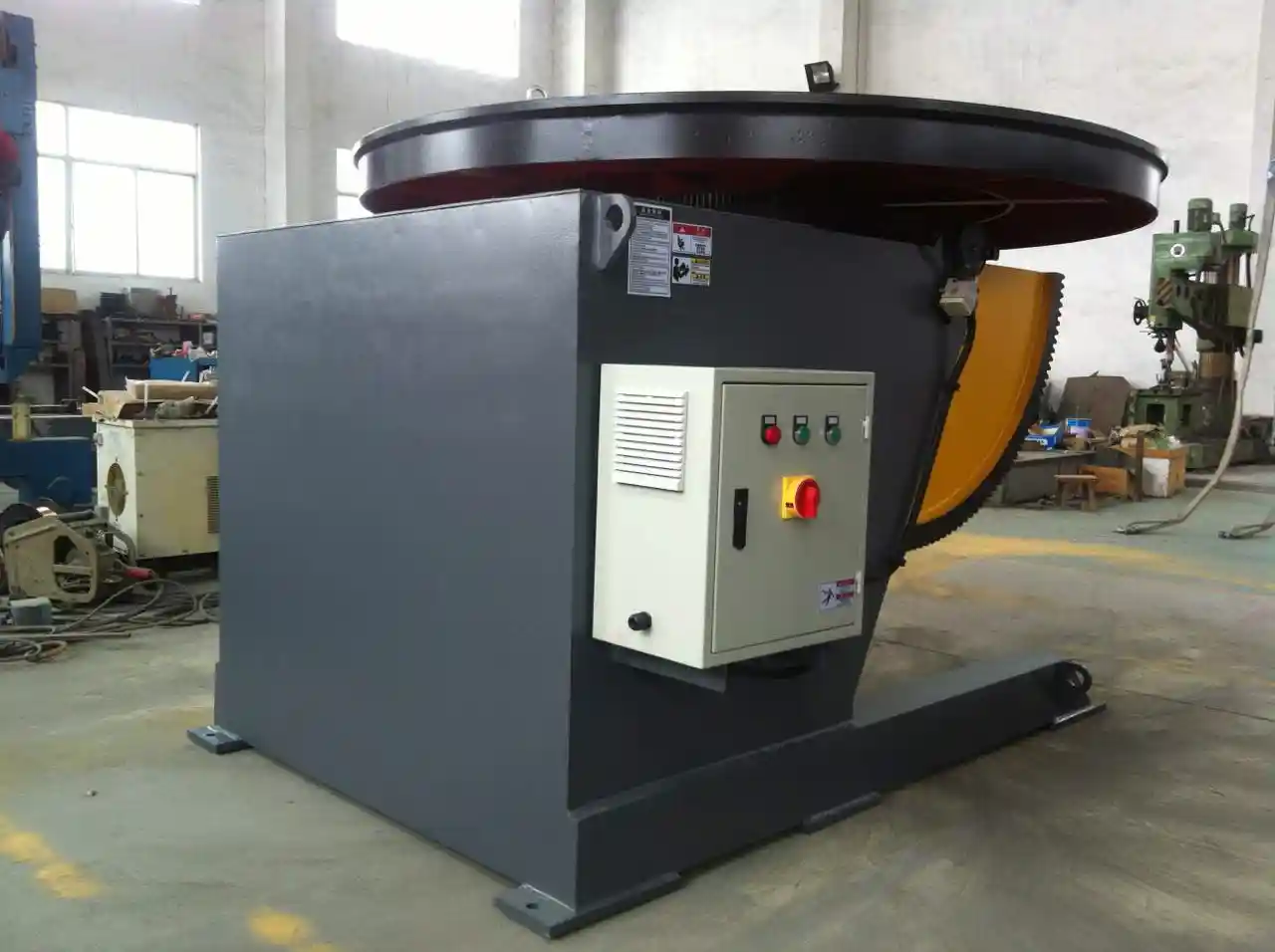
Tube bending quality should be evaluated through its effect on downstream welding, not just through bend angle accuracy. <Как повысить качество сварки труб с помощью высокоточного сварочного позиционера> covers how precision positioning supports repeatable weld quality in tube and pipe work.
Head-to-Head Performance Comparison
The table below summarizes the engineering differences. The right selection depends on product mix, tolerance class, and code requirements rather than one method being universally superior.
| Performance factor | Traditional bending | Tube booster bending |
|---|---|---|
| Ovality control | More dependent on operator skill and die condition | Better with controlled follower or axial support |
| Wall thinning | More pronounced at the extrados on tight radii | Lower when feed and die pressure are matched |
| Springback | More batch-to-batch variation | Lower with closed-loop or stored programs |
| Setup and changeover | Manual shimming and longer die changes | Faster recipe-driven changeover |
| Повторяемость | Sensitive to stroke and material variation | Higher across production batches |
| Initial cost | Lower | Higher |
| Техническое обслуживание | Simpler mechanical components | Adds servo, sensor, and software checks |
Ovality, Wall Thinning, and Fit-Up Control
Power boiler and pressure part codes require the bend process to preserve the minimum required wall thickness and cross-sectional roundness [1][3]. Ovality reduces internal flow area and can create stress concentration at membrane attachment welds. Wall thinning on the outside radius lowers pressure capacity if it drops below minimum design thickness.
Booster-assisted bending typically controls ovality more closely because the tube is supported through the arc and bend speed can be matched to material behavior. A traditional ram bend may need a larger bend radius or post-bend calibration to achieve the same result. In production, the important checks are full cross-section measurement and wall thickness mapping. A bend test according to ISO 8491 is useful during qualification, but the daily quality signal is the measured fit-up at the сварочный аппарат для мембранных панелей [4].
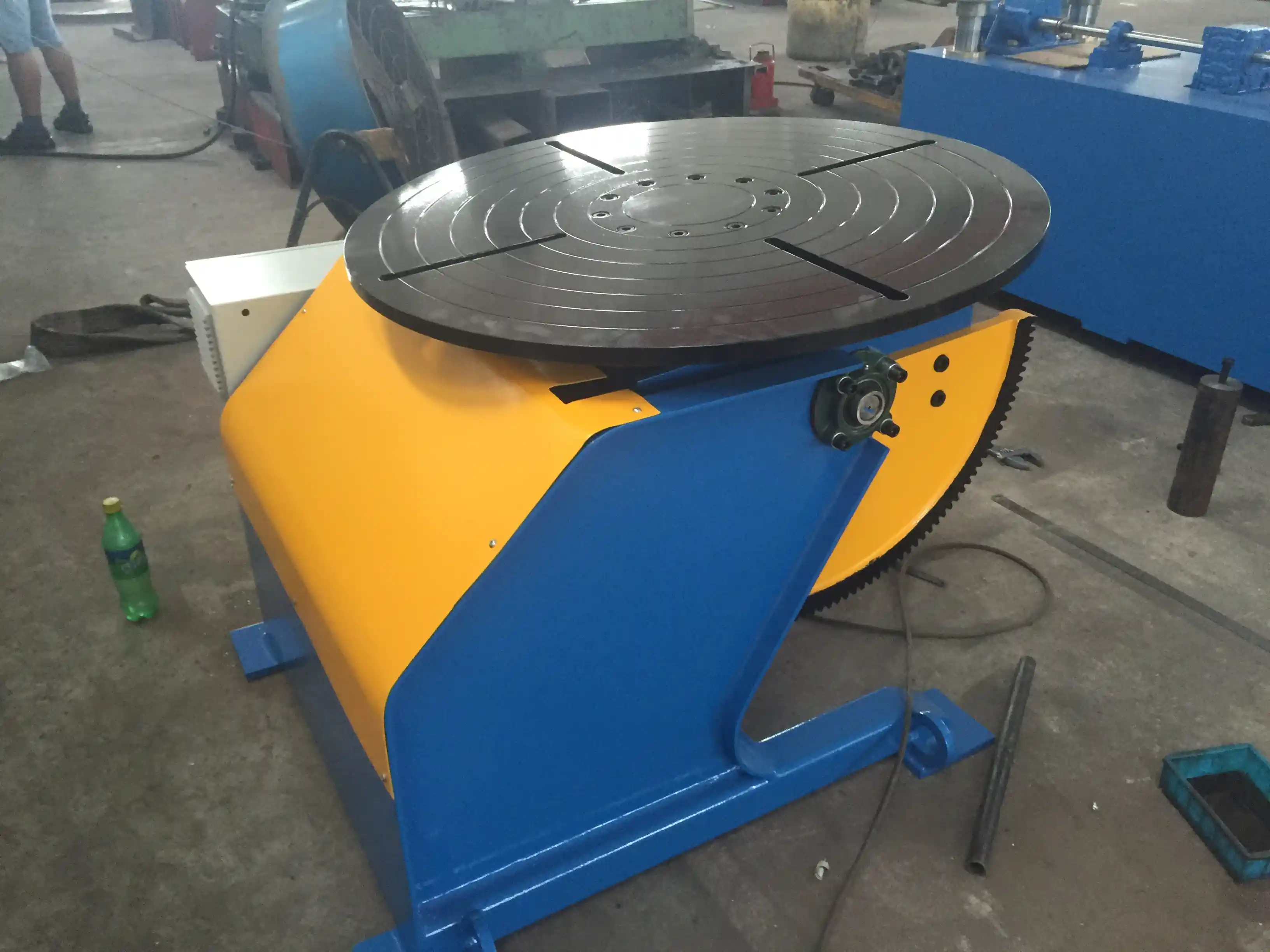
Line productivity depends on keeping tube movement and rotation stable across grouped components. <Трубовращатели и токарные валки: Основное оборудование для современного производства трубопроводов> covers rotator selection and line integration factors that affect throughput.
Speed, Cost, and Selection Trade-Offs
Cycle time alone is a weak metric. A conventional press may bend a single tube quickly, but multi-bend membrane panels require repeated loading, flipping, and manual adjustment. Booster systems usually improve throughput when the product has multiple angles, thin walls, or high consistency requirements. The larger gain is that the output fits the welding line without correction. If panel width varies, fit-up gaps appear downstream and tack welders spend time forcing the joint closed.
Traditional bending usually wins on initial capital and simple tooling. Booster-assisted bending usually wins on repeatability, rework, and integration with automated welding. For a job shop bending a few heavy-wall tubes per day, a conventional setup may be the leaner choice. For serial boiler panel production with close pitch tolerance and welded membranes, the booster approach frequently reduces total cost per panel because it moves problems upstream instead of leaving them for weld repair.
The economic comparison should include die storage, setup labor, bend qualification, weld repair, inspection time, and scrap. A cheaper bending process that creates inconsistent tube-to-tube gaps can become expensive by the time the panel reaches final assembly.
If your current line is spending more time correcting fit-up than welding, a booster-assisted bending trial is a practical next step. Contact jay@weldc.com with your tube diameter, wall thickness, minimum radius, and current ovality data for a technical comparison.
When group welding or multi-part handling becomes the bottleneck, a faster upstream bending cell does not automatically increase output. <Низкая эффективность сварки трубопроводных узлов: как интеллектуальные роликовые стойки повышают производительность на 50%> covers how intelligent roller systems address throughput limits in grouped pipe work.
Plan Your Bending Upgrade With a Technical Review
The best bending method is the one that delivers tube geometry and production speed your welding line can use without correction. If you are deciding between a conventional bending setup and a трубогибочный станок, Wuxi ABK Machinery Co., Ltd can support the comparison with application data from boiler panel and pressure part production. Send your tube size, panel width, bend radius, and annual volume to jay@weldc.com for a technical review and equipment recommendation.
Часто задаваемые вопросы
What is the main performance difference between tube booster bending and traditional bending?
Traditional bending relies on stationary die force and stroke or operator control; booster-assisted bending adds controlled follower or axial support through the bend. The main difference is improved control of deformation, not simply a faster cycle.
Which method produces less tube ovality?
Booster-assisted bending generally produces less ovality when tooling and parameters match the tube material. The benefit is largest on thin-wall tube and tight bend radii. On heavy-wall tube with generous radii, a conventional press may meet code requirements with less complexity.
Is tube booster bending faster than traditional press bending?
At a single bend, not always. In multi-bend boiler panel production, booster systems often become faster overall because setup, program changeover, and correction are reduced. The comparison should be made on complete panels and downstream fit-up, not raw bend seconds.
What tube sizes and panels benefit most?
Thin-wall boiler tubes, small to medium diameters, membrane panels with many bend angles, and panels feeding automated welding lines benefit most. Thick-wall large pipe may not require booster support.
How should a fabricator justify the higher investment?
Use total panel cost: bending rework, weld repair, inspection, tube scrap, die setup, and capacity lost to fit-up correction. A booster-assisted machine is usually justified when current bending variation creates measurable downstream costs.
References
[1] ASME Boiler and Pressure Vessel Code, Section I, Rules for Construction of Power Boilers, ASME, New York, NY, 2023.
[2] ASME B31.1, Power Piping, ASME, New York, NY, 2022.
[3] EN 12952-3, Water-tube boilers and auxiliary installations — Part 3: Design and calculation for pressure parts, CEN, Brussels, 2015.
[4] ISO 8491, Metallic materials — Tube (in full section) — Bend test, ISO, Geneva, 2004.
Если вам интересно, ознакомьтесь со следующими статьями по этой теме:
Основа тяжелого производства: Выдающиеся характеристики роликовых стендов в ключевых процессах
Революция в судовой сварке: как позиционеры для сварки повышают качество и эффективность
 English
  Español
  Français
  Deutsch
  Português
  Русский