
Getting membrane panel welds right takes more than following a procedure sheet. After years of working through warped panels, stubborn porosity, and cracks that showed up weeks after the job was done, I’ve learned that most problems trace back to a handful of root causes. The tricky part is that these causes often interact—thermal stress compounds material sensitivity, which amplifies the effect of marginal shielding gas coverage. This guide walks through the defects that actually show up in production, the thermal management practices that prevent them, and the equipment choices that make consistent quality achievable at scale.
Why Membrane Panel Welds Fail and How to Stop It
Membrane panel welding in boiler membrane walls creates conditions where small process deviations become significant defects. The geometry itself—thin tubes welded to flat fins in long continuous seams—concentrates thermal stress in predictable but problematic ways. Material properties, welding parameters, and shop floor conditions all contribute to the defect profile. Understanding what goes wrong is the first step toward effective welding defects prevention.
The defects that cause the most trouble are lack of fusion, porosity in welds, cracking mechanisms, undercutting, and incomplete penetration. Each one has a distinct signature and a different set of contributing factors.
What are the most common welding defects in membrane panels and how can they be prevented?
Cracking, lack of fusion, and porosity account for most membrane panel welding failures. Cracking typically develops from high residual stresses or hydrogen embrittlement—preheating to the specified temperature, maintaining controlled interpass temperatures, and selecting filler metals with appropriate chemistry address the underlying causes. Lack of fusion happens when heat input falls short or joint preparation leaves gaps and contamination; dialing in welding parameters and cleaning thoroughly before striking an arc solve most cases. Porosity results from gas getting trapped in the weld pool, usually because consumables absorbed moisture or shielding gas coverage was inadequate. Keeping consumables dry, cleaning the weld area, and verifying gas flow rates eliminate most porosity issues. Effective weld quality control and careful material selection remain the foundation of any prevention strategy.
| Defect Type | Common Causes | Prevention Strategies |
|---|---|---|
| Lack of Fusion | Insufficient heat, improper joint preparation | Optimize welding parameters, ensure joint cleanliness |
| Porosity | Gas entrapment, contaminated materials | Use dry consumables, adequate shielding gas |
| Cracking | High residual stress, hydrogen embremblement | Preheating, controlled cooling, correct filler metals |
| Undercutting | Excessive current, high travel speed | Adjust current, reduce travel speed |
| Incomplete Penetration | Insufficient root opening, low current | Proper joint design, adequate heat input |
Thermal Management That Actually Prevents Defects
Preheating procedures and post-weld heat treatment (PWHT) are not optional steps to skip when the schedule gets tight. They directly determine whether a membrane panel weld holds up under service conditions or develops problems months later. Preheating reduces the temperature differential between the weld zone and base material, which is the core mechanism behind effective thermal stress management. PWHT refines the microstructure after welding, reducing residual stresses and lowering the risk of hydrogen embrittlement and stress corrosion cracking. Maintaining proper interpass temperature throughout the process keeps these benefits intact from first pass to last.
How does preheating affect the quality and integrity of membrane panel welds?
Preheating slows down how fast the weld metal and heat-affected zone cool. That slower cooling rate gives hydrogen time to diffuse out of the weld before it can cause cold cracking—a mechanism that has ruined more membrane panels than most fabricators care to admit. The reduced thermal gradient also means less thermal shock and lower residual stresses locked into the finished weld. The microstructure that develops under these conditions shows better ductility and overall weld integrity. Preheat benefits extend to improved mechanical properties and reduced susceptibility to the defects that show up during inspection or, worse, during operation.
Если вам интересно, проверьте 《.Революционное решение для сварки сосудов под давлением: Технический анализ вращающихся на 360 градусов сварочных позиционеров》.
Matching Consumables and Processes to the Application
The welding consumables and processes that work for one membrane panel application may not suit another. Material composition, service temperature, and corrosion environment all influence the selection. Gas Tungsten Arc Welding (GTAW/TIG), Gas Metal Arc Welding (GMAW/MIG), and Submerged Arc Welding (SAW) each bring different strengths to root pass welding, filler pass welding, and cap pass welding. Getting the welding metallurgy right and confirming material compatibility before production starts prevents expensive rework and field failures.
| Процесс сварки | Преимущества | Недостатки | Типовые применения |
|---|---|---|---|
| TIG | High quality, precise control, no spatter | Slower speed, requires skilled operator | Root passes, thin materials, critical applications |
| MIG | High deposition rate, versatile, easy to learn | More spatter, less control than TIG | Filler and cap passes, general fabrication |
| SAW | High deposition rate, deep penetration, good finish | Limited to flat/horizontal positions, large setup | Thick sections, long seams, automated production |
Finding Defects Before They Become Problems
Non-destructive testing (NDT) catches what visual inspection misses. Membrane panel welds can look acceptable on the surface while hiding lack of fusion or porosity that will cause failures under pressure. Ultrasonic testing (UT), radiographic testing (RT), dye penetrant testing (PT), and magnetic particle testing (MT) each detect different defect types through different mechanisms. Selecting the right inspection techniques and applying them consistently is how fabricators verify compliance with weld quality standards and avoid shipping defective panels.
What advanced techniques are used for non-destructive testing of membrane panel welds?
Phased array ultrasonic testing (PAUT) and automated radiographic testing represent the current state of the art for membrane panel weld inspection. PAUT provides detailed imaging of internal flaws with better defect detection and characterization than conventional UT—the ability to visualize defect geometry helps determine whether a flaw is acceptable or requires repair. Automated NDT systems that integrate robotics and AI deliver faster, more consistent inspections while reducing the variability that comes with human operators. These advanced methods improve quality assurance by making defect identification more accurate and more efficient.
Если вам интересно, проверьте 《.Как повысить качество сварки труб с помощью высокоточного сварочного позиционера》.
Automation That Delivers Consistent Membrane Panel Weld Quality
Robotic welding solutions remove the variability that manual welding introduces. When membrane panel welding runs through automated systems, the parameters stay constant from the first panel to the thousandth. Travel speed, arc length, and heat input hold steady regardless of shift changes or operator fatigue. The result is consistent weld quality, higher throughput, and lower labor costs per panel. Advanced control systems track parameters in real time and flag deviations before they become defects.
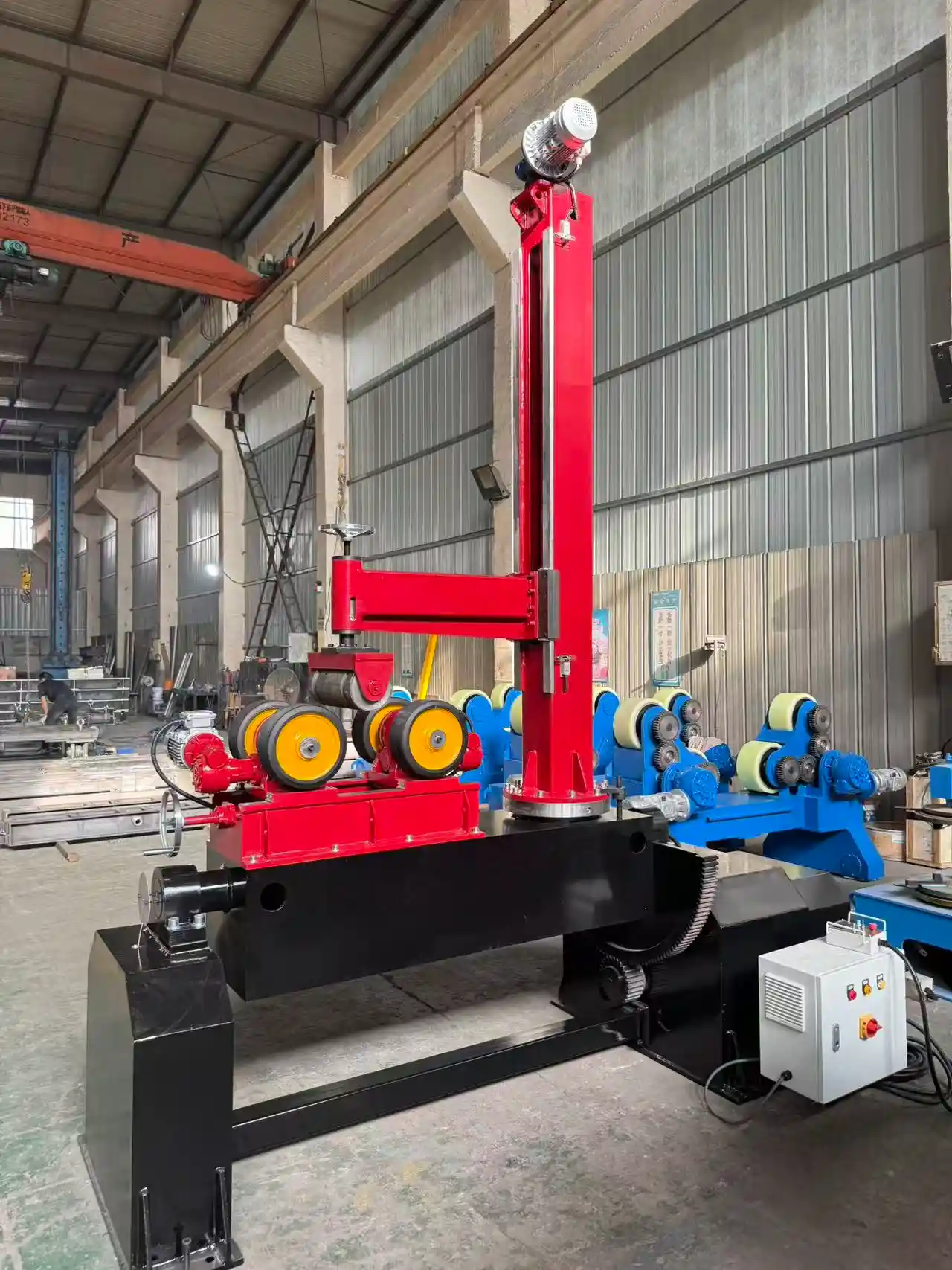
АБК ВУКСИ Манипулятор для сваркиs handle the precise longitudinal and circumferential seam welding that membrane panel fabrication demands. The high-strength box-beam structure, linear guideways, and stepless speed control maintain stable operation across long production runs. Positioning accuracy holds at ±0.1 mm/m. Optional features include flux recovery, real-time monitoring, and automated parameter control. These Манипулятор для сварки systems fit applications ranging from boiler fabrication to pressure vessel welding and heavy steel structure production.
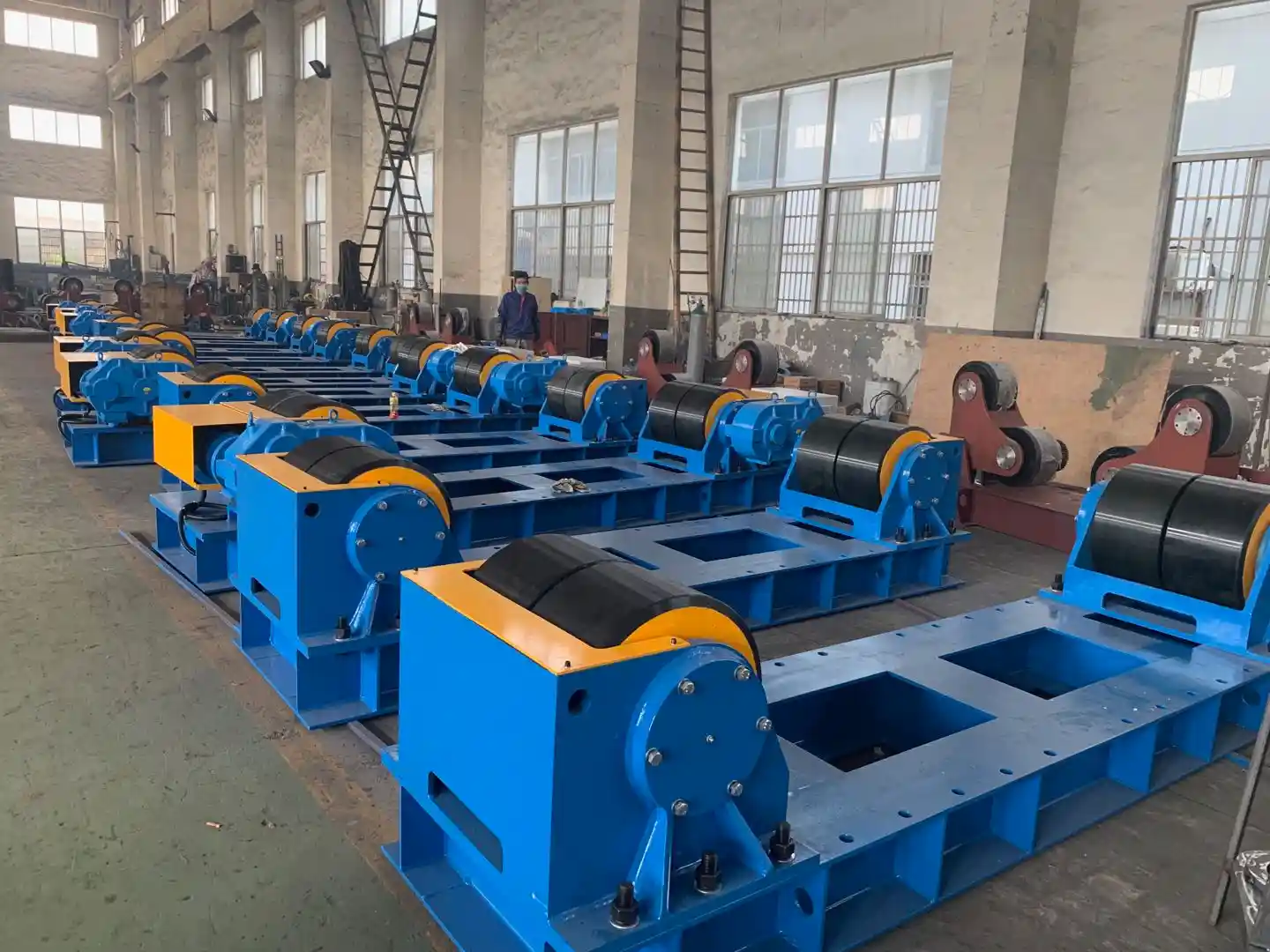
!Electric Welding Roller Machine
 ## Repair Welding That Restores Full Service Life
Repair welding on membrane panels is not the same as new fabrication. The base material has already seen thermal cycles, may have developed microstructural changes, and often has constraints on access and heat input that new work does not face. Successful repair welding procedures start with thorough defect analysis to understand what failed and why. Material matching, controlled thermal cycles, and verified welder qualification determine whether the repair holds or the panel comes back for another round.
One repair project involved a boiler membrane panel with extensive cracking from thermal cycling. The approach used multi-pass TIG welding with filler metals selected to minimize heat input and residual stress. Local post-weld heat treatment relieved stresses in the repair zone. The panel returned to service and ran for several additional years without further problems. That outcome required meticulous planning and welders who understood both the procedure and the reasons behind each step.
Если вам интересно, проверьте 《.Исключительная ценность применения: Как сварочные позиционеры с фиксированной высотой способствуют прогрессу в морском и судостроительном производстве》.
Часто задаваемые вопросы
What are the primary safety considerations when performing membrane panel welding?
Membrane panel welding generates fumes, UV radiation, and fire hazards that require active management. Proper ventilation keeps airborne contaminants below exposure limits. Personal protective equipment including welding helmets with appropriate shade, fire-resistant clothing, and respiratory protection where needed protect the welder directly. Lockout/tagout procedures prevent unexpected equipment activation. Training that covers both the hazards and the controls ensures compliance with industrial safety standards and keeps people from getting hurt.
How can welding distortion in membrane panels be effectively controlled?
Distortion control starts with joint design that balances weld volume against structural requirements. Welding sequences that alternate sides or use back-step techniques distribute heat more evenly. Balanced welding passes prevent the cumulative stress buildup that pulls panels out of shape. Fixturing that restrains movement during welding and cooling keeps dimensions within tolerance. Preheating and post-weld heat treatment manage the thermal stresses that drive distortion, protecting the structural integrity of the finished panel.
What role does welder qualification play in preventing membrane panel welding challenges?
Qualified welders understand the specific welding procedures, material properties, and quality standards that apply to membrane panel work. That knowledge translates directly into welds that meet specification without rework. Regular training and re-qualification keep skills current as procedures and materials evolve. The investment in welder qualification pays back through higher first-pass acceptance rates, lower repair costs, and membrane panel welds that perform reliably in service.
Партнерство с WUXI ABK для передовых решений в области сварки
WUXI ABK MACHINERY CO., LTD has spent over two decades developing welding equipment that handles demanding industrial applications. Our Манипулятор для сваркиs and positioning systems deliver the precision and repeatability that membrane panel welding requires. If your operations need expert solutions for membrane panel welding or other critical fabrication work, contact us for a consultation or to discuss our advanced welding and CNC cutting machinery. Email us at jay@weldc.com or call +86-510-83555592.
 English
  Español
  Français
  Deutsch
  Português
  Русский