Когда стоишь рядом с паропроводом или гидравлическим контуром под напряжением, трудно забыть, как много зависит от сварного шва шириной с ноготь большого пальца. При работе с трубами высокого давления крошечные дефекты могут привести к перебоям в работе или еще к чему-то худшему, поэтому мы уделяем особое внимание трио, которое действительно обеспечивает безопасность систем: строгое соблюдение правил, правильные сварочные процессы (и параметры) для конкретной работы и контроль, который не моргает. Этот баланс, подкрепленный правильным оборудованием и обученными людьми, - вот что защищает производительность, время безотказной работы и, что самое важное, жизнь людей и окружающую среду.
Понимание важности применения сварки труб под высоким давлением
1. Почему сварка труб высокого давления требует точности и соблюдения требований
Сварка труб высокого давления требует исключительной точности, поскольку эти компоненты работают в суровых условиях - агрессивные или летучие жидкости, повышенные температуры и значительное внутреннее давление. Любой разрыв в месте соединения ставит под угрозу целостность конструкции, вызывая утечки, разрывы и даже взрывы. Последствия этого реальны: финансовые потери, вред окружающей среде, возможные травмы или смерть. Вот почему строгое следование нормам и стандартам - это не бюрократия, а основа безопасности и надежности. Строгий контроль на каждом этапе сварки сводит к минимуму остаточные напряжения и металлургические дефекты, обеспечивая прочность соединения при экстремальных нагрузках.
2. Распространенные отрасли промышленности, в которых требуется целостность сварки труб высокого давления
Многие критически важные отрасли промышленности в значительной степени зависят от целостности сварных швов труб высокого давления.
* Нефть и газ: Трубопроводы, нефтеперерабатывающие заводы и морские платформы опираются на широкие трубы высокого давления для добычи, переработки и транспортировки.
* Производство электроэнергии: Котлы, паропроводы и теплообменники на тепловых и атомных станциях работают при высокой температуре и давлении.
* Нефтехимия: Предприятия химической промышленности управляют опасными материалами в реакторах высокого давления и трубопроводных системах.
* Аэрокосмическая промышленность: Гидравлические и топливные трубопроводы в самолетах и космических аппаратах требуют безупречных сварных швов труб высокого давления.
* Фармацевтика: биореакторы и стерильные линии передачи могут работать при контролируемом высоком давлении для поддержания технологических условий.
В этих секторах не допускается компрометация; целостность сварных швов напрямую связана с общественной безопасностью и бесперебойной работой.
Навигация по основным требованиям и стандартам для сварки труб высокого давления
1. Основные отраслевые кодексы и правила, регулирующие сварку труб высокого давления
Сварка труб высокого давления подчинена плотной паутине международных и национальных норм, регулирующих материалы, проектирование, изготовление, контроль и испытания. Соблюдение этих правил доказывает, что сваренные компоненты отвечают минимальным требованиям безопасности и производительности. Игнорирование этих правил чревато юридическими последствиями, срывом сроков и риском критических отказов.
2. Понимание требований ASME Boiler and Pressure Vessel Code (BPVC)
Кодекс Американского общества инженеров-механиков (ASME) по котлам и сосудам под давлением (BPVC) является основой для работы под высоким давлением. Особенно актуальны разделы I, III, VIII и IX.
* Раздел I (Энергетические котлы): Правила строительства энергетических котлов.
* Раздел III (Ядерные компоненты): Требования к компонентам ядерной установки.
* Раздел VIII (Сосуды, работающие под давлением): Правила строительства сосудов, работающих под давлением.
* Раздел IX (Квалификация сварки и пайки): Квалификация процедур сварки/пайки и персонала.
Вместе они определяют критерии материалов, проектные расчеты, практику изготовления и методы проверки. Работа в соответствии с ASME BPVC обеспечивает структурную целостность и безопасную эксплуатацию деталей, работающих под давлением.
Если вам интересно, проверьте Wuxi ABK Профессиональное сварочное вращающееся оборудование Прецизионное сварочное решение для изготовления сосудов под давлением.
3. Соблюдение стандартов API по сварке трубопроводов высокого давления
Американский институт нефти (API) устанавливает важнейшие стандарты для нефтегазовой отрасли, особенно для трубопроводов. API 1104, "Сварка трубопроводов и связанных с ними объектов", занимает центральное место. В нем определены процедуры сварки, квалификация сварщиков и неразрушающий контроль при строительстве трубопроводов. Стандарты API направлены на обеспечение целостности сварных швов трубопроводов при транспортировке углеводородов под высоким давлением, что помогает предотвратить утечки и экологические инциденты.

4. Роль спецификаций сварочных процедур (WPS) и квалификационных записей процедур (PQR)
Спецификация сварочной процедуры (WPS) - это задокументированные инструкции сварщика для получения надежных, повторяющихся сварных швов. Квалификационная запись процедуры (PQR) фиксирует фактические результаты испытаний этой процедуры, доказывая, что она позволяет достичь требуемых механических свойств. Вместе WPS и PQR фиксируют переменные - материалы, методы и параметры - для обеспечения стабильного качества и соответствия нормам.
5. Обеспечение квалификации и сертификации сварщиков для работы под высоким давлением
Сварщики, работающие с трубами высокого давления, должны быть квалифицированы и аттестованы в соответствии с действующим стандартом WPS. Сертификация обычно включает практические испытания определенных типов соединений и материалов в реальных условиях. Квалифицированные сварщики демонстрируют навыки и знания, чтобы соответствовать строгим критериям кода, уменьшая количество человеческих ошибок и повышая общее качество сварки.
Освоение передовых методов сварки труб высокого давления
1. Исследование дуговой сварки вольфрамовым газом (GTAW/TIG) для труб высокого давления
Газодуговая сварка вольфрамовым электродом (GTAW/TIG) является основным видом сварки труб высокого давления благодаря своей точности и жесткому контролю тепловой мощности. Использование нерасходуемого вольфрамового электрода и инертного защитного слоя - обычно аргона - позволяет получать чистые сварные швы с минимальным количеством брызг и шлака. Она отлично подходит для сварки корневых проходов и тонкостенных труб, где точность и контроль не являются обязательными.
2. Внедрение орбитальной сварки для получения прочных соединений труб высокого давления
Орбитальная сварка автоматизирует процесс GTAW путем вращения дуги вокруг неподвижной трубы, обеспечивая исключительную стабильность и повторяемость, что идеально подходит для работы под высоким давлением. Современные системы с точностью управляют длиной дуги, скоростью перемещения и подачей присадочного материала. Устраняя человеческую изменчивость, вы получаете неизменное качество и более высокую производительность, особенно там, где требуется много одинаковых сварных швов высокой степени целостности.
Если вам интересно, проверьте Как улучшить качество сварки труб с помощью высокоточного сварочного позиционера.
3. Соображения по дуговой сварке в среде защитного металла (SMAW) в специфических сценариях высокого давления
Дуговая сварка в среде защитного металла (SMAW, или палка) по-прежнему оправдывает себя при выполнении некоторых работ с трубами высокого давления - при ремонте в полевых условиях, в труднодоступных местах или при удаленной работе. Она универсальна и не требует внешнего защитного газа, но требует настоящего мастерства и обычно дает больше брызг и шлака, чем GTAW. При правильном выборе электродов и техники SMAW может соответствовать нормам в этих случаях.
4. Лучшие практики подготовки и подгонки соединений при сварке труб высокого давления
Правильная подготовка и подгонка швов не являются обязательными условиями для высококачественной сварки труб высокого давления.
1. Очистка: Очистите поверхности соединений, чтобы удалить масло, жир, ржавчину и другие загрязнения.
2. Снятие фаски: Точно скосите концы труб, чтобы получить угол канавки, необходимый для полного проникновения.
3. Выравнивание: Удерживайте секции в правильном положении, чтобы свести к минимуму разброс корневых зазоров и внутреннее несоответствие.
4. Сварка прихватками: Используйте контролируемые прихватки для поддержания выравнивания по всему шву.
5. Контроль зазора: Следите за тем, чтобы зазор между корнем и землей был постоянным для надежного сплавления и проникновения.
Эти основы предотвращают появление дефектов и помогают суставу выдерживать эксплуатационные нагрузки.
5. Управление подачей тепла и температурой прохода для получения оптимальных свойств сварного шва
Подача тепла и контроль межпроходной температуры являются важнейшими рычагами. Избыток тепла способствует росту зерен, ослаблению свойств и увеличению деформации; недостаток тепла чреват отсутствием плавления или неглубоким проникновением. Управление межпроходной температурой также позволяет избежать быстрого охлаждения, которое может привести к растрескиванию некоторых сплавов. Следуйте рекомендациям WPS, чтобы подобрать правильный термический цикл для материала и соединения.
Внедрение контроля качества и инспекции сварных швов труб высокого давления
1. Основные методы неразрушающего контроля (NDT) для сварных швов труб высокого давления
Неразрушающий контроль (NDT) проверяет целостность сварного шва, не причиняя вреда детали.
* Визуальный контроль (VT): Проверка поверхности на наличие трещин, пористости, подрезов и проблем с профилем.
* Радиографические испытания (РИ): Рентгеновское или гамма-излучение для выявления внутренней пористости, шлаковых включений и отсутствия плавления.
* Ультразвуковой контроль (UT): Высокочастотный звук для обнаружения внутренних разрывов и измерения толщины стенок.
* Испытание магнитных частиц (MT): Обнаруживает поверхностные и приповерхностные дефекты в ферромагнитных материалах.
* Испытание жидким пенетрантом (PT): выявляет поверхностные дефекты в непористых материалах.
При совместном использовании эти методы подтверждают соответствие нормам и предотвращают преждевременные отказы.
2. Понимание требований к разрушающему контролю в системах высокого давления
Разрушающие испытания (DT) подтверждают производительность процедуры и свойства материала, даже если они проводятся на образцах, а не на реальном компоненте. К распространенным методам ДТ относятся:
* Испытания на растяжение: Измеряет предел прочности при растяжении, предел текучести и удлинение металла сварного шва и зоны контакта.
* Испытание на изгиб: Проверяет пластичность и прочность путем изгиба образца на определенный угол.
* Ударные испытания (V-образный надрез Шарпи): Оценивает вязкость при различных температурах.
* Испытания на твердость: Составляет карту твердости сварного шва, HAZ и основного металла.
Эти данные подтверждают, что механические характеристики соответствуют проектным предположениям.
3. Предотвращение распространенных дефектов при сварке труб высокого давления
Профилактика всегда побеждает ремонт. К распространенным дефектам относятся:
* Пористость: Газ, попавший в ловушку во время затвердевания - часто из-за плохой защиты или загрязнения.
* Отсутствие плавления/проникновения: Неполное сплавление с основным металлом или предыдущими проходами из-за низкого нагрева или плохой конструкции соединения.
* Растрескивание: горячие или холодные трещины, связанные с составом, остаточным напряжением или быстрым охлаждением.
* Подрез: Канавка вдоль носка, образовавшаяся в результате чрезмерной скорости движения или сильного тока.
Строгое следование правилам WPS, хорошая подготовка и умелая техника - лучшая защита.
4. Важность послесварочной термообработки (PWHT) в системах высокого давления
Послесварочная термическая обработка (PWHT) часто обязательна для сварных швов труб высокого давления. Она снимает остаточные напряжения, повышает вязкость и улучшает микроструктуру сварного шва и HAZ, снижая восприимчивость к хрупкому разрушению и коррозионному растрескиванию под напряжением. Параметры PWHT - температура, время выдержки, скорость охлаждения - зависят от материала, толщины и регулирующих норм.
5. Использование автоматизированного сварочного оборудования для повышения качества и повторяемости
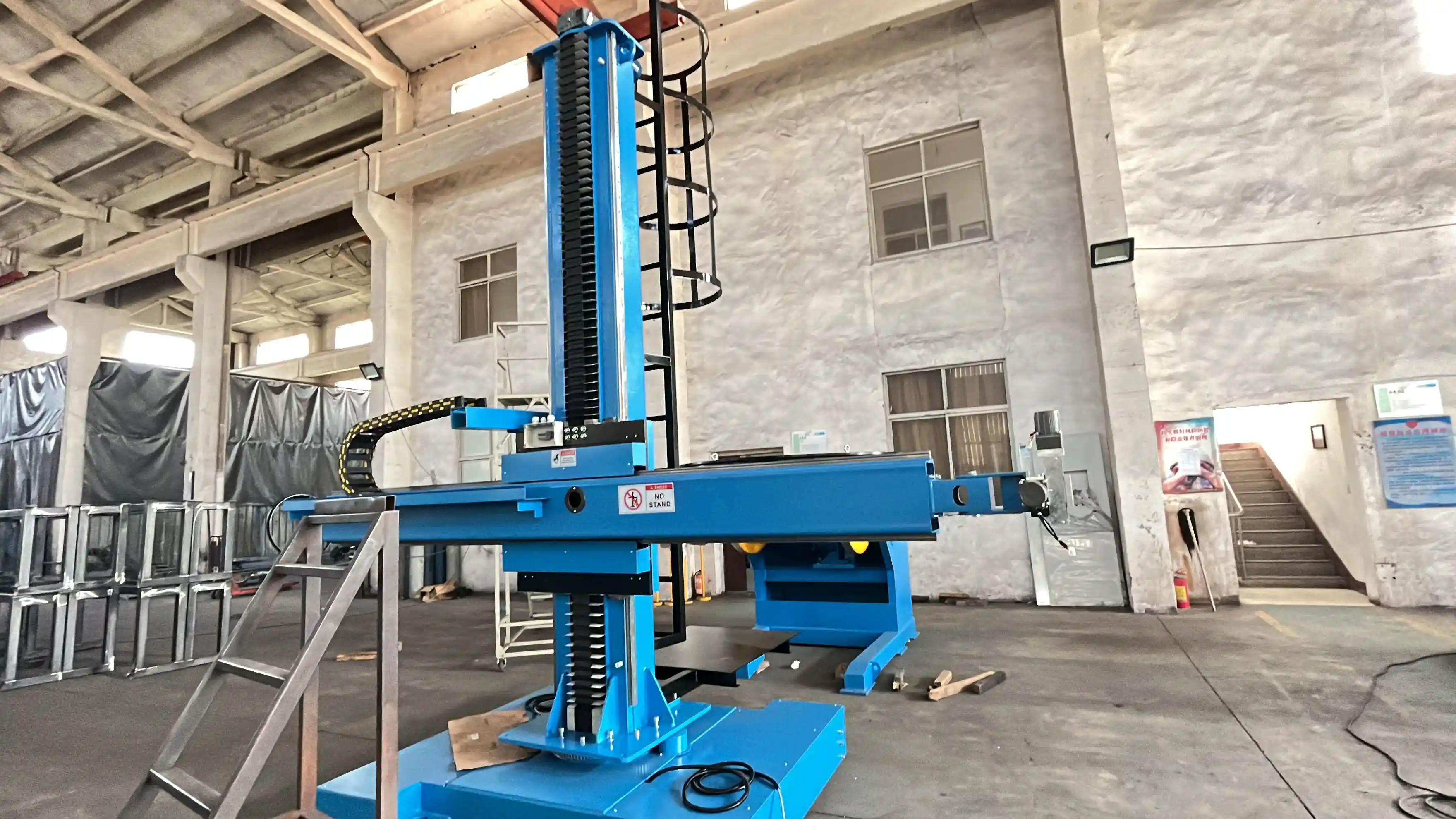
Автоматизированное сварочное оборудование повышает качество и повторяемость работ с трубами высокого давления. Такие системы, как Манипулятор для сваркиs, Поставщики сварочных позиционерови Производители сварочных вращателейжестко контролируют скорость перемещения, длину дуги и угол наклона резака, исключая человеческий фактор. В результате получаются однородные сварные швы, которые неизменно отвечают жестким нормативным требованиям, а также повышается производительность и снижаются общие затраты.
Если вам интересно, проверьте Новая эра в производстве трубопроводной сварки Прецизионное сотрудничество между позиционерами и токарными валками.
Оптимизация сварки труб высокого давления с помощью передовых решений для оборудования
1. Как сварочные манипуляторы повышают точность и доступность при сварке труб
Производители сварочных манипуляторовОни необходимы для крупных и сложных проектов по производству труб высокого давления, обеспечивая точное позиционирование и перемещение резака.
* Точность: Стабильное и точное размещение резака для получения равномерных бусин и профилей.
* Доступ: Расширенная зона охвата для воздействия на суставы, к которым трудно подойти вручную.
* Повторяемость: Автоматизированные траектории, обеспечивающие постоянство параметров при разных проходах и соединениях.
Эти преимущества повышают качество и снижают утомляемость оператора.
2. Использование сварочных позиционеров для оптимального расположения суставов и эргономики
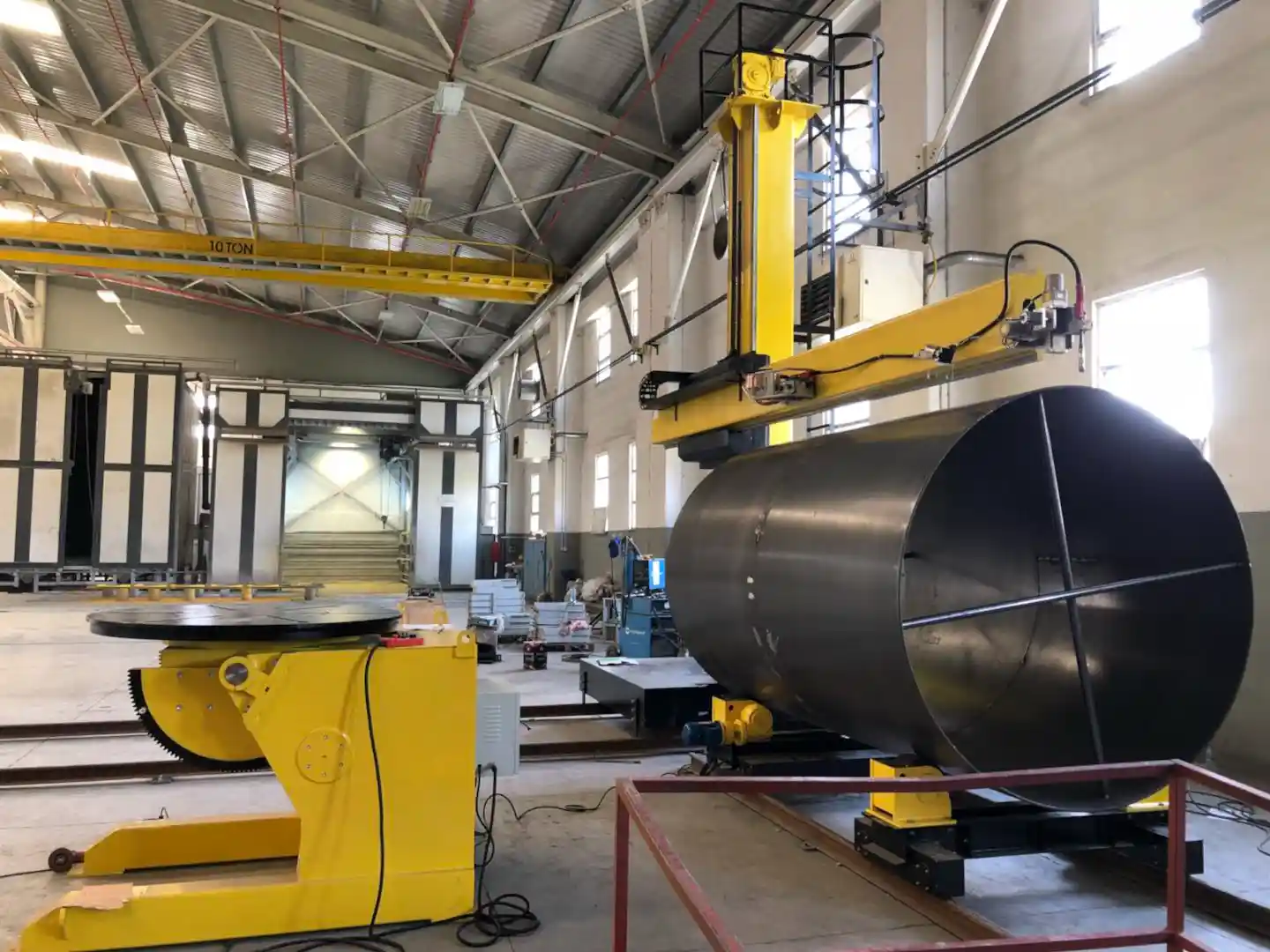
Поставщики сварочных позиционеровимеют решающее значение для правильной ориентации заготовки.
* Оптимальная подача шва: Поворачивайте и наклоняйте трубку, чтобы сварка происходила в наиболее эргономичных, контролируемых положениях - идеально плоском или горизонтальном.
* Сокращение объема работ: Лучший доступ обеспечивает более качественные сварные швы с меньшим количеством повторных работ.
* Безопасность: Надежно удерживает тяжелые или неудобные трубы, повышая общую безопасность.
Улучшение доступности напрямую связано с повышением качества сварки.
Если вам интересно, проверьте Расширение возможностей производства сосудов под давлением: сварочные позиционеры становятся основным двигателем качества и эффективности.
| Модель | Максимальная нагрузка | Диапазон наклона | Вращение | Точность позиционирования | Повторяемость | Приложения |
|---|---|---|---|---|---|---|
| 3-осевой позиционер | 1 тонна | 0-90° | 360° непрерывно | ±0,05 мм | 0,02 мм | Автомобильная промышленность, аэрокосмическая промышленность, сосуды под давлением |
| 3-осевой сварочный позиционер | 3 тонны | 0-90° | 360° непрерывно | ±0,05 мм | 0,02 мм | Роботизированная сварка, прецизионное производство |
| Трехосевой позиционер | 5 тонн | 0-90° | 360° непрерывно | ±0,05 мм | 0,02 мм | Роботизированная сварка в тяжелых условиях, сосуды под давлением |
3. Преимущества сварочных вращателей для сварки труб по окружности
Производители сварочных вращателейнезаменимы при сварке труб и трубопроводов по окружности.
* Постоянная скорость: Контролируемая скорость вращения для равномерного осаждения.
* Равномерное распределение тепла: Плавное вращение уравновешивает тепло, минимизируя деформации и остаточные напряжения.
* Эффективность: Обеспечивает непрерывную сварку, повышая производительность при выполнении длинных или многочисленных швов.
Вращатели помогают получить стабильные, бездефектные сварные швы по окружности.
Если вам интересно, проверьте Трубовращатели и токарные валки - необходимое оборудование для современного производства трубопроводов.
4. Интеграция автоматизации для обеспечения стабильного качества и повышения эффективности
Автоматизация приносит свои плоды. Роботизированные ячейки и современные системы управления для манипуляторов, позиционеров и ротаторов стандартизируют качество, снижают зависимость от индивидуальной техники и сокращают количество ошибок. Благодаря более высокой скорости перемещения и более коротким циклам повышается производительность, а затраты снижаются - и все это при соблюдении строгих ограничений по коду.
Получите экспертное руководство по сварке под высоким давлением
Компания WUXI ABK MACHINERY CO., LTD специализируется на производстве современного сварочного оборудования. Мы предлагаем индивидуальные решения для сварки труб под высоким давлением, обеспечивая соответствие требованиям и превосходное качество. Свяжитесь с нами сегодня, чтобы обсудить требования вашего проекта и оптимизировать сварочные операции.
Электронная почта: jay@weldc.com
Мобильный: +86-13815101750
Тел: +86-510-83555592
Об авторе
Джей Ли, директор по исследованиям и разработкам
Джей Ли - директор по исследованиям и разработкам компании WUXI ABK MACHINERY CO., LTD, более 20 лет работает в области автоматизации сварки. Он разрабатывает решения для линий сварки ветряных башен, двутавровых балок и труб, уделяя особое внимание качеству сварки, эффективности производства и развитию автоматизированных технологий. Его работа помогает обеспечить соответствие оборудования ABK Machinery самым высоким стандартам производительности и надежности.
Вопросы и ответы
1. Какие основные риски связаны с неправильной сваркой труб высокого давления?
Риски включают в себя катастрофические отказы, утечки опасных материалов и возможные взрывы - каждый из них чреват серьезными последствиями: финансовыми потерями, экологическим ущербом, травмами или гибелью людей. Некачественные сварные швы нарушают целостность конструкции, снижают безопасность эксплуатации и могут стать причиной несоблюдения нормативных требований.
2. На какие сварочные коды чаще всего ссылаются при работе с трубами высокого давления?
Чаще всего используются разделы I, III, VIII и IX Кодекса котлов и сосудов под давлением ASME (BPVC), а также API 1104 для трубопроводов в нефтегазовой отрасли. Вместе они определяют методы проектирования, изготовления, проверки и тестирования, которые обеспечивают безопасность систем.
3. Как орбитальная сварка способствует повышению качества сварных швов труб высокого давления?
Орбитальная сварка повышает качество благодаря высокой повторяемости и контролю параметров. Как автоматизированный процесс GTAW, он сводит к минимуму человеческую изменчивость, обеспечивает постоянное проплавление и форму шарика, а также создает однородные, устойчивые к дефектам соединения - критически важные для работы под высоким давлением.
4. Какие методы контроля имеют решающее значение для обеспечения целостности сварных швов труб высокого давления?
Основные методы неразрушающего контроля (NDT) включают VT, RT для внутренних объемных дефектов, UT для несплошностей и толщины, MT для ферромагнитных поверхностных/близкоповерхностных дефектов и PT для индикации разрушения поверхности. Эти методы позволяют проверить качество сварного шва, не повреждая деталь.
5. Может ли автоматизированное сварочное оборудование помочь удовлетворить жесткие требования к сварке труб высокого давления?
Да. Роботизированные системы, Производители сварочных манипуляторовs, Поставщики сварочных позиционерови Производители сварочных вращателейОни обеспечивают точный контроль над параметрами, улучшая согласованность, снижая количество дефектов и поддерживая соответствие жестким нормам, повышая производительность и безопасность.
 English
  Español
  Français
  Deutsch
  Português
  Русский