
Most tube bending equipment price comparisons stop at the base machine, and that is exactly where budget errors begin. A bender that looks inexpensive on a quotation can become expensive once tooling, hydraulics, controls, and start-up support are added. I have spent more than twenty years working through these cost structures in heavy fabrication and boiler-related tube production, and the pattern is consistent. The final price is driven less by the frame than by seven specific technical decisions. Buyers who identify these drivers before comparing quotes avoid the largest budget surprises and reach a sourcing decision faster.
Tube Bending Equipment Base Machine Cost Drivers
The base machine is the easiest part of a quote to compare, but it is not a commodity. Seven drivers explain most of the tube bending equipment price variation between suppliers. They are frame rigidity and tonnage, die and mandrel tooling, hydraulic pressure and cylinder speed, control and automation level, manufacturer overhead and certification, application engineering and bend validation, and after-sales support and spare parts. Each driver can move the quote by a few percent or by more than the base machine itself. A buyer who asks only for machine capacity usually receives a number that cannot be compared with the next offer.
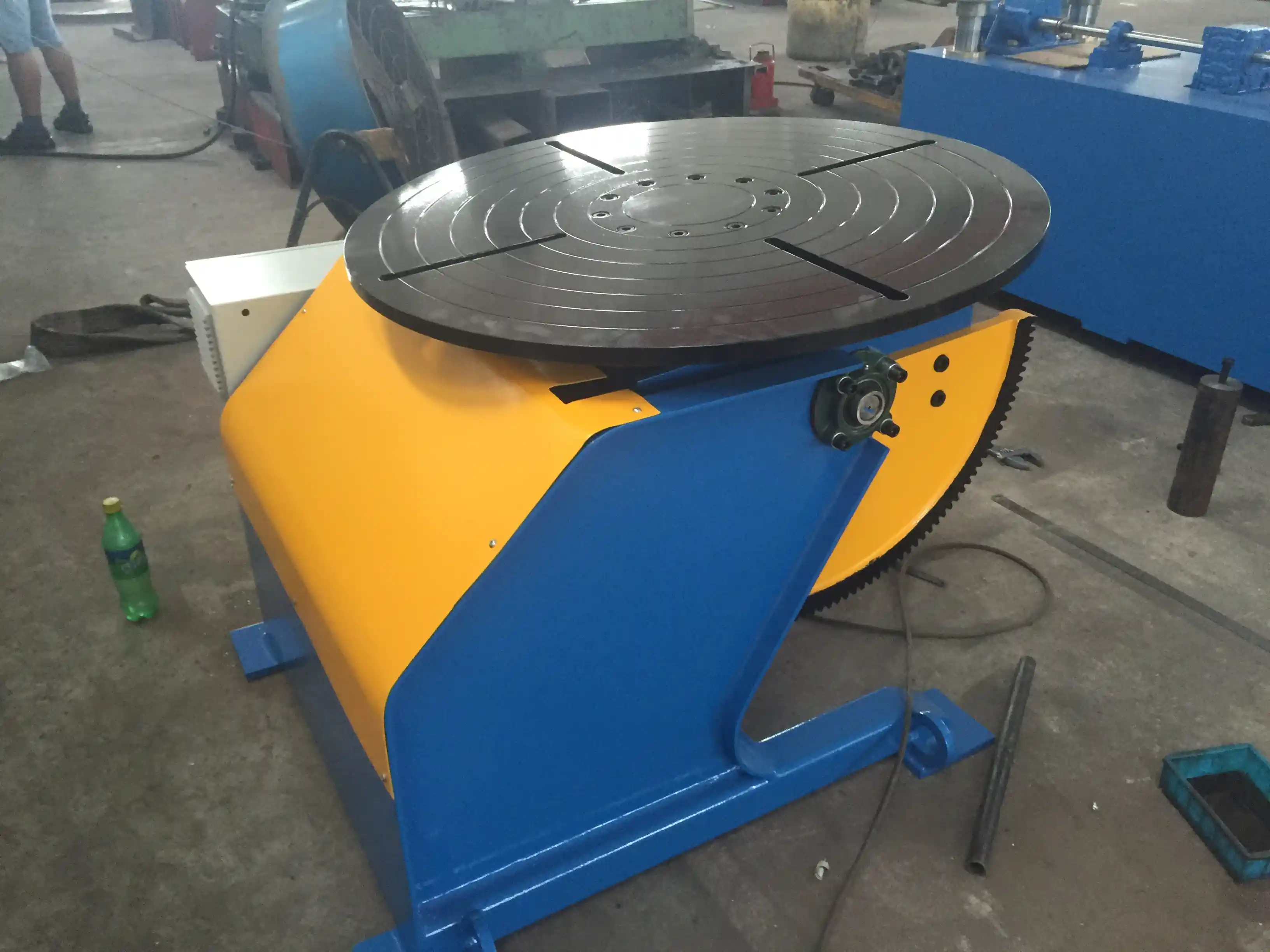
Tooling and Die Variables That Reshape Tube Bending Equipment Price
Tooling is the most unstable part of tube bending equipment price. A machine may support a wide tube range, but every tube diameter and centerline radius combination requires matched dies, clamp blocks, and pressure die sets. When a buyer compares only machine price, the difference between one radius set and five radius sets disappears from the quote. I have seen tooling packages range from a few thousand dollars for simple round tube to a sum that exceeds the machine for complex multi-radius stainless steel programs.
Why Wall Thickness and Material Change Tooling Cost
Thin-wall round tube bends differently from thick-wall tube because internal support requirements change. A 2 mm wall may need a hardened mandrel, a precise wiper die, and tighter die clearance to avoid wrinkling and ovality. Stainless steel wears tooling faster than carbon steel and usually calls for polished or coated surfaces. Those choices are not optional upgrades. They are the difference between a stable bend and a rejected part, and they belong in the same cost column as the machine.
When a Multi-Radius Die Set Is Worth the Price
Shops that produce only one or two part numbers can stay with a narrow tooling package. Shops that run many radii, short production batches, or rapid product changes usually recover multi-radius die sets through reduced setup time. If the same part family can be bent with one adjustable die set instead of five dedicated sets, the higher tooling price may lower total cell cost. This is the point where a quote should break out tooling as a separate line, not bury it in the machine price.
Shops that bend tube as part of a larger pipe fabrication cell often discover that downstream weld accuracy determines whether a good bend becomes a good assembly. <Достижение идеальных сварных швов на трубах большого диаметра с помощью профессионального прокатного оборудования> covers how rolling equipment stability affects weld fit-up and repair rates, which can shift total cell cost beyond the bender itself.
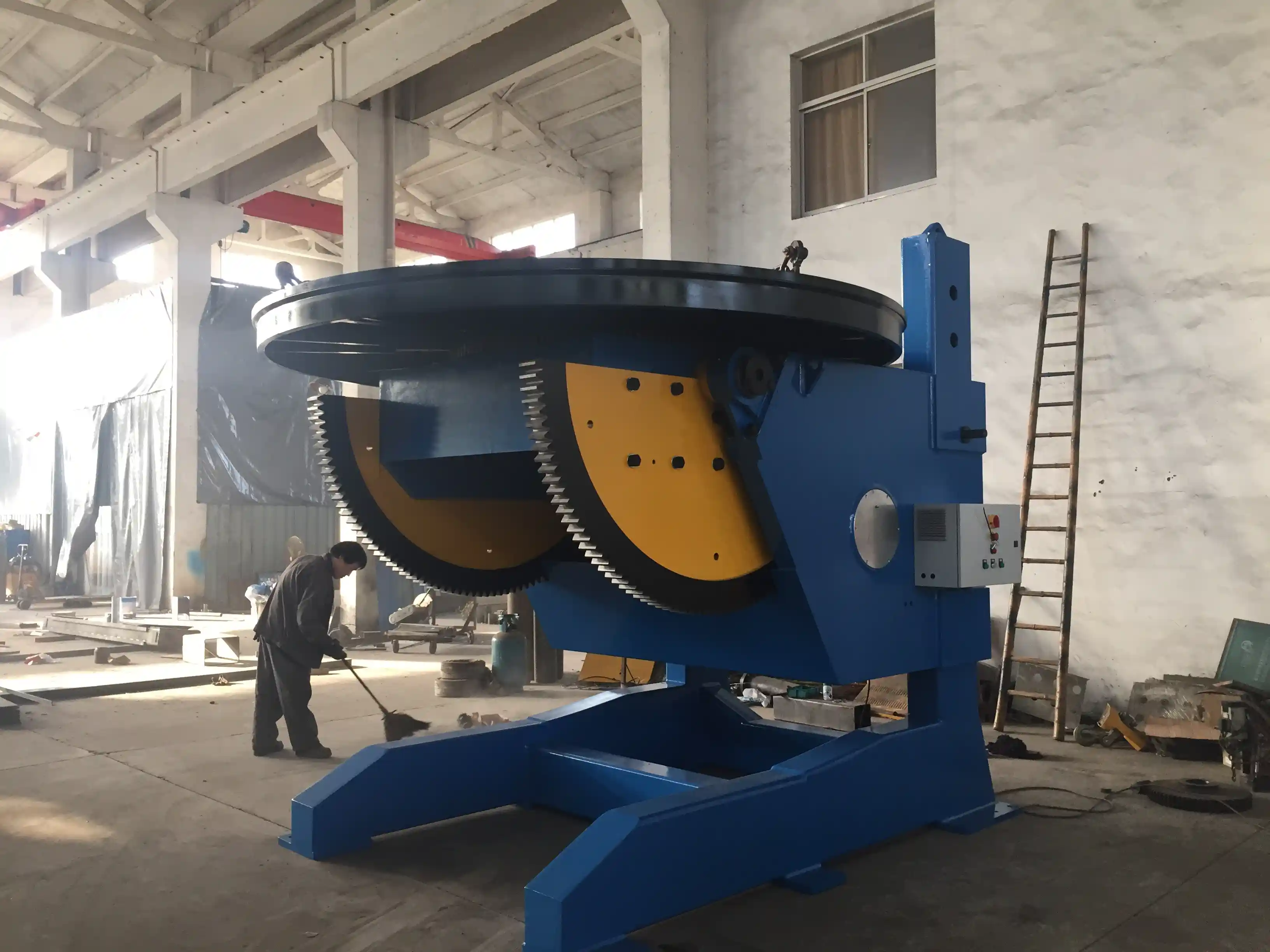
Hydraulic, Automation, and Controls Cost Layers
Hydraulic and control selection changes the tube bending equipment price without changing the machine’s visible frame. A conventional hydraulic system with manual valve control is cheaper at the start. A servo hydraulic or all-electric drive costs more, but it uses less energy, holds repeatability better, and shortens cycle time on long production runs. For most continuous fabrication programs, the higher purchase price is recovered in operating cost and first-pass quality. For a low-volume job shop, the simpler system may be the better financial choice because utilization cannot pay back the premium.
How CNC Controls Shift Price Without Changing the Frame
CNC controls are priced by axis count, memory, offline programming, and communication interfaces. A basic three-axis control with manual data input handles simple bends. Multi-axis CNC with bend simulation, springback correction, and networking costs more, but it reduces programming time when part variety is high. The control choice should follow the production schedule, not the other way around.
If your program mixes carbon steel and duplex stainless with wall thicknesses above 6 mm, it is worth confirming the hydraulic pressure, die clamping force, and control axis count together before you finalize the BOM. Send the material list and maximum wall thickness to jay@weldmc.com, and we can check the machine configuration against the calculated bend loads.
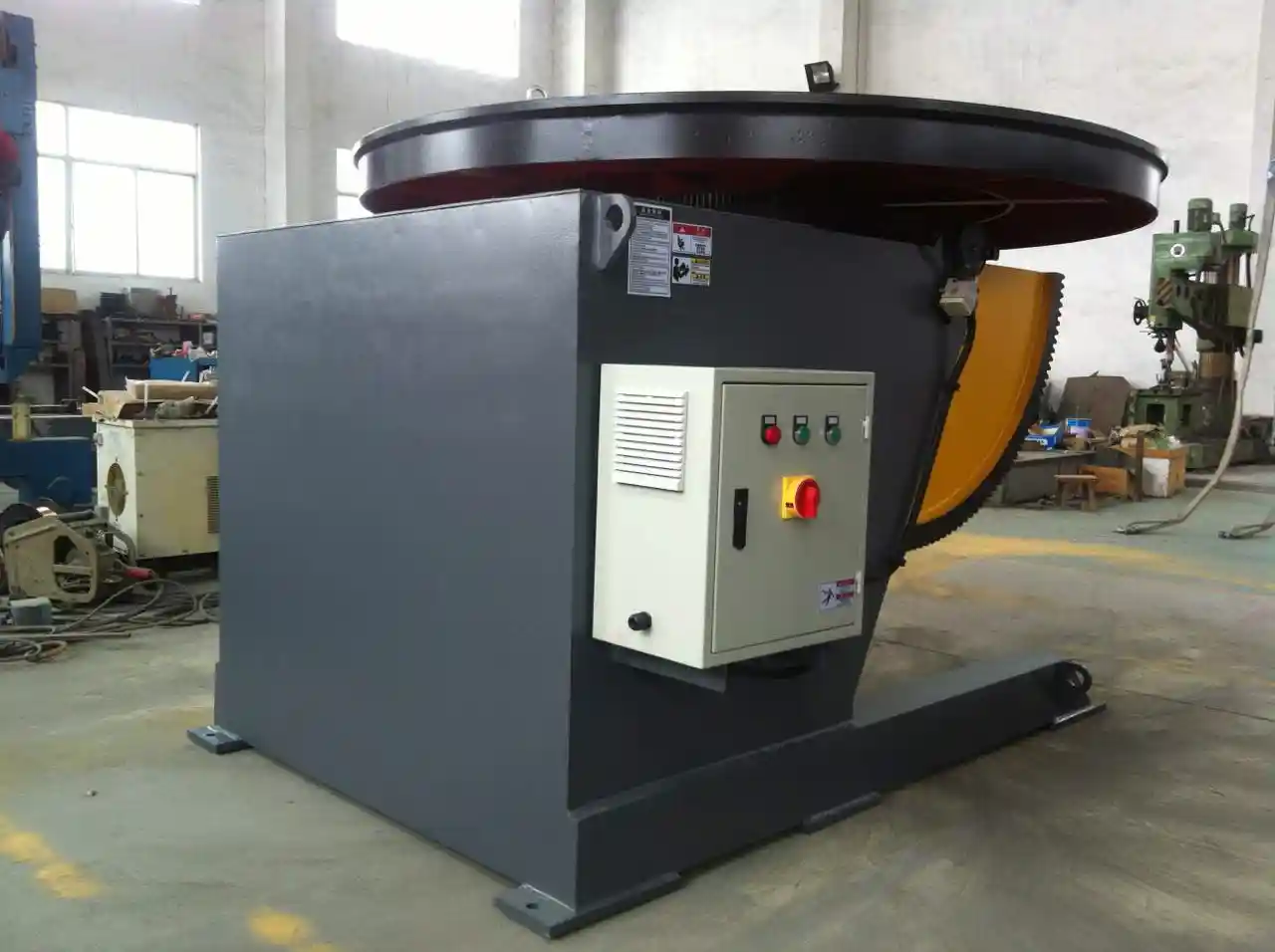
Lifecycle Cost Factors Buyers Overlook
Lifecycle cost changes the meaning of cheap. Energy consumption, maintenance labor, tooling wear, spare part availability, training, and response time accumulate after the machine is installed. A low purchase price can hide a machine with no local technical support, no spare part stock, and no training plan. I consider these factors part of the tube bending equipment price because they are paid for eventually, whether or not they appear on the first quote.
| Cost driver | Typical impact on total cost | What to specify before quoting |
|---|---|---|
| Tooling set | Highest variable below the base machine | Tube OD, wall thickness, radius, material |
| Система привода | 8 to 15 percent of base machine in our project estimates | Hydraulic versus servo, production hours per day |
| Controls | Setup time and operator training cost | Axis count, batch size, offline programming needs |
| Installation and training | One-time start-up cost | Site power, factory floor condition, operator level |
| Spare parts and service | Annual cost after warranty | Service interval, parts availability, remote support |
If your bent tube parts feed an automated welding station, <Как повысить качество сварки труб с помощью высокоточного сварочного позиционера> covers how high-precision positioning reduces weld repair time, which is a cost conversation that should begin with bend tolerance.
Sourcing Steps for a Complete Tube Bending Equipment Price
Most buyers can get a better quote by changing the question. Instead of asking for a machine price, send the data that removes pricing guesswork. Begin with the two or three highest-volume part configurations and note the ranges for wall thickness and bend radius. At WUXI ABK, we ask for material grade, outside diameter, wall thickness, centerline radius, quantity per month, length tolerance, and any ovality or surface-finish requirement. Send the part drawing and these production assumptions to jay@weldmc.com or call +86-13815101750, and we will return a quote that separates base machine, tooling, controls, installation, and after-sales support so the total tube bending equipment price is comparable from one supplier to the next.
Common Questions About Tube Bending Equipment Pricing
Does a higher price always mean better bend quality?
Not necessarily. A high quote sometimes reflects larger tonnage, specialized tooling, or a more expensive control system that a simple part family does not need. I have watched buyers pay for servo precision on low-volume part runs where a well-built hydraulic machine would have held a much better total cost. Bend quality depends mainly on the match between the tooling, the control settings, and the tube specification. If you define material, wall thickness, radius, and tolerance first, the lower-priced machine can often meet the requirement while the higher-priced unit may only add capacity you will not use.
How much should buyers budget for tooling?
Tooling is usually the first cost line to separate from the base machine because it can move the total by a wide margin. In the tube programs I quote, tooling often lands between 15 and 25 percent of the machine price for simple round tube, but it rises quickly with multiple radii, mandrel bending, stainless steel, and uncommon diameters. A better planning number is to quote the tooling package at the same time as the machine. If a supplier will not list tooling separately, the total tube bending equipment price is not yet mature enough to compare.
Should I buy a used tube bending machine to lower the price?
It depends on the part mix. If you run large-batch, simple round tube and the machine can be inspected under power with sample parts, a used bender can cut your initial cost substantially. If your program includes thin-wall stainless steel, multi-radius parts, or tight ovality and length tolerances, the risk shifts to worn dies, tired hydraulics, and obsolete controls that cost more to correct than the purchase savings. In that case, I would keep the used machine option only when the seller supplies a full mechanical inspection report and a written acceptance test result from the current owner.
What specifications do suppliers need for an accurate tube bending equipment price?
A more useful question is what part data makes the quote reliable. The minimum set is material grade, outside diameter, wall thickness, centerline radius, bend angle, quantity per month, and final tolerance. If you add the target cycle time and the factory power supply, the supplier can confirm drive size and control requirements instead of guessing. Without that data, a quote is a list price with assumptions hidden inside it. Share your requirements and the drawing at jay@weldmc.com, and we will confirm which cost drivers apply to your program before returning the price.
Если вам интересно, ознакомьтесь со следующими статьями по этой теме:
Проблемы, связанные с несоосностью при сварке труб: как интеллектуальные поворотные устройства для сварки труб повышают коэффициент готовности нефтепроводов
Революция в судовой сварке: как позиционеры для сварки повышают качество и эффективность
Неоценимое значение для практического применения: как позиционеры с фиксированной высотой способствуют развитию морского и судостроительного производства (Часть 2)
 English
  Español
  Français
  Deutsch
  Português
  Русский