You know, when you’re making something as critical as membrane panels for industrial use, precision isn’t just a nice-to-have; it’s everything. But let’s be honest, getting things perfectly aligned and gap-free is a constant headache for manufacturers. These aren’t just cosmetic flaws – we’re talking about issues that can seriously mess with a structure’s strength and how well it performs, often leading to expensive do-overs and a real drag on efficiency. From what I’ve seen, you can’t just slap a band-aid on these problems; you need a thoughtful, all-encompassing approach that brings together cutting-edge tech and really tight control over every step of the process.
Understanding the Criticality of Precision in Membrane Panel Production
1. The Role of Membrane Panels in Industrial Applications
Membrane panels, if you think about it, are the unsung heroes in so many heavy industries – power plants, petrochemical facilities, shipbuilding, you name it. They’re the guts of critical heat exchange systems in boilers, reactors, and other high-pressure setups. Essentially, they’re a bunch of tubes expertly welded together with membrane bars, forming this incredibly tough, gas-tight structure. Their whole purpose is to efficiently move heat around and keep those super-hot, high-pressure fluids safely contained. So, when you consider the reliability and lifespan of these massive industrial systems, it really boils down to how well and how precisely those membrane panels are made.
2. Consequences of Gap and Alignment Issues on Structural Integrity and Performance
Let me tell you, even tiny gaps and misalignments in membrane panels can cause a world of trouble for both structural integrity and how well the system actually works. We’re talking about small deviations that can create huge stress points, practically inviting fatigue cracks and early failure. Imagine a high-temperature environment – even a minuscule gap can turn into a hotspot, leading to localized overheating and the material just giving up. This doesn’t just shorten the panel’s life; it can lead to catastrophic failures, which are not only dangerous but incredibly expensive to fix. And it’s not just safety; poor alignment also means less efficient heat transfer, which translates to wasted energy and lower output. So, yeah, keeping things perfectly aligned and minimizing those gaps isn’t just important; it’s absolutely crucial for keeping industrial equipment safe, efficient, and built to last.
Identifying Common Causes of Gap and Alignment Issues
Getting perfect alignment in membrane panel production is like trying to herd cats – it’s complicated, and a lot of things can throw it off. But if we can figure out why these deviations happen, we’re much better equipped to stop them.
1. Material Preparation and Cutting Inaccuracies
The truth is, a top-notch membrane panel starts with how precisely you prepare your materials. If the individual tubes and membrane bars aren’t cut and formed just right, that’s where your alignment problems begin. They simply won’t fit together properly during assembly, and boom, you’ve got inherent gaps and misalignments. Think about it: dull cutting tools, a machine that’s not calibrated correctly, or even a simple slip by an operator can introduce these initial errors. And these little imperfections, once they’re in the system, just snowball through the entire production process, making alignment a nightmare further down the line.
2. Inadequate Fixturing and Clamping During Assembly
Proper fixturing and clamping? Absolutely essential. These are what hold your components exactly where they need to be during assembly and welding. If your fixtures are weak or poorly designed, parts will inevitably shift, leading to those dreaded gaps and misalignments. This is especially true for huge membrane panels where keeping everything rigid over long stretches is a real challenge. Not enough clamping force, or uneven pressure, can also warp the material, making alignment even harder. The quality of your fixturing really dictates how accurate your assembled panel will be.
3. Thermal Distortion During Welding Processes
Welding, by its very nature, pumps a lot of heat into the material, causing it to expand and then contract. This thermal dance can lead to distortion, pulling parts out of whack. How much distortion? Well, that depends on things like your welding settings, the thickness of the material, and even the joint design. If you don’t manage this effectively, that thermal distortion can create huge gaps and misalignments, forcing you into extensive, costly post-weld corrections. And believe me, rework is a time sink and a budget killer, impacting your entire production efficiency.
4. Human Error and Skill Gaps in Manual Operations
Let’s face it, when humans are involved in welding and assembly, there’s always room for error and variations in skill. An inconsistent torch angle, a wavering travel speed, or even just uneven filler material can lead to uneven heat distribution and, you guessed it, distortion. Lack of experience or poor training can also result in bad fit-up and bigger gaps. Even the most seasoned welders can struggle to maintain perfect consistency over long or complex seams. So, manual processes are definitely a big source of variability.
5. Equipment Limitations and Wear in Production Lines
Old or poorly maintained equipment? That’s a huge contributor to gap and alignment issues. Worn guides, loose bearings, or inaccurate control systems on your cutting, bending, or welding machines will absolutely reduce accuracy. For instance, a worn-out Манипулятор для сварки might not follow a straight path, leading to uneven welds. Or a welding positioner with too much play in its gears won’t hold the workpiece precisely. Regular maintenance and timely upgrades aren’t just good ideas; they’re vital for keeping equipment-related alignment problems to a minimum.
Advanced Solutions for Mitigating Gap and Alignment Problems
To really tackle those gap and alignment issues, we need to make a strategic shift. We’re talking about embracing advanced manufacturing technologies and automated solutions. These innovations are what will give us that extra edge in precision, consistency, and overall quality.
1. Implementing High-Precision Cutting and Forming Technologies
Precision, in my book, always starts with accurate component preparation. Modern technologies like CNC plasma cutting, laser cutting, and water jet cutting offer accuracy that traditional methods just can’t touch. These machines can carve out intricate shapes with incredibly tight tolerances, which means fewer fit-up errors from the get-go. For forming, modern Гибочный станок для панелей and tube bending machines use sophisticated controls to hit those precise angles and radii, significantly reducing material distortion. Investing in these technologies really lays a solid foundation for accurate panel assembly.
2. Utilizing Automated Welding Manipulators for Consistent Seam Tracking
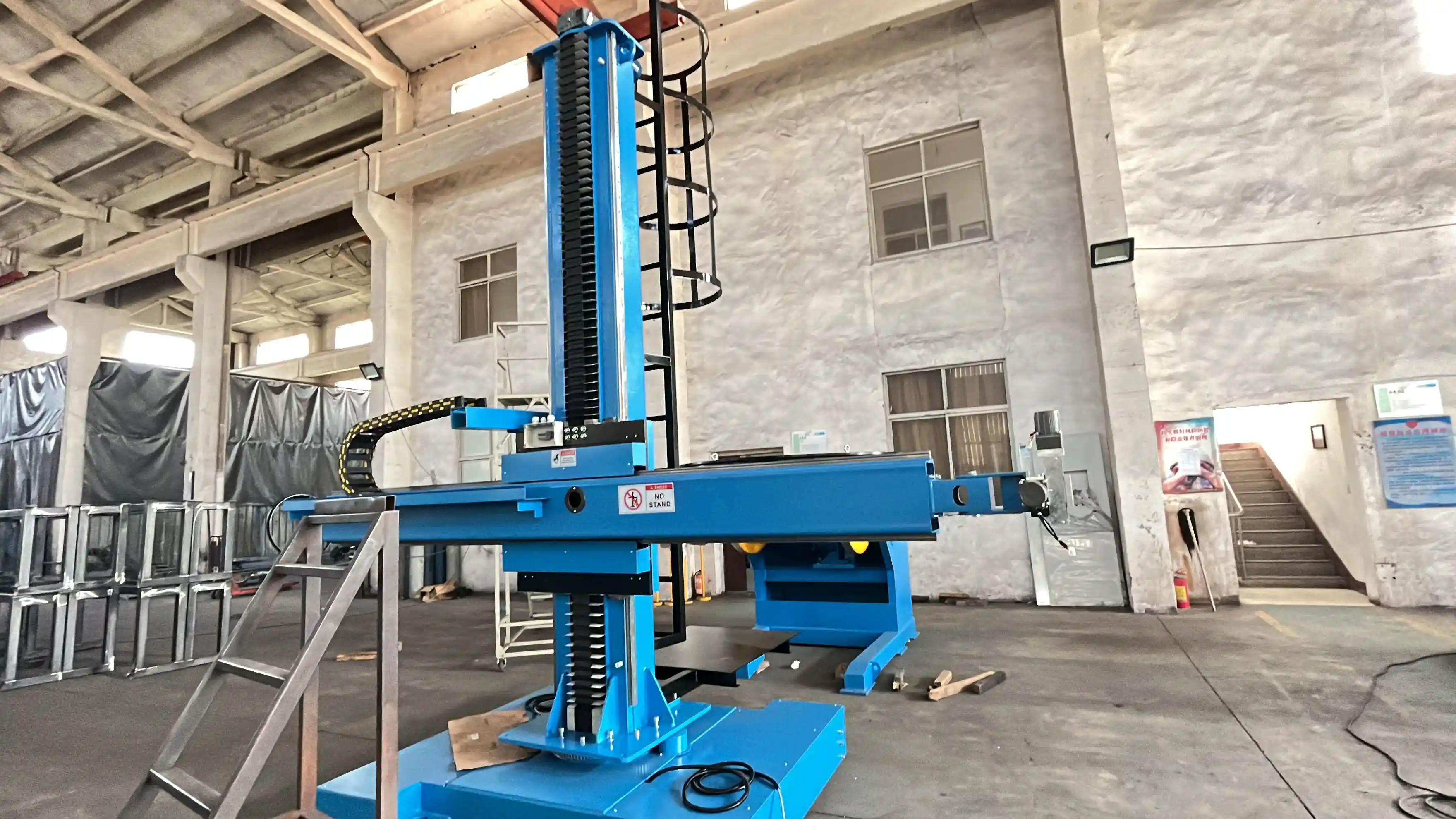
Automated welding manipulators are absolutely key for keeping your weld parameters consistent and tracking seams accurately. Systems like the WUXI ABK LH series, with their super-strong box-beam structures and linear guideways, ensure stable operation and a positioning accuracy of ±0.1 mm/m. They can handle precise longitudinal and circumferential seam welding, dramatically cutting down on the inconsistencies you get with manual welding. Plus, features like real-time monitoring and automated parameter control just push that weld quality even higher and minimize those pesky gaps.
3. Employing Advanced Welding Positioners for Optimal Workpiece Orientation
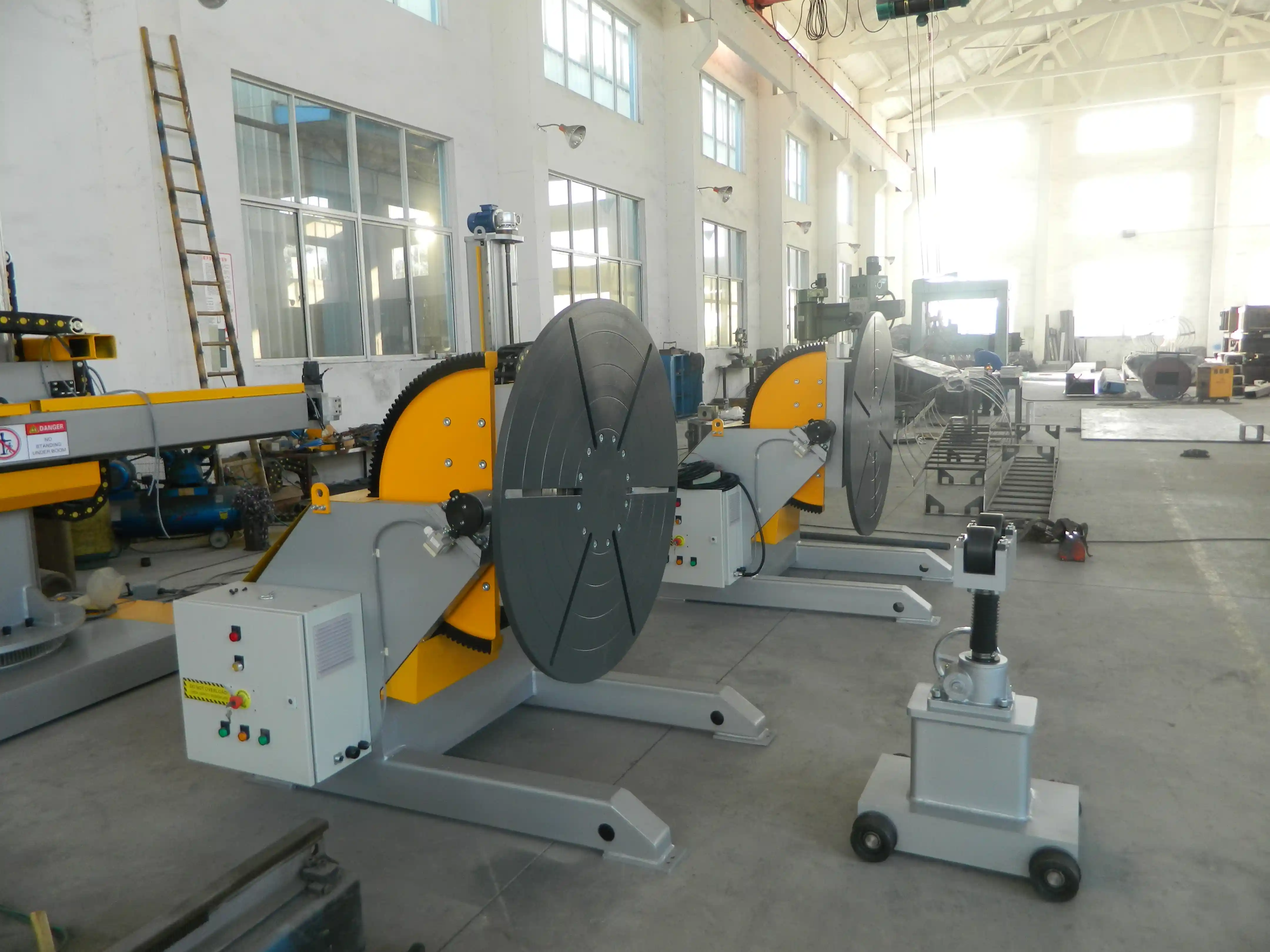
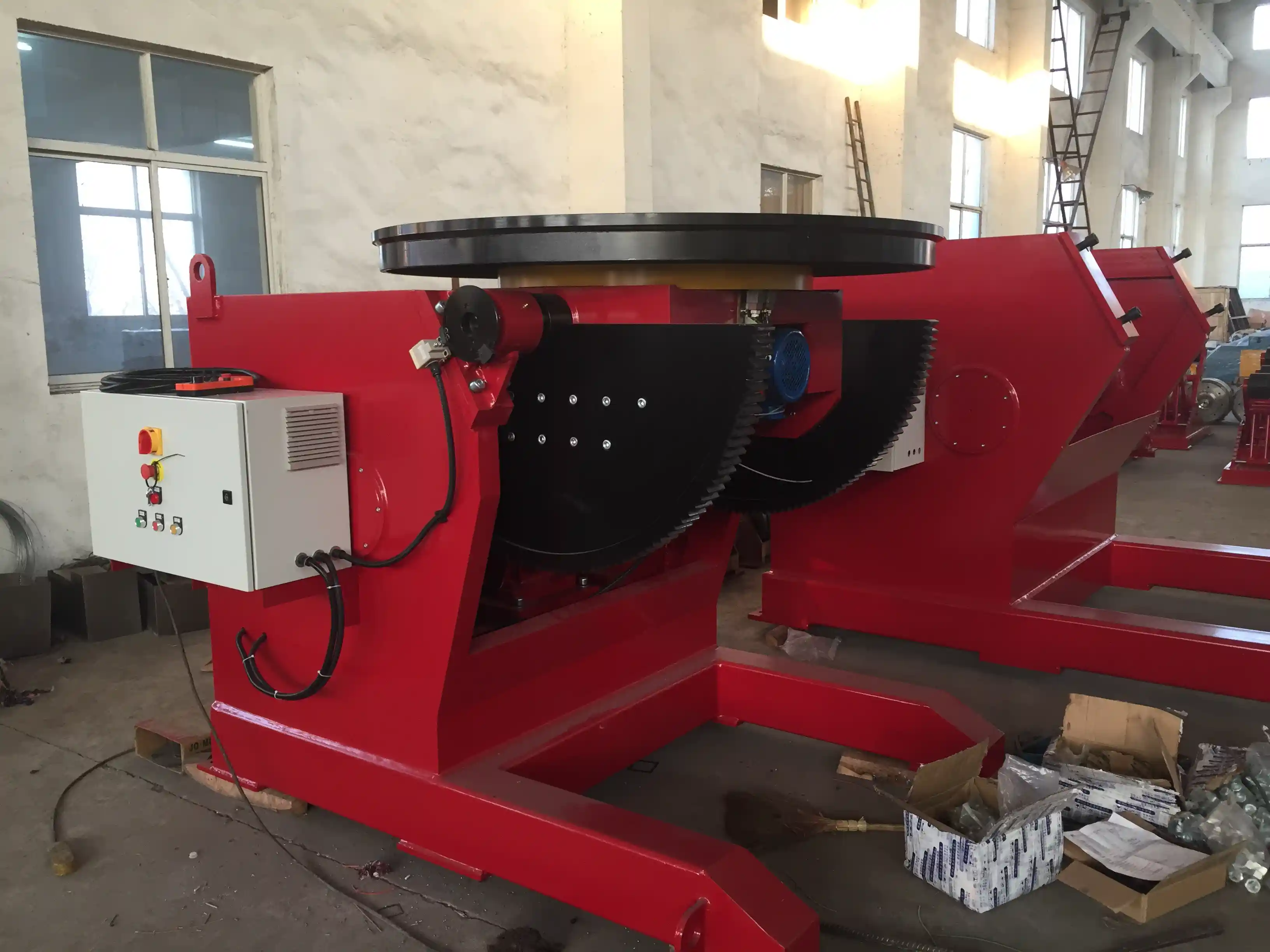
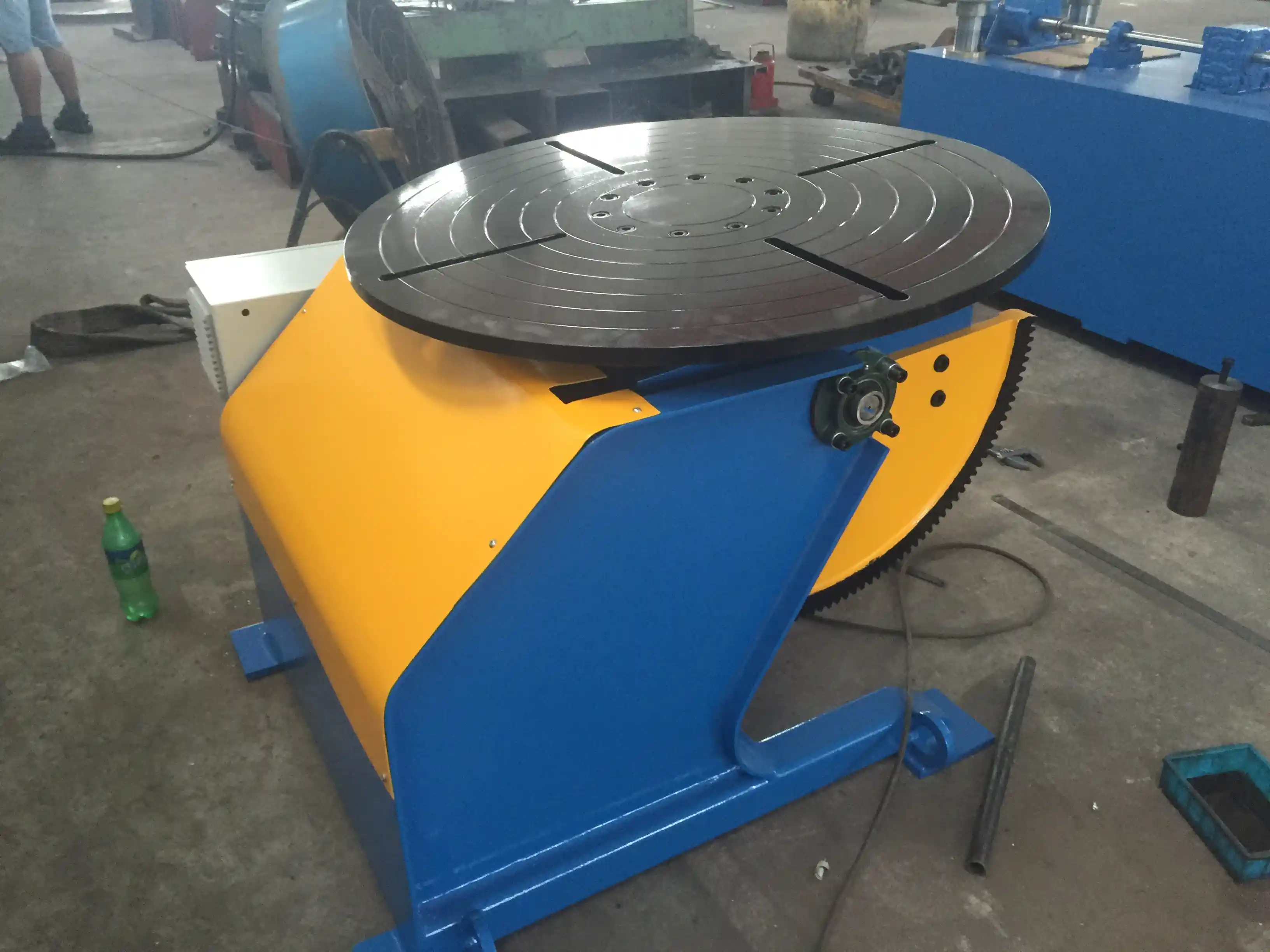
Welding positioners give you incredibly precise control over how your workpiece is oriented. This means operators can position components perfectly for welding access and to minimize distortion. WUXI ABK, for example, offers various positioners, including 3-axis models with an astonishing ±0.05 mm positioning accuracy and 0.02 mm repeatability. These systems allow for synchronized turning, rotating, and tilting, ensuring that every weld is performed in the best possible position. By providing stable and precise workpiece manipulation, they play a huge role in maintaining alignment throughout the welding process. And if you’re curious about boosting your welding quality even further, you might want to check out 《Как улучшить качество сварки труб с помощью высокоточного сварочного позиционера》.
4. Leveraging Welding Rotators for Cylindrical Component Alignment
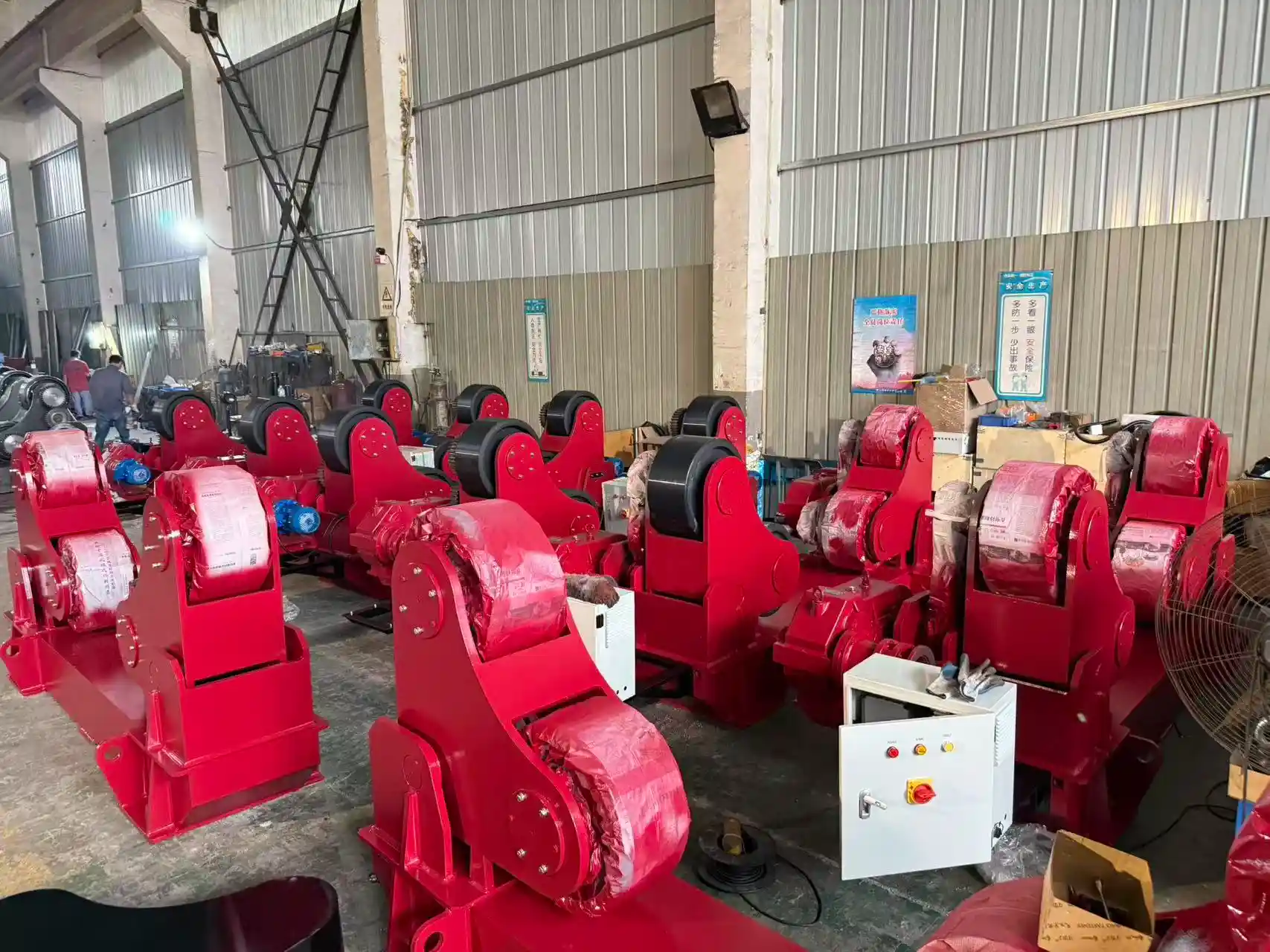
For those cylindrical membrane panel components, welding rotators are simply indispensable. These devices give you controlled rotation, making it easy to continuously weld circumferential seams. WUXI ABK’s HGZ series of welding rotators, for instance, come in various load capacities and offer incredibly precise speed control. They ensure that heat is distributed uniformly and that the weld bead forms consistently, which is absolutely vital for preventing thermal distortion and keeping those cylindrical sections perfectly aligned. Plus, their adjustable height and self-aligning rollers just add to their versatility and precision.
5. Integrating Fit-Up Rotators for Precise Panel Assembly
Fit-up rotators are specialized pieces of equipment designed to align large and complex panel sections with incredible precision. Systems like WUXI ABK’s heavy-duty fit-up rotators use hydraulic alignment and laser guidance to achieve accuracy down to ±0.5 mm. They make the precise joining of membrane panels so much easier, minimizing gaps even before welding begins. By providing robust support and fine-tuning capabilities, fit-up rotators drastically cut down on the need for manual adjustments and rework, really streamlining the entire assembly process.
Enhancing Production Efficiency and Quality with WUXI ABK Equipment
WUXI ABK MACHINERY CO., LTD. offers a whole suite of advanced welding automation equipment specifically designed to conquer those gap and alignment challenges in membrane panel production. Our focus is always on precision, repeatability, and, ultimately, efficiency.
1. How WUXI ABK Welding Manipulators Ensure Accurate Longitudinal and Circumferential Seams
Our WUXI ABK welding manipulators are built for superior precision when welding long and circular seams. Take models like the LH8080 – they offer substantial horizontal and vertical travel with a positioning accuracy of ±0.1 mm/m. The robust design, which includes linear guideways and cycloidal reducers, guarantees smooth and stable movement, which is absolutely critical for consistent weld quality. These manipulators come with features like seam tracking and automated parameter control, actively correcting for minor deviations during welding, thereby preventing gaps and maintaining precise alignment. This level of automation significantly reduces reliance on manual skill, ensuring consistent, high-quality results every time. If you’re curious about how these manipulators can truly revolutionize your production, take a look at 《Сварочные манипуляторы для изготовления ветряных башен революционизируют эффективность производства》.
2. Achieving Superior Positioning Accuracy with WUXI ABK Welding Positioners
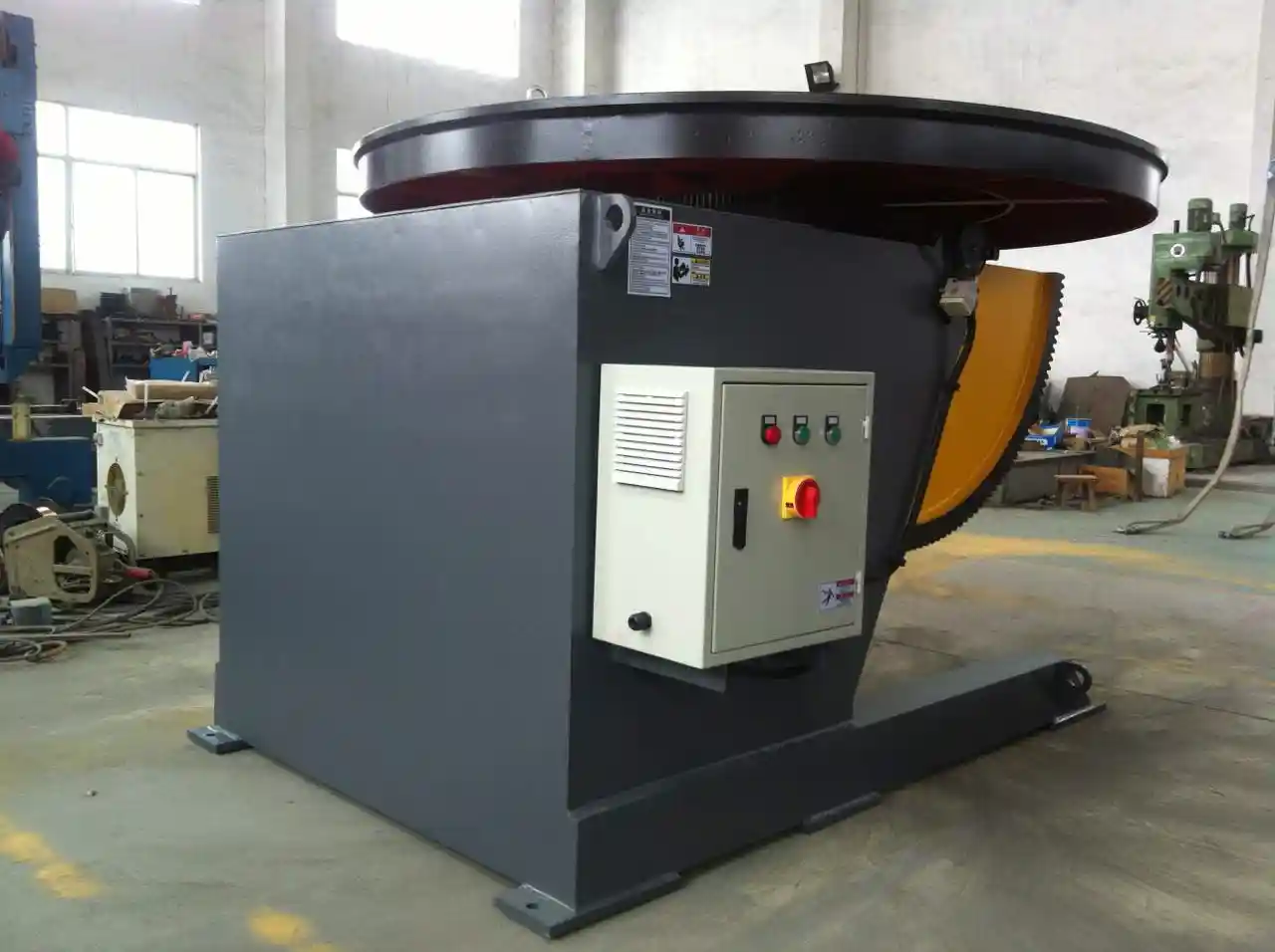
Our welding positioners deliver exceptional accuracy for manipulating workpieces, which is absolutely vital for complex membrane panel assemblies. The WUXI ABK 3 Axis Positioner, for example, boasts a positioning accuracy of ±0.05 mm and an impressive repeatability of 0.02 mm. These systems allow for synchronized turning, rotating, and tilting, giving operators the ability to achieve optimal welding positions for every single joint. This precise control drastically reduces the risk of parts shifting and distorting during welding, ensuring that components stay perfectly aligned. By presenting the workpiece in its ideal orientation, our positioners play a huge role in minimizing gaps and boosting weld quality.
3. Optimizing Cylindrical Welding with WUXI ABK Welding Rotators
WUXI ABK welding rotators are specifically engineered to optimize the welding of cylindrical sections in membrane panels. Our HGZ series, including models like the HGZ-100, can handle workpieces up to 100 tons and diameters up to 5000mm. These rotators offer stepless speed control and anti-creep technology, maintaining precise rotation and preventing any material slippage. This controlled movement ensures uniform heat input and consistent weld bead geometry all the way around the circumference, significantly reducing thermal distortion and keeping those tolerances incredibly tight. For more in-depth information, you might find 《Сварочный вращатель Прецизионная автоматизация для промышленного производства Руководство эксперта FAQ》 quite insightful.
4. Streamlining Panel Assembly with WUXI ABK Fit-Up Rotators
Our fit-up rotators are absolutely essential for the precise assembly of large membrane panel sections. The Heavy Duty Fit-Up Rotator 10-ton model, for instance, uses hydraulic alignment and laser guidance to achieve ±0.5mm precision for workpieces up to 6m in diameter. These systems allow for rapid and accurate alignment of multiple panel segments before welding, effectively eliminating initial gaps. The ability to precisely adjust and hold large components minimizes stress on the joints and guarantees a perfect fit, which is critical for the structural integrity of the final product. This really streamlines the assembly process and cuts down on the need for costly rework.
Best Practices for Preventing Gap and Alignment Defects
To truly prevent those annoying gap and alignment defects, you need a smart combination of cutting-edge technology and really solid operational habits.
1. Regular Equipment Calibration and Maintenance Schedules
Consistent equipment performance is, without a doubt, the bedrock of precision manufacturing. You absolutely need a strict schedule for calibrating and maintaining all your cutting, forming, and welding machinery. This means checking for wear in linear guides, making sure sensors are working perfectly, and verifying the accuracy of robotic movements. Regular preventative maintenance is key – it helps you spot and fix potential issues before they start messing with your production quality.
2. Comprehensive Operator Training and Skill Development
Even with all the fancy automation, skilled operators are still incredibly important. You should invest in comprehensive training programs that cover everything from equipment operation to precision measurement, and, of course, best practices for material handling and fit-up. Continuous skill development ensures that your operators can not only effectively use those automated systems but also troubleshoot minor issues, which really minimizes human error. This investment in your people directly translates to better quality and efficiency.
3. Implementing Quality Control Checks Throughout the Production Process
You really need to integrate multiple quality control checkpoints throughout the entire membrane panel production process. This means verifying material dimensions right after cutting, inspecting the fit-up before welding, and performing non-destructive testing (NDT) after welding. Catching deviations early allows for timely corrections, preventing minor issues from snowballing into major defects. Using laser scanning and optical measurement systems can give you incredibly accurate and rapid quality assessments.
4. Adopting Advanced Simulation and Design Tools
It’s smart to use advanced simulation software during the design phase to predict and head off potential thermal distortion and alignment issues. Finite Element Analysis (FEA) can model how welding heat affects complex structures, allowing engineers to optimize welding sequences and joint designs. These tools help you address challenges proactively, cutting down on the need for expensive physical prototypes and rework. By building simulation into your design workflow, manufacturers can achieve higher precision right from the start.
Partner with WUXI ABK for Precision Welding Solutions
Look, tackling those gap and alignment issues in membrane panel production isn’t just about making things look pretty; it’s absolutely vital for ensuring product quality, operational efficiency, and structural integrity. WUXI ABK Machinery Co. Ltd. is here to help with advanced welding automation solutions, including high-precision welding manipulators, positioners, rotators, and fit-up systems, all designed to meet these exact challenges. Our expertise and innovative equipment are geared towards helping manufacturers achieve superior accuracy and reliability in their fabrication processes. So, why not reach out to us today and let’s talk about how our solutions can give your production line a real boost?
Мобильный: +86-13815101750
Электронная почта: jay@weldc.com
Об авторе
Джей Ли, директор по исследованиям и разработкам
I’m Jay Li, and I’ve been immersed in welding automation for over 20 years. My passion lies in specializing in wind tower welding lines, H-beam welding lines, and pipe welding equipment. My goal is to help companies truly improve their quality and production efficiency through innovative, practical solutions.
Вопросы и ответы
1. What are the primary challenges in achieving precise membrane panel alignment?
Honestly, getting membrane panels perfectly aligned is a real headache. You’re constantly battling material inconsistencies, the inevitable thermal distortion that comes with welding, and just the sheer difficulty of accurately positioning massive, heavy components. Manual processes often struggle with hitting the same mark twice, and even tiny errors in the initial cutting or forming can just compound into significant misalignment down the line.
2. How do automated welding manipulators contribute to reducing gaps in membrane panels?
Automated welding manipulators are fantastic for reducing gaps because they deliver incredibly consistent travel speeds and torch angles, which means you get a uniform weld bead every time. Their precise control minimizes variations in heat input, which in turn reduces the thermal distortion that causes those gaps. Plus, features like seam tracking can even actively adjust the welding path to compensate for minor fit-up discrepancies on the fly.
3. Can welding positioners be integrated into existing membrane panel production lines?
Absolutely, yes! Welding positioners are actually designed with flexible integration in mind for various production environments. Many models come with modular designs and programmable controls that can easily sync up with your existing welding equipment and robotic systems. This adaptability means manufacturers can upgrade their current lines without needing a complete overhaul, allowing them to incrementally improve efficiency and precision.
4. What role do fit-up rotators play in large-scale membrane panel fabrication?
Fit-up rotators are crucial in large-scale membrane panel fabrication because they allow for the precise alignment of massive, and often awkwardly shaped, panel sections. They use hydraulic and mechanical systems to adjust and hold components with incredibly high accuracy, effectively minimizing gaps before any welding even starts. This pre-weld precision significantly cuts down on rework and dramatically improves the overall structural integrity of the final assembly.
5. How can thermal distortion be minimized during the welding of membrane panels?
Minimizing thermal distortion involves a multi-pronged approach: you need to optimize your welding parameters (current, voltage, travel speed) to really control the heat input, use specialized fixtures to restrain movement, employ advanced cooling techniques, and implement carefully planned welding sequences to balance out those thermal stresses. Automated systems with real-time feedback are also a huge help in managing heat distribution more effectively.
 English
  Español
  Français
  Deutsch
  Português
  Русский