Достижение превосходного качества сварки и максимальная эффективность производства - постоянные задачи в тяжелом производстве. Мы понимаем, что точный контроль параметров сварки имеет первостепенное значение. В этой статье рассматривается, как передовые ролики для резервуаров и сварочные позиционеры в сочетании со сложными механизмами контроля скорости обеспечивают оптимальную производительность сварки материалов различной толщины. Наши выводы направлены на то, чтобы вооружить инженеров по сварке и руководителей производства знаниями, необходимыми для повышения эффективности их работы.
Понимание важной роли роликов для резервуаров и сварочных позиционеров
1. Основа точной сварки: Что такое ролики для резервуаров и сварочные позиционеры?
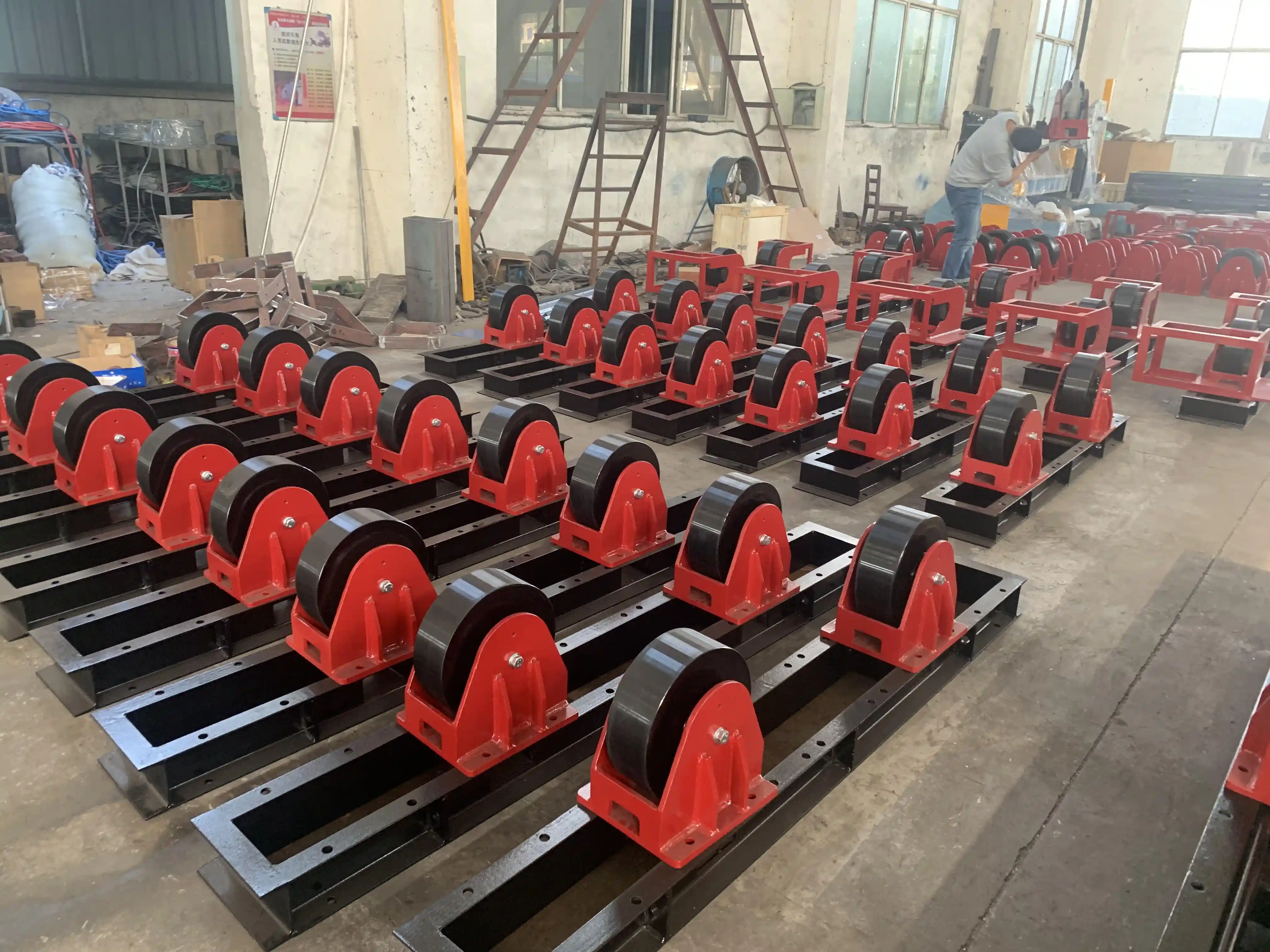
В промышленном производстве точность и эффективность диктуют успех. Производители сварочных вращателей и Поставщики сварочных позиционеров являются фундаментальными инструментами, обеспечивающими достижение этих важнейших результатов. Ролики для резервуаров, также известные как сварочные вращатели или поворотные валки, обеспечивают контролируемое вращение цилиндрических заготовок. К таким заготовкам относятся трубы, резервуары и сосуды под давлением. Они обеспечивают оптимальное положение сварного шва для непрерывной и качественной сварки. Сварочные позиционеры, с другой стороны, обеспечивают многоосевое управление, позволяя наклонять, поворачивать и разворачивать заготовки, чтобы представить сварной шов в наиболее благоприятной эргономической и технологически эффективной ориентации. Эта возможность значительно сокращает ручное перемещение и улучшает доступ сварщика.
Основная функция обоих типов оборудования заключается в обеспечении последовательного перемещения и позиционирования заготовок. Эта последовательность жизненно важна для автоматизированных и полуавтоматических сварочных процессов. Без точного контроля за перемещением заготовок достижение равномерной сварочной сетки и последовательного проплавления становится сложной задачей. Это напрямую влияет на целостность сварного шва и прочность конструкции. Компания WUXI ABK предлагает широкий ассортимент этих необходимых инструментов. Наши предложения включают Стандартный сварочный ролик модели, такие как HGZ-5 (5 тонн), и тяжелые агрегаты, такие как HGZ-100 (100 тонн). Мы также предоставляем специализированные Поставщики ротаторов для выравнивания сложных конструкций. Эти системы разработаны с учетом жестких требований современного производства.
2. Повышение качества и эффективности сварки с помощью передового оборудования
Интеграция передовых роликов для резервуаров и сварочных позиционеров значительно повышает качество сварки и эффективность работы. Эти машины сводят к минимуму человеческий фактор, автоматизируя манипуляции с заготовками. Это приводит к более стабильным параметрам сварки и снижению количества дефектов. Например. Манипулятор для сварки в паре с подходящим вращателем может выполнять непрерывную сварку по окружности на больших емкостях. Такая установка исключает остановки и старты, которые часто приводят к появлению дефектов. В результате получаются более гладкие и прочные сварные швы с меньшим количеством включений и пористости.
Повышение эффективности не менее значимо. Представляя заготовку в идеальном положении, сварщики могут поддерживать постоянную скорость перемещения и угол наклона горелки. Это оптимизирует скорость осаждения и сокращает общее время сварки. Кроме того, такие передовые функции, как моторизованный ход и гидравлическая регулировка высоты, сокращают время настройки и улучшают эргономические условия. Это повышает безопасность работников и снижает утомляемость. Например, наш 5-тонный сварочный позиционер с регулируемой высотой оснащен гидравлической регулировкой высоты и плавной регулировкой скорости переменного тока. Это позволяет операторам быстро адаптироваться к различным размерам заготовок и требованиям сварки. Преимущества выходят за пределы сварочного поста, оказывая влияние на последующие процессы за счет более высокого качества компонентов.
Освоение управления скоростью для оптимальной производительности сварки
1. Наука, лежащая в основе бесступенчатого регулирования скорости в сварочных вращателях
Плавная регулировка скорости является краеугольным камнем современной автоматизации сварки, особенно для Производители сварочных вращателей и позиционеры. Эта технология использует преобразователи частоты переменного тока для бесступенчатой регулировки скорости. В отличие от ступенчатых регуляторов скорости, которые предлагают только дискретные настройки скорости, бесступенчатое регулирование позволяет операторам точно настраивать скорость вращения заготовки. Такая точность очень важна для соответствия требованиям сварочного процесса. Различные виды сварки, такие как сварка под флюсом (SAW), газовая дуговая сварка (GMAW) или газовая дуговая сварка вольфрамовым электродом (GTAW), требуют определенных скоростей перемещения для достижения оптимальных результатов.
Возможность точного регулирования скорости вращения обеспечивает равномерное застывание сварочной ванны. Это предотвращает такие дефекты, как подрезы, нахлесты и чрезмерное разбрызгивание. Например, регулируемый сварочный вращатель HGK-5 компании WUXI ABK обеспечивает плавную регулировку скорости 0,5-3 об/мин. Это позволяет тщательно настроить аппарат для различных видов сварки. Такой уровень контроля необходим для управления подачей тепла, которая напрямую влияет на металлургические свойства сварного шва. Поддержание постоянной подачи тепла предотвращает такие проблемы, как рост зерна, охрупчивание и деформация, особенно в чувствительных материалах. Плавное ускорение и замедление, обеспечиваемое плавным регулированием, также защищает заготовку от резких движений. Это позволяет поддерживать точность позиционирования на протяжении всего сварочного цикла.

2. Достижение постоянной скорости сварки в различных областях применения
Постоянная скорость сварки является критически важным фактором для получения высококачественных сварных швов в различных областях применения. Колебания скорости могут привести к несовместимым профилям фасок, неравномерному проплавлению и, в конечном счете, к дефектным сварным швам. Современные сварочные вращатели и позиционеры используют сложные системы управления для поддержания постоянной периферийной скорости заготовки, независимо от ее диаметра. Это особенно важно при сварке конических деталей или деталей неправильной формы. Например, стандартный вращатель для сварки труб HGZ-10 компании WUXI ABK имеет плавную регулировку скорости (100-1000 мм/мин) и точность позиционирования ±0,1 мм. Это обеспечивает равномерную скорость сварки труб различного диаметра.
Система управления постоянно контролирует и регулирует мощность двигателя. Это позволяет компенсировать изменения нагрузки или трения. Такая возможность динамической регулировки жизненно важна для автоматизированных сварочных модулей, где точность имеет первостепенное значение. Достижение постоянной скорости напрямую связано с повторяемостью качества сварки, что является ключевым показателем в таких отраслях, как производство сосудов под давлением и ветряных башен. Для получения более подробной информации о повышении качества сварки вы можете найти Как повысить качество сварки труб с помощью высокоточного сварочного позиционера проницательный.
3. Влияние скорости вращения на профиль и проплавление сварной шайбы
Скорость вращения заготовки оказывает прямое и значительное влияние на профиль сварной фаски и характеристики проплавления. Слишком низкая скорость вращения может привести к чрезмерному подводу тепла. Это приводит к широкому, неглубокому сварочному шву с возможностью прожога или чрезмерного проплавления, особенно на тонких материалах. И наоборот, слишком высокая скорость вращения может привести к недостаточному подводу тепла. В результате образуется узкая, похожая на веревку сварочная шайба с недостаточным проплавлением и потенциальным отсутствием проплавления.
Оптимальная скорость вращения обеспечивает сбалансированную подачу тепла. Это позволяет получить хорошо сформированную сварную фаску с правильным соотношением ширины и глубины и равномерным проплавлением. Например, при сварке труб по окружности точный контроль числа оборотов обеспечивает правильное сплавление каждого прохода с предыдущим. Таким образом, образуется прочный шов без дефектов. Наш сайт Автоматический сварочный вращатель Системы, такие как 300-тонная HGK-300, обеспечивают контроль скорости 0,5-5 об/мин с предотвращением ползучести <0,5 мм. Это позволяет операторам достичь точного контроля над динамикой сварочной ванны. Такой уровень контроля очень важен для достижения желаемых механических свойств и эстетического вида сварного шва.
Подбор параметров сварки в соответствии с требованиями к толщине материала
1. Как толщина материала влияет на скорость сварки и потребление тепла
Толщина материала является основным фактором, определяющим параметры сварки, напрямую влияющим как на скорость сварки, так и на требуемый расход тепла. Более толстые материалы обычно требуют более высокой подачи тепла и зачастую более низкой скорости сварки для обеспечения полного проникновения и надлежащего проплавления. Это связано с тем, что необходимо расплавить и расплавить больший объем материала. Недостаточное количество тепла на толстых участках приводит к отсутствию проплавления и холодным нахлестам. Чрезмерный нагрев тонких материалов приводит к прожогам и деформации.
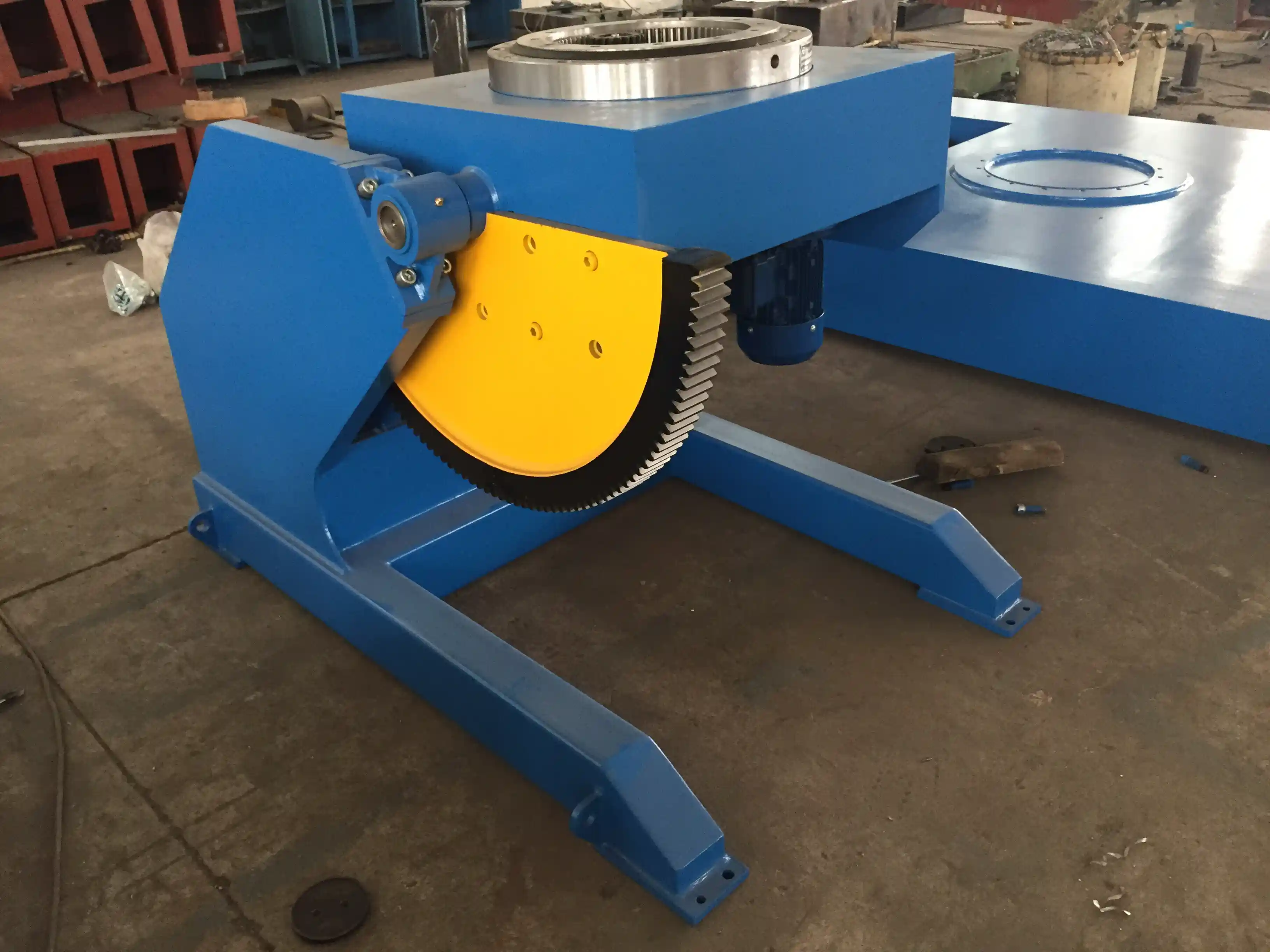
Для тонких материалов, как правило, предпочтительны более высокие скорости сварки и более низкие теплопритоки, чтобы минимизировать деформации и предотвратить проплавление. Здесь неоценимую помощь оказывают автоматизированные системы с точным контролем скорости. Они позволяют получать быстрые, стабильные сварные швы, сохраняющие целостность материала. Ассортимент позиционеров и вращателей WUXI ABK способствует такой адаптации. Например, наши Поворотный сварочный стол (HB-02) идеально подходит для обработки малых и средних деталей, обеспечивая точную регулировку скорости для тонкостенных деталей. И наоборот, для более толстых материалов необходимо надежное оборудование с большей грузоподъемностью и стабильным вращением на низкой скорости.
2. Выбор подходящего ролика или позиционера для резервуара при изготовлении тяжелых изделий
При выборе подходящего ролика для резервуара или позиционера для тяжелого производства необходимо учитывать несколько факторов, в первую очередь вес заготовки, диаметр и толщину материала. Для очень тяжелых заготовок, например, при производстве ветряных башен или сосудов под давлением, необходимо высокопроизводительное оборудование. Компания WUXI ABK предлагает Сверхмощный ротатор для труб оборудование грузоподъемностью до 300 тонн, например, HGK-300. Эти системы отличаются прочной конструкцией и мощными приводами для работы с огромными грузами.
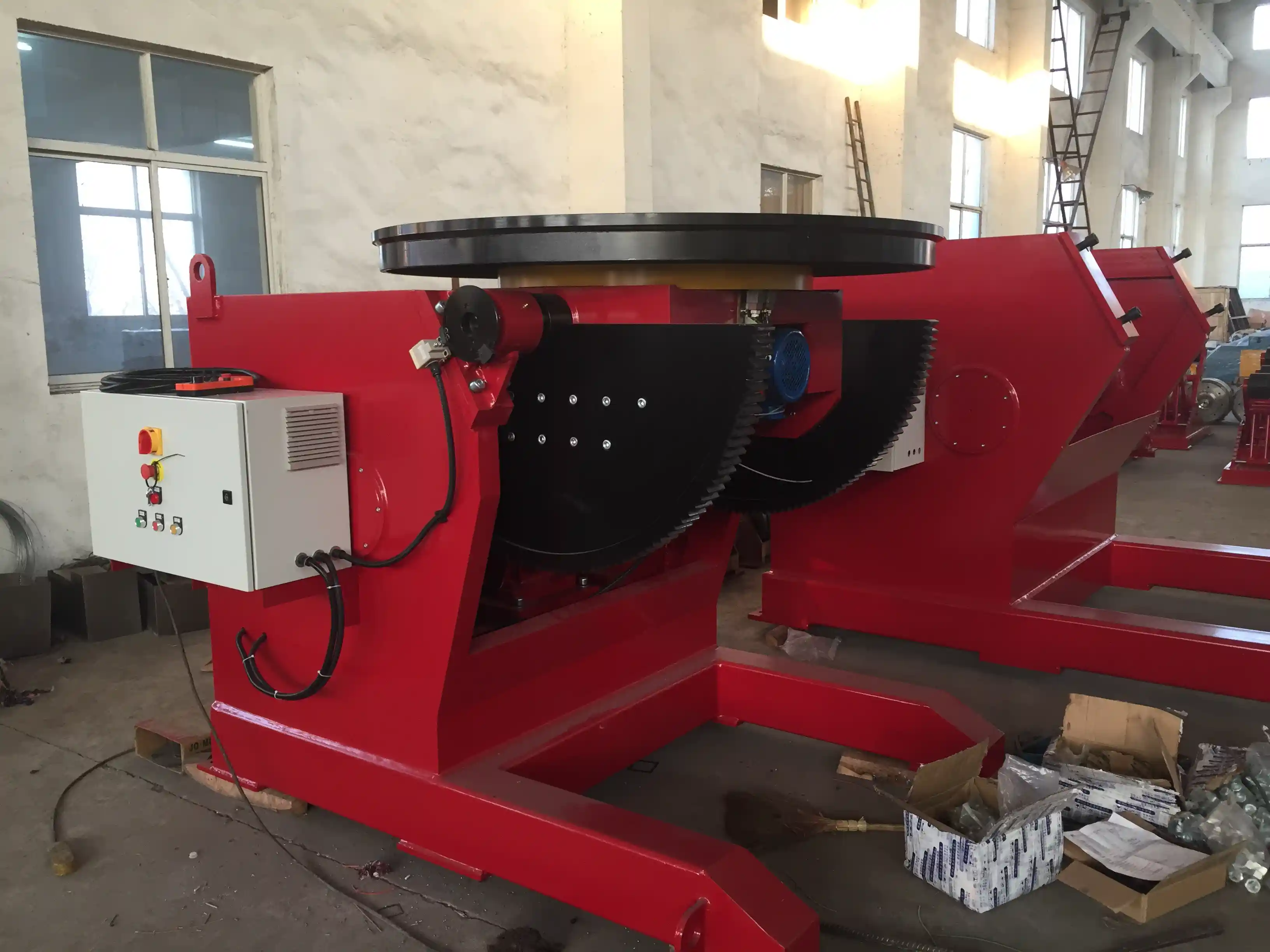
Диаметр заготовки также влияет на выбор. Ротаторы должны учитывать весь диапазон диаметров в рамках производственного проекта. Самоустанавливающиеся ролики, используемые в нашей серии HGK, автоматически подстраиваются под разные диаметры, что упрощает настройку. Для сложных геометрических форм или многопроходной сварки толстых материалов часто лучше подходит сварочный позиционер с возможностью наклона и вращения. Наши Трехосевой позиционер (5 тонн) обеспечивает синхронное вращение, наклон и поворот, обеспечивая максимальную гибкость при работе с тяжелыми и сложными компонентами.
Подробнее о работе с крупными проектами читайте в статье Расширение возможностей гигантских проектов: Как сверхмощные сварочные вращатели стали основой производства морских ветряных и тяжелых стальных конструкций.
3. Тематические исследования: Сварка толстостенных сосудов под давлением и ветряных башен
Пример 1: Толстостенные сосуды под давлением
Производство толстостенных сосудов под давлением требует исключительной точности и контроля для обеспечения целостности конструкции и безопасности. В таких сосудах часто используются материалы толщиной в несколько дюймов, что требует высокой теплоотдачи и многократных проходов сварки. Типичная установка включает в себя сверхмощный сварочный вращатель, такой как HGZ-80 (80 тонн) компании WUXI ABK, в паре с Манипулятор для сварки. HGZ-80 имеет диапазон диаметров 850-5000 мм и оснащен двумя двигателями мощностью 7,5 кВт, обеспечивающими стабильное вращение со скоростью 0,5-5 об/мин. Такой точный контроль скорости обеспечивает равномерную подачу тепла на каждый проход сварки, предотвращая такие дефекты, как неполное проплавление или чрезмерное искажение. Манипулятор точно подает сварочную горелку, поддерживая оптимальное положение и угол наклона. Такая комбинация значительно сокращает количество повторных работ и повышает общее качество сварных швов ответственных сосудов под давлением.
Пример 2: ветряные башни
Секции ветряных башен представляют собой крупные цилиндрические детали с различной толщиной стенок, которые требуют надежных и адаптируемых сварочных решений. Процесс изготовления требует точной сварки по окружности этих массивных секций. АБК WUXI Регулируемый ролик для труб (HGK-20, 20 тонн) часто используется для этих целей. Он оснащен гидравлической регулировкой высоты (±50 мм) и автоматическим выравниванием по центру, что очень важно для работы с секциями диаметром до 4500 мм. Точность предотвращения ползучести <0,5 мм гарантирует, что сварной шов останется идеально выровненным в течение всего длительного процесса сварки. Плавная регулировка скорости (0,5-3 об/мин) позволяет операторам точно настроить скорость вращения в соответствии с различной толщиной материала и процедурами сварки, используемыми в разных частях башни. Это приводит к высококачественному и эффективному производству компонентов ветряных башен.
Для получения дополнительной информации о сварке ветряных башен рассмотрим Новая эра в производстве ветряных башен: Как сварочные манипуляторы и токарные валки обеспечивают эффективную и точную сварку.
Передовые функции и технологии в сварочном оборудовании WUXI ABK
1. Прецизионные системы управления: Интеграция ПЛК, ЧМИ и роботов
Современное сварочное оборудование включает в себя передовые системы управления для достижения максимальной точности и автоматизации. Программируемые логические контроллеры (ПЛК) являются "мозгом" этих систем, выполняя сложные последовательности действий и управляя несколькими осями движения. Человеко-машинные интерфейсы (ЧМИ), как правило, сенсорные панели, обеспечивают интуитивное управление для операторов. Они позволяют легко настраивать, регулировать параметры и контролировать процесс сварки в режиме реального времени. Например, 1-тонный сварочный позиционер с фиксированной высотой WUXI ABK оснащен ПЛК Siemens с сенсорным экраном HMI. Эта система может хранить более 100 предустановленных программ сварки, упрощая работу и обеспечивая повторяемость.
Роботизированная интеграция представляет собой вершину автоматизации. Многие позиционеры и ротаторы WUXI ABK разработаны для бесшовной совместимости с ведущими роботизированными системами, такими как ABB, KUKA и FANUC. Наш 3-осевой позиционер (1 тонна) и 3-осевой сварочный позиционер (3 тонны) обеспечивают точность позиционирования ±0,05 мм и повторяемость 0,02 мм, что делает их идеальными для роботизированных сварочных модулей. Такая интеграция позволяет полностью автоматизировать сварку, повышая производительность, согласованность и безопасность, снижая при этом потребность в ручном труде.
2. Механизмы против смятия и точность позиционирования для критических сварных швов
Точное позиционирование во время сварки, особенно при работе с крупными и тяжелыми деталями, имеет первостепенное значение для предотвращения дефектов сварного шва. Под "ползучестью" понимается непреднамеренное движение или проскальзывание заготовки во время вращения. Компания WUXI ABK решает эту проблему с помощью передовых механизмов защиты от сползания. Например, наш сварочный вращатель HGZ-30 для стандартных условий эксплуатации оснащен технологией защиты от ползучести, которая ограничивает отклонение до менее чем 0,5 мм. Это достигается благодаря надежным системам привода и высокоточным компонентам, таким как планетарные редукторы и ролики из сплава ZG45.
Точность позиционирования дополнительно повышается благодаря сложным системам обратной связи. Немецкие датчики перемещения NOVO с разрешением 0,01 мм предоставляют данные в режиме реального времени для точного управления. Благодаря этому сварочный шов остается идеально выровненным по отношению к сварочной горелке даже во время длительных непрерывных проходов. Такой уровень точности крайне важен для отраслей с жесткими требованиями к качеству, таких как производство оборудования для атомной энергетики и аэрокосмических компонентов. Результатом является превосходное качество сварки, снижение отходов материала и минимизация повторных работ.
3. Долговечность и безопасность: Надежная конструкция и сертификаты
В сложных условиях тяжелого производства необходимо оборудование, рассчитанное на долговечность и безопасность. Компания WUXI ABK разрабатывает сварочные вращатели и позиционеры с прочной конструкцией, используя высокопрочные материалы, такие как сталь Q235-A. Это обеспечивает стабильность и долговечность при постоянных больших нагрузках. HBJ-10 Позиционер с фиксированной высотой имеет сверхпрочное основание коробчатого типа из стали Q235-A, обеспечивающее исключительную структурную целостность. Такие компоненты, как литые стальные ролики ZG45 с твердостью HRC 55-60, обеспечивают превосходную износостойкость, продлевая срок службы оборудования.
Функции безопасности интегрированы в каждую конструкцию. К ним относятся отключение при перегрузке, аварийное торможение и полная электрическая защита. Шкафы управления с классом защиты IP54 или IP65 защищают чувствительную электронику от попадания пыли и воды, повышая надежность в суровых промышленных условиях. Вся продукция WUXI ABK соответствует международным стандартам безопасности и качества, имеет сертификаты CE и ISO. Это стремление к долговечности и безопасности обеспечивает надежную работу, защиту персонала и минимизацию простоев в критических производственных графиках.
Практическое применение в ключевых отраслях промышленности
1. Производство сосудов под давлением и резервуаров для хранения
Производство сосудов под давлением и резервуаров для хранения требует высочайших стандартов качества сварки и целостности конструкции. В этих областях применяется сварка крупных цилиндрических деталей, часто со значительной толщиной материала. Сварочное вращающееся оборудование незаменимы для получения непрерывных и высококачественных кольцевых сварных швов. Наш обычный сварочный вращатель HGZ-50 грузоподъемностью 50 тонн и скоростью вращения 0,5-5 об/мин идеально подходит для резервуаров нефтеперерабатывающих заводов и химического технологического оборудования. Точный контроль скорости и механизмы защиты от сползания обеспечивают равномерный профиль шарика и постоянное проплавление, что очень важно для соблюдения строгих отраслевых норм и предотвращения утечек или катастрофических отказов. Возможность работы с большими диаметрами (750-4500 мм) еще больше упрощает производство этих массивных конструкций.
Для получения дополнительных сведений изучите Расширение возможностей производства сосудов под давлением: Как сварочные позиционеры становятся основным двигателем качества и эффективности.
2. Изготовление ветряных башен и морских платформ
Изготовление ветряных башен и морских платформ предполагает сварку очень крупных и тяжелых компонентов, часто в сложных условиях. Для таких конструкций требуется оборудование, способное выдерживать огромные нагрузки и обеспечивать точное позиционирование. HGK-100 компании WUXI ABK Сверхмощный ротатор для труб (100 тонн) и HGK-300 Автоматический сварочный вращатель (300 тонн) разработаны для тяжелых промышленных применений. HGK-300 может выдерживать заготовки диаметром до 6000 мм, что делает его идеальным для сверхбольших сосудов под давлением и морских нефтяных платформ. Такие функции, как быстроразъемная стабилизация и усовершенствованные механизмы защиты от сползания, обеспечивают жесткую фиксацию и точное позиционирование даже во время сварки массивных секций. Такая точность жизненно важна для обеспечения структурной целостности этих важнейших компонентов энергетической инфраструктуры.
3. Сварка труб и сборка металлоконструкций
Сварка труб и сборка металлоконструкций значительно выигрывают от универсальности и точности сварочных позиционеров и вращателей. Для сварки труб, особенно трубопроводов большого диаметра, Вращатель для сварки труб Системы обеспечивают непрерывное, равномерное вращение, облегчая сварку как внутренних, так и внешних окружностей. Наш стандартный вращатель для сварки труб HGZ-10 поддерживает диаметры труб 320-2800 мм, обеспечивая эффективное и качественное изготовление труб. При сборке конструкций из стали, Сварочный позиционер L-типа Такие модели, как LHBJ-50 (5 тонн), обеспечивают точное манипулирование сложными структурными компонентами. Их способность наклоняться и поворачиваться позволяет сварщикам получать доступ ко всем сварным швам в удобном и эффективном положении, повышая качество и производительность. Это оборудование незаменимо при изготовлении мостов, тяжелых машин и других крупных стальных конструкций.
Для получения дополнительной информации по этой теме см. Искусство изготовления трубопроводов: Как позиционеры повышают точность и эффективность сварки.
Оптимизируйте сварочные работы с помощью WUXI ABK
Добейтесь непревзойденной точности и эффективности в ваших сварочных проектах с помощью передовых роликов для резервуаров и сварочных позиционеров WUXI ABK. Наши экспертные решения разработаны с учетом жестких требований тяжелого производства, изготовления сосудов под давлением, строительства ветряных вышек и т. д. Повысьте качество сварки, увеличьте производительность и обеспечьте безопасность оператора с помощью наших передовых технологий. Свяжитесь с нами сегодня, чтобы обсудить ваши конкретные требования и узнать, как наше оборудование может преобразить вашу производственную линию.
Электронная почта: jay@weldc.com
Мобильный: +86-13815101750
Об авторе
Джей Ли, директор по исследованиям и разработкам
Джей Ли - эксперт по автоматизации сварки с более чем 20-летним опытом работы. В качестве директора по исследованиям и разработкам в компании WUXI ABK MACHINERY CO., LTD он специализируется на разработке передовых решений для сварочных линий для ветряных башен, линий сварки двутавровых балок и оборудования для сварки труб. Его опыт сосредоточен на улучшении качества сварки, повышении эффективности производства и внедрении инноваций в процессы промышленного производства.
Вопросы и ответы
1. Как регулировка скорости на валике влияет на качество сварки?
Точное регулирование скорости вращения ролика резервуара напрямую влияет на качество сварки, обеспечивая постоянный подвод тепла и равномерное формирование сварочной фаски. Плавная регулировка скорости предотвращает такие дефекты, как подрезы, нахлесты и недостаточное проплавление, которые могут возникнуть из-за непостоянной скорости движения. Это приводит к получению более прочных, надежных сварных швов с улучшенными металлургическими свойствами и эстетичным внешним видом.
2. Какие основные соображения следует учитывать при выборе сварочного позиционера для материалов различной толщины?
При выборе сварочного позиционера учитывайте толщину материала, чтобы определить необходимую грузоподъемность, диапазон скоростей вращения и точность позиционирования. Более толстые материалы требуют большей грузоподъемности и стабильного вращения на низких скоростях для обеспечения достаточного нагрева и проплавления. Более тонкие материалы требуют более точной регулировки скорости для предотвращения прожогов и деформаций.
3. Могут ли сварочные вращатели WUXI ABK быть интегрированы с роботизированными сварочными системами?
Да, многие сварочные вращатели и позиционеры WUXI ABK разработаны для бесшовной интеграции с роботизированными сварочными системами таких производителей, как ABB, KUKA и FANUC. Наше оборудование обеспечивает высокую точность и повторяемость позиционирования, что очень важно для автоматизированных сварочных модулей. Такая интеграция повышает производительность, согласованность и безопасность в современных производственных средах.
4. Каково значение "плавной регулировки скорости" в сварочном оборудовании?
Бесступенчатое регулирование скорости обеспечивает бесступенчатую регулировку скорости, позволяя оператору точно настроить вращение заготовки в соответствии с требованиями сварочного процесса. В отличие от ступенчатых регуляторов, которые обеспечивают только фиксированную скорость. Бесступенчатое регулирование обеспечивает оптимальную подачу тепла, постоянный профиль сварного шва и предотвращает появление дефектов, что позволяет добиться превосходного качества сварки в различных областях применения.
5. Как механизмы WUXI ABK, предотвращающие сползание, обеспечивают точность сварки?
Механизмы защиты от сползания WUXI ABK, встроенные в наши сварочные вращатели, предотвращают непреднамеренное перемещение или проскальзывание заготовки во время вращения. В этих системах используются надежные компоненты привода и высокоточные датчики обратной связи, такие как датчики смещения NOVO, для поддержания точного положения заготовки. Это гарантирует, что сварочный шов остается идеально выровненным по отношению к сварочной горелке, что крайне важно для критических сварных швов.
 English
  Español
  Français
  Deutsch
  Português
  Русский