Boiler manufacturing has always demanded precision, but the shift toward connected systems changes what precision actually means. It’s no longer just about tolerances and weld quality—though those remain non-negotiable. Now it includes knowing exactly when a bearing shows early fatigue, which shift runs the most efficient cycles, and where material waste accumulates invisibly. Industrial IoT in boiler production brings this kind of visibility, and once you have it, operating without it feels like working with one eye closed.
What Industrial IoT Actually Delivers for Boiler Manufacturers
Industrial IoT in boiler production connects machinery, sensors, and control systems into a unified data environment. The practical result is operational visibility that extends from raw material handling through final assembly and testing. Every stage generates data. The value comes from turning that data into decisions.
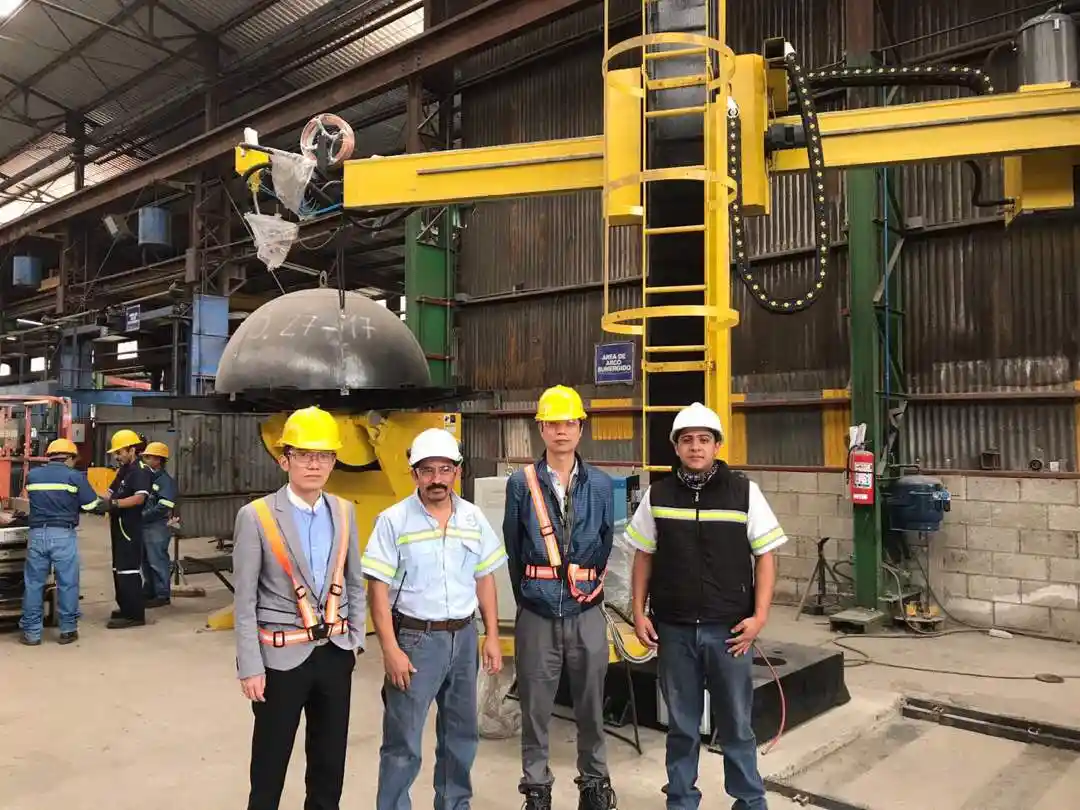
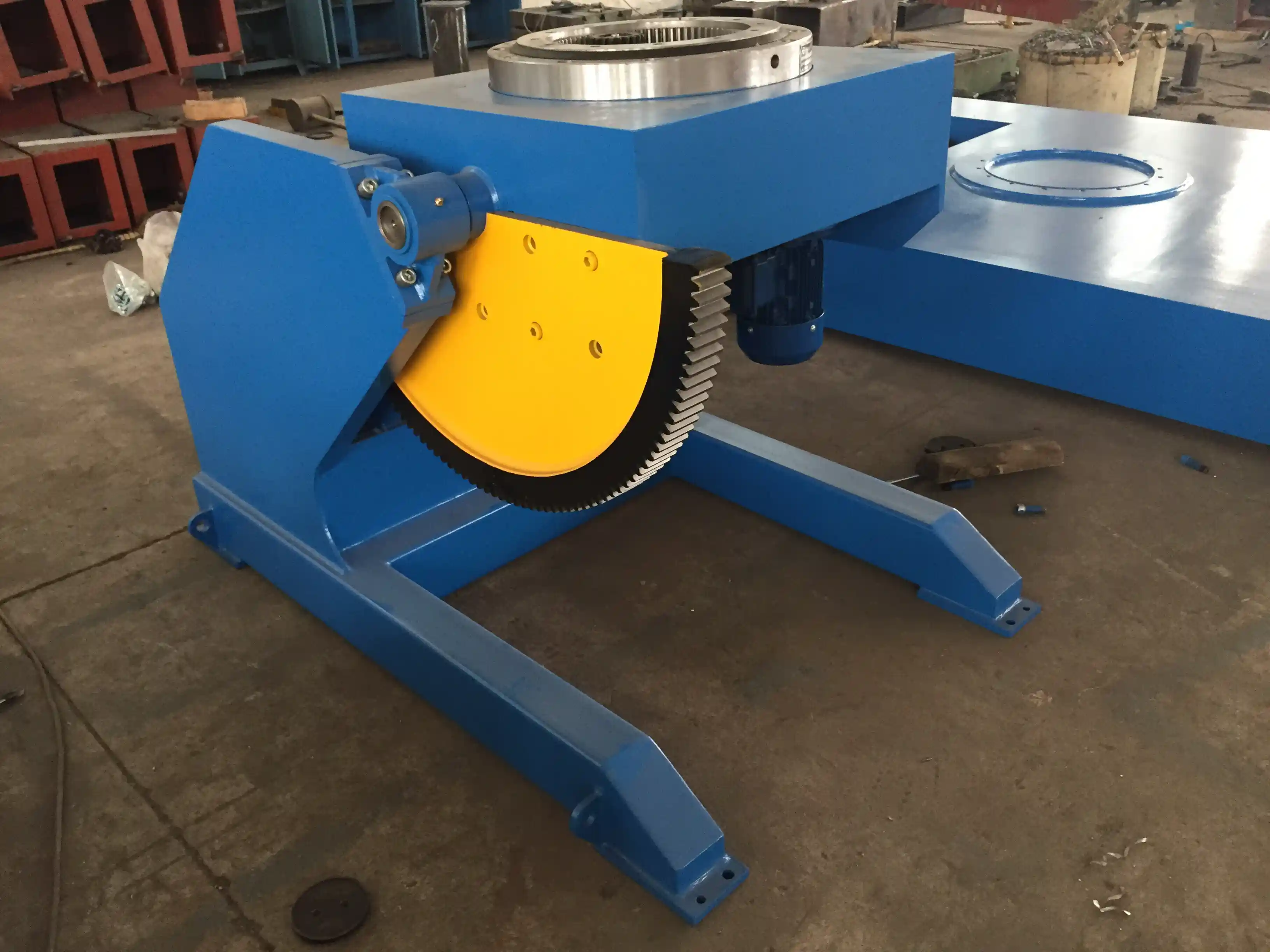
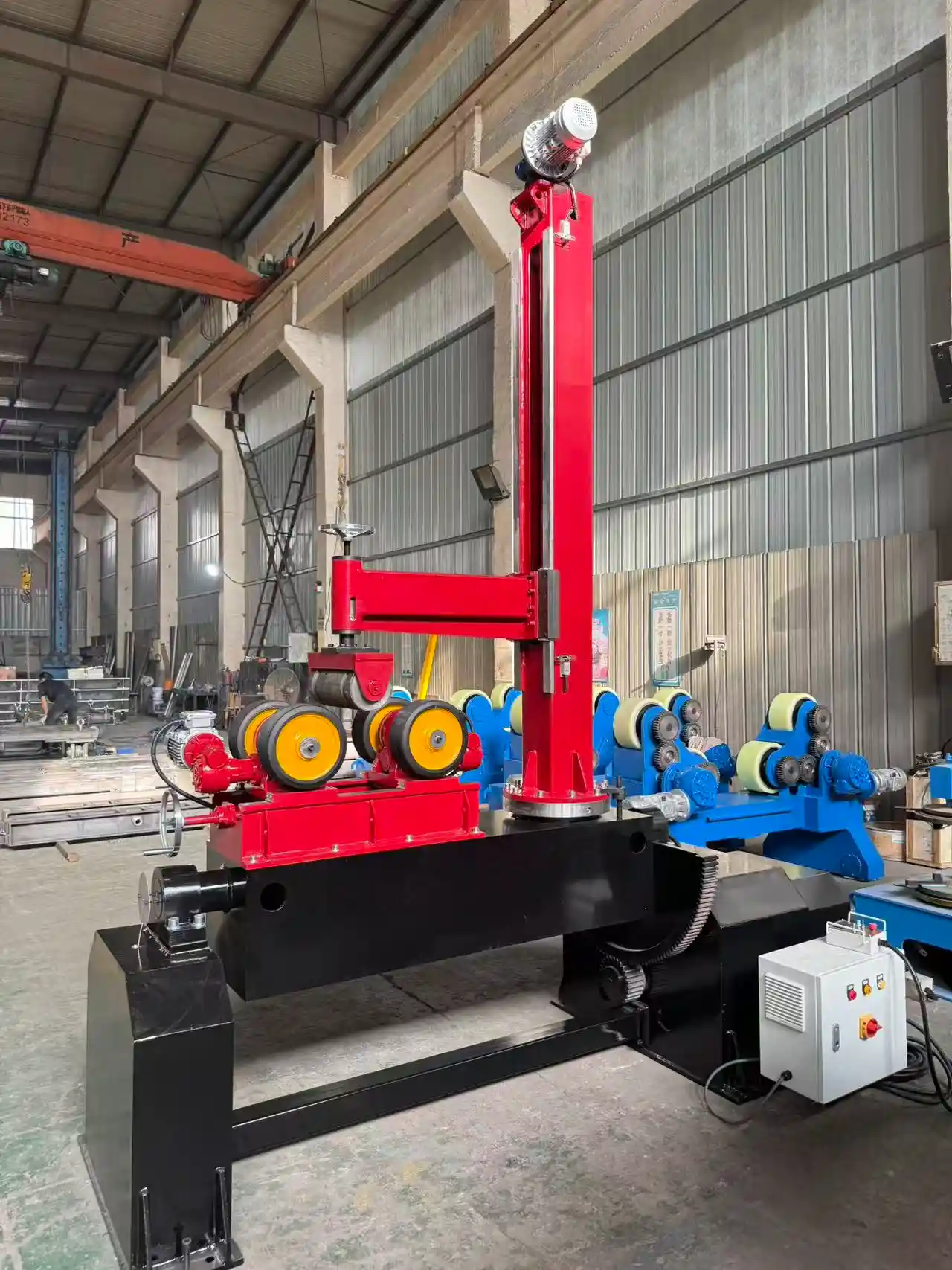
Manufacturers using IIoT platforms can identify production bottlenecks that previously went unnoticed for months. They can track equipment degradation patterns and intervene before failures occur. This proactive stance minimizes downtime and keeps throughput consistent. WUXI ABK MACHINERY CO., LTD. builds this connectivity into our welding equipment, including the Манипулятор для сварки and various Welding Turntable Solutions, enabling integration with broader IIoT systems.
The improvements from IIoT integration in boiler manufacturing cluster around several areas:
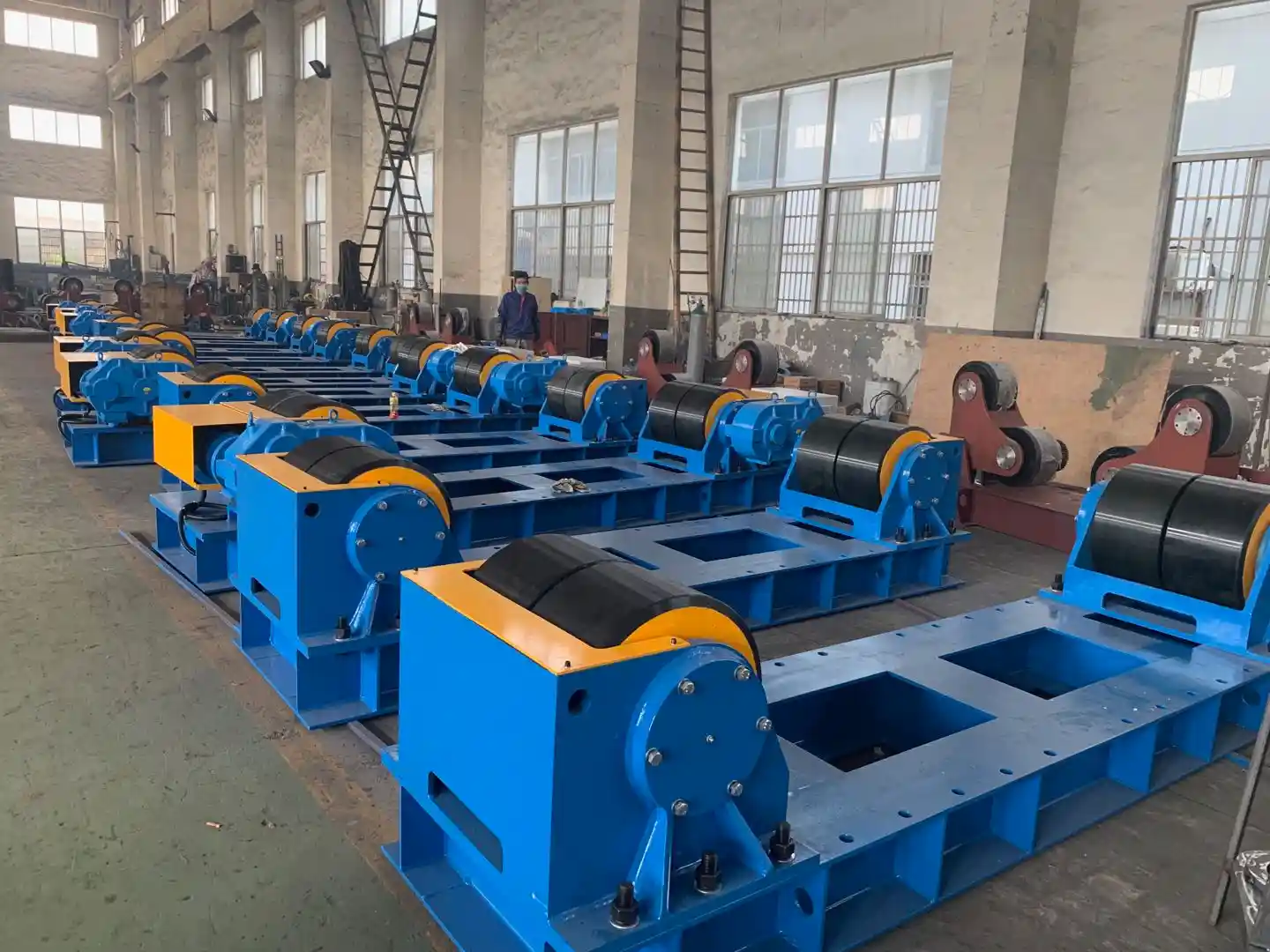
- Data Collection Depth: Sensors on equipment like Adjustable Welding Positioner и Pipe Rotator Equipment capture temperature, vibration, cycle times, and load patterns continuously.
- Faster Decision Cycles: Real-time analytics give production managers information when it matters, not in a weekly report.
- Reduced Manual Intervention: Automation handles routine adjustments, freeing operators for higher-value tasks.
- Resource Efficiency: Material and energy consumption become measurable and optimizable.
- Failure Prediction: Analytics identify degradation trends before they become breakdowns.
These capabilities drive boiler production optimization in measurable ways—higher quality output, shorter lead times, and lower per-unit costs.
Monitoring Equipment in Real Time and Maintaining It Predictively
Real-time monitoring forms the foundation of modern boiler production management. Sensors continuously collect data on temperature, pressure, vibration, and material flow rates from critical components. Our Регулируемый ролик для труб и Сверхмощный ротатор для труб can be equipped with these sensors, feeding data into centralized platforms where anomalies trigger immediate alerts.
Predictive maintenance builds on this foundation. Rather than following fixed maintenance schedules or waiting for equipment to fail, maintenance timing is based on actual equipment condition. A 3-осевой позиционер used in boiler fabrication might show subtle changes in bearing vibration weeks before failure. Catching that early prevents a production line shutdown.
The financial impact is substantial. Unplanned downtime in heavy manufacturing typically costs far more than scheduled maintenance—not just in repair expenses but in lost production and expedited shipping to meet delayed orders. Remote diagnostics add another layer of efficiency. Technicians can assess equipment status from anywhere, reducing response times and eliminating unnecessary site visits.
How does IoT improve boiler operational safety?
Industrial IoT enhances boiler operational safety through continuous monitoring and automated response systems. Sensors detect abnormal conditions—pressure spikes, temperature excursions, gas leaks—and trigger immediate alerts. In critical situations, automated shutdowns can activate without waiting for human intervention.
This real-time awareness helps identify potential hazards before they escalate. The data also supports regulatory compliance by providing verifiable operational records. When an inspector asks for pressure history over the past quarter, that information is available instantly rather than buried in paper logs.
Streamlining Production Workflows and Using Resources More Effectively
Data analytics in manufacturing reveals inefficiencies that intuition alone cannot detect. Monitoring the performance of a Манипулятор для сварки или 3-осевой сварочный позиционер might show that certain parameter combinations yield faster cycle times without compromising weld quality. These insights accumulate into meaningful productivity gains.
Resource optimization follows naturally from better visibility. IoT systems track material consumption and energy usage in real time, making waste visible. Energy efficiency in boiler operations improves when smart sensors regulate power consumption based on actual demand rather than running equipment at full capacity regardless of workload.
Supply chain integration through IoT provides better visibility into inventory levels and delivery schedules. Production planning becomes more reliable when material availability is known precisely rather than estimated. Quality control also benefits—automated inspections and real-time feedback loops catch defects early, preventing costly rework downstream.
| IoT Application | Impact on Efficiency | Cost Reduction | Улучшение качества |
|---|---|---|---|
| Real-time Monitoring | 15-20% downtime reduction | High | Moderate |
| Predictive Maintenance | 25-30% maintenance savings | High | High |
| Production Optimization | 10-15% throughput increase | Moderate | Moderate |
| Resource Management | 5-10% material savings | Moderate | Low |
For related technical insights, see 《Революционное решение для сварки сосудов под давлением: Технический анализ вращающихся на 360 градусов сварочных позиционеров》.
Navigating Implementation Challenges and Securing IoT Systems
Implementing industrial IoT in boiler production requires addressing several practical challenges. Cybersecurity ranks among the most serious. Industrial control systems present attractive targets for attackers, and a breach can disrupt operations or expose proprietary process data. Robust security measures—firewalls, intrusion detection, encryption—are baseline requirements rather than optional additions.
Edge computing offers one approach to managing security concerns. Processing data locally reduces the volume of sensitive information transmitted to external systems. This also improves response times for time-critical applications.
Legacy system integration presents another hurdle. Many existing boiler production lines predate IoT connectivity. Retrofitting these systems requires specialized expertise and careful planning to avoid disrupting current operations. Workforce training matters equally—employees need new skills to operate and maintain IoT-enabled equipment effectively.
Scalability deserves attention during initial planning. IoT implementations that work well at pilot scale sometimes struggle when expanded across an entire facility. Solutions must accommodate growing numbers of devices and data streams without architectural overhauls.
Why is data security critical for industrial IoT deployments?
Industrial IoT deployments generate and transmit sensitive operational data continuously. A security breach could enable production shutdowns, intellectual property theft, or even safety hazards if attackers gain control of physical systems. Protecting this data maintains operational continuity and preserves competitive advantages built on proprietary processes.
Security measures include encryption for data in transit and at rest, strict access controls, and network segmentation to isolate critical systems. Regular security audits and employee training on threat awareness complete the picture.
Building Long-Term Value Through Strategic IoT Implementation
The return on investment from industrial IoT in boiler production materializes through multiple channels. Reduced operational costs come from predictive maintenance and optimized resource usage. Increased productivity results from better workflow management and reduced downtime. Quality improvements lower warranty costs and strengthen customer relationships.
Digital twins represent one emerging application worth watching. These virtual replicas of physical assets allow testing and optimization in simulated environments before implementing changes on actual equipment. The approach reduces risk and accelerates process improvements.
Vendor selection matters significantly for successful deployment. Partners with proven expertise in both industrial equipment and IoT integration deliver better outcomes than those strong in only one area. WUXI ABK MACHINERY CO., LTD. offers welding and cutting solutions designed for seamless IoT integration, supporting manufacturers building connected production environments.
The goal extends beyond immediate cost reduction. A well-implemented IoT infrastructure creates a foundation for continuous improvement—a production system that learns and adapts rather than simply repeating fixed processes.
How can IoT integration lead to significant cost savings in boiler manufacturing?
Cost savings from IoT integration accumulate across multiple areas. Real-time monitoring prevents equipment failures that would otherwise cause expensive emergency repairs and production losses. Predictive maintenance reduces overall maintenance spending by replacing time-based schedules with condition-based interventions.
Automated processes lower labor costs for routine tasks while reducing errors that lead to rework. Better resource tracking minimizes material waste. Enhanced quality control catches defects before they propagate through production, reducing scrap rates. These savings compound over time as the system generates more data and analytics become more refined.
For additional perspectives on heavy manufacturing optimization, read 《Освоение тяжелого производства: Как подъемные роликовые стенды стали краеугольным камнем эффективной сварки》.
Partner with WUXI ABK for Smart Manufacturing Solutions
Embrace the future of boiler production with WUXI ABK MACHINERY CO., LTD. We offer advanced welding and cutting equipment designed for seamless IoT integration. Our expertise ensures your transition to smart manufacturing is efficient and secure. Contact us today to discuss your specific needs.
Электронная почта: jay@weldc.com
Мобильный: +86-13815101750
 English
  Español
  Français
  Deutsch
  Português
  Русский