
Manufacturing floors run hot, and welding stations are often the biggest energy draws in the building. I’ve watched facilities cut their utility bills by double digits just by rethinking how they approach arc welding. The shift toward green welding solutions isn’t about chasing trends—it’s about recognizing that energy waste is money walking out the door, and that environmental responsibility and profitability can actually pull in the same direction.
Why Sustainable Welding Has Become a Business Priority
The manufacturing sector has moved past treating sustainability as a nice-to-have. Welding operations, particularly in heavy fabrication and structural steel production, account for a substantial portion of a facility’s total energy draw. That energy consumption translates directly into carbon emissions, and regulators, customers, and investors are all paying closer attention to those numbers now.
Sustainable manufacturing isn’t just about compliance anymore. Companies that take environmental impact seriously—through genuine assessment and measurable improvements—find themselves better positioned in competitive bids. Lean manufacturing principles already push teams to eliminate waste wherever it hides. Energy waste in welding is one of the most overlooked categories, and addressing it aligns perfectly with broader operational efficiency goals. Corporate social responsibility has real market value when it’s backed by actual performance data rather than marketing language.
How Modern Equipment Delivers Energy-Efficient Arc Welding
The gap between older welding equipment and current technology is wider than most people realize. Inverter technology alone can cut power consumption significantly compared to traditional transformer-based machines. The physics are straightforward: inverters convert power more efficiently, generating less waste heat and drawing less from the grid to achieve the same arc output.
Pulsed welding techniques push efficiency further. Cold Metal Transfer processes, for example, reduce heat input to the workpiece dramatically. Less heat means less distortion, which means less time spent on post-weld correction and less material scrapped due to warping. Adaptive control systems monitor the arc in real time and adjust parameters on the fly, maintaining optimal conditions even when material thickness or joint geometry varies. These digital welding solutions represent a genuine advancement in how welding power sources operate—not incremental improvement, but a different approach to managing energy in the arc.
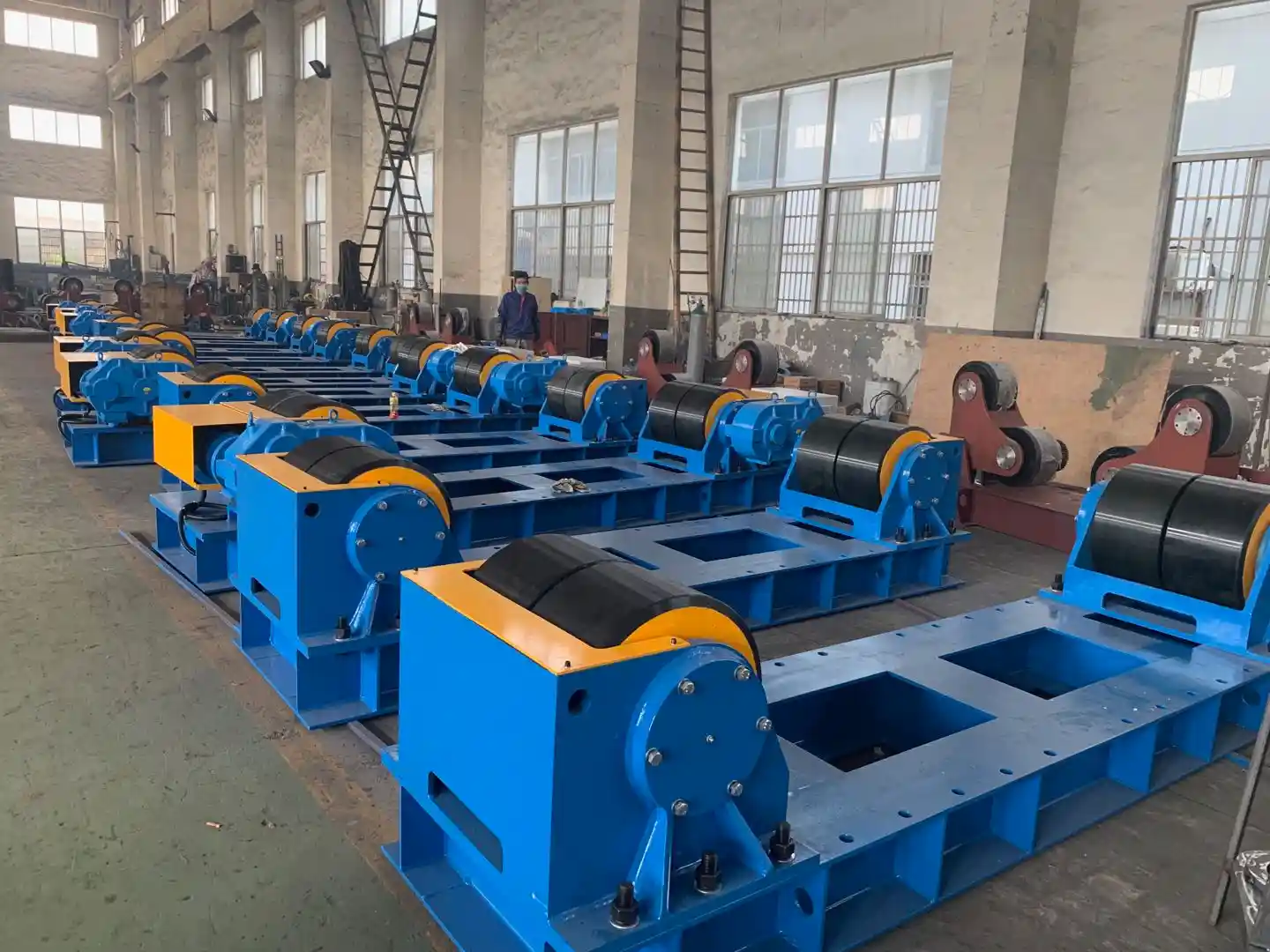
How do energy-efficient welding machines reduce operational costs for manufacturers?
The cost reduction happens across multiple categories simultaneously. Lower electricity consumption shows up directly on utility bills—facilities running multiple shifts see the difference quickly. Reduced heat input from advanced processes like CMT welding decreases material distortion, which cuts rework hours and the labor costs that come with them.
Consumable usage drops as well. Optimized welding parameters mean less filler wire wasted on spatter or overwelding, and shielding gas consumption often decreases when arc stability improves. The productivity gains from consistent, high-quality welds compound these savings. When defect rates drop, throughput increases without adding equipment or labor. The ROI on green welding technology tends to be faster than expected because the benefits stack rather than simply adding together.
Automation and Robotics in Green Welding Productivity
Robotic welding systems bring consistency that human operators simply cannot match over extended production runs. That consistency matters for sustainability because it eliminates the variability that leads to defects, rework, and scrapped material. Every rejected weld represents wasted energy, wasted consumables, and wasted labor.
Precision positioning allows for material optimization at a level that manual welding cannot achieve. Robots deposit exactly the amount of filler material needed—no more, no less. Smart welding systems integrate sensors and control algorithms that respond to real-time conditions, adjusting parameters to maintain quality even when incoming materials vary slightly.
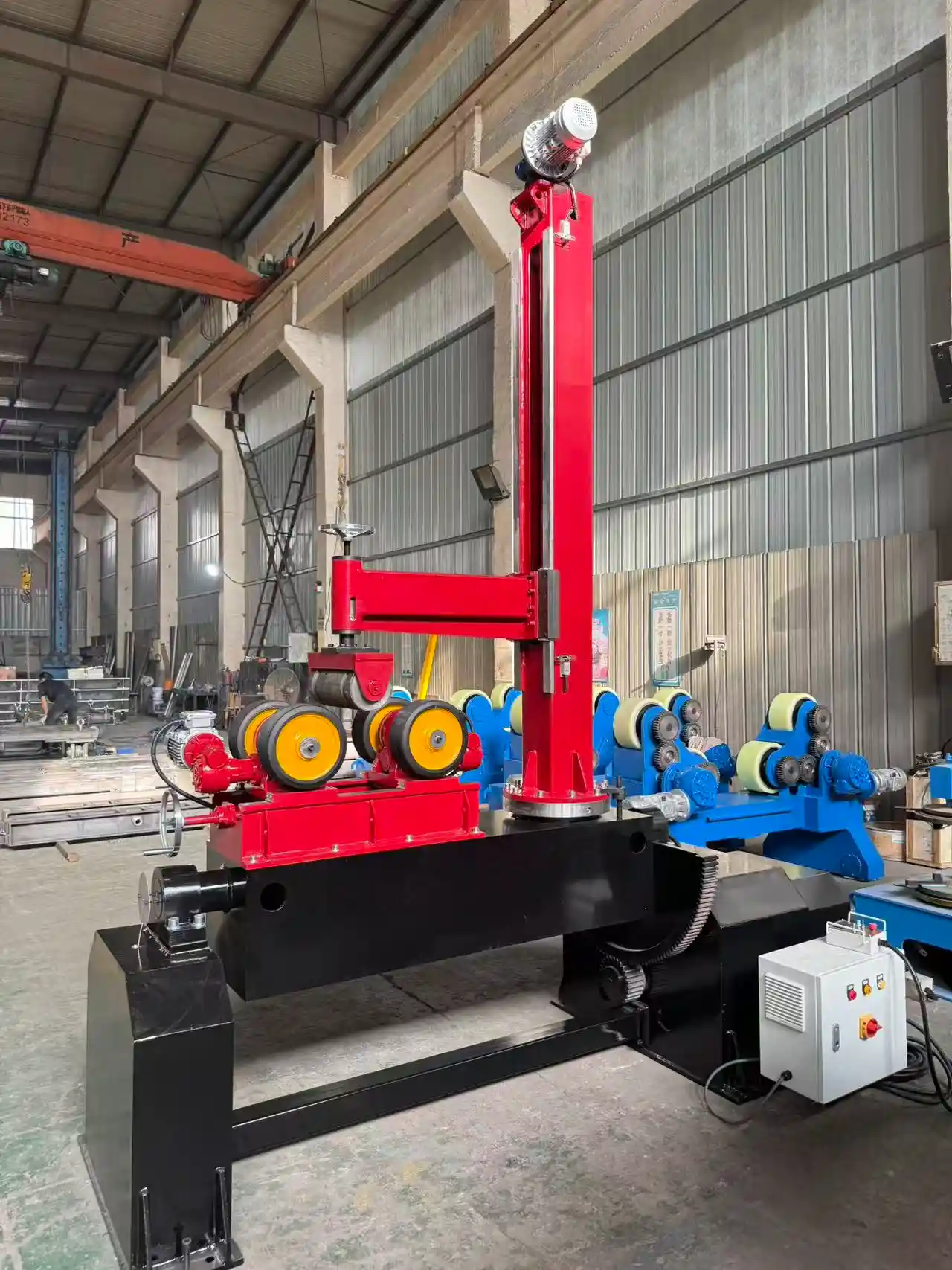
This approach aligns with Industry 4.0 principles, where data flows continuously between equipment and control systems to optimize performance. WUXI ABK’s 3 Axis Welding Positioner 3 Tons delivers ±0.05 mm positioning accuracy and 0.02 mm repeatability, specifications that matter when you’re trying to minimize waste in robotic welding cells. The Triple Axis Positioner handles 5000 kg with similar precision, making it suitable for heavy-duty applications where consistent output directly affects both quality and energy efficiency.
| Product Model | Грузоподъемность | Точность позиционирования | Повторяемость | Приложения |
|---|---|---|---|---|
| 1 Тонна 3-осевой позиционер | 1 тонна | ±0,05 мм | 0,02 мм | Automotive, Aerospace, Pressure Vessels |
| 2 Тонны 3 Осевой позиционер | 2 тонны | 0,05 мм | 0,02 мм | Automated Welding Cells, Pipe Welding |
| 3-осевой сварочный позиционер 3 тонны | 3 тонны | ±0,05 мм | 0,02 мм | Robotic Welding Stations, Metal Structures |
| Трехосевой позиционер | 5 тонн | ±0,05 мм | 0,02 мм | Pressure Vessels, Structural Steel, Shipbuilding |
| Welding Manipulator (LH8080) | Н/Д | ±0.1 mm/m | Н/Д | Wind Tower Welding, Pressure Vessels |
These systems demonstrate how automation benefits welding operations by removing human error from the equation and maximizing efficiency through repeatable precision.
Renewable Energy Integration and Smart Monitoring Systems
Facilities that generate their own renewable energy can offset a significant portion of their welding power consumption. Solar installations or wind power agreements reduce dependence on grid electricity, and the carbon accounting becomes much more favorable when welding operations run on clean energy.
Energy consumption monitoring through smart factory solutions provides visibility that most facilities have never had before. Real-time data on welding equipment power usage reveals patterns that would otherwise go unnoticed—machines drawing more power than they should, inefficient duty cycles, or opportunities for power factor correction that could reduce demand charges.
Predictive maintenance welding takes this data further. Continuous monitoring identifies equipment that’s drifting out of optimal operating range before it fails or starts wasting energy. A welding power source that’s developing problems often draws more current to maintain arc stability, and catching that early prevents both downtime and unnecessary energy consumption.
Where Green Welding Technology Is Heading
The trajectory points toward continued improvement in energy efficiency and environmental performance. Advanced materials welding techniques are emerging that require less energy input while producing stronger joints with fewer emissions. The metallurgy is getting better, and the processes are adapting to take advantage of it.
Supply chain sustainability is becoming a factor as well. Where welding consumables come from, how they’re manufactured, and what happens to them at end of life—these questions are starting to matter to procurement teams and auditors. Training programs for green welding practices are expanding to ensure that operators understand not just how to run the equipment, but why certain approaches waste less energy and material.
Certification for sustainable manufacturing is moving from optional to expected. Third-party verification of eco-friendly processes gives customers confidence that sustainability claims are real. These developments will continue pushing the industry toward more responsible practices, driven by both market pressure and genuine recognition that efficiency and environmental responsibility serve the same goals.
WUXI ABK MACHINERY CO., LTD delivers advanced, energy-efficient welding and CNC cutting solutions designed for manufacturers who take sustainability seriously. Contact us to discuss how our wind tower welding lines, H beam welding lines, and specialized positioning equipment can improve both your efficiency metrics and your environmental performance.
Frequently Asked Questions About Green Welding
What advanced technologies are used in green welding equipment to improve sustainability?
Green welding equipment relies on inverter technology to reduce power consumption at the source—these units convert electricity more efficiently than older transformer designs. Pulsed welding processes and Cold Metal Transfer techniques lower heat input, which reduces distortion and material waste. Robotic systems and smart monitoring add precision and real-time optimization, ensuring that energy-efficient welding happens consistently rather than depending on operator skill or attention.
Why is investing in energy-efficient welding crucial for modern manufacturing companies?
The business case has multiple components. Direct cost savings from reduced electricity consumption and optimized consumable usage improve margins immediately. Carbon footprint reduction helps with regulatory compliance and positions companies favorably for contracts where sustainability matters to the buyer. Market demand for products made through sustainable processes is growing, and corporate social responsibility backed by real performance data creates competitive advantage that’s difficult to replicate.
How can WUXI ABK MACHINERY’s equipment contribute to a company’s green manufacturing solutions?
WUXI ABK MACHINERY’s H beam welding lines, welding manipulators, and welding positioners are engineered for energy-efficient operation from the ground up. Precise automation reduces waste by eliminating the variability that leads to rework and scrap. Optimized material usage means less filler wire consumed and less energy spent on unnecessary deposition. These sustainable manufacturing capabilities help companies achieve measurable improvements in their environmental performance while maintaining or improving productivity.
Partner with WUXI ABK MACHINERY for Sustainable Welding Solutions
WUXI ABK MACHINERY CO., LTD is committed to advancing green manufacturing through innovative welding and CNC cutting solutions. We provide high-performance equipment designed for maximum energy efficiency and productivity. For inquiries, please contact us at jay@weldc.com or call +86-13815101750.
 English
  Español
  Français
  Deutsch
  Português
  Русский