
Optimizing Torch and Consumable Lifespan for CNC Plasma Cutting Performance
Getting the most out of your plasma torch consumables comes down to paying attention before problems force your hand. The difference between a shop that burns through electrodes and nozzles and one that stretches every component to its practical limit usually isn’t luck. It’s routine. WUXI ABK MACHINERY CO., LTD builds CNC cutting machines with this reality in mind, and the maintenance habits that follow determine whether that equipment delivers consistent cuts for years or becomes a source of frustration.
What Each Consumable Actually Does and How It Fails
Plasma torch consumables wear in predictable ways once you understand what each piece is doing during a cut. The electrode contains a hafnium insert that initiates and sustains the plasma arc. As that insert erodes, the arc becomes unstable and ignition suffers. The nozzle constricts the plasma stream into a focused column. When the orifice degrades from heat or aggressive piercing, cuts widen and precision drops. The shield cap sits over the nozzle and directs shielding gas. Damage here disrupts gas flow and compromises arc quality. The swirl ring creates rotational motion in the plasma gas. A cracked or worn swirl ring throws off that flow pattern, leading to angled cuts and inconsistent geometry.
Recognizing these wear patterns helps you replace parts at the right time rather than too early or too late.
| Consumable Component | Primary Function | Impact of Wear |
|---|---|---|
| Electrode | Initiates and sustains plasma arc | Unstable arc, poor ignition, reduced lifespan |
| Nozzle | Constricts and shapes plasma arc | Wider kerf, poor cut quality, dross buildup |
| Shield Cap | Protects nozzle, directs shielding gas | Compromised gas flow, diminished arc quality |
| Swirl Ring | Creates gas swirl for arc stability | Arc instability, angled cuts |
| Retaining Cap | Secures consumables, provides cooling | Loose fit, inadequate cooling |
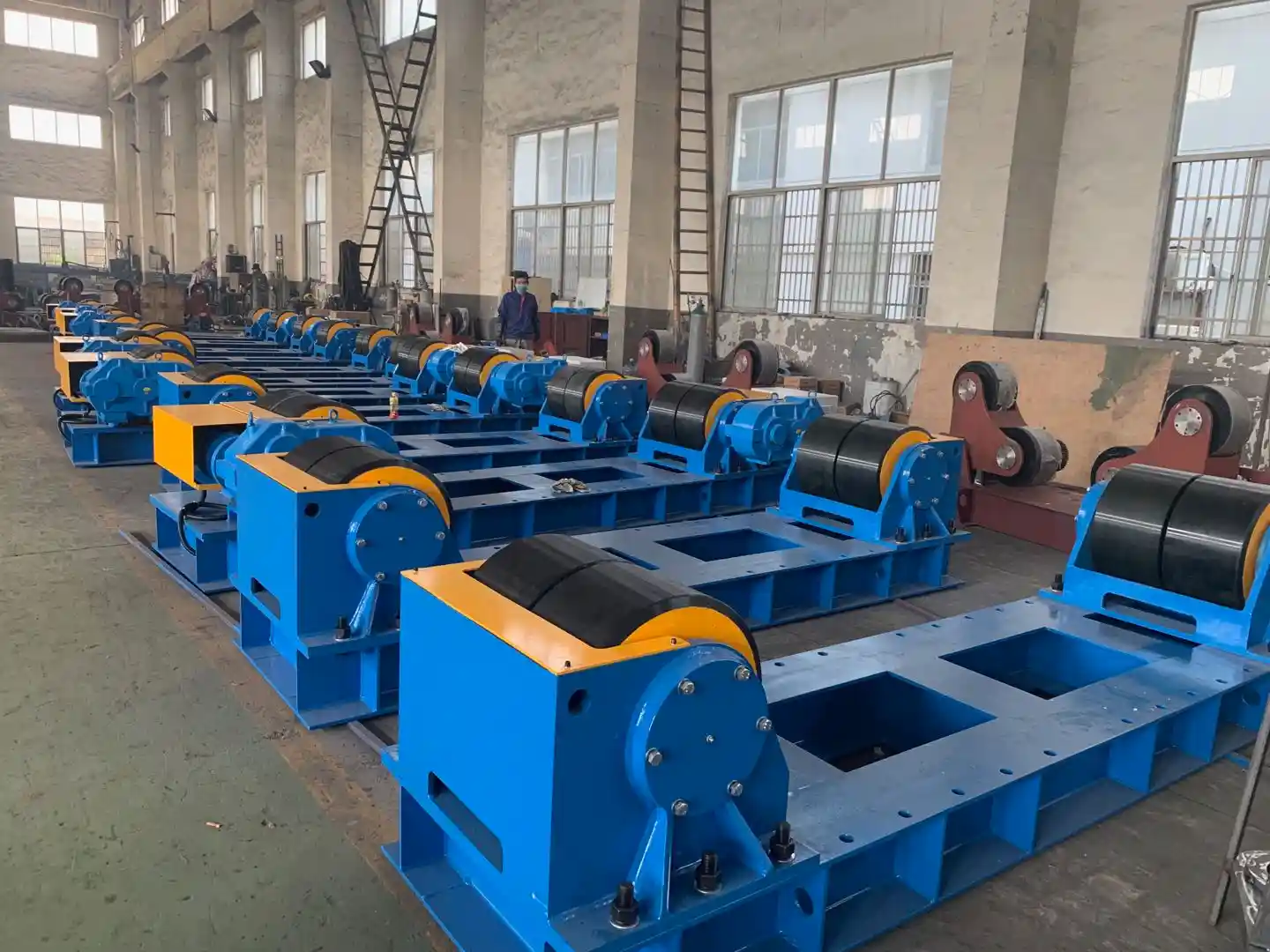
WUXI ABK MACHINERY CO., LTD designs its CNC plasma systems with easy access to these components. A quick visual check before each shift catches problems early and prevents the kind of cascading failures that shut down production.
Daily and Weekly Maintenance That Actually Matters
Keeping a CNC plasma torch in working order requires specific habits rather than vague intentions. These practices apply to equipment from WUXI ABK MACHINERY CO., LTD and most industrial plasma systems.
Start each shift with a visual inspection. Look at the electrode for pitting depth. Check the nozzle orifice for elongation or keyholing. Examine the shield cap for cracks or erosion. Make sure every component seats properly in the torch body.
Clean the torch body and retaining cap regularly using a soft cloth. Slag and debris accumulate quickly during heavy use. Avoid abrasive materials that scratch sealing surfaces or damage threads.
Replace electrodes when the hafnium pit reaches the manufacturer’s specified depth. Running an electrode past this point causes erratic arc starts and damages other consumables. Nozzles need replacement when the orifice shows visible elongation. A worn nozzle produces beveled cuts and excessive dross.
The cooling system deserves attention too. Verify coolant levels and flow rates. Overheating accelerates wear on every consumable in the torch assembly. Check that the compressed air supply stays clean and dry. Oil and moisture in the air stream degrade consumables faster than almost any other factor. Quality air filters and dryers pay for themselves quickly.
When assembling consumables, apply the correct torque to retaining caps. Loose components cause arc instability and premature wear. Maintain a clean, secure ground clamp connection. A poor ground creates erratic cutting behavior and can damage the power supply over time.
Troubleshooting Problems Before They Spread
When cut quality drops or consumables fail prematurely, the cause usually traces back to a specific failure point. Identifying that point prevents wasted replacements and gets production back on track.
Excessive dross along the cut edge often indicates a worn nozzle or incorrect cutting parameters. The nozzle may have lost its ability to focus the arc tightly enough for clean separation. A significant bevel angle on cuts points toward a damaged swirl ring or improper torch height. The swirl ring creates the gas rotation that keeps the arc perpendicular to the workpiece. Arc instability during cutting typically stems from a degraded electrode or insufficient gas flow. The electrode may have eroded past its useful life, or gas pressure may have dropped below optimal levels.
| Выпуск | Вероятная причина | Решение |
|---|---|---|
| Excessive Dross | Worn nozzle, incorrect speed/amperage | Replace nozzle, adjust cutting parameters |
| Bevel Angle | Worn swirl ring, incorrect torch height | Replace swirl ring, set proper torch height |
| Arc Instability | Degraded electrode, insufficient gas | Replace electrode, check gas flow/pressure |
| Poor Piercing | Worn electrode, slow pierce height | Replace electrode, optimize pierce parameters |
| Short Consumable Life | Incorrect amperage, poor air quality | Adjust settings, improve air filtration |
| Rough Cut Surface | Worn nozzle, excessive speed | Replace nozzle, reduce travel speed |
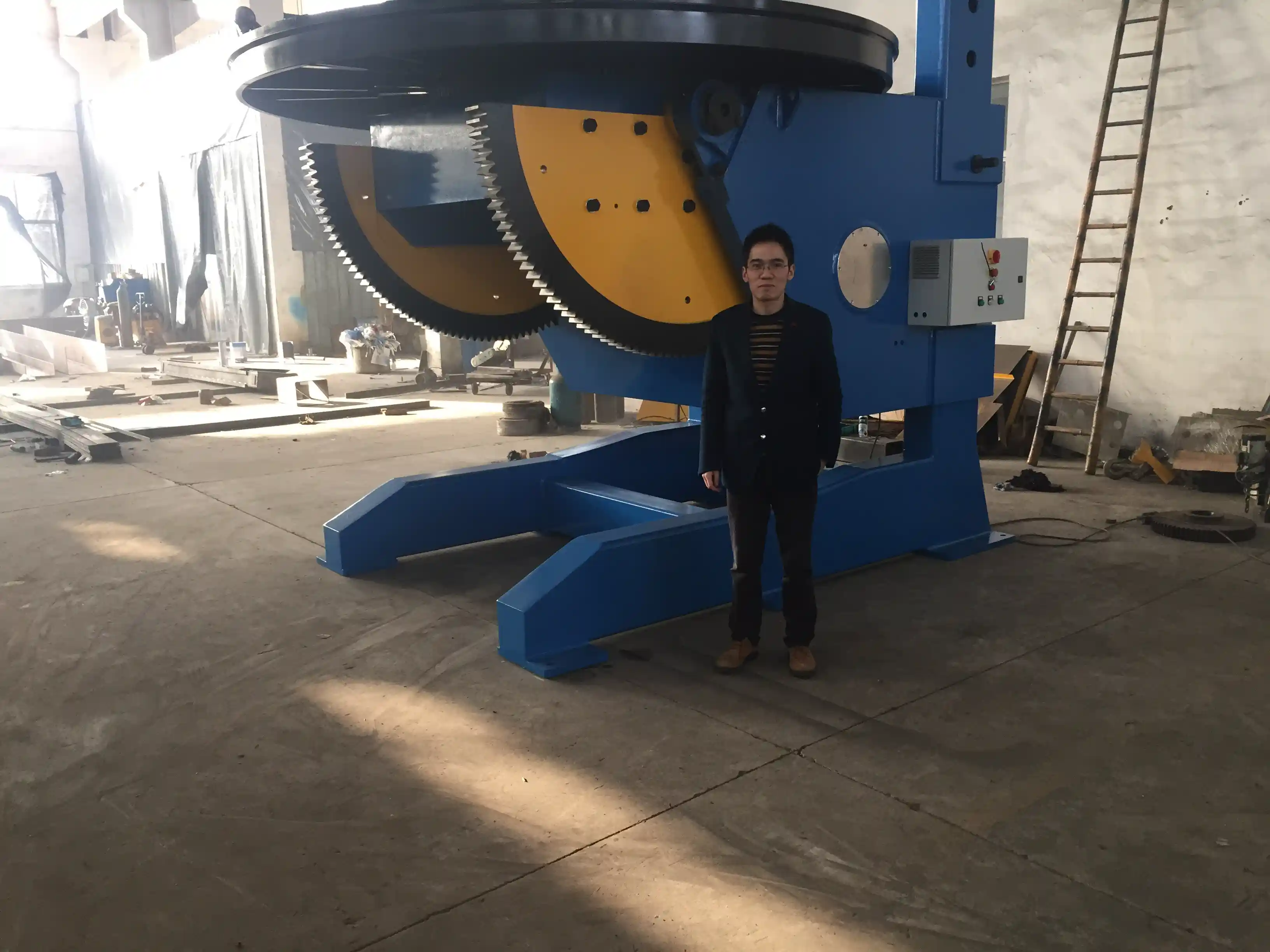
Power supply condition and gas settings require regular verification. WUXI ABK MACHINERY CO., LTD builds machines for demanding environments, but even robust equipment needs proper troubleshooting when issues arise. For related insights on precision in welding operations, see 《Революционное решение для сварки сосудов под давлением: Технический анализ вращающихся на 360 градусов сварочных позиционеров》.
Managing Consumable Inventory Without Waste
Running out of electrodes during a production run costs more than the parts themselves. Overstocking creates storage problems and ties up capital. Finding the balance requires tracking actual usage patterns rather than guessing.
Record how many electrodes, nozzles, and other consumables you use per week or per job type. This data reveals your true consumption rate and helps predict when orders need to go out. Bulk purchasing can reduce unit costs significantly, but only if you have proper storage conditions. Consumables degrade when exposed to moisture, temperature swings, or contamination. Keep parts in their original packaging in a dry, climate-controlled space away from direct sunlight.
Having the right consumables available when needed prevents downtime. Using fresh, properly stored components maintains cut quality and extends the life of your torch assembly. This approach directly affects profitability by reducing both waste and emergency orders.
The Financial Case for Consistent Maintenance
Maintenance costs money upfront but saves more over time. The math becomes clear when you track consumable life, downtime frequency, and cut quality consistency across maintained and neglected equipment.
A well-maintained CNC plasma system from WUXI ABK MACHINERY CO., LTD experiences fewer breakdowns. Fewer breakdowns mean less downtime and lower repair costs. Consistent cut quality reduces rework and scrap material. Extended consumable life means fewer replacements per month or per year.
Regular checks and timely replacements can extend consumable life by up to 30% in many applications. That percentage translates into substantial savings over the equipment’s operational lifespan. The 1-Ton Fixed Height Welding Positioner demonstrates similar benefits from proper maintenance protocols. For more on equipment management strategies, see 《Повышение качества и эффективности производства резервуаров и сосудов высокого давления: Основные возможности применения позиционеров》.
Getting More from Your Plasma System
Beyond basic maintenance, several advanced techniques push CNC plasma cutting performance further.
Plasma gas selection matters more than many operators realize. Air, oxygen, nitrogen, and argon-hydrogen mixtures each produce different cut characteristics on different materials. The right gas choice improves cut quality and extends consumable life simultaneously. Machine calibration ensures all axes and torch components stay aligned. Proper alignment maintains cutting accuracy and reduces mechanical stress throughout the system.
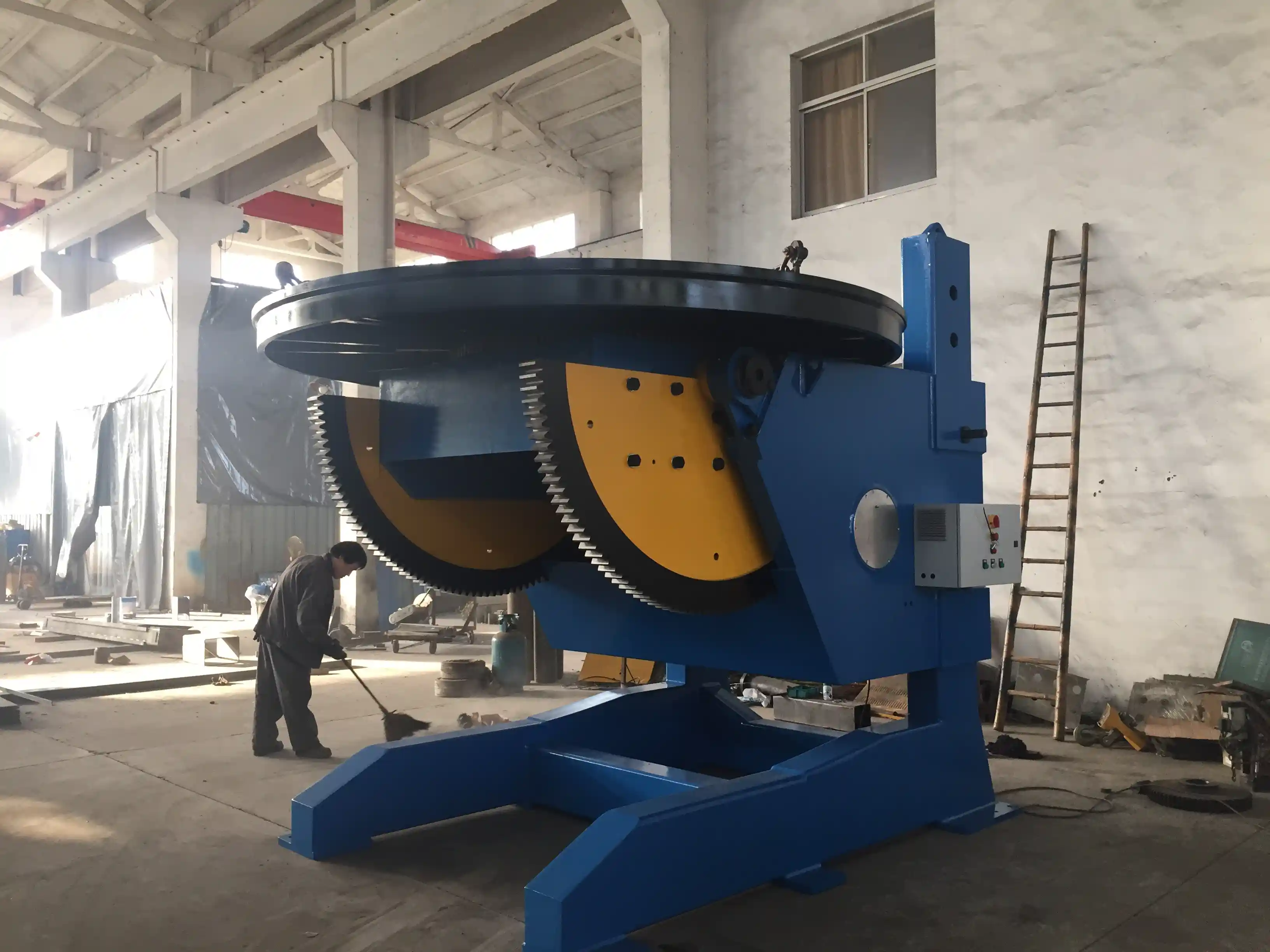
Ground clamp condition affects arc stability directly. A clean, tight connection prevents voltage fluctuations that cause erratic cutting behavior. Operator safety protocols remain essential, including proper ventilation and personal protective equipment. Optimizing pierce height and lead-in/lead-out paths refines cut quality while reducing consumable stress. For related precision techniques in pipe applications, see 《Pipe Welding Misalignment Issues: How Intelligent Welding Pipe Rotators Boost Oil Pipeline Pass Rates》.
Common Questions About Plasma Torch Maintenance
How often should CNC plasma torch consumables be replaced?
Replacement timing depends on material type, thickness, amperage settings, and visible cut quality changes. Daily visual inspection catches most wear indicators before they cause problems. Replace electrodes when the hafnium pit depth reaches the manufacturer’s limit. Replace nozzles when cuts show widening kerf or increased dross. Waiting too long damages other torch components. Replacing too early wastes money.
What are the signs of worn plasma torch consumables?
Watch for excessive dross along cut edges, difficulty starting the arc, and cuts that angle away from perpendicular. A flickering or unstable arc during cutting indicates electrode degradation. Uneven kerf width suggests nozzle wear. A keyholed nozzle orifice needs immediate replacement. Addressing these signs promptly prevents damage from spreading to other components.
How does proper maintenance affect plasma cutting quality and cost?
Consistent maintenance produces consistent cuts. Consistent cuts mean less rework and less scrap material. Extended consumable life reduces replacement costs. Fewer breakdowns mean less downtime. The combined effect improves return on investment for the entire CNC plasma cutting system. Shops that track these metrics typically find maintenance pays for itself several times over.
Working with WUXI ABK MACHINERY CO., LTD
Extending torch and consumable lifespan requires attention to detail and consistent follow-through. The practices outlined here keep WUXI ABK MACHINERY CO., LTD CNC cutting machines performing at their designed capability. That performance translates into better cuts, lower costs, and longer equipment life.
Contact WUXI ABK MACHINERY CO., LTD at +86-13815101750 or jay@weldc.com to discuss your welding and cutting machine requirements. Our team provides tailored solutions for shops looking to maximize efficiency and equipment longevity.
 English
  Español
  Français
  Deutsch
  Português
  Русский