
Manufacturing is changing. The combination of additive manufacturing with traditional welding opens up possibilities that neither process achieves alone. More design freedom, less wasted material, better performing parts. This piece looks at what happens when these two approaches work together.
What Advanced Manufacturing Actually Delivers
Bringing additive manufacturing together with conventional welding marks a real shift in how industrial production works. The combination makes complex geometries and optimized structures possible where they simply weren’t before. Manufacturers using hybrid processes get better material properties while cutting waste. Different sectors gain competitive advantages through this approach. Efficiency improvements and product innovation follow naturally from the integration.
How Hybrid Manufacturing Works
Hybrid manufacturing combines additive and subtractive techniques to get better production outcomes. Additive manufacturing builds components layer by layer, making intricate designs and custom parts feasible. Welding joins these components or reinforces specific areas to ensure structural integrity. The relationship between these methods creates strategic advantages in complex fabrication. Integrating them streamlines digital manufacturing workflows and improves material deposition techniques. Process optimization becomes achievable.
Where Additive and Subtractive Processes Meet
Combining additive and subtractive processes, including welding, produces superior manufacturing results. Additive manufacturing handles complex forms and internal structures while minimizing material waste. Welding processes, performed with a Манипулятор для сварки или 3-осевой сварочный позиционер, join these intricate parts or add reinforcement material. The integration optimizes material efficiency and strengthens the final product. Advanced equipment ensures precise execution at each stage.
Material Science Behind Integrated Processes
Getting AM and welding to work together depends on material science. Materials need to perform well in both environments. This means understanding alloy development and ensuring metallurgical compatibility between additively manufactured and welded sections. Post-processing techniques matter for achieving the mechanical properties you need. Material selection addresses critical engineering challenges.
Picking Materials for Hybrid Fabrication
Choosing the right materials determines whether integrated components hold up. High-performance alloys like titanium alloys and nickel-based superalloys get selected for their strength and temperature resistance. Stainless steels work for many applications. Material selection criteria based on melting points and metallurgical properties ensure compatibility. This approach protects the integrity of hybrid fabricated parts.
| Material Type | Additive Suitability | Welding Compatibility | Key Benefit |
|---|---|---|---|
| Titanium Alloys | Excellent | Good | High strength-to-weight ratio |
| Nickel-based Alloys | Excellent | Excellent | High temperature and corrosion resistance |
| Stainless Steels | Good | Excellent | Versatility and corrosion resistance |
| Aluminum Alloys | Moderate | Moderate | Lightweighting, but challenging |
Integration Challenges and How to Address Them
Integrating additive manufacturing with welding brings specific challenges, though solutions exist. Consistent material properties across hybrid components matter. Residual stresses from both processes require careful control and post-processing. Robust quality assurance protocols need development. Advanced process control and digital twin technology address these integration challenges.
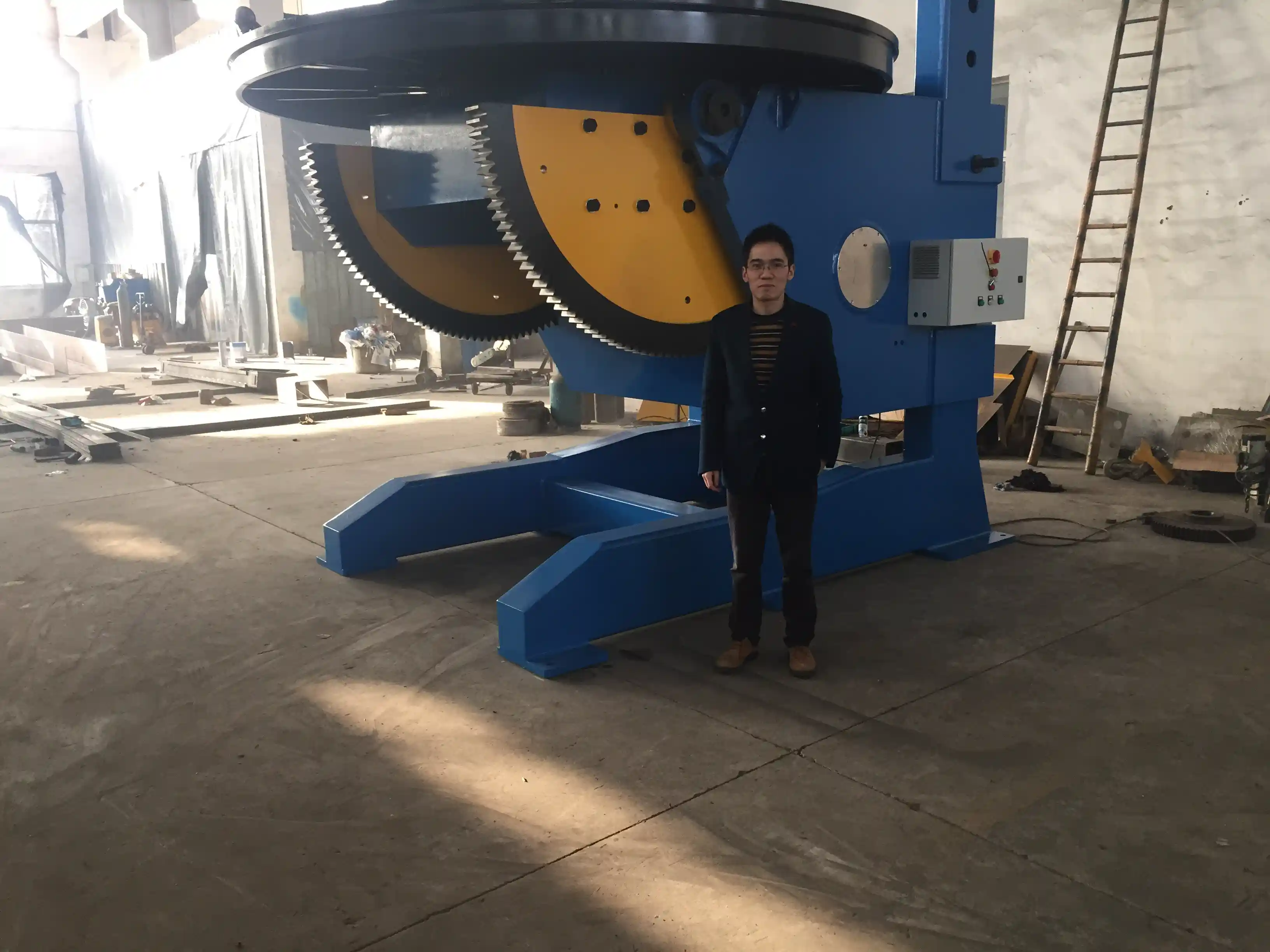
Solutions often involve sophisticated equipment like the WUXI ABK 5-Ton 3-Axis Welding Positioner, offering ±0.05 mm positioning accuracy for precise fabrication. For larger components, the LH8080 Welding Manipulator provides 8000 mm horizontal and vertical travel with ±0.1 mm/m positioning accuracy, ensuring stable operation for complex assemblies. These tools facilitate integrating AM parts into larger structures.
Quality and Reliability in Hybrid Components
High standards of quality and reliability in hybrid manufacturing environments cannot be compromised. Stringent quality assurance protocols run throughout the production cycle. Non-destructive testing methods detect internal defects and validate material integrity. Process validation ensures each step, from AM to welding, meets precise specifications. This commitment to quality minimizes risks and improves component performance.
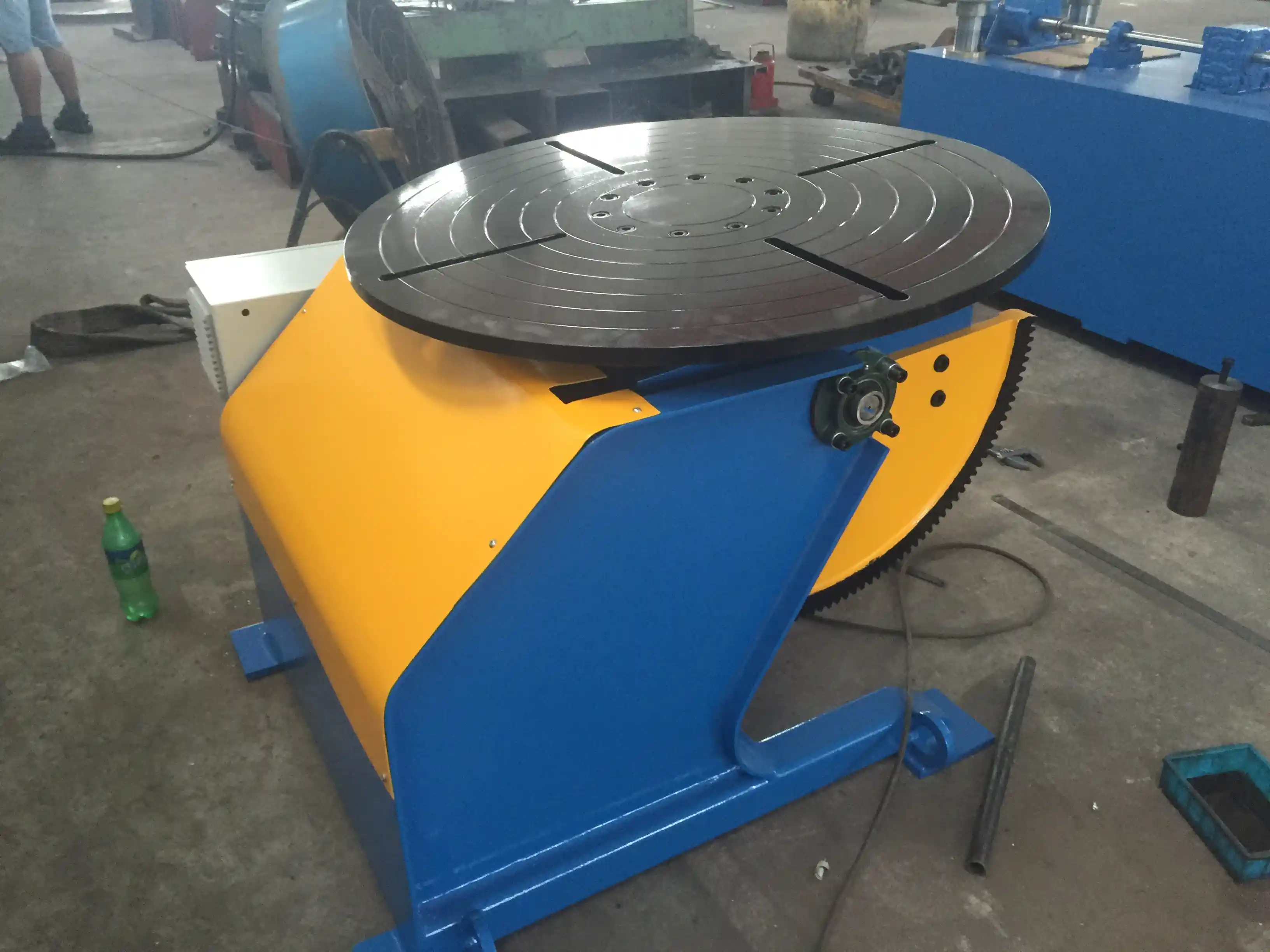
The WUXI ABK HBT Series Head & Tail Welding Positioners offer ±0.5° positioning accuracy for consistent weld quality in automated production. These systems support robotic welding interfaces for precise, repeatable results. For heavy-duty applications, the HGZ-100 Standard Welding Roller Frame handles 100-ton capacity with laser calibration providing ±0.1mm/m accuracy for large-scale projects. Such precision matters for the reliability of integrated components.
Article Recommendation: For further insights into precision welding, explore 《Как повысить качество сварки труб с помощью высокоточного сварочного позиционера》.
Where This Technology Goes Next
Manufacturing’s future increasingly involves integrated AM and welding processes, aligned with Industry 4.0 principles. This synergy enables smart manufacturing, highly customized solutions, and sustainable production practices. Growth will continue in sectors requiring complex, high-performance components.
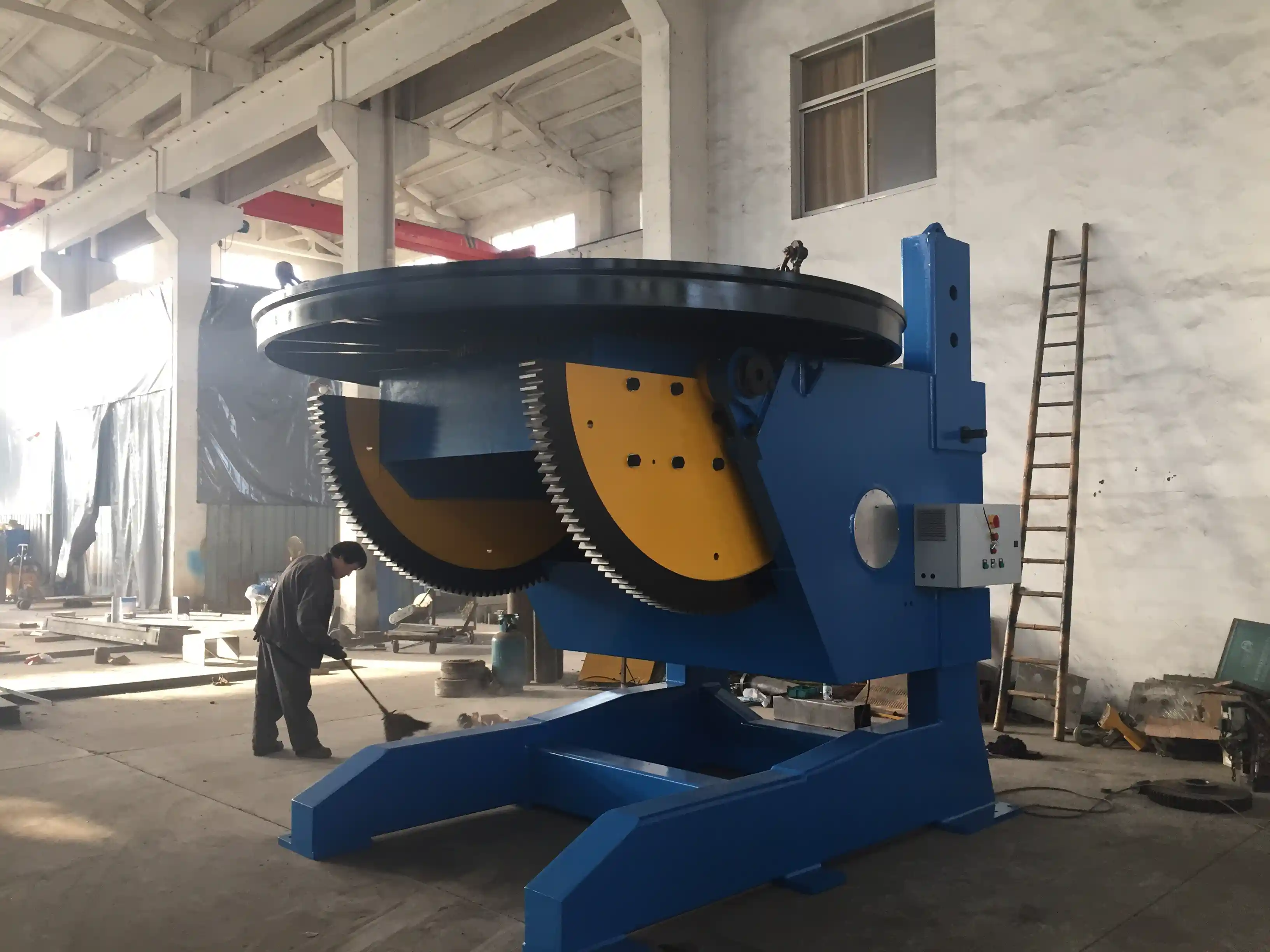
Equipment like the Автоматический сварочный вращатель (HGK-300) with 300-ton capacity and 0.5-5 RPM speed control handles super-large pressure vessels and offshore platforms. The Welding Turntable Solutions demonstrate commitment to advanced automation. These technologies facilitate producing complex components for aerospace, energy, and automotive industries. The solutions address demanding industrial applications.
Frequently Asked Questions About Additive Manufacturing Integration
How does additive manufacturing enhance traditional welding processes?
Additive manufacturing (AM) enhances traditional welding by enabling complex geometries, customized preforms, and optimized material distribution. The integration reduces material waste, improves structural integrity, and allows repair of intricate components impossible with conventional methods. AM also creates bespoke fixtures and jigs that streamline welding operations.
What are the key challenges in integrating 3D printing with welding for industrial applications?
Key challenges include ensuring material compatibility between additively manufactured parts and welded joints, managing residual stresses from both processes, and developing robust quality assurance protocols. Achieving consistent mechanical properties across hybrid components and optimizing digital manufacturing workflows for seamless transition also present significant hurdles. WUXI ABK MACHINERY offers solutions addressing these complexities.
What advanced materials are best suited for combined additive and welding techniques?
Advanced materials suited for combined additive and welding techniques include high-performance alloys such as titanium alloys, nickel-based superalloys, and certain stainless steels. Selection depends on specific application requirements including strength, corrosion resistance, and temperature tolerance. Compatibility in melting points and metallurgical properties proves critical for successful integration and final product integrity.
Partner with WUXI ABK MACHINERY for Advanced Welding and Integration Solutions
Leverage WUXI ABK MACHINERY CO., LTD’s two decades of expertise in welding equipment and CNC cutting machines to integrate additive manufacturing into your operations. Our solutions are engineered for precision, reliability, and enhanced productivity. Contact us today to discuss how our advanced technologies can transform your manufacturing capabilities. Email: jay@weldc.com | Tel: +86-510-83555592
 English
  Español
  Français
  Deutsch
  Português
  Русский