Industrial equipment import planning is rarely about the machine price alone. A welding manipulator, CNC cutting line, or H beam production system can clear one port smoothly and stall at another because of HS classification, Incoterm choice, wood packaging rules, or incomplete customs documents. I see buyers compare FOB prices carefully and then treat duties, freight, and clearance as a fixed afterthought. That is the ordering mistake that creates the largest cost variation. The practical fix is to lock duty rate, shipping term, and document set before the supplier finishes the commercial invoice, not after the vessel departs.
What Duties Apply to Industrial Equipment Imports?
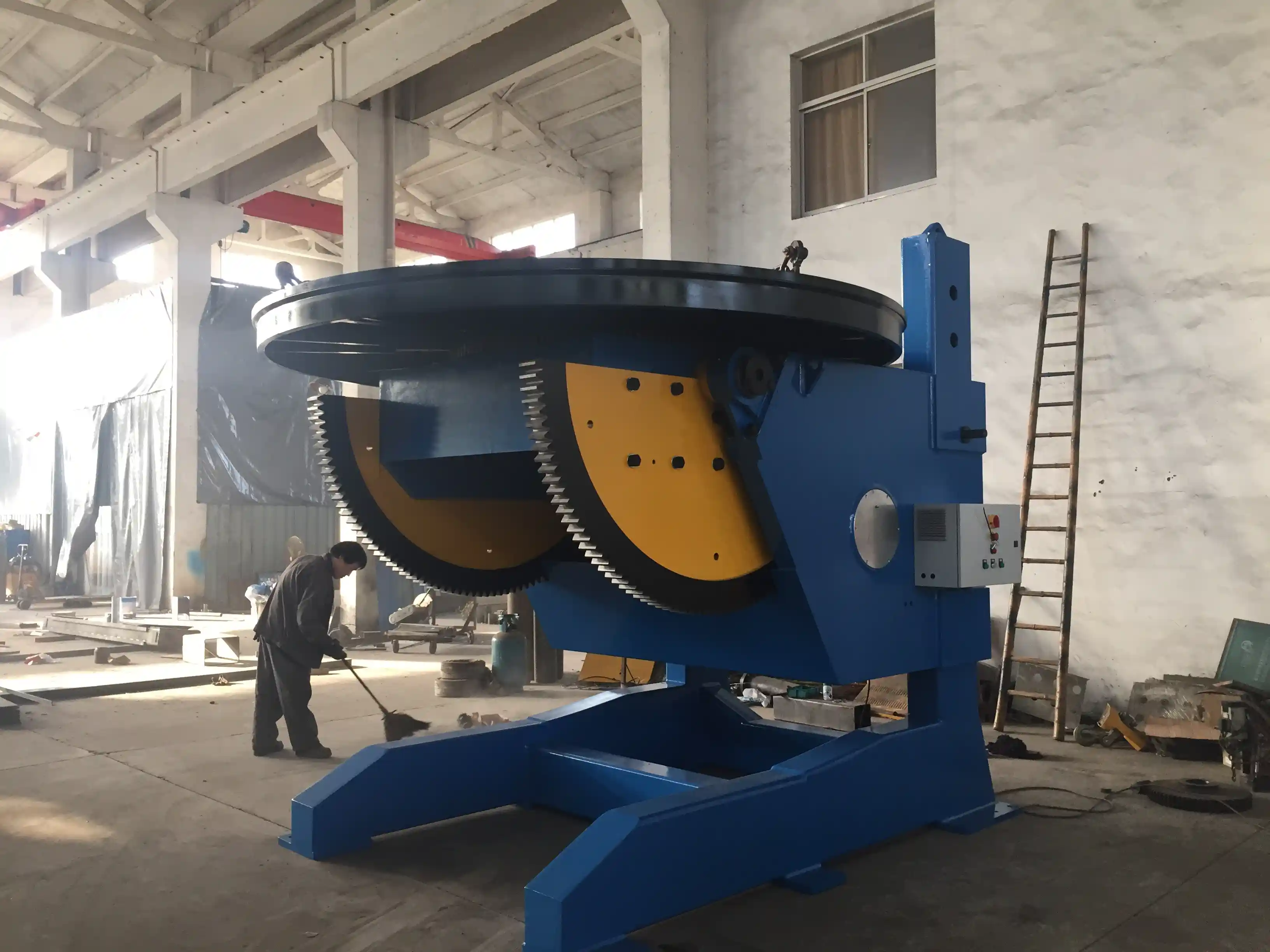
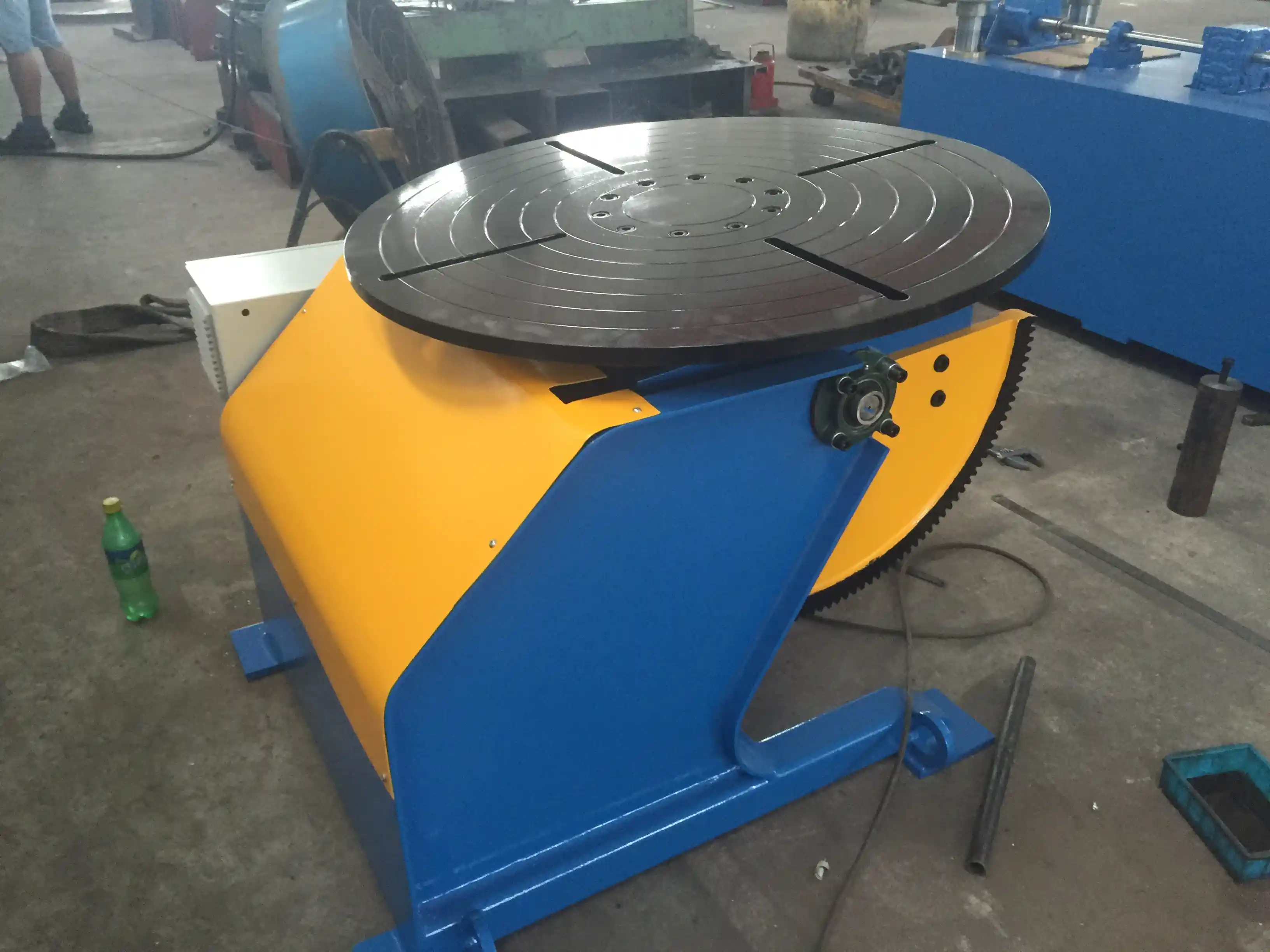
Industrial equipment import duty is not a single rate. Every machine is assigned an HS code that follows the equipment’s function, control type, automation level, and sometimes load capacity. A fixed height welding positioner may fall into a different heading than a three axis robotic positioner or a CNC plasma cutter. The code sets the base duty percentage, any additional trade remedy duties, and the paperwork trail the border requires. Buyers should confirm the destination country’s eight or ten digit code before the supplier produces the commercial invoice, not after.
Origin is the second duty variable. A machine shipped from China usually has Chinese origin, but that does not give preferential duty treatment by itself. If equipment is re-exported, assembled in multiple locations, or contains a high share of components from another origin, the importing country may apply different rules. We ask for a certificate of origin at quoting stage because correcting origin documentation after shipment is slow and may change the duty outcome.
Duty classification is easier to control when the machinery specification is fixed before quotation. <Rotateur de soudage Automatisation de précision pour la fabrication industrielle : Guide FAQ des experts> covers how rotator configuration, drive type, and automation level affect both machine selection and the documentation record.
Why Does the Same Machine Attract Different Duty Rates in Different Countries?
Customs authorities do not always apply the same heading to the same equipment. One country may classify a manipulateur de soudage under lifting equipment, another under machine tools, and a third under parts or automation accessories. The tariff schedule, free trade agreements, and local technical interpretations all sit above the exporter’s description. That is why we prepare the invoice wording from the destination product classification, not from the factory’s internal model name. The model name is useful for production records; it is not always a customs description.
Which Shipping Terms Protect Industrial Equipment Imports?
Shipping terms decide who pays for freight, who bears risk, and where the equipment is handed over. For heavy welding automation, this is not a minor contract point. A 30 ton welding positioner may need a flat rack or open top container, while a long soudage des mâts d'éolienne line often ships as breakbulk or multiple flat racks. The Incoterm should match the importer’s forwarding arrangement, not the supplier’s default.
| Incoterm | Seller responsibility | Buyer risk and cost | Typical use |
|---|---|---|---|
| EXW | Makes goods available at factory | Export filing, trucking, freight, import, all risk | Experienced importers with a local forwarder |
| FOB | Clears export and loads on vessel | Freight and insurance from origin port | Buyers who want freight control but clean export handling |
| CIF | Pays freight and insurance to destination port | Import duty and destination clearance | New importers who want fewer freight variables |
| DAP | Delivers to named place, import clearance unpaid | Import duty and customs clearance | Project buyers who want the supplier at site |
EXW deserves the most caution for first-time importers. The factory price looks lower, but export filing, origin trucking, port charges, and lift planning all move to the buyer. If the buyer does not have a local forwarder and a trusted destination agent, those savings can disappear before the machine reaches the vessel.
What Does EXW Actually Cost the Importer?
EXW makes every step the buyer’s responsibility from the factory gate onward. The importer must arrange the truck, export clearance, port handling, vessel booking, and destination clearance. That is not a fixed addition; it is a series of separate vendors. We usually accept EXW only when the buyer has an existing freight forwarder and wants to control the origin handover. Otherwise, FOB or CIF creates a cleaner division of control.
What Customs Documents Do Equipment Imports Require?
Customs clearance for industrial equipment runs on three base documents: commercial invoice, packing list, and bill of lading. Heavy machinery also needs a certificate of origin, any CE or ISO declaration referenced in the contract, and sometimes a separate statement for hydraulic fluid or wood packaging used in the crate.
What Makes a Commercial Invoice Customs-Compliant?
The invoice should state buyer and seller legal names, addresses, payment terms, Incoterm, equipment description, unit value, currency, total value, and country of origin. The description must match the packing list and the bill of lading. A vague description such as “welding machine” can be questioned; a description such as “1 set, fixed height welding positioner, model HBJ-50, 5 ton capacity, CE marked” is far easier to clear. We keep model numbers and load capacity on the invoice because those details also tie the shipment to the contract and the test records.
Why Do Packing Lists Matter for Heavy Equipment?
Packing lists define the physical shipment. They show case numbers, dimensions, gross and net weights, and markings. Customs and the port use those figures to plan lifting and inspection. For a wind tower line or a large manipulator, the packing list must separate the column, boom, rail sections, control cabinet, and loose parts. If the weights are wrong, the vessel or port may refuse to move the shipment until a corrected list is issued.
One point we repeat in project work: when the destination country requires an import permit, local conformity certificate, or pre-shipment inspection, the inspection date drives the production schedule. We ask buyers to confirm the document checklist before the machine is assembled, not after packing. Send your destination port and equipment list to jay@weldc.com and we can check the documentation package that matches the order.
How Do Importers Calculate Landed Cost for Industrial Equipment?
Landed cost is the number that controls the project budget. For industrial equipment, the base calculation starts with FOB price, adds ocean freight, marine insurance, import duty, customs broker fees, port charges, and inland delivery. Duty is not charged on the FOB price; most customs systems calculate duty on the CIF value, which is FOB plus freight plus insurance. That difference alone can shift the final figure enough to make two identical machine quotes difficult to compare.
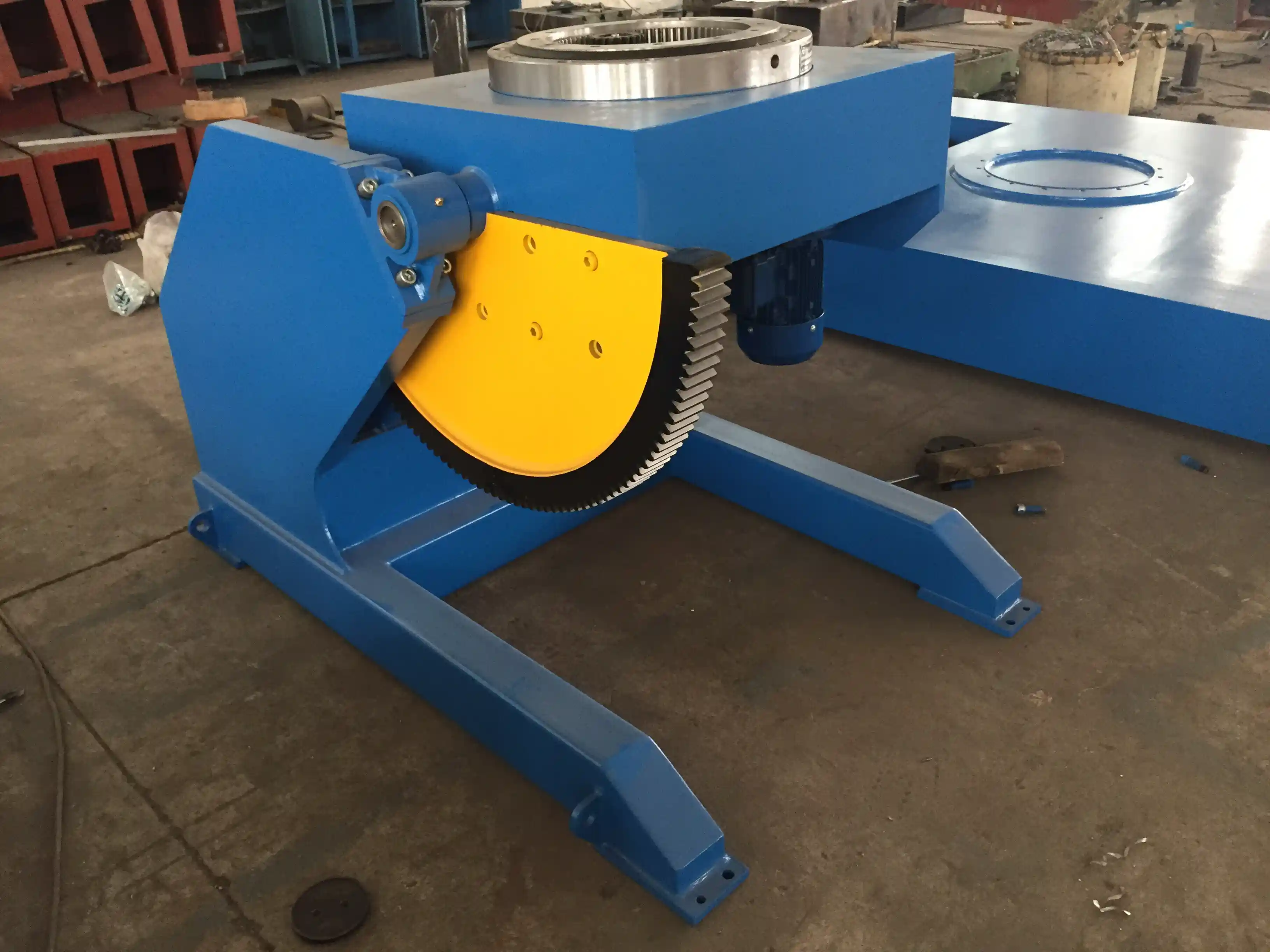
To compare quotes, put everything on the same basis. One supplier may quote CIF Lagos, another FOB Shanghai, and a third EXW Wuxi. Until all three are converted to the destination landed cost, the comparison is unreliable. We prefer to prepare a landed cost worksheet for each line item because the base, boom, travel rail, control cabinet, and electrical cabinet often pack separately and carry different freight positions.
Why Is Import Duty Calculated on CIF Value?
Most customs authorities apply duty to the CIF value because CIF represents the value of the goods at the point of import. Freight and insurance are part of the commercial transaction, so they become part of the assessment. A buyer who budgets duty only on the FOB price will understate the final amount. The rate may be small, but the base is larger.
Which Costs Are Easy to Miss Before Ordering?
The missed items are usually origin trucking, port handling at both ends, customs broker fees, inspection fees, storage, and final delivery to the installation bay. Heavy equipment also carries crane or forklift costs on each lift. We ask for the delivery address before quoting because a machine delivered to a port warehouse is a very different cost from a machine placed inside a production hall.
What Should You Ask a Supplier About Import Support?
WUXI ABK Machinery has manufactured welding equipment and CNC cutting machines since 1999, and import clarity has become part of the quote conversation. We ask buyers for destination port, delivery address, power supply, and any local inspection requirement before we confirm packaging and shipping terms. That front-end work removes the most common causes of border delay: mismatched HS codes, incomplete invoices, and packaging that cannot be lifted at destination.
If you are importing welding positioners, manipulators, pipe rotators, or CNC cutting lines, send the equipment list, destination port, and target delivery week to jay@weldc.com or call +86-13815101750. We will confirm the documentation package and shipping term that matches the order, so the landed cost is known before the machine is built.
What Else Should Industrial Equipment Buyers Confirm Before Shipping?
Does the Buyer Always Pay Import Duty and VAT?
Yes, in most destinations the importer of record pays import duty and VAT or GST unless the contract states otherwise. A DDP term shifts more responsibility to the seller, but the buyer still needs to confirm who is named as importer of record because tax authorities direct the bill to that entity. If the project is tax exempt or uses a temporary admission procedure, the buyer must file the relevant certificate before shipment. We check the named importer before the invoice is released so the tax authority does not reject the entry for a name mismatch.
Can Used Industrial Equipment Be Imported Under Different Rules?
Many buyers assume used machinery is easier to clear because the price is lower, but customs authorities often apply stricter inspection and valuation checks to used equipment. The invoice value may need supporting evidence, and the equipment may require cleaning or age documentation before entry. We recommend confirming the destination rules for used welding and CNC machinery before buying a used line. The lower purchase price can still carry a more complex clearance file, and that extra time needs to be part of the project plan.
How Early Should Customs Documents Be Prepared?
It depends on the destination, but a practical rule is that the document set should be drafted before the machine is fully assembled, not after the factory finishes packing. For destinations with pre-shipment inspection, the inspection must be scheduled while access to the machine is still easy. For standard shipments, we prepare invoice and packing list drafts at the final assembly stage. That gives the buyer time to confirm HS codes with a local broker and still make corrections before the bill of lading is issued.
Who Arranges Unloading and Installation at the Destination?
In projects we have supported, the safest arrangement is to name the destination agent and crane contact before the bill of lading is released. The supplier can prepare the shipping documents and lifting points, but the buyer usually controls the site and the unloading crew. We mark the lifting points, center of gravity, and panel sequence on the packing list so the destination team can plan the crane work. Share your site address and crane capacity, and we will confirm the unloading and placement plan with the shipping documents.
Si cela vous intéresse, consultez ces articles connexes :
Wind Tower Welding Challenges: How Advanced Hydraulic Lifting Systems Boost Production by 40%
Faible efficacité dans le soudage de groupes de pipelines : Comment les rayonnages à rouleaux intelligents augmentent la productivité par 50%
 English
  Español
  Français
  Deutsch
  Português
  Русский