
H-beam welding line capacity and speed determine whether a proposed line can carry your monthly structural steel output. A system that handles a 1,200 mm web but feeds at 0.5 m/min will slow a workshop just as much as a compact line that cannot enter the heavy section range. In this article I explain the specification blocks I ask fabricators to verify first: section envelope, conveyor and assembly speed, welding travel speed, end milling and straightening capacity, and the control logic that connects them. The objective is to move the purchase discussion from catalog pages to process throughput.
H-Beam Welding Line Capacity and Speed Drivers
Capacity is not one number. It splits into a geometric envelope and a process rate. The envelope states what the machine can physically accept: web height, flange width, beam length, and piece weight. The process rate states what the line can produce in a shift, usually in finished meters or tons. The two do not move together. A line with a 1,500 mm web height may still be slow if the fit-up station requires a crane to re-set every beam. The speeds listed on a quotation also need separation. Infeed conveyor travel, hydraulic clamping time, welding head travel, cross transfer, and straightening feed all run at different rates. When a supplier quotes one line speed, ask which axis that number belongs to.
| Specification block | What it controls | Why it changes output |
|---|---|---|
| Section envelope | Maximum web, flange, length, and piece weight | Beams near the upper limit usually add handling time |
| Conveyor drive speed | Infeed and outfeed travel rate | Sets the floor between welding cycles |
| Welding travel speed | Arc-on movement of each head | Limits weld metal deposition, not total line speed |
| Clamping and fit-up cycle | Alignment and lock time | Often the real bottleneck on mixed-section lines |
| Number of welding heads | Single, twin, or multi-torch capacity | Raises arc-on rate only if fit-up and flux recovery keep pace |
| Control recipe memory | Section changeover and pass scheduling | Cuts setup loss when the beam mix changes frequently |
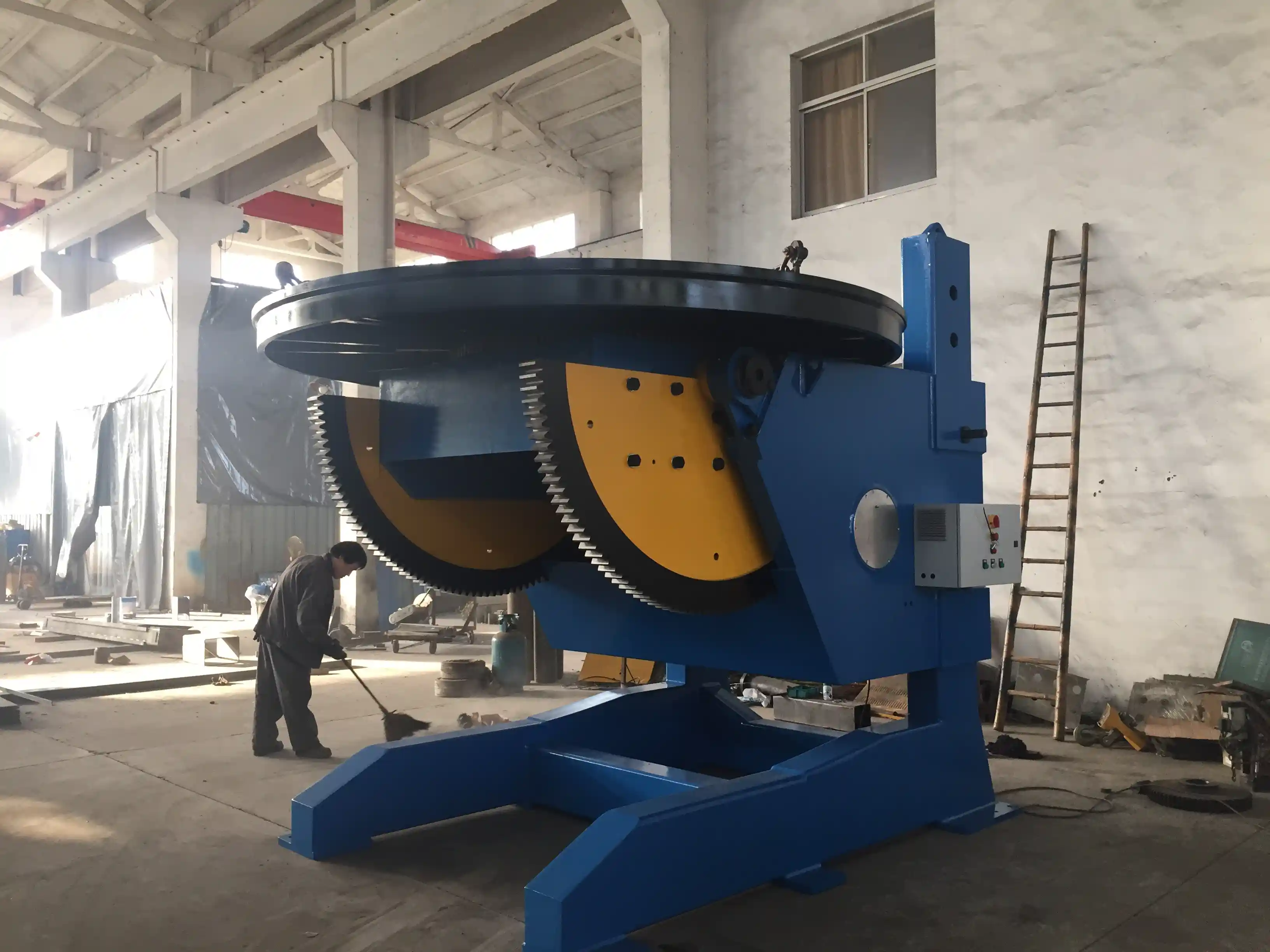
H-Beam Welding Line Technical Specifications That Control Throughput
Throughput on an H-beam welding line is set by the welding process and the recovery systems around it. For heavy web and flange combinations, submerged arc welding remains the standard because one head can place a large fillet or partial penetration weld in a single pass with high deposition. Smaller structural sections may run gas-shielded flux or metal cored wires where the run length is short and changeover is frequent. The choice changes travel speed, but the arc-on rate is only part of the line rate. Automatic arc voltage control is the specification I check next. Without it, web verticality errors alter wire stick-out and penetration as the head moves down the beam. Flux recovery is another throughput factor. If recovered flux cannot be screened and returned fast enough, the operator stops the head to refill the hopper, and that stoppage becomes the real line speed.
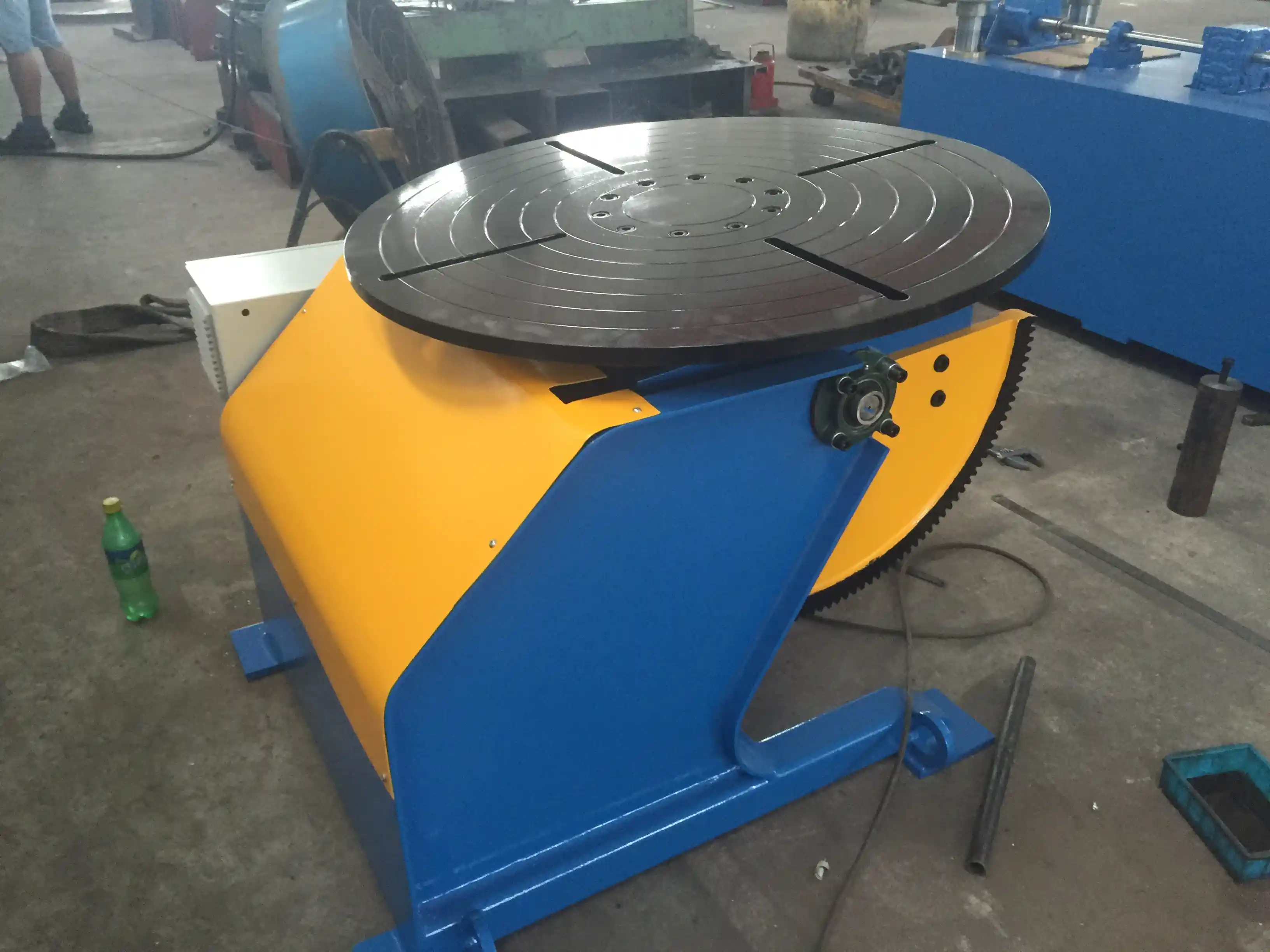
Assembly, Welding, and Straightening Rate Factors
An H-beam production line moves through assembly, tacking, welding, straightening, and end milling. The slowest station controls the output. In many mixed-section shops, that station is assembly, not welding. If web and flange surfaces do not line up, the operator spends extra minutes re-clamping or re-measuring before the head can start. I have seen a fast welding gantry wait on an assembly station because the operator had to re-measure web-to-flange fit-up. The fix was not a larger motor on the welder; it was a better alignment system at assembly.
Straightening also sets a hard limit. Heat input from submerged arc welding pulls camber, bow, and twist into long beams. If the straightening station must take multiple passes to bring a beam back within tolerance, the line outputs less than the welding speed suggests. A buyer should verify straightening capacity at the longest beam and thinnest web combination, not just at the nominal section.
Roller stand stiffness directly changes how steadily the beam enters the welding heads. <Le pilier central de la fabrication lourde : Les performances exceptionnelles des supports à rouleaux dans les processus clés> covers how roll station alignment and load distribution keep heavy weldments from wandering during longitudinal travel.
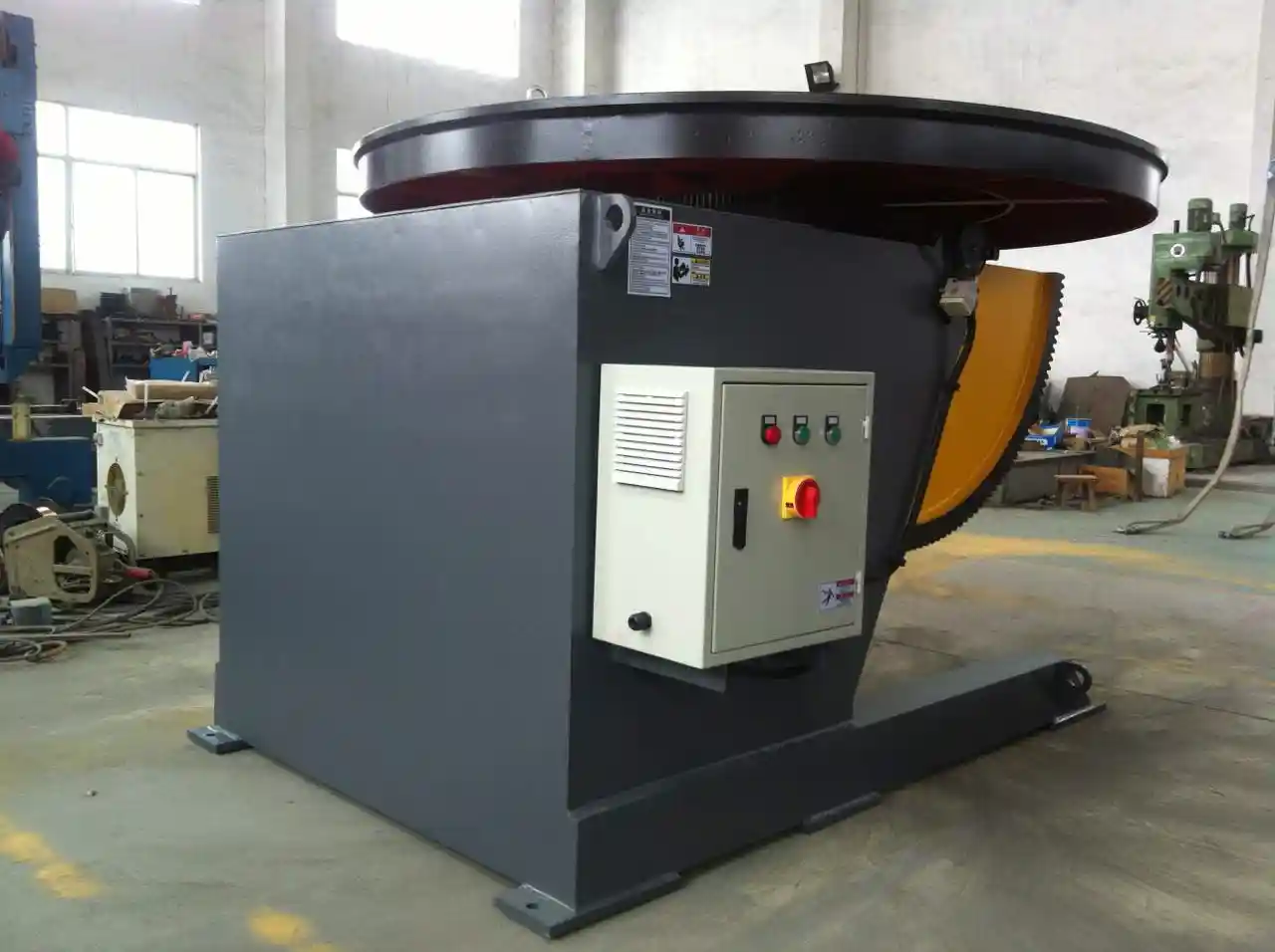
If your beam mix includes more than three section heights or the new line must share infeed handling with an existing CNC cutting cell, confirm the control interface and conveyor pitch before you freeze the equipment list. Send your section range and monthly tonnage to jay@weldmc.com, and we can check which station is most likely to limit the line before you compare base models.
H-Beam Welding Line Capacity Evaluation for Mixed Beam Programs
Monthly tons is the evaluation number that matters. Work it backward from the beam weight per meter, finished meters per shift, shifts per day, working days per month, and a utilization factor. A sensible utilization factor is 70 to 85 percent, depending on section changes and maintenance access. If the line runs one section family all week, use the upper end. If it changes section heights several times a shift, use the lower end. A line rated for 20 meters per hour of arc-on travel will not produce 160 meters in an eight-hour shift. Loading, tacking, transfer, straightening, inspection, and tooling changes consume more time than the catalog suggests. Mixed-section programs also lose more time at changeover than at the welding head.
The capacity calculation only holds if infeed and outfeed clearances do not force repeated crane handling. <L'espace de l'atelier est trop petit ? Comment les rampes à colonnes permettent de gagner de l'espace au sol 50% tout en renforçant la sécurité et l'efficacité> covers how a vertical boom arrangement frees floor area and reduces the non-welding time that pulls down H-beam line utilization.
Selection Confirmation for H-Beam Welding Line Capacity and Speed
The costliest purchasing error in H-beam welding lines is accepting a base configuration that welds the current beam envelope but cannot hold cycle time as the mix gets heavier. The missing station is usually not the welding power source. It is end milling, straightening, or a roll station pitch that cannot carry a long beam straight through the next pass.
Reducing that risk means quoting against a production target, not a model number. I ask buyers to send three facts: the web and flange range, the longest recurring beam, and the monthly tonnage the line must produce two years from now. We can then identify which specification will limit the line and adjust the configuration before the purchase order is issued.
Send your section range and monthly target to jay@weldmc.com, or call +86-13815101750. For full technical documentation, contact us at +86-510-83555592.
Common H-Beam Welding Line Specification Questions
What is a realistic H-beam welding line capacity per shift?
A realistic planning range for a medium structural line is roughly 8 to 20 finished tons per shift. The number depends more on beam mix and fit-up time than on the welding speed shown on the drive. Light sections below 400 mm web height transfer quickly and can reach the upper end when the line runs one section family. Heavy sections above 800 mm, thick flanges, and multi-pass welds push output toward the lower end because the same length contains more steel and demands more arc time.
Does faster welding travel speed always raise H-beam line throughput?
No. If the welding head moves faster than fit-up and flux coverage can handle, you trade arc-on time for repair hours. Speed raises output only when the stations before the welder can hold alignment and the flux recovery loop keeps the hopper fed. On a mixed-section line, a faster head often means more changeover loss, not more finished beams. The profitable upgrade is usually faster clamping and transfer, not a higher travel speed.
Which H-beam welding line specification should I verify first?
Start with the section envelope, not the motor power. If the web height, flange width, or beam length does not fit your recurring product range, every other specification is irrelevant. After the envelope, compare the station that limits cycle time on your most frequent section mix. That is commonly assembly clamping, straightening pass count, or roll station pitch. If your inquiry includes a specific beam family and monthly tonnage, we can confirm which parameter will limit the line. Send your requirements to jay@weldmc.com and we will return a configuration with the limiting station identified.
Si cela vous intéresse, consultez ces articles connexes :
Le pilier central de la fabrication lourde : Les performances exceptionnelles des supports à rouleaux dans les processus clés
Améliorer la qualité et l'efficacité dans la fabrication de réservoirs et d'appareils à pression : La valeur de l'application principale des positionneurs
Solution révolutionnaire pour le soudage des appareils à pression : Analyse technique des positionneurs de soudage rotatifs à 360 degrés
Rotateur de soudage Automatisation de précision pour la fabrication industrielle : Guide FAQ des experts
 English
  Español
  Français
  Deutsch
  Português
  Русский