Precision in tube-to-tube welding is paramount for structural integrity and operational efficiency. Welding fixtures are critical tools that ensure accurate alignment and consistent joint fit-up. Proper maintenance of these fixtures is not merely a best practice; it is an essential requirement for achieving high-quality welds and minimizing production costs. This article outlines key maintenance strategies for optimizing fixture performance and extending their operational lifespan.
The Critical Role of Fixtures in Tube-to-Tube Welding Precision
Welding fixtures are foundational to achieving precise and repeatable welds in tube-to-tube applications. They secure workpieces, maintain critical dimensions, and ensure accurate alignment throughout the welding process. The condition of these fixtures directly correlates with weld quality. Poorly maintained fixtures lead to misalignment, inconsistent joint gaps, and increased material scrap, potentially raising material waste by up to 20%. The impact of heat on fixtures can cause distortion, further compromising tube alignment accuracy and overall welding quality control. Therefore, understanding the material compatibility for fixtures is crucial for their longevity and performance. A robust welding jig lifespan depends on consistent care.
Developing a Robust Preventative Maintenance Schedule for Welding Fixtures
A proactive approach to fixture maintenance is vital for sustained welding precision. Implementing a comprehensive preventative maintenance schedule helps identify and address potential issues before they escalate into costly failures. Preventative maintenance can reduce unexpected equipment failures by 70%. This schedule should outline inspection frequencies, key checkpoints, and component replacement frequency. Automated fixture maintenance systems can further enhance efficiency by providing continuous monitoring. The cost-benefit of fixture upkeep far outweighs the expenses associated with unexpected downtime and rework.
What are the common causes of fixture failure in tube-to-tube welding?
Fixture failures in tube-to-tube welding often stem from several factors. Wear and tear from repeated use is a primary cause. Heat distortion, particularly from welding processes, accounts for 40% of fixture-related alignment issues. Contamination from spatter, dust, and debris can impede moving parts and clamping mechanisms. Corrosion prevention is also crucial, especially in humid or chemically active environments. Troubleshooting fixture issues often reveals these common failure modes, emphasizing the need for regular checks.
Essential Techniques for Fixture Cleaning, Inspection, and Calibration
Effective fixture maintenance involves systematic cleaning, thorough inspection, and precise calibration. These practices ensure optimal performance and extend the welding jig lifespan. Regular cleaning removes welding spatter and debris that can interfere with component seating. Visual inspection identifies signs of wear, damage, or distortion. Precise calibration restores fixtures to their original specifications, significantly improving welding consistency by 15-20%.
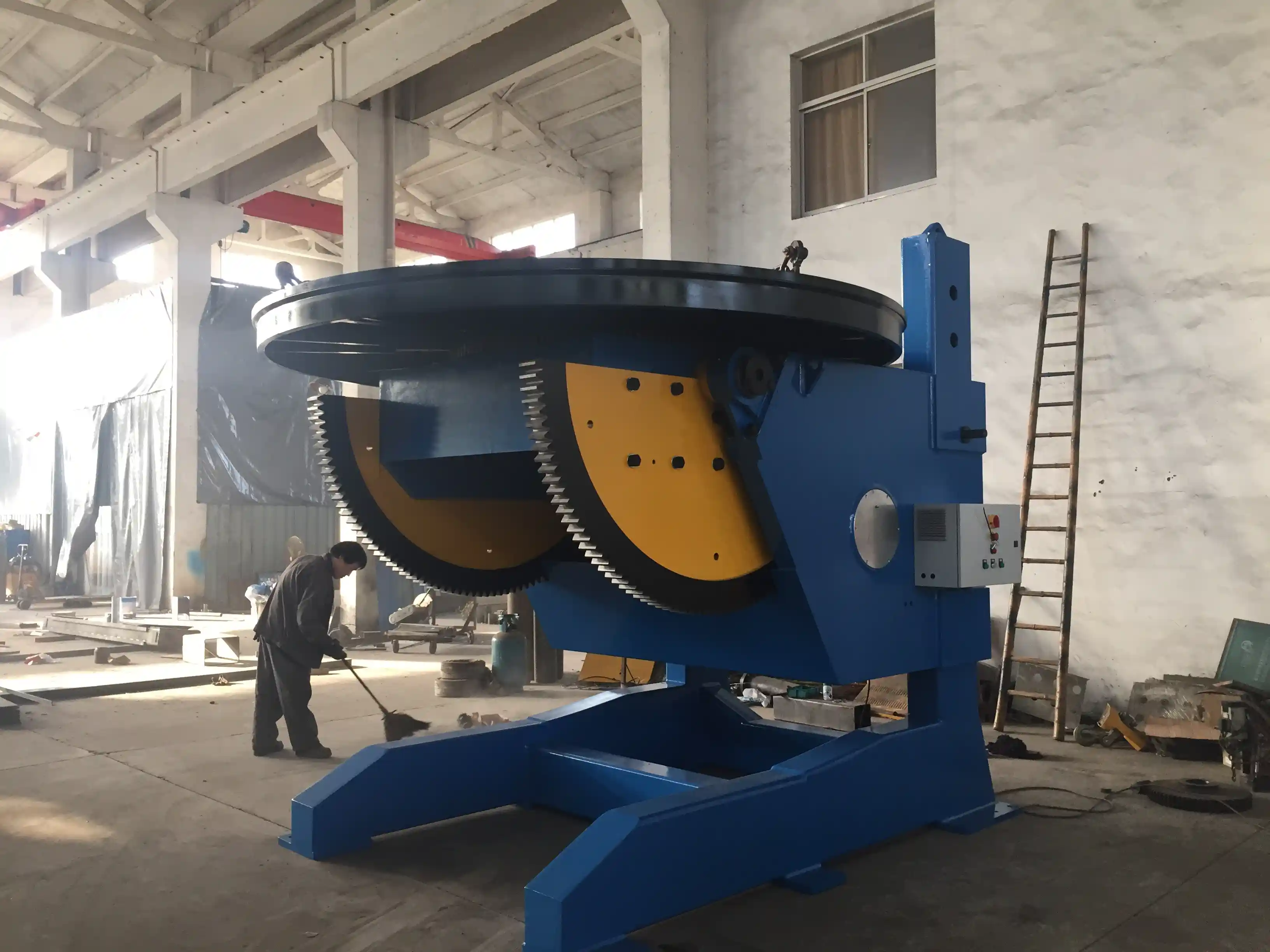
We recommend reviewing “《Comment améliorer la qualité du soudage de tubes grâce à un positionneur de soudage de haute précision》” to understand how advanced equipment supports precise fixture operation.
Here is a comparison of manual versus automated calibration methods:
| Fonctionnalité | Manual Calibration | Automated Calibration |
|---|---|---|
| Accuracy | Dependent on operator skill; can vary | High, consistent; often sub-millimeter precision |
| Vitesse | Time-consuming; requires multiple adjustments | Fast; often completed in minutes |
| Répétabilité | Lower; human error potential | High; consistent results |
| Coût du travail | High; requires skilled technicians | Lower; reduced human intervention |
| Data Logging | Manual records; prone to errors | Automatic; comprehensive digital records |
| Complexity | Simpler tools, but complex procedures | Requires specialized software and sensors |
Implementing fixture cleaning procedures involves using appropriate solvents and brushes to remove contaminants without damaging surfaces. For inspection checklists, operators should verify clamping force, absence of cracks, and proper alignment of locating pins. Fixture calibration typically involves precision measuring devices to ensure dimensional accuracy. Operator training for fixture care is essential to maintain these standards.
Extending Fixture Lifespan: Material Selection, Storage, and Handling
Maximizing the welding jig lifespan requires careful consideration of material selection, proper storage, and safe handling practices. Fixtures constructed from heat-resistant alloys or treated steels exhibit greater durability against thermal cycling and impact. Proper storage in a controlled environment can extend fixture life by up to 30%. This prevents corrosion and physical damage. Lubrication requirements for moving parts must be met to reduce friction and wear.
Infographic: Best Practices for Fixture Storage
- Cleanliness: Store fixtures free of welding spatter and debris.
- Controlled Environment: Maintain stable temperature and humidity to prevent rust.
- Organized Racks: Use designated racks or cabinets to prevent physical damage.
- Protection: Cover fixtures to shield them from dust and accidental impacts.
- Accessibility: Ensure easy access for retrieval while minimizing handling risks.
Safety protocols for fixture handling are crucial to prevent damage during transport and setup. Utilizing robotics in fixture maintenance for heavy or complex fixtures can minimize human error and physical strain.
Integrating Advanced Technologies for Proactive Fixture Management
Modern manufacturing increasingly leverages advanced technologies for proactive fixture management. Integrating IoT sensors directly into fixtures allows for real-time monitoring of temperature, stress, and wear. This data feeds into predictive analytics systems, which can forecast potential failures and schedule maintenance before issues arise. Predictive maintenance can reduce maintenance costs by 25-30%.
Digital twin for fixture monitoring creates a virtual replica of the physical fixture, enabling simulations and analysis of performance under various conditions. This technology helps optimize design and maintenance strategies. Robotics in fixture maintenance can automate cleaning, inspection, and even minor repairs, improving efficiency and consistency. These integrated solutions provide a comprehensive approach to maintaining fixture integrity and ensuring continuous, high-quality tube-to-tube welding operations.
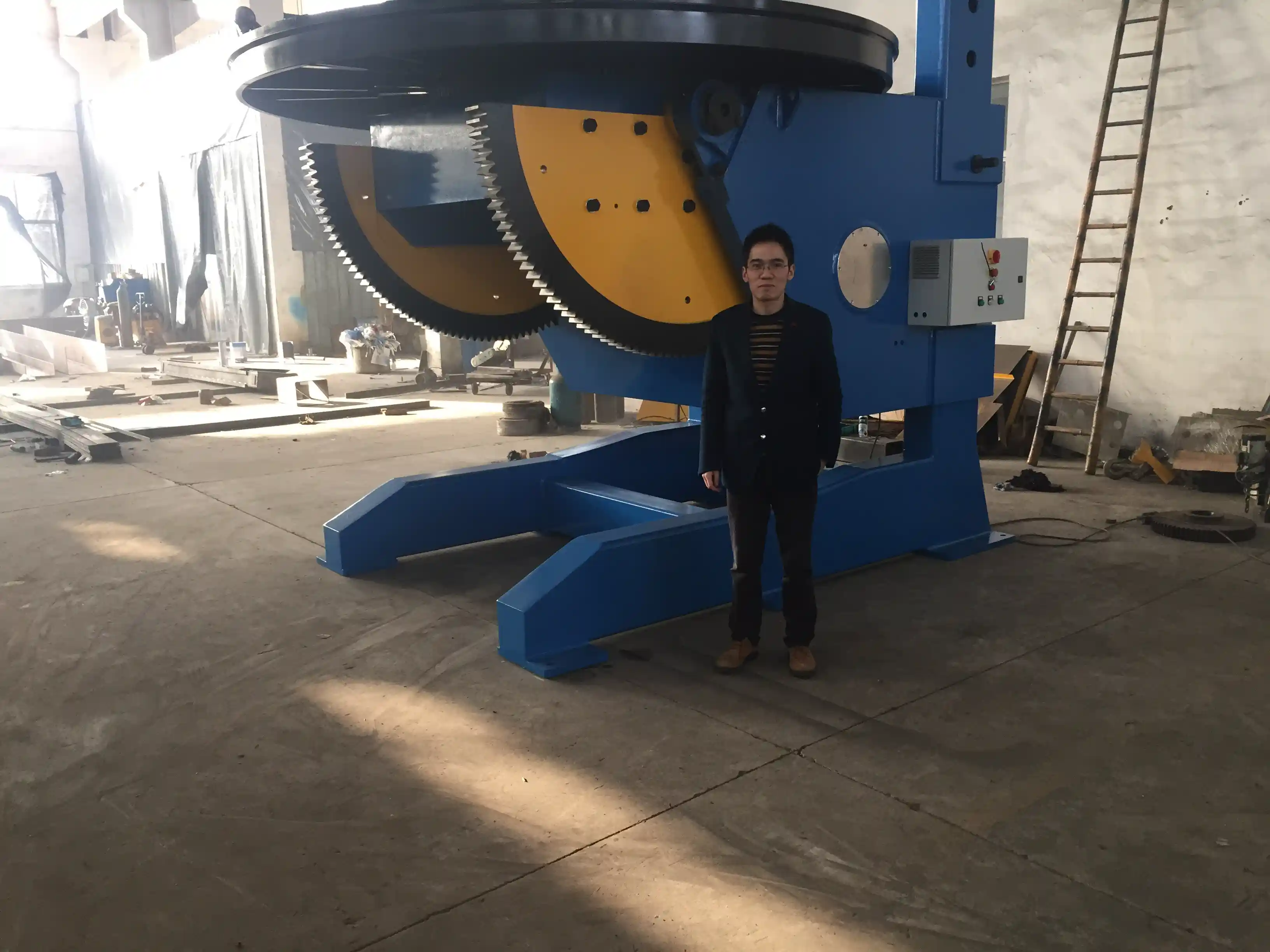
We invite you to explore “《Solution révolutionnaire pour le soudage des appareils à pression : Analyse technique des positionneurs de soudage rotatifs à 360 degrés》” for further insights into advanced welding automation.
Frequently Asked Questions About Welding Fixture Maintenance
What is the impact of poor fixture maintenance on welding quality?
Poor fixture maintenance directly compromises weld quality, leading to misalignment, inconsistent joint fit-up, increased spatter, and ultimately, defective welds. This results in costly rework, material waste, and extended production times, undermining the overall efficiency of tube-to-tube welding operations. Regular upkeep ensures precise component positioning and consistent weld integrity.
How can I extend the lifespan of my tube-to-tube welding fixtures?
To extend fixture lifespan, implement a rigorous preventative maintenance schedule including routine cleaning, lubrication, and inspection for wear and tear. Proper storage in a controlled environment, careful handling to prevent physical damage, and using appropriate materials for fixture construction are also critical. Regularly calibrating and replacing worn components proactively will significantly prolong their service life.
What are the essential tools for effective welding fixture maintenance?
Effective welding fixture maintenance requires a range of tools including precision measuring devices (calipers, micrometers, dial indicators), cleaning supplies (brushes, solvents), lubrication agents, and basic hand tools for adjustments and minor repairs. For advanced maintenance, specialized calibration equipment, non-destructive testing tools, and potentially automated cleaning systems can be beneficial to ensure optimal performance and accuracy in tube-to-tube welding.
Optimize Your Welding Operations with WUXI ABK MACHINERY CO., LTD
Ensure your tube-to-tube welding operations achieve unparalleled precision and efficiency. WUXI ABK MACHINERY CO., LTD, a leader in advanced welding equipment since 1999, provides robust solutions designed for durability and performance. Partner with us to optimize your welding processes and explore how our wind tower welding lines, H beam welding lines, and pipe welders can elevate your production standards. Contact us today for a consultation on maximizing your equipment’s potential and maintaining peak operational excellence. Email: jay@weldc.com, Mobile: +86-13815101750.
 English
  Español
  Français
  Deutsch
  Português
  Русский