
Choosing a panel bending machine is one of those decisions that sits with you for years. The upfront number on the quote matters, but it’s really just the opening line of a much longer financial story. What actually shapes your bottom line is how that machine performs day after day, how much it costs to keep running, and whether it can still meet your needs five or ten years from now. Getting this balance right takes more than comparing spec sheets.
What Actually Drives Panel Bending Machine Price
The price tag on a panel bending machine reflects a layered set of technical and operational factors. Some are obvious, like bending capacity and automation level. Others are easier to overlook, like the quality of the hydraulic system or the sophistication of the control interface. Breaking down these cost drivers helps you see where your money is going and where you might have room to negotiate or adjust your requirements.
Base Specifications Set the Starting Point
The core mechanical design establishes the foundation of any panel bending machine price. Bending capacity, meaning the maximum material thickness and workpiece length the machine can handle, determines what jobs you can take on. Frame rigidity matters more than many buyers realize. A machine that flexes under load produces inconsistent bends and wears out faster. Motor power and hydraulic system quality affect both performance and long-term reliability. These aren’t areas where cutting corners pays off.
Automation Changes the Equation
Automation levels have a dramatic effect on panel bending machine price. A manual machine costs less upfront but demands more labor and produces more variability. Semi-automatic systems with features like programmable backgauges or assisted tool changes offer a middle ground. Fully automated panel benders, equipped with robotic loading, automatic tool changers, and integrated bending software, carry a significant premium. The tradeoff is lower labor costs, better consistency, and the ability to run lights-out production.
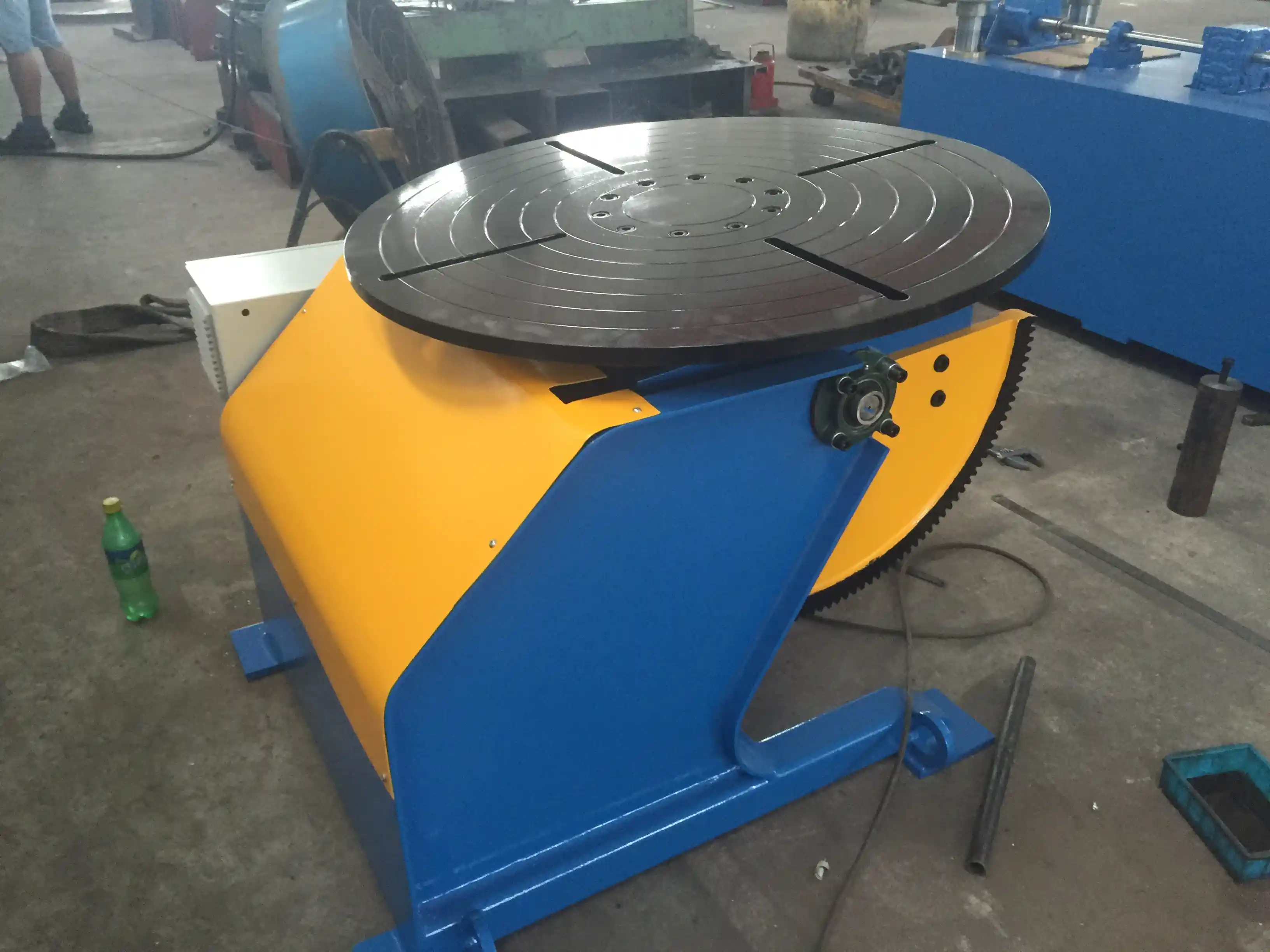
| Composant | Description | Price Impact (Relative) |
|---|---|---|
| Base Machine | Capacity, frame, motor power | Haut |
| Automation Features | Auto tool change, robotics, software | Haut |
| Tooling | Standard and specialized dies/punches | Moyen |
| Système de contrôle | CNC sophistication, HMI, programming | Moyen |
| Installation & Training | On-site setup, operator instruction | Low-Medium |
| After-Sales Support | Warranty, maintenance contracts, spare parts | Low-Medium |
| Financing | Interest rates, lease vs. purchase | Variable |
How Performance Translates to Return on Investment
A panel bending machine price only tells part of the story. What you get back from that investment depends on how the machine performs in actual production. Speed, precision, and reliability each contribute to profitability in different ways. A machine that bends accurately reduces scrap. One that cycles quickly increases throughput. One that runs without unexpected breakdowns keeps your schedule intact.
Precision and Speed Drive Efficiency
High bending accuracy eliminates rework. Every part that comes off the machine within tolerance is a part you don’t have to fix or scrap. Faster cycle times mean more parts per shift, which spreads your fixed costs across a larger output. These gains compound over time. A machine that’s 10% faster and produces 5% less scrap can dramatically outperform a cheaper alternative within a few years.
Material Flexibility Expands Your Options
The ability to work with different materials, including steel, aluminum, stainless steel, and specialty alloys, opens doors to new contracts and product lines. Quick tooling changeovers minimize downtime between jobs. A versatile panel bending machine lets you respond to market opportunities without being constrained by equipment limitations.
| Performance Metric | Business Impact | Catégorie de prestations |
|---|---|---|
| Bending Accuracy | Reduced scrap, less rework, higher part quality | Cost Savings, Quality |
| Durée du cycle | Increased output, faster order fulfillment | Productivity, Revenue |
| Material Versatility | Expanded product range, new market access | Market Reach, Profit |
| Efficacité énergétique | Lower operational electricity costs | Cost Savings |
| Uptime Reliability | Minimized production interruptions | Productivity, Cost Savings |
| Automation Level | Reduced labor, consistent quality, enhanced safety | Labor, Quality, Safety |
Why Automation Justifies a Higher Panel Bending Machine Price
The premium for advanced automation often makes financial sense when you look beyond the initial panel bending machine price. Automated systems reduce labor requirements, which is significant given the ongoing challenge of finding and retaining skilled operators. They also improve safety by keeping workers away from pinch points and heavy materials. Consistency improves because the machine executes the same program the same way every time.
Scalability is another factor. An automated panel bending machine can ramp up production without proportional increases in headcount. Integration with factory management systems enables real-time monitoring, data collection, and predictive maintenance. These capabilities support both operational efficiency and long-term planning.
Automation Impact on Production Workflow:
- Reduced Manual Handling: Automated loading and unloading systems minimize operator interaction with heavy sheet material.
- Faster Tool Changes: Automatic tool changers cut setup times from minutes to seconds.
- Optimized Bending Sequences: Integrated software calculates efficient bending paths, reducing cycle time.
- Consistent Part Quality: Repeatable processes eliminate variation from operator technique.
- Real-time Monitoring: Sensors provide data for performance tracking and preventative maintenance scheduling.
- Increased Throughput: Less downtime and faster cycles add up to higher daily output.
- Lower Labor Costs: Fewer operators needed for routine production tasks.
- Sécurité renforcée : Operators work at a distance from the bending zone.
Total Cost of Ownership Matters More Than Purchase Price
Focusing only on the initial panel bending machine price misses the bigger picture. Total cost of ownership includes everything you’ll spend over the machine’s useful life: energy consumption, maintenance, tooling, labor, and the cost of downtime. A machine with a lower purchase price but higher maintenance requirements and more frequent breakdowns can easily cost more in the long run.
Energy efficiency varies significantly between models. Maintenance expenses depend on machine complexity, parts availability, and the quality of manufacturer support. Depreciation affects your balance sheet, and resale value can offset some of your total investment when you eventually upgrade. Running these numbers before you buy prevents unpleasant surprises later.
| TCO Component | Description | Impact on Long-term Cost |
|---|---|---|
| Purchase Price | Initial capital outlay | Haut |
| Installation & Setup | Freight, foundation, commissioning | Moyen |
| Training | Operator and maintenance staff instruction | Faible |
| Energy Consumption | Electricity usage during operation | Moyen |
| Maintenance & Repairs | Routine servicing, spare parts, unexpected breakdowns | Haut |
| Tooling Costs | Replacement and specialized tooling | Moyen |
| Labor | Operator wages, programming staff | Haut |
| Downtime | Lost production due to maintenance or failures | Haut |
| Depreciation | Reduction in asset value over time | Moyen |
| Resale Value | Estimated value at end of useful life (reduces TCO) | Low (offset) |
Matching Machine Capabilities to Your Actual Needs
The right panel bending machine price is the one that buys you exactly what you need, not more, not less. Overspending on capacity you won’t use ties up capital unnecessarily. Underspending leaves you unable to take on profitable work or forces you to upgrade sooner than planned.
Start with your production volume and part complexity. Consider the materials you work with now and might work with in the future. Think about your floor space and how the machine will integrate into your existing workflow. Evaluate the supplier’s reputation for service and parts availability. A machine is only as good as the support behind it.
Panel Bender Selection Criteria:
- Production Volume: High, medium, or low batch sizes?
- Part Complexity: Simple bends, complex geometries, multiple operations?
- Material Types: Steel, stainless steel, aluminum, exotic alloys?
- Material Thickness & Length: Max capacity required?
- Automation Level: Manual, semi-automatic, or fully automated?
- Tooling Requirements: Standard, specialized, automatic change?
- Budget: Initial purchase price vs. long-term TCO.
- Space Constraints: Machine footprint and workflow integration.
- Energy Efficiency: Power consumption and operational costs.
- Supplier Support: Warranty, service, spare parts availability.
- Future Scalability: Ability to adapt to growth or new products.
Where Panel Bending Technology Is Heading
The panel bending machine market continues to evolve. Artificial intelligence is beginning to appear in bending sequence optimization and quality prediction. Predictive maintenance systems use sensor data to anticipate failures before they cause unplanned downtime. Connectivity improvements make it easier to integrate panel benders into broader factory management systems.
Energy efficiency and material optimization are receiving more attention as sustainability becomes a business priority. The trend toward human-machine collaboration means machines are becoming easier to program and operate, reducing the skill barrier for new operators. Keeping an eye on these developments helps ensure your investment remains competitive.
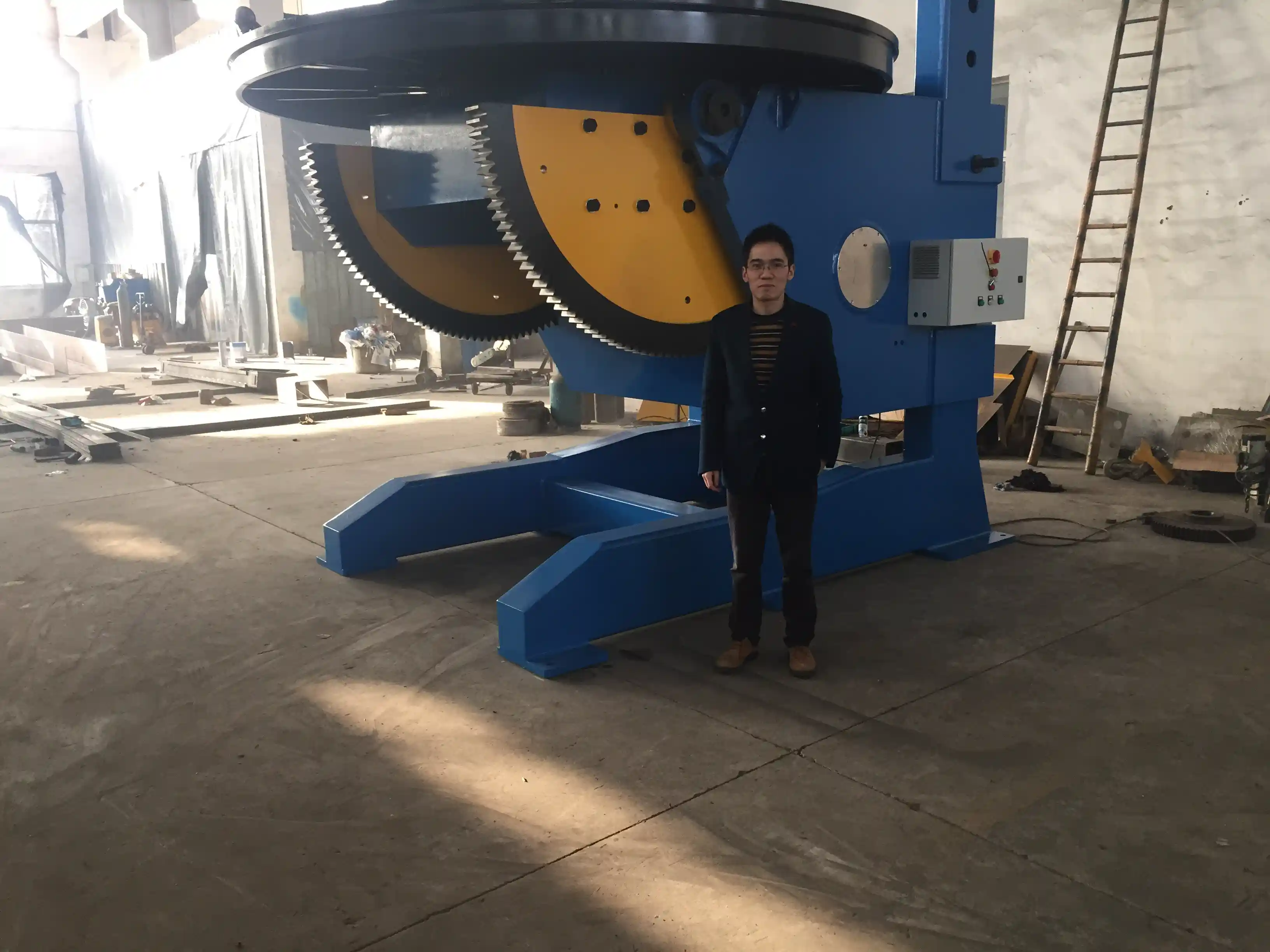
Elevate Your Fabrication Capabilities with WUXI ABK MACHINERY
Ready to optimize your sheet metal fabrication with a high-performance panel bending machine that delivers exceptional investment value? WUXI ABK MACHINERY CO., LTD, with decades of expertise in robust welding and CNC cutting solutions, offers precision-engineered machinery designed for durability and efficiency. Contact our experts today at +86-13815101750 or jay@weldc.com for a personalized consultation and discover how our advanced solutions can elevate your production capabilities.
Frequently Asked Questions About Panel Bending Machines
What is the typical lifespan of a high-performance panel bending machine?
A well-maintained panel bending machine from a reputable manufacturer typically operates effectively for 15 to 20 years or longer. Actual lifespan depends on usage intensity, maintenance consistency, and operating environment. Machines built with heavier frames and quality components tend to hold up better over time. Regular inspections and timely replacement of wear parts extend service life significantly.
How do automated panel bending machines reduce labor costs?
Automation reduces labor costs by handling tasks that would otherwise require operator time and attention. Automatic loading and unloading systems move material without manual intervention. Automatic tool changers eliminate setup labor between jobs. Integrated software reduces programming time. The result is that one operator can often manage multiple machines or focus on higher-value work while the panel bender runs.
Is investing in a premium panel bender always more cost-effective in the long run?
Not always, but often. A premium panel bending machine price typically reflects better build quality, more reliable components, and stronger manufacturer support. These factors tend to reduce maintenance costs, minimize downtime, and extend useful life. For high-volume operations or demanding applications, the total cost of ownership for a premium machine is frequently lower than for a budget alternative. For lighter-duty applications, a mid-range machine might offer the best value.
Si cela vous intéresse, consultez ces articles connexes :
Comment améliorer la qualité du soudage de tubes grâce à un positionneur de soudage de haute précision
Rotateurs de tubes et rouleaux de tournage : Équipement essentiel pour la fabrication moderne de pipelines
 English
  Español
  Français
  Deutsch
  Português
  Русский