
Uneven cuts from a CNC flame cutter create problems that ripple through the entire production workflow. Material gets scrapped, secondary grinding operations pile up, and parts that should fit together cleanly end up requiring rework. After years of working with manufacturers who face these issues daily, the patterns become recognizable. Most inconsistent flame cuts trace back to a handful of root causes that respond well to systematic diagnosis. This guide walks through the main culprits and the adjustments that restore clean, uniform cuts.
Why CNC Flame Cuts Turn Out Uneven
Achieving uniform cuts with a CNC flame cutter demands precise control over multiple variables working together. When cut quality drops, pinpointing the specific cause matters more than general troubleshooting. Uneven cut surfaces often point to torch alignment problems or cutting speeds that drift during operation. Kerf width that varies along a single cut suggests gas pressure fluctuations or a nozzle that has worn beyond its useful life. Thermal distortion shows up frequently on thicker plates, usually because preheating was insufficient or heat input ran too high for the material thickness.
| Cut Defect | Primary Symptom | Potential Causes |
|---|---|---|
| Uneven Cut Surface | Roughness, striations, inconsistent finish | Incorrect cutting speed, torch height, gas pressure |
| Kerf Width Variations | Non-uniform gap, tapered cuts | Worn nozzle, unstable gas flow, incorrect speed |
| Excessive Dross | Hard, tenacious slag on bottom edge | Low cutting speed, incorrect oxygen pressure, dirty material |
| Bevel Angle Inconsistency | Non-uniform edge angle | Torch misalignment, worn consumables, machine vibration |
| Notches/Gouges | Irregularities along the cut edge | Contaminated gas, unstable arc, material impurities |
Getting Torch and Gas Settings Right for Clean Edges
Consistent edge quality in CNC flame cutting depends on getting torch and gas parameters dialed in correctly. These settings control the flame’s intensity, shape, and how efficiently it moves through the material. Torch height control deserves particular attention because even small deviations widen the kerf, leave excessive dross, or risk torch damage. Gas pressure settings for both oxygen and fuel gas need calibration based on what you’re cutting and how thick it is.
Cutting speed requires a balancing act. Move too slowly and heat builds up, causing thermal distortion. Move too fast and the cut doesn’t penetrate cleanly. The preheat flame needs adjustment so the material reaches ignition temperature before the main cutting oxygen kicks in. Oxygen purity matters more than many operators realize. Even minor impurities degrade cut quality noticeably. When bevel angles come out inconsistent, the fix usually involves checking torch angles and confirming the machine moves smoothly without vibration or hesitation.
How does gas pressure affect flame cutting quality?
Gas pressure has a direct impact on flame cutting quality. When cutting oxygen pressure runs too low, the flame lacks the force needed to push molten metal out of the kerf. The result is a rough, uneven cut with slag clinging to the bottom edge. Pressure that runs too high creates different problems. The flame blows material out too aggressively, widening the kerf beyond acceptable tolerances and sometimes eroding the top edge of the cut.
Fuel gas pressure and preheat oxygen pressure affect how well the preheating flame prepares the material. If preheating falls short, the main cut starts before the metal reaches optimal temperature, and quality suffers. Maintaining steady gas flow rates throughout the cut keeps results consistent from start to finish.
For more detailed insights into enhancing your welding processes, consider reading 《Comment améliorer la qualité du soudage de tubes grâce à un positionneur de soudage de haute précision》.
Consumable Wear and Machine Calibration Problems
Worn consumables and calibration drift account for a large share of uneven flame cuts. Nozzle wear stands out as a particularly common issue. As a nozzle wears, it loses the ability to focus the oxygen stream tightly. The flame spreads out, the kerf widens, and edge quality deteriorates. Regular inspection catches wear before it affects production, and timely replacement keeps cuts consistent.
Machine calibration ensures the cutting head follows the programmed path accurately. Misalignment shows up as angularity problems or cuts that wander from the intended line. Selecting the correct cutting tip for the material thickness and type also affects results. A tip sized for thin plate won’t perform well on heavy plate, and vice versa. Regular maintenance and prompt replacement of worn parts keep the machine performing as designed.
Material Characteristics and Environmental Conditions
Machine parameters only tell part of the story. Material properties and environmental conditions also influence cut uniformity. Impurities in the steel, such as slag inclusions or variations in alloy content, disrupt the cutting process. The kerf forms inconsistently and dross accumulates in unpredictable patterns.
Surface rust or mill scale acts as an insulator, blocking effective preheating and causing irregular ignition. Plate flatness matters because warped or uneven plates change the torch height as the cut progresses, leading to uneven results. Environmental factors like ambient temperature and humidity affect gas flow stability and how quickly heat dissipates from the cut zone. Proper material handling and storage minimize these variables and help maintain consistent cutting results.
Can material impurities lead to uneven flame cuts?
Material impurities definitely contribute to uneven flame cuts. Variations in steel composition, particularly inconsistent carbon or alloy content, change the material’s melting point and how readily it oxidizes. These variations make uniform cutting difficult because the flame encounters different conditions along the cut path.
Oxide scale and surface contamination create barriers that interfere with the preheating flame. Paint, grease, or heavy scale cause erratic ignition and uneven heat distribution. The cut surface comes out rough, dross accumulates heavily, and kerf width varies. Pre-processing steps like cleaning and descaling improve cut quality significantly when surface contamination is present.
Troubleshooting Methods and Preventative Approaches
Sustained high-quality CNC flame cutting requires both effective troubleshooting when problems arise and preventative measures that catch issues early. A solid preventative maintenance schedule, covering daily checks and periodic overhauls, reduces unexpected downtime and keeps machine performance consistent. This includes inspecting guide rails, gas lines, and electrical connections on a regular basis.
Quality control should include regular analysis of cut samples to detect subtle deviations before they become serious problems. Operator training on machine operation, parameter adjustment, and troubleshooting techniques gives the workforce the skills to address minor issues before they escalate. Checking CNC programs for errors before running them prevents material waste. Automated cutting systems with real-time feedback can adjust parameters during operation, catching variations that would otherwise affect edge quality.
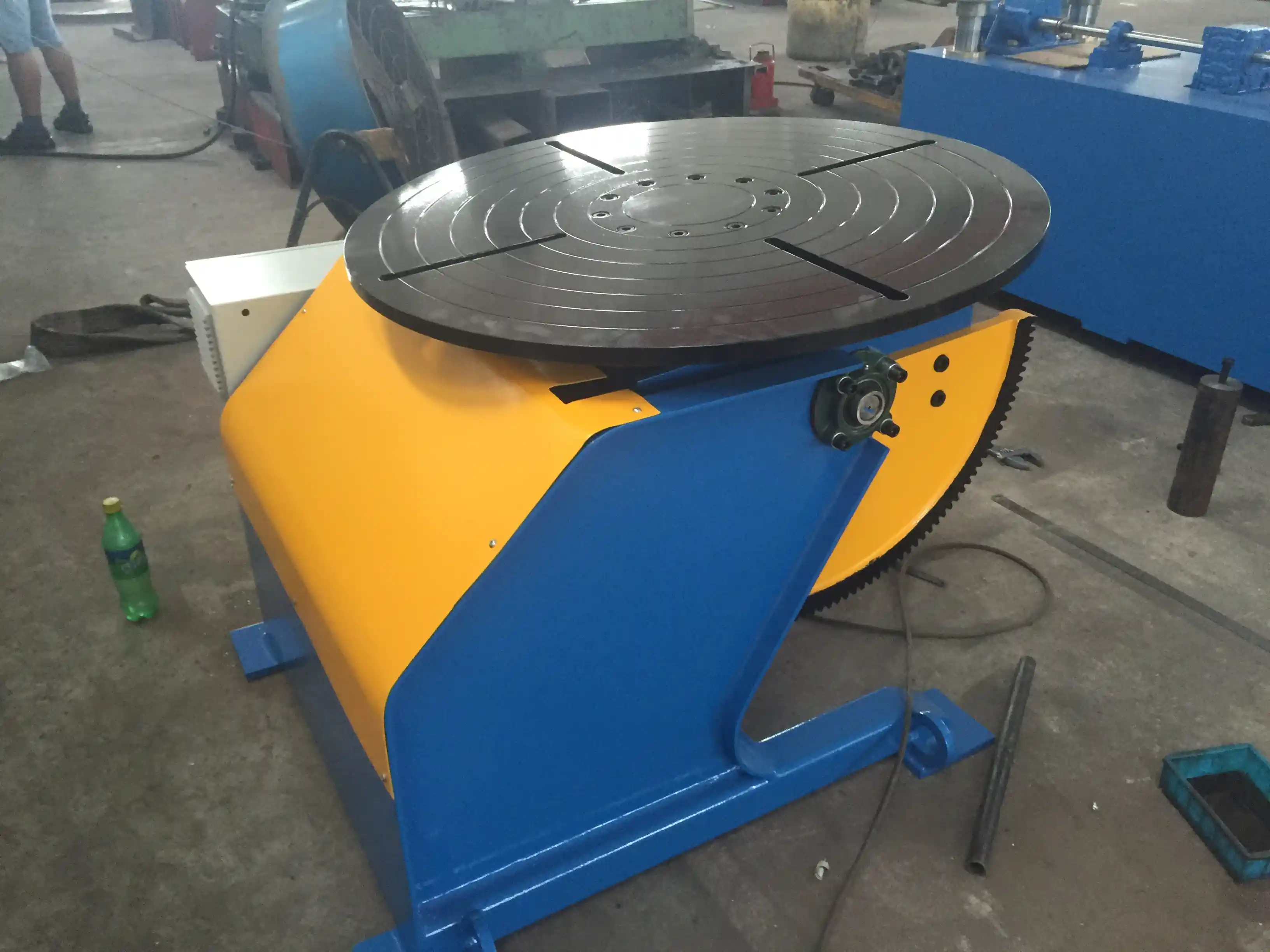
For insights into optimizing space and efficiency, explore 《L'espace de l'atelier est trop petit ? Comment les rampes à colonnes permettent de gagner de l'espace au sol 50% tout en renforçant la sécurité et l'efficacité》.
Recognizing Signs of Poor Cut Quality
Identifying poor cut quality early allows for prompt intervention and keeps production moving efficiently. Excessive dross accumulation is often the most obvious indicator. This hard, tenacious slag on the bottom edge of the cut signals that cutting parameters need adjustment.
A rough cut surface with pronounced striations or drag lines indicates incorrect cutting parameters. Notches and gouges along the cut edge point to unstable cutting conditions or material inconsistencies. Angularity issues, where the cut edge isn’t perpendicular to the plate surface, typically trace back to torch misalignment or improper gas pressures. Localized hardening or excessive cut edge hardness can indicate imbalanced heat input or cooling rates. Recognizing these symptoms quickly allows for effective troubleshooting and parameter adjustments before significant material gets wasted.
Frequently Asked Questions About CNC Flame Cutting Quality
How can I reduce dross formation during CNC flame cutting?
Reducing dross formation starts with optimizing cutting speed for the material thickness. Correct torch height, proper oxygen and fuel gas pressures, and the right nozzle size for the job all contribute to cleaner cuts. Regular nozzle cleaning and high oxygen purity also minimize dross. When dross still accumulates despite correct settings, check for material surface contamination or composition variations.
What role does torch height play in preventing uneven flame cuts?
Torch height directly affects cut quality. When the torch sits too high, the flame spreads out, widening the kerf and creating a tapered, inconsistent cut. When it sits too low, flashback risk increases, the nozzle can sustain damage, and excessive dross forms on the bottom edge. Maintaining the optimal standoff distance keeps the flame focused and the cut uniform. Automatic torch height control systems help maintain this distance consistently, especially on plates with surface variations.
Why is my CNC flame cut quality inconsistent across different parts of the same plate?
Inconsistent cut quality across a single plate usually points to one of several issues. Uneven plate flatness causes torch height to vary as the cut progresses. Thermal distortion can build up during the cut, especially on larger parts, changing the material’s position relative to the torch. Variations in material composition across the plate also cause inconsistent results. Machine-related factors like worn guide rails, loose mechanical components, or gas supply that fluctuates during the cut contribute as well. Regular machine calibration and consistent material quality address most of these issues.
Elevate Your Production with WUXI ABK Cutting Solutions
Ensure your production line consistently delivers superior quality with WUXI ABK MACHINERY CO., LTD’s advanced CNC cutting solutions. Our expertise in welding and cutting equipment, backed by decades of innovation, provides the precision and reliability you need. Contact us today at +86-13815101750 or jay@weldc.com to discuss how our robust machines and dedicated support can optimize your operations and eliminate uneven cut quality issues.
 English
  Español
  Français
  Deutsch
  Português
  Русский