Adaptive welding feels like the upgrade many shops have been waiting for. We’ve seen conventional methods stumble when materials vary or conditions drift. With real-time corrections baked into the process, adaptive systems hold weld quality steady and cut rework sharply. Parameters adjust on the fly, guided by live feedback from the weld itself.
Understanding Adaptive Welding Technology
Adaptive welding systems mark a clear departure from conventional approaches. We define adaptive welding as a process where welding parameters are automatically adjusted in real-time. The adjustments are driven by feedback from sensors watching the weld pool and the surrounding environment. This dynamic control keeps weld quality on target even when materials or conditions change. Traditional welding leans on pre-programmed settings, which can fall short when unexpected variables appear. Rapid response to shifting conditions is what separates adaptive welding. It lowers defect rates, trims material waste, and lifts overall productivity. Our experience shows this technology is indispensable for high-stakes work where weld integrity must not be compromised.
1. What is Adaptive Welding and Why it Matters
Adaptive welding is a sophisticated process that continuously monitors and modifies welding parameters during operation. This real-time adjustment capability ensures consistent weld quality. It matters because it compensates for inherent variabilities in materials, joint fit-up, and environmental conditions. Without adaptive control, these variations often cause defects, leading to costly rework or scrap. By preserving optimal welding conditions, adaptive systems raise both structural integrity and visual finish. Industries with demanding quality requirements, such as aerospace and automotive manufacturing, depend on this technology. It also cuts down on human error and reduces the need for highly specialized manual intervention.
2. Core Principles of Real-Time Parameter Adjustment
The core principle of real-time parameter adjustment is a closed-loop control system. Sensors continuously collect data from the welding process, such as arc voltage, current, wire feed speed, and temperature. This data flows to a control unit. The control unit compares actual measurements against desired parameters. When deviations appear, the system calculates and applies immediate corrections to maintain stability and quality. The rapid feedback loop keeps the weld within specified tolerances. It blunts the impact of external disturbances or material inconsistencies. This ongoing optimization underpins high-quality, repeatable welds.
Benefits and Advantages for Modern Manufacturing
Adaptive welding brings tangible gains to modern manufacturing. It targets persistent issues like uneven weld quality, high rework rates, and bottlenecks. By automating parameter adjustments, adaptive systems sharpen precision and reliability. The result is lower operating costs and higher throughput. The approach also supports production flexibility. It handles diverse materials and complex geometries with minimal manual input. In the end, adaptive welding drives a more efficient, cost-effective, and higher-quality manufacturing flow.
1. Enhancing Weld Quality and Consistency
Adaptive welding raises weld quality and consistency in measurable ways. The system tracks the process continuously. It makes micro-adjustments to parameters like voltage, current, and travel speed. The weld pool stays stable and predictable. Differences in material thickness, joint gap, or heat dissipation are automatically compensated. That means fewer defects such as porosity, lack of fusion, and distortion. You get a stronger, more uniform bead with improved mechanical properties. The consistency also eases the load on post-weld inspection and rework.
2. Boosting Productivity and Efficiency
Adaptive welding systems lift productivity and efficiency at scale. Automated parameter adjustments cut out frequent manual tweaks. Setup times shrink and downtime drops. Consistent weld quality reduces rejected parts. Less rework pushes throughput higher. Operators can supervise multiple stations instead of constantly tuning one. Labor and resources go further, which lifts volumes and lowers per-unit costs. The process runs cleaner and more economically.
How Adaptive Welding Systems Work in Practice
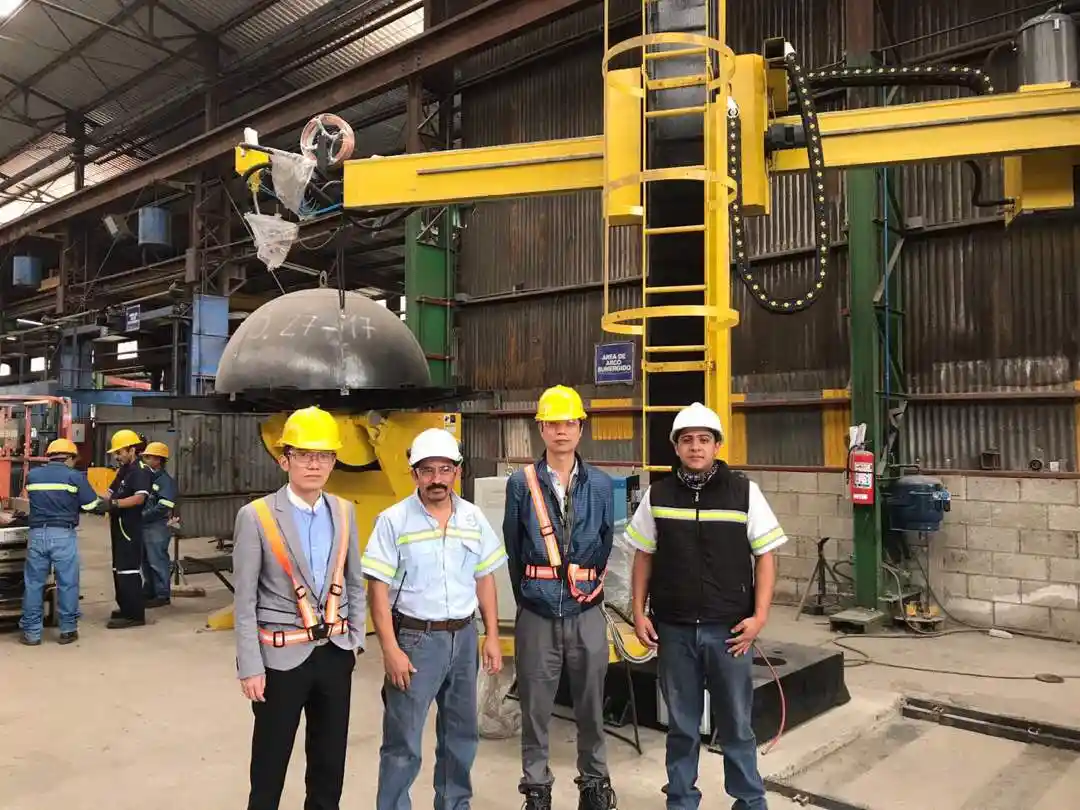
Adaptive welding systems rely on a coordinated blend of sensors, data processing, and control. They monitor the welding environment and the workpiece in real time. Instantaneous adjustments follow to preserve weld quality. That responsiveness is key to managing the inherent variability in welding. Knowing the components and their roles makes the practical use of this technology straightforward.
1. Sensor Feedback and Data Acquisition
Sensor feedback and data acquisition sit at the core of adaptive welding. Sensors are positioned to capture critical signals. Vision systems record the weld pool and joint geometry. Thermal cameras track temperature distribution and heat input. Acoustic sensors listen for changes in arc stability. Current and voltage sensors log electrical parameters. Data streams continuously from these sources. It is digitized and sent to the control unit. Accuracy and speed in acquisition are paramount. They enable timely reactions to dynamic welding conditions.
2. AI and Machine Learning in Welding Control
Artificial intelligence (AI) and machine learning (ML) are integral to advanced welding control. They process the large data volumes coming from sensors. Patterns emerge, and the system predicts optimal parameter moves. AI algorithms learn from successful welds and adapt as conditions shift. The system then makes autonomous, informed decisions. Machine learning models keep refining their view of the process. Their ability to preserve quality and efficiency improves over time. Intelligent control trims human intervention and stabilizes the workflow.
3. Practical Applications Across Industries
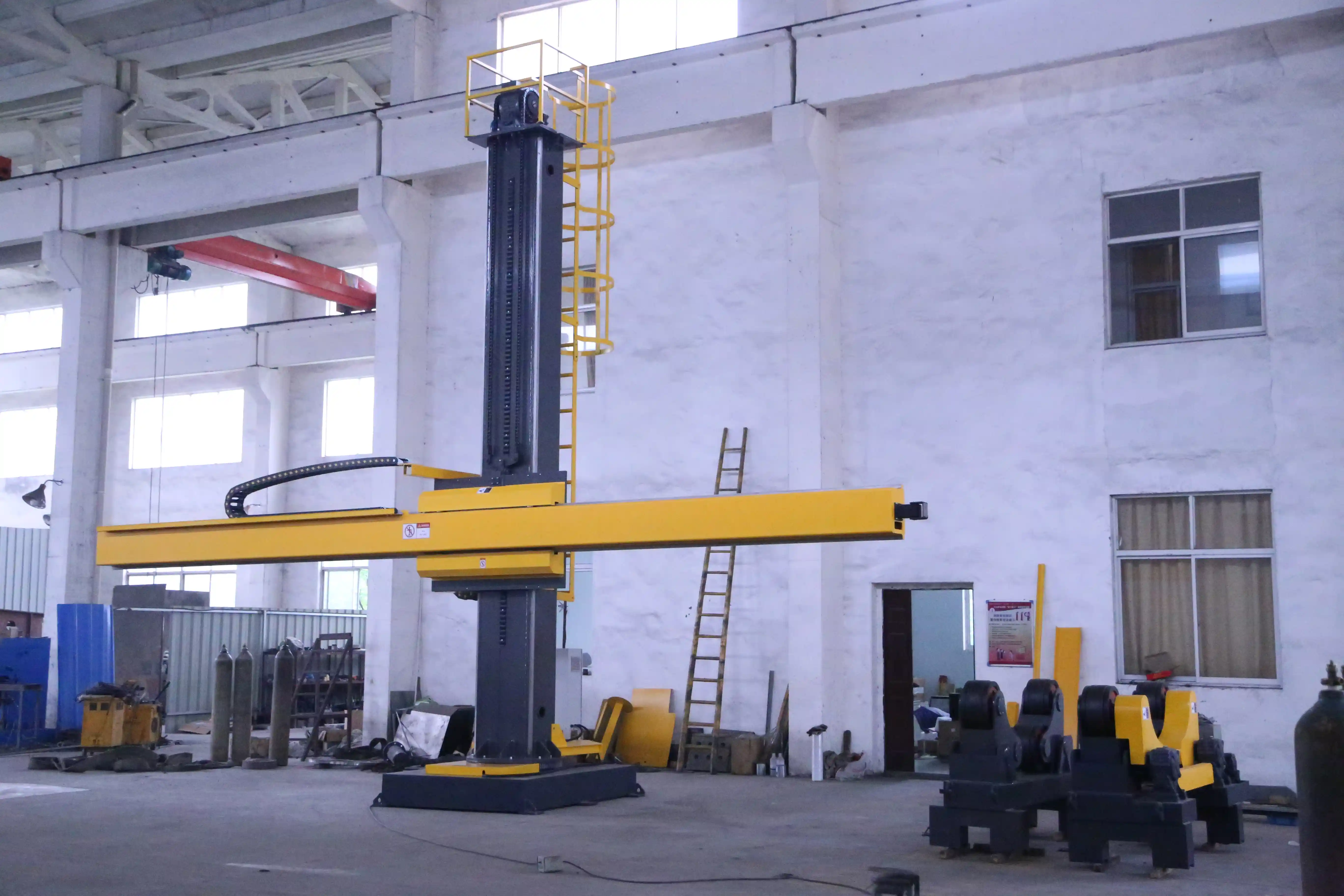
Adaptive welding systems are working across many industries. In automotive manufacturing, they deliver consistent, high-strength welds for chassis and structural components. Aerospace uses them for critical parts where precision and integrity are nonnegotiable. Heavy machinery fabrication gains robust, durable joints through adaptive control. Pressure vessel manufacturing depends on these systems for defect-free circumferential and longitudinal seams. In shipbuilding and wind tower production, adaptive welding supports efficiency and structural reliability. Their versatility makes them a strong fit for complex, demanding welding tasks.
For further insights into optimizing welding processes, consider reading 《Manipulateurs de soudage pour la fabrication de tours éoliennes : Révolutionner l'efficacité de la production》. This resource offers valuable perspectives on enhancing production through advanced welding solutions.
Implementing Adaptive Welding Solutions
Implementing adaptive welding solutions takes careful planning and the right equipment choices. We assist clients in evaluating their specific production needs and integrating systems that deliver measurable improvements. This involves assessing current welding processes, pinpointing pain points, and recommending tailored adaptive technologies. Our expertise helps teams transition smoothly to more efficient and reliable operations.
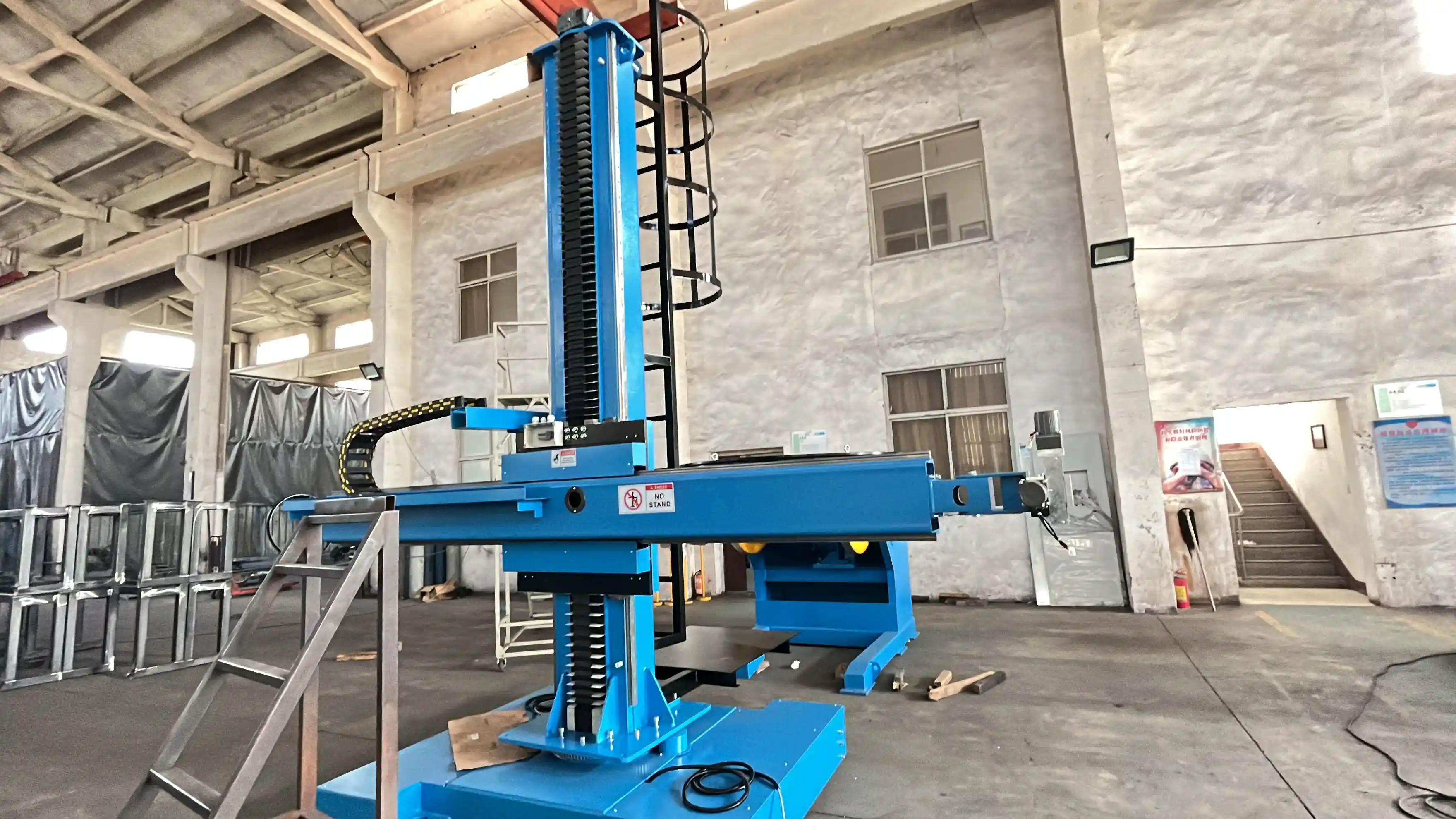
When considering a Welding Manipulator, evaluate its horizontal and vertical travel capabilities. For instance, the LH8080 offers 8000 mm horizontal and 8000 mm vertical travel, suitable for large components. Models like the LH1235 provide more compact options with 1200 mm horizontal and 3500 mm vertical travel. Rotation capabilities also vary, with some models offering ±180° and others up to 360° manual rotation. Speed controls for rotation, boom elevating, and boom forward movements are critical for precise operation. Rail distance is another important parameter, ranging from 1000 mm for smaller units to 2700 mm for larger systems. We ensure compatibility with various welding applications, including boiler fabrication and pressure vessel welding.
| Modèle | Horizontal Travel (mm) | Vertical Travel (mm) | Rotation | Max Load | Applications |
|---|---|---|---|---|---|
| LH8080 | 8000 | 8000 | ±180° | N/A | Boiler, Pressure Vessel |
| LH4580 | 4500 | 8000 | ±180° | N/A | Storage Tank, Wind Tower |
| LH5060 | 5000 | 6000 | ±180° | N/A | Chemical Equipment |
| LH3040 | 3000 | 4000 | ±180° | N/A | Heavy Steel Structure |
| LH1235 | 1200 | 3500 | 360° (manual) | N/A | General Fabrication |
For precision work, a Positionneur à 3 axes is often essential. Our 1-ton 3 Axis Positioner provides synchronized turning 180°, rotating 360° continuous, and tilting 0-90°. It boasts ±0.05 mm positioning accuracy and 0.02 mm repeatability. This makes it ideal for automotive part welding and aerospace component fabrication. The system integrates with ABB, KUKA, and FANUC robots, enhancing automation. Safety features include overload shutdown and emergency braking. The IP54-rated control cabinet ensures durability in demanding environments.
| Parameter | 1 Ton 3 Axis Positioner | 2 Ton 3 Axis Positioner | Positionneur de soudage 3 axes 3 tonnes | Table de positionnement à trois axes 5 tonnes |
|---|---|---|---|---|
| Max Load | 1 ton | 2 tons | 3000 kg | 5000 kg |
| Précision du positionnement | ±0,05 mm | 0.05 mm | ±0,05 mm | ±0,05 mm |
| Répétabilité | 0,02 mm | 0,02 mm | 0,02 mm | 0,02 mm |
| Rotation | 360° continuous | 360° continuous | 360° continuous | 360° continuous |
| Tilt Range | 0-90° | 0-90° | 0-90° | 0-90° |
| Robot Compatibility | ABB, KUKA, FANUC | ABB, KUKA | ABB, KUKA, FANUC, Yaskawa | ABB, KUKA, FANUC, Yaskawa |
| Applications | Automotive, Aerospace | Automated Welding Cells | Automotive Chassis | Pressure Vessel, Structural Steel |
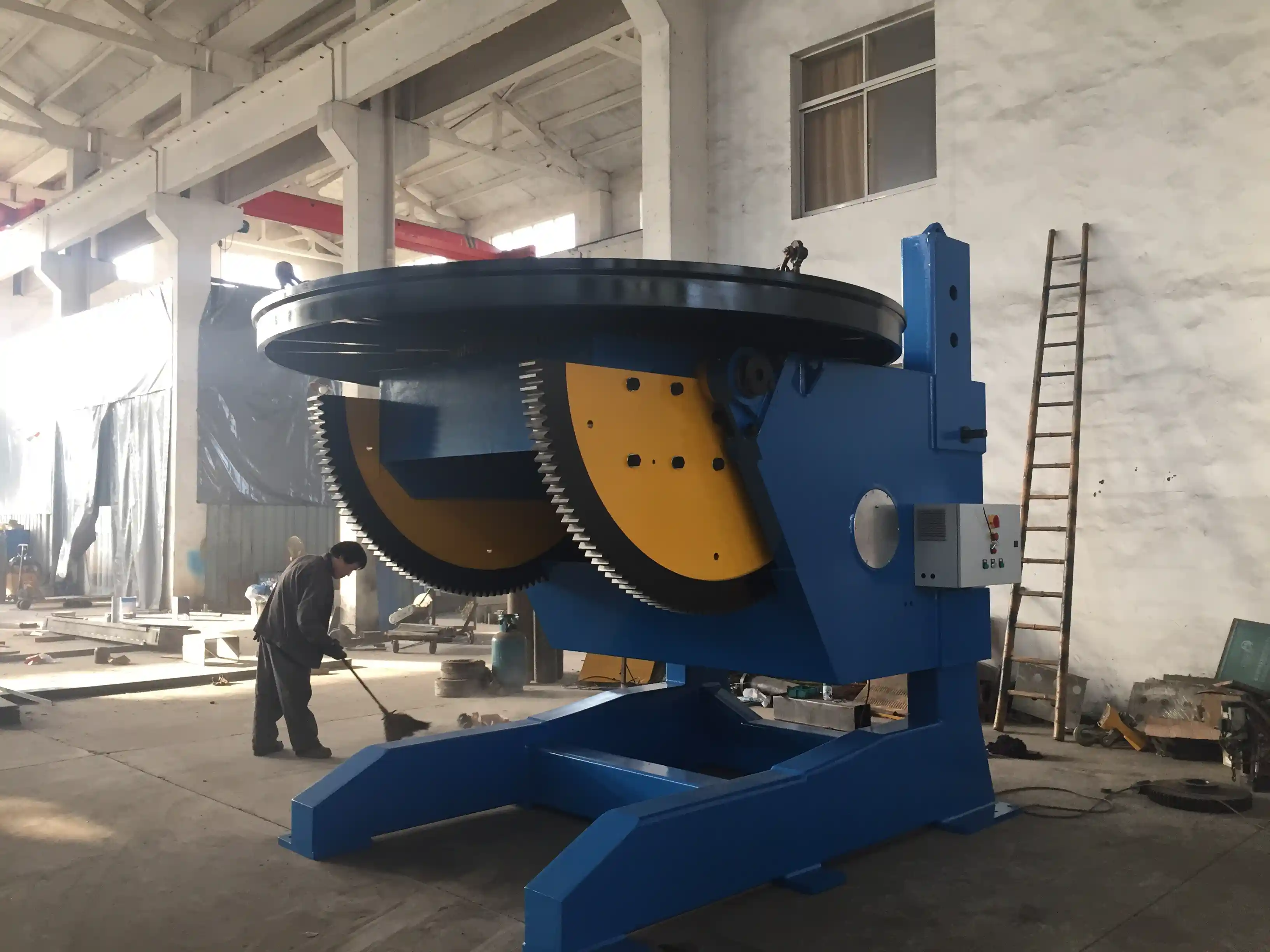
Our fixed height positioners, like the HBJ-10 and HBJ-50, offer robust solutions for various applications. The HBJ-10 has a 1000 kg load capacity, 0.05–0.5 RPM rotating speed, and 0–90° turnover angle. It is suitable for excavator booms and wind turbine flanges. The HBJ-50 handles 5000 kg, with similar speed ranges and a 0–120° turnover angle. Both models feature Siemens PLC control and IP54 protection. They are designed for heavy-duty applications, ensuring precision and durability.
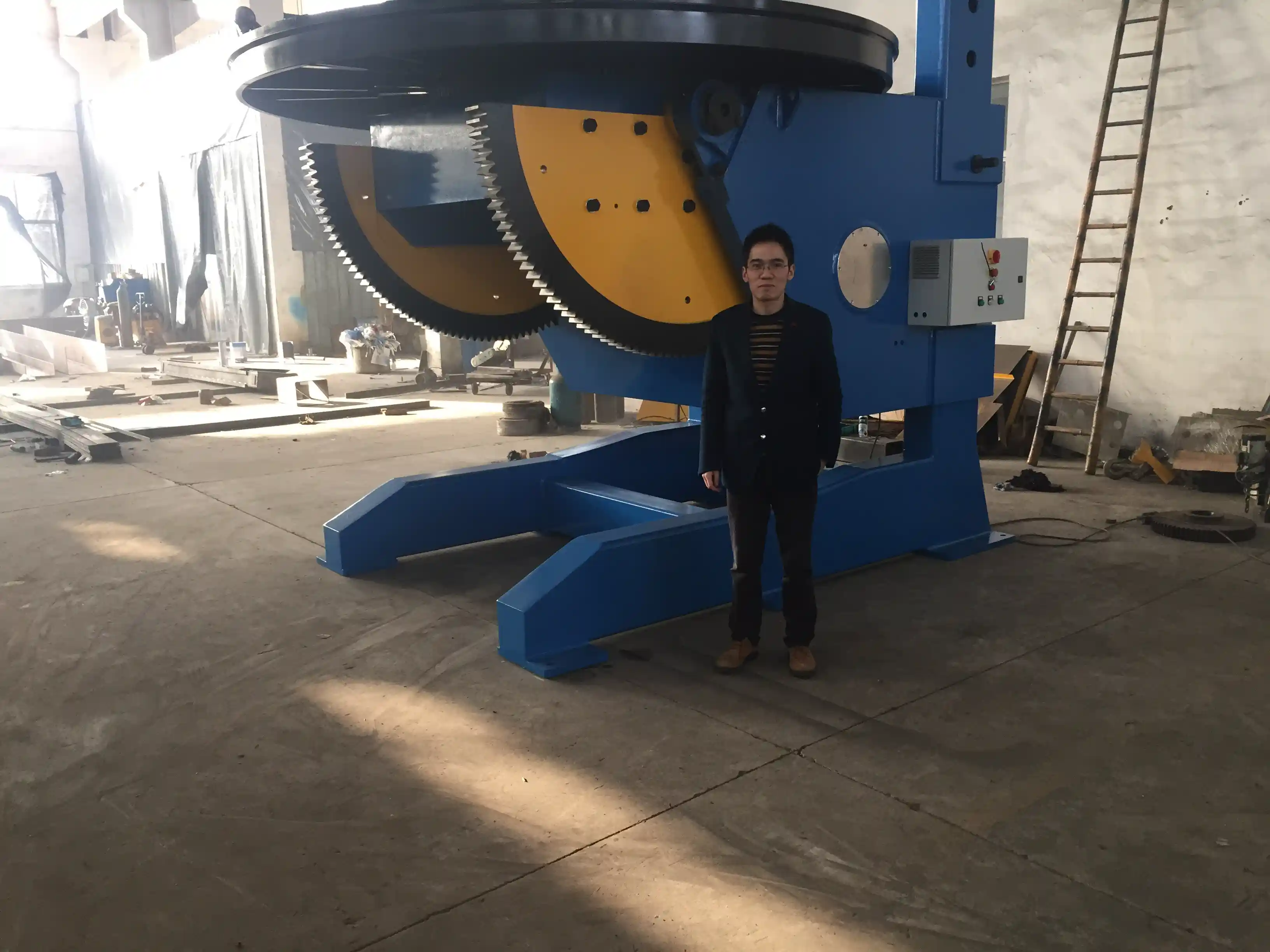
For more information on improving welding quality, read 《Comment améliorer la qualité du soudage de tubes grâce à un positionneur de soudage de haute précision》. This article provides detailed insights into achieving superior weld integrity.
The Future of Welding with Real-Time Adaptation
The future of welding is intrinsically linked to real-time adaptation and intelligent automation. We anticipate increasingly sophisticated systems that integrate advanced sensor technologies and predictive analytics. This will allow for even greater precision and efficiency. Future adaptive welding solutions will likely incorporate more advanced AI, enabling self-optimization and proactive maintenance. This evolution will further reduce human intervention, enhance safety, and drive significant cost savings across all manufacturing sectors. The industry is moving towards fully autonomous welding cells, where machines can identify, adapt, and correct welding processes without human oversight.
The integration of adaptive technology will make welding processes more resilient to variables. This includes material inconsistencies and environmental shifts. We foresee a future where complex geometries and exotic materials are welded with unprecedented ease and accuracy. This will unlock new possibilities in product design and manufacturing capabilities. The continuous development in this field promises to redefine industry standards. It will establish new benchmarks for quality, speed, and cost-effectiveness. Our commitment is to remain at the forefront of these advancements. We will provide our clients with the most innovative and effective welding solutions.
Frequently Asked Questions
What is the main difference between adaptive welding and traditional welding?
Adaptive welding automatically adjusts parameters in real-time based on sensor feedback to compensate for variations. Traditional welding relies on pre-set parameters and manual adjustments. This dynamic capability of adaptive systems ensures consistent quality and reduces defects, making it superior for complex or variable applications.
Can adaptive welding be used for all types of materials and processes?
While highly versatile, the applicability of adaptive welding depends on the specific process and material. Advanced systems are continuously being developed to cover a wider range, but some niche applications may still require specialized approaches. Consult with experts like WUXI ABK MACHINERY for specific material compatibility.
What are the typical ROI benefits of investing in adaptive welding technology?
Investing in adaptive welding typically yields significant ROI through reduced material waste, lower rework costs, increased production speed, improved weld quality, and reduced reliance on highly specialized manual labor, leading to overall operational efficiency and cost savings.
How does AI and machine learning contribute to adaptive welding?
AI and machine learning algorithms analyze real-time sensor data to identify deviations from optimal welding conditions. They then predict necessary parameter adjustments and execute them autonomously, continuously learning and optimizing the welding process for superior quality and efficiency.
Optimize Your Welding Processes Today
Ready to revolutionize your welding operations with real-time parameter adjustment? Contact WUXI ABK MACHINERY CO., LTD today for a consultation on our advanced welding equipment and CNC cutting machines, tailored to your specific needs.
Courriel : jay@weldc.com
Mobile : +86-13815101750
 English
  Español
  Français
  Deutsch
  Português
  Русский