Water jet cutting machine cost is rarely set by the invoice price alone. In most fabrication shops we quote, the larger part of the decision turns on pump horsepower, table size, abrasive feed, and power draw over the first two years. A buyer who compares only the purchase price can easily choose a machine that costs more per cut than a higher priced unit with a better abrasive metering system. This article separates the purchase price from the operating expenses that accumulate month after month, so you can build a realistic total cost before you approve a budget.
Water Jet Cutting Machine Purchase Price Starts with Pump Power and Table Size
The purchase price on a water jet cutting machine follows a small set of technical choices. The pump package is the largest one. Intensifier pumps use hydraulic cylinders to compress water to 60,000 psi or 4,100 bar, and they carry a higher initial price than direct drive pumps of similar flow because the hydraulic circuit and booster seals add cost. Direct drive pumps use a mechanical crank or servo drive and tend to cost less upfront while consuming less energy at partial load.
Table size and frame stiffness add the next layer. A 2 m by 4 m table with a driven gantry costs more than a 1 m by 1 m table because the rails, bearings, drive motors, and cable carriers scale with travel. For heavy plate shops, a taller bridge and stronger ball screw or rack drive raise the price. These are not premium options, they change how accurately the machine holds a corner at speed.
| Cost Driver | What It Changes | What to Check |
|---|---|---|
| Pump type | Intensifier or direct drive changes initial cost, power draw, and seal service | Required flow per hour, not just maximum pressure |
| Table size | Longer travel adds frame, rail, drive, and cable carrier cost | Maximum part width and whether you need multiple heads |
| Abrasive delivery | Metering accuracy, hopper capacity, and removal affect operating cost | Grams per minute at the target cutting speed |
| Cutting head | Orifice and mixing tube material affect price and replacement interval | Expected hours per mixing tube |
| Motion/CNC | Accuracy class and acceleration change edge quality | Corner tolerance and any 3D or taper requirements |
| Water treatment | Closed loop cooling and filtration protect the pump | Water source, disposal rules, and pump seal life |
The table shows why a low purchase price can hide a weak pump or a poorly matched abrasive delivery system. Those items reappear later as operating cost.
Hourly Water Jet Cutting Machine Cost Includes More Than Electricity
The hourly rate on a water jet depends on five cost buckets: electricity, abrasive, water, consumables, and labor. Shops that only model electricity miss the largest cost. A 22 kW pump running at a partial duty cycle may draw only a few dollars per hour at 0.10 USD per kWh, while abrasive at a typical feed range can pass 10 USD per hour. The spread is wide, and it changes the buyer’s payback calculation far more than a small discount on the machine.
Water use includes makeup water and cooling loop energy. In a closed loop system, the cooling pump adds its own demand. Labor and setup time belong in the hourly rate as well. A machine that needs frequent nozzle cleaning or slow abrasive refill consumes labor that never appears on the electric bill. We ask about the operator’s full shift, not only the cut time. That is why a buyer should request a cutting cost calculation based on part geometry, material grade, and weekly cutting hours.
Abrasive Consumption Often Becomes the Largest Variable
Abrasive is the cost item that surprises most new users. The metering rate is set in grams per minute, and it should match the orifice diameter and material thickness. Feed too much abrasive and the nozzle can choke, wasting garnet and producing rough cut edges. Feed too little and the cutting speed falls, so the machine runs longer per part. In either case the cost per part rises.
Thin aluminum may cut cleanly at a low feed rate, while thick stainless steel requires a higher rate and a longer travel path. We look at abrasive cost per linear meter of cut, not per hour, because a slow cut on thick plate can consume more total garnet even if the feed rate per minute looks moderate.
One practical control is to compare garnet consumption across different pump packages and nozzle combinations before the order is placed. A more expensive abrasive metering valve can pay for itself quickly if it keeps the feed within the range the mixing tube can use. This is the place where a small technical choice changes the total cost of ownership most.
If your program involves multiple material thicknesses or a second shift, confirm the abrasive feed rate and expected mixing tube life before you lock the budget. Send your material grade, thickness range, and monthly cutting hours to jay@weldmc.com and we will calculate the operating cost with the pump package you are considering.
Maintenance, Consumables, and Downtime Change the Total Cost
Consumables include the orifice, mixing tube, focus tube, high pressure seals, check valves, and inlet filters. The mixing tube is the most visible item because it wears with every cutting hour. Depending on garnet grade and water quality, a mixing tube can last from roughly 40 to 80 cutting hours before the jet loses coherence. An orifice may last longer, but poor water filtration shortens both.
Water quality is a maintenance cost multiplier. Abrasive particles and dissolved minerals accelerate seal wear and can cause pressure fluctuations that show up as uneven edge finish. A closed loop water treatment system adds purchase cost but removes many of the failures that otherwise interrupt production. We treat it as a pump protection item, not an optional addition.
Downtime is the least visible expense. A machine that stops for a week while a replacement part ships loses more than the part price; it loses scheduled output and ties up the operator. When we compare water jet cutting machines for a fabrication shop, we look at common spare parts stock, lead time, and whether the supplier can ship from local inventory.
After cutting, parts often move to positioning and welding stations, so capacity planning should include those downstream hours.
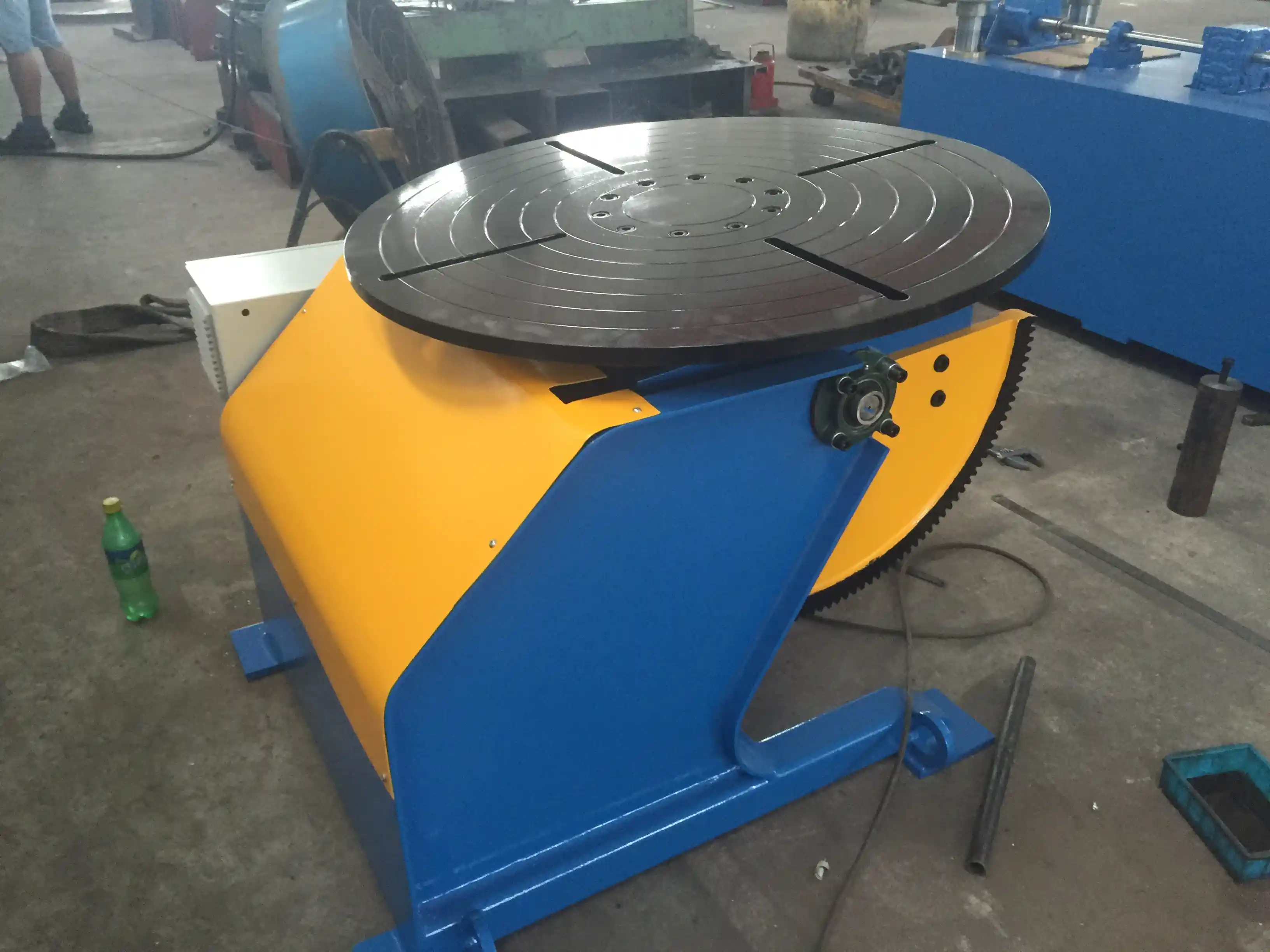
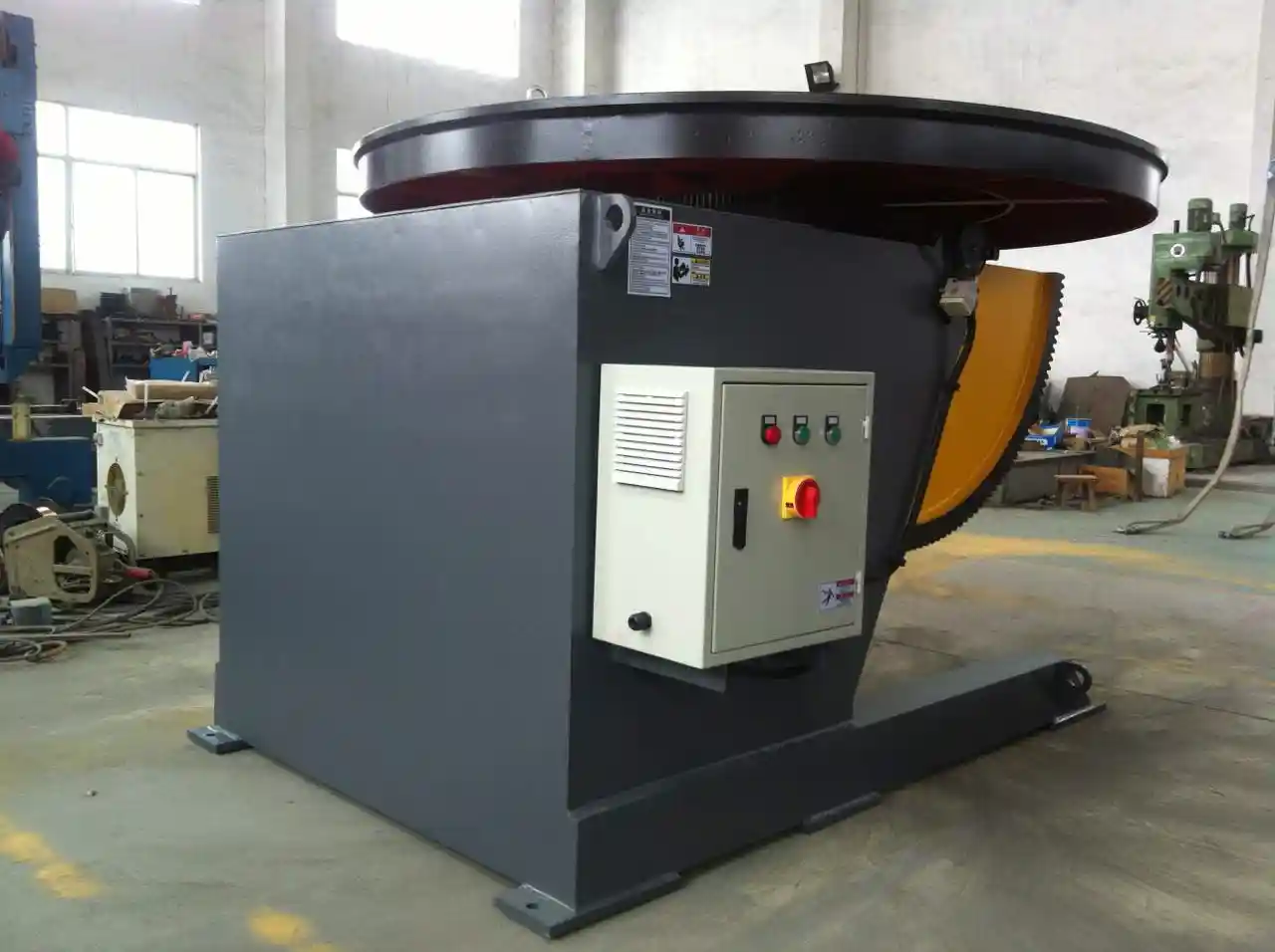
For parts that leave the water jet as pipe sections or vessel shells, the next station’s positioning accuracy can remove the benefit of a fast cut. <Une valeur d'application exceptionnelle : Comment les positionneurs de soudage à hauteur fixe favorisent les progrès dans l'industrie de l'offshore et de la construction navale> covers how fixed-height positioners reduce setup time on large curved parts, which changes the total lot cost after cutting.
Comparing Water Jet Cutting Machine Cost with Plasma and Laser Systems
Water jet cutting machine cost looks high when compared only against a plasma table, so the comparison needs a second column: material range and edge condition. Plasma is cheaper for straight cuts on conductive metal. Laser usually outperforms water jet on thin sheet throughput. Water jet earns its cost in materials that cannot tolerate heat, such as thick stainless, aluminum, glass, stone, and composites, and in parts that require no heat affected zone.
The table below separates the technologies by cost behavior, not by maximum cut speed alone.
| Technology | Purchase Price | Hourly Operating Cost | Best Fit |
|---|---|---|---|
| Water jet | Moderate to high | High abrasive cost | Heat sensitive, thick, or mixed materials |
| Plasma | Low to moderate | Moderate consumables | Fast cuts on conductive metal |
| Laser | Haut | Moderate energy and gas | Thin to medium sheet, high volume |
That table is the reason a water jet purchase should not be compared as a one line price. The correct comparison starts with the part mix.
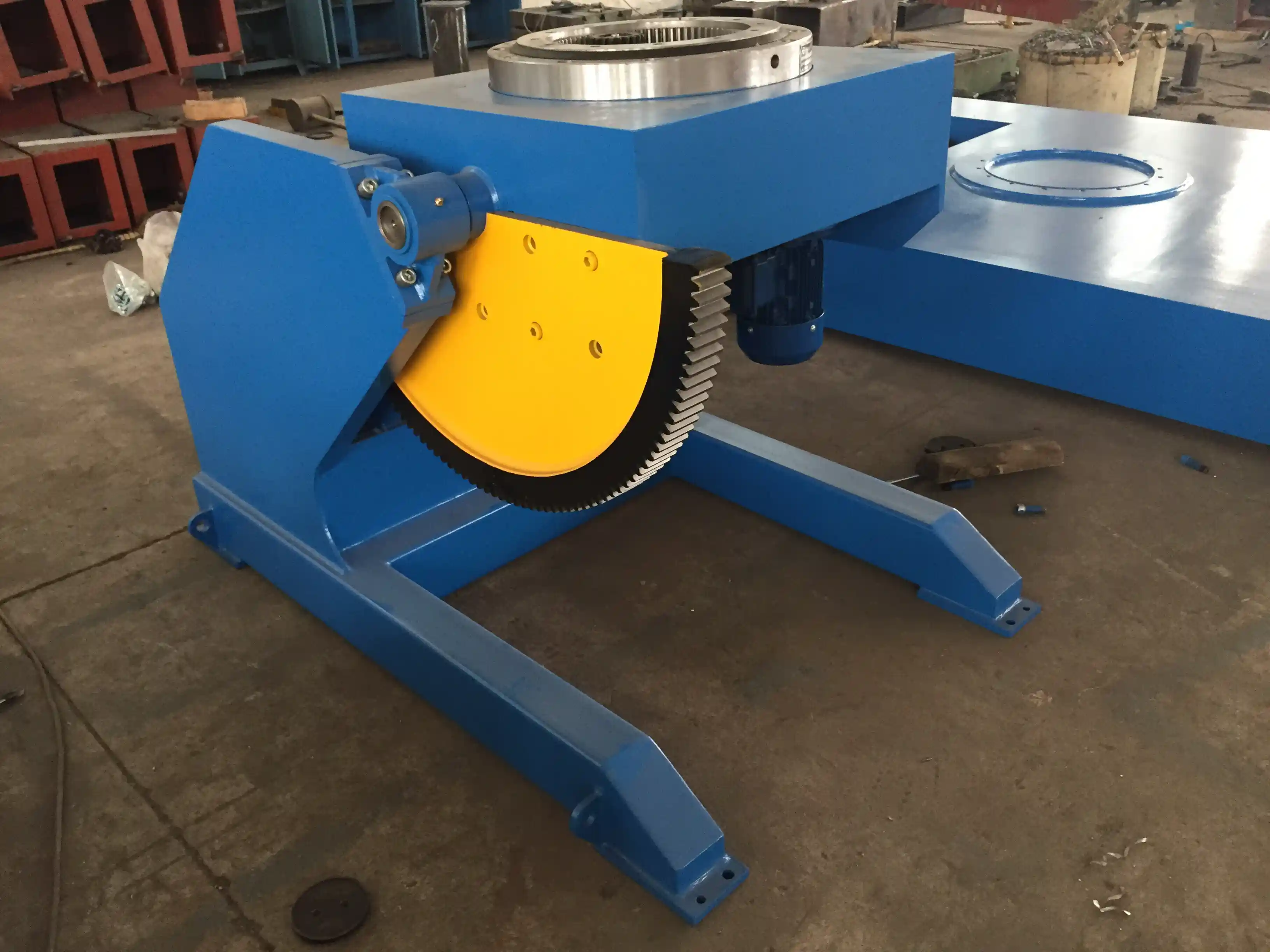
Water jet cutting is only one stage in a fabrication flow. <Rotateur de soudage Automatisation de précision pour la fabrication industrielle : Guide FAQ des experts> covers how rotator positioning after cutting affects weld pass consistency and total hours, a factor that changes the full project cost even when the cutting machine fits the original estimate.
A water jet purchase decision becomes better when it is based on a specific part load rather than a catalog price. If your shop cuts mixed thicknesses, heat sensitive alloys, or materials a plasma or laser cannot handle, the machine cost needs to include the downstream process and the maintenance burden over three to five years. For a realistic water jet cutting machine cost calculation, send your part drawings, material grade, thickness range, and expected monthly cutting hours to jay@weldmc.com or call +86-13815101750. We will work through the pump, table, abrasive, and spare parts package that matches your workload.
Common Questions About Water Jet Cutting Machine Cost
What is the biggest mistake buyers make when comparing water jet machine prices?
The biggest mistake is comparing pressure ratings without matching flow rate and abrasive consumption. Two machines can both advertise 60,000 psi, but one may deliver half the flow and cut far more slowly on the same plate. The lower priced unit then costs more per part because the operator and floor space stay occupied longer. Buyers should ask for cut speed on their own material grade and thickness, not for the maximum pressure the pump can reach.
Is a higher horsepower pump always worth the extra cost?
It depends on the duty cycle and material mix. A higher horsepower pump pays off when the shop runs long continuous cuts or thick sections and can use the extra flow. For a small job shop that cuts 4 mm aluminum in short runs, the larger pump often raises power and maintenance cost without increasing billable output. The useful comparison is required liters per minute at the target pressure for the largest job the shop will run weekly.
How long does a mixing tube last and what does replacement cost?
Replacement life moves with abrasive grade and water quality more than with the machine brand. In the installations we review, mixing tubes typically last 40 to 80 cutting hours before the jet loses coherence. A worn tube drives up abrasive use and slows cutting before it fails completely. The component itself is a moderate consumable cost, but running one too long frequently costs more in wasted garnet and lost production than the replacement price.
Can a water jet cutting machine run profitably in a small job shop?
Profitability depends more on part mix than shop size. A small shop earns a water jet’s cost when it cuts heat sensitive or mixed materials that customers cannot easily source elsewhere. If the work is mostly thin steel sheet, a plasma or laser table may offer a shorter payback. The question to answer first is the minimum weekly cutting hours at the shop’s actual material mix, because that number determines whether the abrasive and labor costs sit under the revenue those parts can carry.
What information should I send for an accurate water jet cost estimate?
Many buyers start with a one line price request, but that produces a number with little meaning. The accurate estimate starts from part data: maximum dimensions, material grade, thickness range, edge quality requirement, and expected monthly cutting hours. From that list we can select the pump flow, table size, abrasive delivery, and water treatment package that matches the work. Send those details to jay@weldmc.com or call +86-510-83555592 and we will confirm the machine configuration and operating cost for your workload.
Si cela vous intéresse, consultez ces articles connexes :
L'espace de l'atelier est trop petit ? Comment les rampes à colonnes permettent de gagner de l'espace au sol 50% tout en renforçant la sécurité et l'efficacité
Des soudures parfaites sur des tubes de grand diamètre grâce à un équipement de laminage professionnel
Wuxi ABK Professional Welding Rotary Equipment: Precision Welding Solution for Pressure Vessel Manufacturing
Améliorer la qualité et l'efficacité dans la fabrication de réservoirs et d'appareils à pression : La valeur de l'application principale des positionneurs
 English
  Español
  Français
  Deutsch
  Português
  Русский