
When a fabrication shop moves from jobbing work to serial production of H-beams—whether for a large infrastructure project or standard structural sections—the technical demands on the welding line shift from flexibility to repeatable, high-speed throughput. The difference between a line that “works” and one that delivers consistent 8-shift output at a competitive cost per ton comes down to a handful of integration and automation decisions that are rarely obvious during the quotation phase. Over the last two decades, I have designed and commissioned automated H-beam production lines for steel structure plants across multiple countries, and the lessons that stick are always about the connections between stations, not about the individual machine specifications in isolation. A fully automated H-beam line is a system where assembly, welding, web straightening, and surface preparation are linked by a common material rhythm, and getting that rhythm right from the planning stage determines whether the line meets its volume targets from day one.
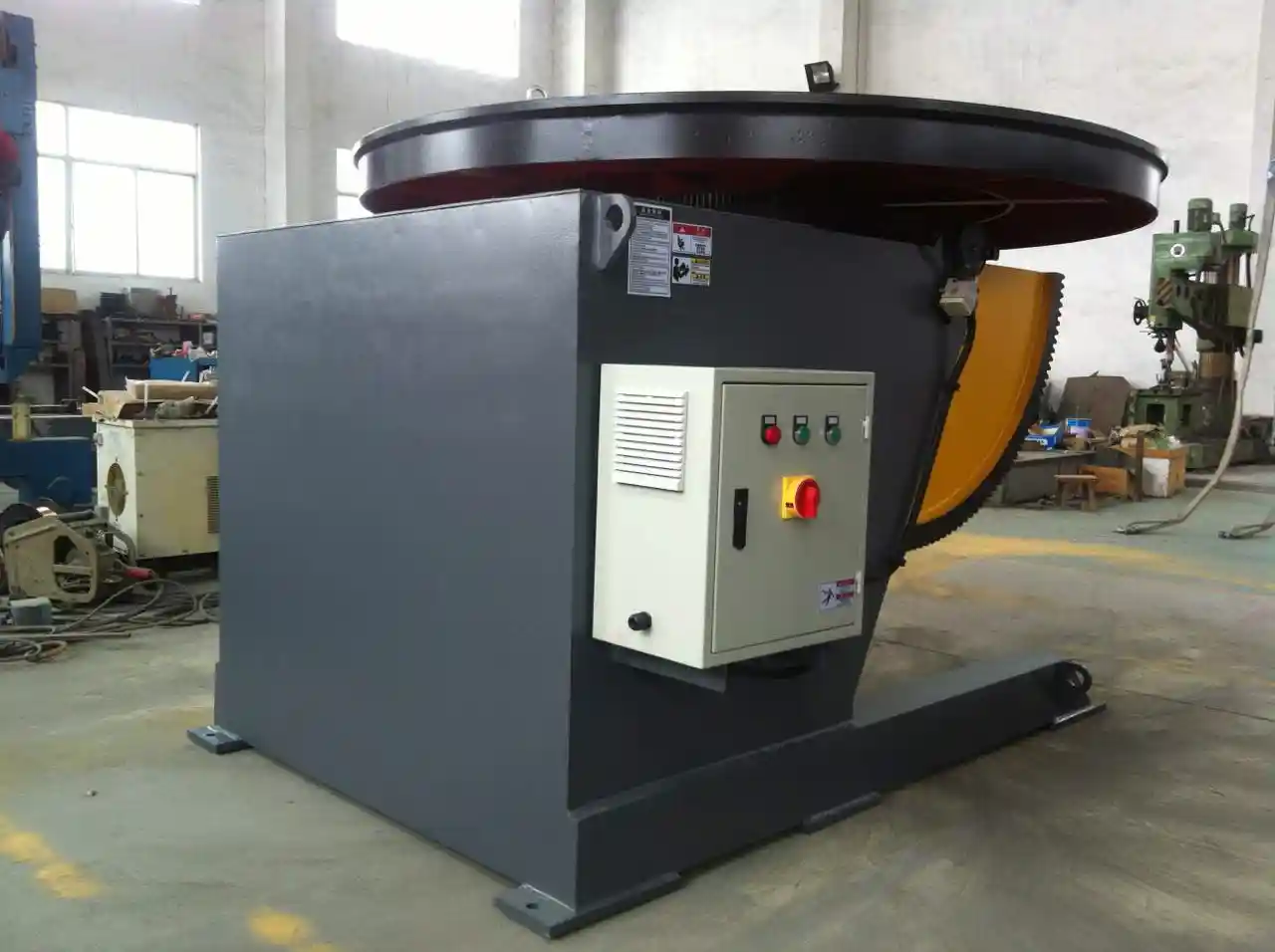
How to Configure an H-Beam Production Line for Continuous High-Volume Output
The central requirement for mass production is that every station completes its work within a predictable window and passes the beam downstream without idle waiting. This is more challenging than it sounds because beams of different lengths and cross‑sections introduce variable processing times. An H‑beam line that targets 10,000 tons per month must be designed backwards from the final output station—the shot blasting and painting area—through the cooling and straightening phases, all the way back to the web-to-flange fit‑up. I always begin planning with a takt time calculation based on the heaviest section the factory expects to run regularly, not the lightest, because a line that is designed for the average will be choked by the extreme. In one installation I worked on, specifying a fit‑up station with dual hydraulic clamps and a 4‑meter longitudinal travel shaved 18 seconds off each cycle compared to a single‑clamp design, and over three shifts that translated to an extra 12 beams per day without any increase in line speed. The selection of the assembly machine, the welding manipulator, and the straightening press must be matched not only in capacity but in cycle time compatibility, or else automation itself becomes the bottleneck.
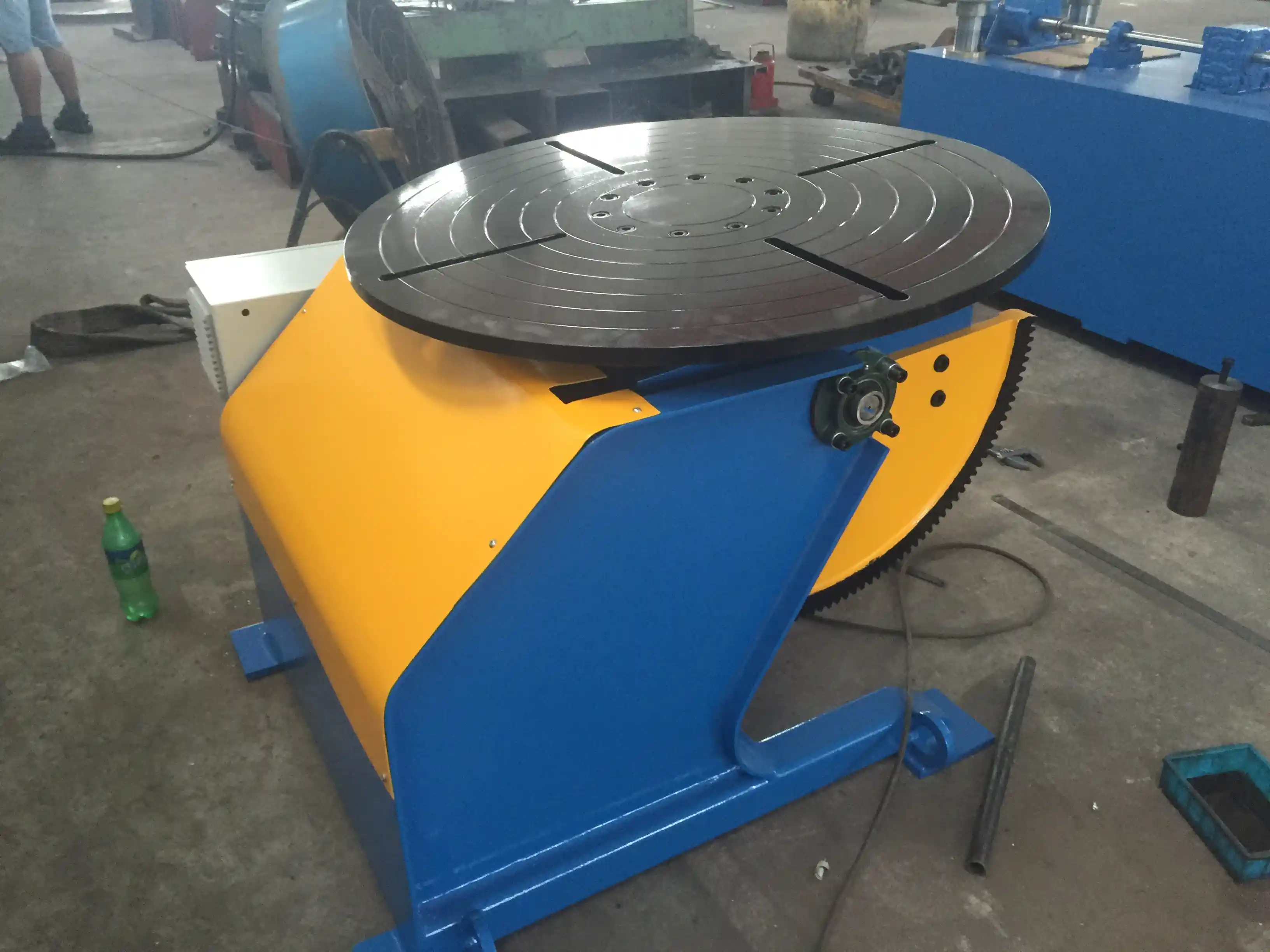
Most fabricators underestimate the floor space and foundation requirements of a high‑output line. The welding manipulator, for instance, needs a rail system that extends well beyond the beam length on both sides to allow the boom to return without collision, and the submerged arc welding (SAW) station generates such high heat input that the beam must sit on anti‑distortion clamping beds while the weld cools. If the cooling‑bed length is under‑specified, the whole line must be paused for straightening to catch up. I have seen plants lose 15–20% of potential output capacity because the cooling section was laid out for the 12‑meter beam standard while 15‑meter beams were actually driving the order book.
Automating the H‑Beam Assembly and Fit‑Up Process
The fit‑up station—where the top and bottom flanges are brought into contact with the web—is where a line either achieves consistent root gap and alignment or begins an endless loop of rework. For volume production, the assembly machine must clamp the entire beam length simultaneously, not progressively, or else the web will bow, and the subsequent SAW passes will fight a pre‑stressed shape.
In our WUXI ABK automatic H‑beam assembly machine, hydraulic arms press the flanges and web together while a laser alignment system verifies web centering to within ±0.5 mm before the tack‑welding heads lock the joint. This upfront precision eliminates the common scenario where a beam arrives at the welding station with a 2 mm misalignment that the submerged arc process tries to compensate for—always unsuccessfully, because SAW deposits large volumes of metal and will build up unevenly if the joint geometry is off. I learned this early when a plant manager told me they were burning an extra 2 kg of flux per ton of beam simply fighting alignment errors that originated 20 meters upstream in the fit‑up. Investing 15% more in assembly automation at the front end yielded a 30% reduction in welding consumables and post‑weld straightening time.
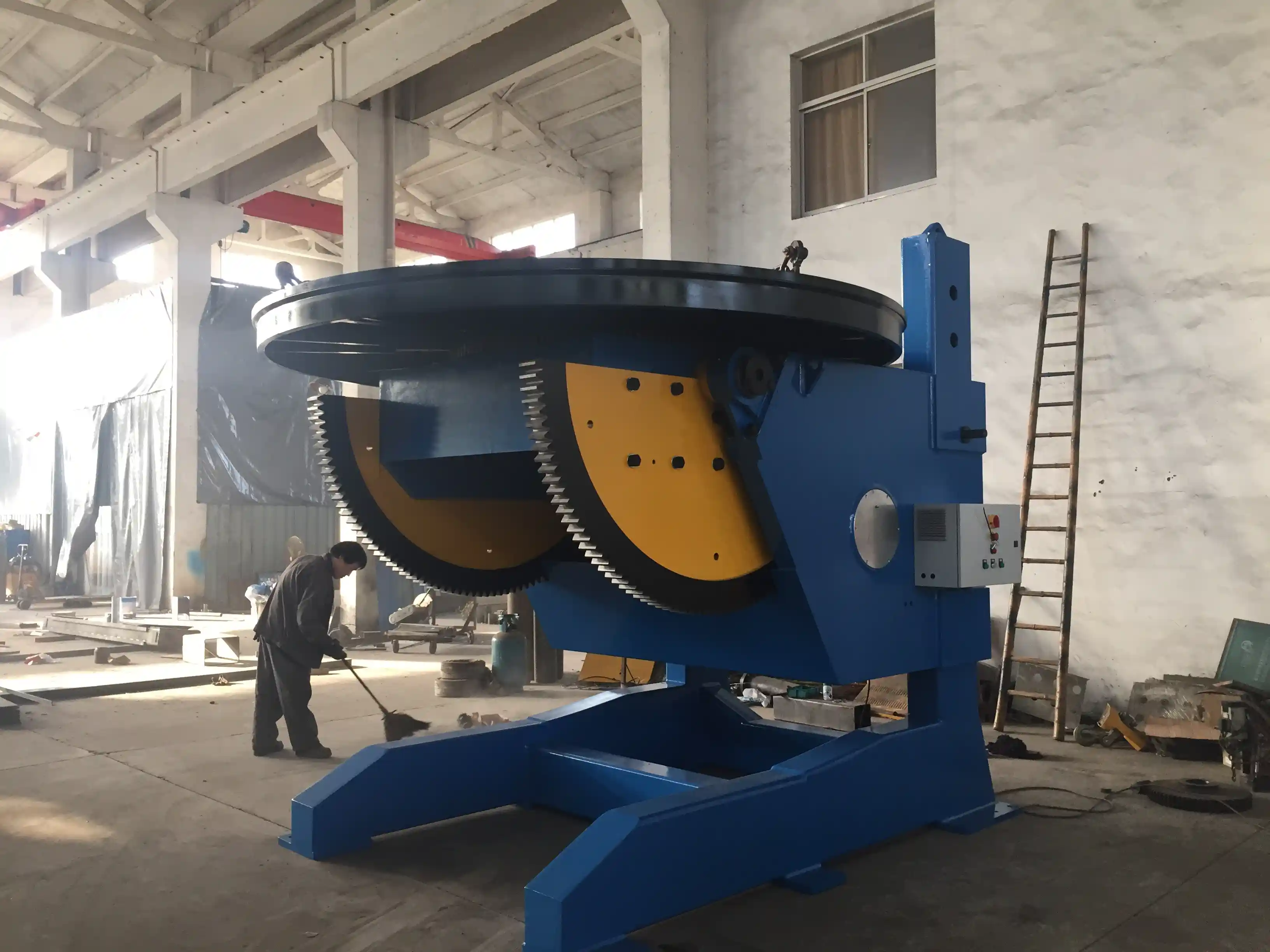
For mass production, I recommend the fit‑up station be equipped with two pairs of drive rollers that advance the tacked beam to the welding station without manual overhead crane intervention. The rollers must maintain exactly the same surface speed so the beam does not rotate, and they must be controlled by frequency inverters that can ramp up and down smoothly to avoid disturbing the tack welds. When a beam slides sideways even 3 mm during transport, the welding manipulator’s pre‑programmed torch position is instantly wrong, and the seam tracking system must compensate—adding reaction time and complexity that is unnecessary if the handling is designed well.
Submerged Arc Welding and Straightening: The Heart of H‑Beam Automation
The welding station is typically a column and boom manipulator carrying tandem twin‑wire SAW heads that weld both flange‑to‑web fillets simultaneously from the same side, then the beam is flipped for the opposite side. With adequate automation, pulse arc control maintains a consistent heat input and bead shape even as the welding voltage fluctuates due to the contact tip wear that is unavoidable over a 10‑hour shift. In a line I commissioned for a bridge girder project, the manipulator’s real‑time parameter monitoring and automatic torch lifting during beam changeover reduced the welding arc‑on time from 72% to 89% of available production time—a gain that dropped the per‑ton labor cost by nearly 40%. That is where the volume equation really changes: not in theoretical machine speeds, but in actual arc‑on percentage.
After welding, the beam passes through a hydraulically actuated straightening press that measures flange straightness via laser sensors every 500 mm and applies localized correction forces. For volume lines producing H‑beams over 600 mm in web height, the straightening station must handle both camber and sweep correction in the same cycle, or else the beam must be rerun. The straightening logic must account for the cooling condition of the weld—beams that are straightened immediately after welding will relax further over the next 20 minutes, so the press must over‑correct by a predictable amount. I once programmed a correction multiplier of 1.2 for beams in the first 15 minutes post‑weld, and 1.05 after cooling, which reduced the pass‑through rate of beams needing a second cycle from 22% to under 5%. That single tuning effort added capacity equivalent to one extra shift per week.
Integrating CNC Cutting, Shot Blasting, and Material Flow
Though the welding stations usually receive the most attention, the upstream CNC plasma or flame cutting center and the downstream shot blasting line are frequent sources of imbalance. The cutting operation must deliver flange and web plates with square edges and minimal beveling—otherwise the fit‑up station spends extra time compensating, which cascades through the entire production flow. I find that a nesting software upgrade on the CNC plasma gantry, combined with an automatic slag removal conveyor, removes enough manual touch time that the cutting center can serve two light‑beam lines simultaneously.
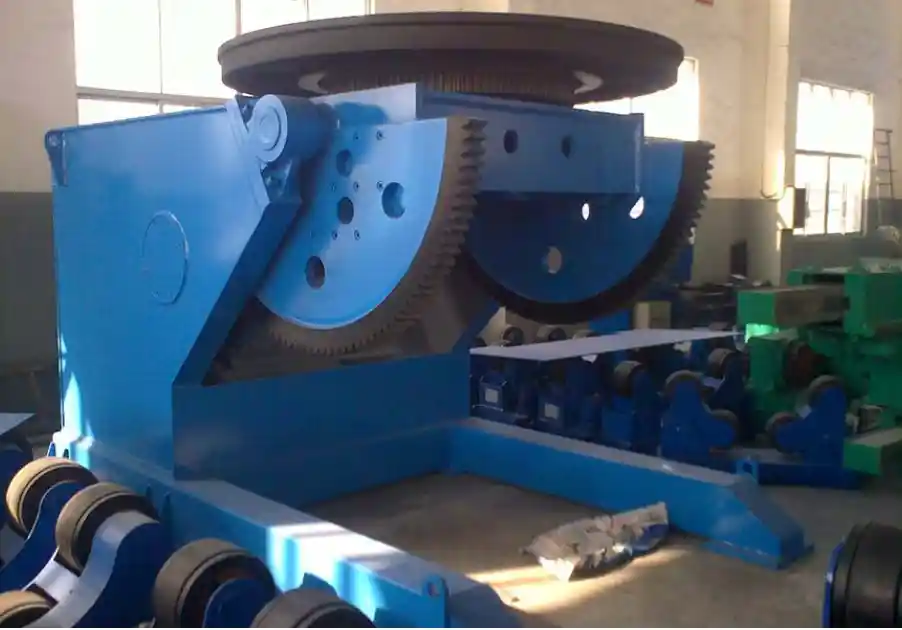
Shot blasting, which removes mill scale and provides the surface profile for painting, is a step that is often treated as a separate utility but must be integrated into the line’s cycle time. For beams up to 18 meters, the conveyor speed through the blasting cabinet must match the throughput of the welding station. If it runs slower, beams pile up at the entry, and the entire line stalls. The solution is to calculate the blasting cabinet’s effective cleaning speed based on the worst‑case section surface area and install a buffer zone before the shot blaster with enough roller conveyor length to hold three beams. That 3‑beam reserve absorbs short welding bursts and prevents the blasting operation from dictating overall output.
Quality Assurance in a High‑Volume Automated H‑Beam Line
In mass production, quality control must be in‑process rather than end‑of‑line, because once a beam emerges from shot blasting, the cost of rework is prohibitive. I advise placing a vision‑based weld inspection system immediately after each SAW head that scans the weld profile and checks for under‑cut, porosity, and dimensional compliance against the welding procedure specification. If a defect is detected, the beam is automatically diverted to a repair station where a manipulateur de soudage with a smaller boom performs a quick touch‑up without stopping the main line. This diversion capability is a key differentiator between a line that can run unattended for hours and one that needs constant operator monitoring.
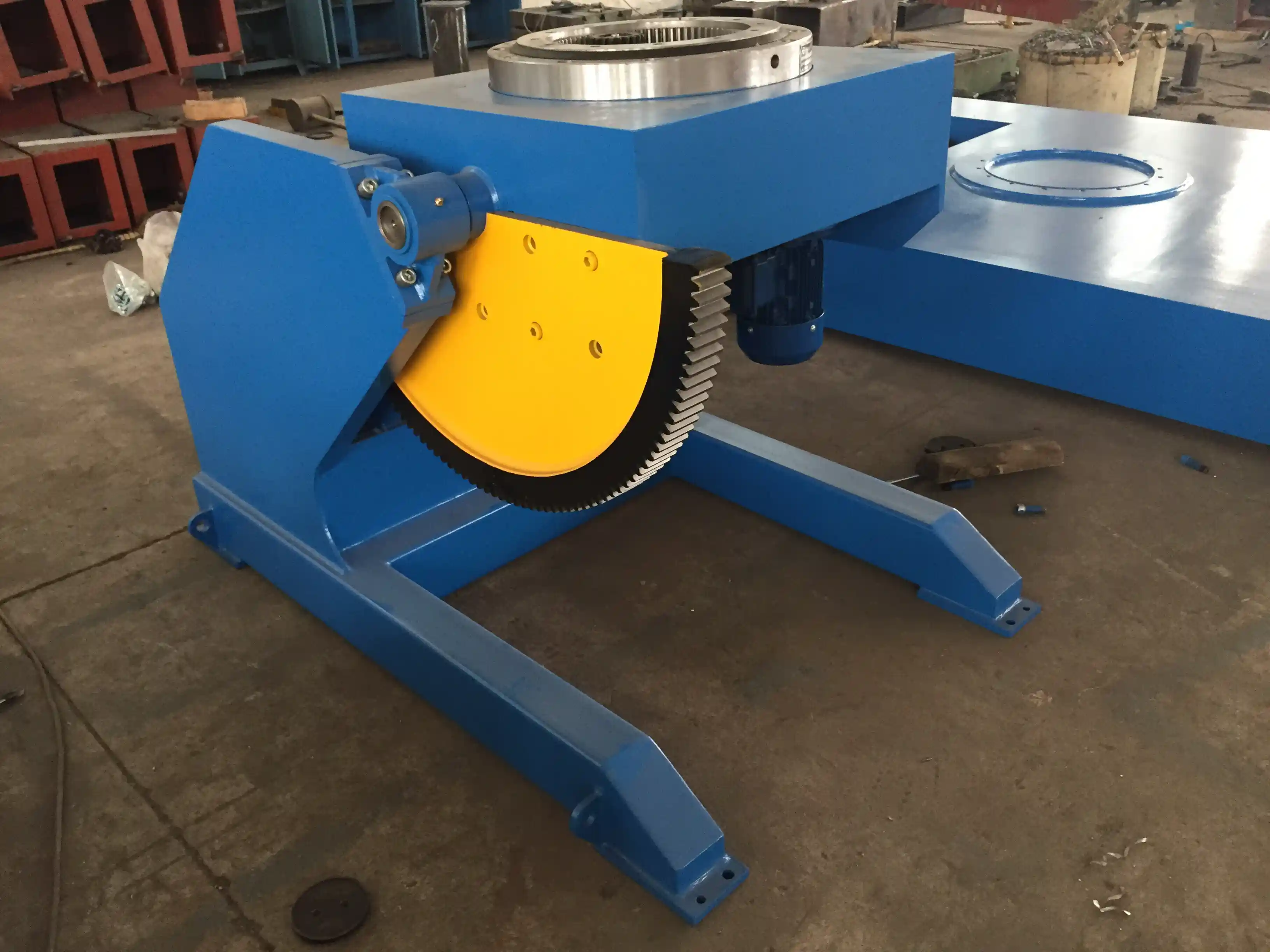
A key quality metric that volume producers should track is the first‑pass straightness rate. Over the course of a month, a drop in straightness from 92% to 88% may seem small, but it directly translates to an extra 40 beams per 1,000 needing re‑straightening, each consuming 15 minutes of press time plus handling. I’ve found that installing a continuous measurement arch after the cooling bed, which logs the camber and sweep of every beam into a database, enables the straightening press to adjust its parameters automatically for the next similar section, eliminating the drift that manual adjustments miss. This closed‑loop approach maintains the process capability index (Cpk) above 1.33 even during multi‑shift operation.
Evaluating the Automation Investment for H‑Beam Volume Production
Purchasing a fully automated H‑beam production line is a capital decision that must be justified by the projected cost per ton over at least a five‑year horizon. The calculation should include not only the equipment depreciation and direct labor reduction, but also the savings in flux, wire, and energy from consistent welding parameters, as well as the reduction in scrap and rework. In a typical mid‑sized structural shop producing 6,000 tons per year, the switch from a manually fed welding line to a fully automated configuration—including the automatic assembly machine, twin‑wire welding manipulators, powered roller conveyors, and integrated straightening press—can reduce the direct labor requirement from 12 operators per shift to 4, and increase monthly throughput by 40–60% while maintaining or improving bead quality.
The payback period depends heavily on the product mix and the number of operating shifts. For a plant running two shifts, a properly configured H‑beam line commonly pays back in under 24 months, and the equipment continues to produce for 12–15 years with regular maintenance. However, the real value of automation emerges during demand spikes—when civil construction or wind energy projects accelerate, an automated line can absorb 30% more tonnage without adding headcount, which is a strategic advantage that a manual process cannot replicate. If your team is planning a volume‑oriented H‑beam fabrication line, I recommend starting the conversation by sending your typical section size range and target monthly tonnage to our engineering group at jay@weldc.com or calling +86-510-83555592 so we can build a configuration with matched cycle times and confirm the realistic throughput, not just the machine catalog numbers.
Common Questions About Automated H‑Beam Production
What is the minimum monthly tonnage that justifies a fully automated H‑beam line?
There is no single break‑even number because the calculation hinges on labor rates, local material costs, and the complexity of the sections being produced. In my experience, a plant consuming more than 500 tons of H‑beam steel per month and making sections between 300 mm and 1,000 mm web height sees a positive return when it moves from standalone manual welding to an automated line. The threshold is lower when the work includes repetitive standard beams rather than one‑off custom sections.
Can an automated H‑beam line handle multiple section sizes without long changeover times?
Yes, but only if the line is designed with quick‑change features from the start. The assembly machine must have hydraulic width adjustment that moves both flanges simultaneously, and the straightening press should store correction programs for each reference beam size so the operator can switch setting in under two minutes. Without these provisions, changeover becomes a manual task that steals an hour of production each shift and negates the volume advantage.
How does the submerged arc welding station maintain consistent quality across thousands of identical beams?
Consistency comes from three elements: parameter monitoring with closed‑loop feedback, scheduled contact tip and flux nozzle replacement, and a weld‑tracking laser that keeps the wire centered in the joint. In high‑volume lines, we set the welding power source to log arc voltage and travel speed every second, and when the data shows a drift of more than 2% from the reference, the system flags the maintenance team before the bead appearance changes. This predictive approach eliminates the common up‑and‑down quality pattern that manual checking cannot catch.
Many fabricators worry about integrating a new automated line into an existing factory layout. Is an older building ever a show‑stopper?
Most older buildings can accept a modern H‑beam line if the workflow is re‑organized around a long, straight material path and the floor is reinforced at the welding and straightening stations to handle dynamic loads. I have completed installations in halls with 10‑ton overhead cranes and 8‑meter clear height by lowering the welding manipulator rail height and burying the shot blast conveyor pit partially. The bigger constraint is usually the logistics yard outside; a high‑output line needs raw plate storage on one end and finished beam staging on the other. If your facility has limited outdoor space, share the site plan with a line integrator early so that the layout works with the available footprint rather than against it.
We need to produce both H‑beams and box‑shaped structural members on the same line. Is that feasible?
With a properly specified line, yes. The key is to include a set of idle rollers that can flip the H‑beam onto its side for box‑section tacking, and to equip the welding manipulator with a cross‑slide that moves the SAW head into position for both fillet welds and square‑groove welds. The same straightening press that corrects H‑beam camber can also press plate distortion out of a box beam if the tooling is designed with interchangeable press bars. This dual‑purpose approach typically adds about 15% to the line cost but simultaneously opens up a wider order book, which is often the difference between 1.5 shifts and 3 full shifts of work. If your upcoming projects include mixed sections, it is worth discussing the specific beam types early—share a sample drawing and the production quantities with jay@weldc.com or +86-510-83555592, and we can assess what level of dual‑purpose design fits your budget without sacrificing speed on regular beams.
Si cela vous intéresse, consultez ces articles connexes :
Problèmes d'affaissement des revêtements de pipelines maritimes : comment les supports de rouleaux de peinture intelligents font grimper le taux de réussite à 98%
Les problèmes de soudage des tours d'éoliennes se répètent : Comment les rotateurs de ligne de culture intelligents augmentent la productivité par 50%
Wind Tower Welding Challenges: How Advanced Hydraulic Lifting Systems Boost Production by 40%
Applications innovantes des rotateurs de soudage CNC de 10 tonnes dans la fabrication de récipients sous pression
Manipulateurs de soudage pour la fabrication de tours éoliennes : Révolutionner l'efficacité de la production
 English
  Español
  Français
  Deutsch
  Português
  Русский