
Getting laser cutting costs under control starts with knowing where the power actually goes. Most shops have a rough sense of their electricity bills, but the real savings come from understanding the breakdown between laser source, cooling, beam delivery, and gas systems. Small changes in any of these areas can add up fast.
How Power Gets Used in Laser Cutting Systems
Laser cutting power consumption shifts dramatically depending on the laser source, what you’re cutting, and how the machine is set up. Fiber lasers pull far less electricity than CO2 systems for equivalent work. But the laser itself is only part of the picture. Chillers, beam delivery, and assist gases all draw power, and each one offers room for improvement. Breaking down consumption by component reveals where the biggest opportunities sit.
| Composant | CO2 Laser (Typical Power Draw) | Fiber Laser (Typical Power Draw) |
|---|---|---|
| Laser Source | 15-70 kW | 5-20 kW |
| Chiller | 10-30 kW | 2-10 kW |
| Beam Delivery System | 2-5 kW | 1-3 kW |
| Auxiliary Gases | Varies by application | Varies by application |
| Total System Power | 27-105 kW | 8-33 kW |
Fiber lasers consistently run at lower total power consumption, which shows up directly in operating costs. These numbers help when weighing equipment choices or targeting specific areas for process improvements.
Practical Ways to Cut Energy Waste
Improving laser cutting efficiency means working on multiple fronts at once. Technology selection matters, but so do cutting parameters and maintenance habits. The goal is reducing energy waste while keeping throughput high. Selecting appropriate laser power for the job, dialing in cutting parameters, and staying on top of machine upkeep all contribute to better overall performance.
Calculating Actual Energy Consumption
Knowing exactly how much energy your CNC laser cutter uses makes cost management much more straightforward. Here’s a practical method for getting accurate numbers.
- Identify Power Ratings: Write down the power ratings (kW) for all major components: laser source, chiller, air compressor, and exhaust system.
- Record Operating Hours: Track how long each component runs during a specific period.
- Calculate Component Consumption: Multiply each component’s power rating by its operating hours to get kWh.
- Sum Total Consumption: Add the kWh from all components for total energy consumption.
- Factor in Idle Power: Don’t forget energy consumed during idle times, which can be surprisingly high.
Formula: Total Energy (kWh) = Σ (Component Power (kW) × Operating Hours (h). This gives you a clear picture of where electricity is going.
How Laser Technology Affects Long-Term Costs
The laser technology you choose has lasting effects on what you spend to run it. Fiber lasers convert more electrical energy into actual laser light, which means lower electricity bills for the same cutting work. CO2 lasers work well for certain materials but typically cost more to operate because of their lower conversion efficiency. These differences become significant over years of operation.
| Laser Type | Energy Efficiency (Electro-optical) | Maintenance Requirements | Consumables Cost | Typical Lifespan (Laser Source) |
|---|---|---|---|---|
| Laser CO2 | 5-15% | High (optics, gas) | Haut | 10,000-20,000 hours |
| Laser à fibre | 25-40% | Low (sealed unit) | Faible | 50,000-100,000 hours |
| Disk Laser | 15-25% | Modéré | Modéré | 20,000-40,000 hours |
This comparison shows why fiber lasers often make financial sense despite higher upfront costs. Lower maintenance and longer lifespan compound the energy savings.
Weighing Energy Efficiency Against Savings
Different laser technologies bring different advantages when it comes to efficiency and long-term savings. Fiber lasers reduce operational costs through high electro-optical conversion and minimal maintenance needs. CO2 lasers offer versatility but typically consume more energy and need more frequent attention. Evaluating these trade-offs against your specific work helps identify which technology delivers the best return. The right choice depends on what you’re cutting and how often.
Making the Numbers Work on Efficiency Investments
Putting money into energy-efficient laser cutting equipment should pay back through reduced consumption and lower operating costs. Faster payback periods and improved profitability follow when the analysis is done carefully. Comparing current expenditures against projected savings from newer, more efficient systems shows whether an upgrade makes sense. Every investment should contribute to the bottom line.
| Investment Scenario | Initial Cost | Annual Energy Savings | Annual Maintenance Savings | Payback Period (Years) | 5-Year ROI (%) |
|---|---|---|---|---|---|
| Fiber Laser Upgrade | $150,000 | $25,000 | $10,000 | 4.2 | 119% |
| CO2 Laser Upgrade | $100,000 | $10,000 | $5,000 | 6.7 | 50% |
This example shows how the numbers can work out, with fiber laser upgrades typically offering stronger returns.
If you are interested in optimizing your welding processes, consider reading 《Solution révolutionnaire pour le soudage des appareils à pression : Analyse technique des positionneurs de soudage rotatifs à 360 degrés》, which offers insights into advanced positioning technologies.
Specific Tactics for Lowering Operating Costs
Several approaches work well for reducing what you spend on laser cutting operations. Optimizing cutting parameters like speed, power, and gas pressure cuts energy usage per part. Regular preventative maintenance keeps machines running at peak performance and avoids unexpected downtime. Upgrading to more energy-efficient laser technologies directly lowers electricity consumption. Good material nesting reduces scrap, adding another layer of savings. These tactics work together to improve both profitability and sustainability.
Where Laser Cutting Technology Is Headed
Laser cutting technology keeps moving toward greater sustainability and efficiency. Higher power fiber lasers with improved electro-optical efficiency are becoming available, along with more sophisticated automation. These developments aim to reduce environmental impact while cutting costs further. Smart manufacturing integration, with AI and IoT enabling predictive maintenance and real-time process optimization, is gaining ground. These trends point toward greener, more cost-effective production.
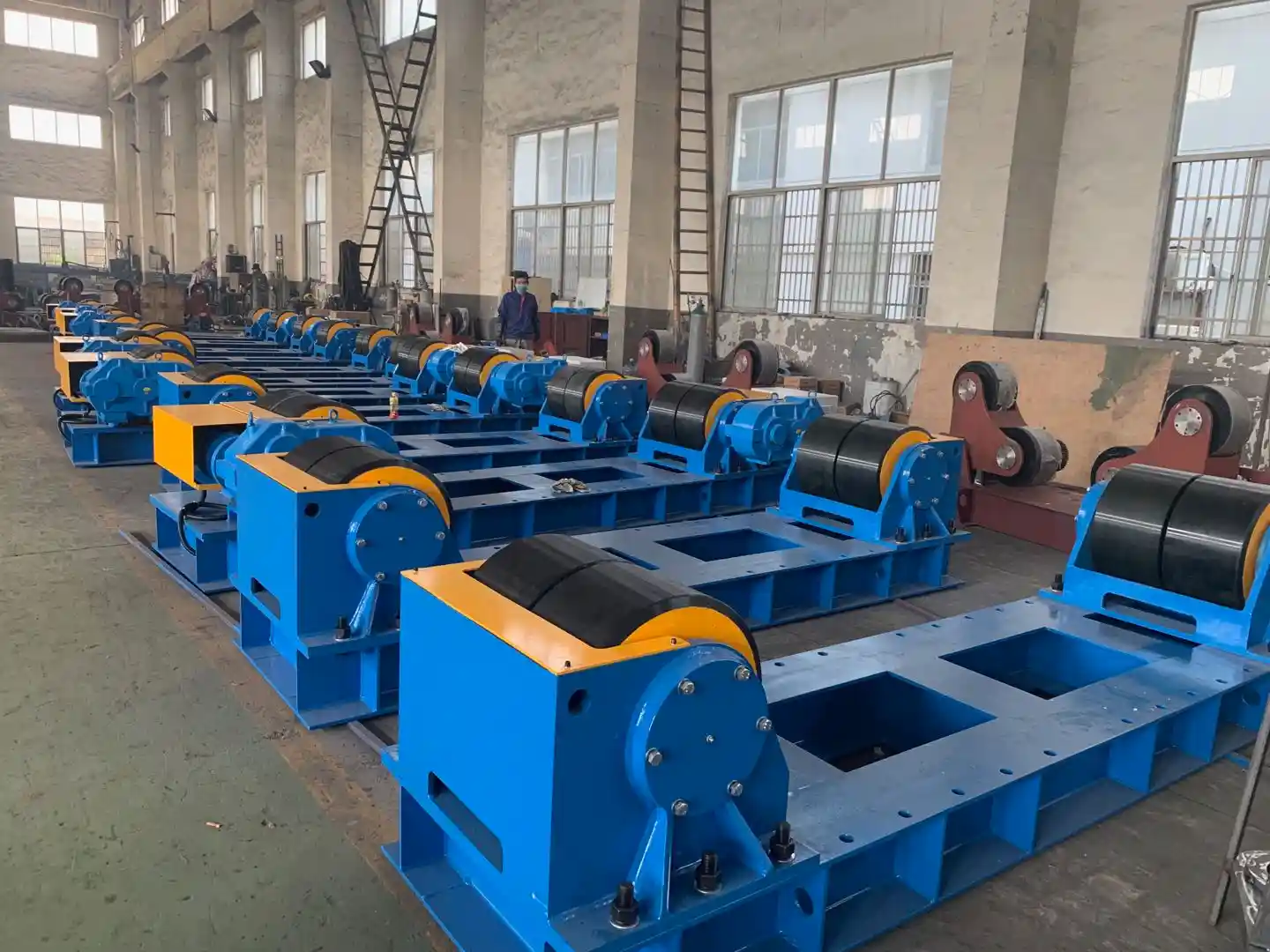
New developments in Laser Cutting Suppliers are continuously pushing the boundaries of what is possible, offering more efficient and precise solutions.
Optimize Your Manufacturing with WUXI ABK MACHINERY CO., LTD
Optimize your manufacturing processes with WUXI ABK MACHINERY CO., LTD’s cutting-edge CNC cutting machines. Contact us today for expert consultation and discover how our solutions can enhance your operational efficiency and reduce energy costs. Reach out to jay@weldc.com or call +86-13815101750.
What are the primary factors influencing CNC laser cutting energy costs?
The primary factors influencing CNC laser cutting energy costs include the laser source type (fiber vs. CO2), power output, beam delivery system, chiller efficiency, and auxiliary gas consumption. Understanding these elements is key for an accurate energy costs analysis. Analyzing these factors helps identify tailored solutions for specific operational needs.
How does WUXI ABK MACHINERY CO., LTD ensure the energy efficiency of its CNC cutting machines?
WUXI ABK MACHINERY CO., LTD integrates advanced laser technologies and optimized control systems in its CNC cutting machines to deliver strong energy efficiency. The designs focus on minimizing power consumption while maximizing cutting speed and precision, contributing to lower operational expenditure. High-efficiency components and intelligent control algorithms are standard.
What role does maintenance play in maintaining optimal laser cutting efficiency and controlling energy costs?
Regular and preventative maintenance is fundamental for maintaining optimal laser cutting efficiency and controlling energy costs. Neglecting maintenance leads to decreased performance, increased power consumption, and premature component failure. A well-maintained machine operates at peak efficiency, directly impacting energy costs. Consistent maintenance protocols ensure reliable performance.
Can upgrading to a newer CNC laser cutting system significantly reduce energy consumption?
Yes, upgrading to a newer CNC laser cutting system, especially moving from an older CO2 to a modern fiber laser, can significantly reduce energy consumption. Modern systems often feature advanced power management, higher electro-optical conversion efficiency, and improved cooling, leading to substantial savings. This upgrade typically provides a strong return on investment.
What are the key metrics for evaluating the energy efficiency of a CNC laser cutter?
Key metrics for evaluating the energy efficiency of a CNC laser cutter include kilowatt-hours per part, overall power consumption (kW), specific energy consumption (J/mm³), and the electro-optical conversion efficiency of the laser source. Monitoring these metrics is vital for comprehensive efficiency analysis and identifying improvement opportunities. These metrics help benchmark and optimize performance.
 English
  Español
  Français
  Deutsch
  Português
  Русский